
Opinion
Religion’s utility value: language games and gentlemen’s games


In Teaching English as a Second Language (TESL) classes, teachers give their students a list of words for them to find the odd one out. Then they have to explain why they thought it to be odd. It’s an exciting game because teachers include more than one word that may be interpreted as odd in various ways.
Let’s consider the following words: cricket, affluence, deceit, corruption, fame, bribery, euphoria, herd-instinct, patriotism, manipulation, politics, suppression, poverty, disappointment, gentlemen and religion. Many would say that the odd word is the last one– religion. Of course, not all would agree, which is the strongpoint of the game. There can very well be other choices ensuing argument and debate. Such language games are both fun and effective in getting the students to talk in the TESL classroom. Also, there can be disagreement on the arrangement of the words in the list. Can they be arranged in a better, more logical order depending on their connections?
For example, some would see a lack of coherence in the word order. They would say that ‘gentlemen’ is more affiliated with cricket played by 17th century English aristocracy and ask why on earth it is placed near religion and not with cricket. However, there will be others who would argue that since aristocrats have no reason not to be religious, why not place both cricket and gentlemen close to religion? The former would claim that both cricket and gentlemen would fit more readily with many of the other words like affluence, deceit, corruption, fame, bribery, etc., – words that occur recurrently in TV news bulletins, chats and in social media? Anyway, the above example can illustrate how a well-thought-out language game can generate exciting discussion and debate.
Today, cricket seems to have been profitable in many more games in addition to its somewhat less known utility value in language games in TESL. However, it would be somewhat stale and unexciting to talk about cricket now, which will only lead to further disenchantment, which is the dominant collective feeling today. The unfolding drama in the cricket theatre cannot really give any new insights to people other than adding to the general sense of disgust people feel towards the corrupt power structures of society infested with parasitic elites.
However, looking for seemingly farfetched connections between cricket and religion, our traditional guide in ethics, may be more exciting than pondering on the decomposing state of the social body infected by political and administrative parasites. After all, the word ‘cricket’ for many Sri Lankans, triggers such fervent feelings as passion, adoration, respect, mass hysteria, devotion, and even ‘worship’ one may associate with religion. So, is it very unnatural for one to mention religion when one thinks of our cricket – that collective national obsession, which is in disrepute? Yet, many would think it silly to have “religion” on an agenda for discussing cricket.
How can an all-pervasive fixation like religion be totally forgotten when we discuss our worst problems- be they on politics, economics, medicine, cricket or sugar for that matter? Religion hardly enters into any important discussion on issues that form the very foundation of our social life. Simply ask why religion is a nonissue in any important discussion on the most serious problems in life – you will only make them horrified by your naivety. All practical people, those hardboiled administrators, politicians and all kinds of elites who call the shots will tell you that religion is to be utilised for the consumption and manipulation of the hoi polloi. Or, more diplomatically, it’s your personal affair. In short, “sure, you can be religious to your heart’s content. Who stops you? But, wait a minute. Religion, of all things, in politics, business or in any money-making-project? Are you serious?
One thing is clear. Religion is the most underutilised institution for social wellbeing. Whatever its intended function may be, religion or, rather, its ethical aspects are not given any important place in any discussion or project that can have any serious influence on people. So far as religion is going to be just that thing called ‘religion’ as we have known it for ages- an identity marker and a brittle emotion-filled vial or amulet you wear, corruption and all its attendant evils will be the stuff of life forever.
People should stop paying lip service to religion and take its ethical spirit and ignore the destructive and divisive wraps. If we all can refine those political, social and economic structures that will ensure justice and fair play, perhaps people will not be so maniacally obsessed with the most destructive superficial aspects of religion coming in the form of narratives implanted in childhood.
Mention “religion” in any important discussion or project which is critically important to millions of people, and you may be pitied for your naivety. However, there will be thousands who would wish to be martyrs to saving religion. For what purpose is the big question.
Susantha Hewa

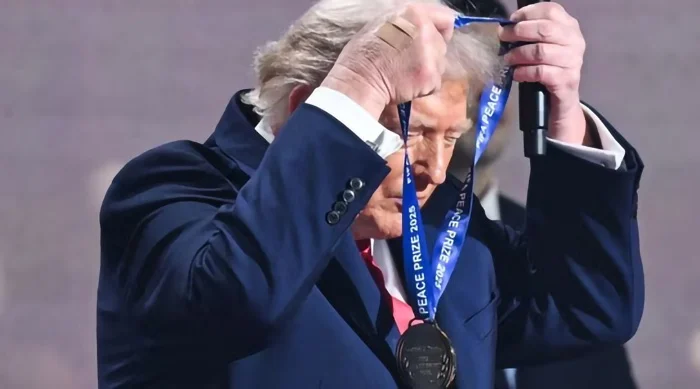
We are living in ‘Trump times’ characterised by never ending craziness but it is not confined to the USA alone. I will come to our part of the world later. As a large part is due to Trump, perhaps, normalcy may return when he ends his second term on 20th January 2029, at 12.00PM Eastern Standard Time. We cannot be sure of that either because the ‘Great man’ may decide to govern the world for ever, after having purchased Greenland and forcing Canada to be the 51st state of the US!
Trump had an unprecedented opportunity, being only the second to be elected to a non-consecutive second term as the US President, the other being Grover Cleveland at the tail end of the nineteenth century. If only he kept to his campaign promises, his name would have been written in history in golden letters but the complete transformation, following the election, is likely to make his name go down as one of the craziest!
It is a moot point whether even Trump knows what he is going to do that day, when he wakes up, considering the illogicality of some actions, best illustrated by the ad-hoc imposition of tariffs without any discussions or negotiations. The adverse effects of these, to the world economy, is yet to be seen compounded, of course, by the continuing war with Iran. He promised to be a ‘Peace-maker’ but turns out to be a war-monger, like many of his predecessors! His excuse was that he went to war because he was denied the Nobel Peace Prize.
Well, he got the FIFA Peace Prize from FIFA President Gianni Infantino, another shameless leader who is ruining the ‘Beautiful Game’. When a US team member was given the red-card, Trump, who claims to know better than referees, decided it was not so, with a successful appeal to Infantino. During the next World Cup match, Belgium, supercharged with this injustice, thrashed the USA team 4-1.
Even the Semiquincentennial celebration of the US was not about the country but about himself! In fact, a cynic may point out that most of what the US has left behind, over the 250 years, is death and destruction. Paradoxically, whilst fighting a war with Iran to prevent it acquiring nuclear capabilities, the US is the only country to have dropped Atom Bombs, not one but two. Even though Japan was on the verge of admitting defeat, ‘Little Boy’, a uranium-based bomb, was dropped over Hiroshima on 6th August, 1945. Not giving time for Japan even to consider surrender, the second ‘Fat Man’, a plutonium implosion bomb, was dropped over Nagasaki, just three days later. Why did the US drop two A-bombs in rapid succession? It was to test the two different types of bombs they had.
Over the past 250 years, the US has started wars in many countries and, in most instances, lost leaving behind a trail of devastation and destruction. In spite of all that, it is continuing its war with Iran, a war that was started with false intelligence supplied by the war-monger Netanyahu who predicted the instantaneous fall of the Clerical regime in Iran. This war has turned out to be a blessing in disguise for Iran, as it realised the economic value of the Strait of Hormuz. The language Trump uses in reference to Iran is despicable. What sane person, nay a world leader, refers to flattening of a country and erasure of a civilisation?
Back in Sri Lanka, we know that most of our modern-day politicians are also self-serving. They are also very good at amassing wealth, when in power, just like the Trump family had done. However, what is of concern is the rapid decline in the standards of some vital professional classes. Special reference has to be made to the Attorney-General’s Department. Perhaps, the present holder is a decent man but some of his predecessors brought the high position into disrepute.
Dappula Livera allegedly concocted a conspiracy theory about the Easter Sunday terror mastermind as President Gotabaya Rajapaksa denied him an extension in service as the Attorney General. If he has any information about such a conspiracy, it is his bounden duty to come out with facts but has not done so.
A remark recently made by Deputy Solicitor General Dileepa Pieris about gallantry medals awarded to military personnel is said to have caused an affront to the dignity of Air Force officer Shantha Jayathilleke, who has received the highest decoration awarded to a living officer and sought to represent the interests of former Director of State Intelligence Service Maj. Gen. (retd.) Suresh Sallay as permitted by the Penal Code.
When political leaders and professionals holding high office behave in this manner, is there any hope for the nation?
By Dr. Upul Wijayawardhana
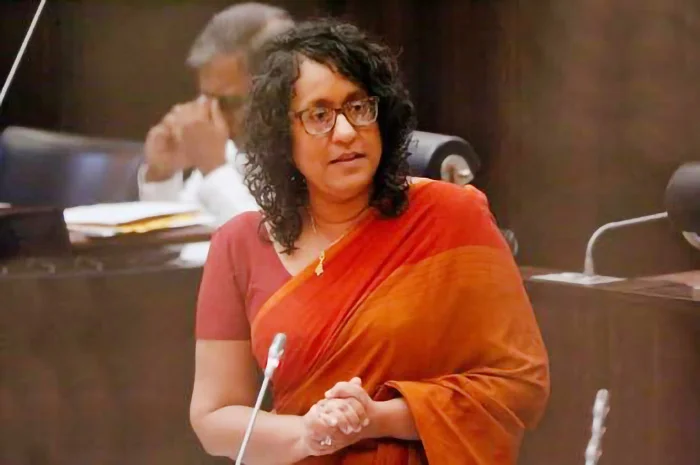
Education has always been one of the strongest foundations of Sri Lanka’s social and economic development. In today’s rapidly changing world, however, education must prepare students not only for examinations but also for life, employment, innovation, and responsible citizenship. Recognising this need, the government of Sri Lanka has introduced a new programme of education reforms. As Prime Minister and Minister of Education, Higher Education and Vocational Education, Dr. Harini Amarasuriya has played a leading role in guiding and promoting these reforms, with the aim of creating a more inclusive, modern, and student-centered education system.
One of the Prime Minister’s most significant contributions has been providing a clear vision for transforming the education system. Rather than focusing only on examination results, the reforms seek to develop students’ creativity, critical thinking, communication skills, problem-solving abilities, and emotional well-being. This approach recognizes that success in the twenty-first century requires a broad range of skills that go beyond memorisation.
A major feature of the reforms is the introduction of a new curriculum. The Prime Minister has emphasised that revised syllabuses will be introduced in stages, beginning with Grades 1 and 6, before expanding to other grades over the following years. The updated curriculum is designed to make learning more engaging, practical, and relevant to modern society. It encourages inquiry-based learning, teamwork, creativity, and the application of knowledge to real-life situations rather than relying solely on textbook learning.
Teacher development has also been identified as a key priority. The Prime Minister has repeatedly stressed that meaningful reforms cannot succeed without well-trained and motivated teachers. As a result, the government has planned professional development programmes to help teachers understand the new curriculum, adopt modern teaching methods, and integrate digital technology into classroom instruction. Strengthening teachers’ skills ensures that students receive a higher quality education and are better prepared for future challenges.
Improving school infrastructure is another important contribution under the Prime Minister’s leadership. Many schools across Sri Lanka continue to face shortages of classrooms, laboratories, libraries, and digital learning facilities. The reform programme aims to reduce these disparities by giving priority to improving physical infrastructure, upgrading learning environments, and ensuring that children from rural and urban areas have more equal educational opportunities. These investments are expected to create safer, more effective, and more inclusive learning spaces for all students.
The reforms also place strong emphasis on digital education. As technology continues to shape every aspect of modern life, students need digital literacy to succeed in higher education and future careers. The Prime Minister has supported initiatives to expand the use of digital tools in teaching and learning while encouraging schools to make greater use of educational technology. By promoting digital learning, the reforms seek to narrow the technological gap between schools and prepare students for a knowledge-based economy.
Another noteworthy contribution is the promotion of vocational and skills-based education. Traditional education has often placed greater emphasis on academic achievement, while practical skills received less attention. The new reforms aim to change this balance by introducing vocational subjects within the school system and creating clearer pathways for students who wish to pursue technical and vocational careers. This approach helps students develop employable skills while supporting the country’s economic growth and workforce needs.
The Prime Minister has also encouraged a more balanced approach to student assessment. Instead of measuring success only through final examinations, the reforms seek to include continuous assessment, classroom activities, projects, and practical learning experiences. Such an approach recognises different learning styles and provides students with more opportunities to demonstrate their abilities. It also reduces excessive pressure associated with high-stakes examinations and supports the overall development of children.
Inclusivity is another important aspect of the Prime Minister’s contribution. The reform process has involved experts, educators, and advisory committees representing diverse communities. The government has emphasised that curriculum development should reflect fairness, inclusiveness, and respect for Sri Lanka’s multicultural society. By involving different stakeholders in the planning process, the reforms aim to build a national education system that serves all children equally.
Despite these promising initiatives, implementing large-scale education reforms is not without challenges. Teacher training, infrastructure development, adequate funding, and effective monitoring are essential for the long-term success of the programme. Public awareness and cooperation among parents, teachers, school administrators, and policymakers will also play a vital role in ensuring that the reforms achieve their intended outcomes. Sustained commitment from the government and continuous evaluation will be necessary to address emerging issues and improve implementation over time.
The Prime Minister of Sri Lanka has made a significant contribution to the country’s new education reforms by promoting a modern, inclusive, and future-oriented vision for education. Through curriculum modernization, teacher development, improved infrastructure, digital learning, vocational education, and better assessment methods, the reforms seek to prepare students not only for examinations but also for lifelong learning and responsible citizenship. If implemented successfully, these reforms have the potential to strengthen Sri Lanka’s education system, reduce inequalities, and equip future generations with the knowledge, skills, and values needed to contribute positively to national development in an increasingly competitive global environment.
Saumya Aloysius
saumyaaloysius@gmail.com
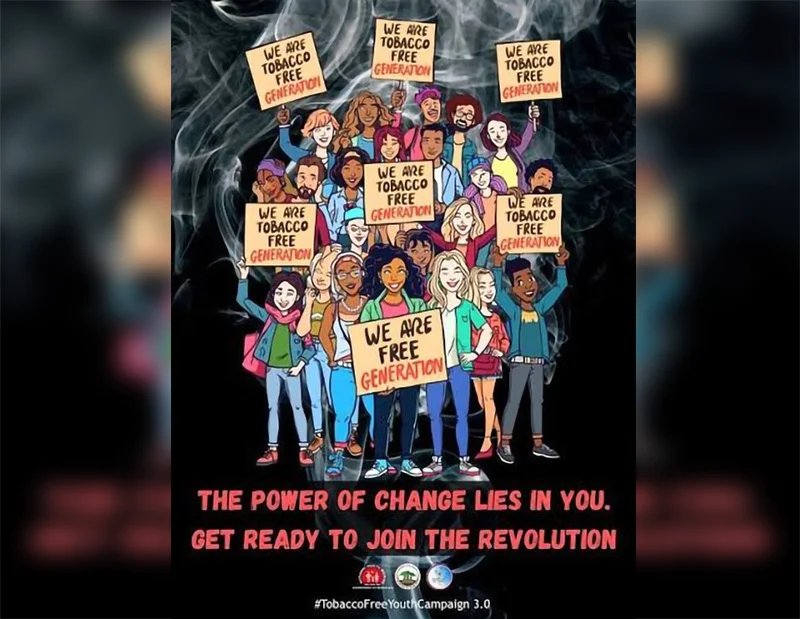
Open letter to President Anura Kumara Dissanayake
We respectfully call on Your Excellency and the Honourable Minister of Health to adopt a Tobacco-Free Generation policy, that prohibits the sale of all tobacco products to any person born on or after 01 January, 2010.
It is a futuristic, step-wise commitment to the children of our nation. Tobacco is the most destructive commercial product in the world, engineered deliberately by an industry that profits from it. Our children deserve to inherit freedom from this substance that kills one of two of its users. This appeal is based on the following grounds.
* In Sri Lanka it is estimated that tobacco kills 20,000 people annually, in addition to causing widespread economic losses which was estimated to Rs. 214 billion in 2019. This is in addition to the misery that tobacco causes to its users and families due to dependence, expenditure, economic loss and from diseases caused by tobacco. These diseases range from heart disease, strokes, and cancers to dementia and blindness. It is also a gateway drug to other substances including cannabis and heroin.
* It is well known that the tobacco industry deliberately and systematically targets young people through digital media, point of sale displays and product design. Children initiated into tobacco use during adolescence bear lifelong health consequences, contributing to reduced workforce productivity, increased healthcare costs and preventable premature death. Sri Lanka’s ageing population and declining birth rate make the health of younger generations a matter of direct national economic relevance. A Tobacco-Free Generation policy addresses these harms at source, with long-term benefits to public health, workforce capacity and health system sustainability.
* This is also a policy grounded on international commitments of Sri Lanka, as well as its own national laws. Sri Lanka is a State Party to the WHO Framework Convention on Tobacco Control (FCTC) – being the first country in Asia to ratify it – as well as the Convention on the Rights of the Child, the International Covenant on Economic, Social and Cultural Rights, and International Labour Organisation Conventions. Collectively, these instruments require states to protect children from preventable harm, uphold their right to the highest attainable standard of health, and shield them from commercial exploitation. Sustainable Development Goals further commits all signatory nations, which includes Sri Lanka, to strengthen FCTC implementation as a specific development obligation.
* The National Authority on Tobacco and Alcohol Act No. 27 of 2006 already mandates discouraging tobacco use among children and curtailing their access to tobacco products. The proposed policy is consistent with and is a direct extension of these existing obligations of this Act.
* This policy is by design a long-term measure. Its public health impact will be realised progressively as successive groups reach adulthood, free from tobacco initiation. Similarly, any effects on tobacco-related employment, revenues, retail and cultivation will unfold gradually over many years, providing ample time for affected industries and livelihoods to adapt other alternatives.
* The Tobacco-Free Generation model has gained significant momentum internationally. The Maldives became the first country in the world to enact such legislation, prohibiting tobacco sales to all persons born after 01 January, 2007. The United Kingdom followed, with the Tobacco and Vapes Act in 2026, permanently banning tobacco sales to anyone born on or after 01 January, 2009, Canada, Denmark, Singapore and the European Union are each at various stages of discussing, examining or adopting comparable measures. The policy is no longer at the margins of tobacco control debate.
Sri Lanka is no newcomer to this fight against this killer substance. In 2003, Sri Lanka ratified the WHO Framework Convention on Tobacco Control (FCTC) as the first country in Asia and the fourth in the world to do so. The Sri Lanka National Authority on Tobacco and Alcohol Act has been considered one of the best examples of comprehensive tobacco control laws during the last 20 years. As you are aware, this law was enacted, despite strong and sustained opposition from the tobacco industry.
Every day this policy is delayed, another group of Sri Lankan children are exposed to an industry whose profit depends on recruiting them. As around 50 people are killed by tobacco use each day in Sri Lanka, the industry needs to snare at least 50 new users daily to maintain its profits.
Sri Lanka has the legal framework, the international standing and consensus to act. Therefore, we earnestly urge Your Excellency and the Honourable Minister to take this step not only as a matter of sound public health policy, but also as a demonstration of your commitment to the wellbeing of the of children and young people who will define Sri Lanka’s future.
The Presidents of the following professional Colleges and Associations have strongly endorsed and signed this appeal to Your Excellency. This list is annexed for your perusal.
We assure that we stand ready to support Your Excellency in this effort in every way we can.
Dr. Manilka Sumanatilleke
President, Sri Lanka Medical Association
Dr. Anula Wijesundere
Chairperson, Expert Committee on Tobacco, Alcohol and illicit Drugs
President of Ceylon College of Physicians
Prof. Namal Wijesinghe
President of The College of Surgeons of Sri Lanka
Prof. Ajith Malalasekera,
President of Sri Lanka College of Obstetricians & Gynaecologists
Prof. Rukshan Fernandopulle,
President of College of Peadiatricians of Sri Lanka
Prof. Pujitha Wickramasinghe,
President of Sri Lanka College of Pulmonologists,
Dr Sumana Handagala,
President of Sri Lanka College of Cardiology
, Dr Asunga Dunuwille,
President of Sri Lanka College of Oncologists
, Dr Sanjeewa Gunasekera,
President of Ceylon College of Critical Care Specialists,
Dr A. D. Mudalige,
President of Association of Sri Lankan Neurologists,
Dr Dilum Palliyaguruge,
President of Sri Lanka College of Haematologists,
Dr T. Sooriyakumar,
President of the College of Ophthalmologists of Sri Lanka,
Dr K. R. Dayawansa
President of Sri Lanka College of Psychiatrists,
Dr Dasanthi Akmeemana
President of Sri Lanka College of Endocrinologists,
Dr Tharanga Samarakoon,
President of the College of General Practitioners of Sri Lanka,
Dr Pushpa Weerasinghe,
President of the College of Community Physicians of Sri Lanka,
Dr Vindya Kumarapeli,
President of Sri Lanka College of Radiologists,
Dr. Nayana Samarasinghe,
President of Sri Lanka College of Dermatology and Aesthetic Medicine,
Dr. Nayani Madarasingha,
President of the College of Dentistry and Stomatology,
Dr Pemith Liyanage
CC: Hon. Dr Nalinda Jayatissa, Minister of Health, Dr Anil Jasinghe, Secretary, Ministry of Health

Oil prices hit 1-month high as US-Iran attacks dim Strait of Hormuz outlook

A few showers may occur in the Western, Sabaragamuwa and North-western provinces and in Kandy, Nuwara-Eliya, Galle and Matara districts

‘Sarasavi Diriya Abhiman’ programme launched under PM’s patronage

England to make late call on Declan Rice for World Cup semi-final

GEF-UNDP backs USD 38 mn drive to curb mercury, hazardous waste

Govt. bans import of goods made with forced labour

‘Dates have the highest sugar content to fight Coronavirus’

Sunday Island 27 December – Headlines

#SundayIsland 17th December – Headlines

Sunday Island – 28th March

Sunday Island Headlines – 21 March

Sunday Island – 21st February – Headlines
-
 News5 days ago
Herath warns prospective migrant workers not to get fleeced by racketeers
-

 Midweek Review7 days ago
Unexpected focus on ‘pieces of tin’ worn by military men
-
 Features3 days ago
Prison riots and politics: NPP’s biggest challenge and Sri Lanka’s biggest opportunity
-

 Editorial4 days ago
What’s the world coming to?
-
 Foreign News5 days ago
Tensions erupt in Indian state after 11-year-old raped and murdered
-
 Features5 days ago
Devanesan Annan – in Memoriam
-
 News6 days ago
Negombo Prison riot: Ensuring protection of prisoners fundamental responsibility of the state – UN
-

 Editorial7 days ago
Prison riots and political battles