
News
Tea Exporters concern over implementation of VAT on Tea

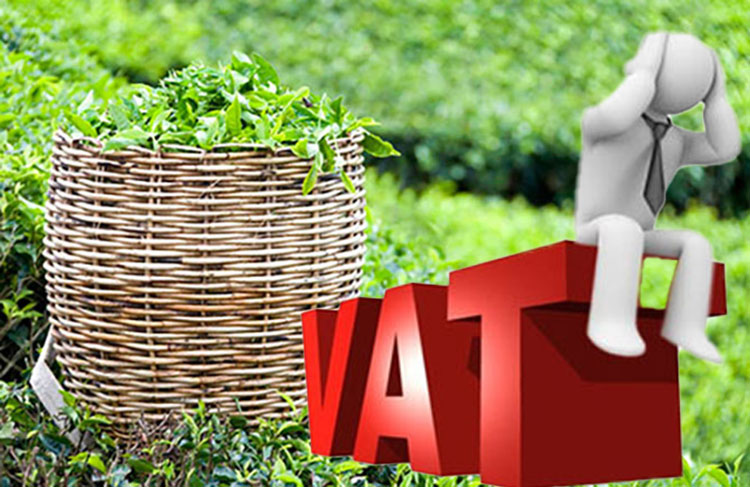
The tea industry which is exempted from VAT until now is subject to an 18 percent VAT from 1st January 2024. While it is understood that in order to resurrect the country’s financial stability, we have to widen the tax net and the VAT, the high VAT on a commodity of which over 90% is produced and sold purely for exports, wherein all of the VAT will need to be refunded to stay competitive in the world market, the imposition of VAT on Tea has caused grave concern amongst the Tea industry stakeholder.
The tea industry value chain involves a number of stakeholders – over 400,000 tea smallholder farmers who account for over 70% of the tea production, 21 regional plantation companies, about 600 tea manufactures who are the sellers of tea as well, more than 300 tea exporters/ buyers and eight brokers who conduct the weekly tea auction. Each weekly tea auction sells between five to six million kg of tea divided into about 10,000 lots or different types and grades of teas.
Buyers are required to settle the full value of tea within seven days from date of purchase to ensure that tea farmers/growers get their payment without any delay. On behalf of the tea manufacturers/sellers the invoices are issued by the eight brokers only making it very much convenient for both sellers and buyers in respect of administering the weekly tea selling and buying. This transparent system has been there for more than 125 years and secured the best possible prices for Ceylon Tea that enable the country to receive about USD 1.3 billion of foreign exchange from tea exports annually.
At present only tea exporters are registered for VAT and SVAT but according to the new VAT Bill that was approved by the parliament a few days ago, the 600 tea producers/factories in the tea industry should get themselves registered for VAT and SVAT to be eligible for issue of VAT invoices to the buyers of tea. Instead of the current system where the exporters/buyers are dealing with eight brokers, in future the exporters will have to deal with about 600 tea factories that may create huge administrative challenges including additional cost.
The industry stakeholders under the umbrella body of Colombo Tea Traders Association has made a submission to the Hon Minister of Plantation and to the Hon. State Minister of Finance and Commissioner General of Inland Revenue last week requesting for more time for registration of tea factories for VAT and SVAT as it may be impossible to register all of them by January 1, 2024. They have also requested to allow the brokers to be the contact point for issue of invoices for easy communication between IRD and the producers.
The last tea auction of the year concluded on December 19, 2023 and the next tea auction is scheduled for January 3, 2024 . The exporters are skeptical about the ability of tea factories getting the VAT/SVAT registration before January 1 and fate of the first tea auction of 2024. The tea manufacturers who are unable to get the VAT registration by January 1 will not be able to issue VAT invoices and may have to keep away from the auctions until the registrations are completed. This may have multiple effects on tea exports, income of smallholder farmers etc. Even foreign buyers may keep away from tea auction temporarily that could affect the tea prices.
According to the government gazette notification even the green leaves are subject to VAT however we have been assured that green leaves may not be liable for VAT payment as it is a basic agricultural raw material.
Tea Exporters Association understand the necessity to enhance the VAT network under the current economic situation of the country but it urges the Ministry of Finance and Inland Revenue Department to introduce a mechanism to register all tea manufacturers for VAT in the next few days to ensure that tea supply/tea value chain may not collapse over the VAT issue.
Tea industry is a unique industry and needs special attention by the IRD. While the country needs to reform its taxation, the VAT on export commodities at such a high rate of 18% only to be refunded after going through a lot of administrative procedures in the private sector as well as the government sector seems to be unproductive. Better consultation with the stakeholders, well in time before implementing such sweeping changes will help the industry to sustain in the current challenging global environment.
Tea Exporters Association












Latest News
Expedite the cleaning of Colombo’s canals and drainage systems within the next two weeks – PM instructs officials

[Prime Minister’s Media Division]

Approval has been granted at the Cabinet meeting held on 22.07.2024 to publish the draft bill of State Assets Management Act in the government gazette notification and thereby present it to the Parliament for its concurrence.
However, the draft bill couldn’t be passed in Parliament as a result of the Parliament being dissolved in the month of October 2024.
Thereafter, the draft bill was subject to further inspection by a
committee appointed which comprised of officials and authorities on the subject.
The said Committee has recognized the amendments to be made and a fundamental draft has been prepared including the proposed amendments.
Accordingly, the Cabinet of Ministers approved the resolution furnished by the President in his capacity as the Minister of Finance, Planning and Economic Development to suspend further activities regarding the draft bill of State Assets Management Act published in the extraordinary gazette of 02.08.2024, and to direct the Legal Draftsman to prepare a draft bill based on the fundamental draft prepared by the subject specialists’ committee.
Considering the compliance of the Cooperative Societies’ operations with the concurrent socio – economic circumstances as well as the changes in the common law, the requirement of amending the Cooperative Employees Commission Act No. 12 of 1972 has been recognized.
A fundamental draft including proposed amendments based on the experience gained by that Commission as well as the opinions and proposals of Cooperative societies, their director board members, cooperative employees and other interested parties has been prepared.
Accordingly, the Cabinet of Ministers granted approval to the resolution furnished by the Minister of Trade, Commerce, Food Security and Cooperative development to provide instructions to the Legal draftsman to prepare a draft bill to amend the Cooperative Employees Commission Act No. 12 0f 1972, based on the said fundamental draft.

Missiles intercepted near Riyadh after Saudi coalition hits Yemen fuel depot

MI5 chief warns of threats to UK from Russia, Iran and AI

Pope diagnosed with lung cancer but had successful surgery, Vatican says

Expedite the cleaning of Colombo’s canals and drainage systems within the next two weeks – PM instructs officials

Kusal Mendis’ unbeaten 87 hands Sri Lanka consolation win

Cabinet approves redrafting of State Assets Management Act

‘Dates have the highest sugar content to fight Coronavirus’

Sunday Island 27 December – Headlines

#SundayIsland 17th December – Headlines

Sunday Island – 28th March

Sunday Island Headlines – 21 March

Sunday Island – 21st February – Headlines
-

 Features6 days ago
The Sri Lankan who made Scottish history
-

 Sports6 days ago
Nissanka absence opens door for Sri Lanka’s young guns
-

 News5 days ago
NDB fraud Rs 60mn more than reported
-

 News7 days ago
Gnansara Thera to be assigned to prison printing section: Officials
-

 News5 days ago
Removing monk’s robes matter for Sangha to decide: Mahanayake Theras
-

 News7 days ago
OIC of FCID summoned before Maligakanda Magistrate
-

 News6 days ago
Shiranthi R remanded until 13 Oct.
-

 Features6 days ago
Future of Sri Lanka’s state university system: Should it be shut down and reopened?