
Life style
Dosa : wholesome fast food obsession

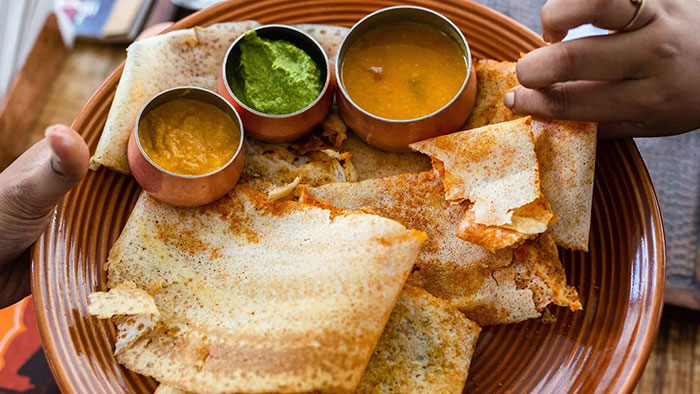
While South Indians have eaten this go-to breakfast food for thosands of years, it has evolved into a fast food item to be eaten at just about any time, day and night.
It was time for Sunday breakfast, and I sprinkled a few water droplets onto a hot griddle to check if they would sizzle. Perfect. Quickly, I poured a ladleful of pale batter onto the pan’s centre, gently spiralling it outwards. Then, raising the heat, I added a generous spoonful of ghee (clarified butter) around the newly formed disc, which soon began to rise slightly and curl at the edges. Now it was time to flip it and cook the other side.
The traditional dosai dates back at least two millennia
Although the glistening, golden-brown circle might have looked like a French crepe or a Russian blini, it was neither. It was a dosai, a thin South Indian pancake made from a fermented batter of soaked rice and black gram, a 2,000-year-old dish beloved by millions of Indians that can now be found in almost every part of the planet, from Parry’s Corner in Chennai to Paris’ La Chapelle neighbourhood (also known as “Tamil Town” or “Little Jaffna”).
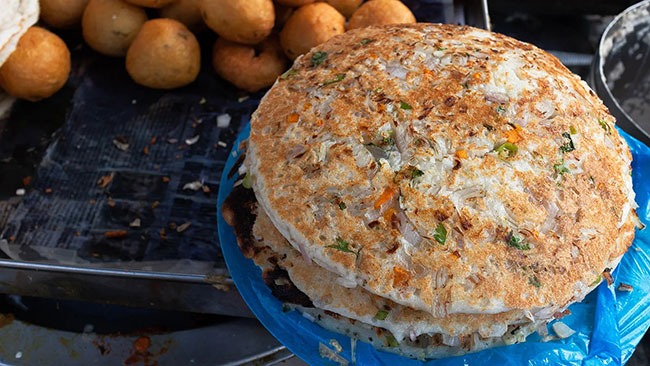
With no time for admiration, I carefully slid a spatula under the hot pancake and plated it alongside a small heap of idli podi, a spicy lentil-based powder. After making a slight crater in the heap, I filled it with gingelly (sesame) oil and mixed them together. Finally, I tore a piece off the crispy dosai, dabbed it in the mixture and popped it into my mouth, enjoying a pleasant burst of tart and spicy flavours followed by an earthy aftertaste of sesame.
This is how millions of South Indians eat this wholesome and satisfying vegetarian dish every morning, sometimes opting for a side of chutney and sambhar (a tangy lentil-based broth) over the idli podi. However, over time, the dosai – also known as thosai, dose or attlu, depending on the Indian region, and as the anglicised “dosa” around the world – has evolved to include different ingredients and fillings such as spicy potatoes as in the globally ubiquitous masala dosa.
The traditional dosai dates back at least two millennia, being documented in ancient literature and passed down through the generations, with the South Indian states of Tamil Nadu and Karnataka both claiming it as their own. In his book The Story of Our Food, food historian K T Achaya says that King Someshwara III (who ruled parts of the present-day Karnataka state) mentions dosai as “dosaka” in the 12th-Century Sanskrit literary work Manasollasa. However, ancestors of the dosai such as mell adai (a pancake made of lentils and rice) and appam (a rice pancake soaked in coconut milk) were being consumed in the Tamil region much earlier.
“Appam and mell adai do find a mention in Madhuraikanchi, a Sangam age literary work from the 3rd or 4th Century,” said Jayakumar S, a researcher of South Indian history and founder of . “But, the actual term “dosai” seems to have been added much later into the lexicon.” He further explained that Senthan Divakaram, an ancient Tamil lexicon (some ascribe it to the 10th Century) attributes dosai to one of the varieties of appam that’s often eaten with the coconut milk on the side.
Despite any debate over who owns the dosai, chefs from the Udupi region in Karnataka were credited with the crispy version we know now somewhere in the 19th Century. Until then, the dosai was more of a soft, fluffy and lacy crepe. And to this day, institutions like (opened in 1924) and (opened in 1943) in Karnataka’s capital Bengaluru have been dishing out delectable dosai for decades. By the early 20th Century, however, many Udupi chefs had migrated to larger Indian towns and cities, popularising the dosai – especially the masala dosa – across India as an affordable breakfast item given its humble and widely available ingredients.
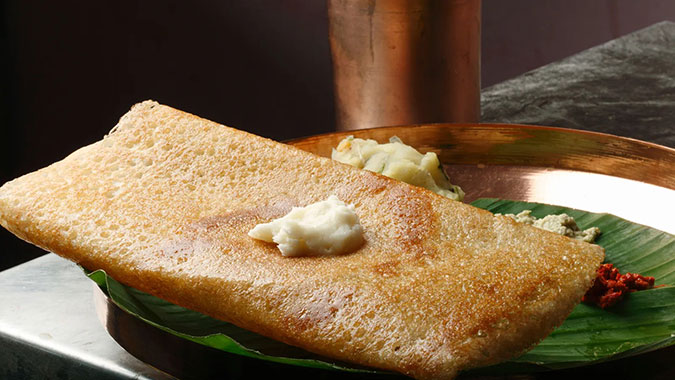
In 2003, the Chennai-based chain took things to the next level by opening South Indian restaurants in various countries, starting in Dubai. And the dosai has continued to grow in popularity around the world, mainly due to the large Indian diaspora who regularly devour the dish and its many variations – including US Senator and current vice presidential candidate Kamala Harris, whose video of took Twitter by storm last November.
The dosai has also recently become trendy in health and wellness circles in India, as it’s considered due to the probiotic qualities that come from its fermentation process. The soaked triad of rice, black gram and a few fenugreek seeds (which impart a distinctive nutty flavour and bitter undertones) is ground with some water and then transferred to a vessel to ferment naturally for seven to eight hours. A few spoonfuls of salt are added after grinding to accelerate the fermentation process.
“The final fermented batter, owing to the action of lactic acid bacteria and yeasts, has increased levels of essential amino acids. This aids in the reduction of anti-nutrients (such as phytic acid) and enzyme inhibitors, thus making it an extremely nutritious food to consume,” explained microbiologist Dr Navaneetha T.
The dosai, termed “dosaka” in ancient Ayurveda texts, is also used by Ayurveda experts in bespoke treatment menus.
“Dosa and idli
[a savoury rice cake made with the same batter as dosai] are part of the diet to treat muscle wasting, constipation and debility,” said Dr Sreelakshmi, a senior wellness consultant in Delhi.
We can dish out almost 70 varieties of dosas at any given time
For most Indians though, dosai is a go-to breakfast food that has evolved into a fast food item to be eaten at just about any time, day and night. Owing to its popularity, affordability of its ingredients and the ease with which the batter ferments in a tropical region like India, dosa outlets can be now found in every corner of the country and beyond.
“Over the years, the batter’s flexibility to be dished out in many variations has aided and lent itself to dosa’s evolution as comfort food,” said chef Thirugnanasambantham K, principal of Welcomgroup Graduate School of Hotel Administration in Manipal. And while the dosai is usually eaten plain (sans fillings), food trends, ingredient availability and convenience factors have resulted in many alternative dosai varieties, both filled and non-filled.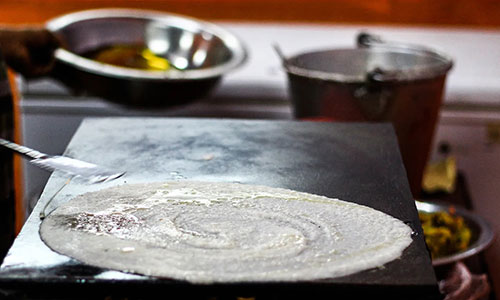
For example, in households across Tamil Nadu, when the fermented batter turns overtly sour from too much fermentation, it gets transformed into uthappam (a thicker dosai with chopped or sliced vegetables); while coconut milk is used instead of black gram in the delicious appam. And new varieties are being created all the time. From Szechuan dosa, hailing from India’s Chinese culinary influence, to the North Indian-inspired paneer butter masala dosa, there is no dearth of dosas churned out by food ventures across India. Even McDonald’s capitalised on this culinary obsession by introducing its in December 2019.
Brothers Ritesh Bhattad, 31, and Ygesh Bhattad, 33, are second-generation businessmen who have flourished by swirling the humble dosai batter. “We can dish out almost 70 varieties of dosas at any given time,” said Ritesh. “However, our signature RBS dosa [filled with grated paneer and onions mixed with peanut chutney and spices] easily sells close to 5,000 pieces every month.” The duo’s successful family-run fast food and catering enterprise, in Hyderabad, has been a hit with college students and office workers, allowing them to open outlets at three more locations across the city.
According to , the masala dosa has been the most-ordered vegetarian dish across India during the pandemic. A whopping 331,423 masala dosas have been delivered by India’s food delivery company, , since lockdown began in the last week of March. This version of dosai has become synonymous with South Indian cooking around the world, although it wasn’t part of India’s culinary history until the Dutch and Portuguese introduced potatoes to India in the 17th Century.
However, in South India, the dosai remains more sacred than a mere breakfast or fast food item, and forms part of the edible offerings to god categorised as “temple cuisine”, which follows closely guarded recipes and sometimes old temple inscriptions.
Azahagar Kovil temple in Madurai, for example, makes a thick and fluffy dosai spiced with cumin seeds and crushed black pepper that is deep-fried in ghee as a divine offering, which is then eaten by devotees. In the town of Kanchipuram in Tamil Nadu, a dosai recipe is depicted on the walls of Varadaraja Perumal Temple. “We have an interesting 16th-Century inscription on the walls… mentioning the preparation of dosai (both savoury and sweet) during Ekadasi processions [religious events conducted on the 11th day after the full moon, and on the 11th day after the new moon],” said Jayakumar S. “This confirms that dosai has been part of the Indian temple cuisine for a long time.”
Whether made at a temple, on the streets or at home, the dosai in its many variations is a divinely tasting food that is deeply embedded into Indian culture.In my family, the dosai isn’t just another food; it’s more like an emotion that cannot be replicated – only experienced in the moment. These words of wisdom came from my grandma, who, a few years back, let me in on an age-old secret shared in turn by her grandma: that no two people can swirl a dosai the same way, no matter how much one tries.
– BBC

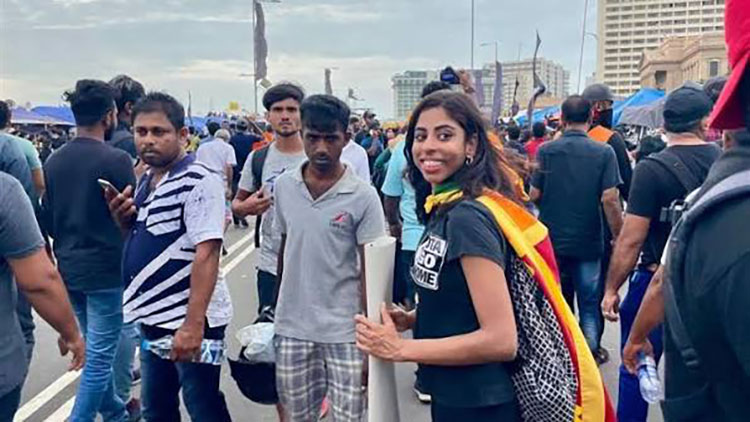
by Ifham Nizam
Sri Lanka risks losing a critical opportunity to sustain economic growth as its population ages, fertility declines and skilled workers migrate overseas, with low female labour-force participation further limiting the country’s ability to respond to a shrinking workforce. The United Nations Population Fund (UNFPA) Sri Lanka says the challenge calls for a fundamental rethink of the country’s economic and social policies, including how women’s unpaid care responsibilities, young people’s family aspirations and the financial security of older citizens are addressed.
With women accounting for 70.6 percent of Sri Lanka’s economically inactive population in 2024, the country cannot afford to leave such a substantial pool of potential workers outside productive employment while demographic pressures intensify. Only 28.9 percent of women participated in the labour force that year, compared with 67.4 percent of men.
In responses to questions from the Sunday Island, UNFPA emphasised that Sri Lanka’s changing population structure should not be treated as a crisis in itself. Rather, it reflects decades of progress in healthcare, education, life expectancy and access to voluntary family planning. The real test is whether the country can adapt its economic model, labour market, social protection systems and care infrastructure to these new realities.
The implications extend well beyond employment and economic growth. Rising demand for healthcare and long-term care, inadequate retirement protection, outward migration and the growing difficulty young people face in starting families are interconnected challenges that require a coordinated policy response.
Sri Lanka is still benefiting from a demographic bonus, with its working-age population larger than the dependent population of children and older people. But this window of opportunity will not remain open indefinitely. UNFPA argues that the country must use it to strengthen productivity, widen women’s access to decent employment and prepare institutions for a society in which people live longer and family structures continue to change.
The challenge of an ageing population
Sri Lanka’s demographic transition is gathering pace. Around 18 percent of the population is now aged 60 or above, while the country’s fertility rate has fallen to approximately 1.3 children per woman. Together, these trends point towards a future in which the proportion of older people rises while the relative size of the working-age population gradually declines.
The transition is not unique to Sri Lanka. Countries across the world are experiencing longer life expectancy and smaller families. However, the speed of change and the country’s economic circumstances make preparation particularly important.
An ageing population can place increasing pressure on public expenditure, healthcare services, pension arrangements and families caring for older relatives. At the same time, a smaller workforce could make it more difficult to sustain economic growth unless productivity improves and more people are able to participate in productive employment.
UNFPA’s position is that population ageing should not be approached simply as a problem of numbers. The central issue is whether institutions are equipped to support people throughout longer lives while ensuring that the economy can generate sufficient income and public revenue.
Sri Lanka’s demographic bonus provides an opportunity to prepare. A relatively large working-age population can contribute to growth, savings and investment, but only if people have access to productive work and the skills required by a changing economy.
The challenge is to convert that opportunity into lasting economic gains before the age structure changes further.
An analysis using National Transfer Accounts data from 2016 estimated that demographic change alone could require an additional Rs. 76 billion in public consumption expenditure by 2037. The same analysis indicated that higher labour productivity could increase aggregate labour income by Rs. 872 billion by 2037 compared with a scenario in which demographic change was considered without those productivity gains.
These estimates illustrate the importance of productivity in responding to demographic pressures. They also suggest that Sri Lanka’s policy response should go beyond simply encouraging people to have more children. Investment in skills, technology, healthcare, education and decent employment can help the country make better use of its available workforce.
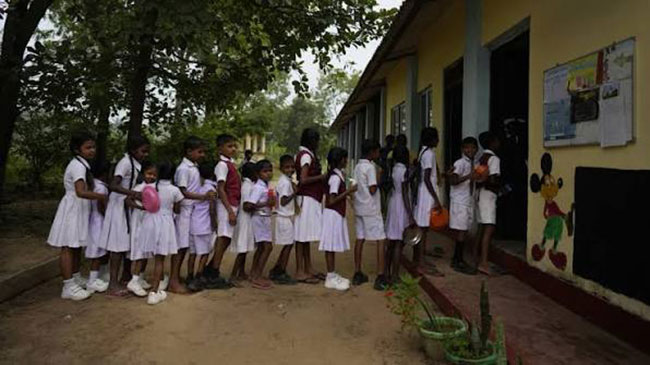
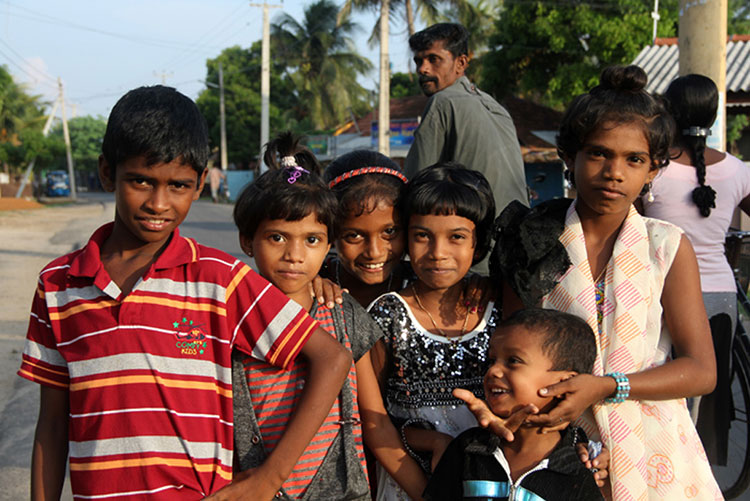

Women and the untapped workforce
One of Sri Lanka’s most immediate opportunities lies in increasing women’s participation in paid employment.
In 2024, female labour-force participation stood at 28.9 percent, compared with 67.4 percent for men. Women represented 70.6 percent of the economically inactive population, and 50.6 percent of economically inactive women identified household responsibilities, including childcare and elder care, as a reason for not participating in the labour force.
These figures point to a major economic challenge that is closely connected to social policy. Many women who could contribute to the economy remain outside paid employment because the demands of caring for children, older relatives and other family members are difficult to reconcile with formal work.
Increasing female labour-force participation is, therefore, not merely a question of equality. It is also an economic necessity as the population ages and the working-age population comes under pressure.
UNFPA’s approach highlights the need to recognise unpaid care work and reduce the barriers that prevent women from entering or remaining in employment. Affordable childcare, accessible elder-care services, flexible working arrangements and workplaces that accommodate family responsibilities could help more women pursue paid work.
Employers also have a role to play by improving workplace conditions, strengthening protection against discrimination and making it easier for women to return to employment after childbirth or periods spent caring for family members.
The issue is especially significant for young women. Unemployment among women, aged 15–24, has been recorded at 30.6 percent, indicating that many young women face substantial obstacles even before family responsibilities become a factor.
Better access to education, vocational training, digital skills and employment opportunities could help address this problem. However, training alone will not be sufficient if workplaces remain difficult to access or if women continue to carry a disproportionate share of unpaid care responsibilities.
Sri Lanka must also reconsider the way it measures economic contribution. Unpaid household work is essential to the functioning of society, yet it is often overlooked in conventional measures of economic activity. Recognising its value would help policymakers design more realistic employment, social protection and care policies.
The objective should not be to force women into paid work, but to ensure that those who want to work have a genuine opportunity to do so without being constrained by inadequate services or unequal family responsibilities.
Migration and the future of economic growth
Outward migration presents another challenge to Sri Lanka’s demographic and economic outlook.
The departure of skilled and working-age people can reduce the domestic labour supply, weaken particular professional sectors and place additional pressure on those who remain. The consequences can be especially serious when trained professionals leave sectors already facing shortages.
Migration, however, is not inherently negative. Sri Lankans working overseas contribute through remittances, international networks, new skills and experience. Migration can also provide individuals and families with opportunities that may not be available at home.
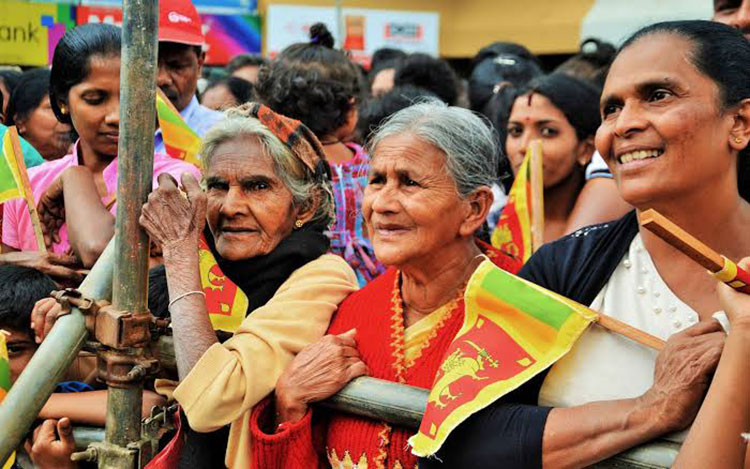

The policy challenge is to ensure that migration takes place through safe and fair channels while making Sri Lanka a country in which people have compelling reasons to build their futures.
That requires more than discouraging people from leaving. Decent employment, competitive career prospects, reliable public services, opportunities for professional advancement and confidence in the economy all influence decisions about whether to remain in the country.
For young people, the ability to find stable employment and plan for the future can be as important as the availability of jobs themselves. Uncertainty over income, housing costs and family responsibilities can make long-term decisions increasingly difficult.
Sri Lanka must, therefore, connect its migration policies with broader strategies for economic development, skills retention and employment creation. At the same time, it should maintain links with its overseas workforce and create opportunities for returning migrants to contribute their experience and expertise.
A sustainable response would recognise migration as part of a wider global labour market while addressing the domestic conditions that encourage skilled workers to seek opportunities elsewhere.
Why young people hesitate to start families
Falling fertility is often discussed as though it were simply a matter of changing personal preferences. In reality, decisions about whether to have children are shaped by economic circumstances, relationships, housing, employment security and access to childcare.

UN repcaption: UNFPA Country Representative Phuntsho Wangyel
Many young adults may want to start families but feel unable to do so. High living costs, uncertain employment, the expense of raising children and difficulties balancing work with family life can all influence reproductive decisions.
UNFPA’s Demographic Futures Survey, which reached 108,926 internet-connected young adults, aged 18–19, across 73 countries and territories, including Sri Lanka, found a general desire for two children. Such findings underline the importance of distinguishing between the number of children people would like to have and the number they ultimately feel able to raise.
Sri Lanka’s experience must be understood within this broader context. A low fertility rate does not necessarily mean that young people no longer value family life. It may also reflect the practical barriers they encounter when considering parenthood.
UNFPA and the University of Colombo are conducting a study, examining fertility desires, intentions and behaviours in Sri Lanka. The research is expected to contribute to a better understanding of the factors shaping family decisions and the gap that can emerge between aspirations and outcomes.
The findings could help policymakers move beyond assumptions and design measures that respond to the actual concerns of young people.
Policies that support families need to address the conditions in which decisions are made. Affordable childcare, parental leave, secure employment, housing opportunities and a more equitable distribution of care responsibilities can help people reconcile their family aspirations with their economic circumstances.
Such measures can also benefit the wider economy by enabling parents, particularly women, to remain in employment and by reducing the pressure on families to choose between earning an income and caring for children.
The goal should not be to prescribe a particular family size. It should be to create conditions in which people can make decisions about parenthood freely and realistically.
Retirement security and the cost of longer lives
As life expectancy increases, ensuring financial security in old age becomes a more pressing concern.
Only about 30 percent of Sri Lanka’s workforce is covered by a formal pension arrangement. Many workers, therefore, face the prospect of financing a lengthy retirement with limited savings or without a regular pension income.
For some employees, provident fund benefits provide an important source of retirement savings. However, a one-off payment may not be sufficient to meet living expenses, healthcare costs and other needs over a retirement that could last many years.
The situation is particularly challenging for people who have spent much of their working lives in informal employment, where access to structured pension contributions and other employment benefits may be limited.
As the older population grows, the country will need to examine how retirement income can be made more secure without placing unsustainable pressure on public finances.
This includes strengthening social protection, improving access to suitable savings arrangements and considering how workers in informal employment can be better covered. Financial literacy and advice on managing retirement savings could also help people prepare for longer lives.
Healthcare and long-term care must form part of the same discussion. Older people may require continuing medical treatment, rehabilitation, assistance with daily activities or specialised residential care. When formal services are limited, these responsibilities frequently fall on family members, particularly women.
A stronger care system would help older people maintain dignity and independence while reducing the burden on families. It could also create employment opportunities in healthcare, community support and professional care services.
Ageing should not be treated only as a fiscal burden. Older people possess knowledge, experience and skills that can continue to benefit society. Policies that support healthy ageing, lifelong learning and opportunities for older people to remain economically or socially active can help make longer lives a source of strength.
Reproductive choice must remain central
Debates about low fertility can sometimes lead to calls for governments to encourage or pressure people to have more children. UNFPA’s approach places individual rights and reproductive choice at the centre of the discussion.
Demographic policy, the organisation argues, should not undermine people’s freedom to decide whether and when to have children or how many children to have. Efforts to address fertility decline must, therefore, avoid coercive measures and instead focus on removing the barriers that prevent people from realising their reproductive intentions.
This distinction is important for Sri Lanka. A policy that concentrates exclusively on increasing birth rates may overlook the economic and social reasons people delay or forgo parenthood. It may also fail to address the needs of those who choose to remain child-free or who cannot have children.
A rights-based approach recognises that individuals and couples should have access to accurate information, appropriate healthcare and voluntary family-planning services. It also recognises that decisions about parenthood are personal and cannot be reduced to targets set by the state.
At the same time, governments have a legitimate role in creating an environment in which families can thrive. Affordable childcare, parental support, decent work, healthcare access and social protection can help people make choices without being driven by financial insecurity or inadequate services.
The challenge is to support people rather than dictate their decisions.
Preparing for a different demographic future
Sri Lanka’s demographic transition requires a coordinated response across economic planning, labour policy, healthcare, education, migration and social protection.
Increasing productivity will be essential, but productivity gains must be accompanied by measures that enable more people to participate in the economy. Women need fair access to decent employment, young people need realistic opportunities to build secure lives, and older citizens need protection that reflects the prospect of longer retirements.
The country must also recognise that demographic change affects regions and communities differently. Rural areas, urban centres and sectors facing labour shortages may have distinct needs. Reliable population data and research into family intentions, migration patterns and labour-market participation will, therefore, be important in shaping effective policies.
The findings of the UNFPA–University of Colombo study could help inform this process by identifying the factors that influence reproductive decisions in Sri Lanka. Such evidence should be considered alongside labour-market data, pension coverage, healthcare requirements and the changing distribution of unpaid care work.
Equally important is the need to bring demographic considerations into long-term development planning. Policies should not be designed in isolation, with employment measures separated from childcare, retirement arrangements disconnected from healthcare, or migration strategies divorced from the availability of decent jobs.
Sri Lanka’s demographic transition is neither an automatic economic disaster nor a challenge that can be solved by increasing births alone. It is a structural change that calls for institutions to adapt.
The country still has an opportunity to benefit from its working-age population, improve productivity and build stronger systems of care and social protection. But that opportunity depends on decisions taken now.
The central question is not simply how many people Sri Lanka will have in the future. It is whether the country can create an economy and society in which people of all ages can contribute, families can make their own choices, women have equal opportunities and older citizens can live with dignity and financial security.

By Zanita Careem
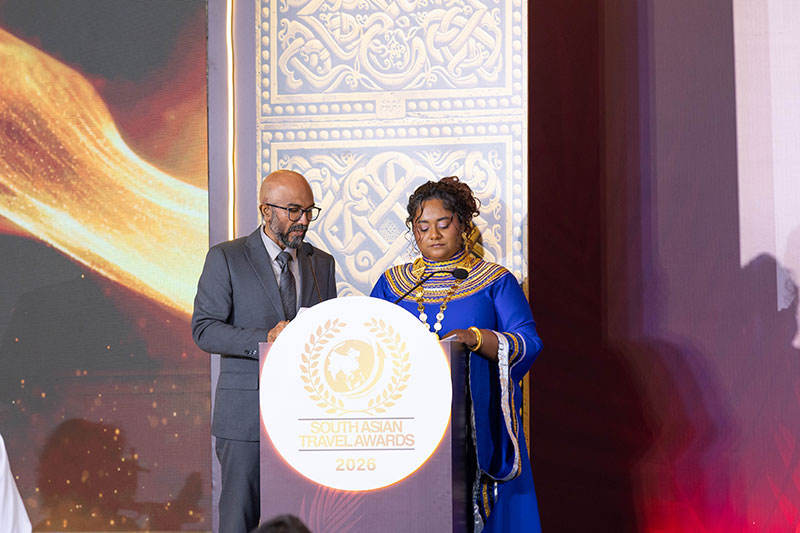
A glamorous celebration of South Asean hospitality took place with Sri Lanka taking centre age. at the vibrant capital of the Maldives, Male. It became the centre of attention for South Asia’s Tourism and Hospitality fraternity as industry leaders, hoteliers, travel professionals and other invited guests gathered for the 10th editiom of the South Asian Travel Awards (SATA). Hosted at the stylish ambience of Barcelo Nasandhura Male, the glittering gala brought together the region’s leading tourist destination for an evening of celebration, recognition and camaraderie, with the Maldives providing a fitting backdrop for this prestigious gathering.
Amid the elegance and exitement of the occasion, Sri Lanka emerged as one of the evening’s standout performers, collecting an impressive array of awards that reflected the island’s strength in hospitality, travel luxury wellness and personalised guest experiences. The accoladesss were a proud endorcement of talent, dedication and service excellence that continue to distinguish Sri Lanka’s tourism industry across the South Asian region.
Adding vibrancy and energy
The key highlight was the address by the SATA President, Ismail Hameed, who stressed the importance of strengthening regional co-operation, maintaining hospitality standards and preparing the industry for a rapidly evolving tourism environment. His speech underscored the need for South Asian destination to work together to embrace innovation and build a more competitive and sustainable tourism sector. Artificial Intelligence and the future of hospitality took centre stage at (SATA) where panel discussions brought together industry professionals to examine how technology is transforming the travel and tourism landscape. Moderated by Dinuksha Chandrasena, Editor in Chief and publisher of Travel Talk Asia and Managing Director of Double Dee publication, who explored the growing role of artificial intelligence in enhancing guest experiences, streamlining hotel operations and helping the industry respond to the changing expectation of modern travellers.
-
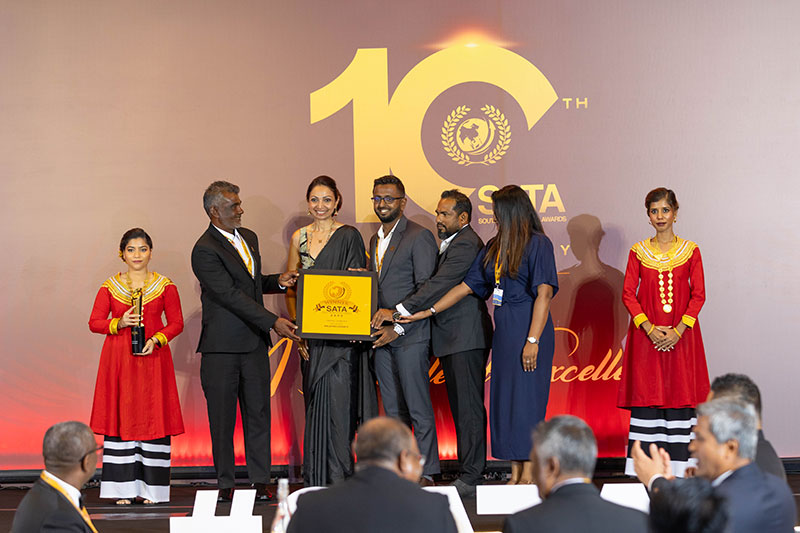
- Dinuksha in the spotlight: Recognition from the President of SAFTA
-
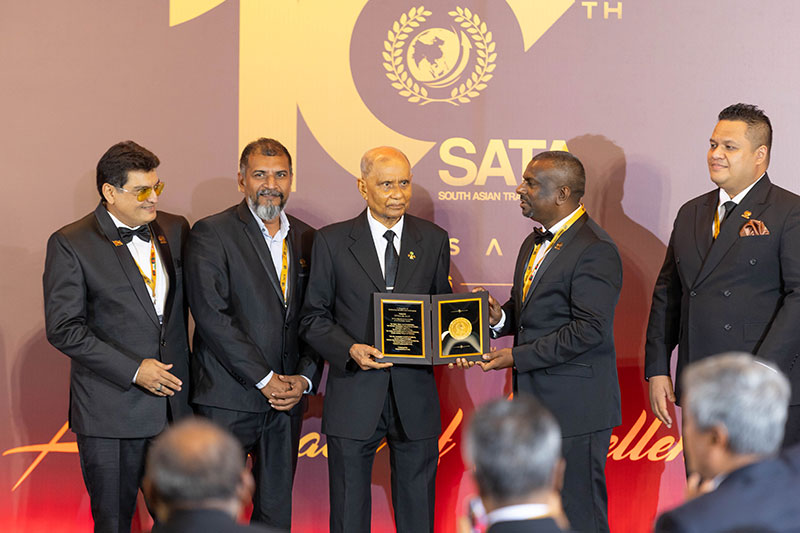
- Sri Lanka SATA members with President of SATA Ismail Hameed and the iconic award winner Mohamed Salih (centre)
-
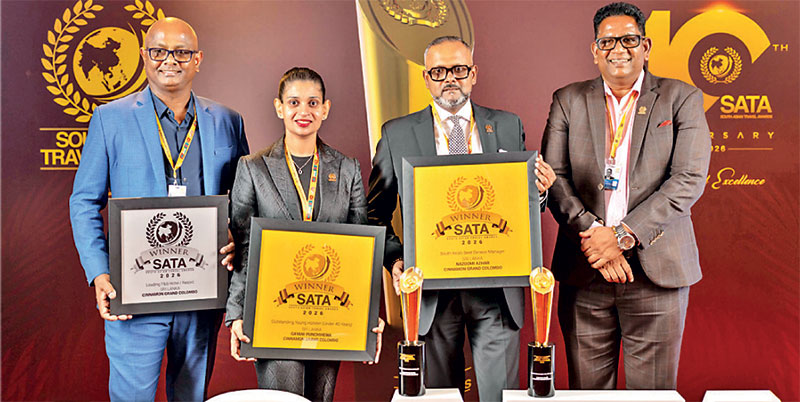
- Grand triumph for Cinnamon Grand: The hotel brings pride to Sri Lanka, with the General Manager receiving a prestigious accolade – Best General Manager
The conservation also raised an important question how hotels embrace technological innovation without losing the personal touch that remains at the heart of genuine hospitality,
The discussions reflected a wider transformation taking place across the hospitalality industry, where digital solutions are becoming increasingly important in everything, from personalised guest services to efficient management.
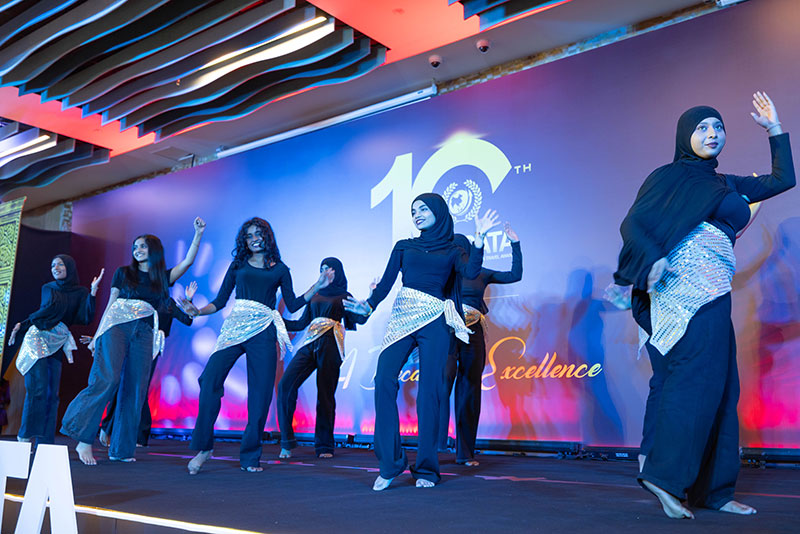
Cultural extravaganza: Colour,rhythm and tradition
Cinnamon Grand Colombo made a notable impact at the South Asian Travel Awards 2016 held in the Maldives with its achievements reflecting the strength of Sri Lanka’s hospitality industry. The hotel struck gold for Best General Manager Nazoomi Azhar, while young achiever Gayani Punchihewa won gold in the Best Young Hotelier category. Cinnamon Grand also achieved Silver for Best Food and Beverage Hotel in South Asia.
The 10th South Asian Travel Awards celebrated not only the regions finest in travel and hospitalitybut also the spirit of partnership that continues to strengthen South Asian Tourism. A special highlight was the presentation of the prestigious Face of South Asia award to Mohamed Salih, Chairman of Damas Company, in recognition of his contribution to the tourism industry. A total of 52 gold and 98 silver awards were presented across various categories recognising achievements in the hospitality industry, with Bhutan, Bangladesh, India, Nepal, Sri Lanka and the Maldives in the scene.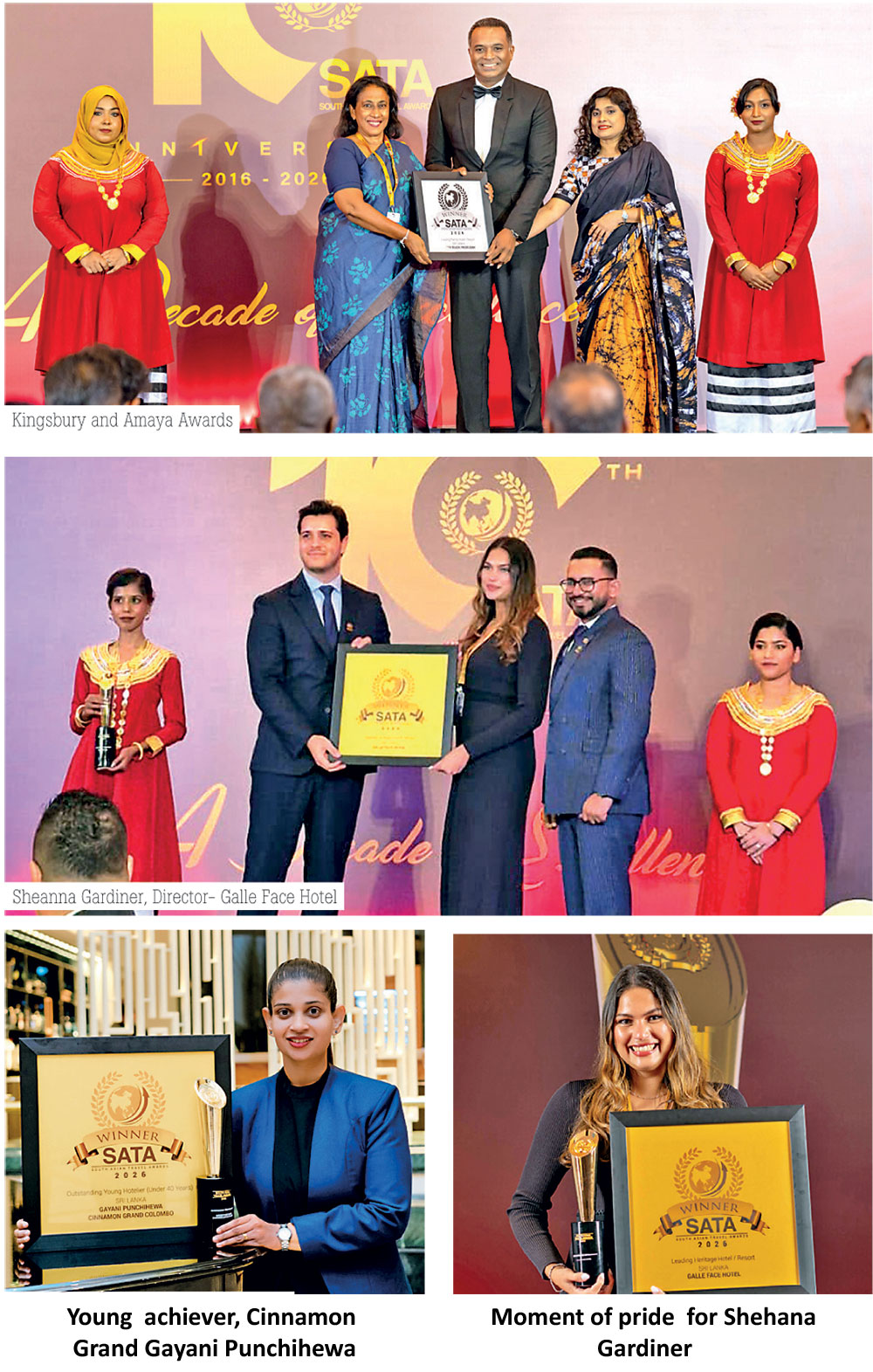
Sri Lanka also made a strong impression at the South Asian Travel Awards held in Male.
The iconic Galle Face Hotel has been ranked No 1 in the Best Heritage Hotel category. It is the first time the iconic Galle Face Hotel has claimed the top honour, making it a significant milestone in a history that go back to 1864. Cinnamon Lakeside won the award as a leading meeting and conference hotel.
Other award winners included Kingsbury Hotel, Amaya hotels Kandy, leading Hill Resort/hotel, Anantara Peace Haven, leading luxury resort – Amaya Lake Dambulla, New Burgh Ella, Royal Beach, Beruwela, Marine Bay Hotel, Marine Drive, South Asia’s best new hotel, Auygiri Aurveda, Wellness and Spa Resort.
Most romantic resort The Fortress Resort and spa. Fox resorts silver winner, leading hospitality development company, Sri Lankan Airlines leading international airline, Aitken Spence Travels – leading travel Agent.
Amari Hotel won an award for Sri Lanka’s leading business hotel.
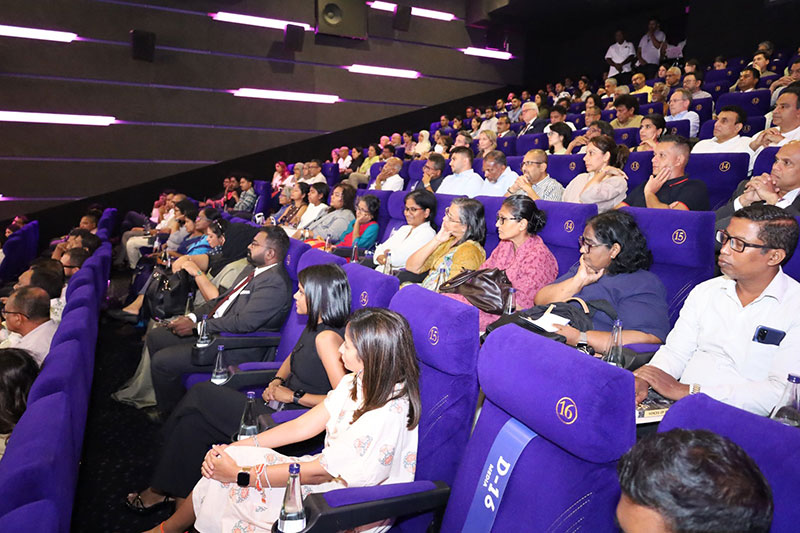
Teardrop Nation, a four-part documentary series examining Sri Lanka’s post-independence political and conflict history, was formally launched at Scope Cinemas Multiplex at Colombo City Centre recently, with Leader of the House and Minister Bimal Rathnayake attending as Chief Guest. Developed over six years by Project 72, with Sarah Kabir as Project Director, the series brings together historical accounts, expert perspectives and lived experiences to explore the events and decisions that have shaped Sri Lanka since independence.

Sarah Kabir, Project Director of Teardrop Nation, addresses the audience at the premiere in Colombo.
Created for a broad public audience, with a particular focus on younger generations, Teardrop Nation seeks to make Sri Lanka’s recent history more accessible and encourage greater engagement with the factors that contributed to discrimination, violence and conflict. The project was conceived not simply as a record of the past, but as an educational resource that can help audiences better understand how earlier choices and events continue to inform the country today.
Speaking at the launch, Sarah Kabir, Project Director of Teardrop Nation, said her decade of work on reconciliation had shaped the project. “Understanding our past is essential to building positive and lasting peace in Sri Lanka. We created Teardrop Nation to make this history more accessible, especially to younger people, and to encourage them to engage with it thoughtfully and critically. After six years of research and production, we hope the series creates space for informed conversation and a shared understanding of the experiences and decisions that shaped our country,” she said.
The series unfolds chronologically across four episodes: Foundations of Conflict (1930s–1970s), The Trigger (1970s–1980s), Battle for Peace (1980s–late 1990s) and War in Paradise (1990s–2009). Together, the episodes examine political and social developments across different periods and explore tensions linked to ethnicity, religion, class and caste.

Pakistan quicks seal win after Salman Agha ton sets tone

Record 1,600 students take Russian Classical Ballet examination in Sri Lanka

Half a million people join protests in France, but some turn violent

Deadly fire breaks out at Canada military base

Showers or thundershowers will occur in most parts of the island after 1.00 p.m.

Buddhist hierarchy demands prison perks for monk convicts

‘Dates have the highest sugar content to fight Coronavirus’

Sunday Island 27 December – Headlines

#SundayIsland 17th December – Headlines

Sunday Island – 28th March

Sunday Island Headlines – 21 March

Sunday Island – 21st February – Headlines
-

 Latest News6 days ago
Nissanka’s return headlines Sri Lanka’s Test squad against Pakistan
-

 Latest News7 days ago
Farhan and Sadaqat help Pakistan seal series in style
-

 Features7 days ago
Intake 16: 45 years of duty and honour
-
 News7 days ago
Malwathu Chapter issues statement on talks with President over Gnanasara Thera’s robes
-
 News7 days ago
CP alleges NPP has taken the blame for illegal US sanctions on Iranian vessels
-

 News5 days ago
Sri Lanka, India caught in US-Iran ship crisis
-

 Opinion7 days ago
How long can Sri Lanka remain silent on its demographic crisis?
-

 Latest News5 days ago
Kusal Mendis’ unbeaten 87 hands Sri Lanka consolation win