
Life style
Benefits of green tea


Green tea is a type of tea that is made from Camellia sinensis leaves and buds that have not undergone the same withering and oxidation process which is used to make oolong teas and black teas.[1] Green tea originated in China, and since then its production and manufacture has spread to other countries in East Asia. Several varieties of green tea exist, which differ substantially based on the variety of C. sinensis used, growing conditions, horticultural methods, production processing, and time of harvest.
The health benefits of green tea
Is green better for you than black? Does it contain caffeine? Can it help ward off disease? Nutritionist Jo Lewin examines the dietary benefits of green tea. All types of tea, even your regular cup of builder’s, come from the Camellia sinensis plant. Green tea gets its name from the emerald green colour created when brewing unprocessed, unfermented tea leaves. With origins going back as far as 5,000 years, green tea is commonly drunk and widely grown in the Far East where the health properties are well regarded.
Different varieties of green tea
The difference between green and black tea results from the manufacturing process. Black tea undergoes fermentation which transforms its colour and flavour, whereas green tea remains unprocessed and retains its colour. Green tea is grown in higher altitudes, more specifically the mountainous regions of East Asia. Some green tea is still picked by hand, and it is thought that handpicked teas are less bitter and yield a sweeter, more robust taste. Other factors such as the climate and soil can also affect the flavour.
Sencha is the most popular of Japan’s green teas. There are numerous grades which can affect the price and quality. Sencha leaves are first steamed and then shaped. Sencha tea produces a clear yellow/green tea with a sweet, grassy but slightly astringent flavour.
Matcha is made from green tea leaves grown in the shade. The leaves have a higher chlorophyll content which makes them a vibrant green colour. To make matcha, the entire leaf is ground down into a powder. The powder is mixed with boiling water and gently whisked before being served. The flavour is light and sweet and so is now added to desserts and sweet drinks.
Green tea can be found as fresh leaves or in tea bags, frequently
blended with other flavours such as lemon, lime or ginger.When buying tea leaves, avoid older leaves. This is the same principle as with coffee beans. Allegedly, whole leaves are the highest grade and leaves that are older than four months are past their level of peak freshness. Once purchased and opened, keep leaves in an airtight container that can be resealed and store in a cool place to help slow down the reactions that can reduce the tea’s phytonutrient content and impact on flavour.
Nutritional highlights
There are many health claims surrounding green tea from a reduced risk of cancer to weight loss. The evidence to support these claims is largely inconclusive. Some of the health claims are based on ancient Eastern traditions, where green tea has been used to treat symptoms of disease for years. Because of the proposed benefits, many ‘health’ products now include traces of green tea. However, there is limited evidence to suggest these products are effective. If you are hoping to use green tea for medicinal purposes, make sure to consult your doctor first.
Green tea does have more health benefits than black tea which can be attributed to its lack of processing. Green tea is higher in protective polyphenols. The major polyphenols in green tea are flavonoids, the most active of which are catechins and epigallocatechin gallate (EGCG) which function as powerful antioxidants. Antioxidants are known to protect the body against disease and are an important part of a healthy diet. Antioxidants can be found in a range of fruits, vegetables and other unprocessed foods. As part of a balanced diet, green tea can be a good source of antioxidants.

How much caffeine does green tea contain?
Green tea does contain caffeine, although varieties and brands may differ. An equal quantity of green tea contains less caffeine than coffee (one cup of green tea contains approximately 35-80 mg compared to approximately 100-400 mg in the same size cup of coffee), but it can still act as a stimulant. As a result, some people find that drinking green tea increases energy levels, concentration and mood, but this effect may vary between individuals.
If you are sensitive to caffeine, it is advisable to limit the total number of cups of green tea you drink in a day. Too much caffeine can disrupt sleep patterns. If this affects you, try cutting back on caffeinated drinks after lunchtime.
Can green tea affect iron levels?
Like all types of tea, green tea contains tannins. Tannins can interfere with the absorption of iron so try not to drink tea with an iron-rich meal and leave at least one hour before drinking tea after an iron-rich meal.
Proven Health Benefits of Green Tea
Green tea is considered as one of the healthiest beverages across the world. This delightful and aromatic drink has tonnes of health benefits and can do wonders to enable a long and healthy life.
Green tea is more potent than any other tea simply because it is processed differently. Green tea is dried and steamed – this minimal processing leaves it with its green color, more antioxidants, nutrients and thus contributes to its wealth of benefits. For this reason, green tea makes for a daily cup full of fantastic health benefits:
Fights Allergies:
If you suffer from seasonal allergies, be it stuffy nose or itchy eyes, you might be surprised to learn that a cup of green tea may help you overcome your symptoms.
Studies suggest that a compound in green tea can effectively block receptors responsible for triggering allergic responses. EGCG, the abundant antioxidant compound in green tea, may help stop your body from mounting an immune response to a wide range of allergens, including pollen, pet dander, and dust.
. Reduce Body Fat:
Green tea contains caffeine and a type of flavonoid called catechin, which is an antioxidant. Research suggests that both of these compounds can speed up metabolism, increase the amount of energy the body uses and decrease fat content of the body. The consumption of green tea as a weight loss strategy must be supplemented by other healthy weight loss methods, such as exercising and eating a healthy diet with plenty of vegetables. Green tea used alongside these methods may increase and enhance the positive results. Green tea is easily available online and offer a plethora of flavors to chose from. You can say goodbye to that extra flab!

Improves Skin Health:
When it comes to skin care, we urge you to be in a committed relationship with green tea! Drinking green tea may fight skin damage in many ways:
Green tea contains powerful antioxidants that fight damage from UV rays to prevent freckles, dark spots and pigmentation. It is a potent anti-aging ingredient that combats signs of aging when consumed regularly.Green tea has anti-inflammatory properties. The catechins in green tea reduce and soothe irritation, redness, and swelling on the skin Green tea is a powerful antibacterial agent against acne. Polyphenols in green tea can fight infection, and thus it can help treating bacterial growth that causes acne
Green tea is chock full of Vitamin B2 and Vitamin E, both essential for smoother and toned skin and its maintenancePro tip – after a delicious cup of green tea, refrigerate the used tea bags. Grab these cooled tea bags, lie down and rest them on your eyes after a long day. Say good-bye to tired baggy eyes and dark circles!
Fights off Depression:
Too much stress can increase depression and anxiety. Some people find relaxation in the ritual of filling the kettle, bringing it to a boil, watching the tea steep, and then sitting quietly while sipping their warm cup of tea. But the body also reacts to the ingredients of tea.
Many studies have found that drinking a cup of green tea daily lowers levels of the stress hormone cortisol, and thus lower the risk of developing depression and keep you in a good mood. Green tea also contains amino acid L-theanine that increases the activity of inhibitory neurotransmitters that have anti- anxiety effects. If you are prone to mood swings, pick up this delicious cup of happy and healthy beverage daily!
Improves Memory:
If you tried various alternatives to boost your mental alertness but still cant be as mentally active and alert as you would love to be, then you need to try green tea. The main component, which has been shown to improve brain function, is caffeine?which can be found at different levels in all green teas. Green tea ensures that neurons in the brain are stimulated for longer periods of time and neurotransmitters, which play a major role in attention, problem solving, memory, attention and learning?become fired up.
. Keeps Blood Sugar Level in Check:
Research shows that the alkaline nature of green tea can help control blood sugar levels and improve insulin sensitivity. Thus 1-2 cups of green tea daily may help prevent the development of type 2 diabetes in the long run, provided the green tea is consumed without sugar. Researchers encourage the inclusion of green tea in daily diet for those with high blood sugar problems, but this must be paired with regular exercise and a healthy diet.
A regular cup of green tea will boost your memory, give you a healthy skin and keep you happy. Green teas are available in a range of gourmet flavors that you can easily buy online. Try to pick the Green Tea that contains 100% natural ingredients, is least processed and blended with ingredients for the best possible health benefits. So kicks start your healthy lifestyle with this cup of green magic. BBC


…Priath Fernando’s passion to create a legacy of learning, kindness and giving
By Ifham Nizam
Born into a world of Bulldozers and Golf Courses, but brought up reading children’s books, Priath Fernando considers himself fortunate to have been brought up by parents from diverse cultures. He had plenty of choices but somehow his path seemed to unfold in different directions as he journeyed through life seeking to find and achieve his purpose.
Fernando comes from one of Sri Lanka’s most accomplished golfing families. His father, Pin Fernando, was an amateur golf legend whose name still graces the trophy sponsored annually by the family business. His mother, Pam, entered the Guinness Book of Records as the oldest woman to win a national golf championship. His sister Tiru became Sri Lanka’s first professional lady golfer, going on to play on the European Professional Circuit for over a decade. He himself won championships before turning his attention to the family enterprise — United Tractor & Equipment (UTE), the company his grandfather founded in 1947 and which Fernando would later lead as Chairman and CEO.
Some business ventures begin with a spreadsheet. Priath Fernando’s latest one began with a round of golf, a long friendship, and a conviction that a good product will fail without the right ecosystem around it.

A lifelong commitment to golf
That lens — the understanding that a product’s value is realised only through the support system built around it — is now being applied to an unlikely new venture: children’s books.
A Life of Unfolding Directions
Fernando joined UTE in 1974 as a trainee, at a time when the company was operating under strict import controls. Following the liberalization of the economy in 1977 and the rapid development that followed, UTE came under increasing pressure to meet the demanding quality and service standards expected by foreign contractors. His father passed away in 1981, and Fernando was “literally thrown into the deep end of the business without having much experience”. Having survived and grown the business, despite many new competitors entering the market with very low prices, Fernando’s experience in competitive golf meant never to give up and do the best you can with what you have.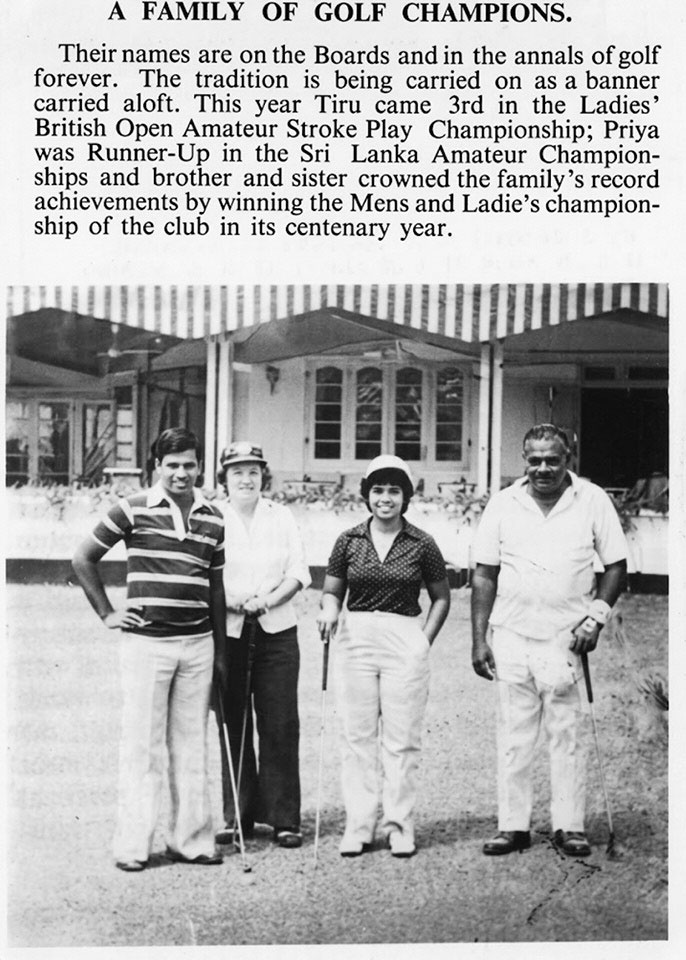
From the Deep End to New Directions
By the time he retired as Chairman of United Tractors and Equipment, after handing over to his son in 2017, Priath had developed his passion to develop golf in Sri Lanka. He saw what his cousin Ana Punchihewa had done to put Sri Lanka on the world map for cricket, and sensed that Sri Lanka has the potential to also become World Class in Golf.
In 2001, he got involved with the Victoria Golf Resort Project, initiated by the late Mark Bostock. He met and connected with Jannine Weeratunga, who was helping with Public Relations and facilitating the sale of property around the Victoria Golf Course.
It was this experience that rekindled his love for golf and although he was past his prime as a golfer, he saw the opportunity to use his business experience and developed a strategic plan for the Victoria Golf Resort. Subsequently, he served as Captain and President of the Royal Colombo Golf Club whilst also contributing to develop golf in Sri Lanka through the Sri Lanka Golf Union. As President Sri Lanka Golf, he convinced HSBC to sponsor a Junior Golf Development programme, called “Future Lions”.
He also formed a separate company to promote golf tourism but due to various unforeseen external factors has not been able to reach the target markets in the UK and Europe. However, his sister Tiru who was the first Asian Lady to play in the European Women’s Pro Circuit in 1980 decided to get back in the game after a lapse of over 30 years and envisioned an International Golf Course in Jaffna. This vision fell perfectly in line with Priath’s strategy for Sri Lanka Golf and they have now developed a Masterplan for approval by the Board of Investment of Sri Lanka.
As part of the marketing plan for golf tourism and the sale of real estate development, Priath reconnected with Jannine, who was residing in South Africa, to seek her expertise and experience in promoting golf tours, and to also find real estate developers for the proposed Jaffna Golf Resort.
It was this reconnection that sparked yet another venture by Priath when he discovered that Jannine had become an award-winning author of children’s books.
A Passion for Golf, A Pivot to Publishing
Reading the books changed the direction of the relationship. He saw an opportunity to bring selected titles into the Sri Lankan market, attracted particularly by their educational dimension and their message of empathy, kindness, and inclusion.
Fernando remembers his own childhood, when his mother introduced him to books such as Tintin — stories that gave pleasure while quietly building language skills. He believes Weeratunga’s books can do the same for a new generation.
A Reconnection That Changed Everything
The pilot is deliberately modest: five titles from Weeratunga’s catalogue, themed as the “Voices of Hope” series, which deals with understanding children who are differently abled. The series particularly resonated with Fernando. It was launched recently at the Royal Colombo Golf Club, where the author gave an entertaining reading and Fernando delivered the welcome address as Chairman of Vibhava Academy. Early sales have been encouraging, but Fernando knows that retail shelves alone will not give relatively unknown titles the visibility they need.
So, the strategy reaches further. Rather than relying solely on individual customers, the venture is exploring partnerships with institutions capable of purchasing in volume — banks with children’s savings programmes, service organisations with community networks, schools seeking engaging English-language material, and corporates looking for meaningful CSR initiatives. The logic is straightforward: a bank or a service club that buys hundreds of books at once can achieve what thousands of individual retail sales might not.
For Fernando, this is not merely a sales tactic. It is a way of embedding the books in the lives of children through the institutions they already trust.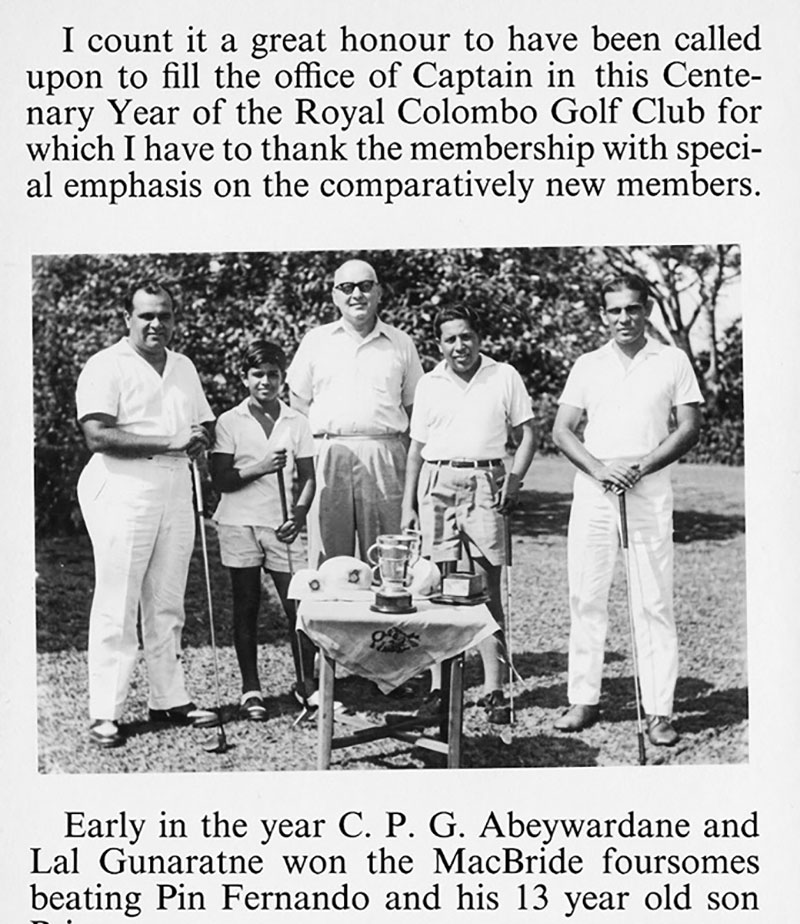
The Author as The Brand
If the books are to succeed, the author herself must become part of the story. Central to the venture is the belief that Weeratunga is an asset in her own right.
Her stories are not positioned as mere entertainment. They are designed to draw young readers into English through activities woven into the narrative — a subtle educational dimension that gives the books a dual appeal.
That dual appeal matters commercially. Positioned purely as entertainment, the books compete with a vast array of children’s titles. Positioned as educational tools — and as vehicles for teaching empathy and understanding of disability — they open doors to schools, literacy programmes and institutional buyers who might otherwise never consider a trade publisher.
A Philanthropic Venture
What began as a promotional idea has evolved into something closer to a mission: to place well-crafted, educationally enriching children’s books into the hands of Sri Lankan children, and to build a sustainable market around them.
Fernando is candid that the venture is, at heart, philanthropic. But he is equally clear that philanthropy without a viable business model rarely lasts. His answer is not to depend on charity, but to create a distribution and marketing structure that can stand on its own — one that treats the books not as isolated products but as part of a larger ecosystem of literacy, education and corporate engagement.

With author Jannine Weeratunga
The goal is not simply to sell books. It is to ensure that parents, schools and institutions recognise their value — and that children who might otherwise never encounter them are given the opportunity to read, learn and imagine.
A Consistent Philosophy
The connection between heavy machinery, golf, and publishing may seem tenuous, but Fernando sees a consistent principle running through all three.
The lesson he learned at UTE, was that the sale of a machine was never the end of the relationship but the beginning of a decades-long partnership.
Through his extensive involvement in golf development, he learned that a golf course cannot survive as a stand-alone commercial proposition; success depends entirely on the surrounding property, tourism infrastructure, and overall destination experience.
This critical insight defined his tenure as president of the Sri Lanka Golf Union, where he aggressively pushed to expand the sport beyond Colombo, upgrade local practice facilities, and market the island as a premier golf destination.
This vision directly guided his initiative to establish a golf tourism company catering to international visitors. Crucially, it also fuelled his passion to democratize the sport at home, bringing golf into schools and communities across Trincomalee, Killinochchi, Anuradhapura, Nuwara Eliya, Kandy, and Hambantota—giving talented young players in underserved regions the access to facilities and coaching they had long been denied.
Those initiatives did not all succeed. The Easter Sunday attacks; political uncertainty and the COVID-19 pandemic effectively halted the tourism venture. But the lesson stayed with him: an asset creates value only when the right ecosystem is built around it.
He is applying that lesson now to books.
Building the Market Around the Product
The immediate task is to establish the brand and demonstrate that a sustainable market exists. The team is rebuilding its marketing capacity after an earlier setback, with a renewed focus on social media, author branding, school outreach and institutional partnerships.
If the five-title pilot succeeds, Weeratunga’s larger catalogue offers scope for expansion — potentially transforming a limited publishing exercise into a broader children’s-content business.
For Fernando, the commercial question is ultimately one of scale. Printing books is relatively straightforward. Getting them into the hands of children — and ensuring that parents, schools and institutions recognise their value — is the harder part.
His answer is to build the market around the books, rather than waiting for the market to find them.
It is a strategy shaped by decades in business, sport, tourism and destination development. From the fairways of Victoria to the boardroom of United Tractor & Equipment and now to the bookshelves of Sri Lanka, his career has repeatedly returned to the same proposition: an asset creates value only when the right ecosystem is built around it.
The latest experiment is considerably smaller than a golf resort or a heavy machinery dealership. The commercial challenge is strikingly similar.
The five books are the product. The real business is finding the market — and, in doing so, opening a new chapter for Sri Lankan children.
“From reading children’s books as a kid, to operating bulldozers, to guiding golf balls, the bigger cycle has now come around!”
Arshad Refai on World Tourism Day
By Zanita Careem
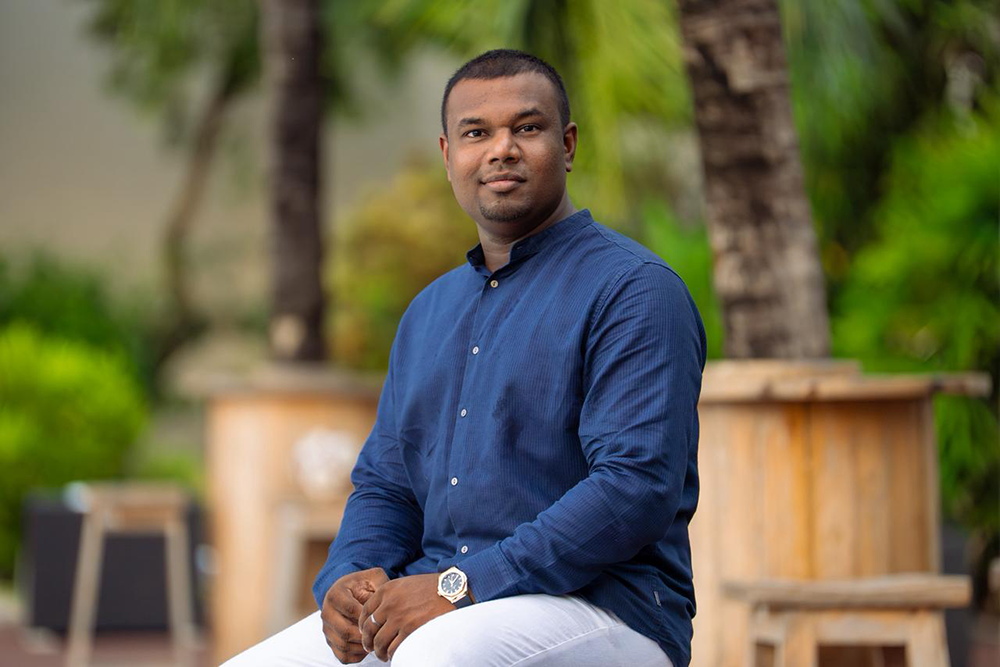
As the world marks World Tourism Day, attention is turning not only to the numbers that define tourism, but to the people, communities, cultures and destinations that give travel its meaning. For Arshad Refai, General Manager of Sun Siyam Pasikudah and President of the East Coast Hotels, it is an opportunity to highlight a region, he believes, has far more to offer.
From the tranquil shores of Pasikudah to the heritage of Batticaloa and internationally recognised surf of Arugam Bay, Sri Lanka’s East Coast brings together beaches, history, culture, cuisine and nature. Refai has consistently called for greater visibility, for the region organising that stronger tourism in the East can spread the benefits of the industry more widely across the country. In this interview Refai discusses the untapped potential of the East responsible tourism, community participation and his vision for making the region a stronger part of Sri Lanka’s international tourism
Ahead of World Tourism Day on 27 September, (today) we sat down with Arshad Refai, General Manager of Sun Siyam Pasikudah, to talk about what the day means for the resort, how it fits into the wider philosophy of the Sun Siyam Privé Collection, and why sustainability at Pasikudah runs a good deal deeper than a single certification.
(Q) World Tourism Day is today 27th. What does the day mean for Sun Siyam Pasikudah?
(A) For us it is a chance to put a spotlight on things we care about all year, not just for one day. We have a full programme planned, a special buffet built around authentic Sri Lankan cuisine, a street food festival with regional snacks and traditional sweets, and a mocktail and cocktail we created specifically for the occasion. There will be traditional Sri Lankan cultural dance performances, too. Alongside the celebrations, we are doing a tree planting activity with guests and a beach or park clean up campaign. Those last two matter most to me, honestly. World Tourism Day is meant to be a reminder that tourism carries a responsibility, and we wanted guests to take part in that rather than just read about it on a menu card. It is also just a nice excuse to bring the whole team together around something outside their usual roles, from the kitchen to housekeeping to the gardeners who will be leading the tree planting.
(Q) Sun Siyam Pasikudah sits within the Sun Siyam Privé Collection. What does that mean in practice, day to day?
(A) The Privé Collection is our tier of properties built around the idea of curated luxury with purpose. In practice, that means we do not think of luxury as something separate from responsibility. It shows up in small decisions as much as big ones, a menu built around what a local fisherman brought in that morning, an excursion that takes guests through a village rather than around it, a turndown that uses ingredients grown nearby. None of that is a marketing layer on top of the stay. It is the stay.
(Q)
How would you describe Pasikudah as a destination to someone who has never been?
(A) I would tell them to expect something quieter than what they might picture when they think of Sri Lanka’s beaches. We sit on the east coast, along one of the island’s most untouched stretches of coastline, a real alternative to the busier beaches further south. The bay here has a calm, reef sheltered lagoon, which is genuinely rare along our coastline, and the marine life draws snorkellers and divers throughout the season. We also get whale and dolphin watching excursions further offshore. Guests come here for space more than spectacle, long stretches of empty sand, slower mornings, and a coastline that still feels undiscovered. It is a different kind of holiday to the south of the island, less about ticking off sights and more about slowing down enough to notice where you actually are.
(Q) Tell us about the resort itself. What should guests expect from their stay?
(A) We keep things intentionally small, just 34 villas, pavilions and suites in total. Guests can choose from Garden Pavilions, Ocean Pavilions, Private Pool Pavilions, and our Two Bedroom Pool Beach Villas, depending on what they need, whether that is a couple’s escape or a family stay. Every one of them is built for privacy and space rather than scale. On the dining side, we have six venues across the property, The Cellar, The Kitchen, The Tea House, The Bar, The Slice and Grill, and The Beach Shack, so there is real variety even within one resort. We also have a 30 metre infinity pool and a spa built around Ayurveda and other wellness traditions.
(Q) Beyond the rooms and the restaurants, what kind of experiences do you offer guests?
(A) We try to make sure a stay here connects guests to the destination, not just the property. We arrange excursions to nearby national parks, UNESCO heritage sites, and local villages, and we run Sri Lankan cooking classes for guests who want to take something home with them beyond photographs. There are cycling routes through the surrounding countryside as well. The idea is that guests leave with a sense of the east coast itself, not just the resort.
(Q) Sustainability comes up a lot when you talk about Pasikudah. Why is that such a central part of how you run things?
(A) Because I do not think you can call yourself a luxury resort in a place like this without taking responsibility for it. We hold a Travelife Gold Certification, which is one of the more rigorous sustainability standards in hospitality. It requires an independent audit across environmental and social practices, energy and water use, employee welfare, community support, all of it. But I always say the certification does not create the commitment, it confirms one that was already there. The audit is useful because it holds us to an external standard, but the work itself predates it and will outlast it. Recertifying is not a box ticking exercise for us, it is a chance to have someone from outside the resort tell us honestly where we are falling short.
(Q) You also support the Kalo Project. Can you tell us about that?
(A) Kalo is a young elephant calf being cared for at the Udawalawe Elephant Transit Home, on the other side of the island from us. She was found without her herd, and her recovery is being supported through the Sun Siyam Cares Fund, which covers the day-to-day costs of raising an orphaned calf, milk formula, veterinary care, and the upkeep required until she is strong enough to be reintroduced to a wild herd. That process usually takes several years. It is a long way from Pasikudah geographically, but I do not see it as separate from what we do here. Protecting Sri Lanka’s wildlife and protecting its coastline come from the same instinct for us.
(Q) How does the local community factor into how you run the resort?
(A) Every member of our team at Sun Siyam Pasikudah is Sri Lankan, and that is a deliberate choice, not a coincidence. We prioritise local suppliers wherever we can, the fishermen who supply our kitchens, the craftspeople behind our architecture and our cultural programming. Employment and income from the resort should stay in this community as much as possible. That is not something we put in a brochure, it is how the place actually runs.
(Q) What do you hope guests take away from a stay at Pasikudah?
(A) I hope they leave feeling like they experienced something real, not staged. Responsible luxury should not be a marketing line, it should be something you feel in the food, the setting, and the stories the resort chooses to tell. If a guest leaves remembering the fisherman who caught their dinner, or the village they cycled through, or even Kalo’s story, more than they remember the thread count on the sheets, then we have done our job properly.
(Q) What’s next for Sun Siyam Pasikudah once World Tourism Day has passed?
(A) It is a busy back half of the year for us. We move fairly quickly into the International Day of Generations Together at the start of October, then International Chefs Day later in the month, which our kitchen team always treats as a bit of a showcase. After that we are into Diwali, and then the run into Christmas and New Year, which includes a Sri Lankan Heritage Day celebration in between. It is a lot of programming, but each one gives us a slightly different reason to tell a story about this coast and this island, which I enjoy.
(Q) Any final thoughts on World Tourism Day this year?
(A) Just that I hope it is not treated as a one day event, by us or by anyone else in the industry. The tree planting and the clean up are small gestures on their own, but they only mean something if they sit alongside a much bigger commitment, to our team, to our suppliers, and to the island itself. That is what we want guests to feel here, not just on the 27th of September, but every day they choose to stay with us.

Ageing is not counting the years, but about embracing life with confidence, vitality and purpose. Dr. Shanika Arsecularatne, CEO of Luxury Wellness Clinic, had a discussion on Age Gracefully Christell. The conversation centred on longevity, highlighting the importance of looking after oneself, making healthy choices and celebrating every stage of life with grace and confidence Growing older need not mean slowing down, it can be an invitation to live more consciously, confidentially and beautifully. At this discussion on ‘Age Gracefully,” Christell shines a spotlight on longevity celebrating the act of ageing with vitality, elegance and purpose. This a refreshing remainder that true beauty is not defined by the number of candles on a birthday cake by how we continue to live, learn flourish and embrace every chapter of life.
Last week Christell Luxury Wellness hosted ‘Age Gracefully’, an exclusive evening bringing longevity, preventive health, regenerative medicine, beauty and wellness into the spotlight. Held at The Shoppes at City of Dreams, the event brought together distinguished guests, industry leaders and luxury wellness partners around a critical question. How can we live longer, healthier and better?
At the heart of the evening was an overview of longevity and preventive health, led by Dr. Shanika Arsecularatne, CEO Anti-Ageing and Regenerative Medicine Specialist of Christell Luxury Wellness. The event focused on the concept of longevity through a luxury wellness experience, encouraging people to focus on their long-term health through awareness, preventive measures, health optimisation and a proactive mindset to ageing.

Grace has no age -it only grows more beautiful with time
While the global conversation around longevity is rapidly growing, Christell’s emphasis on longevity and preventive health has been built for over 30 years. As a trusted name and trendsetter in Sri Lanka’s beauty and wellness industry, Christell has continuously evolved with advances in science, technology and regenerative medicine. Age Gracefully represents the next chapter of that journey — advancing beyond looking good to living healthier and ageing better.
Guests experienced this philosophy through interactive health and wellness experiences, including a “Check Your Health Status” quiz, Vitamin Level Test demonstration and Hair Scan demonstration, alongside luxury beauty, fragrance and wellness experiences by Exclusive Lines, Zam Gems and Dilmah.
The evening highlighted an important shift in modern lifestyle that has become prevalent around the world – prevention begins long before illness strikes, and good health and longevity are closely intertwined, As Sri Lanka begins to embrace this new conversation, Christell continues to champion a future where beauty, science, preventive health, regenerative medicine and longevity come together. The measure of a healthy life is no longer simply to live longer – it is to live better, for longer.
(Zanita)

Showers or thundershowers will occur in most parts of the island after 1.00 p.m.

Unions resist tripartite EPF management plan

Two arrest warrants issued for Gnanasara thera

CA dismisses GR’s writ petition against arrest

ADB-backed virtual net metering project faces policy contradiction

Media action group flays NPP over new anti-terrorism law

‘Dates have the highest sugar content to fight Coronavirus’

Sunday Island 27 December – Headlines

#SundayIsland 17th December – Headlines

Sunday Island – 28th March

Sunday Island Headlines – 21 March

Sunday Island – 21st February – Headlines
-

 Editorial6 days ago
Birth of a bad law
-

 News4 days ago
Police remove Thileepan statue in Jaffna
-

 News6 days ago
TIN mandatory for key transactions from Nov. 1
-

 Features4 days ago
The 22nd Amendment, constitutional recovery and illiberal slippage
-

 Features4 days ago
Of foreigners as CEOs of Lankan ventures
-

 News4 days ago
Sajith rejects Jt. Opp. protest sabotage claim; SJB TU chief demands remedial action
-

 Latest News2 days ago
Gold winner Tharanga gets brand-new Honda Vezel from SLAAJ
-

 Features3 days ago
Thailand’s biggest new global star …