
Life style
Reinventing the face of the Handloom Industry for future sustainability

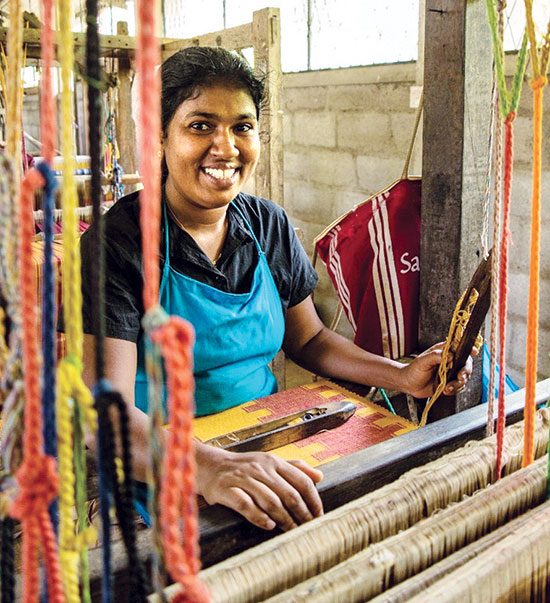
Selyn launches the ne ‘New30’
Q: What are the current challenges faced by the handloom industry?
Sri Lankan handloom has a long and venerable history of over 2500 years and has been a sustainable industry since its inception: energy consumption in production is low, and the industry has created thousands of jobs for rural artisans and communities across the country. However, despite various efforts, the industry finds itself in a state of deterioration owing to different factors, more recently the negative impact of degrowth of the tourism sector in Sri Lanka.
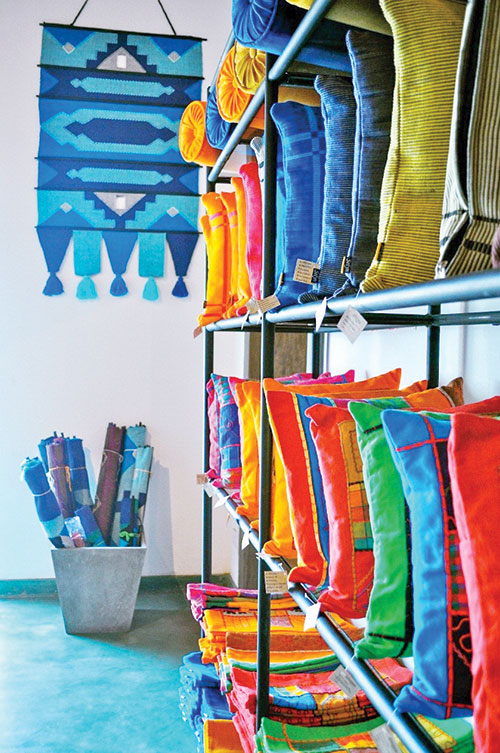
Unfortunately, handloom is no longer widely seen as an item of intrinsic value that speaks of our history and culture, and embodies the skills of talented artisans. Our artisans are no longer venerated for their skills, and are too often seen through a charity lens. It is crucial that Sri Lankan handlooms are pitched to premium or even luxury markets, which value quality over mass quantity and speed.
 In addition and perhaps more innovatively, increasing the transparency of our production methods with the integration of blockchain technology into our supply chains will be a crucial step to allow us to better tell the Sri Lankan handloom story, addressing the ‘green-washing’ debate, and providing consumers with verifiable data to inform the purchase of a higher value textile. Global emerging trends support this hypothesis, as these premium markets and more conscious customers are now craving the stories of heritage and responsibility that fair trade and ethical brands can tell. This is an opportunity, for not just the handloom industry but in my opinion, for many Sri Lankan brands.
Q: How is Selyn integrating Blockchain into their production system?
We envision a different future for the handloom sector. Having begun the process of integrating blockchain into our supply chain, we believe we can truly walk the talk and present to the world a truly authentic and responsible craft brand. Drawing on our fair-trade foundations and using our social enterprise credentials and with COVID19 accelerating our work, Selyn is repositioning its work in the handloom sector to address emerging market opportunities.
Q: What do you hope to achieve through this novel technology?
Our aim is to leverage a commitment to ethical and sustainable practices combined with greater transparency, and ultimately carve out a unique niche for handloom as an important part of Sri Lanka’s intangible cultural heritage. And, we are working hard to bring the industry along with us. We believe that the concept of blockchain in the handloom sector is an innovative step towards positioning Sri Lanka as an industry and global leader that combines technology and tradition to conquer sustainability.
Q: How can blockchain benefit Sri Lanka?
For those companies in control of their supply chains, especially those committed to fair trade and ethical
trading practices, blockchain is the perfect tool to validate authenticity and for story-telling. With blockchain integrated from the point of sourcing to point of purchase – from fiber to fashion – with the swipe of a QR code, a consumer can now be fully aware of what goes into their product, and how it is made. Blockchain technology ensures that each point in the production process is recorded so that consumers can access independently verified, real-time, detailed metadata of what they want to know. And that’s not all. Consumers can input their own information to the QR code, thereafter if it is given to a friend or resold; it enables the needed circularity for the product.
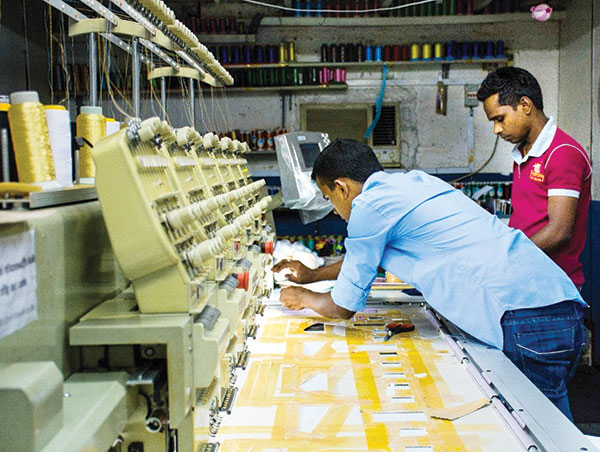
For us in the handloom industry and even for the larger apparel sector, this means openly sharing information about how, where, and by whom a product was made. This becomes more than a story-telling exercise, especially since this technology demands that we pay attention to people at all stages of the supply chain: who works for the brand, in what factories, under what conditions, are they safe, are they paid a living wage, how many hours do they work, do they have workers’ rights? It also demands that we be conscious of the waste we reject into the environment – into our forests and our seas and brings our attention to how we may be more carbon neutral as we maximise profit. It allows us to humanize our supply chains and spread the premiums gained fairly among all those involved in the process of taking a product to market.
Q: Why is Blockchain essential to the future?
We see the overuse of these words; “sustainable”, “empowerment” “circular” and are led to
believe it addresses and solves the bigger problems at hand. None of which mean anything or truly give impact, if we aren’t transparent about how we achieve these outcomes. In other words, the practice of openly sharing information about how, where, and by whom products are made is critical. We can’t achieve sustainability without being truly transparent, which is why blockchain has gained its well-earned prominence. About Selyna Peiris (Attorney-at- Law): Being the Director-Business Development at Selyn, Selyna is also Co-Founder and Partner at Positive Impact Consultancy, an advisory service assisting stakeholders in various sectors to make purpose led transformation to create a positive impact. She was previously the Deputy Director – Programmes at
the Office for National Unity & Reconciliation (ONUR), Government of Sri Lanka and has consulted for the UN and other international and non-governmental organizations. As a youth activist, she has spear-headed and
worked along many movements working towards a racism free Sri Lanka and continues to be a strong
advocate for equitable development especially for the women of SriLanka.

Life style
A nation comes together: Business, compassion and public service unite to protect Sri Lankan women from cervical cancer

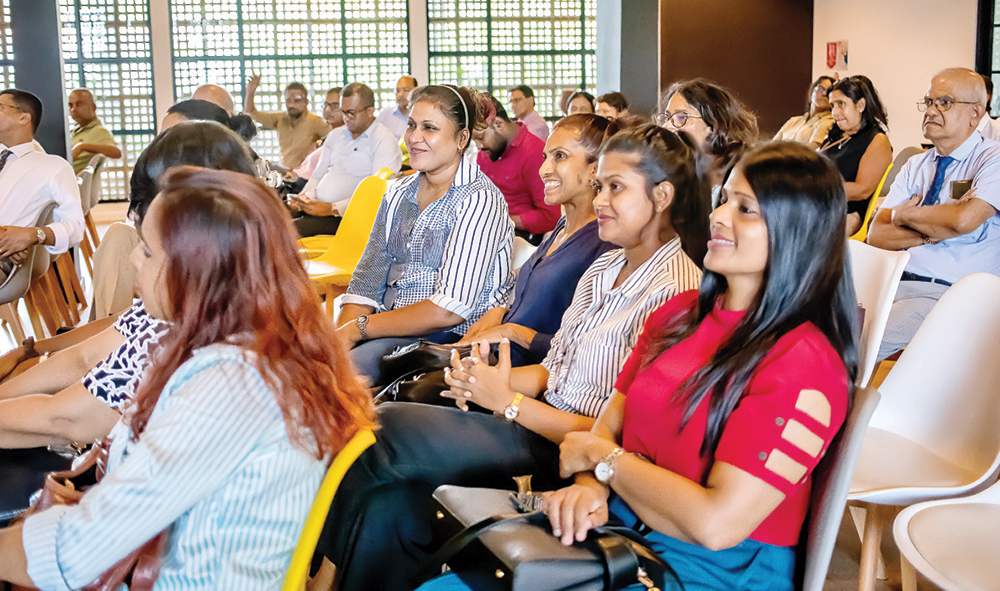
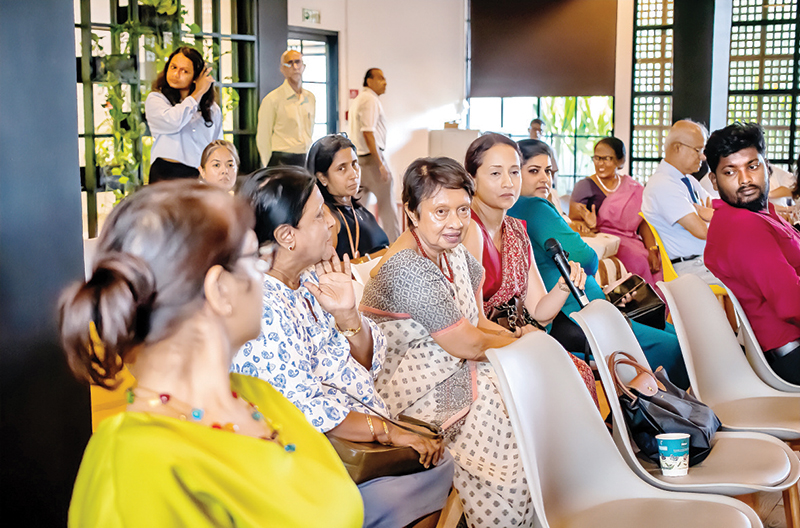
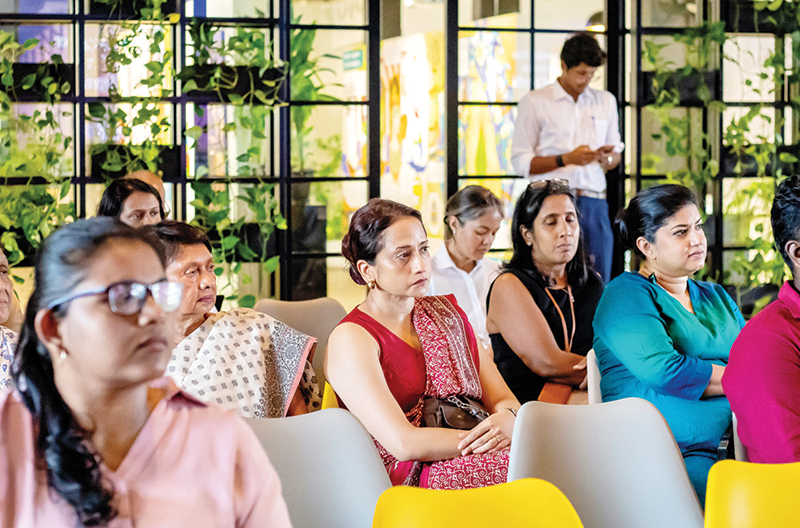
In an emotionally charged and inspiring gathering that brought together business leaders, healthcare professionals, philanthropists and community organisations, Sri Lanka, this week, reaffirmed its determination to defeat one of the country’s most preventable yet devastating diseases—cervical cancer.
The event was more than a formal announcement of financial assistance. It was a story of legacy, compassion, partnership and hope. It was also a reminder that when private enterprise, government institutions and civic organisations stand together with a shared purpose, lives can be saved and futures protected.
At the centre of the initiative was a renewed commitment by Dilmah and the Fernando family to continue funding cervical cancer screening programmes, in partnership with the Ministry of Health and Rotary.
The programme, which has already helped thousands of women through early detection, will receive a further Rs. 50 million this year, enabling 20,160 additional screenings.
This follows an earlier Rs. 75 million commitment made in January 2024 under a Memorandum of Understanding signed between Dilmah, Rotary and the Ministry of Health.
A Son Honours a Father’s Vision
Delivering one of the most moving speeches of the event, Dilmah Chairman/CEO Dilhan C. Fernando reflected on the values of his late father, Merrill J. Fernando, founder of Dilmah, whose philosophy continues to guide the company.
Fernando said his father began his journey in 1950 not merely to create a successful tea business, but to build a company that would improve lives and protect nature.
“My father started on a mission to make the world a better tea,” Fernando said. “Now, better tea is always welcome because it implies good taste, but his vision was quite different. It was about tea that would have an impact on the lives of people and on natural ecosystems.”
He said he and his brother Malik were blessed to steward a business that values kindness to people and the environment as much as profit.
“Businesses do not exist to make profit. Businesses exist to create value,” he said. “Value begins with people and livelihoods. It continues through nature, which is an inextricable part of welfare. And if you get those two right, then you have the right to secure economic value.”
Fernando said learning that hundreds of Sri Lankan women were dying annually from cervical cancer—an entirely preventable disease—was deeply disturbing.
“It was something that was really quite abhorrent to us,” he said. “An entirely preventable form of cancer should not be taking so many lives.”
He said the contribution was not about publicity or recognition.
“We announce this not to boast, but in appreciation of all those who made it possible, particularly my father, because that is how it is possible for us to make this assistance.”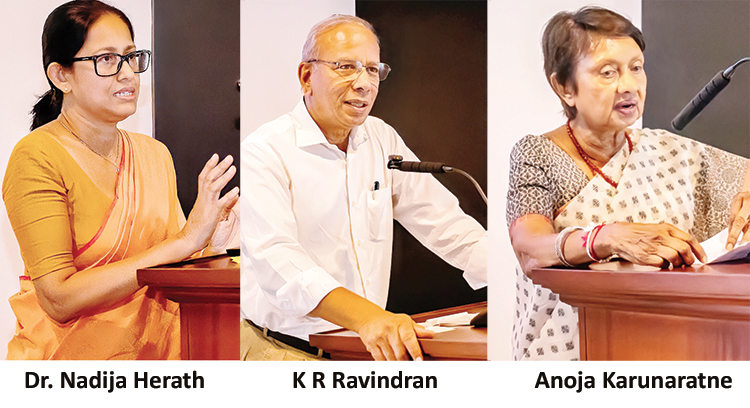
Thousands of Lives Already Touched
Fernando said the true value of the investment could not be measured in rupees alone.
“That value may seem like a big number, but it is insignificant when you consider that it has saved thousands of women from the scourge of cancer and in many cases helped them avoid late-stage disease.”
He praised Sri Lanka’s healthcare system for maintaining an admirable record, despite national hardships.
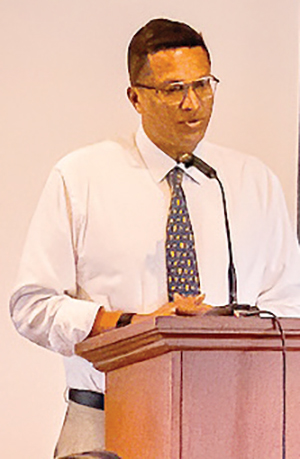
Dilhan C Fernando
“Whatever anyone may say about systems or governance, the fact is Sri Lanka’s healthcare system has an enviable track record,” he said.
Rotary’s Promise of Early Detection
Representing the Rotary Club of Colombo, former Rotary International President K.R. Ravindran delivered a powerful message on the life-saving power of partnerships.
“This is not a discussion. This is a promise of early detection,” Ravindran said. “Cancer, especially cervical cancer, does not arrive with a bell ringing or a warning. It whispers, and so often by the time it is heard, it is too late.”
He spoke emotionally of the grief caused by delayed diagnosis.
“For millions of women, that whisper is a devastating reality. Families left grieving—that is the reality.”
Ravindran recalled how Rotary had earlier established a stand-alone early detection centre offering free screening for breast, cervical and oral cancers. Through those efforts, more than 120,000 women had access to screening.
“During that journey, we learned something profound,” he said. “Early detection is not just saving lives. It transforms fear into hope, into possibility.”
That experience led Rotary to intensify efforts against cervical cancer, supported by overseas partners who introduced expertise and advanced screening technology.
A Crisis That Nearly Stopped Progress
Ravindran revealed that Sri Lanka’s financial crisis nearly derailed the programme when funds for HPV testing kits became unavailable.
“Without the money, the whole thing would have gone awry,” he said.
It was then, he said, that Dilmah stepped in.
“They did something far greater than simply giving money. They made scale possible. They made continuation possible. They made impact possible.”
He paid tribute to Merrill J. Fernando’s values.
“He believed business was a matter of human service. It was not just about making money. He did not just speak it. He lived it.”
He added that Dilhan Fernando had strengthened that legacy through direct leadership and compassion.
Sri Lanka Can Lead the World
Ravindran said Sri Lanka has every reason to believe it can become one of the first countries in the world to eliminate cervical cancer by 2030.
He cited the country’s literacy, school vaccination programmes, far-reaching public health system and highly respected midwife service.
“One thing we have to be proud of is our public health service,” he said. “And we have an excellent midwife system. If you involve the midwives, you are effectively empowering the community.”
He concluded with a message of hope.
“I think this country can become one of the first countries to be rid of this disease. Perhaps one day no woman in Sri Lanka will ever again hear the whisper of cervical cancer.”
Science, Prevention and Public Health
Consultant Community Physician Dr. Nadija Herath, of the Family Health Bureau, explained that cervical cancer is caused mainly by persistent infection with the Human Papillomavirus (HPV), which can take years to develop into cancer, if left untreated.
She said this makes screening especially important because pre-cancerous changes can be detected and reversed.
“The most important thing about this cancer is that it is preventable,” she said. “If identified early, women can be fully cured and live normal lives.”
Sri Lanka’s Well Woman Clinic programme, introduced in 1996, currently focuses on women aged 35 and 45.
Dr. Herath said the country is now expanding the use of HPV DNA testing, which offers much higher sensitivity than traditional methods.
She added that outreach clinics in factories and underserved communities would be strengthened, ensuring women can access services close to where they live and work.
Cancer Society Calls for Social Change
President of the Sri Lanka Cancer Society, Anoja Karunaratne, said awareness and stigma remain serious barriers.
“We need to take this message beyond hospitals and clinics—into schools, workplaces, religious institutions and community groups,” she said.
She stressed that women should view screening as a normal and responsible part of healthcare.
“Women must not fear screening. They must see it as routine care that can save their lives.”
A Partnership with Purpose
Throughout the event, one theme stood above all others—the power of unity.
Government institutions brought infrastructure and expertise. Rotary brought leadership and international support. The private sector brought resources and purpose. Civil society brought compassion and outreach.
Ravindran summed it up simply:
“This is not just institutions coming together. It is values coming together.”
“When governments, civil society, global networks and responsible businesses all come together, we do more than fight disease—we change destiny.”
Hope for Every Woman
As Sri Lanka moves toward the World Health Organisation goal of eliminating cervical cancer as a public health threat by 2030, the gathering offered more than policy announcements. It offered confidence that progress is possible.
It reminded the nation that some of the greatest victories are won not in boardrooms or conference halls, but in clinics where disease is detected early, in families spared grief, and in women given the chance to live healthy, full lives.
And in that shared effort, Sri Lanka may yet become a global example of what compassion, courage and collaboration can achieve.
By Ifham Nizam
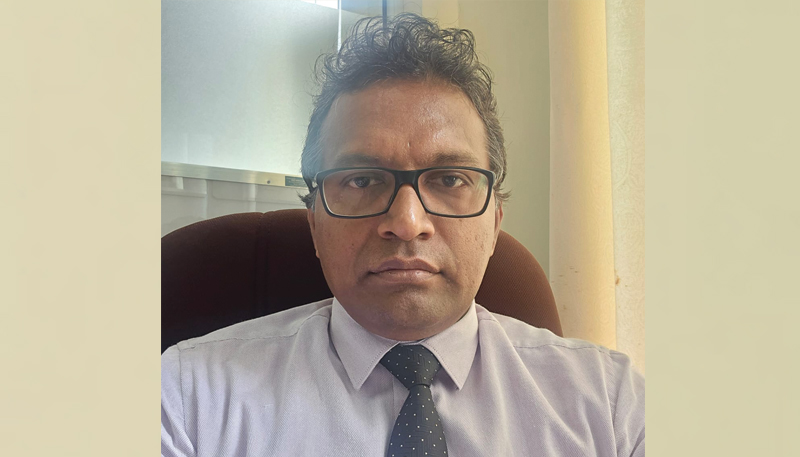
 By Dr. Aruna Caldera, Consultant Rheumatologist MBBS, MD, MRCP (UK), MRCP (Rheumatology)
The word arthritis comes from ancient Greek. “Arthron” means joints; “itis” means inflammation; so, arthritis means inflammation of joints. Arthritis is one of the commonest disease categories which effect man. Some forms of arthritis may not even require any form of specific treatment, whereas some may even kill you.
Among long-term arthritis conditions, the most serious is rheumatoid arthritis. This disease occurs due to genetic variations that cause the immune system to malfunction and produce antibodies against the joints, leading to joint damage. We call this process, auto immunity; in simple words, your immune system which is supposed to protect you, starts to work against you.
If proper treatment is not started on time, the progression of the disease will be extremely difficult. Without proper treatment, it can make life miserable and may even lead to premature death.
Rheumatoid arthritis is a chronic, systemic inflammatory disease. Joint involvement is only one part of it. In simple terms arthritis is not limited to the joints. This is why relying only on ointments or topical treatments can lead to extra-articular (other organ) damage some of which could be catastrophic and lead to premature death.
If untreated, inflammation damages the joints—causing deformities, cartilage loss, and involvement of more joints over time. Complications usually appear after 10–15 years. Those who don’t understand, or refuse to believe this, often rely on short-term fixes and, unfortunately, will suffer later.
Eventually, joint deformities can become so severe that a person may not be able to walk without aid, button clothes, dress themselves, go to the toilet independently, open a bottle, or even open a door.
There are several types of rheumatoid arthritis:
Classical rheumatoid arthritis:
Affects small joints (fingers, wrists) and large joints (elbows, ankles, knees). Symptoms include morning stiffness, joint pain, swelling, weak grip, and fatigue.
Palindromic rheumatism
: Sudden joint pain (and swelling) that disappears within hours or days. Many of these patients may later develop classical rheumatoid arthritis. However, treatment can reduce this risk of progression to classical type. Medication may be needed even when symptoms are absent.
Monoarticular rheumatoid arthritis:
Affects a single joint. It is often mistaken for other conditions like gouty arthritis or osteoarthritis. Without proper treatment, it can destroy the joint and later progress to classical rheumatoid arthritis. Commonly affects larger joints, like knees, ankles, hips, and shoulders.
Polymyalgic onset (proximal) rheumatoid arthritis:
Seen in older individuals and even could be missed by clinicians. Patients usually complain of stiffness in both shoulders rather than joint pain or swelling.
Most patients experience morning stiffness (difficulty moving joints after waking) and joint “gelling” (stiffness after rest). Stiffness can last from minutes to hours and is caused by inflammatory substances accumulating in joints during sleep and rest.
Other symptoms may include whole-body pain, fatigue, weight loss, mild fever, depression, fibromyalgia (generalised wide spread pains)
Rheumatoid arthritis affects the whole body. The effects on other organ systems are identified as” extraarticular manifestations”. Most organs can get involved in poorly controlled disease. Some of the common manifestations include,
Skin vasculitis rashes and skin nodules
Lung disease (interstitial lung disease)
Heart disease (ischemic heart disease)
Osteoporosis
Eye problems which can even cause blindness (uveitis, scleritis)
Nerve disorders (polyneuropathy, mononeuritis)
Dry mouth (Sjogren’s syndrome)
About 40% of patients may develop such complications. The only way to reduce them is timely treatment.
In addition to joint swelling, the whole hand may swell like wearing a boxing glove. Swelling in the wrist can compress the median nerve, causing carpal tunnel syndrome (numbness in fingers). Surgery should not be rushed—arthritis must be treated first.
The disease can even affect the upper spine (neck joints). Neck pain along with other joint pain should not be ignored. In simple terms, rheumatoid arthritis can affect almost any joint except most parts of the spine.
No blood test is required to suspect or even diagnose rheumatoid arthritis. In some patients the rheumatoid factor antibody test will never be positive (seronegative rheumatoid arthritis). Waiting for lab confirmation before starting treatment is an unwarranted delay.
Some tests may show abnormalities:
Rheumatoid factor antibodies, Anti-CCP antibodies, ANA may be positive
ESR and CRP may be elevated
Haemoglobin may be low (anaemia of chronic disease)
Platelets may be high
Blood tests are more useful for monitoring treatment and medication safety rather than initial diagnosis. One important fact we must realise is the titre of the antibody test positivity has no correlation to disease activity and we cannot use the antibody titres to evaluate the response to treatment.
There are treatments that can even bring the disease into remission in no time at all. However, patients who delay treatment, take insufficient doses of medicines, stop medication early, follow inconsistent treatment, or rely on unscientific treatment methods are unlikely to achieve this.
Proper treatment involves starting with stronger medications and gradually reducing it as the disease improves. Simply controlling symptoms, without addressing the disease progression, is not enough; that is why using pain killers and prednisolone only cannot prevent extraarticular manifestations.
The first goal is on-drug remission. After that, patients should continue medication for more than 12 months without symptoms before gradually tapering. Stopping/tapering medications too early often causes relapse, which is a major reason why many patients fail to recover. Some patients may relapse even after stopping medication, but modern treatments allow long-term control without harm and sustained, drug-free remission in other patients. Most novel therapies are available in Sri Lanka as well.
The medications used are called DMARDs (Disease-Modifying Anti-Rheumatic Drugs). These do not just control symptoms—they change the course of the disease. Most patients respond to conventional DMARDs, but if not, biologic or targeted synthetic DMARDs should be started early—not after joint damage occurs. These treatments are available in Sri Lanka. Without consulting rheumatologist, patients may not receive these advanced forms of novel treatments.
Having rheumatoid arthritis is like being trapped in a room with a venomous snake. As long as you stay alert, you can avoid harm—but if you ignore it, it will strike. The disease must be treated at any cost. The choice is yours. With proper treatment initiated early, you can live a normal life. Ignoring the disease will not make it go away. Misinformation by people who aren’t aware of the severity of the disease and medications used often causes patients to avoid ideal treatment, leading to worse outcomes.
There is no point worrying after diagnosis; see a specialist early and seek treatment. You can live a normal life. Even pregnant or breastfeeding mothers can be treated safely without harming the baby. The precious time you waste starting a DMARD will definitely impact the final outcome.
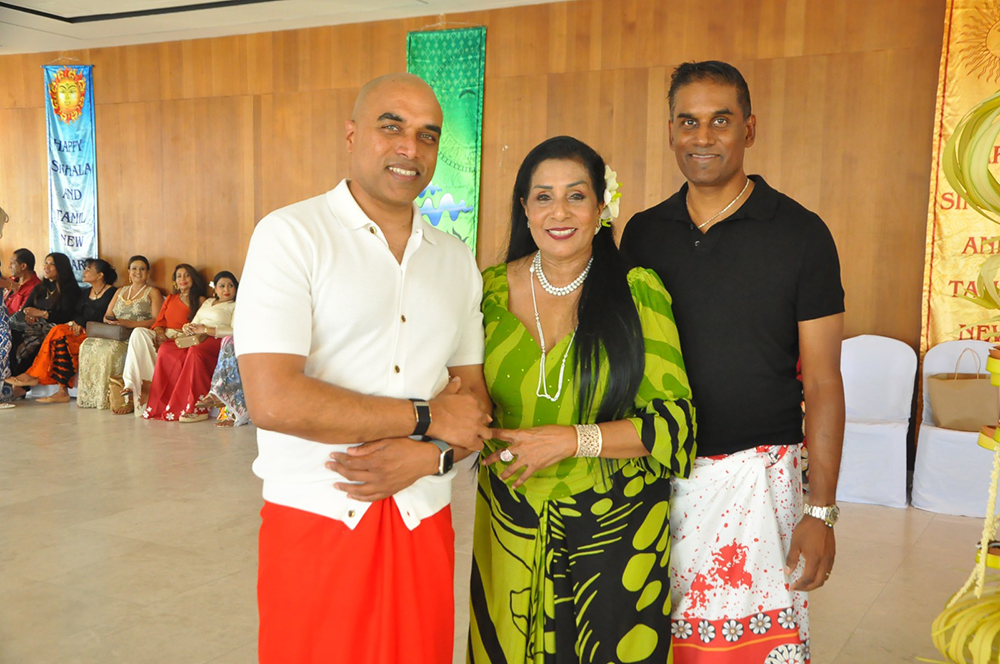
The Sinhala and Tamil New Year stands as one of Sri Lanka’s most significant cultural observances, marking not only the transition of time but also a collective moment of renewal, reflection and togetherness. The Sinhala and Tamil New Year is deeply rooted in age old customs that continue to shape both domestic life and wider social culture across the island. Priyanthi Fernando brought the spirit of Sinhala and Tamil New Year to life, hosting a thoughtfully curated Avurudu celebrations that brought together elegance, culture and the timeless spirit of togetherness. The Sinhala and Tamil New Year festivities were held at Colombo City Centre, followed by a strong service of cultural authenticity. The event unfolded with traditional observances carried out in glamour and style. The atmosphere was warm, yet distinctly elegant, with carefully curated details. Priyanthi embraced tradition in a striking reddai hatta, even the invited guests embraced the occasion in equally colourful ensembles that added a rich, cultural vibrancy.
The food presentation added to the charm of the evening, with a beautifully arranged spread of Avurudu delicacies.
The gathering blended festive decor with familiar Avurudu touches, games sweet meat spreads. and a musical backdrop inspired by local rhythms. Both men and women opted for the national attire, while traditional sweets, such as kavum, kokis, aluwa and mung kevum, were among the food highlights, alongside other savories and contemporary bites.
Adding to the celebrating tone were the traditional Avurudu games which brought moments of laughter and friendly competition. As the Avudu Kumari was announced, the evening reached its natural clima, filled with smiles photographs and applause. The gathering captured the true essence of Avurudu with warmth and celebrations.
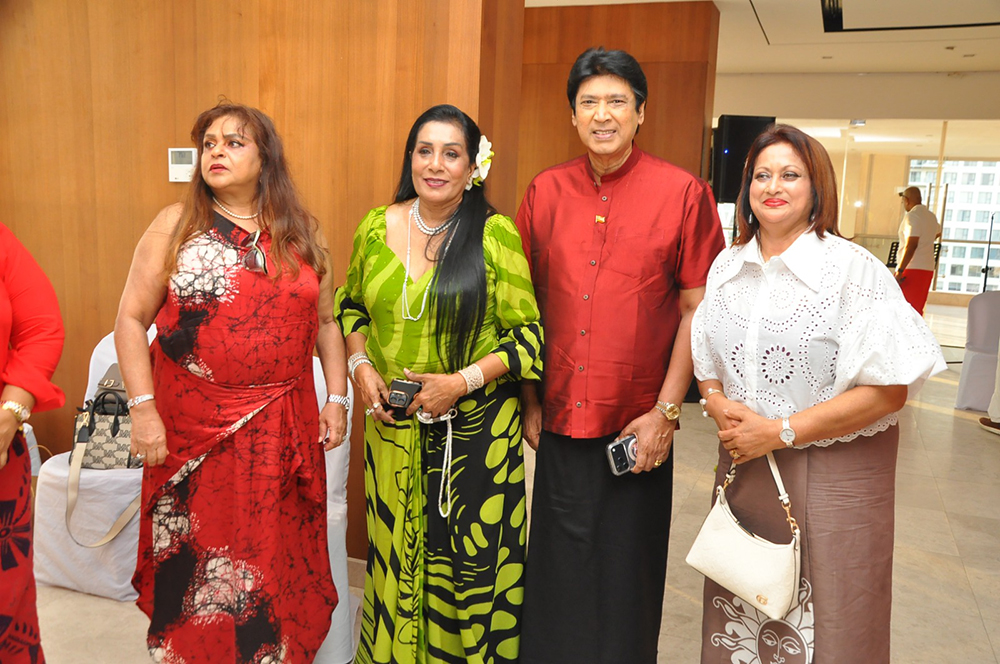
Avurudu vibes with singer Kirthi Pasquel

Predipika, Preethi and Ramani Pelpola
-
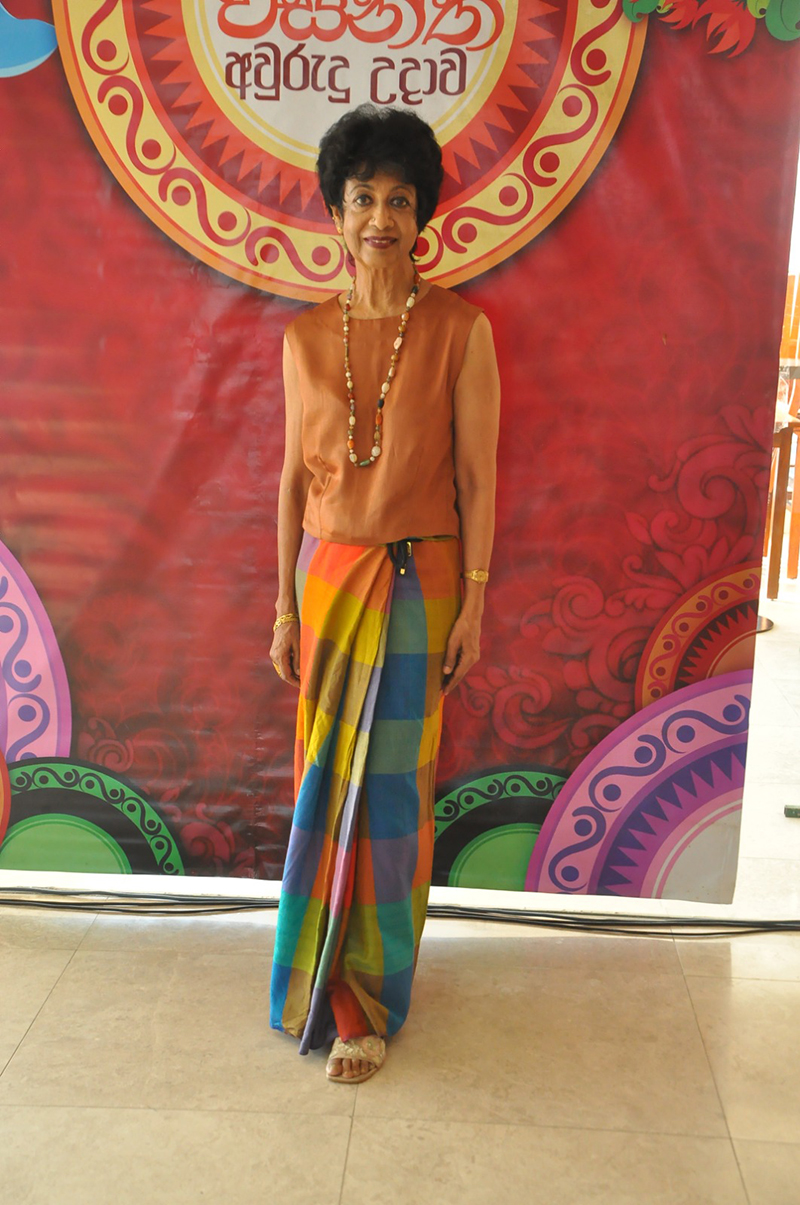
- Zarina
-
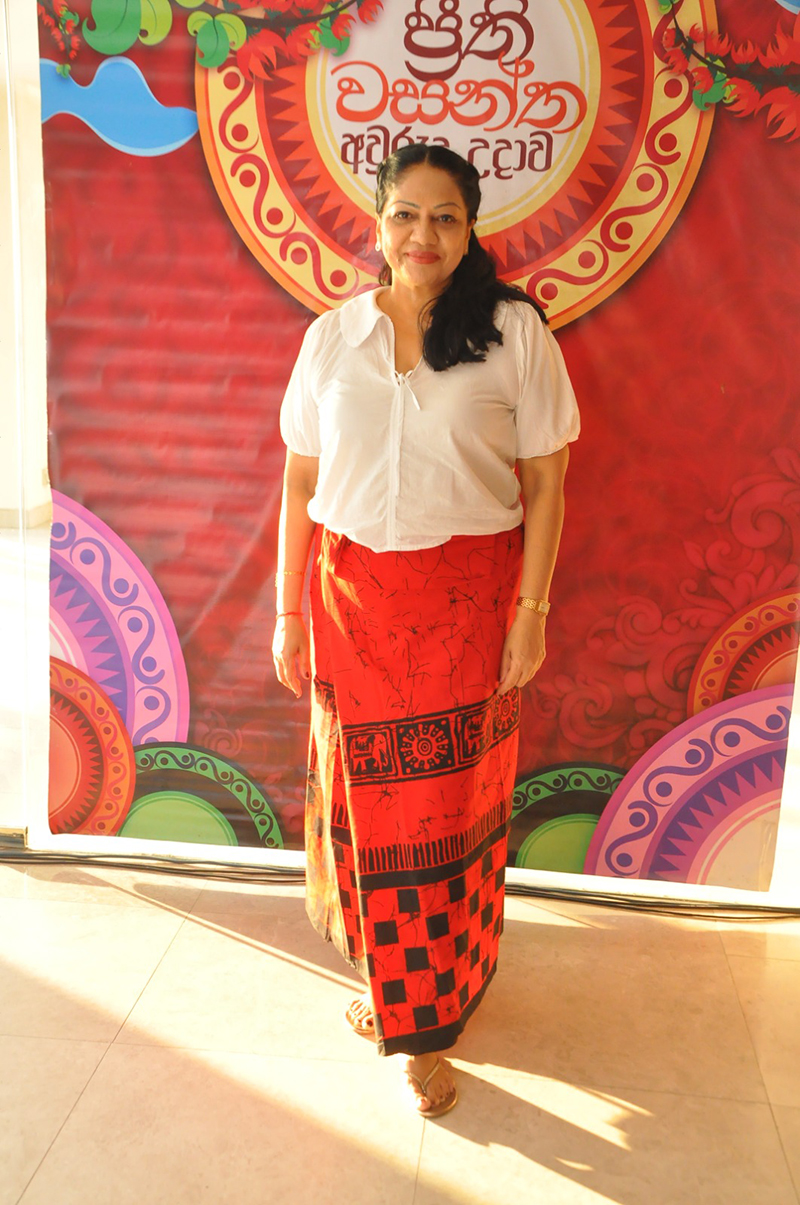
- Onitha Gurugalle
-
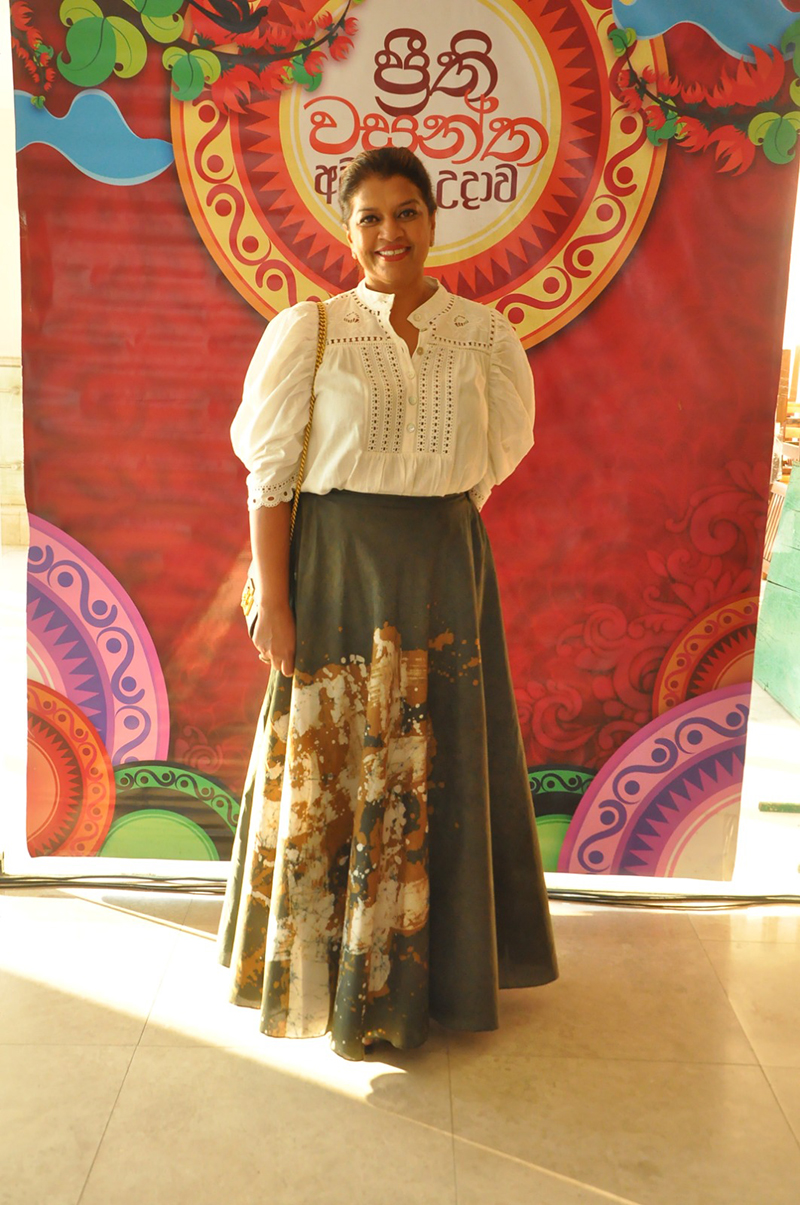
- Sujeewa Nelson
-
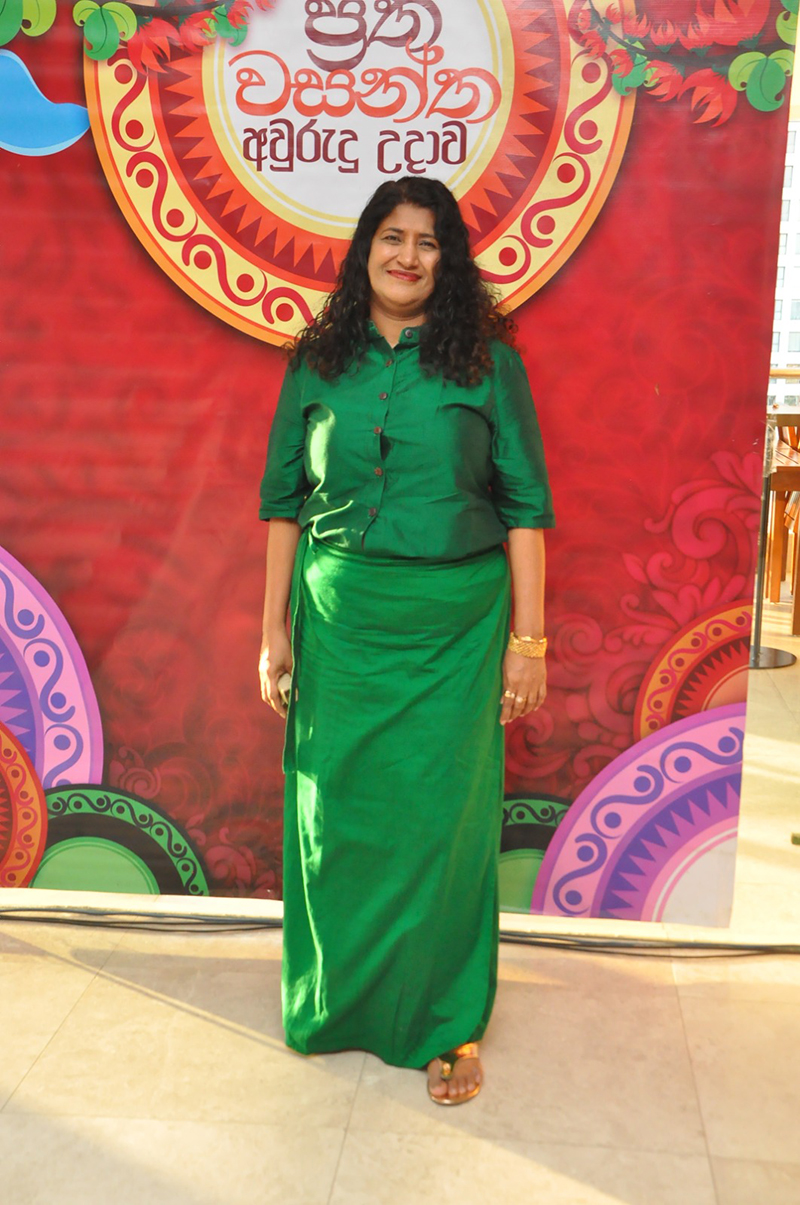
- Guest in national attire
-

- Sheila
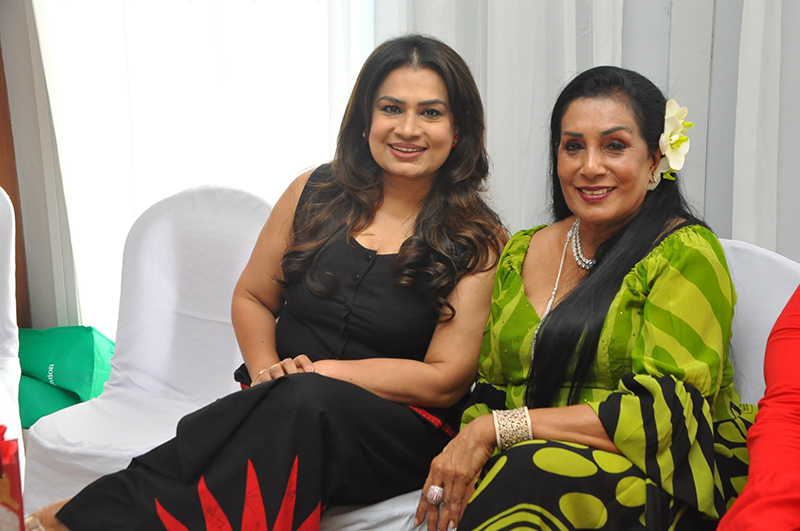
Shereen Kumaratunga
Pix by Thushara Attapathu

Minister of Health of the Russian Federation attends the Sri Lanka–Russia Medical Forum

Members of Sri Lanka Cricket Transformation Committee Officially Appointed

Three prison guards arrested following the death of an inmate

Showers or thundershowers will occur at most places of the island after 1.00 pm.

CJ urged to inquire into AKD’s remarks on May 25 court verdict

ITAK MPs representing East take their woes to Canadian HC

‘Dates have the highest sugar content to fight Coronavirus’

Sunday Island 27 December – Headlines

#SundayIsland 17th December – Headlines

Sunday Island – 28th March

Sunday Island Headlines – 21 March

Sunday Island – 21st February – Headlines
-
 News7 days ago
Treasury chief’s citizenship details sought from Australia
-

 News6 days ago
Rooftop Solar at Crossroads as Sri Lanka Shifts to Distributed Energy Future
-
 News5 days ago
“Three-in-one blood pressure pill can significantly reduce risk of recurrent strokes”
-

 News7 days ago
Central Province one before last in AL results
-

 Sports7 days ago
Well done AKD!
-

 News2 days ago
USD 3.7 bn H’tota refinery: China won’t launch project without bigger local market share
-

 News5 days ago
Alarm raised over plan to share Lanka’s biometric data with blacklisted Indian firm
-

 News3 days ago
Easter Sunday Case: Ex-SIS Chief concealed intel, former Defence Secy tells court