
Life style
A nation comes together: Business, compassion and public service unite to protect Sri Lankan women from cervical cancer

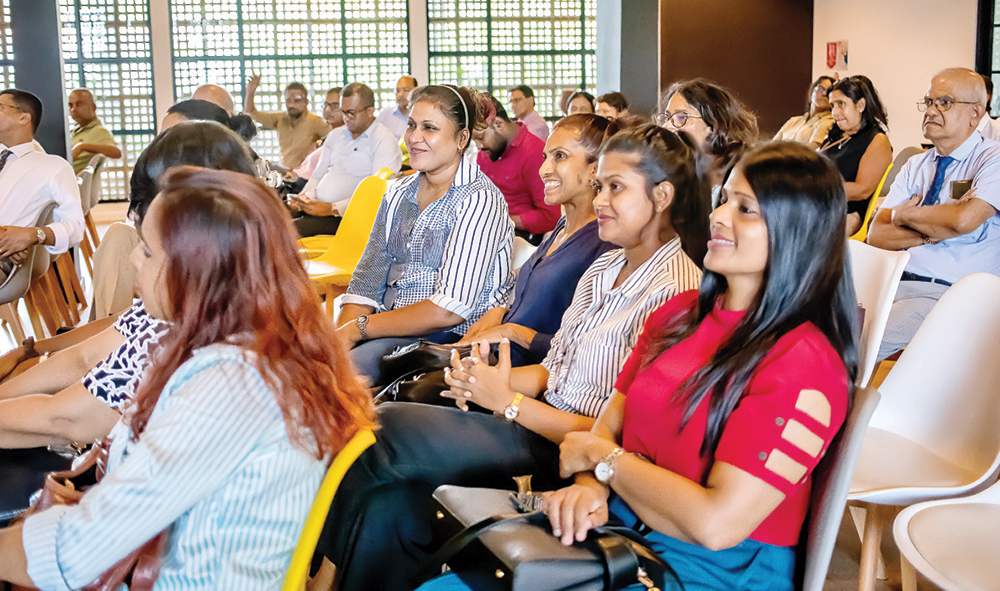
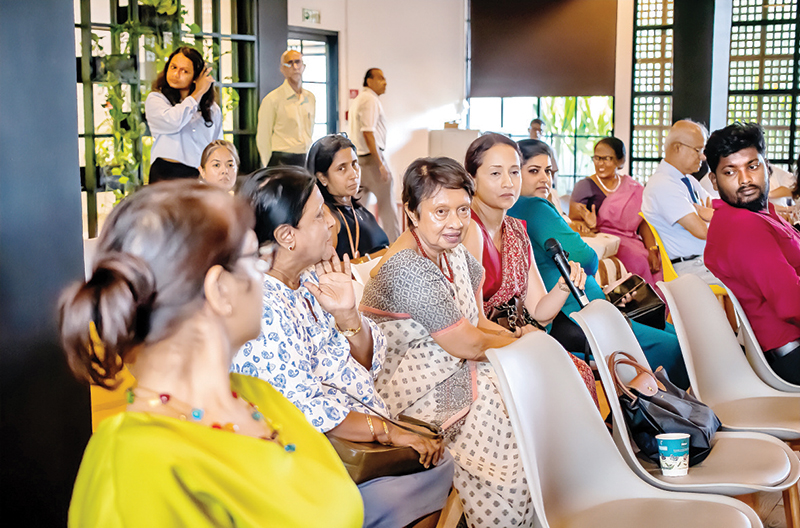
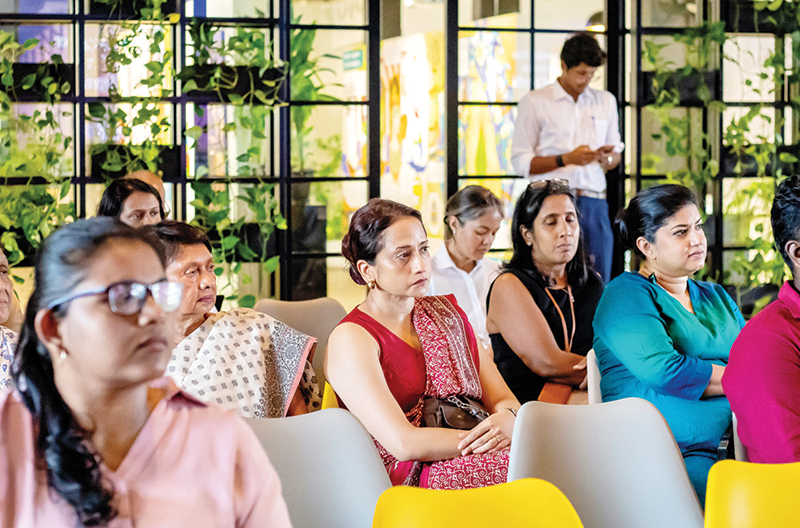
In an emotionally charged and inspiring gathering that brought together business leaders, healthcare professionals, philanthropists and community organisations, Sri Lanka, this week, reaffirmed its determination to defeat one of the country’s most preventable yet devastating diseases—cervical cancer.
The event was more than a formal announcement of financial assistance. It was a story of legacy, compassion, partnership and hope. It was also a reminder that when private enterprise, government institutions and civic organisations stand together with a shared purpose, lives can be saved and futures protected.
At the centre of the initiative was a renewed commitment by Dilmah and the Fernando family to continue funding cervical cancer screening programmes, in partnership with the Ministry of Health and Rotary.
The programme, which has already helped thousands of women through early detection, will receive a further Rs. 50 million this year, enabling 20,160 additional screenings.
This follows an earlier Rs. 75 million commitment made in January 2024 under a Memorandum of Understanding signed between Dilmah, Rotary and the Ministry of Health.
A Son Honours a Father’s Vision
Delivering one of the most moving speeches of the event, Dilmah Chairman/CEO Dilhan C. Fernando reflected on the values of his late father, Merrill J. Fernando, founder of Dilmah, whose philosophy continues to guide the company.
Fernando said his father began his journey in 1950 not merely to create a successful tea business, but to build a company that would improve lives and protect nature.
“My father started on a mission to make the world a better tea,” Fernando said. “Now, better tea is always welcome because it implies good taste, but his vision was quite different. It was about tea that would have an impact on the lives of people and on natural ecosystems.”
He said he and his brother Malik were blessed to steward a business that values kindness to people and the environment as much as profit.
“Businesses do not exist to make profit. Businesses exist to create value,” he said. “Value begins with people and livelihoods. It continues through nature, which is an inextricable part of welfare. And if you get those two right, then you have the right to secure economic value.”
Fernando said learning that hundreds of Sri Lankan women were dying annually from cervical cancer—an entirely preventable disease—was deeply disturbing.
“It was something that was really quite abhorrent to us,” he said. “An entirely preventable form of cancer should not be taking so many lives.”
He said the contribution was not about publicity or recognition.
“We announce this not to boast, but in appreciation of all those who made it possible, particularly my father, because that is how it is possible for us to make this assistance.”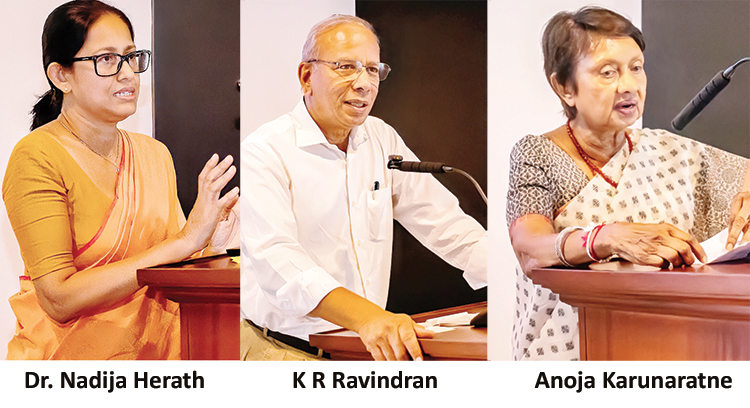
Thousands of Lives Already Touched
Fernando said the true value of the investment could not be measured in rupees alone.
“That value may seem like a big number, but it is insignificant when you consider that it has saved thousands of women from the scourge of cancer and in many cases helped them avoid late-stage disease.”
He praised Sri Lanka’s healthcare system for maintaining an admirable record, despite national hardships.

Dilhan C Fernando
“Whatever anyone may say about systems or governance, the fact is Sri Lanka’s healthcare system has an enviable track record,” he said.
Rotary’s Promise of Early Detection
Representing the Rotary Club of Colombo, former Rotary International President K.R. Ravindran delivered a powerful message on the life-saving power of partnerships.
“This is not a discussion. This is a promise of early detection,” Ravindran said. “Cancer, especially cervical cancer, does not arrive with a bell ringing or a warning. It whispers, and so often by the time it is heard, it is too late.”
He spoke emotionally of the grief caused by delayed diagnosis.
“For millions of women, that whisper is a devastating reality. Families left grieving—that is the reality.”
Ravindran recalled how Rotary had earlier established a stand-alone early detection centre offering free screening for breast, cervical and oral cancers. Through those efforts, more than 120,000 women had access to screening.
“During that journey, we learned something profound,” he said. “Early detection is not just saving lives. It transforms fear into hope, into possibility.”
That experience led Rotary to intensify efforts against cervical cancer, supported by overseas partners who introduced expertise and advanced screening technology.
A Crisis That Nearly Stopped Progress
Ravindran revealed that Sri Lanka’s financial crisis nearly derailed the programme when funds for HPV testing kits became unavailable.
“Without the money, the whole thing would have gone awry,” he said.
It was then, he said, that Dilmah stepped in.
“They did something far greater than simply giving money. They made scale possible. They made continuation possible. They made impact possible.”
He paid tribute to Merrill J. Fernando’s values.
“He believed business was a matter of human service. It was not just about making money. He did not just speak it. He lived it.”
He added that Dilhan Fernando had strengthened that legacy through direct leadership and compassion.
Sri Lanka Can Lead the World
Ravindran said Sri Lanka has every reason to believe it can become one of the first countries in the world to eliminate cervical cancer by 2030.
He cited the country’s literacy, school vaccination programmes, far-reaching public health system and highly respected midwife service.
“One thing we have to be proud of is our public health service,” he said. “And we have an excellent midwife system. If you involve the midwives, you are effectively empowering the community.”
He concluded with a message of hope.
“I think this country can become one of the first countries to be rid of this disease. Perhaps one day no woman in Sri Lanka will ever again hear the whisper of cervical cancer.”
Science, Prevention and Public Health
Consultant Community Physician Dr. Nadija Herath, of the Family Health Bureau, explained that cervical cancer is caused mainly by persistent infection with the Human Papillomavirus (HPV), which can take years to develop into cancer, if left untreated.
She said this makes screening especially important because pre-cancerous changes can be detected and reversed.
“The most important thing about this cancer is that it is preventable,” she said. “If identified early, women can be fully cured and live normal lives.”
Sri Lanka’s Well Woman Clinic programme, introduced in 1996, currently focuses on women aged 35 and 45.
Dr. Herath said the country is now expanding the use of HPV DNA testing, which offers much higher sensitivity than traditional methods.
She added that outreach clinics in factories and underserved communities would be strengthened, ensuring women can access services close to where they live and work.
Cancer Society Calls for Social Change
President of the Sri Lanka Cancer Society, Anoja Karunaratne, said awareness and stigma remain serious barriers.
“We need to take this message beyond hospitals and clinics—into schools, workplaces, religious institutions and community groups,” she said.
She stressed that women should view screening as a normal and responsible part of healthcare.
“Women must not fear screening. They must see it as routine care that can save their lives.”
A Partnership with Purpose
Throughout the event, one theme stood above all others—the power of unity.
Government institutions brought infrastructure and expertise. Rotary brought leadership and international support. The private sector brought resources and purpose. Civil society brought compassion and outreach.
Ravindran summed it up simply:
“This is not just institutions coming together. It is values coming together.”
“When governments, civil society, global networks and responsible businesses all come together, we do more than fight disease—we change destiny.”
Hope for Every Woman
As Sri Lanka moves toward the World Health Organisation goal of eliminating cervical cancer as a public health threat by 2030, the gathering offered more than policy announcements. It offered confidence that progress is possible.
It reminded the nation that some of the greatest victories are won not in boardrooms or conference halls, but in clinics where disease is detected early, in families spared grief, and in women given the chance to live healthy, full lives.
And in that shared effort, Sri Lanka may yet become a global example of what compassion, courage and collaboration can achieve.
By Ifham Nizam

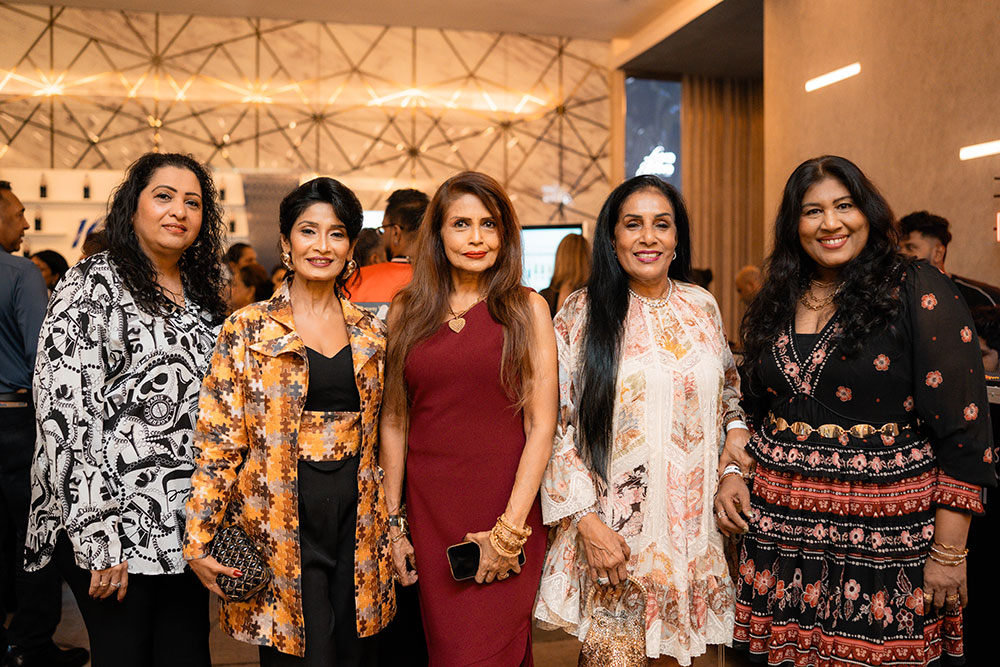
Fashion and fitness came together in a spectacular fashion event as FitCon Luxe unveiled its much-anticipated Active Edit Collection at an exclusive evening at Cinnamon Life that celebrated wellness, confidence and contemporary style. The launch brought together guests from the world of fashion, lifestyle and fitness creating an atmosphere that reflected the brand’s commitment to empowering individuals through versatile and sophisticated activewear. From chic contemporary looks to elegant statement pieces, attendees embraced the spirit of style and confidence. Their impeccable fashion choices complemented the brand’s vision of blending luxury, wellness and modern living, making the event, a true celebration of fashion forward elegance (Zanita ) ✍️
-
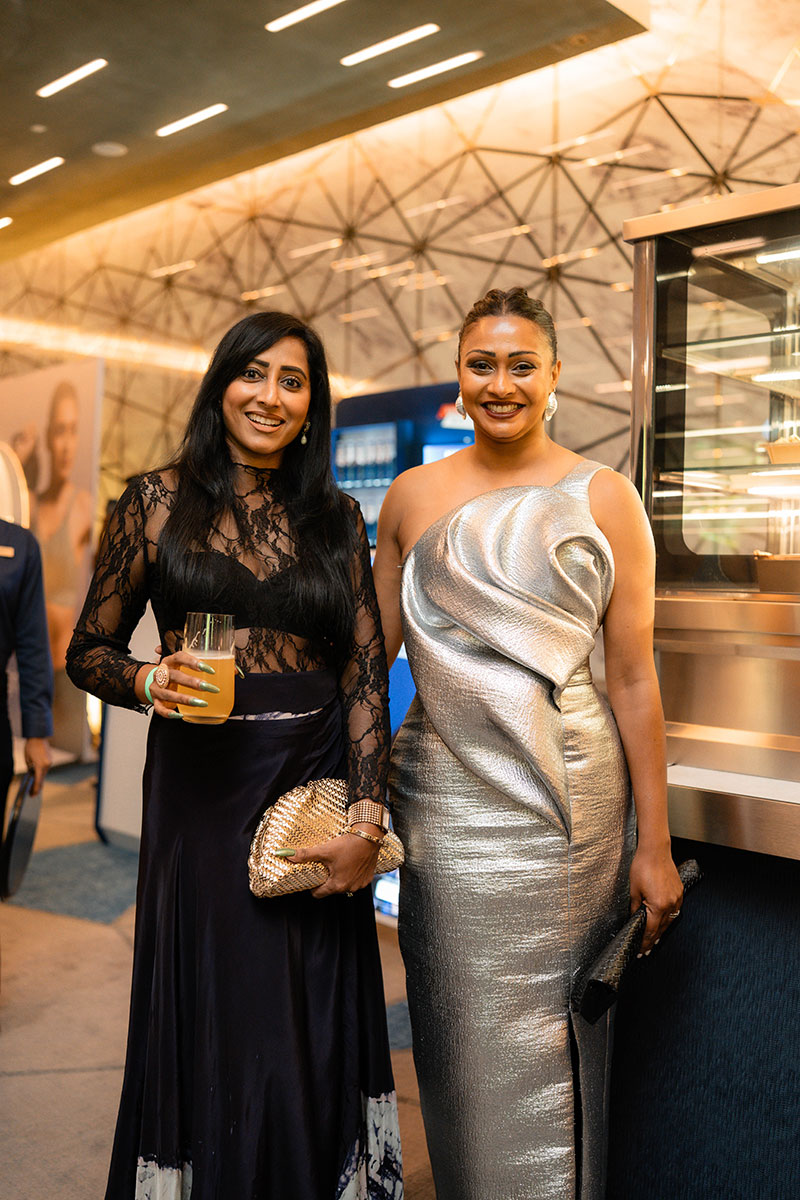
- Jayani Brian Kerkovan Thyasha Azhar and friend
-
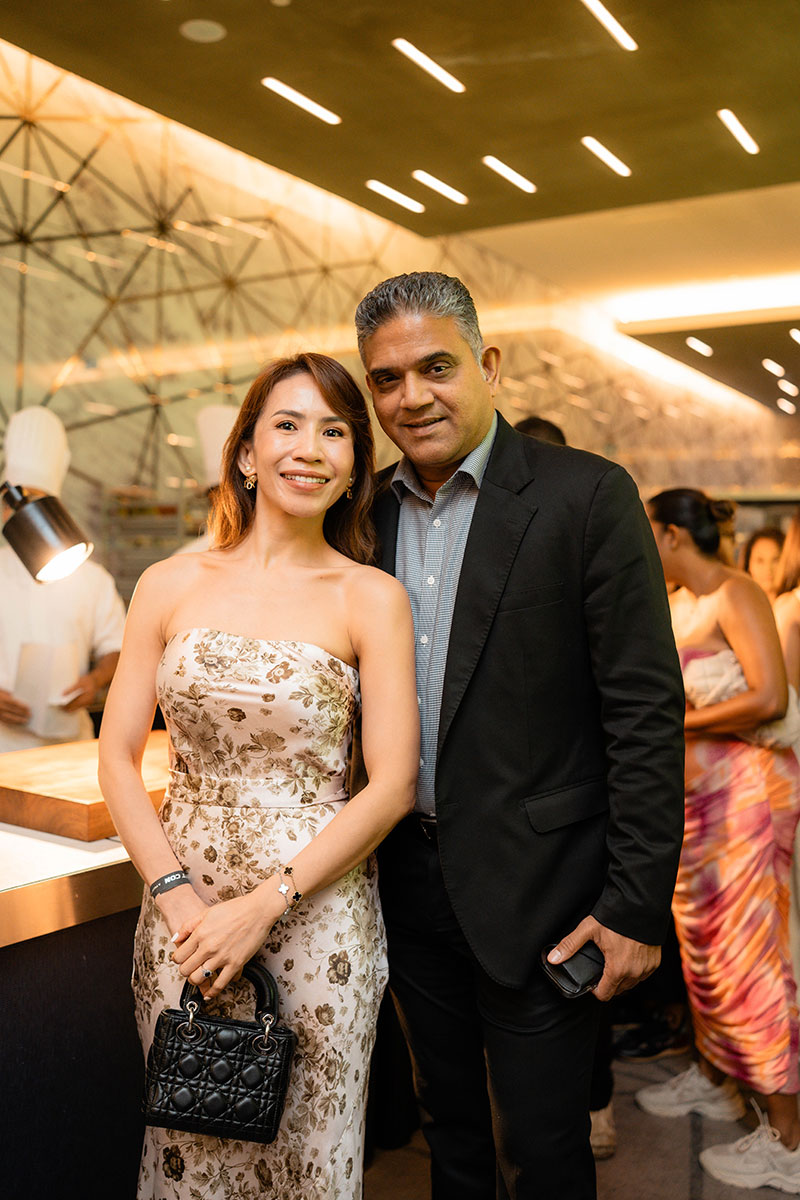
- Kamal Munasinghe with Trieshan with a guest wife Katie
-

- Ayesh Fonseka
-
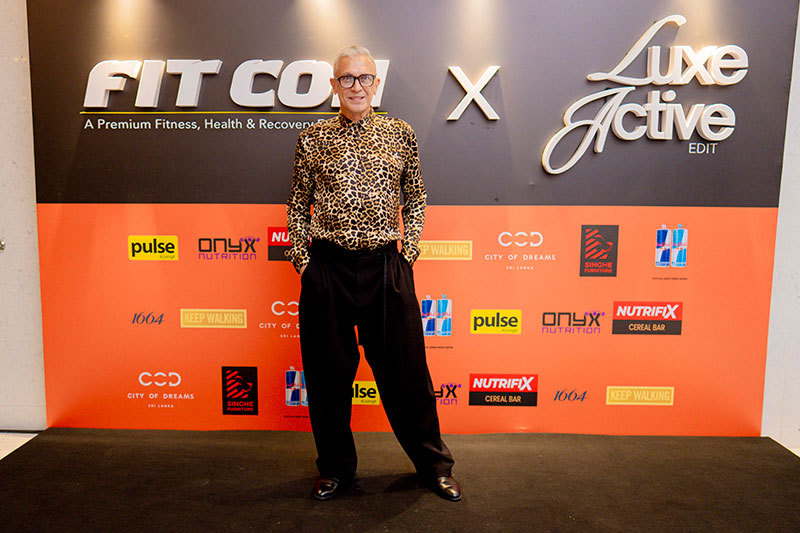
- Brian Kerkovan
-

- Trieshan with a guest
-

- Roshan Ranawana with Kushlani
-

- Thyasha
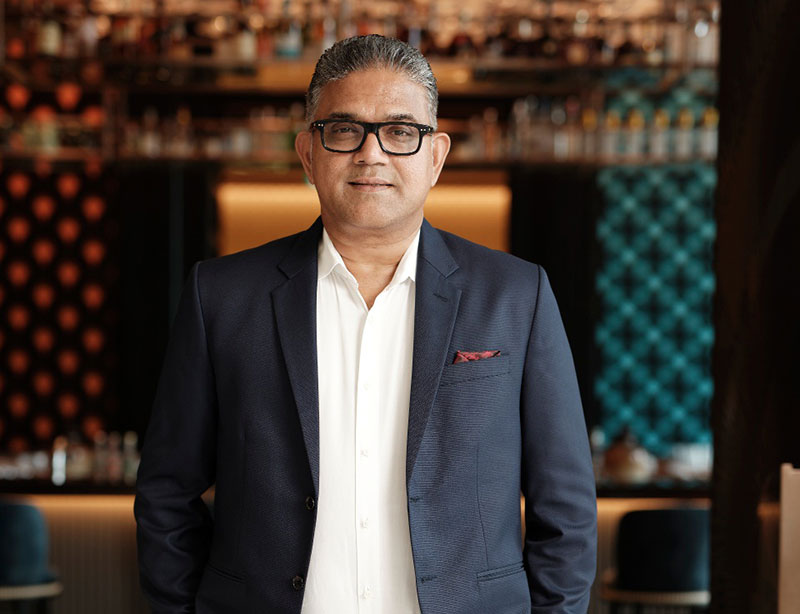
Leading with passion
In Sri Lanka’s dynamic hospitality landscape, few leaders have left a significant mark as Kamal Munasinghe.As Senior Vice President of Colombo Hotels at Cinnamon Hotels and Resorts, and General Manager of Cinnamon Life at City of Dreams, Kamal Munasinghe brings out three decades of international experience to one of the country’s most ambitions hospitality venture. Renowned for his strategic vision, operational excellence, and passion for guest experience, Kamal has played a pivotal role in shaping the growth of Cinnamon’s flagship properties, while helping position Colombo as a premier destination for business and tourism. And this is how my exclusive interview with this dynamic personality went:
 (Q) How do you assess the cultural state of Sri Lanka’s tourism industry and what gives you confidence about the future?
(A) Sri Lanka’s tourism industry is in a very positive place today. Over the past few years, We have seen the sector perform strongly, with increasing visitor arrivals, renewed investor confidence, and growing interest from key international markets. More importantly, travellers, who visit Sri Lanka, continue to leave with a very positive impression of the destination, which is one of the strongest endorsements any country can receive.
What gives me confidence is that Sri Lanka has something genuinely unique to offer. Within a relatively small island, visitors can experience ancient heritage, wildlife, beaches, mountains, tea country, wellness, adventure, and vibrant city life. Few destinations can offer such diversity in such close proximity. We also have one of our greatest assets in the warmth and hospitality of our people. Looking ahead, if we continue investing in the right places, I believe Sri Lanka is welt positioned to become one of Asia’s most desirable tourism destinations.
(Q) What role can Cinnamon Hotels play in positioning Colombo as a must visit destination in Asia?
(A) At Cinnamon Hotels & Resorts, we see ourselves as more than hotel operators. We are in the business of creating experiences and helping shape perceptions of Sri Lanka as a destination.
Colombo is a city with enormous potential. It is a city where history, culture, business, entertainment, and modern development come together. Through our investments, particularly Cinnamon Life at City of Dreams Sri Lanka, we are helping create experiences that encourage travellers to discover everything the city has to offer.
Today’s travellers are looking for destinations that offer great food, entertainment, culture, shopping, events, and lifestyle experiences alongside quality accommodation. By bringing many of these elements together, we are helping position Colombo as a destination worth exploring in its own right. Our rote is to continue raising standards, attracting international attention, and showcasing the city as a vibrant and exciting destination within Asia.
(Q) Congratulations on your new appointment as Senior Vice President, Colombo Hotels at Cinnamon Hotels and Resorts, and also General Manager, Cinnamon Life at City of Dream. What are your immediate priorities in this role?
(A) One of my immediate priorities is strengthening collaboration across the tourism ecosystem to create a stronger and more unified vision for Colombo. We need to continue attracting international events, conferences, sporting activities, and cultural experiences that showcase the city’s potential.
Initiatives like Chalo Colombo by City of Dreams Sri Lanka and John Keells Leisure sector demonstrate how targeted destination campaigns can help drive visitation and highlight Colombo’s growing appeal. My focus is on ensuring the city continues to evolve as a vibrant, competitive destination that delivers value for visitors, businesses, and the wider tourism industry.
(Q) How can Sri Lanka attract more high-spending travellers rather than focussing solely on numbers?
(A) The conversation around tourism success needs to evolve beyond simply counting arrivals. While visitor numbers are important, what truly matters is the value tourism creates for the country, communities, and businesses.
To attract higher-spending travellers, we need to focus on creating exceptional experiences. Luxury today is no longer just about five-star accommodation. It is about exclusivity, personalisation, and access to experiences that cannot be found elsewhere.
Sri Lanka is perfectly positioned to deliver this. Whether it is private wildlife experiences, wellness retreats, curated cultural journeys, world-class golf, sailing, or exceptional dining experiences, we have opportunities to create products that appeal to premium travellers.
If we focus on quality experiences, service excellence, and destination storytelling, we can attract visitors who stay longer, spend more, and develop a deeper connection with Sri Lanka.
(Q) What are the biggest opportunities for Sri Lanka to compete with destinations such as Maldives, Thailand and Singapore?
(A) Each of these destinations has built a strong identity, and I believe Sri Lanka’s greatest opportunity lies in embracing what makes us different rather than trying to imitate others.
What sets Sri Lanka apart is the diversity of experiences available within a single trip. A visitor can explore ancient kingdoms, enjoy a safari, relax on a beach, visit tea plantations, experience local culture, and spend time in a modern city, all within a matter of days.
There is also significant opportunity in areas such as sports tourism. Sri Lanka already has strong recognition through cricket, but there is growing potential in golf, surfing, sailing, cycling, and endurance events. Markets such as Australia, India, the United Kingdom, and the Middle East offer exciting opportunities in this space.
Most importantly, Sri Lanka offers an unmatched variety of experiences within a compact geography. That combination of accessibility, diversity, and value is a powerful advantage in today’s tourism landscape.
(Q) How important is destination marketing in shaping international perception of Sri Lanka?
(A) Destination marketing is absolutely essential. Travellers often form opinions about a destination long before they make a booking. The images they see, the stories they hear, and the experiences shared by others all influence their decision.
Sri Lanka has an incredible story to tell, but we need to tell it consistently and strategically. Good destination marketing is about creating desire. It is about inspiring people to imagine themselves here and helping them understand what makes Sri Lanka different from every other destination competing for their attention.
A strong and consistent tourism brand will be critical if we are to achieve our long-term ambitions as a destination.
(Q) What emerging tourism markets should Sri Lanka target in the coming year?
(A) India will continue to be a key growth market for Sri Lanka, supported by strong connectivity and increasing demand for short-haul leisure and business travel. We also see opportunities in Australia, Europe, and Southeast Asia, particularly among travellers seeking unique cultural and lifestyle experiences.
The Middle East has traditionally been a valuable source market for Sri Lanka and, despite current geopolitical challenges, remains strategically important in the long term due to its strong connectivity and high-value traveller segment.
More importantly, our focus should be on diversification. By attracting visitors from a range of markets and growing segments, we can build a stronger and more resilient tourism industry.
(Q) . How can Sri Lanka become more than a transit city and encourage visitors to stay?
(A) For many years, Colombo was often viewed as the starting point of a Sri Lankan holiday. Today, that perception is changing.
Modern travellers are increasingly drawn to cities that offer culture, entertainment, food, shopping, nightlife, and unique local experiences. Colombo already has many of these. What we need to do is continue developing and promoting them more effectively.
Projects such as Cinnamon Life at City of Dreams Sri Lanka are helping transform the city by introducing new experiences that encourage visitors to extend their stay. At the same time, we need more festivals, international events, cultural programming, waterfront experiences, and city attractions that showcase Colombo’s character.
It is a city where old and new exist side by side. You can walk past a colonial building, turn a corner, and find yourself surrounded by a completely different side of Colombo. Every street, every neighbourhood, and every skyline tells a story. Whether someone is here for a business meeting, a conference, a concert, a sporting event, or simply a great meal, we want them to leave with a richer understanding of Colombo and everything the city has to offer.
(Q) What trends are you seeing among international travellers that Sri Lanka should capitalise on?
(A) One of the biggest trends is the shift towards meaningful, experience-led travel. Travellers are increasingly looking for experiences that allow them to connect with a destination on a deeper level.
They want authentic cultural experiences, local food, interaction with communities, wellness experiences, and opportunities to discover places that feel unique and personal. They are also placing greater importance on sustainability and responsible tourism.
Another trend is experiential luxury. Today’s travellers are often less interested in traditional luxury and more interested in unique experiences that create lasting memories. Sri Lanka is exceptionally well positioned to benefit from these trends because authenticity is already part of who we are as a destination.
(Q) How can Sri Lanka leverage its culture, heritage and cuisine to create distinctive tourism experience?
(A) Our culture, heritage, and cuisine are among our strongest competitive advantages. They are also some of the most memorable parts of the visitor experience.
Travellers today want to participate, not simply observe They want to learn how local food is prepared, hear stories behind traditions, attend festivals, meet artisans, and engage with communities. These are the experiences that people remember long after they return home.
Sri Lankan cuisine in particular has enormous potential. Food has become one of the key reasons people choose destinations, and our culinary traditions are rich, diverse, and deeply connected to our history and culture.
By bringing together heritage, storytelling, food, music, art, and local experiences, we can create tourism products that are authentic, memorable, and uniquely Sri Lankan.
(Q) How do you see the Integrated Resorts changing the tourism landscape of Colombo?
(A) Integrated resorts have transformed cities around the world because they create complete destination experiences rather than stand alone attractions.
They bring together hospitality, entertainment, dining, retail, events, and leisure experiences in one location, creating reasons for visitors to stay longer and spend more time exploring a city.
And in South Asia, City of Dreams is the place. As South Asia’s first fully integrated resort, we represent a significant step forward in elevating Colombo’s tourism offering. They help attract new visitor segments, support international events, strengthen the city’s appeal as a business destination, and create experiences that can compete with leading cities across the region.
Most importantly, they contribute to changing perceptions of Colombo and showcasing the city as a destination that offers world-class experiences.
(Q) Looking ahead, what is your vision for Sri Lanka tourism over the next decades, and where does Cinnamon Hotels fit into that journey?
(A) My vision is for Sri Lanka to be recognised as Asia’s most complete island destination, a place where visitors can experience culture, nature, wellness, adventure, business, and entertainment within a single journey.
Success should not be measured solely by arrival numbers, but by the value tourism creates for communities, businesses, and the country as a whole. I would like to see tourism growth that is inclusive, sustainable, and beneficial to people across Sri Lanka.
Cinnamon Hotels & Resorts will continue to play a leading role by investing in world-class hospitality, developing new tourism experiences, and helping showcase Sri Lanka on the global stage. We are not just building hotels; we are helping shape the future of Sri Lankan tourism.
(Q) How can the industry balance growth with environmental and cultural preservation?
(A) Sustainability has to be at the centre of every conversation about tourism growth. The natural beauty, bio diversity, and cultural heritage of Sri Lanka are the very reasons visitors come here, so protecting those assets is not optional.
As an industry, we need to ensure that development is responsible, that local communities benefit from tourism, and that environmental considerations are integrated into every stage of planning and operations.
We also need to protect cultural authenticity. As destinations become more popular, there is always a risk of losing the unique character that makes them attractive in the first place. Growth should enhance local culture, not replace it.
The future of tourism is not about choosing between growth and preservation. It is about ensuring that they go hand in hand. If we get that balance right, Sri Lanka can continue to grow as a destination while preserving the natural and cultural treasures that make it truly extraordinary.
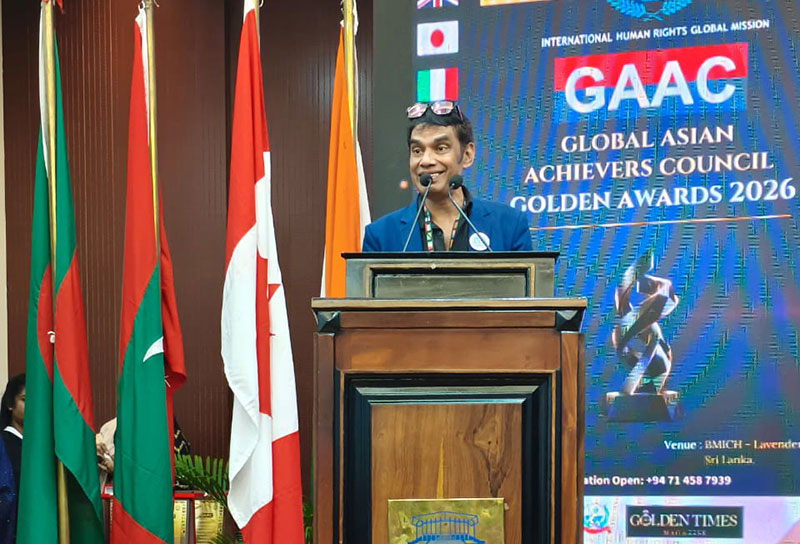
In a remarkable recognition of excellence and leadership, Ziqa Insaf has been honoured with the prestigious Global Asia Achievers’Award for her outstanding contributions and achievements on a regional and global stage.
This award acknowledes individuals who have demonstrated exceptional dedication, innovation and impact with their respective fields Ziqa Insaf’s accomplishments reflect a commitment to excellence and a drive to create meaningful change, earning recognition among distinguished achievers across Asia.
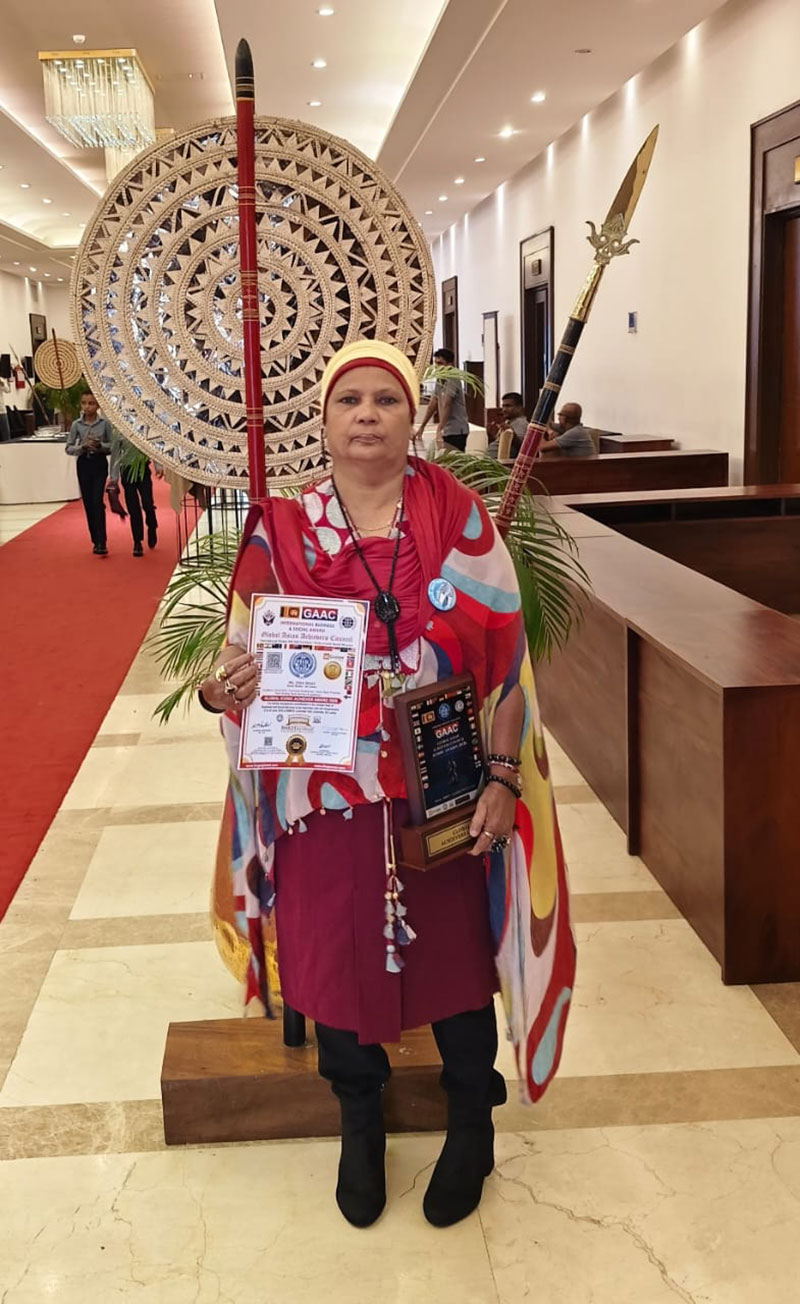
Proud moment for Ziqa
Recieving the Global Asia’s Achievement Award marks an important milestone in Ziqa professional journey. This honour not only highlights personal success but also serves as an inspiration to emerging leaders striving to make a difference in their professions and communities.
As Asia continues to reconize influential voices, and transformative leaders Ziqa Insaf’s achievements stand as testament to preservance, vision and the pursuit of excellence.
The award reinforces the importance of leadership that trancends boundaries and contribute positively to society.
She played a pivotal role in the M/s Tourism International Pageant held in Sri Lanka in 1993 and has contributed to dedicate herself to numerous charitable causes over the years.
Her remarkable efforts include supporting and helping rebuild the lives of those affected by the devastating tsunami, offering her time and expertise on a pro bono basis to assist less fortunate brides, and actively engaging in charitable initiatives benefitting underprivileged children.
Speaking about her reconition, Ziqa expressed gratitude to her supporters, mentors, and collaborators emphasing that her award reflrcts the collective efforts if everyone who has been part of her journey
This prestigious award is a fitting tribute to her lifelong dedication to empowering others and making a meaningful difference in society.

Zafar, Feroza lead Pakistan to consolation win

Jangoo 233, Chase 194 put West Indies in commanding position

Showers will occur at times in the Western, Sabaragamuwa and North-western provinces and in Galle, Matara, Kandy and Nuwara-Eliya districts

Venezuelans dig for earthquake survivors as death toll rises to 1,430

Chemmani mass graves: Govt to seek international forensic help

ADB approves $57.4 million package to boost Lanka’s rooftop solar drive

‘Dates have the highest sugar content to fight Coronavirus’

Sunday Island 27 December – Headlines

#SundayIsland 17th December – Headlines

Sunday Island – 28th March

Sunday Island Headlines – 21 March

Sunday Island – 21st February – Headlines
-

 Features7 days ago
Sri Lanka developing independent hydrographic capabilities
-
 Opinion6 days ago
Ranasinghe Premadasa: The man who would not take ‘No’ for an answer
-
 News1 day ago
Another 1,132 Sri Lankan Personnel to be deployed for United Nations Peacekeeping Missions
-

 Latest News7 days ago
Sooryavanshi thumps fastest List A fifty as India A win tri-series
-

 Opinion5 days ago
Sri Lanka’s national security: Justice, reconciliation, and forward-looking vigilance
-

 News5 days ago
US Assistant Secretary of State for South and Central Asian Affairs meets President
-

 News3 days ago
Kelaniya emerges as highest ranked Lankan uni in Times Higher Education Sustainability Impact Ratings
-
 Opinion4 days ago
A triumph for Pakistan’s skilled diplomacy at Iran-US talks