
Business
Pro-Poor Tourism: Can it reduce poverty in Sri Lanka?

By Kimuthu Kiringoda
 “Tourism has been described as the world’s largest transfer of resources from rich to poor, dwarfing international aid.” – Salli Felton, CEO, Travel Foundation
The tourism industry’s performance was hampered first by the Easter Sunday bomb explosions in 2019 and then the COVID-19 pandemic. Sri Lanka saw a decline in tourist arrivals from 1,913,702 in 2019 to 194,495 in 2021. It is estimated that revenue declined from USD 3600 million to USD 261 million during 2019-2021, reflecting a staggering 92.75% reduction due to a fall in arrivals.
At present, the government is severely challenged with maintaining funds for basic provisions, and expansive investments in tourism cannot be expected in the foreseeable future. In November 2021, the Ministry of Tourism released the draft National Policy on Tourism for Sri Lanka with recommendations for improvement. Among them are the promotion of sustainable local tourism in Sri Lanka and community engagement. This article discusses existing disparities in tourism and the possibility of adopting a sustainable, pro-poor tourism strategy to reduce poverty in Sri Lanka.
Poor-poor Tourism
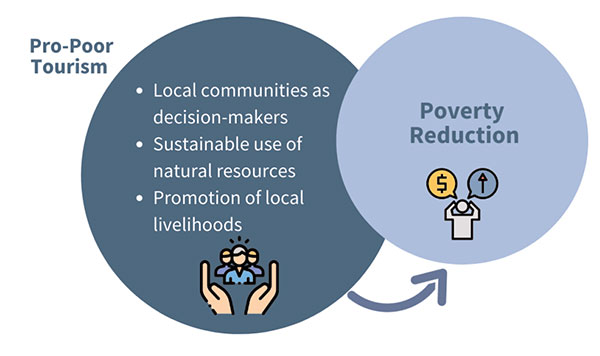
‘Pro-poor tourism’ aims to uplift livelihoods by garnering net benefits to the poor through tourism. It is not an act of charity to help the poor but to empower them with the knowledge, skills, and recognition to utilise their existing capacities to serve in the tourism industry. While the government can provide an impetus through regulations and infrastructure, the capacities must be commercially viable and not run on government aid.
The key objective of pro-poor tourism is empowering the communities. They must be aware and proactive participants. Communities are not required to be ‘tourist destinations’ solely functioning for the purpose. Still, they can benefit from the indirect effects of tourism – for example, by increasing poultry meat sales demanded by local eateries. On the other hand, if tourist arrivals fall, the loss of revenue will have to be borne by them. Participation is voluntary, and therefore, it is the individual who must maintain a balanced approach to manage the income.
An example of government intervention is South Africa’s Broad-Based Black Economic Empowerment strategy. The engagement of marginalised communities is measured through indicators such as ownership management, employment equity, etc., to rate establishments. For instance, a considerable number of black women as a percentage of the Board of Directors will give a higher rating to the tourist establishment or be fined if it falls short. A mandated quota to include women may offer relief to female poverty.
The ‘Sri Lanka Tourism: Strategic Plan 2017-2020’ emphasises the need to uplift livelihoods through tourism, with a focus on engaging local communities, supporting local businesses, and promoting the cultural values of the country. The active participation of minorities and women in traditional arts, crafts, and cottage industries is also recognised as key aspects in the poverty-focused tourism strategy.
Existing Regional Disparities
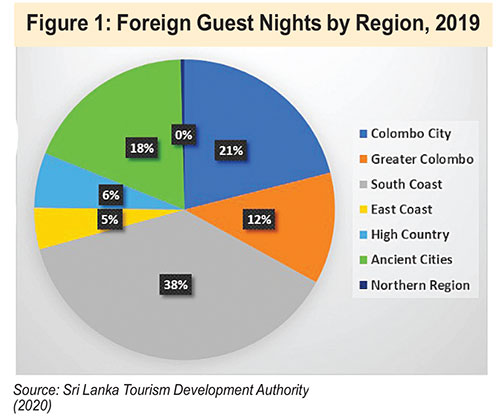 On the ground, there is a notable regional disparity in the operations of the tourism industry. The foreign guest nights spent, as per region in 2019 shows approximately 73% of foreign guest nights are spent in Colombo and the South Coast. Foreign guest nights spent in the North are almost zero as a percentage (See Figure 1). The area that foreigners choose to reside in is important because they tend to purchase commodities in the vicinity such as local goods use local services such as transportation, laundry, food, and beverages.
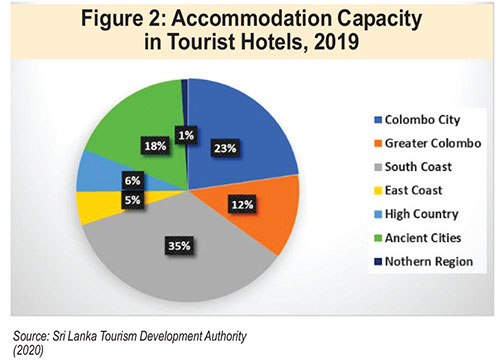
The accommodation capacity of tourist hotels also indicates a regional disparity (See Figure 2). However, these numbers are only related to 474 tourist hotels. There are 2,145 other supplementary tourist establishments that provide 24,831 rooms for guests. Unfortunately, data pertaining to the regional distribution of these establishments are not available. The number can be higher where unregistered establishments might be in operation.
Increasing Local Engagement
 From the above, it is evident that tourism in Sri Lanka is centred in the Western and Southern provinces and the spatial concentration in these provinces should be eased. The Northern and Eastern provinces have untapped tourism potential. For example, Anailativu and Eluvativ islands in Jaffna with kayaking, bird watching, and ferry rides can be promoted as tourist destinations. Tourist hotspots should be identified by the authorities and the responsibility of surrounding operations should be handed over to the local communities.
Conservation of such locations should also be carried out by the community in consultation with the relevant tourism and environmental authorities. The tourism authorities’ role should be confined to that of a consultant and licensor. The authorities should exercise caution in inviting large corporates for investment. The naturally preserved locations may be destroyed for accelerated profit and locals may lose the right to use their own land and resources.
Greater utilisation of the island’s seas and natural resources can be beneficial to Sri Lanka. Stilt fishing, for example, has artistic and touristic value. This does not require the fisherman to make drastic changes to his main livelihood but to earn a separate income by promoting the fishing methods. The extra income can be seasonal but necessary education and awareness can be offered to manage the livelihood along with tourist services. Governmental agencies can act as educators rather than guarantors for income/services.
Way Forward
In promoting pro-poor tourism, it is important to draw boundaries not to over-depend on tourism. Sole reliance on tourism has proven to be detrimental during travel restrictions and off-season periods where incomes dry up. The communities’ livelihoods should be shaped to cater to tourists with minimal disruptions to their normal routine. Therefore, the government’s role should be limited to providing regulatory and educational impetus rather than guaranteeing financial incentives. Empowering the communities to maintain their existing capacities and capital and developing them, are key to effective pro-poor tourism.
Link to Talking Economics blog:
https://www.ips.lk/talkingeconomics/2022/02/14/pro-poor-tourism-can-it-reduce-poverty-in-sri-lanka
Kimuthu Kiringoda is a Research Assistant at the Institute of Policy Studies of Sri Lanka (IPS) with research interests in health, labour markets, tourism, SMEs and SDGs. She holds a BA (honours) degree in Economics from the University of Colombo. She also has a Bachelor of Laws (LLB) from the University of London. Kimuthu is currently reading for an MSc in Sustainable Management offered by the University of Bedfordshire (UK). (Talk with Kimuthu: kimuthu@ips.lk)

By Ifham Nizam
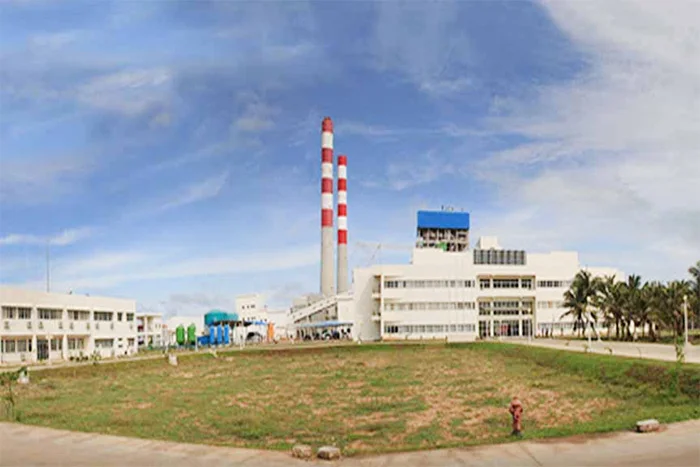
A Rs.160 million-plus diesel discrepancy at the Lakvijaya power plant in Norochcholai has triggered an internal investigation, raising questions over the handling of public funds and the controls governing fuel purchased for electricity generation.
The discrepancy surfaced during an internal audit of diesel supplied to the plant from the Kolonnawa and Sapugaskanda fuel terminals, according to senior officials familiar with the inquiry.
The audit has identified five transactions—two in December 2025 and three in January 2026—in which diesel recorded as delivered to the plant allegedly could not be fully accounted for in its physical stocks.
The investigation is now examining whether these were isolated discrepancies or part of a longer-running practice.
One transaction under scrutiny relates to January 16, when records reportedly showed that 10 diesel bowsers had arrived at the plant. Investigators subsequently found indications that the fuel stock corresponded to only nine bowsers.
A storekeeper responsible for the relevant fuel operation has reportedly been temporarily removed from those duties pending the investigation.
A senior official said investigators were reviewing historical records amid indications that similar discrepancies may have occurred over a longer period. If established, the financial exposure could therefore exceed the Rs.160 million currently identified.
The investigation is comparing fuel-terminal dispatch records, tanker movements, plant-entry records, receiving documents and physical stocks to establish exactly how much fuel was dispatched, received and accounted for.
That audit trail will also be critical in determining who authorised, received and certified the disputed consignments, and whether established controls were followed.
Relevant documents were reportedly transferred from Norochcholai to the company’s Colombo head office on September 26 for further examination, with electricity-sector security personnel assisting in the transfer.
The internal audit has also reportedly uncovered expired chemical stocks worth several hundred thousand rupees in the plant’s stores. Investigators are examining whether further inventory-management irregularities occurred.
The matter was also reportedly taken to the Puttalam Police Special Crimes Investigation Unit on September 26.
When contacted by Puttalam-based journalist Hiran Priyankara Jayasinghe for The Island Financial Review, Lakvijaya Power Plant Manager Nalaka Kumara confirmed that an investigation was under way but declined to provide further details.
The financial issue is direct: if the plant paid for diesel it did not receive, public-sector funds were spent without the electricity sector receiving the corresponding fuel.
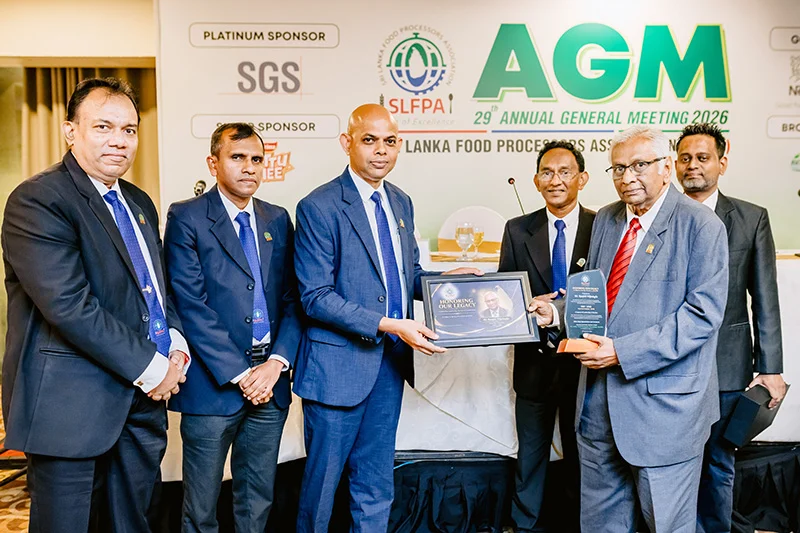
The Sri Lanka Food Processors Association (SLFPA) successfully convened its 29th Annual General Meeting (AGM) on September 23, 2026, at the Water’s Edge Hotel, Battaramulla. Bringing together key industry stakeholders and member organizations, the event served as a platform to review milestone achievements from the 2025/2026 term and outline strategic priorities for the nation’s food and beverage processing sector.
At the AGM, the new Executive Committee for 2027/2028 was appointed, comprising: Honorary President Aruna Senanayake C.W. Mackie PLC Imme. Past President Thusith Wijesinghe Trans Continental Packaging & Commodities (Pvt) Ltd.
President Elect Nadishan Guruge Meadlee Trading Co. (Pvt) Ltd.
1st Vice President Damitha Perera Forbes & Walkers Commodity Brockers (Pvt) Ltd.
2nd Vice President Rasika Seneviratne Diesel & Motor Engineering PLC 3rd Vice President Deepal De Alwis Neochem International (Pvt) Ltd.
Honorary Secretary Amila Weerasinghe Nestle Lanka Limited.
Asst. SecretaryDineth Alahakoon Country Style Foods (Pvt) Ltd.
Honorary Treasurer Sameera Jayathilaka Westmann Engineering Company (Pvt) Ltd.
Asst. Treasurer Niroshan Dalpethado C D De Fonseka & Sons (Pvt) Limited. In addition to the above office bearers, the following ten Executive Committee Members were appointed:
Sanjeewa De Silva Unilever Sri Lanka Limited Sheran De Alwis MA’S Tropical Food Processing (Pvt) Limited
Thusitha Ekanayake Anods Cocoa (Pvt) Ltd.
Vijitha Govinna Plenty Foods (Pvt) Limited Ms. Praharshi Wickramasekara International Commodity Exports (Pvt) Ltd.
Sanjeewa Niroshan SGS Lanka (Pvt) Ltd. Kushan Amarasinghe Finagle Lanka (Pvt) Ltd.
Rangajeewa Hettiarrachchi Fonterra Brands Lanka (Pvt) Ltd.
Harindra Abeyrathna Vision Technologies International (Pvt) Ltd. Thilina Weerasekara Ceylon Cold Stores PLC
The event was proudly supported by key industry partners, with SGS Lanka (Pvt) Ltd serving as the Platinum Sponsor. Unilever Sri Lanka Ltd. and Nestlé Lanka Ltd. joined as Gold Sponsors, Ceylon Agro Industries – Prima as the Silver Sponsor, while Lanka Exhibition & Conference Services (LECS) and Hero Nature Products (Pvt) Ltd., supported as Bronze Sponsors.
The proceedings concluded with a vote of thanks delivered by Hony. Secretary Deepal De Alwis, followed by cocktails and a fellowship networking session, providing an opportunity for members to connect and strengthen industry ties.
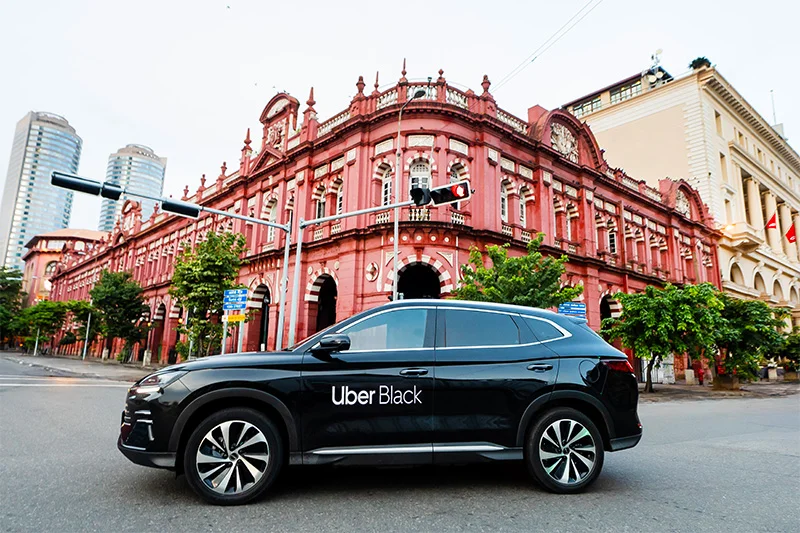
New premium ride option expands Uber’s portfolio from affordable Moto and Tuk rides to premium on-demand travel
Uber announced the launch of Uber Black in Sri Lanka, bringing its premium ride experience to the country for the first time. Designed as the “business class of back seats,” Uber Black combines premium vehicles and highly-rated drivers for riders looking for greater comfort, quality and a more elevated travel experience.
The launch comes as demand for premium products and experiences grows across Sri Lanka, with consumers seeking greater choice and quality in their everyday experiences. Uber Black brings this choice to on-demand mobility, whether for an airport journey, an important business meeting, a special occasion or simply when riders want to travel in greater comfort.

Showers above 50 mm are likely at some places inthe Uva, Eastern and Central provinces and in Polonnaruwa and Mullaittivu districts after 1.00 p.m.

Civil society activist accuses govt. of favouring Ven. Gnanasara

More cops than cones

Sajith accuses govt. of using data selectively in crucial report

75 new inmates sent to Bogambara re-establishing it as a correctional facility

Rs 160 million + diesel discrepancy at Lakvijaya power plant prompts probe

‘Dates have the highest sugar content to fight Coronavirus’

Sunday Island 27 December – Headlines

#SundayIsland 17th December – Headlines

Sunday Island – 28th March

Sunday Island Headlines – 21 March

Sunday Island – 21st February – Headlines
-
 Latest News6 days ago
Showers above 100 mm are likely at some places in the Western, Sabaragamuwa, Central and North-western provinces and in Galle and Matara Districts
-

 Editorial6 days ago
Crimes punished and unpunished
-

 Features5 days ago
Beyond traditional jobs: Why Sri Lanka needs to facilitate the gig economy
-

 Editorial4 days ago
Birth of a bad law
-
 Latest News5 days ago
Kusal, Wellalage star as Sri Lanka defend 322 in Headingley thriller
-
 Latest News7 days ago
Ms. P. M. Jayadeera (Engineer) appointed Director General of Irrigation
-

 News2 days ago
Police remove Thileepan statue in Jaffna
-

 News6 days ago
IMF: Sri Lanka on course for 2027 market return