
News
Human Rights Watch calls for systemic reforms at IMF, World Bank


Releases globally new video featuring Sri Lanka’s poor to illustrate impact of flawed approach on rights
Discussions at the International Monetary Fund (IMF) and World Bank Annual Meetings that open in Marrakesh, Morocco, on 9 October 2023, should prioritise systemic reforms to align policies with human rights, Human Rights Watch said yesterday, releasing a video to illustrate the concerns. The changes are needed because current policies are compounding poverty and inequality.
The five-minute video (Sri Lanka: IMF loan programs makes life harder – YouTube) features Shanthi, a woman living in Sri Lanka, struggling to cope with both the economic crisis in the country and the loan conditions attached to a $3 billion bailout from the IMF that increased the cost of fuel and electricity and doubled value-added taxes. Sri Lanka, which defaulted on its debt in 2022, is the canary in the coal mine as dozens of governments are in or near debt distress, the IMF has said.
“Millions upon millions of people around the world have stories like Shanthi,” said Sarah Saadoun, senior economic justice researcher and advocate at Human Rights Watch. “IMF bailout conditions make lives already upended by global inflation and other economic challenges even harder.”
Shanthi’s electricity was cut when she was no longer able to pay her bill and she now relies entirely on others for food and basic necessities. She lost critical income from a government social protection program that had been providing benefits since 1994 after the government overhauled it in line with a requirement in the IMF program, with World Bank support. She has yet to receive a response to her application for the new program that she submitted in July.
Shanthi’s story is an example of how IMF loans to dozens of countries, affecting over one billion people, frequently push governments to cut spending and raise regressive taxes in ways that harm rights, as a new Human Rights Watch report has documented. Human Rights Watch also found that the IMF’s efforts to address these impacts are largely ineffective.
To ensure economic recovery that best advances rights in the short and long term, the IMF and governments should halt austerity policies that threaten rights. They should ensure that spending on health, education, and social security meet, at a minimum international benchmarks as a percentage of GDP and national budgets.
The video also demonstrates the shortcomings of the World Bank’s approach to social security, which in many cases, including Sri Lanka, works in tandem with IMF programs with the intention of cushioning their impact. Despite a commitment to promote universal social protection, the World Bank often funds programs that are means-tested, for which eligibility hinges on income, assets, or narrow poverty indicators. Research shows that these programs suffer from high error rates, corruption, and social mistrust, while missing the chance to build social cohesion and new social contracts anchored in solidarity and rights.
On 4 October, 43 human rights and economic justice organisations began an initiative, under the hashtags #RightToSocialSecurity and #UniversalSocialSecurity, urging governments and international financial institutions to commit to universal social security, which provides benefits to everyone at various times in their life course as part of a human rights approach to the economy, and end policies that have been failing hundreds of millions of people.
“The IMF and World Bank recognise that people need support, but then they promote narrow means-tested programs that, both by design and due to chronically high error rates, exclude many people who are struggling,” Saadoun said. “The IMF and World Bank need to revise their policies to support universal social security,” she added.








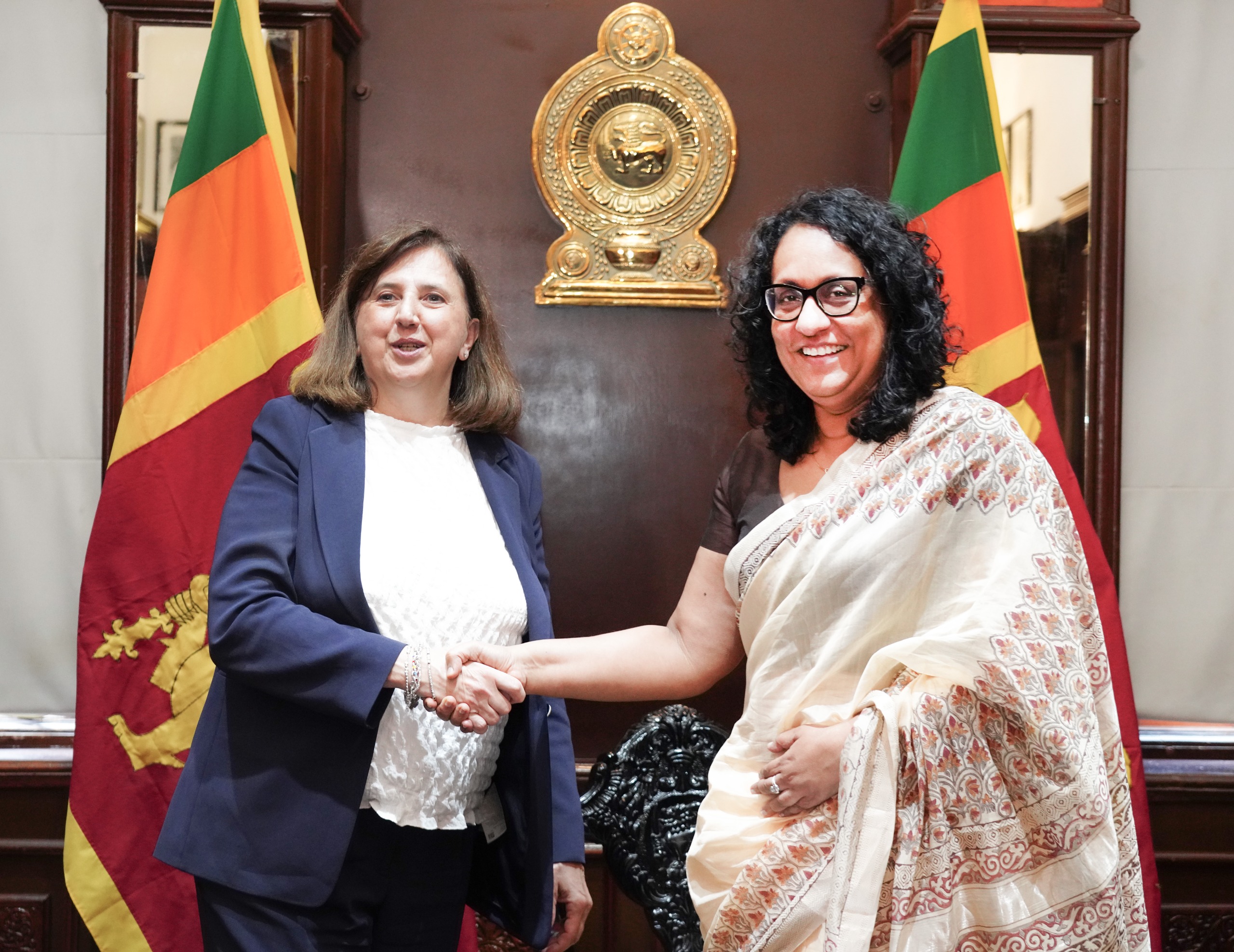
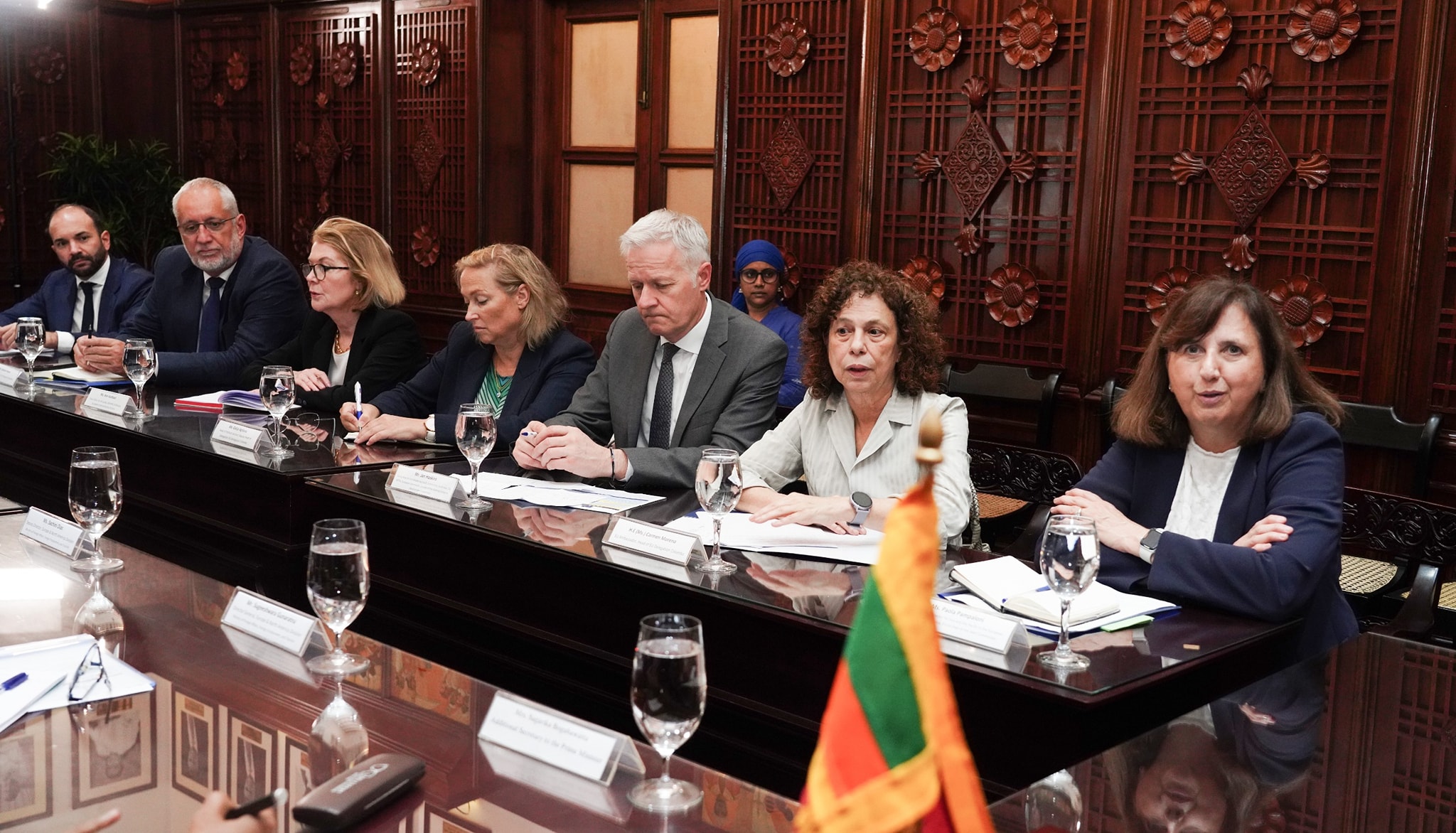
Prime Minister Dr. Harini Amarasuriya met with the representatives of the European External Action Service [EEAS] on Tuesdqy [10 th February] at the Prime Minister’s office.
Welcoming the delegation from the European External Action Service (EEAS), the Prime Minister emphasized the importance of further strengthening and deepening the long-standing partnership between Sri Lanka and the European Union, noting the role of the European Union as a key development and economic partner.
The Prime Minister also expressed appreciation for the timely assistance extended by the European Union to Sri Lanka in response to the recent cyclone, highlighting the EU’s continued solidarity and support during times of need.
Attention was drawn to the need to expand economic cooperation between Sri Lanka and the European Union. The Prime Minister underscored the importance of undertaking necessary legislative and policy reforms to facilitate enhanced economic engagement, trade, and investment.
The delegation was briefed on the ongoing initiatives and reforms being implemented by the new Government aimed at strengthening economic stability, governance, and creating a conducive environment for sustainable growth and international cooperation.
The meeting was attended by the Acting Managing Director for Asia and the Pacific in the European External Action Service, EU co-chair of the Joint Commission, Ms. Paola Pampaloni; EU Ambassador, Head of EU Delegation Ms. Carmen Moreno and the representatives of European External Action Services and Delegation of the European Union, and Additional Secretary to the Prime Minister, Ms. Sagarika Bogahawatta and the officials from the Ministry of Foreign Affairs, Foreign Employment, Tourism Sri Lanka.
[Prime Minister’s Media Division]
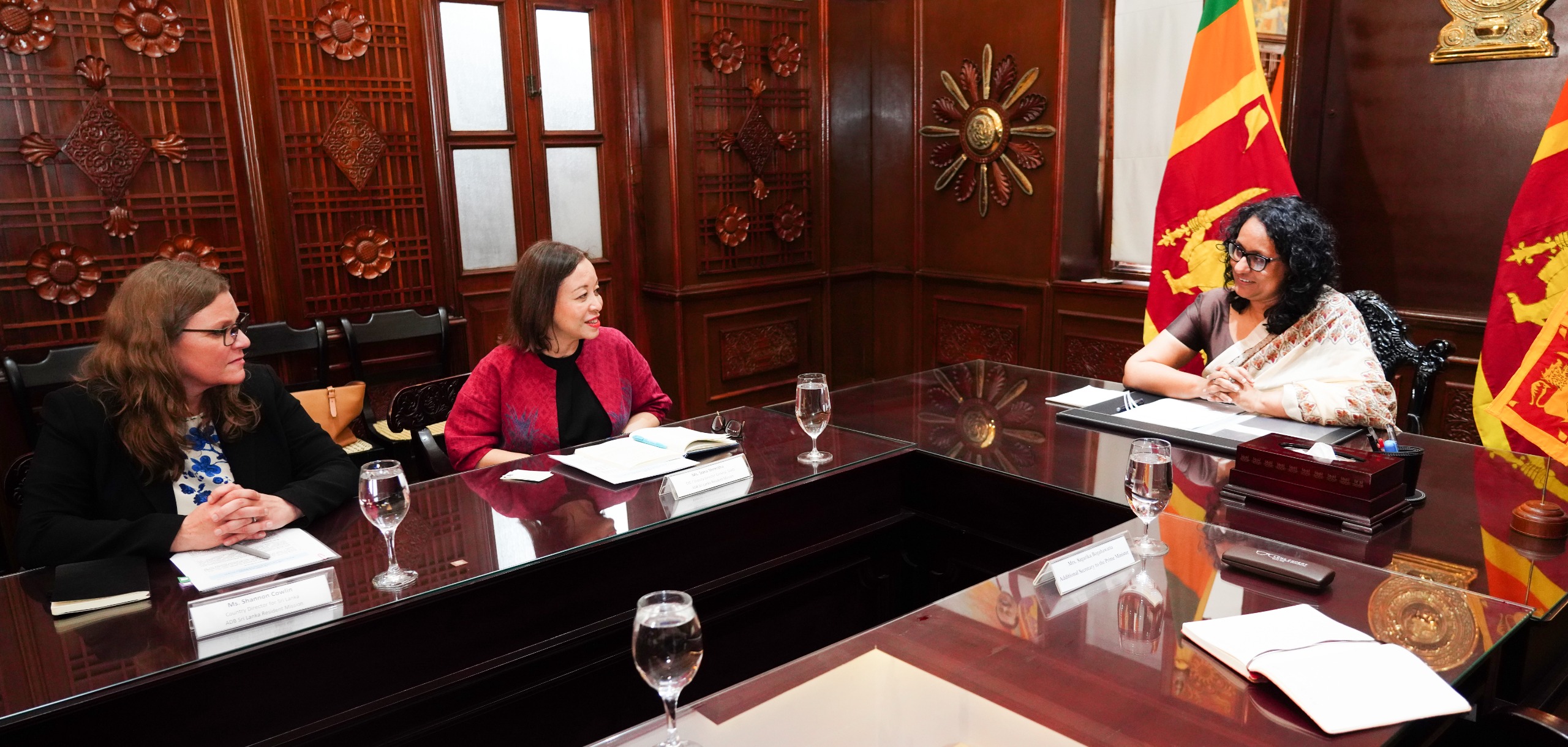
The newly appointed Country Director of the Asian Development Bank for Sri Lanka Ms Shannon Cowlin and the accompanying delegation met with Prime Minister Dr. Harini Amarasuriya on Tuesday [0th of February] at the Prime Minister’s office.
Welcoming the delegation, the Prime Minister extended congratulations to the newly appointed Country Director and acknowledged the long-standing partnership with the Asian Development Bank. The Prime Minister also expressed appreciation for ADB Bank’s continued engagement and support aligned with Sri Lanka’s national development priorities.
The Prime Minister also conveyed gratitude for the timely assistance extended by the ADB in response to Cyclone Ditwah, noting the importance of such support in mitigating the immediate impacts of natural disasters.
The ADB delegation reiterated its readiness to further assist Sri Lanka during the post-cyclone recovery phase, including rebuilding and reconstruction efforts, and emphasized its commitment to the supporting the education sector.
The meeting was attended by OIC / Deputy Director General, SARD Ms. Sona Shrestha, Ms. Cholpon Mambetova Country Operations Head of ADB Sri Lanka Mission Resident, Additional Secretary to the Prime Minister Ms. Sagarika Bogahawatta, Director General of the External Resource Department, Ministry of Finance Samantha Bandara, Director for ADB Division in External Resource Department, Ministry of Finance Ranjith Gurusinghe.
[Prime Minister’s Media Division]
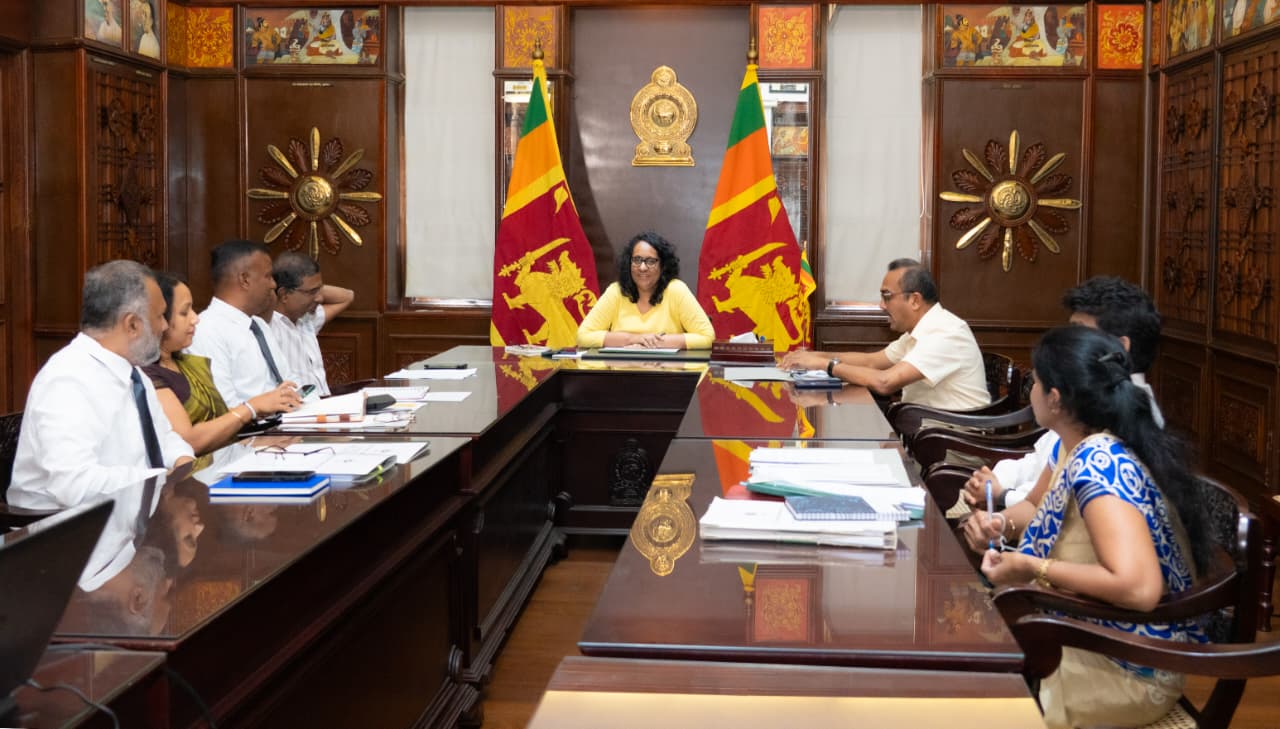
A discussion on regulating school student transport services was held on the 09th of February at the Prime Minister’s Office under the patronage of Prime Minister Dr. Harini Amarasuriya, with the participation of officials from the National Transport Commission and the Ministry of Education.
The authority for regulating school student transport has been vested with the National Transport Commission, and as the relevant draft of regulations have already been prepared, discussions were held on the provisions contained in these drafts as well as on new proposals that should be incorporated.
During the discussion, the attention was focused on meeting the emerging needs of transportation arising from the schools, minimizing issues encountered in the transportation of school students by establishing an organized transport mechanism, and deploying the “Sisu Sariya” school transport service in a more efficient and effective manner followed by the new educational reforms process.
Discussions were also held on introducing laws and regulations to systematize the transportation of schoolchildren, prioritizing child protection by preventing reported incidents of abuse and harassment during student transport, and enhancing professionalism among school transport service providers to ensure a responsible and accountable service.
The focus was also emphasized on the need for coordinated action among the Ministry of Transport, Highways and Urban Development, the National Transport Commission, the Ministry of Education, Higher Education and Vocational Education, and the National Child Protection Authority.
The discussion was attended by the Minister of Transport, Highways and Urban Development Bimal Rathnayake, Chairman of the National Transport Commission P. A. Chandrapala, officials of the National Transport Commission, and the officials from the Ministry of Education, Higher Education and Vocational Education.
[Prime Minister’s Media Division]

Prime Minister meets delegation from the European External Action Service

Moscas star as Italy dismantle Nepal for first World Cup win

Kim Jong Un chooses teen daughter as heir, says Seoul

Newly appointed ADB Country Director to Sri Lanka and delegation meet PM

School student transport services are being regulated

Shanaka and Rathnayake blow Oman away with frenetic half-centuries

‘Dates have the highest sugar content to fight Coronavirus’

Sunday Island 27 December – Headlines

#SundayIsland 17th December – Headlines

Sunday Island – 28th March

Sunday Island Headlines – 21 March

Sunday Island – 21st February – Headlines
-
 Features5 days ago
My experience in turning around the Merchant Bank of Sri Lanka (MBSL) – Episode 3
-

 Business6 days ago
Zone24x7 enters 2026 with strong momentum, reinforcing its role as an enterprise AI and automation partner
-
 Business5 days ago
Remotely conducted Business Forum in Paris attracts reputed French companies
-

 Business5 days ago
Four runs, a thousand dreams: How a small-town school bowled its way into the record books
-
 Business5 days ago
ComBank and Hayleys Mobility redefine sustainable mobility with flexible leasing solutions
-

 Business2 days ago
Autodoc 360 relocates to reinforce commitment to premium auto care
-
 Business6 days ago
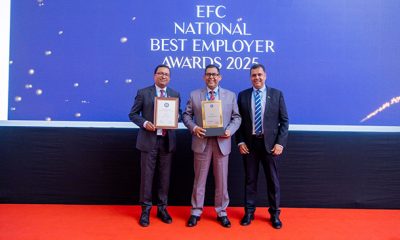
HNB recognized among Top 10 Best Employers of 2025 at the EFC National Best Employer Awards
-

 Midweek Review2 days ago
A question of national pride