
Features
CBK had an impulsive streak but was gracious in admitting mistakes

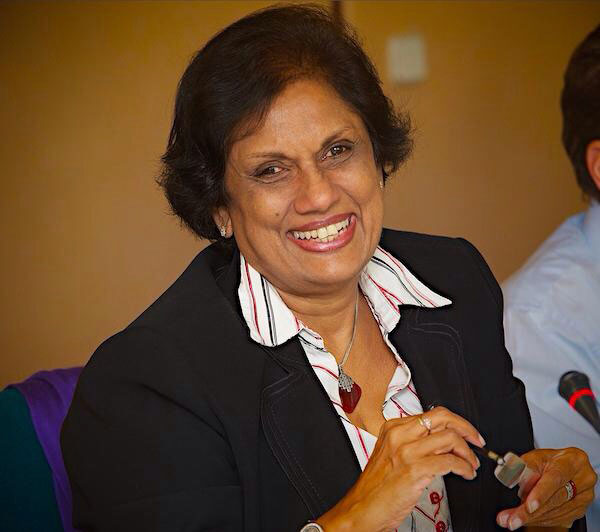
Personality that was a unique amalgam of pride, humility, grace & inner toughness
From the memoirs of Chandra Wickremasinghe Retired Additional Secretary to the President
With President Chandrika Kumaratunge assuming office, there was once again a flurry of activity in the Presidential Secretariat and in the Ministries, as she was anxious to expeditiously push through various development programmes she had in mind. Although she did not believe in an overly centralized system of Presidential rule, she kept a close tab particularly on the major development projects and programmes of Ministries by having regular review meetings with them.
She was very sincere in her efforts to find an abiding solution to the ethnic problem. Her many overtures to Prabhakaran towards this end, proved futile and abortive as the latter continued playing his little games with her as he had done with her predecessors. With the late Lakshman Kadirgamar, the suave diplomat par excellence, at the helm of the Foreign Ministry, she pursued a highly urbane foreign policy aimed at winning over the neighbouring countries in Asia as well as the major powers in the West, and getting them to align with Sri Lanka in the bitter on-going battle with the LTTE terrorists. These sophisticated approaches in foreign relations enabled Sri Lanka to get the LTTE banned as a terrorist organization in many countries across the globe.
President Kumaratunge possessed a personality which reflected a rather unique amalgam of pride, humility, grace and inner toughness. Kusum Balapatambendi who succeeded Wijedasa as Secretary/President, was basically a clever political firefighter. Being a senior public servant and a smart lawyer to boot, he was able to hold the fort successfully assisting the President in her administrative duties as well as in the many political wrangles she had to settle.
President Kumaratunge had an excellent rapport with the officers who worked for her. There were times when she was needlessly and harshly critical of certain actions of her officials but she was quick to graciously relent when she realized that the concerned officials had acted only in her larger interests. I recall an incident which brings out in good measure the impulsive streak in her personality as well as her magnanimity in graciously admitting her mistakes. Those wielding power, are often inebriated by it and think they are infallible. She was, I must say, an exception in this regard.
It was an interesting little episode where she had dashed off a rather rude minute to me in Sinhala in a file (she had this habit of writing abrasive minutes to officers in Sinhala when she was angry) faulting me for some action I had allegedly not taken. It was a case where I had refrained from taking action as directed by her, for certain very valid reasons which I had pointed out to her in an earlier minute. Without looking at my earlier minute, she had impetuously dashed off this minute of her’s to me; I was naturally very angry, as the office staff too had seen her minute.
I telephoned Sarath Gonagala who had functioned as my Asst. Secy., before I, on my own initiative, sent him to the President to help her maintain her diary of appointments and to ensure that Ambassadors and other VIPs were not kept waiting unduly; (I must say that this attempt of mine proved an unmitigated failure as punctuality and the Lady President continued to remain enemies!) and conveyed to him what she had written on the minute sheet. I also told him that I would be sending a sharp rejoinder on a loose minute sheet which I wanted him to show the President and tear up before sending the file back to me.
Within two days Sarath G telephoned to say the Lady wanted to see me. When I entered her room, she was seated at the desk alone and asked me to take a seat. After a couple of minutes, she looked up and said quietly that she should not have written that minute to me, in reply to which I immediately said ‘of course you shouldn’t have as you had done so without seeing my earlier minute to you on the matter advising against your proposed action, pointing out that it was imprudent to do so as the media would have gone to town on the matter the next day’.
She then asked me “What shall I do?” I was so touched by her show of remorse and the disarming way she readily admitted her mistake that all the anger in me evaporated and I could only request her to send the file back to me. The particular file however, never came back. When I enquired from her about the file much later, she would only smile! I thought of referring to this incident as she was one President you could speak to candidly, on any matter- one to one, without running the grave risk of being misunderstood, with whatever other untoward consequences that may have followed.
Dhammika Amarasinghe and I who continued to function as Additional Secretaries to the President (as Neville Piyadigama had by then left the Presidential Secretariat to take charge of a Ministry), worked very conscientiously for her, with each of us overseeing about six Ministries from the Presidential Secretariat. She was quick and perceptive, sitting with us for long hours, going through our recommendations in detail and making her own additions and subtractions. It was indeed a pleasure working for her as she appreciated the work officers did for her.
The President who was acutely conscious of the need to plan to meet the energy shortages that were likely to occur in the future, was keen on expanding hydro power generation and exploring alternative source of energy like wind and solar power. I headed a delegation comprising senior CEB engineers to study BOT projects etc. in Pakistan and the Philippines in March 1995. One of the recommendation made by the delegation was to obtain the services of Dr. Tariq, the engineer in charge of the Tarbela Dam Project, to advice on the huge leakage of water at the Samanalawewa reservoir. Dr. Tariq visited S.L and made certain recommendations to the govt. which helped in reducing the leakage substantially.
In September 1996 Secretary President and I visited Islamabad to study that country’s success in the implementation of their BOO/BOT projects.
Presidential Committee on the alienation of State Land
Soon after President Kumarathunge assumed office, she appointed me to Chair a Presidential Committee to examine and recommend policies relating to the alienation of State Land. The Committee comprised seven Ministry Secretaries, the Chief Valuer, a representative of the Attorney General etc. When I showed her the names of the Secretaries who were to be members of the Committee, she picked out one name saying she did not want him to be on the Committee as she did not trust him. When I protested and said that the particular Secretary had to be on the Committee as land was a subject that came very much within his purview, she agreed after cautioning me to be careful with any proposals that would be made by him. The recommendations of this Committee were accepted by Govt. and were issued as circular instructions which are, I am happy to note, operative even today, apart from a few amendments made to adjust to changing times and circumstances.
The President’s Fund
President Kumaratunge further appointed me to manage the President’s Fund as Secretary to the Fund. I enjoyed this assignment which I did in addition to my work as Addnl. Secy. to the President. Personally, I found this work most satisfying as I was able to help poor patients suffering particularly from heart and kidney disease with money given from the Fund to undergo cardiac by-pass surgery/kidney transplantation, both in Sri Lanka and abroad. There were many other programmes initiated by President Kumaratunge viz. Presidential Scholarships awarded to promising poor students to pursue higher studies as well as scholarships awarded to public officers to pursue post graduate studies in fields which were considered to be of special relevance to the development needs of the country.
The allocations were generous, and often covered the full cost of by-pass surgery and kidney transplantation and the full cost of the scholarship awards, as the Fund at that stage was well endowed with regular income from the Development Lottery as well as from it’s other investments.
Distinct advantages in working for a President
There are distinct advantages working directly under the President of the country. One privilege I valued very much was that politicians, including Ministers did not interfere with your work and it was also easy to obtain the co-operation of Ministers and officials in the Ministries one oversaw from the President’s office. They were extremely wary in their dealings with you particularly during President Premadasa’s time. But all this came with the heavy responsibility of keeping a tab on anything untoward happening in the Ministries concerned which had to be reported fully to the President along with the detailed explanation given by the Secretary concerned.
President Premadasa in particular, was always watchful of any misdemeanors occurring in Ministries and would follow up on matters till they were rectified. President Kumaratunge did not interfere with the work of Ministers to that extent, but kept herself informed of progress made on development projects etc. at the regular meetings she had with particular Ministries.
When a President realizes that you are a conscientious worker who will work with dedication and integrity, you will be given numerous assignments to study problems and report on them, despite their being subjects falling at times, outside your officially assigned legitimate functions.

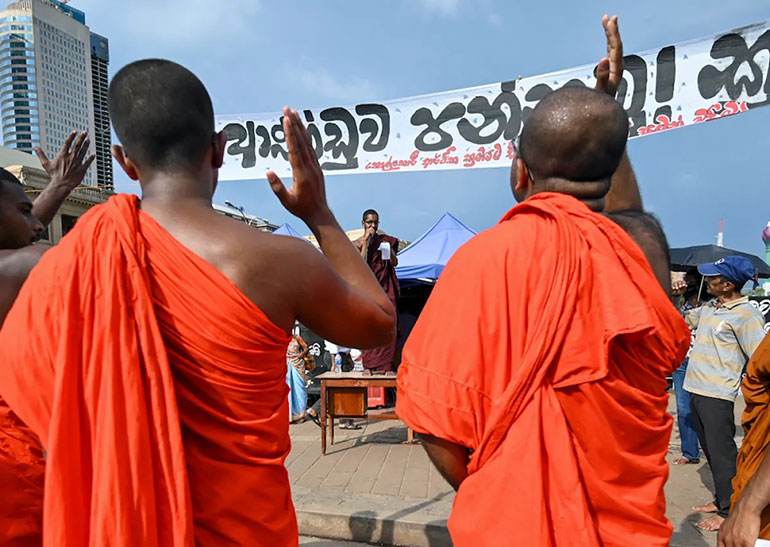
For more than a century, Sri Lankan society has lived with a quiet contradiction at the heart of its religious life. On the one hand, the Buddhist monk is revered as the embodiment of moral discipline, selfrestraint, and renunciation. On the other, the modern monk has become a public figure, political actor, administrator, media personality, and in some cases power broker whose influence extends far beyond the temple. This contradiction has been tolerated, even celebrated, for decades. But recent events, most notably a widely publicised case involving a senior monk accused of grave moral misconduct, have forced the country to confront a painful truth: the institutional conditions that make such scandals possible are not new. They are the predictable outcome of a long historical process that H. L. Seneviratne described with remarkable clarity in The Work of Kings. The moral deterioration visible today is not an aberration. It is the culmination of a centurylong transformation in the identity, function, and authority of the Sangha.
To understand how we arrived at this moment, it is necessary to revisit the argument Seneviratne made nearly three decades ago. His thesis was simple but profound: the modern Sri Lankan monkhood has taken on the ‘work of kings.’ By this he meant that monks, instead of confining themselves to the renunciant life prescribed by the Vinaya, have assumed the secular responsibilities once associated with precolonial kingship, such as protecting the religion, organising society, guiding the nation, and enforcing moral order. This shift, he argued, was not a natural evolution of Buddhist tradition but a modern invention shaped by colonialism, nationalism, and the anxieties of a society struggling to redefine itself in the face of foreign domination. The monk became a symbol of national identity, a guardian of cultural authenticity, and a leader in the struggle for political autonomy. In the process, the boundaries that once separated the monastic from the worldly began to dissolve.
Transformation
The consequences of this transformation were not immediately visible. For decades, the activist monk was celebrated as a patriot, a reformer, and a moral guide. His involvement in education, social welfare, and nationalist mobilisation was seen as a necessary response to colonial pressures and missionary competition. But beneath the surface, the foundations of monastic discipline were slowly eroding. The Vinaya, which had served for centuries as a rigorous framework for regulating monastic life, was increasingly overshadowed by the demands of public engagement. The communal structures that once ensured accountability, senior supervision, collective confession, and the daily rhythms of monastic routine, were weakened by the pressures of modernity. Monks who travelled constantly, managed institutions, or lived independently in urban temples found themselves outside the traditional systems of oversight that had long protected the integrity of the Sangha.
Scandal
It is within this historical context that the recent scandal must be understood. The case shocked the nation not only because of the severity of the allegations but because it shattered the public’s assumption that the monkhood remains a bastion of moral purity. Yet the shock itself reveals a collective denial. For years, Sri Lankan society has been aware, sometimes quietly, sometimes openly—of the growing gap between the ideal of the monk and the realities of modern monastic life. Stories of misconduct, financial irregularities, political manipulation, and abuse of authority have circulated with increasing frequency. But each incident has been treated as an isolated failure, a personal weakness, or an unfortunate exception. What has been missing is recognition that these incidents are symptoms of a deeper structural problem.
Seneviratne’s analysis helps illuminate this problem. When monks take on the work of kings, they inevitably enter domains of power that expose them to temptations the Vinaya was designed to avoid. Handling money, managing institutions, cultivating political patrons, and exercising authority over laypeople create opportunities for ego, ambition, and moral compromise. The monk who becomes a public figure is no longer shielded by the anonymity and humility of the renunciant life. Instead, he becomes a celebrity, a leader, and in some cases an object of uncritical devotion. This elevation brings with it a dangerous form of immunity. Laypeople who revere a monk for his public achievements may hesitate to question his behaviour. Politicians who rely on monastic support may protect him from scrutiny. The media, which often treats monks as moral authorities, may be reluctant to investigate allegations that challenge the sanctity of the robe.
The recent scandal illustrates how these dynamics can converge. The monk at the centre of the case was not an obscure figure. He was a respected preacher, charismatic leader, and head of a prominent institution. His public image was built on years of service, teaching, and community engagement. Yet it was precisely this public stature that allowed him to operate without meaningful oversight. The institutional structures around him, administrators, lay supporters, and junior monks, were either unwilling or unable to challenge his authority. The very qualities that made him a respected figure in the eyes of the public also made him untouchable within his own institution. When allegations finally emerged, they revealed not only personal wrongdoing but a systemic failure of accountability.
Failure that is not unique
This failure is not unique to one temple or one monk. It reflects a broader pattern within the modern Sangha. As monastic institutions have grown in size, wealth, and influence, their internal governance has struggled to keep pace. Many temples operate as semiautonomous entities controlled by a single monk or a small group of monks. Financial transparency is limited, administrative oversight is weak, and the mechanisms for addressing misconduct are often informal or ineffective. The traditional structures of monastic discipline, such as the Sangharama procedures for adjudicating offences, are rarely used in modern contexts, partly because they require collective participation and partly because they are illsuited to the complexities of contemporary institutional life. In practice, this means that monks who wield significant authority can act with little fear of internal sanction.
The politicisation of the Sangha has further complicated matters. Since the midtwentieth century, monks have played an increasingly prominent role in electoral politics, nationalist movements, and public policy debates. This involvement has given them access to political networks that can be mobilised to protect their interests. It has also created a culture in which monks are valued not for their adherence to the Vinaya but for their ability to influence public opinion, mobilise voters, or lend moral legitimacy to political causes. In such an environment, the monk who is politically useful may be shielded from criticism, while the monk who adheres strictly to the renunciant ideal may find himself marginalised or ignored.
The result is a profound distortion of monastic identity. The monk who once sought liberation from worldly attachments is now encouraged to cultivate influence, authority, and public recognition. The monk who once lived under the strict supervision of senior elders now operates in a world where independence is celebrated and oversight is minimal. The monk who once relied on laypeople for basic sustenance now controls vast resources, manages institutions, and commands the loyalty of thousands of followers. This inversion of traditional roles has created a fertile ground for moral deterioration.
Yet it would be a mistake to interpret this deterioration as evidence that the Sangha as a whole is corrupt. Many monks continue to live lives of remarkable discipline, humility, and spiritual dedication. In remote forest monasteries, small village temples, and meditation centres across the country, monks quietly uphold the ancient ideals of the renunciant life. They are not the ones who appear on television, lead political rallies, or manage large institutions. Their work is invisible, their influence subtle, and their commitment unwavering. The crisis facing the Sangha today is not a crisis of individual morality but a crisis of institutional identity. It is the product of a centurylong transformation that has blurred the boundaries between the monastic and the secular, the spiritual and the political, the renunciant and the worldly.
If Sri Lanka is to address this crisis, it must begin by acknowledging the structural nature of the problem. The temptation to treat each scandal as an isolated incident must be resisted. Instead, the country must confront the uncomfortable reality that the modern configuration of monastic life is fundamentally at odds with the principles of the Vinaya. The Sangha cannot simultaneously function as a political force, a social service provider, a media institution, and a spiritual community without compromising its integrity. The more monks are drawn into the world, the more vulnerable they become to the moral dangers that the Buddha warned against.
Reform, therefore, must focus not only on punishing individual offenders but on rethinking the institutional structures that enable misconduct. This includes strengthening internal governance, enhancing financial transparency, restoring the authority of senior elders, and reestablishing the communal practices that once ensured accountability. It also requires a broader cultural shift in how laypeople relate to monks. Blind devotion must give way to informed respect. Reverence must be balanced with responsibility. The robe must be honoured, but it must not be used as a shield against scrutiny.
Seneviratne’s work offers a valuable starting point for this rethinking. His analysis reminds us that the crisis facing the Sangha is not the result of moral decline alone but of historical forces that reshaped the identity of the monkhood. By tracing the evolution of the activist monk, he shows how the Sangha became entangled in the political and social structures of the modern nationstate. This entanglement has brought both benefits and dangers. It has allowed monks to play important roles in education, social welfare, and national development. But it has also exposed them to the corrupting influences of power, wealth, and public acclaim.
The challenge now is to disentangle the Sangha from these influences without undermining its ability to serve society. This will not be easy. The activist monk has become deeply embedded in the cultural and political fabric of the country. Many laypeople expect monks to be leaders, reformers, and guardians of national identity. Politicians rely on monastic support to legitimise their agendas. Media institutions depend on monks for content, commentary, and moral authority. Reversing this trend will require a collective effort from monks, laypeople, and political leaders alike.
Ultimately, the future of the Sangha depends on its ability to reclaim the renunciant ideal that lies at the heart of Buddhist monasticism. This does not mean withdrawing from society entirely, but it does mean reestablishing the boundaries that protect the monk from the dangers of worldly involvement. It means recognising that the true strength of the Sangha lies not in its political influence or institutional power but in its moral authority, its spiritual discipline, and its commitment to the path of liberation. The recent scandal, painful as it is, may serve as a catalyst for this reevaluation. It has exposed the vulnerabilities of the modern monastic system and forced the country to confront the consequences of a centurylong transformation.
To understand how the Vihara Devalegam Act relates to the perceived moral deformation of the clergy, it is necessary to examine how property management, state law, and monastic discipline intersect in the modern era. Historically stemming from the Buddhist Temporalities Ordinance No. 19 of 1931, this act serves as the primary legal framework governing the ‘temporalities’—meaning the secular wealth, extensive landholdings, and material donations belonging to Buddhist temples and shrines. While ancient kings granted these vast tracts of land to support the monkhood’s spiritual pursuits, the modern codification of this law has inadvertently fostered a system where property rights frequently supersede spiritual accountability.
The core of the crisis lies in the commercialisation of the monastic order that this legal framework enables. By treating temple lands as economic assets and vesting absolute administrative power in individual chief monks or lay trustees, the act has contributed to the rise of what critics term a monastic middle class. Access to vast, unregulated financial resources, rent from lands, and corporate donations has fundamentally shifted the focus of certain segments of the clergy away from the traditional path of worldly renunciation and spiritual guidance. Instead, it has driven a preoccupation with business investments, the accumulation of private capital, and luxury lifestyles, which deeply alienates a public looking to the Sangha for moral leadership.
The institutional flaws embedded in the Vihara Devalegam Act find a stark, real-world manifestation in the recent criminal case involving Venerable Pallegama Hemarathana Thero. As the chief priest of Anuradhapura and the custodian of the Atamasthana—the eight highly venerated Buddhist shrines, including the sacred Jaya Sri Maha Bodhi—Hemarathana Thero occupied one of the most powerful and wealthy positions within the Sri Lankan Sangha. His arrest on charges of sexual abuse of a minor girl perfectly illustrates how the structural defects of the Act facilitate not only moral decay but also the systemic obstruction of justice.
The core of this intersection lies in the vast, unaccountable wealth generated by the temporalities of the Anuradhapura shrines. Under the Vihara Devalegam Act, the chief custodian exercises immense, virtually unchecked control over temple revenues, state-backed land management, and millions of rupees in daily donations from millions of global pilgrims. It is precisely this immense financial liquidity that enabled the alleged deployment of vast sums of money to the victim’s family.
Furthermore, the situation underscores the profound policy failures cited regarding the helplessness of the monastic hierarchy and state enforcement. When child protection authorities initially attempted to act, the National Child Protection Authority noted severe delays and institutional resistance, stating they practically had to force the police to execute the arrest. The monk’s immediate retreat to a private hospital in Colombo upon the advancement of the criminal probe, followed by his release on bail, mirrors the exact loop described where wealthy monastics deploy high-priced legal defence teams funded directly or indirectly by their institutional positions. Because the Vihara Devalegam Act does not provide a mechanism for the immediate, unconditional forfeiture of temporal administrative rights upon a criminal indictment, the accused retains his structural power throughout the legal process. The Pallegama Thero scandal stands as definitive proof that without a fundamental overhaul of how temple wealth is legally governed and disciplined, the material benefits guaranteed by ancient temporalities will continue to shield the worst elements of moral deformation from the rule of law.
If Sri Lanka can learn from this moment and if it can recognise the structural roots of the crisis and commit to meaningful reform, then the Sangha may yet emerge stronger, more disciplined, and more faithful to its ancient ideals. But if the country continues to treat each scandal as an isolated failure and if it continues to ignore the deeper institutional problems that Seneviratne identified, then the moral deterioration we see today will only deepen. The work of kings, when performed by monks, carries a heavy price. It is time to decide whether that price is worth paying.
by Professor Amarasiri de Silva
Features
Kondachchi wind farm and battery storage project to boost energy security, says Power Ministry Secretary


The Power and Energy Ministry’s drive towards energy security and renewable energy expansion received a major boost yesterday with the signing of a tripartite cooperation agreement for the development of the 150 MW Kondachchi Wind Power Project and an integrated Battery Energy Storage System (BESS) in Mannar.
The agreement was signed at the Ministry of Power auditorium under the patronage of Power Minister Anura Karunatilaka and Deputy Power Minister Arkam Ilyas.
Speaking at the event, Ministry Secretary G. M. R. D. Aponsu described the project as a transformative investment that would strengthen the country’s electricity network while supporting Sri Lanka’s transition towards cleaner energy sources.
“The Kondachchi Wind Power Project represents a significant milestone in Sri Lanka’s renewable energy journey. By combining large-scale wind generation with advanced battery energy storage technology, we are creating a more resilient and reliable power system capable of meeting future energy demands while reducing dependence on imported fossil fuels,” Aponsu said.
The project will be developed at Silavathurai in the Kondachchi area of Mannar on lands owned by the Sri Lanka Cashew Corporation. It is expected to utilise some 31 modern wind turbines with a total installed capacity of at least 150 MW.
Aponsu said the inclusion of an integrated battery storage facility would help address the variability associated with wind power generation and ensure stable electricity supply to the national grid.
“The battery energy storage component is a key feature of this project. It will enable the efficient integration of renewable energy into the grid and enhance overall system stability, which is essential as Sri Lanka increases the share of renewables in its energy mix,” he said.
According to the Ministry, the wind farm is expected to generate nearly 525 gigawatt-hours of electricity annually, significantly reducing the country’s expenditure on imported fuel and strengthening national energy security.
The project is also expected to contribute to Sri Lanka’s climate commitments by reducing carbon dioxide emissions by an estimated 372,750 tonnes annually.
“This investment delivers both economic and environmental benefits. It will reduce greenhouse gas emissions, support sustainable development objectives and help Sri Lanka move closer to achieving its renewable energy and climate targets,” Aponsu noted.
The project will be implemented under a Public-Private Partnership (PPP) arrangement using the Build, Own and Operate (BOO) model. The Asian Development Bank is providing technical and financial advisory support through its Transaction Advisory Services programme.
The signing ceremony was attended by Pradeep Perera, Chairman of the National System Operator (Pvt) Ltd., and Takeyo Koike, Head of Market Development and Public-Private Partnership Division of the ADB, among other distinguished guests.
The Ministry said comprehensive Environmental Impact Assessments and avifaunal studies have been undertaken to ensure minimal impacts on bird populations, nearby communities and agricultural lands. A dedicated 220-kilovolt transmission system will also be constructed to connect the project to the national grid.
“The Kondachchi Wind Farm is a strategic national project that will help secure Sri Lanka’s energy future while accelerating the country’s transition towards sustainable and affordable electricity generation,” Aponsu said.
Energy sector experts view the project as one of the most important renewable energy initiatives currently being pursued in Sri Lanka, combining utility-scale wind generation with modern energy storage technology to enhance grid reliability and long-term energy sustainability.
By Ifham Nizam
Features
Saudi Arabia sets new benchmark in Hajj management as 1.7 million pilgrims complete sacred journey
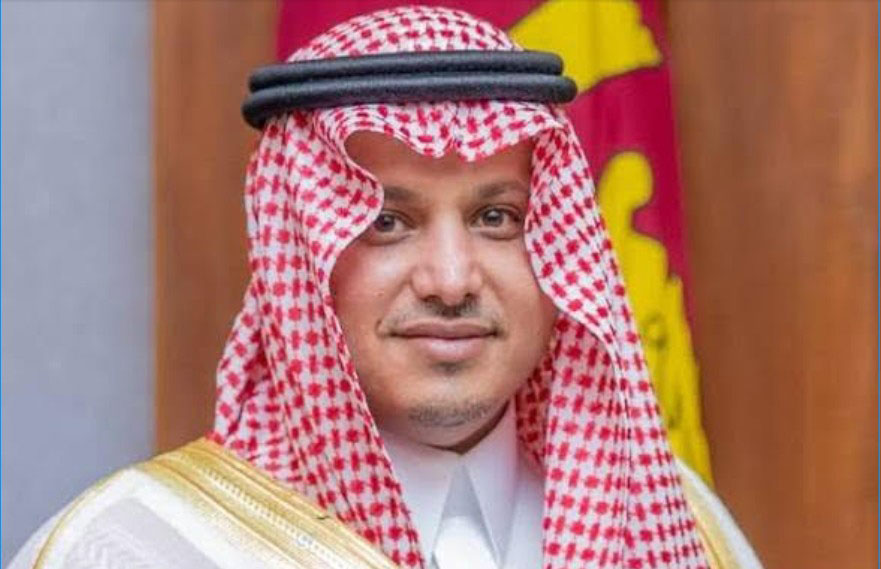
Interview with Khalid Hamoud Al-Kahtani, Ambassador of the Kingdom of Saudi Arabia to Sri Lanka
Saudi Arabia has once again demonstrated its unparalleled capacity to manage one of the world’s largest annual religious gatherings, with this year’s Hajj pilgrimage concluding successfully despite extreme temperatures and the immense logistical challenge of accommodating more than 1.7 million pilgrims from around the world.
In an exclusive interview with The Island, Khalid Hamoud Al-Kahtani, Ambassador of the Kingdom of Saudi Arabia to Sri Lanka, described the 2026 Hajj season as a resounding success, crediting the achievement to the visionary leadership of the Custodian of the Two Holy Mosques, His Royal Highness the Crown Prince and Prime Minister, and the coordinated efforts of multiple government agencies working around the clock to serve pilgrims.
The Ambassador noted that nearly 3,500 Sri Lankan pilgrims participated in this year’s Hajj under the quota allocated to Sri Lanka, benefiting from enhanced healthcare services, sophisticated crowd-management systems, expanded shaded areas and cutting-edge digital solutions introduced by the Kingdom.
With Saudi Arabia continuing to invest heavily in infrastructure, technology and pilgrim services under Vision 2030, Ambassador Al-Kahtani said the Kingdom remains committed to ensuring that pilgrims from around the world perform their religious duties in safety, comfort and tranquility.
The Saudi envoy also highlighted the growing partnership between Saudi Arabia and Sri Lanka, emphasising expanding cooperation not only in Hajj affairs but also in trade, investment, education, culture and institutional exchanges.
Following are excerpts of the interview:
Q: How do you assess this year’s Hajj season?
Ambassador Al-Kahtani: This year’s Hajj season was a resounding success, thanks to the Almighty Allah and the integrated efforts of the government of the Kingdom of Saudi Arabia, led by the Custodian of the Two Holy Mosques and His Royal Highness the Crown Prince and Prime Minister. This success was reflected in the efficiency of crowd management, the quality of services provided to the Hajj pilgrims and the effective coordination among the various relevant authorities, which enabled pilgrims to perform their rituals in an atmosphere of security, tranquility and ease.
Q: How many Sri Lankan pilgrims performed Hajj this year?
Ambassador Al-Kahtani: The number of Hajj pilgrims from the Democratic Socialist Republic of Sri Lanka reached approximately 3,500, within the quota allocated to Sri Lanka for this season.
Q: Are there any discussions regarding increasing Sri Lanka’s quota in the future?
Ambassador Al-Kahtani:Hajj quotas are determined according to approved regulatory mechanisms that take into account a range of considerations. The relevant authorities in the Kingdom continue to study various aspects related to developing Hajj services and accommodating the allocated numbers for all countries, in coordination with the concerned parties.
Q: What were the most prominent special arrangements implemented this year?
Ambassador Al-Kahtani: The operational plans for this season focused on enhancing the safety and comfort of the Hajj pilgrims, especially given the climatic conditions and high temperatures. Measures included expanding shaded areas, increasing water distribution points and enhancing health and ambulance services, in addition to developing the transportation system and traffic management within the holy sites.
Q: What are the most prominent digital systems and smart services that were provided?
Ambassador Al-Kahtani:The Kingdom continues to implement its digital transformation objectives for the Hajj and Umrah system. The scope of electronic services offered through the Nusuk platform and application has been expanded, along with the development of digital systems for issuing permits, managing crowds, guidance and health services. This contributes to increasing the efficiency of services and improving the pilgrim’s experience at all stages of their journey.
Q: How were the challenges of overcrowding and heat addressed?
Ambassador Al-Kahtani: The relevant authorities adopted an integrated crowd-management system based on modern technologies and real-time data analysis. This was coupled with intensified health-awareness campaigns, expanded organised movement routes and increased deployment of field, medical and emergency teams. These measures support the safety of the Hajj pilgrims and reduce the risks associated with crowd density and climatic conditions.
Q: Were there special services for the elderly and sick?
Ambassador Al-Kahtani: Yes. The Kingdom paid special attention to the elderly and people with special health needs by providing specialized medical services, assistive transportation and facilities equipped to meet their needs, in addition to field teams working to provide humanitarian support and necessary healthcare throughout the Hajj period.
Q: How successful was the Kingdom in combating irregular Hajj permits?
Ambassador Al-Kahtani: The relevant authorities in the Kingdom continued to rigorously implement the regulations and instructions governing Hajj, utilising modern technologies and advanced monitoring procedures to reduce violations related to irregular Hajj. These efforts contributed to enhancing the safety of pilgrims, improving crowd-management efficiency and maintaining the smooth flow of movement within the holy sites.
Q: How would you describe Saudi-Sri Lankan cooperation in organising Hajj?
Ambassador Al-Kahtani: Cooperation between the Kingdom of Saudi Arabia and the Republic of Sri Lanka is characterised by continuous and constructive coordination in all matters related to Hajj. The relevant authorities in both countries work jointly to ensure the provision of the best services for Sri Lankan pilgrims and enable them to perform their rituals with ease and peace of mind.
Q: How many Hajj pilgrims were there globally, and what were the main challenges?
Ambassador Al-Kahtani: According to official statistics, the number of Hajj pilgrims this year reached 1,707,301 from various countries around the world. The main challenges included managing large crowds, ensuring public safety and providing health, transportation and accommodation services within a specific geographical and temporal scope. These challenges were addressed through advanced and integrated operational plans, which contributed to the smooth and successful completion of the Hajj season.
Q: Are there any future expansion projects?
Ambassador Al-Kahtani: The Kingdom continues to implement strategic development projects within the framework of Vision 2030, including developing the infrastructure in Makkah and the Holy Sites, and enhancing transportation networks and smart services. This contributes to raising the quality of services provided to pilgrims and Umrah performers and improving their long-term experience.
Q: How are Saudi-Sri Lankan relations strengthened outside the context of Hajj?
Ambassador Al-Kahtani: Relations between the Kingdom of Saudi Arabia and the Republic of Sri Lanka are witnessing continuous development in many areas, including political, economic, trade, cultural and educational cooperation, in addition to developing exchanges between institutions and the private sector. This reflects the two countries’ keenness to strengthen the bilateral partnership and achieve common interests.
Q: What message would you like to convey to Sri Lankan Muslims?
Ambassador Al-Kahtani: We extend our sincere congratulations to the Hajj pilgrims who have completed their Hajj rituals, and we ask Almighty Allah to accept their pilgrimage. We also assure Muslims in Sri Lanka that the Kingdom of Saudi Arabia places serving the Two Holy Mosques and the guests of Almighty Allah at the forefront of its priorities and continues to develop the Hajj and Umrah system to achieve the highest standards of quality and safety.
By Ifham Nizam

Pakistan hold their nerve to take series in low-scoring scrap

Robinson routs New Zealand top-order as England hit back on 16-wicket day

Rumesh Tharanga shatters Rome Diamond League record

Showers about 100 mm are likely at some places in the Western and Sabaragamuwa provinces and in Galle, Matara, Kandy and Nuwara-Eliya districts

Elders’ home devastated by fire was a ‘house of horror’: Witnesses

CERT : AI-generated videos depicting Prez, PM lure public into financial scams

‘Dates have the highest sugar content to fight Coronavirus’

Sunday Island 27 December – Headlines

#SundayIsland 17th December – Headlines

Sunday Island – 28th March

Sunday Island Headlines – 21 March

Sunday Island – 21st February – Headlines
-
 News6 days ago
IMF urges Lanka not to meddle with exchange rate
-

 News3 days ago
Lankan duo emerge winners in Latin dance championship held in Blackpool, UK
-

 Business4 days ago
IMF’s unstated rate:Sri Lanka’s $695m loan costs about 5.33% per annum
-
 News6 days ago
State of emergency extended
-
 Features5 days ago
Are threats to Buddha Sasana external or from within?
-
 News4 days ago
UNP challenges NPP move to amend Vihara – Devalagam Act
-

 Business4 days ago
Sri Lankan scientist-innovator Milinda Edirisinghe introduces AI-integrated gem testing system to gemological world
-

 News3 days ago
Sri Lankan teen killed in Chennai clash; three arrested