
News
AI calls for protection of human rights of everyone

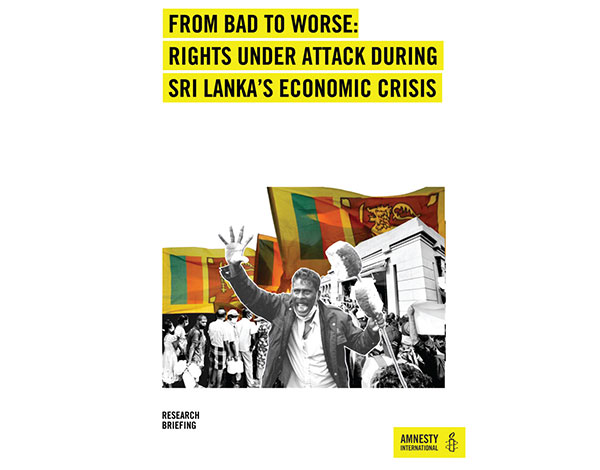
As the people in Sri Lanka are facing a catastrophic economic crisis, the government must protect the human rights of everyone and ensure an enabling environment for peacefully expressing dissent, Amnesty International (AI) said.
In a report titled ‘From Bad to Worse: Rights Under Attack During Sri Lanka’s Economic Crisis’, the AI also called for the international community to support Sri Lanka in its recovery in line with obligations around international cooperation and assistance, with a particular focus on marginalized groups who are at grave risk.
“The crisis in Sri Lanka is a prime example of the interdependence and interrelatedness of economic and social rights and civil political rights. As such, human rights must be at the heart of discussions on Sri Lanka’s economic future,” said Yamini Mishra, South Asia Regional Director for Amnesty International.
“We urge the international community to step in where possible to support Sri Lanka with necessary financial and technical assistance, such as debt relief and aid, in line with a human rights based assessment of the situation to ensure the economic crisis does not deteriorate into a humanitarian crisis.”
Sri Lanka is facing a balance of payment crisis and a severe foreign exchange shortage compounded by Covid-19 lockdowns, pre-pandemic tax cuts and loss of access to international capital markets. As it stands, foreign exchange reserves are critically low, making the import of essential medicines, food items, cooking gas and fuel, immensely difficult. This is affecting all major sectors, including education, health and livelihoods.
At least five individuals have died while standing in line for essentials and, to date, a total of 75 individuals have reached Tamil Nadu in India seeking economic refuge. Thousands of people in Sri Lanka have taken to the street in a show of resistance using creative slogans, art, theatre, dance, music and technology. Their demands are for the resignation of the President and the Prime Minister, but also include calls for accountability for wide-ranging human rights violations, inter-ethnic, religious unity and harmony. According to the information collected by Amnesty International, the protests have been largely peaceful; however, in several instances, the Sri Lankan authorities have unlawfully restricted their right to freedom of peaceful assembly, including the use of force, tear gas and arbitrary detentions.
The authorities must uphold human rights to freedom of movement, liberty and security of person. Also, Sri Lanka has ratified the International Covenant on Economic, Social and Cultural Rights, and has an obligation, both individually and through international assistance and cooperation, to guarantee economic and social rights. These rights include the rights to health, education, social security, adequate food, and an adequate standard of living.
In February this year, the International Monetary Fund (IMF) recommended that “social safety nets should be strengthened, by increasing spending, widening coverage, and improving targeting, to mitigate the adverse impacts of macroeconomic adjustment on vulnerable groups,” however, to date, the only proposals approved by the Sri Lankan Cabinet have been to provide ad-hoc handouts for a period of three months for low-income families. The government must urgently fund and expand social security systems and ensure that all people, including marginalised groups, are protected from the impacts of the crisis.
Amnesty International has observed that austerity measures introduced previously in several other countries in the context of economic crises have seriously impacted economic and social rights protections. In Greece and Spain, for example, austerity measures made healthcare less accessible and affordable, which had a disproportionate impact on those with lower incomes, and particularly on the elderly, those needing mental health care and treatment, those with disabilities, and with chronic health conditions.
“Lessons must be learnt from similar experiences from across the world to avoid serious repercussions,” said Yamini Mishra. “Any austerity measures introduced in Sri Lanka must be based on a human rights assessment, should be open for public scrutiny and feedback in an inclusive and participatory process, and all alternatives must be explored before they are introduced. Austerity measures must not disproportionately impact the marginalized groups and must be strictly temporary.”

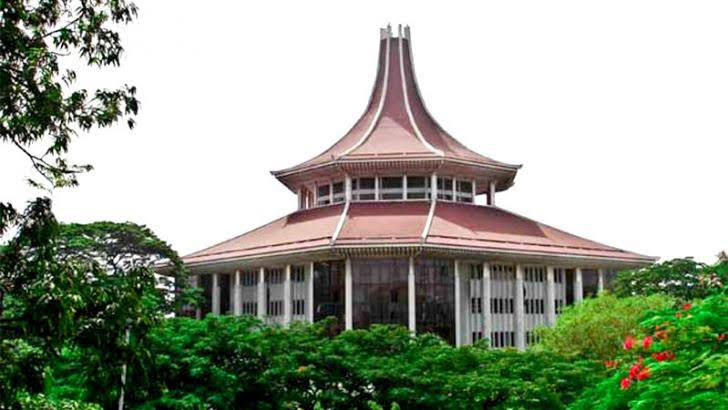
Attorney-at-Law Sugandhika Fernando, on behalf of the Vinivida Foundation, petitioned the Supreme Court yesterday (02), seeking a full bench, excluding Chief Justice Preethi Padman Surasena, to hear the petitions challenging the 22nd Amendment Bill. She also requested that the hearing be suspended immediately until the matter was fully heard and determined.
Among the respondents are Chief Justice Surasena, the first respondent, and Attorney General Parinda Ranasinghe. Justices Yasantha Kodagoda, Shiran Gooneratne, Achala Wengappuli and Priyantha Fernando have also been named as respondents.
The petitioner has sought to have quashed the decision of the first respondent to appoint a five-member bench, which she alleged was made in violation of the norms of public law. She also sought a bench comprising all Supreme Court judges, excluding those cited as respondents, to hear the special determination applications on the 22nd Amendment.
The petitioner further contended that Chief Justice Surasena, who is due to retire on December 1, 2026, would be the main beneficiary of the 22nd Amendment.
The hearing of the petitions continued for a second day yesterday (02) before a five-member Supreme Court bench comprising Chief Justice Preethi Padman Surasena and Justices Achala Wengappuli, Arjuna Obeyesekere, Sampath Abeykoon and Gihan Kulatunga.
The hearing, which commenced on Tuesday morning, continued for nearly 12 hours, until 10:30 p.m.
Solicitor General Viraj Dayaratne, appearing for the Attorney General, submitted yesterday that the Government had presented the 22nd Amendment Bill to the Constitution and the Judicature (Amendment) Bill with the objective of expanding and streamlining the country’s judicial system.
After the Solicitor General’s submissions concluded, counsel representing the petitioners requested an opportunity to respond to the Solicitor General and the intervening petitioners. However, the Chief Justice declined to allow the petitioners’ counsel to make further oral submissions, concluded the determination hearing and directed them to file written submissions instead.
Sri Lanka has formally requested assistance from the North Atlantic Treaty Organisation (NATO).
According to a press release issued by the Defence Ministry, Defence Secretary Air Vice Marshal (retd) Sampath Thuyakontha has discussed defence cooperation with NATO, with discussions focusing on military modernisation, advanced technology, cyber capabilities and disaster response.
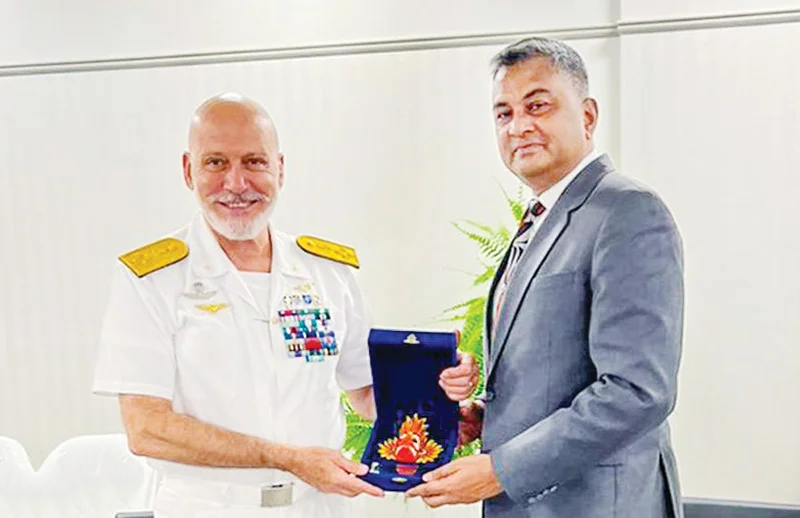
This was during talks between AVM Thuyakontha and NATO Military Committee Chairman Admiral Giuseppe Cavo Dragone on the sidelines of the Chiefs of Defence Conference in Victoria, Canada.
During the meeting, Secretary Thuyacontha outlined Sri Lanka’s defence requirements and areas of interest, including the modernisation of military hardware, acquisition of advanced technologies, and strengthening cyber capabilities and surveillance platforms, the Ministry of Defence said in a statement.
The two sides also discussed opportunities for greater technical cooperation, including the exchange of military personnel, expanded education and training programmes, and increased sharing of expertise and information.
Humanitarian Assistance and Disaster Relief (HADR) was also identified as an area for potential cooperation. The discussions included the exchange of expertise and the effective use of unmanned aerial vehicles (UAVs) in disaster response and related operations.
Defence Secretary Thuyacontha invited NATO to further strengthen its engagement with Sri Lanka, emphasising sustained dialogue, information sharing and practical cooperation in areas of mutual interest.
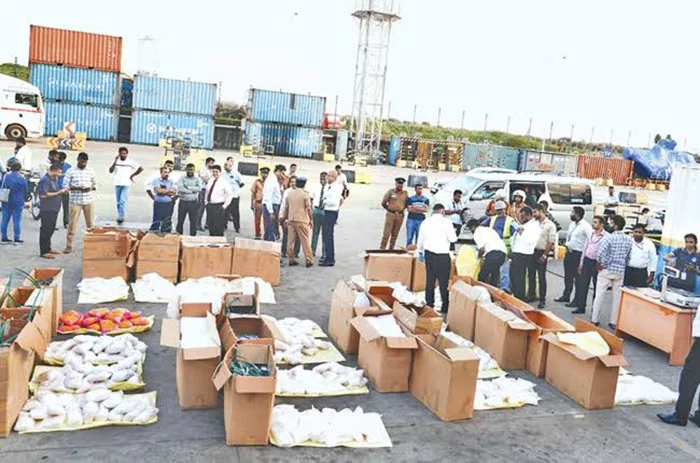
The US Embassy in Colombo yesterday (02) said the recent detection of 463 kg of Crystal Methamphetamine at the Colombo Port had been made possible by intelligence provided by the US. It noted that the detected narcotics were to be moved to international markets, via Colombo.
The text of the US Embassy statement: “The U.S. Drug Enforcement Administration’s (DEA) New Delhi Country Office and Sri Lanka’s Police Narcotics Bureau (PNB) conducted a successful joint operation disrupting a Pakistan-based narcotrafficking network attempting to smuggle crystal methamphetamine through Sri Lanka to international markets.
Acting on intelligence developed by DEA’s Foreign Counterparts Unit Pakistan Anti-Narcotics Force Special Investigations Cell between August 14–29 on suspicious maritime containers moving from Pakistan to Colombo, PNB seized approximately 463 kg of crystal methamphetamine—valued at $21 million—concealed in bath towels, and arrested several suspects, including Pakistani nationals. This operation underscores the strength of the U.S.-Sri Lanka partnership in dismantling transnational criminal organizations that fund terrorism and threaten communities in both our countries.
This cooperation builds on longstanding training and technical assistance provided through the U.S. Department of State’s Bureau of International Narcotics and Law Enforcement Affairs (INL) to the Sri Lanka Police and Customs. The United States remains committed to working with Sri Lanka and regional partners to aggressively pursue transnational criminal organizations, deny them the revenue from illicit drug trafficking, and protect our citizens from the dangers of narcotrafficking.”

22A: SC urged to suspend hearing, appoint full bench

Govt. seeks NATO assistance

Recent ‘Ice’ detection at the Colombo Port made on US intelligence – Embassy

Sri Lanka launches National Food Safety Policy with support from FAO and EU

Mendis, Nissanka return for England white ball series

Janashakthi Life delivers 36% revenue growth, ‘outperforming the industry’

‘Dates have the highest sugar content to fight Coronavirus’

Sunday Island 27 December – Headlines

#SundayIsland 17th December – Headlines

Sunday Island – 28th March

Sunday Island Headlines – 21 March

Sunday Island – 21st February – Headlines
-

 News6 days ago
Eight politicians in drug kingpin probe
-

 Features4 days ago
“Wrap Me Up in My Blazer”— A Gentlemanly Bradby Reminiscence
-

 Business6 days ago
Sri Lanka opens up: A new season of direct connectivity
-

 Features3 days ago
When Sri Lankan stories find their own voice
-
 Latest News7 days ago
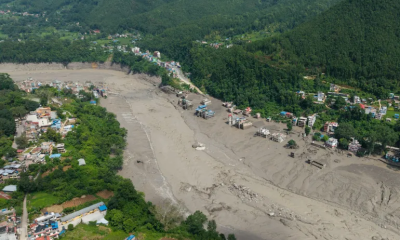
Nepal-Tibet floods: What happened, what caused them and who is missing?
-

 Features6 days ago
Redefining ageing in Sri Lanka
-

 Editorial6 days ago
The toxic legacy of two lakes
-
 Business6 days ago
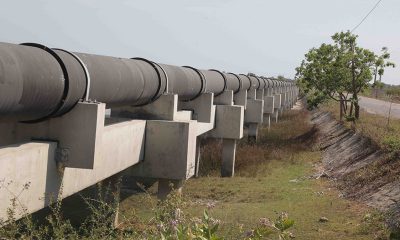
Jaffna Teaching Hospital secures lifeline water supply via ADB-funded Thalaiyadi sea water desalination plant