
News
600MW hit to national grid as two Norochcholai units go offline

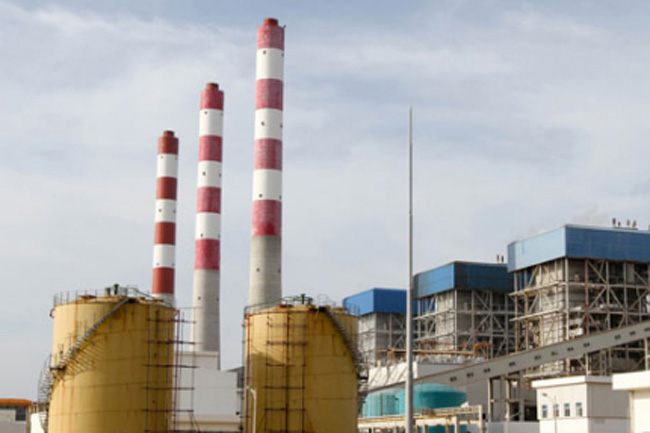
Sri Lanka’s power system has suffered a major setback with two of the three generators at the coal-fired power plant at Norochcholai going out of service, cutting around 600 megawatts from the national grid, even as Energy Ministry officials stressed yesterday that the issue is minor and fully under control.
One unit has been offline since November for scheduled major maintenance carried out once every three years, while another was shut down following a technical fault in its boiler. As a result, only one generator, at the country’s largest and only coal-fired power station, is currently supplying electricity to the grid.
Despite the sharp reduction in coal-based generation, a senior spokesperson for the Norochcholai Power Plant assured that there would be no disruption to electricity supply, as hydroelectric power generation is being increased to compensate for the temporary shortfall from Norochcholai.
Ministry of Power and Energy officials also confirmed that the situation is not serious and does not pose a risk to the stability of the national grid. “This is a minor technical issue and routine maintenance activity. There is no cause for public concern,” a senior Ministry official said.
Meanwhile, a top official of the Ceylon Electricity Board (CEB) said all three units of the Norochcholai Power Plant are expected to be restored by the first week of January, delivering the full 900MW capacity back to the national grid.
“Current reservoir levels are favourable, allowing us to rely more on hydropower during this period,” the CEB official said, adding that system operations are being closely monitored.
A senior electrical engineer told The Island that one unit had been shut down in November for routine maintenance, while another unit suffered an unexpected breakdown earlier this week. “Such incidents are not unusual in large thermal power stations. Corrective work is already under way and the units will be brought back online as scheduled,” he said.
Norochcholai remains the backbone of Sri Lanka’s base-load electricity generation, and while prolonged outages could place strain on the system during dry periods, officials reiterated that current conditions and contingency measures are adequate to ensure uninterrupted power supply until full operations resume.
By Ifham Nizam ✍️

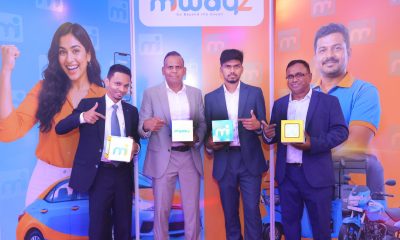

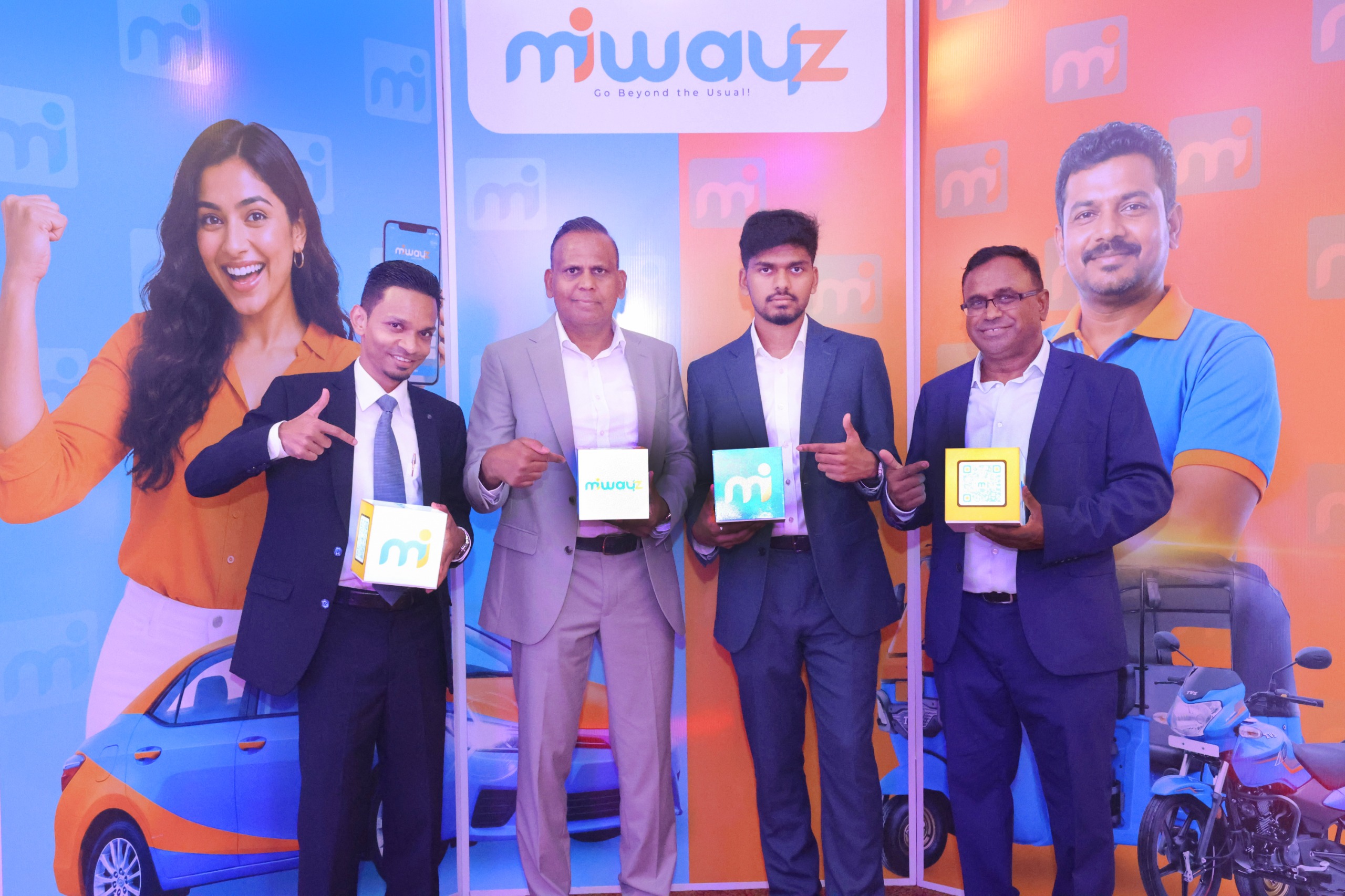
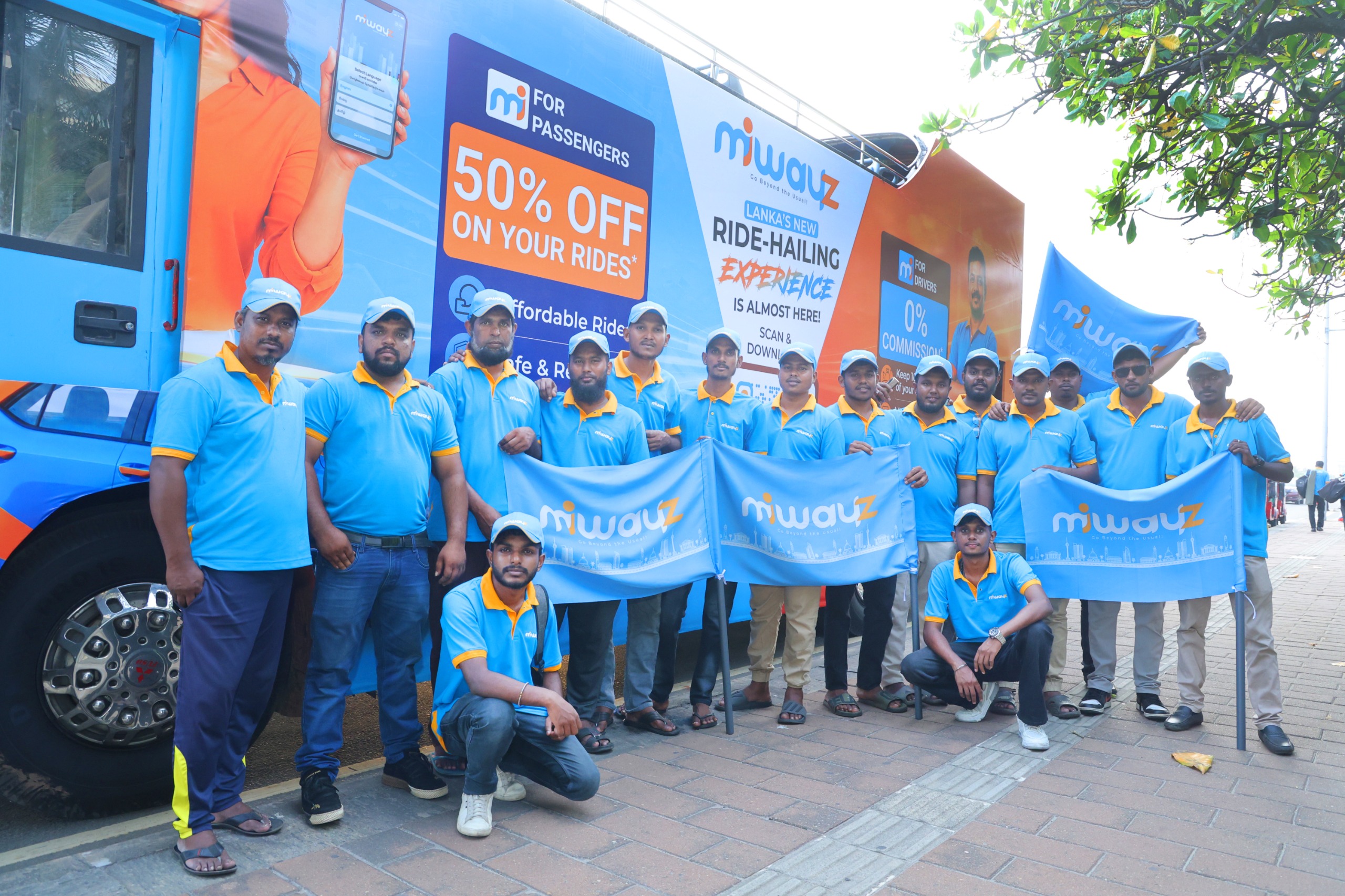
Miwayz, Sri Lanka’s newest and most anticipated lifestyle and smart mobility platform, has officially announced its grand launch.
Signaling a major shift in the country’s ride-hailing and delivery ecosystem. the platform went live from Sunday, 12th July with an unprecedented milestone: securing a trusted community of 25,000+, eagerly awaiting passengers within an incredibly short pre-launch window.
For Sri Lankan consumers who have long sought greater transparency and safety, and for drivers seeking fair compensation, Miwayz enters the market not just as an app, but as a community-driven answer to modern commuter challenges.
Facing the Realities of the Road: Addressing Driver Pain Points
For years, the backbone of Sri Lanka’s urban transport—its hardworking three-wheeler and motorcycle drivers—has operated under immense financial strain. Traditional ride-hailing industry have long extracted predatory commission rates ranging from 15% to 25% on every single ride, severely squeezing driver take-home pay. Coupled with highly unpredictable daily incomes and skyrocketing vehicle maintenance and fuel costs, drivers have increasingly felt reduced to mere transactional numbers on a screen.
To address these pain points directly, Miwayz has introduced a highly disruptive, driver-centric economic model:
- 0% Commission & Zero Subscription Fees: Registered driver-partners will enjoy 0% commission cuts and zero-value subscription fees for their first three months of operation, allowing them to take home 100% of their hard-earned fares.
- The Industry’s Lowest Flat Subscription: Post-launch promotional period, Miwayz will transition drivers to the industry’s lowest flat rate daily/monthly subscription model, completely eliminating percentage-based commission structures. This ensures predictable operational costs and maximized income stability.
Tapping into a Massive Market
The launch of Miwayz arrives at a critical juncture for Sri Lanka’s massive urban transport market. According to the Western Province Road Passenger Transport Authority (RPTA), there are currently over 250,000 registered three-wheelers operating as active passenger transport services in the Western Province alone.
Furthermore, latest vehicle population statistics from the Department of Motor Traffic (DMT) reveal that Sri Lanka has over 1.20 million motor tricycles (three-wheelers) and more than 5.17 million motorcycles (bikes) registered nationwide.
By positioning itself as a fair-play platform for this immense pool of micro-entrepreneurs, Miwayz is set to capture a dominant share of the daily commuting market, starting in Colombo and rapidly expanding across the province.
A Foundation Built on Mutual Trust
In a market where trust is the ultimate currency, Miwayz’s rapid acquisition of a combined 25,000+ strong pre-registered base represents a significant vote of confidence from local users.
“We did not want to launch with just an app and a hope; we wanted to launch with a community that believed in our vision from day one,” said the CEO of Miwayz, Nalliah Thayaparan. “To have over 25K trusted driver partners and passengers in our ecosystem before our official launch is the ultimate validation. It proves that Sri Lankans are ready for a platform built on mutual respect, honesty, and fair value.”
Going Beyond the Usual: The Miwayz Promise
Miwayz is engineered specifically to address the daily pain points of Sri Lankan commuters and drivers through three core pillars:
- Total Price Transparency & Best Fair Rates: Passengers will benefit from upfront, highly reliable fare estimates with zero hidden costs, unexpected surges, or predatory price hikes. Miwayz guarantees the best, standard distance-to-fare ratios in the market, ensuring complete peace of mind.
- Uncompromising Safety: To protect both riders and driver-partners, Miwayz features strictly verified profiles, real-time live trip tracking, and a dedicated 24/7 localized support team ready to assist at any moment.
- Everyday Convenience & Passenger Perks: Designed as an all-in-one lifestyle companion, the platform integrates seamless ride-hailing options with everyday essentials, including the upcoming rollout of Miwayz Food featuring local culinary favorites. To celebrate the launch, passengers will receive an exclusive 50% discount on their first 5 rides during the first three months of operation.
Strategic Powerhouse Collaboration with Dialog Axiata
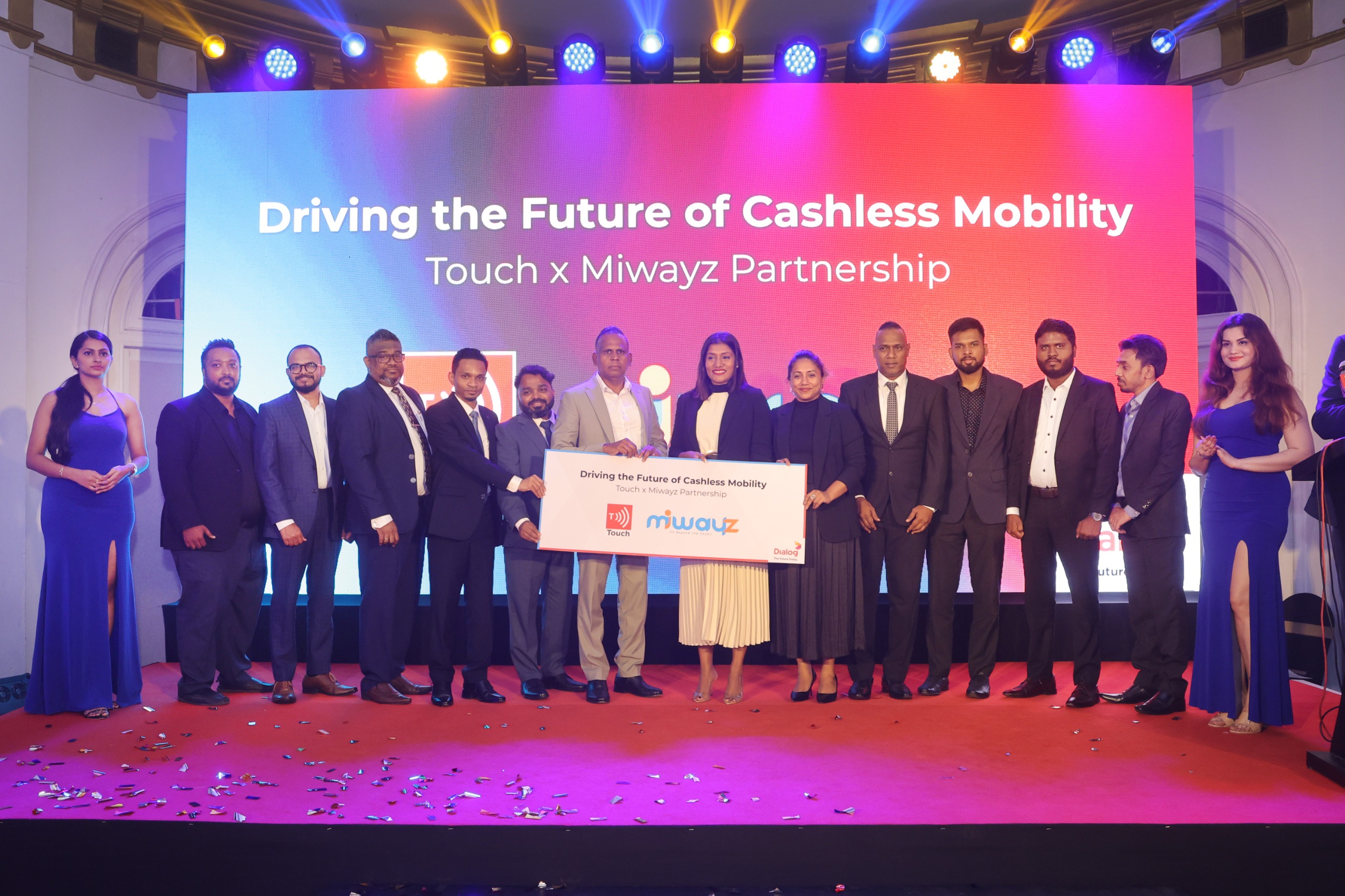
To enhance the overall mobility experience for both passengers and driver-partners, MiWayz has entered into a strategic partnership with Dialog Touch, Sri Lanka’s leading fleet and fuel management platform. The collaboration introduces innovative payment and rewards capabilities that deliver greater convenience to riders while creating tangible value for driver-partners.
Through this partnership, Dialog Touch users can now seamlessly use their Touch Card as a payment method within the MiWayz app, enabling a fast, secure, and cashless payment experience for every journey. In addition, MiWayz driver-partners will benefit from fuel vouchers powered through the Dialog Touch platform, a first-of-its-kind rewards initiative introduced by Touch to recognize and support drivers with meaningful savings on fuel expenses.
Long-Term Support Alliance with TVS
To match its digital strength with on-the-ground sustainability, MiWayz has secured a pivotal strategic partnership with TVS. Focused entirely on providing long-term operational support to the platform’s growing driver-partner community, TVS is introducing immediate, tangible cost-saving benefits on the road. Under this landmark alliance, registered MiWayz driver-partners will gain exclusive access to:
- Exclusive Discounts on Spare Parts: Deep cost reductions on essential vehicular components to reduce overall maintenance costs.
- Specialized Vehicle Services: Tailored, high-priority maintenance and repair services at TVS Own Service Centers
- Valuable Vehicle Trade-In Offers: Highly attractive trade-in opportunities allowing drivers to upgrade their vehicles easily and sustainably.
Representing the alliance, Geethal Anthony, CEO – TVS Lanka (Pvt) Ltd remarked, “We are incredibly proud to partner with MiWayz on this journey of sustainable urban empowerment. At TVS, we believe that true market innovation comes from putting tangible value back into the hands of the community. By providing long-term support structures—specifically through exclusive discounts on spare parts, specialized services, and accessible trade-in options—we are ensuring that driver-partners can significantly lower their operational overheads. This partnership sets a new benchmark for shared economic growth and corporate responsibility in Sri Lanka’s mobility landscape.”
Investing Directly in People: The Direct Reinvestment Model
In a progressive move, Miwayz is channeling its core resources directly into the pockets of its users and partners through a long-term Direct Reinvestment Model.
Rather than focusing on short-term market noise, the company is redirecting its operational capital to create sustained, long-term value additions:
- For Driver-Partners: Enhanced welfare programs, sustainable financial incentives, and long-term professional development pathways that elevate their livelihoods alongside TVS’s operational discounts.
- For Passengers: Consistent loyalty rewards, highly competitive daily pricing structures, and community-driven promotions that provide tangible economic relief in their daily travel budgets.
“We believe the best way to grow is not by plastering billboards, but by enriching the lives of the people who use our platform,” the CEO added. “By investing directly in our drivers and passengers, we are building a sustainable, loyal ecosystem that benefits Sri Lanka for the long haul.”
Availability
The Miwayz passenger and driver applications are now officially available for download on the iOS App Store and Google Play Store. Commuters and drivers across Sri Lanka are invited to download the app today to experience mobility and lifestyle convenience their way.
About Miwayz
Miwayz is a next-generation, community-first lifestyle and smart mobility platform based in Sri Lanka. Committed to elevating the urban travel experience, Miwayz combines advanced ride-hailing technology, transparent pricing, robust safety standards, and merchant delivery ecosystems to create a fairer, more efficient way for communities to connect, move, and thrive.
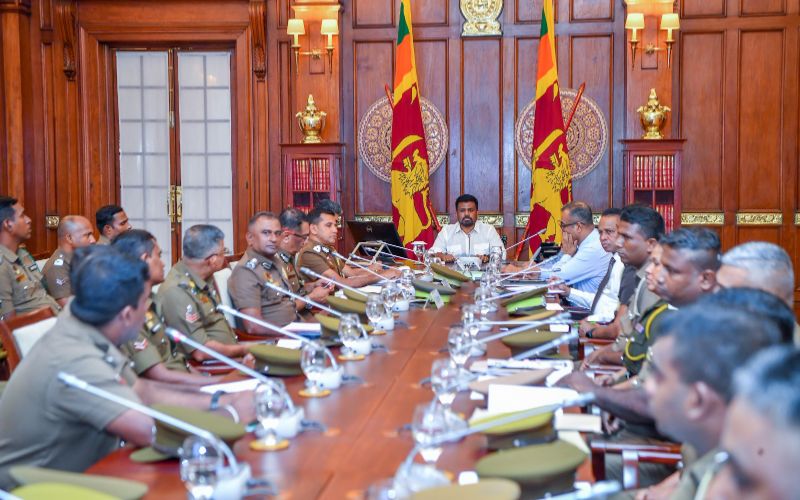
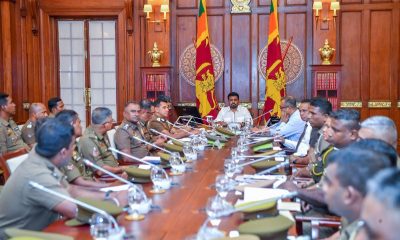
President Anura Kumara Dissanayake met with the officers of the Department of Prisons, including Superintendents of Prisons, Jailers and other officials, on Friday (17) afternoon at the Presidential Secretariat.
Extensive discussions focused on the challenges currently faced by the prison system and the urgent measures required to address them.
Special attention was also given to the recent incident at the Negombo Prison, with lengthy discussions held on the steps needed to prevent similar incidents from occurring in the future.
The meeting also addressed the challenges faced by prison officers and matters relating to their welfare.
The officials noted that this was the first opportunity they had been given to discuss their concerns directly with the President and expressed their appreciation for the opportunity.
Minister of Justice and National Integration Harshana Nanayakkara, Minister of Labour and Deputy Minister of Finance and Planning Anil Jayantha Fernando, Senior Additional Secretary to the President Roshan Gamage, Secretary to the Ministry of Justice and National Integration Ayesha Jinasena, Commissioner General of Prisons Prasad Hemantha Kumara, Commissioner of Prisons (Rehabilitation) S.K. Pallethanna, Commissioner of Prisons (Operation/ Intelligence) A.C. Gajanayake, along with a number of other officials of the Department of Prisons, were present at the meeting.
(PMD)
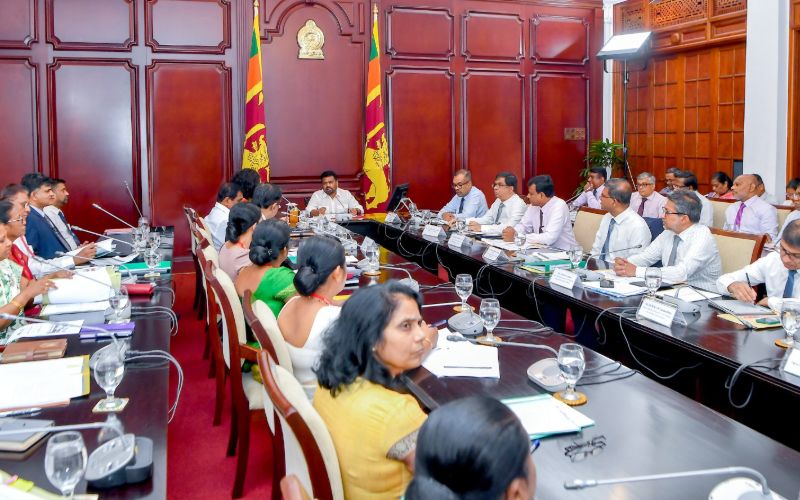
President Anura Kumara Dissanayake emphasised that greater priority must be given to strengthening Sri Lanka’s vocational education sector in parallel with the country’s ongoing education reforms, stating that the Government is prepared to allocate the necessary funding through the 2027 Budget.
The President made these remarks on Friday (17) during a meeting at the Presidential Secretariat to review the progress of projects implemented under the 2026 Budget allocations for the Ministry of Education, Higher Education and Vocational Education and to discuss the Ministry’s funding requirements ahead of the 2027 Budget.
A total allocation of Rs. 303 billion has been made to the Ministry under the 2026 Budget, comprising Rs. 160 billion for general education, Rs. 122 billion for higher education and Rs. 20 billion for vocational education.
The meeting reviewed the implementation of projects funded under these allocations, future plans and the Ministry’s funding requirements for the coming year. The President stressed that budget allocations should not be spent merely because they have been provided, but should instead be utilised in line with national priorities and identified needs.
Officials noted that the largest-ever capital allocation of Rs. 8 billion had been provided this year for vocational education. They also reported that 57,959 students had been enrolled during the first two quarters of the year across 310 Government vocational training institutions.
Particular attention was given to increasing the annual intake of students into vocational education institutions. Discussions also covered the allocation of a permanent site for the Ocean University, the gradual increase in student admissions to the University of Vocational Technology from next year and measures to expand both the number and quality of University Colleges across the country, enabling students in the regions to access technical degree and diploma programmes more easily.
The meeting also focused on programmes implemented under the general education sector. The President stressed that projects financed through foreign assistance should not become an unnecessary debt burden on the country, but should instead be undertaken only where they are aligned with Sri Lanka’s education policies and genuine national requirements.
Attention was also directed towards welfare programmes for schoolchildren. The President instructed that priorities be established to ensure that benefits reach those who genuinely require them based on the effectiveness of each programme. The President further noted that the President’s Fund remains ready to support scholarship programmes and instructed officials to prepare and submit proposals outlining such funding requirements.
The meeting also held extensive discussions on increasing the monthly financial assistance provided to students with special educational needs from 2026 onwards, as well as raising the allowances paid to student teachers at the National Colleges of Education.
Officials also briefed the President on issues relating to the existing student insurance scheme.
Discussions further focused on plans to invest Rs. 382 billion in the education sector during the 2027–2031 period to support its continued development. Particular attention was given to the proposed Digital Transformation Project, which forms part of this investment programme.
It was also noted that work has commenced on the rehabilitation of 20 schools and National Colleges of Education damaged by Cyclone Ditwah, with Rs. 1.9 billion allocated for the programme.
The meeting also agreed that teacher shortages, vacancies among non-academic staff and salary anomalies within the education sector should be addressed through a coordinated approach across the public sector. It was further agreed that a special commission would be tasked with recommending permanent solutions to these issues.
Prime Minister and Minister of Education, Higher Education and Vocational Education Dr. Harini Amarasuriya; Minister of Labour and Deputy Minister of Finance and Planning Dr. Anil Jayantha Fernando; Deputy Minister of Vocational Education Nalin Hewage; Secretary to the President Dr. Nandika Sanath Kumanayake; Chief of Staff to the President Prabath Chandrakeerthi; Senior Additional Secretaries to the President Russel Aponsu and Kapila Janaka Bandara; Secretary to the Ministry of Finance, Planning and Economic Development Dr. Harshana Suriyapperuma; Secretary to the Ministry of Education, Higher Education and Vocational Education Nalaka Kaluwewa; together with officials from the Ministry of Finance, Planning and Economic Development and the Ministry of Education, Higher Education and Vocational Education, were also present at the meeting.
(PMD)

MIWAYZ redefines Sri Lankan urban mobility with landmark launch

Iran accuses US of striking critical infrastructure as war intensifies

President meets with Department of Prisons Officials

Prioritize Vocational Education in future Education Planning – President

Davis cup Asia/Oceania Group IV 2026 to be held in Colombo from 20th to 25th July

Navy brings fisherman in distress off Pothuvil, ashore

‘Dates have the highest sugar content to fight Coronavirus’

Sunday Island 27 December – Headlines

#SundayIsland 17th December – Headlines

Sunday Island – 28th March

Sunday Island Headlines – 21 March

Sunday Island – 21st February – Headlines
-
 Features7 days ago
Prison riots and politics: NPP’s biggest challenge and Sri Lanka’s biggest opportunity
-
 Features4 days ago
Dirty Money
-
 Sports7 days ago
The banker who rescued Sri Lankan cricket
-

 Editorial7 days ago
Much ado about crime: Fish or cut bait
-
 Features7 days ago
More on Saudi Arabia: ARAMCO and beyond
-

 News2 days ago
Money laundering case against Yoshitha, fixed for pre-trial conference
-
 Midweek Review4 days ago
The sordid tale of theft and tragedy at Finance Ministry
-

 News19 hours ago
Dengue outbreak gallops ahead: Infections surpasses 73,455, leaving 50 dead