
Life style
Yasmine Gooneratne


BY Rajiva Wijesinha
A year has passed since the death of one of our most distinguished academics who was also a very good friend. I did not write about her then, for I was busy with looking after a contemporary of hers who was visiting from Canada. But I have kept thinking that I should record elements of our friendship since she was by far the Sri Lankan academic in the field of English to whom I felt closest. We never however worked together, for she had been in Australia for many years when I first joined Peradeniya, and the story I heard about her departure was from Tissa Jayatilleka, who was very much a votary of Ashley Halpe who headed the Deparment when I taught there.
The story went that there had been what both sides considered bad faith with regard to the Chair of English. But it was in fact well after Ashley had got it that Yasmine emigrated, in the climate of worry about academic freedom engendered by the higher education reforms of Mrs Bandaranaike’s second government. It may be remembered that they had brought all universities under one umbrella, with different campuses, and Kelaniya had become the centre for English, with only language teaching units even at Peradeniya.
Yasmine had by then moved to Australia, where she soon established herself as a leading scholar, in time receiving several honours from the Australian government. And she became a star in the field of Commonwealth Literature Studies, and a much revered participant at meetings of the Association for Commonwealth Literature and Language Studies.
I first met her at an ACLALS meeting in Singapore in 1986, when she invited me for lunch with the friends with whom she was staying. But I believe we had been in correspondence previously, for she had followed what I had begun doing at the British Council, in particular my promotion of Sri Lankan Writing in English along with the British concerns of the Council. And her great friend Lakshmi de Silva, who was one of the most devoted fans of the programmes I put on, kept her informed of what we were doing.
So she asked me, having heard of the dramatized readings I had put on, most spectacularly of Dickens and Kipling with Richard de Zoysa bringing their characters to life, whether I would launch her book Relative Merits at the Council with such readings. This was a memoir of her family, and it had delightful set pieces which lent themselves to the dramatic reading that Richard and my other great mainstay, Yolande Abeywira, were capable of.
We had a lovely programme, using the old ebony furniture from home that I had used for Dickens, and with masses of flowers from the Council gardens, which set the scene splendidly. We did it when Yasmine and her husband Brendon were in Colombo, and the programme was an enormous success, so that Yasmine expressed herself ever afterwards as being in debt to me. But in fact it was I who was grateful, for she helped me to make clear how important our products were within the great tradition of English writing.
She and I kept in touch in the years that followed, and I loved seeing her on her visits here and also at various conferences, in Canterbury and in Jamaica and also here, for ACLALS met in Colombo in 1995. That was the year the English Association decided to showcase our writers in English, and decided on three volumes, to celebrate fiction and poetry and drama.
I am not sure to whom we entrusted the last, and it never saw the light of day. That was perhaps no great loss for there was not much that was remarkable in that field, but I was very sad that the writers we had asked to describe our novelists and short story writers, for the volume I was in charge of, produced hardly anything by the required time. I think only mine, on Punyakante Wijenaike, was ready, and that had in the end to be published in a subsequent issue of Navasilu, the journal of the English Association.
But it was poetry that we were keenest on, for we had so many excellent poets. This volume we had entrusted to Neloufer de Mel, but she had to be constantly badgered, so that she in turn badgered her writers. And finally the book did come out in time for the ACLALS Conference, but to my surprise most of our critics simply slated the poets, and it was only my piece on Anne Ranasinghe that did justice to the living writers.
What was most embarrassing was the piece on Yasmine Gooneratne, though with her customary insouciance she simply remarked that she knew the writer, a Peradeniya don, could not write; she now realized, she said, that she could not read either.
That was typical of the wry sense of humour she evinced about everything, and talking to her about the vagaries of our English Departments was great fun. She was very fond of Lakshmi de Silva, though found her devotion to D C R A Goonetilleke odd, for he was an odd man. But she got on well with him, while she could still be uptight about Ashley Halpe. And though she agreed once to have him invited to an event she was to feature in, her husband Brendon, who was made of sterner stuff, told me that there was still resentment about how he had acted over the chair many years earlier, and it was best they should not meet.
Though I still do not know what happened, and who was hard done by, I had to respect this diffidence. But I knew resentment went deep, and Yasmine more than enunciated this when, in her first novel, A Change of Skies, which came out in 1991, she caricatured the Halpes. There had been an article about them which called them the von Trapps of Sri Lanka, after the family in ‘The Sound of Music’ and she lampooned them wickedly if entertainingly in the novel. I could see then that it was perhaps unwise to think of bringing them together.
Yasmine published two more novels over the years that followed. The first was called The Pleasures of Conquest and explored the impact of colonialism from different angles, beginning with the taking up by an American of a masseur who then returns to Sri Lanka as a guru. Her next novel, The Sweet and Simple Kind, is a critique of Sri Lanka and its politics, though there is also lyricism in her description of university life at Peradeniya, where she studied and then taught. Later on she developed the political satire of this novel in Rannygazoo, which she sent me in electronic form before she died. She wanted comments, but I find reading on a computer difficult and was waiting for a hard copy she said she would lend me, but that was not to be.
She was back in Sri Lanka then, having left Australia after her retirement. She and Brendon had a flat in Colombo initially, but they had also bought an estate bungalow which he wanted to turn into a writer’s retreat, having been to the Rockefeller Centre at Bellagio which is a blissful experience. The place, which he called Pemberley, in honour of Yasmine’s devotion to Jane Austen, was not far from Sabaragamuwa University, and he asked me if I could arrange a literary conference there so that their international invitees could get funding for their visit for the inauguration.
That was in 1999 and the conference duly took place and its proceedings were published by the Sabaragamuwa University Press which I had set up, mainly for textbooks for the students but also for such initiatives. And I still recall the splendour of the opening of Pemberley, for which the Australian High Commissioner Peter Rowe, who had become a great friend, came up, spending the night before at the Belihuloya Resthouse where we had dinner, along with Nirmali Hettiarachchi, a mainstay of early programmes at Belihuloya, and my former student Walter Perera, who went on to teach at Peradeniya.
That was an idyllic day, and then we had the conference, with a starring role for Meenakshi Mukherjee, doyenne of Commonwealth Studies in India, whom I had met when she was a resident in Bellagio in May 1993 when I was there. And she had been a marvellous host at a conference at Jawaharlal Nehru University in Delhi in 1997, just before I joined Belihuloya, so I was delighted to be able to put her and her husband Sujit up at Lakmahal after the Conference. Sadly I never saw them after that, for though I was often in Delhi they had retired to Hyderabad.
Though the Gooneratnes planned to spend much time at Pemberley, Brendon also bought a wonderful house in Colombo, a short distance away from Lakmahal, and I saw them there off and on over the years. I also once had lunch with Yasmine at Pemberley, for it was on the way to Diyatalawa, where while I was at Sabaragamuwa I coordinated the degree course of the Military Academy. I still recall the sheer joy of that meeting, from which I had to drag myself away for my teaching commitments.
I saw the Gooneratnes quite often over the next decade. They would drop in frequently on my father, of whom they were both very fond, and Yasmine made him the most beautiful sampler to celebrate his 90th birthday, yet another instance of her varied talent.
And I was deeply touched when I was one of the few guests Brendon invited to celebrate his 75th, or perhaps it was his 80th, birthday. This was at Ceytra House, the old mansion in Bagatelle Road which he had bought, a much better setting for them than the apartment they had initially got in Queen’s Road. These were both near to Lakmahal, within walking distance, and though I never went to the apartment I was at Ceytra House on and off in those years.
Both my father and I were both invited to the wedding of their son but that was in Kandy and by then my father could not travel far. But I went, and stayed with Derrick and Ayra Nugawela, who also attended. I remember the event best because, finding a massive queue at the lunch buffet, I decided to start with the desserts and found there Ena’s cousin Arjuna Aluvihare, the best UGC Chairman we have had, who had had the same idea.
The bride was the daughter of a niece of Ena who was known as Goatie. Though she was not part of the inner circle, she was there with me on the day Ena died, and I was holding her hand. Another niece, Chitty, born a Ratwatte, who had been with us on trips, had noticed that Ena was dying and could not bear to stay, but fortunately Goatie had not and so I was not alone.
There was a child of the marriage, but it was not a happy one, and then the son died. Brendon was shattered, and could not stop crying when I went to condole, though Yasmine was more stoic. Fortunately their daughter Devika proved a tower of strength to them at this time and thereafter.
When Covid struck they isolated themselves in the Haputale hills, with elaborate protocols when the situation eased, for they wanted to be absolutely sure that visitors would not bring any infection. I planned once to visit them but some crisis intervened and I could not make it, and then Brendon died. He had contracted a different infection but in the Haputale hospital he was exposed to covid and the complications proved too much.
I think they did not come to Colombo for some time so I could not condole in person. I had realized over the years how very close they were, and I do not think Yasmine could have done as much as she did without his support. But he too was an intellectual in his own right, and though a doctor had worked with her on historical writing, in particular a sensitive biography of Sir John D’Oyly, who had associated with the Sinhala poet Gajaman Nona.
But perhaps the most important element in their relationship was that noted by Yasmine in the appreciation she penned, when having expanded on his other qualities she wrote that she loved him most because, as Jane in the William books had said, he made life so exciting.
Yasmine Gooneratne stayed in touch by email over the next couple of years after Brendon died though once again an attempt to see her at Haputale failed, as covid virulence varied. Then, when finally she and Devika moved back to Colombo, I was asked to drop in at their house in Bagatelle Road, but it was some time before we could fix a date and time when she was free and I could leave the house.
But the wait was worth it for we had the most delightful conversation over a sumptuous tea that she had prepared for me, eating hardly anything herself. Devika tactfully stayed away, so we could talk, though she dropped into the room for a bit before going out.
We talked about everything, ACLALS conferences all over the world, the launch of Relative Merits at the British Council, her time at Peradeniya as both student and then lecturer, changes in Sri Lankan academic standards and the joy she had experienced in Haputale when there was just the family together during the corona restrictions. She had adjusted to Brendon’s death though it was clear she still missed him, but she was also deeply grateful to Devika for the care she took of her.
She told me about her latest novel, and wondered if she should publish it. It was political and it seemed she had put into it a number of active politicians including, she seemed to suggest, my cousin Ranil who had by now become President even though he had not been voted into Parliament at the 2020 General Election.
An earlier novel, The Sweet and Simple Kind, had veered towards politics in its conclusion, with the preposterous antics of its heroine Latha’s cousin and his step-mother, whom she had called Moira Wijesinha. Latha eventually marries the younger brother who, with his sister Tsunami, are estranged from their power hungry sibling and Moira, who rises ever higher after the death of her husband, in a scarcely disguised reference to the ascent of Mrs Bandaranaike.
The new novel, called Rannygazoo, took up the tale with Moira by now Prime Minister, but unfortunately Yasmine did not have a hard copy. She emailed me a soft copy and asked for my views, but I find reading on a computer difficult and could not manage a full novel.
She said she would pass on a hard copy when she got it from Haputale but alas that did not happen. I had hoped to drop in again, but before I could my friend Nirmali Hettiarachchi called to say Devika had rung her to say Yasmine was in hospital. We went to see her, but she was not conscious and it was clear she would not survive and we knew this was the last time we would see her.
But it is not the figure in hospital that I remember, but the vibrant personality that still continued to shine through at that last tea together in the grand drawing room at Ceytra House, the suitable setting Brendon had found for her for their retirement to Sri Lanka, a pendant to the verdant beauty of Pemberley. And there still remains Rannygazoo, which I shall try to read online, to revive memories of mordant wit and great joy in life.

Life style
A nation comes together: Business, compassion and public service unite to protect Sri Lankan women from cervical cancer
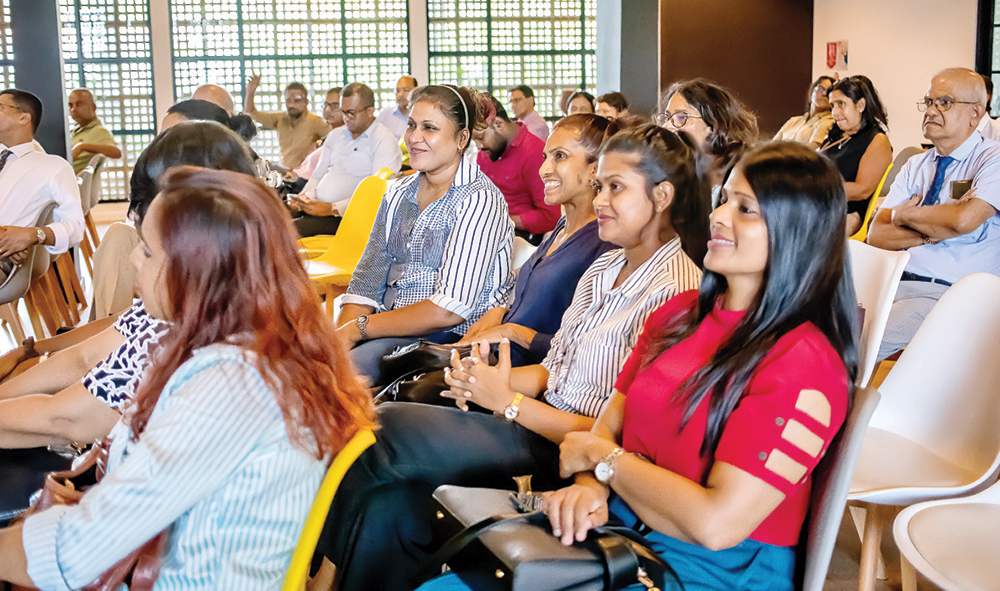
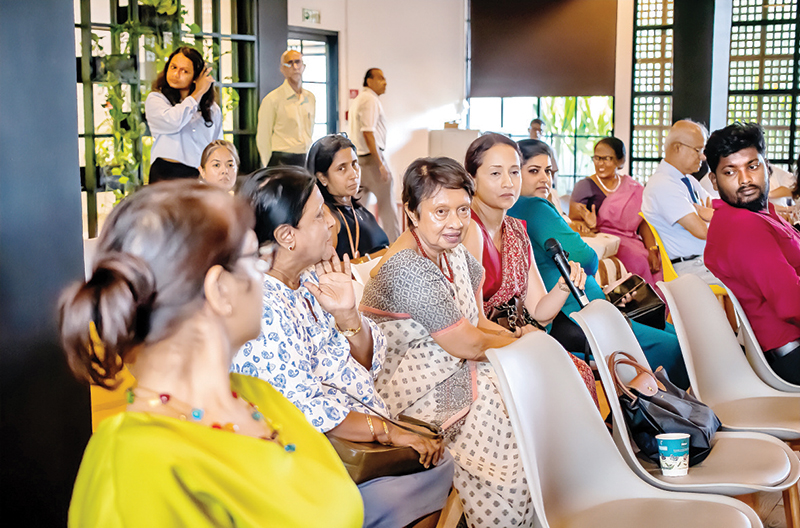
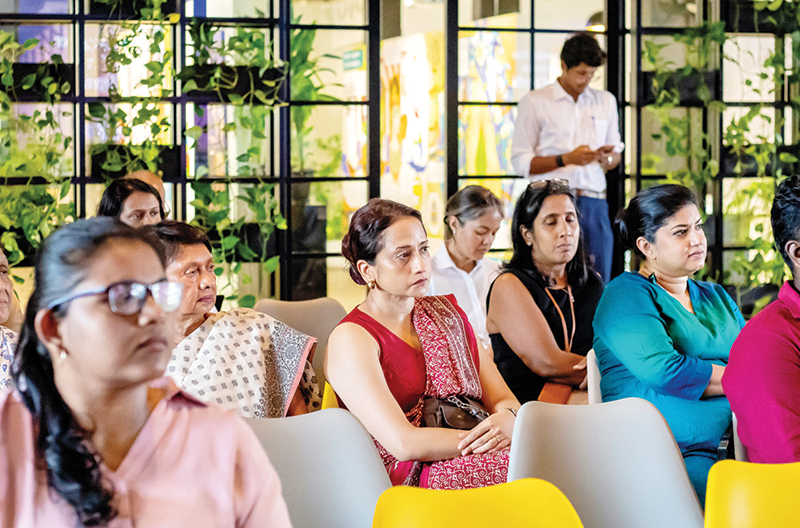
In an emotionally charged and inspiring gathering that brought together business leaders, healthcare professionals, philanthropists and community organisations, Sri Lanka, this week, reaffirmed its determination to defeat one of the country’s most preventable yet devastating diseases—cervical cancer.
The event was more than a formal announcement of financial assistance. It was a story of legacy, compassion, partnership and hope. It was also a reminder that when private enterprise, government institutions and civic organisations stand together with a shared purpose, lives can be saved and futures protected.
At the centre of the initiative was a renewed commitment by Dilmah and the Fernando family to continue funding cervical cancer screening programmes, in partnership with the Ministry of Health and Rotary.
The programme, which has already helped thousands of women through early detection, will receive a further Rs. 50 million this year, enabling 20,160 additional screenings.
This follows an earlier Rs. 75 million commitment made in January 2024 under a Memorandum of Understanding signed between Dilmah, Rotary and the Ministry of Health.
A Son Honours a Father’s Vision
Delivering one of the most moving speeches of the event, Dilmah Chairman/CEO Dilhan C. Fernando reflected on the values of his late father, Merrill J. Fernando, founder of Dilmah, whose philosophy continues to guide the company.
Fernando said his father began his journey in 1950 not merely to create a successful tea business, but to build a company that would improve lives and protect nature.
“My father started on a mission to make the world a better tea,” Fernando said. “Now, better tea is always welcome because it implies good taste, but his vision was quite different. It was about tea that would have an impact on the lives of people and on natural ecosystems.”
He said he and his brother Malik were blessed to steward a business that values kindness to people and the environment as much as profit.
“Businesses do not exist to make profit. Businesses exist to create value,” he said. “Value begins with people and livelihoods. It continues through nature, which is an inextricable part of welfare. And if you get those two right, then you have the right to secure economic value.”
Fernando said learning that hundreds of Sri Lankan women were dying annually from cervical cancer—an entirely preventable disease—was deeply disturbing.
“It was something that was really quite abhorrent to us,” he said. “An entirely preventable form of cancer should not be taking so many lives.”
He said the contribution was not about publicity or recognition.
“We announce this not to boast, but in appreciation of all those who made it possible, particularly my father, because that is how it is possible for us to make this assistance.”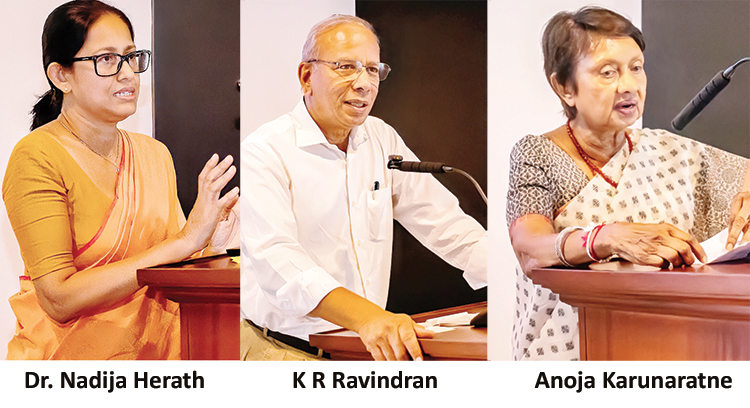
Thousands of Lives Already Touched
Fernando said the true value of the investment could not be measured in rupees alone.
“That value may seem like a big number, but it is insignificant when you consider that it has saved thousands of women from the scourge of cancer and in many cases helped them avoid late-stage disease.”
He praised Sri Lanka’s healthcare system for maintaining an admirable record, despite national hardships.
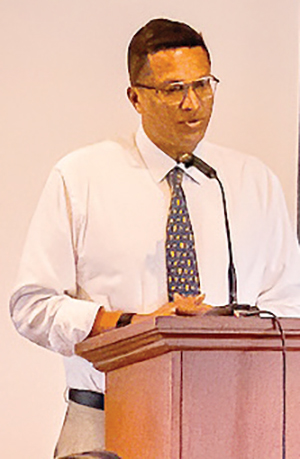
Dilhan C Fernando
“Whatever anyone may say about systems or governance, the fact is Sri Lanka’s healthcare system has an enviable track record,” he said.
Rotary’s Promise of Early Detection
Representing the Rotary Club of Colombo, former Rotary International President K.R. Ravindran delivered a powerful message on the life-saving power of partnerships.
“This is not a discussion. This is a promise of early detection,” Ravindran said. “Cancer, especially cervical cancer, does not arrive with a bell ringing or a warning. It whispers, and so often by the time it is heard, it is too late.”
He spoke emotionally of the grief caused by delayed diagnosis.
“For millions of women, that whisper is a devastating reality. Families left grieving—that is the reality.”
Ravindran recalled how Rotary had earlier established a stand-alone early detection centre offering free screening for breast, cervical and oral cancers. Through those efforts, more than 120,000 women had access to screening.
“During that journey, we learned something profound,” he said. “Early detection is not just saving lives. It transforms fear into hope, into possibility.”
That experience led Rotary to intensify efforts against cervical cancer, supported by overseas partners who introduced expertise and advanced screening technology.
A Crisis That Nearly Stopped Progress
Ravindran revealed that Sri Lanka’s financial crisis nearly derailed the programme when funds for HPV testing kits became unavailable.
“Without the money, the whole thing would have gone awry,” he said.
It was then, he said, that Dilmah stepped in.
“They did something far greater than simply giving money. They made scale possible. They made continuation possible. They made impact possible.”
He paid tribute to Merrill J. Fernando’s values.
“He believed business was a matter of human service. It was not just about making money. He did not just speak it. He lived it.”
He added that Dilhan Fernando had strengthened that legacy through direct leadership and compassion.
Sri Lanka Can Lead the World
Ravindran said Sri Lanka has every reason to believe it can become one of the first countries in the world to eliminate cervical cancer by 2030.
He cited the country’s literacy, school vaccination programmes, far-reaching public health system and highly respected midwife service.
“One thing we have to be proud of is our public health service,” he said. “And we have an excellent midwife system. If you involve the midwives, you are effectively empowering the community.”
He concluded with a message of hope.
“I think this country can become one of the first countries to be rid of this disease. Perhaps one day no woman in Sri Lanka will ever again hear the whisper of cervical cancer.”
Science, Prevention and Public Health
Consultant Community Physician Dr. Nadija Herath, of the Family Health Bureau, explained that cervical cancer is caused mainly by persistent infection with the Human Papillomavirus (HPV), which can take years to develop into cancer, if left untreated.
She said this makes screening especially important because pre-cancerous changes can be detected and reversed.
“The most important thing about this cancer is that it is preventable,” she said. “If identified early, women can be fully cured and live normal lives.”
Sri Lanka’s Well Woman Clinic programme, introduced in 1996, currently focuses on women aged 35 and 45.
Dr. Herath said the country is now expanding the use of HPV DNA testing, which offers much higher sensitivity than traditional methods.
She added that outreach clinics in factories and underserved communities would be strengthened, ensuring women can access services close to where they live and work.
Cancer Society Calls for Social Change
President of the Sri Lanka Cancer Society, Anoja Karunaratne, said awareness and stigma remain serious barriers.
“We need to take this message beyond hospitals and clinics—into schools, workplaces, religious institutions and community groups,” she said.
She stressed that women should view screening as a normal and responsible part of healthcare.
“Women must not fear screening. They must see it as routine care that can save their lives.”
A Partnership with Purpose
Throughout the event, one theme stood above all others—the power of unity.
Government institutions brought infrastructure and expertise. Rotary brought leadership and international support. The private sector brought resources and purpose. Civil society brought compassion and outreach.
Ravindran summed it up simply:
“This is not just institutions coming together. It is values coming together.”
“When governments, civil society, global networks and responsible businesses all come together, we do more than fight disease—we change destiny.”
Hope for Every Woman
As Sri Lanka moves toward the World Health Organisation goal of eliminating cervical cancer as a public health threat by 2030, the gathering offered more than policy announcements. It offered confidence that progress is possible.
It reminded the nation that some of the greatest victories are won not in boardrooms or conference halls, but in clinics where disease is detected early, in families spared grief, and in women given the chance to live healthy, full lives.
And in that shared effort, Sri Lanka may yet become a global example of what compassion, courage and collaboration can achieve.
By Ifham Nizam
 By Dr. Aruna Caldera, Consultant Rheumatologist MBBS, MD, MRCP (UK), MRCP (Rheumatology)
The word arthritis comes from ancient Greek. “Arthron” means joints; “itis” means inflammation; so, arthritis means inflammation of joints. Arthritis is one of the commonest disease categories which effect man. Some forms of arthritis may not even require any form of specific treatment, whereas some may even kill you.
Among long-term arthritis conditions, the most serious is rheumatoid arthritis. This disease occurs due to genetic variations that cause the immune system to malfunction and produce antibodies against the joints, leading to joint damage. We call this process, auto immunity; in simple words, your immune system which is supposed to protect you, starts to work against you.
If proper treatment is not started on time, the progression of the disease will be extremely difficult. Without proper treatment, it can make life miserable and may even lead to premature death.
Rheumatoid arthritis is a chronic, systemic inflammatory disease. Joint involvement is only one part of it. In simple terms arthritis is not limited to the joints. This is why relying only on ointments or topical treatments can lead to extra-articular (other organ) damage some of which could be catastrophic and lead to premature death.
If untreated, inflammation damages the joints—causing deformities, cartilage loss, and involvement of more joints over time. Complications usually appear after 10–15 years. Those who don’t understand, or refuse to believe this, often rely on short-term fixes and, unfortunately, will suffer later.
Eventually, joint deformities can become so severe that a person may not be able to walk without aid, button clothes, dress themselves, go to the toilet independently, open a bottle, or even open a door.
There are several types of rheumatoid arthritis:
Classical rheumatoid arthritis:
Affects small joints (fingers, wrists) and large joints (elbows, ankles, knees). Symptoms include morning stiffness, joint pain, swelling, weak grip, and fatigue.
Palindromic rheumatism
: Sudden joint pain (and swelling) that disappears within hours or days. Many of these patients may later develop classical rheumatoid arthritis. However, treatment can reduce this risk of progression to classical type. Medication may be needed even when symptoms are absent.
Monoarticular rheumatoid arthritis:
Affects a single joint. It is often mistaken for other conditions like gouty arthritis or osteoarthritis. Without proper treatment, it can destroy the joint and later progress to classical rheumatoid arthritis. Commonly affects larger joints, like knees, ankles, hips, and shoulders.
Polymyalgic onset (proximal) rheumatoid arthritis:
Seen in older individuals and even could be missed by clinicians. Patients usually complain of stiffness in both shoulders rather than joint pain or swelling.
Most patients experience morning stiffness (difficulty moving joints after waking) and joint “gelling” (stiffness after rest). Stiffness can last from minutes to hours and is caused by inflammatory substances accumulating in joints during sleep and rest.
Other symptoms may include whole-body pain, fatigue, weight loss, mild fever, depression, fibromyalgia (generalised wide spread pains)
Rheumatoid arthritis affects the whole body. The effects on other organ systems are identified as” extraarticular manifestations”. Most organs can get involved in poorly controlled disease. Some of the common manifestations include,
Skin vasculitis rashes and skin nodules
Lung disease (interstitial lung disease)
Heart disease (ischemic heart disease)
Osteoporosis
Eye problems which can even cause blindness (uveitis, scleritis)
Nerve disorders (polyneuropathy, mononeuritis)
Dry mouth (Sjogren’s syndrome)
About 40% of patients may develop such complications. The only way to reduce them is timely treatment.
In addition to joint swelling, the whole hand may swell like wearing a boxing glove. Swelling in the wrist can compress the median nerve, causing carpal tunnel syndrome (numbness in fingers). Surgery should not be rushed—arthritis must be treated first.
The disease can even affect the upper spine (neck joints). Neck pain along with other joint pain should not be ignored. In simple terms, rheumatoid arthritis can affect almost any joint except most parts of the spine.
No blood test is required to suspect or even diagnose rheumatoid arthritis. In some patients the rheumatoid factor antibody test will never be positive (seronegative rheumatoid arthritis). Waiting for lab confirmation before starting treatment is an unwarranted delay.
Some tests may show abnormalities:
Rheumatoid factor antibodies, Anti-CCP antibodies, ANA may be positive
ESR and CRP may be elevated
Haemoglobin may be low (anaemia of chronic disease)
Platelets may be high
Blood tests are more useful for monitoring treatment and medication safety rather than initial diagnosis. One important fact we must realise is the titre of the antibody test positivity has no correlation to disease activity and we cannot use the antibody titres to evaluate the response to treatment.
There are treatments that can even bring the disease into remission in no time at all. However, patients who delay treatment, take insufficient doses of medicines, stop medication early, follow inconsistent treatment, or rely on unscientific treatment methods are unlikely to achieve this.
Proper treatment involves starting with stronger medications and gradually reducing it as the disease improves. Simply controlling symptoms, without addressing the disease progression, is not enough; that is why using pain killers and prednisolone only cannot prevent extraarticular manifestations.
The first goal is on-drug remission. After that, patients should continue medication for more than 12 months without symptoms before gradually tapering. Stopping/tapering medications too early often causes relapse, which is a major reason why many patients fail to recover. Some patients may relapse even after stopping medication, but modern treatments allow long-term control without harm and sustained, drug-free remission in other patients. Most novel therapies are available in Sri Lanka as well.
The medications used are called DMARDs (Disease-Modifying Anti-Rheumatic Drugs). These do not just control symptoms—they change the course of the disease. Most patients respond to conventional DMARDs, but if not, biologic or targeted synthetic DMARDs should be started early—not after joint damage occurs. These treatments are available in Sri Lanka. Without consulting rheumatologist, patients may not receive these advanced forms of novel treatments.
Having rheumatoid arthritis is like being trapped in a room with a venomous snake. As long as you stay alert, you can avoid harm—but if you ignore it, it will strike. The disease must be treated at any cost. The choice is yours. With proper treatment initiated early, you can live a normal life. Ignoring the disease will not make it go away. Misinformation by people who aren’t aware of the severity of the disease and medications used often causes patients to avoid ideal treatment, leading to worse outcomes.
There is no point worrying after diagnosis; see a specialist early and seek treatment. You can live a normal life. Even pregnant or breastfeeding mothers can be treated safely without harming the baby. The precious time you waste starting a DMARD will definitely impact the final outcome.
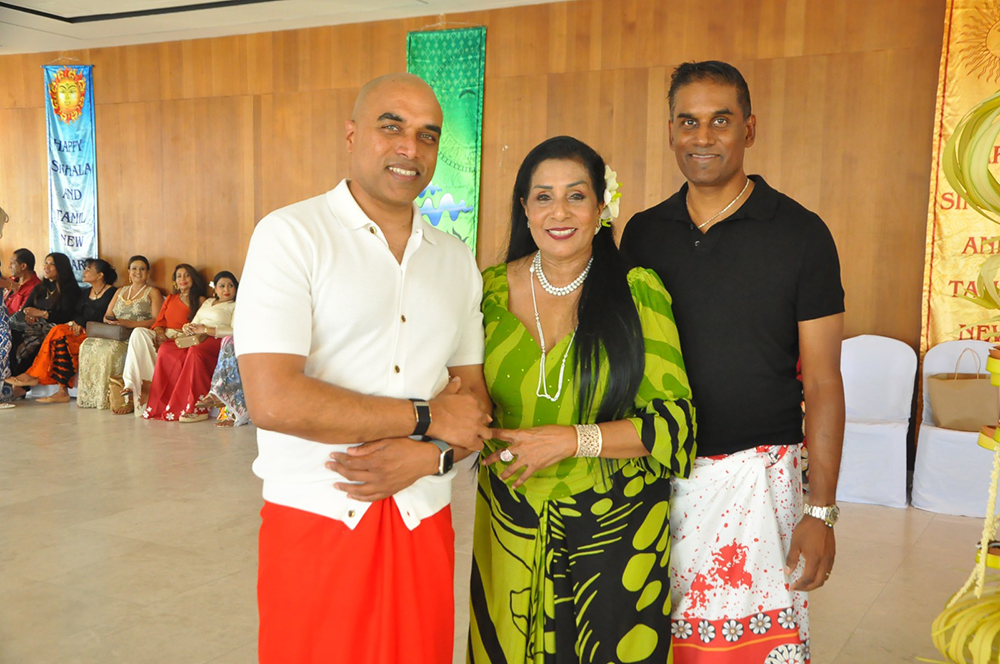
The Sinhala and Tamil New Year stands as one of Sri Lanka’s most significant cultural observances, marking not only the transition of time but also a collective moment of renewal, reflection and togetherness. The Sinhala and Tamil New Year is deeply rooted in age old customs that continue to shape both domestic life and wider social culture across the island. Priyanthi Fernando brought the spirit of Sinhala and Tamil New Year to life, hosting a thoughtfully curated Avurudu celebrations that brought together elegance, culture and the timeless spirit of togetherness. The Sinhala and Tamil New Year festivities were held at Colombo City Centre, followed by a strong service of cultural authenticity. The event unfolded with traditional observances carried out in glamour and style. The atmosphere was warm, yet distinctly elegant, with carefully curated details. Priyanthi embraced tradition in a striking reddai hatta, even the invited guests embraced the occasion in equally colourful ensembles that added a rich, cultural vibrancy.
The food presentation added to the charm of the evening, with a beautifully arranged spread of Avurudu delicacies.
The gathering blended festive decor with familiar Avurudu touches, games sweet meat spreads. and a musical backdrop inspired by local rhythms. Both men and women opted for the national attire, while traditional sweets, such as kavum, kokis, aluwa and mung kevum, were among the food highlights, alongside other savories and contemporary bites.
Adding to the celebrating tone were the traditional Avurudu games which brought moments of laughter and friendly competition. As the Avudu Kumari was announced, the evening reached its natural clima, filled with smiles photographs and applause. The gathering captured the true essence of Avurudu with warmth and celebrations.
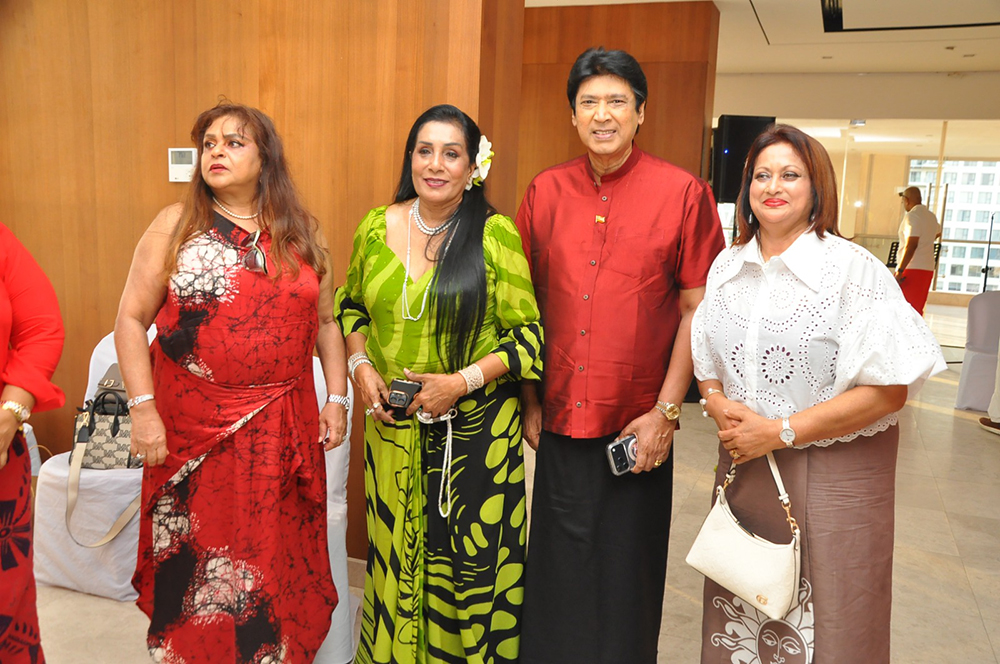
Avurudu vibes with singer Kirthi Pasquel
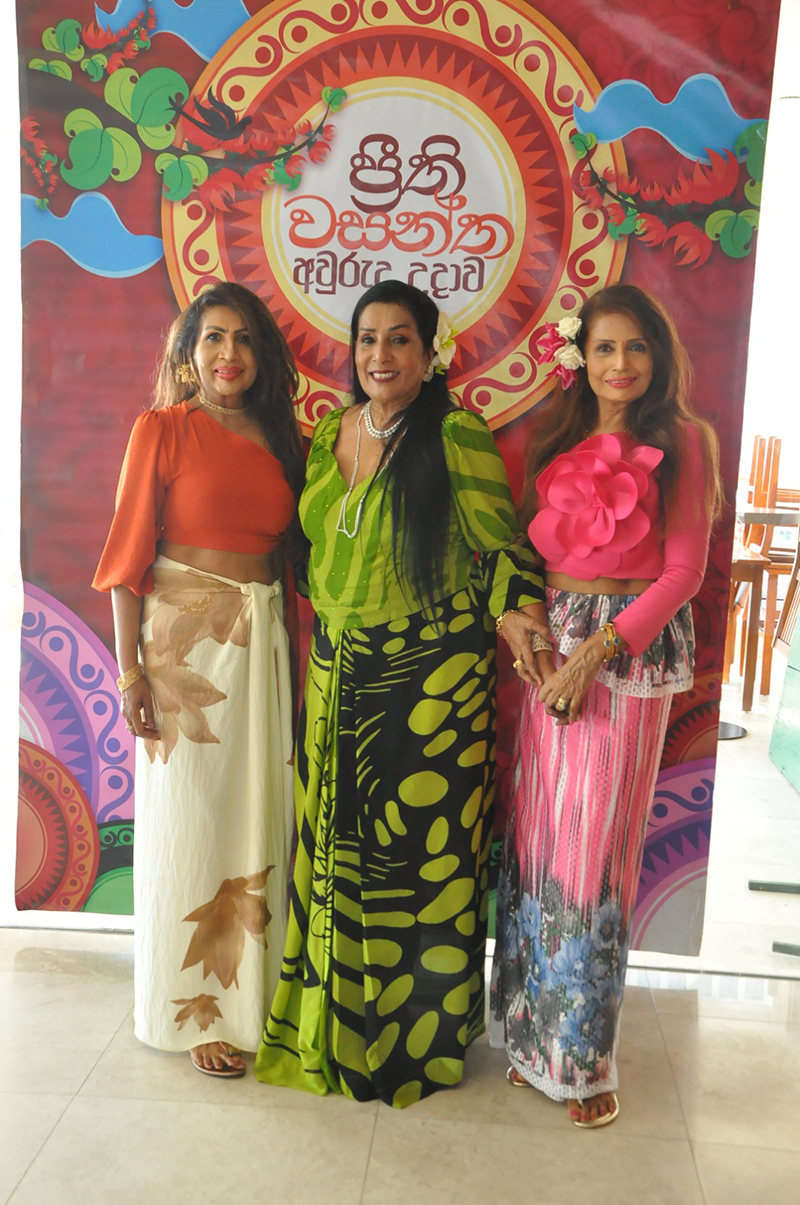
Predipika, Preethi and Ramani Pelpola
-
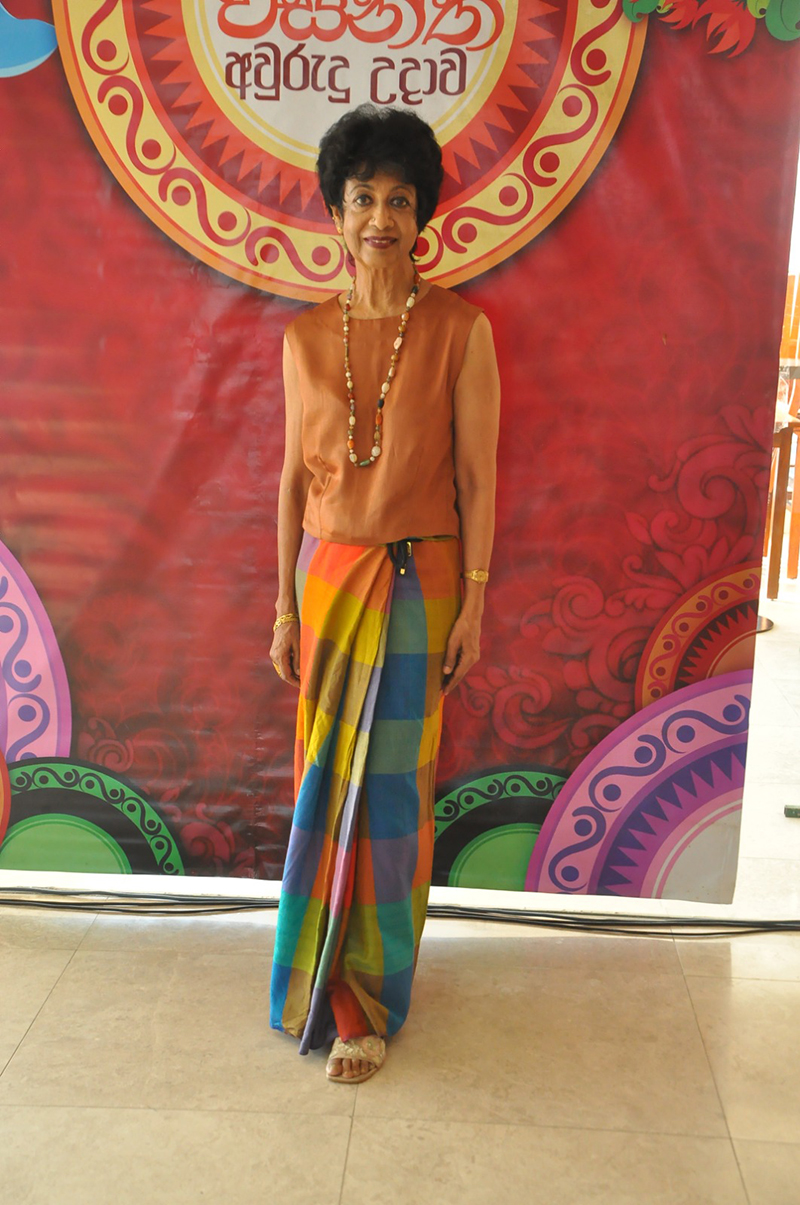
- Zarina
-
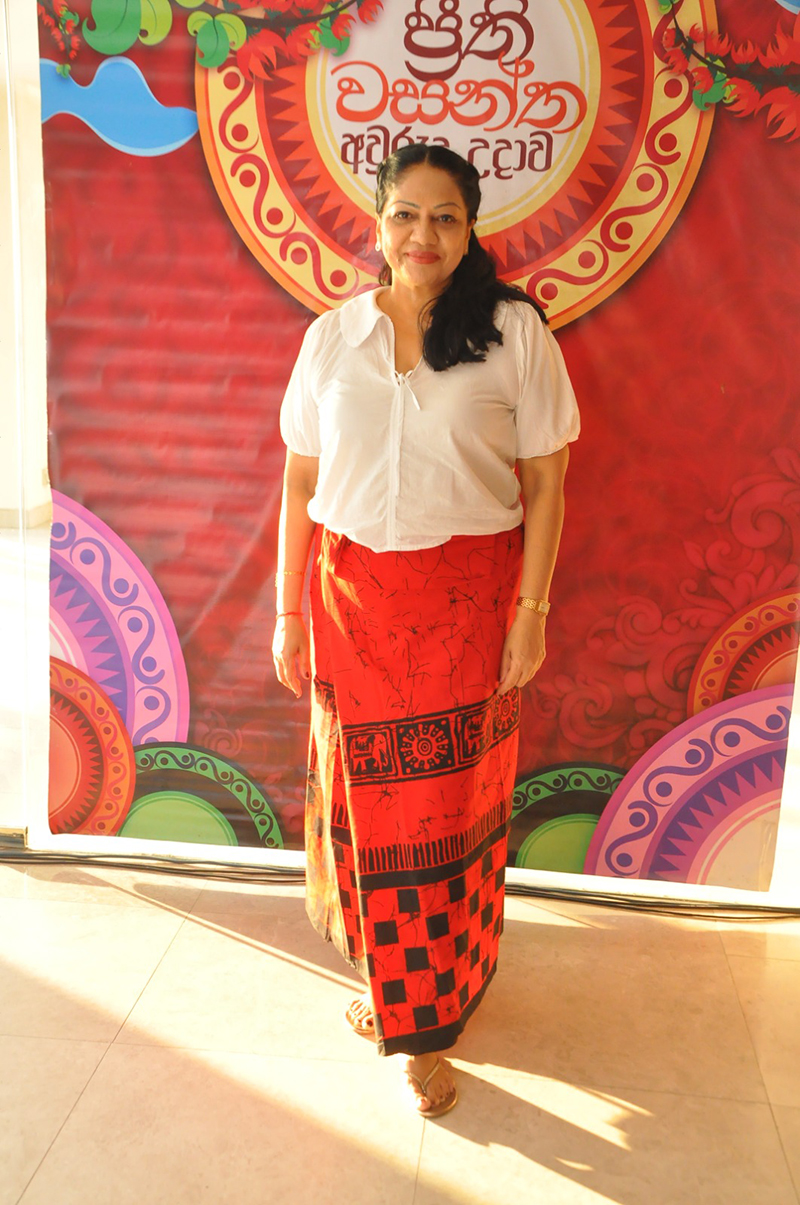
- Onitha Gurugalle
-
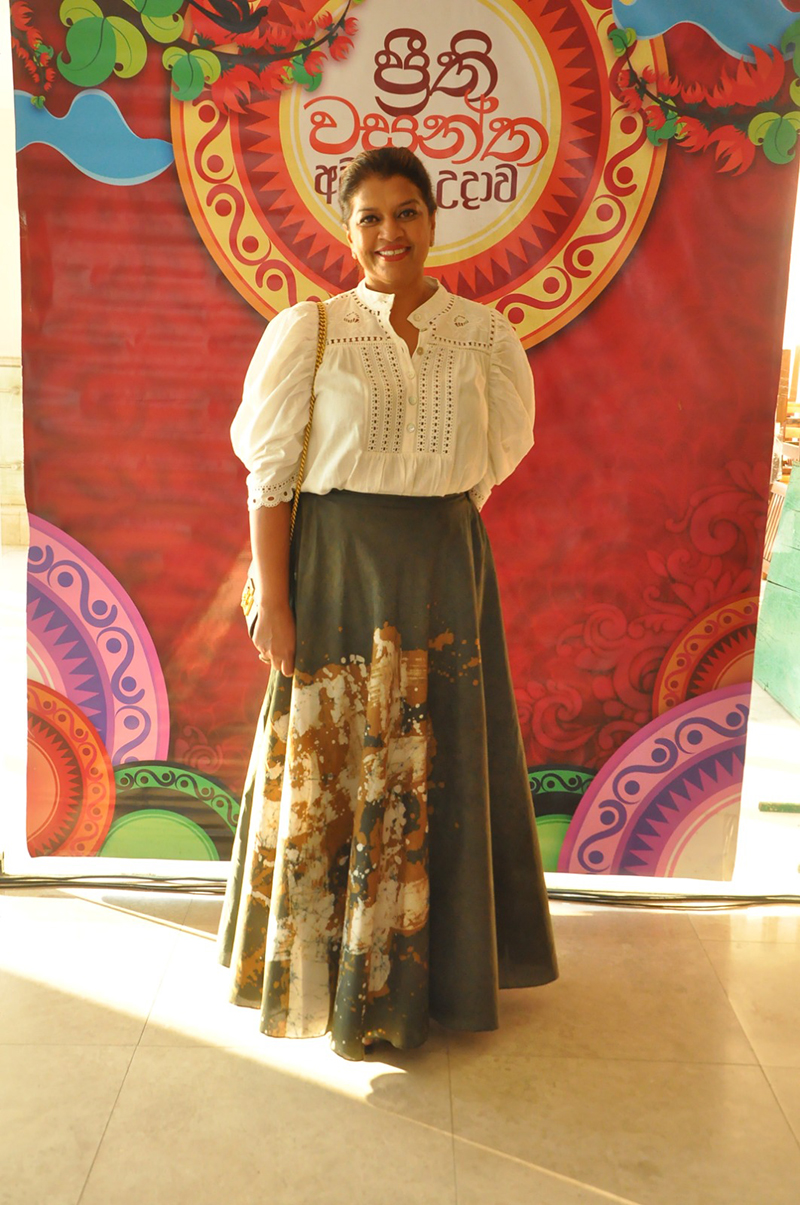
- Sujeewa Nelson
-
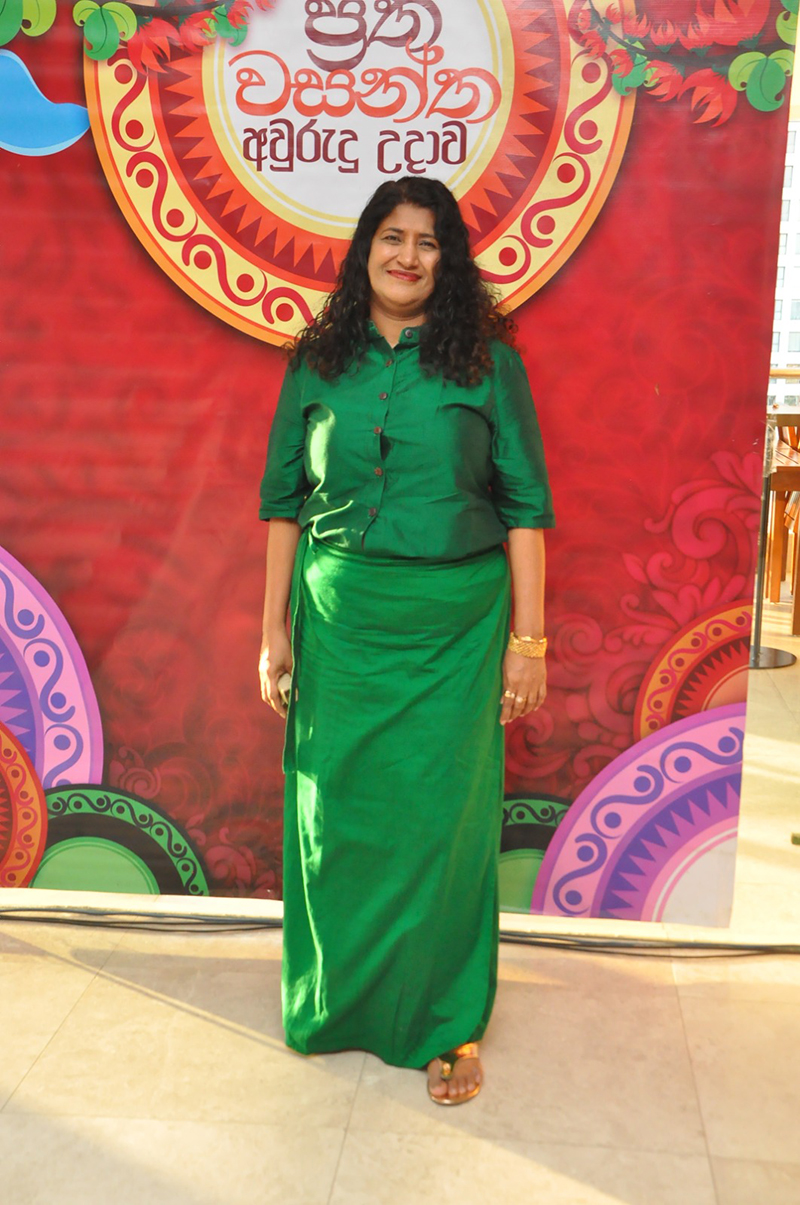
- Guest in national attire
-

- Sheila
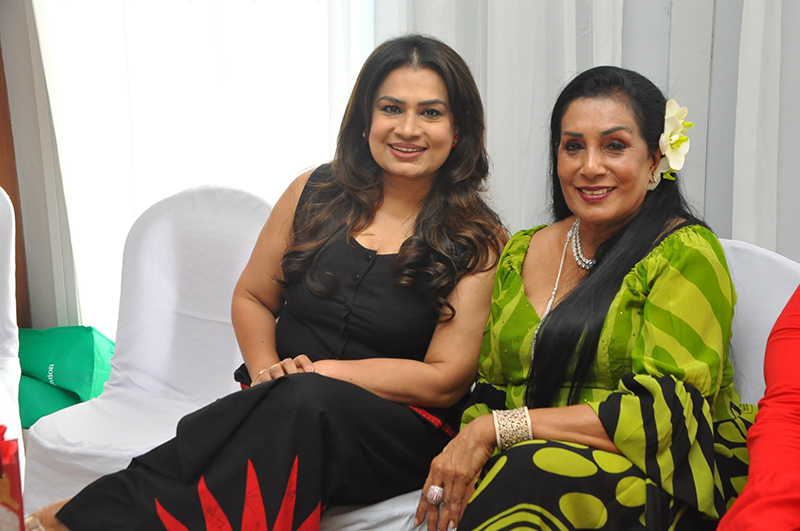
Shereen Kumaratunga
Pix by Thushara Attapathu

Trade, Investment and Tourism Cooperation Forum strengthens economic ties between Sri Lanka and Vietnam

Accelerate projects related to resolving the public’s drinking water issues – President Instructs Officials

President of Vietnam and delegation departs Sri Lanka

Trump announces three-day ceasefire in Russia-Ukraine war

Heat Index is likely to increase up to ‘Caution level’ at some places in the North-central and Eastern provinces and in Mannar, Vavuniya and Monaragala districts during the daytime

Finn Allen’s 47-ball ton powers Kolkata Knight Riders to huge win over Delhi Capitals

‘Dates have the highest sugar content to fight Coronavirus’

Sunday Island 27 December – Headlines

#SundayIsland 17th December – Headlines

Sunday Island – 28th March

Sunday Island Headlines – 21 March

Sunday Island – 21st February – Headlines
-
 News3 days ago
MIT expert warns of catastrophic consequences of USD 2.5 mn Treasury heist
-
 News5 days ago
CJ urged to inquire into AKD’s remarks on May 25 court verdict
-

 News6 days ago
USD 3.7 bn H’tota refinery: China won’t launch project without bigger local market share
-
 News7 days ago
Easter Sunday Case: Ex-SIS Chief concealed intel, former Defence Secy tells court
-

 Business7 days ago
Dialog Surpasses 1,000 5G Sites, Strengthening Nationwide 5G Coverage
-

 Editorial3 days ago
Clean Sri Lanka and dirty politics
-

 Editorial6 days ago
Deliver or perish
-
 Opinion5 days ago
Security, perception, and trust: Sri Lanka’s delicate balancing act