
Business
‘Sri Lankan tea’s current crisis only reinforces the value of productivity-linked wages’

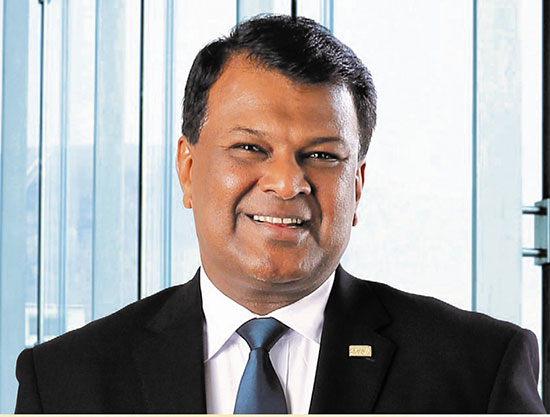
By Dr. Roshan Rajadurai
“An incentive is a bullet, a key: an often tiny object with astonishing power to change a situation”
– Economist, Steven Levitt
Almost 7 months from the Government’s initial decision to ban the import and use of synthetic fertilizers and as at the date of this publication, Sri Lanka’s entire agriculture and plantation economy is still frantically in search of any viable option to mitigate the threat of declining yields.
Without any prior planning or notice, our entire sector has been coerced into blindly participating in the most unscientific experiment ever attempted in Sri Lanka’s history. We are all left to now anticipate what the implications of an immediate, nation-wide halt to all established and essential best practices relating to plant nutrition, pest, fungus and weeds will be.
We are told that arrangements are being made to import organic fertilizer from various, untested sources, and agreements are minted to produce organic fertilizer locally, much akin to attempting to rebuild an airplane while it is still in flight. Nevertheless, the inconvenient truth remains. At present, all supplies of “organic” and inorganic fertilizer are in short supply.
Stocks which are available, have increased in price owing to both supply-demand dynamics, disrupted supply chains and unprecedented increases in landed costs. These escalating payments are making Sri Lankan tea’s already high cost of production (COP) even higher, which is placing Sri Lankan plantations under even further stress. This a few short months after an increase in worker wages was thrust through the Wages Board.
Sri Lankan tea’s strange new normal needs to be re-evaluated immediately
With the end of the year approaching, and the window for fertilizing crops closing, it appears that the industry will be locked into at least one – if not more – growth cycles absent basic nutrients of Nitrogen, Potassium, and Phosphorus, and with no ability to control pests and weeds. Without immediate solutions, the broad consensus among those with expertise is that we can start to see exponentially worse crop losses starting from the end of 2021, hitting approximately 40% by next year.
If RPCs were to have disregarded basic agronomic practices and norms in such a manner of their own volition, it would have been called criminal mismanagement. With agricultural best practices now being roundly ignored in favour of a largely undefined and unplanned strategy for transforming Sri Lanka into a nation with “100% organic agriculture”, this historic, and intentionally misinformed self-sabotage is being repackaged as visionary and progressive.
Meanwhile, the nation’s best agricultural experts are being ignored or in the case of Prof. Buddhi Marambe, sidelined and silenced, on the grounds that he simply stated scientific facts regarding the current agro-chemical ban and had been consistent in doing so, because he had previously spoken up against the previous Government’s disastrous decision to suspend glyphosate imports.
This was a policy which resulted in the rejection of Sri Lankan tea exports as a result of issues with Maximum Residue Limits (MRLs), and caused the permanent loss of extremely high value markets in Japan, and a similar escalation in costs; all without a single shred of scientific evidence being provided to justify the lasting damage caused. As a result, the Government of the time was compelled to backpedal on its decision, but not without irreversible damage being done for no apparent reason.
This “justification” highlights a dangerous trend of politicization of science. If the science does not agree with politics, then it now appears acceptable to simply dismiss the scientists, rather than engage with facts and ground realities.
A simple extrapolation shows a grim future for workers
Regardless of short-term political expediency, reality has a way of asserting itself. Spread across 14 districts, the tea industry alone provides direct employment to over 600,000 people engaged in cultivation and processing and indirect employment to a further 200,000 involved in the supply chain. The sector provides complete livelihood support for a resident population of one million in Regional Plantation Companies (RPCs) and 450,000 Tea Smallholders with one million dependents, hence supporting a total population of nearly 2.5 million.
When considering both employment and livelihood generation, it is estimated that the industry sustains more than 10% of our national population and its net foreign exchange earnings are only second to the garment industry.
Even if “organic” fertilliser is made available, there are still serious concerns as to whether it can provide sufficient nutrients. Hence, it appears that the writing is on the wall. With insufficient nutrients as a result of the unplanned push for organic, we anticipate a series of cascading failures stemming from a collapse in productivity. No amount of rhetoric will be able to turn back the tide of negative sentiment against such developments.
If not land productivity, at least labour
Unlike the garment industry, where progressive incentive structures were allowed to flourish, in our industry, workers remain bound to an outdated colonial era daily wage model. As a result, unlike the dynamism of the apparel sector, Sri Lanka’s plantation sector is also weighed down with one of the lowest labour productivity rates in the world. The combination of low land and labour productivity will create a series of cascading failures.
The only measure that could at least temporarily mitigate this dynamic is the implementation of productivity linked wages. This is a model which has the support of all RPCs, and which was has been widely practiced with tremendous success by tea smallholders. While they have been implemented with ease in low-mid grown estates, it is only in the high-grown regions, where resistance to these models has been encountered.
Crucially, this resistance is not from workers who have experience with productivity linked wages, but rather with Trade Unions who would likely lose relevance if such models were implemented. The benefits for workers are immense. In addition to creating a potential monthly earnings per worker of between Rs. 37,000-Rs 62,000, under previous proposals advanced by RPCs.
This will also give workers flexi-hours, empowering them to choose when and how they work. Given the labour shortages prevalent across the entire tea industry, such a move would at long last incentivize workers effectively, and reward them for achieving their full individual potential, thereby significantly optimizing labour productivity.
However, without a scientific resolution to the fertilizer crisis, wage reforms can only serve as a stop gap measure. As land productivity drops, RPCs, state plantations and smallholders alike will be forced to reduce the amount of work offered, leading to a continuous diminution of worker earnings.
The few remaining workers in the plantation industry will have no choice but to try their luck in other lines of work, accelerating the ongoing migration of labour from the estate sector. It is unclear whether other economic sectors have the capacity to absorb such a large group of workers at once.
Already, we have seen multiple outbreaks of mob violence on estates, with the majority of such incidents being triggered by disputes over wages. Without proper solutions to these burning issues, worker wages will eventually be disrupted. Will the authorities take responsibility for what will follow?


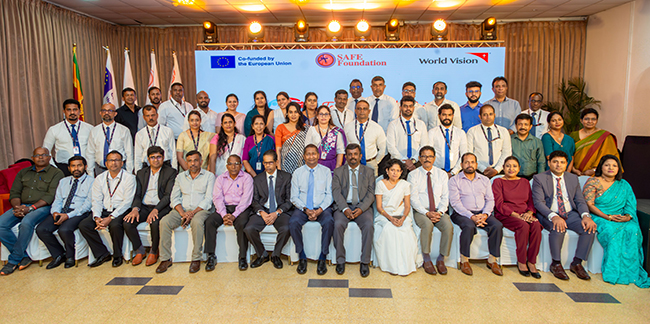
The European Union (EU)-funded “Together We Rise” initiative, implemented by World Vision and SAFE Foundation in Sri Lanka, is a €2.6 million project designed to strengthen civil society and promote human rights, inclusion and accountable governance. Over three years, the project will support 50 civil society organisations (CSOs) by providing targeted training and resources, while also engaging government institutions, policymakers and 250 social activists to enhance transparency, accountability and civic participation.
The initiative is expected to reach 701,100 people across nine districts, with a focus on underserved and conflict-affected areas. Participating organisations will include women-led, youth-led and those representing persons with disabilities. In addition, more than 350 CSO staff will benefit from tailored capacity-building and technical support to strengthen their effectiveness and long-term sustainability.
To achieve this, the project will begin by conducting a Capacity Development Needs Assessment (CDNA) to better understand the strengths and gaps of selected CSOs. Based on these findings, tailored Capacity Development Plans will be developed for each organisation, ensuring support is relevant, targeted, and impactful. Furthermore, through a capacity-building approach, CSOs will be strengthened in key areas including governance and leadership, financial management and compliance, inclusion, safeguarding, and gender equity, civic engagement and advocacy, digital capacity and innovation, as well as resilience and long-term sustainability.
Dr. Johann Hesse, Head of Cooperation at the European Union in Sri Lanka, noted, “With this EUR 2.6 million programme, the EU is investing in a stronger partnership with civil society for inclusive and sustainable development. Civil society organisations work alongside public institutions, helping to reach communities, mobilise citizens, and support the implementation of activities that are both national and EU priorities”.
In addition, selected CSOs will receive small grants to implement their development plans and respond to community needs, ensuring that learning is translated into action. The project will also create platforms for dialogue and engagement between communities, civil society, and government stakeholders, supporting advocacy efforts and influencing policy change.
Highlighting the importance of addressing structural inequalities, Nirosha Hapuarachchi, Project Manager for Together We Rise at SAFE Foundation, noted, “Youth unemployment (ages 15–29) stands at 34.5% in 2025, according to the Department of Census and Statistics. This highlights a critical gap between the skills possessed by young people and the demands of the labour market. Similarly, women and persons with disabilities continue to face social, economic, and structural challenges that limit their ability to access their rights and opportunities. In response to these challenges, the ‘Together We Rise’ project aims to promote inclusive development by addressing the needs and rights of youth, women, and persons with disabilities, enabling them to achieve sustainable, improved well-being”.
The initiative was introduced through a stakeholder engagement platform that brought together representatives from the EU, government institutions, civil society organisations, and community leaders, highlighting the importance of partnerships in driving sustainable development.
Chandrarathna D. Vithanage, Director General of the National Secretariat for Non-Governmental Organisations, emphasised the role of partnerships, stating, “A country can only truly develop when the government, business sector, and civil society work together. Together We Rise is a timely initiative with clear goals to strengthen the NGO sector, and I look forward to being part of this journey, building knowledge, fostering trust, and empowering village-level communities to take charge of the challenges they face.”
Underscoring the importance of inclusive, community-driven approaches, Glattes Rosairo, Project Manager for Together We Rise at World Vision Lanka, remarked, “Together We Rise is not just a phrase – it is a commitment to building strong, collaborative relationships that empower CSOs. This initiative prioritises listening to communities, amplifying the voices of persons with disabilities, youth, and women, and strengthening grassroots leadership to ensure sustainable and meaningful impact across Sri Lanka.”
Grounded in a rights-based, inclusive, and locally led approach, the project prioritises listening to communities, amplifying marginalised voices, and strengthening grassroots leadership – ensuring sustainable and meaningful impact across Sri Lanka.
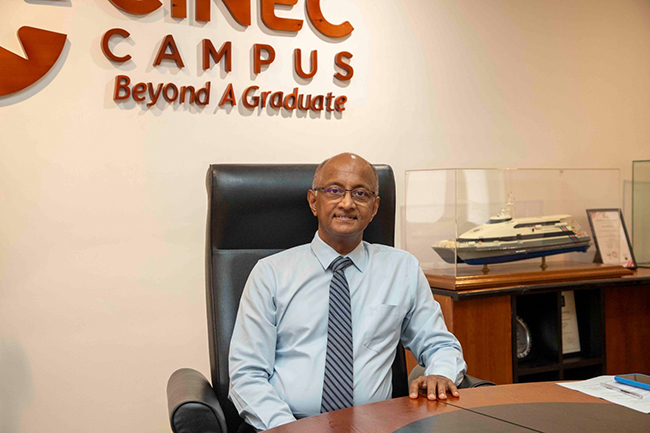
Students interested in understanding society, education, communication and human behaviour now have an opportunity to pursue that path through CINEC Campus, which is promoting its Faculty of Humanities and Education as a gateway to becoming tomorrow’s “social scientists.”
As economies and workplaces rapidly change through technology and automation, demand is rising for graduates who can analyse human needs, improve communication, strengthen communities and guide institutions through social change. CINEC says its programmes are designed to develop these skills through a combination of academic learning and practical training.
The institution offers a range of diploma and degree programmes including Early Childhood Education, English, Information Technology, and Sports and Physical Education. While diverse in subject matter, these courses share a common focus on producing graduates equipped to work with people, solve real-world challenges and contribute to national development.
CINEC places particular emphasis on careers linked to teaching, research, language development, communication and community leadership. Graduates may find opportunities as educators, trainers, social researchers, communication specialists, administrators and development professionals in both the public and private sectors.
According to the institution, its programmes are approved by the University Grants Commission and the Ministry of Higher Education. Prospective students should independently verify current recognition and course details before enrolment.
The campus also highlights a supportive learning environment with experienced lecturers and flexible study options for selected programmes, helping students balance education with work or other commitments.
At a time when technical skills alone may not be enough, fields connected to the humanities and social sciences are gaining renewed importance. Employers increasingly value communication ability, leadership, empathy, critical thinking and cultural understanding—qualities often developed through these disciplines.
For school leavers and working adults seeking meaningful careers that influence society and improve lives, CINEC says it is positioning its programmes as a pathway to becoming a new generation of social scientists.
By Sanath Nanayakkare
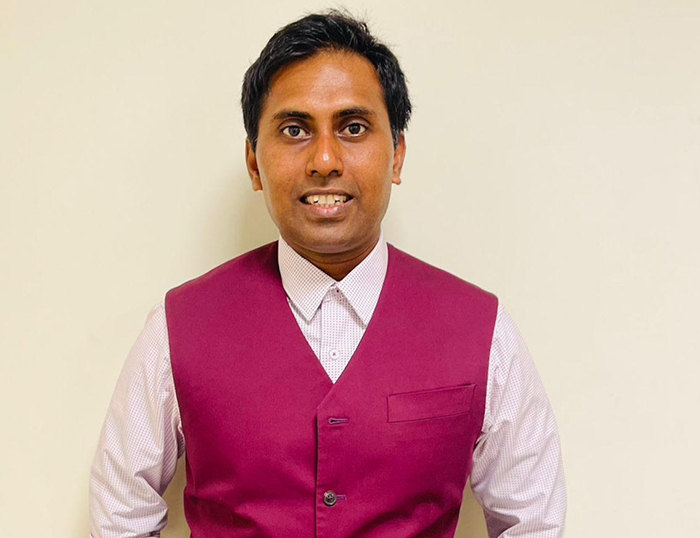
Ranil Asanka, who hails from Matugama, is a dedicated team leader at Quizine Restaurant in City of Dreams Sri Lanka.
He speaks with pride and passion about his long journey in the hospitality industry. He spent 15 years at Cinnamon Lakeside and later joined Cinnamon Life from its inception, becoming part of one of Sri Lanka’s most exciting hospitality developments from the very beginning.
“Our restaurant is the biggest in the city,” Ranil says proudly. “At one time, more than 600 guests can dine here.”
Quizine Restaurant is famous for its impressive buffet experience, offering breakfast, lunch, and dinner buffets every day, along with à la carte options. However, Ranil explains that buffet dining remains their main focus.
“What makes us special is the largest variety of buffet dishes,” he says. “We serve Indian, Western, Chinese, Sri Lankan, and Japanese cuisine.”
Among all the options, Ranil notes that guests especially love Indian and Sri Lankan food.
“Mostly Indian and Sri Lankan guests come here, and they enjoy those cuisines the most,” he explains. “Sri Lankan food is a little spicy, and some Indian dishes are spicy too.”
Ranil’s career path is also a story of growth and smart decisions. He first pursued his highest studies in the science field, but later chose to switch to AAT and CIMA qualifications to build better prospects in the hospitality sector.
This move helped him combine academic knowledge with practical business and management skills.
Ranil feels honored to be part of such a prestigious hotel.
“This is the heart of the Cinnamon Hotels,” he says. “It is the biggest one, and I am proud to work here.”
The restaurant remains busy every day, welcoming a constant flow of guests from many countries, especially India, Sri Lanka, and China.
When asked what advice he would give to young people hoping to join the hotel industry, Ranil shares a simple but powerful message:
“When you work in any hotel, work with your heart. Always gain knowledge. That is how you come to the next level.”
From Matugama to one of Sri Lanka’s premier hospitality destinations, Ranil Asanka’s story reflects dedication, adaptability, and pride in serving others—qualities that make hospitality truly special at City of Dreams Sri Lanka.
By Ifham Nizam

Spirit Airlines shutting down after rescue talks collapse

Jacobs’ blazing 62* counters Shoriful three-for as New Zealand level series

Chamari Athapaththu’s all-round heroics carries Sri Lanka to 3-0 sweep of Bangladesh

US said to be withdrawing 5,000 troops from Germany over Iran war spat

Bangladesh eye rare double-series win over New Zealand in rainy Dhaka

Rahul, Nissanka fifties lead 226 chase as Delhi Capitals return to winning ways

‘Dates have the highest sugar content to fight Coronavirus’

Sunday Island 27 December – Headlines

#SundayIsland 17th December – Headlines

Sunday Island – 28th March

Sunday Island Headlines – 21 March

Sunday Island – 21st February – Headlines
-
 News4 days ago
Treasury chief’s citizenship details sought from Australia
-

 News6 days ago
BIA drug bust: 25 monks including three masterminds arrested
-

 Business7 days ago
Nestlé Lanka Announces Change in Leadership
-
 News7 days ago
Hackers steal $3.2 Mn from Finance Ministry
-

 News6 days ago
Banks alert customers to phishing attacks
-

 News3 days ago
Rooftop Solar at Crossroads as Sri Lanka Shifts to Distributed Energy Future
-
 News5 days ago
Govt. assures UN of readiness to introduce ‘vetting process’ for troops on overseas missions
-

 Business5 days ago
ADB-backed grid upgrade tender signals next phase of Sri Lanka’s energy transition