
News
Sri Lanka caught in low-productivity trap: IPS


ECONOMYNEXT —Six consecutive quarters of negative economic growth in Sri Lanka has led to lower wage rates and discouraged workforce participation and skill development, lowering productivity levels and creating a low productivity trap, the Institute of Policy Studies (IPS) said.
Real wages also decreased after high inflation following the 2022 currency crisis.
At a recent discussion, IPS researchers said the negative growth recorded up to the third quarter of 2023 which had a direct impact on the labour market and the resultant “low productivity trap” has hampered further economic recovery.
The discussion held at the launch of the institute’s State of the Economy 2024 report focused on issues within three key aspects of Sri Lanka’s economy: the education sector, labour market, and public sector.
IPS Research Officer Suresh Ranasinghe noted that, between 2018 and 2023, Sri Lanka’s labour force participation rate fell from 51.8 percent to 48.6 percent, while the employment-to-population ratio dropped from 49.5 percent to 46.3 percent. According to Ranasignhe, some of the main issues within Sri Lanka’s labour market include rising labour market inactivity, declining labour productivity and employment growth, and declining high-skilled employment.
“While all three sectors – agriculture, industry, and services – observed negative average labour productivity from 2018 to 2023, the ICT sector stands out, with the highest output per worker.”
IPS said in a statement on Tuesday October 15 that the discussion had focused on the need to invest in technology, infrastructure, and skill development, particularly within the agriculture sector. Given the ICT sector’s high productivity, recommendations included offering VAT exemptions and bridging the existing skill gap within the sector through targeted interventions.
“Only 20 percent of the total workers held high-skilled jobs in 2023, a decline from 23 percent in 2018, mainly due to a decrease in the share of Managers, Senior Officials, and Legislators,” said Ranasinghe.
One potential reason for this decline was the emigration of high-skilled workers during the pandemic and economic crisis, as they sought better wages abroad due to declining real wages in Sri Lanka. To retain the remaining high-skilled workers, the importance of providing competitive salaries and benefits was pointed out by speakers at the event.
“In the long term, expanding knowledge-based industries, supporting persistent professional development, and revising public sector policies are important to foster high-skilled employment.”
Rationalising public sector employment was also a point of discussion at the event.
Sri Lanka’s public sector accounts for 15 percent of total employment and 35 percent of formal employment, while it consumes 26 percent of public expenditure and 5 percent of GDP, said IPS. Notably, public sector employment has increased by about 60 percent since 2005. However, “Sri Lanka’s government performance is considered ‘poor’ as per the Worldwide Governance Index (WGI), with the government effectiveness being negative 0.65.”
“The rise in inactivity, particularly among youth, is likely linked to education disruptions. To tackle this, the session highlighted the importance of promoting and improving the quality of Technical and Vocational Education and Training (TVET), focusing on access for vulnerable youth and improving public perceptions, as well as supporting entrepreneurship initiatives to create sustainable employment opportunities,” IPS said in its statement.
IPS Research Fellow Lakmini Fernando discussed the importance of improving public sector efficiency. She noted how government expenditure has a declining trend (47 percent decline from 1990 to 2023) while spending on wages remains stable (5 percent). While high government expenditure crowds out investments, it lowers prospects for growth. Fernando recommended introducing a new public management approach, which provides an immediate pay rise while ensuring the right size of the public sector. An effective public sector is essential for improving education planning and enabling strategic interventions in the labour market, she said.
Overall, Fernando noted that improving administrative operations, downsizing the sector, and addressing barriers that lead to policy failures were important. A debate ensued during the Q&A session on downsizing the sector and whether or not the public sector deserves a pay rise. “The minimum monthly wages of all types of public employee levels are below the expenditure benchmark of LKR 68,056,” said Fernando, suggesting that to ensure successful policy implementation, the government needs to create an environment that supports adopting changes.
The institute also noted that education equips individuals with the knowledge and skills necessary for a productive and competitive workforce and fosters creativity and problem-solving abilities essential for driving innovation and technological advancements.







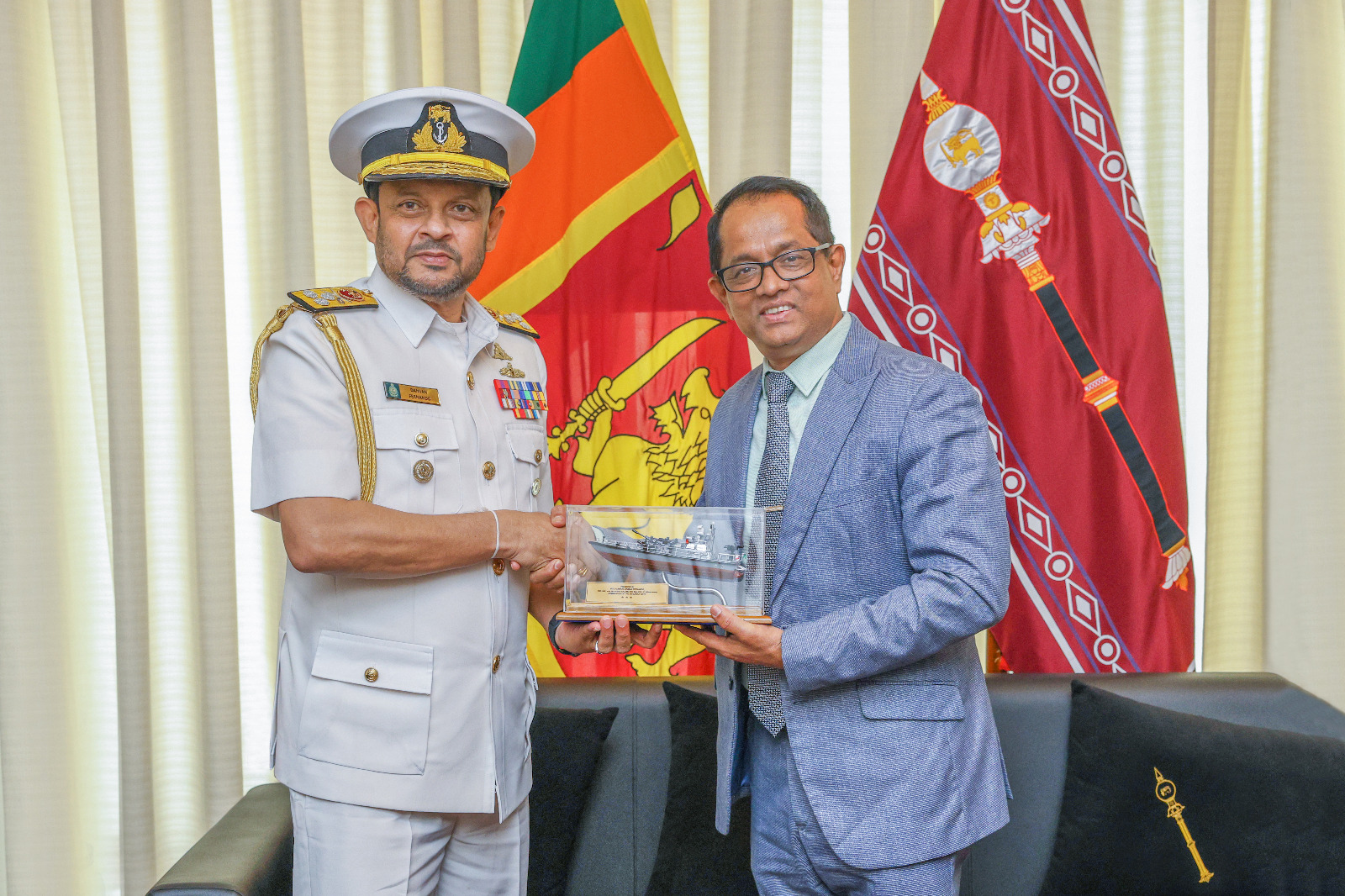
The Commander of the Navy, Vice Admiral Damian Fernando paid a courtesy call on the Speaker of the Parliament, Dr Jagath Wickramaratne at the Office of the Speaker, today (7 July
2026).
The meeting marked the Commander of the Navy’s first official interaction with the Speaker following his assumption of command of the Sri Lanka Navy. During the cordial discussion, they exchanged views on the Navy’s role in matters of national importance.
The formal meeting drew to a close with an exchange of mementoes, signifying the importance of the occasion.

At least 26 people, including five prison officers and 20 inmates, have been confirmed dead following violent unrest at Negombo Prison, hospital sources said yesterday, as authorities struggled to restore full control over the facility.
According to unconfirmed reports the prison officers were killed by rioters yesterday morning, in retaliation, and weapons carried by those officers were grabbed by them.
Negombo General Hospital Director Consultant Dr. Pushpa Gamlath said nearly 100 injured persons had been admitted, following the clashes, and eight of the critically wounded had been transferred to the National Hospital, in Colombo, for further treatment.
The violence, which initially broke out on Sunday (5) between remand prisoners and convicted inmates, left two inmates dead and 38 others injured before being temporarily brought under control.
However, tensions flared again on Monday (6), with prison officials reporting renewed unrest inside the facility despite earlier assurances that the situation had stabilised.
Police said the initial confrontation was triggered by a dispute linked to the exposure of an alleged drug trafficking network, operating within the prison, and was reportedly orchestrated by a drug trafficker, identified as Suresh, who is said to have links to an underworld figure known as ‘Booru Moona’.
The violence rapidly escalated, with female inmates staging a protest on the Prison roof in support of those involved in the clashes, while relatives gathered outside demanding information on detainees. Police later facilitated visits for selected family members to hospitalised inmates.
The Negombo Prison, which houses around 1,800 remand and convicted inmates, descended into widespread disorder as rival groups clashed, with reports indicating that the violence later spread beyond the initial confrontation.
Authorities said rioting inmates had allegedly seized firearms during the renewed unrest on Monday, prompting heightened security measures.
The Sri Lanka Air Force deployed drones for aerial surveillance and a Bell 412 helicopter to monitor the situation, while additional military personnel were sent to reinforce security around the prison.
Prisons Department spokesperson A.C. Gajanayake said a special investigation team had been appointed, under the direction of the Commissioner General of Prisons, to probe the incident, while a separate police investigation is also underway.
Justice Minister Harshana Nanayakkara told The Island that he had called for a detailed report on the disturbances.
By Norman Palihawadane
News
Cleaner, cheaper electricity gathers momentum with rapid progress in 50 MW Mannar wind power project

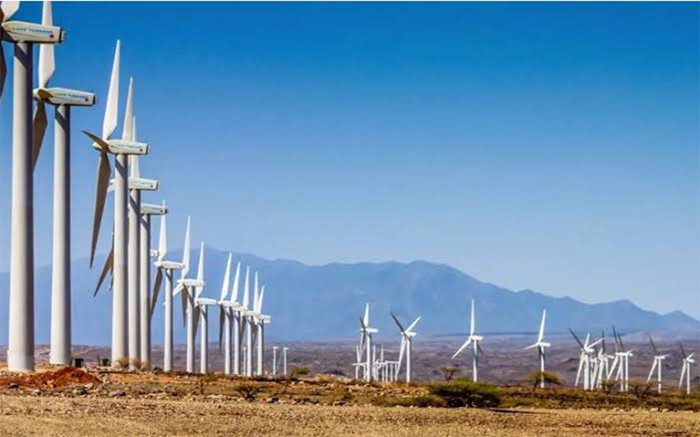
Sri Lanka’s drive towards cleaner and cheaper electricity gathered fresh momentum with the reported rapid progress in the 50 MW Mannar Wind Power Project, which is expected to produce the lowest-cost wind-generated electricity in the country’s history while saving billions of rupees in annual fuel imports.
The Ministry of Energy announced that the first wind turbine for the project had already arrived in the country, while the remaining turbine components have reached the Port of Trincomalee and are currently being unloaded, signalling a major milestone in the construction of one of the country’s key renewable energy ventures.
The project, inaugurated by President Anura Kumara Dissanayake, in January this year, is expected to become a cornerstone of the government’s strategy to transform Sri Lanka’s electricity sector by expanding renewable energy generation and reducing dependence on imported fossil fuels.
According to the Ministry, electricity generated by the Mannar wind farm will be purchased at USD 0.0465 (approximately Rs. 14.37) per unit, making it the lowest tariff ever secured for wind-generated electricity in Sri Lanka.
Energy experts say the competitive tariff demonstrates the growing economic viability of renewable energy and could help stabilise future electricity prices.
The Ministry also estimates that once the wind farm is connected to the national grid, Sri Lanka will save approximately Rs. 4.7 billion annually by reducing the import of fossil fuels required for thermal power generation, easing pressure on the country’s foreign exchange reserves.
The Mannar project is expected to support the government’s ambition of substantially increasing the contribution of renewable energy to the national electricity mix, by 2030, while helping Sri Lanka move towards its long-term goal of achieving net-zero carbon emissions by 2050.
Hayleys Fentons PLC, selected through an international competitive bidding process, is responsible for the installation and maintenance of the wind turbines.
The National System Operator (NSO), operating under the Ministry of Energy, will oversee the integration and management of electricity generated by the project within the national grid.
By Ifham Nizam

Commander of the Navy pays courtesy call on Speaker of the Parliament

Woman suspected of Monaco bomb attack found dead in Ukraine

Balogun reprieve in vain as Belgium beat USA to set up Spain quarterfinal

Trump confirms he asked Fifa to review Balogun ban

Late Spain goal eliminates Portugal, ends Ronaldo’s international career?

Nyamhuri and Ngarava stun Bangladesh by defending 141

‘Dates have the highest sugar content to fight Coronavirus’

Sunday Island 27 December – Headlines

#SundayIsland 17th December – Headlines

Sunday Island – 28th March

Sunday Island Headlines – 21 March

Sunday Island – 21st February – Headlines
-

 News3 days ago
Singapore-based Buddhist monk marks nearly four decades of humanitarian service
-

 News4 days ago
Freedom 250: US Embassy celebrates America’s 250th Independence Day through magic of American cinema
-

 News5 days ago
CIABOC to question Harak Kata on Rs. 200 mn bribery allegation
-
 News5 days ago
SLAF conducts successful rescue mission under UN command in Central African Republic
-
 Midweek Review7 days ago
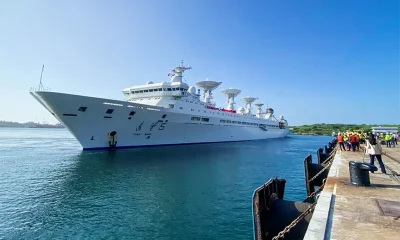
H’tota port’s strategic status remains focal point of geopolitical scrutiny
-

 News2 days ago
AI concerned over proposed SL military deployment in Haiti
-
 News4 days ago
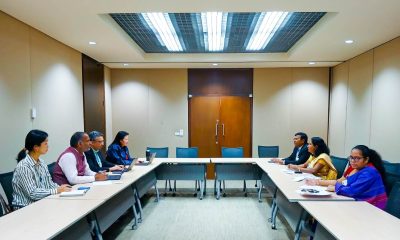
UNEP support pledged to strengthen Sri Lanka’s Environmental Priorities
-

 Features3 days ago
The NPP’s New Challenge: Balancing Easter Lawfare and Economic Welfare