
Life style
Kevum – Befitting a King

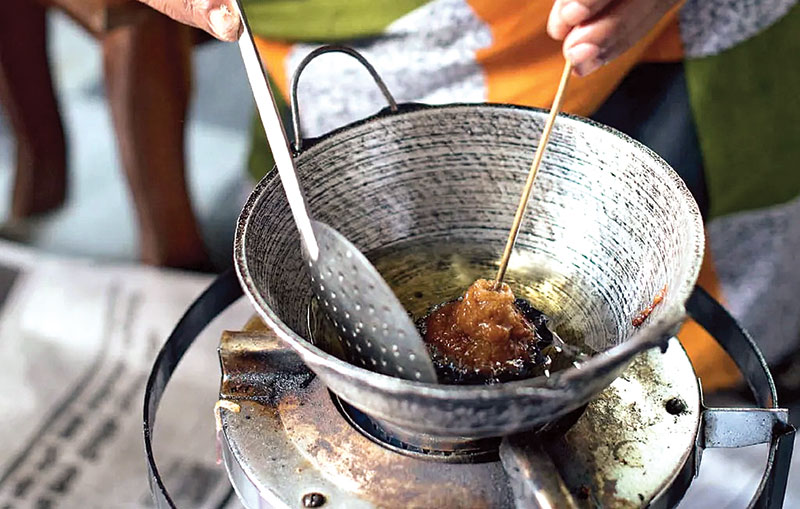
The avurudu table of any Lankan home is complete only when it is laden with kevum. Dating back to ancient times, many types of kevum are chronicled even in our classical texts. The Dutch rulers of the island are said to have relished them, some even asking if they grew on trees… A delicacy which was offered to visiting dignitaries, kevum was revered by our kings even in the battle field not only as an energy-booster but also as a wound disinfectant.
BY RANDIMA ATTYGALLE
The culmination of Avurudu preparations in my childhood with my grandparents was marked by the ritual of Kevum-making. Athamma would ‘book in advance’ the kevum specialist Soida Hami (Soida aachchi to us children), and install a special hearth in her back verendah for the grand moment. I would watch Soida aachchi in wonderment as her thick batter of rice flour and best of kithul treacle shaping into kevums in a hot wok of coconut oil. The long kevum koora in her nimble fingers would achieve the feat of the perfect konde. It was almost a rite of reverence, so much so I was not supposed to talk to her until the first batch of Konda-kevums was completed. Like many old-folk of her vintage, Soida aachchi believed that talking while the first few kevums are done would result in a flawed product.
She would then place each perfect Konda kevuma on a banana leaf for the excess oil to drain. Once the whole exercise was completed, she would place Konda-kevum in large earthen pots and store them in the dum messa or the storage area above the main hearth of the kitchen. She would spare me only one kevuma and the rest had to wait until the auspicious time on avurudu day!
Travellers’ records
Robert Knox an English sailor who was held in captive in the court of the Kandyan King Rajasinghe II and one of the prolific chroniclers of ancient Ceylon in his famous work, An Historical relation of the Island Ceylon documents on the sweet meats of Lankans with a special account of kevum.
‘They have several sorts of sweet-meats. One they call Caown. It is like to a fritter made of Rice-flower and Jaggory. They make them up in little lumps and lay them upon a leaf, and then press them with their thumbs and put them into a frying-pan and fry them in Coker-nut Oyl or Butter. When the Dutch came first to Columba, the King ordered these Caown to be made and sent to them as a royal treat. And they say, the Dutch did so admire them, that they asked if they grew not upon trees, supposing it past the Art of man to make such dainties.’ (Spelling as in the original Knox)
The account of Knox enables rich insights into this wonder of a sweet meat which enthralled many a traveller to the island including dignitaries. The European trader Cosmas who visited Ceylon in 545-550 AD, documents that along with gems, Kevum and Kalu dodol from Ceylon were taken to the Roman court of Emperor Claudius during the sixth century.
-
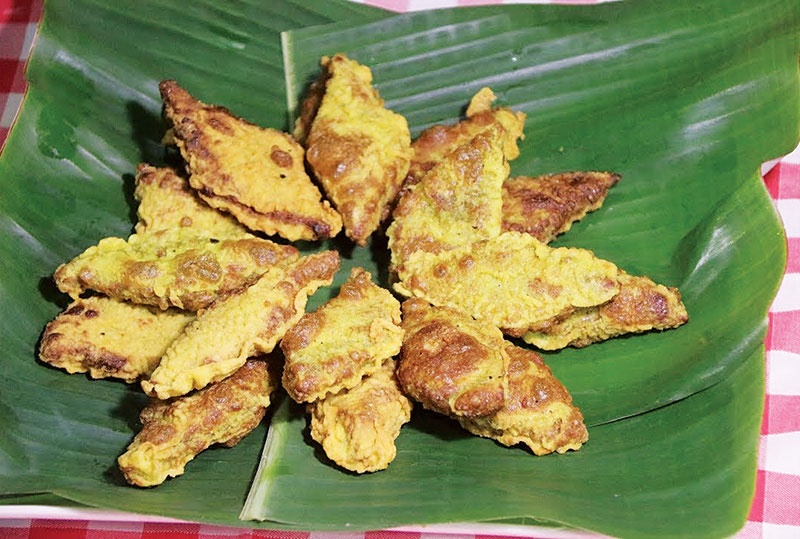
- Mun kevum
-
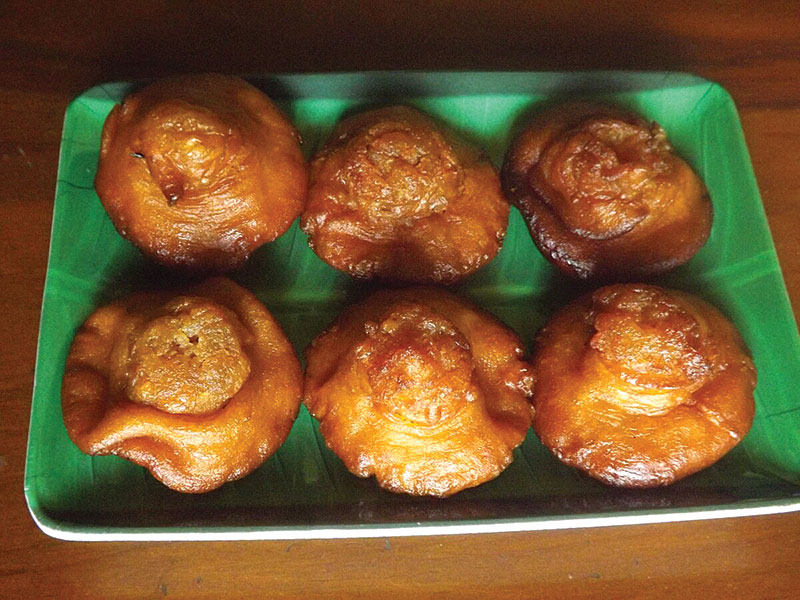
- Konda kevum
-
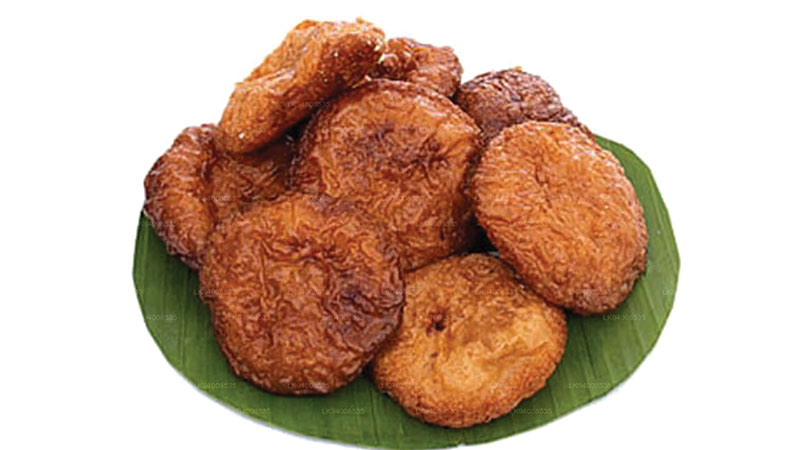
- Athirasa
Classical literature
Kevum dates back to ancient times and our classical texts such as the Ummagga jatakaya, Pujawaliya and Saddharma Ratanawaliya bear evidence to this fact. “Originally known as poopa this sweet meat came to be known as kevum in the Dambadeniya-Kurunegala era. Jathaka atuwa getapadaya mentions 18 kinds of sweet-meats found in the ancient Sri Lanka and among them are several types of kevum such as sendi kevum, mal kevum, athirasa, pena kevum, raa-kevum,” says Prof. Kusumalatha Lankamulla from the Department of Sinhala and Mass Communication at the University of Sri Jayewardenepura.
This scholar with research interest in Culture, Traditional and Modern Literature goes onto note that Mahawamsa in its 32nd chapter refers to two types of kevum in the context of alms offered by King Dutugemunu. The two types- thel kevum and maha de kuvum mentioned, were fried in ghee. “Many of our classical texts mention kevum in multiple festive contexts beyond avurudu. In Ummagga jathakaya, kevum is mentioned as a fitting gift to be taken when visiting parents. Saddharma Ratanawaliya refers to boxes of kevum or kevum pesa.“
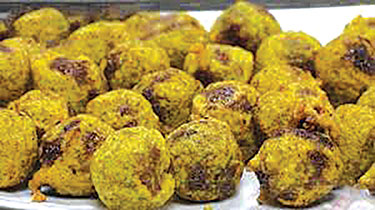
Narang kevum
An energy booster
Among the popular kevum types found today are Konda kevum, athirasa, mun-kevum, naran kevum and hendi-kevum. Although the ingredients used for each type may slightly differ, rice flour and treacle (now largely replaced with sugar) remain common to all. The much sought after Konda kevum which is relatively a later addition to the range of kevum found here at home is believed to have originated during the Kandyan period says Prof. Lankamulla. “During the Kandyan period, men were prohibited from cutting their hair off and they had to tie it in form of a knot on top of their heads. Konda kevuma is believed to have been inspired by this practice.”
Traditionally, Sinhalese soldiers were given a bag of kevum when going to war. History has it that King Dutugemunu went a step ahead and used kevum to treat wounded soldiers. His army used to prepare kevum months in advance and keep them exposed to air so that the mould can grow on them.
This mould in today’s language had ‘antibiotic properties’ and was used on the wounds of the soldiers to prevent them from festering. “In a bid to undermine the pride of place given to kevum as a super food by the locals, the British coined the famous derogatory adage: ‘Sinhalaya is a fool but is an ace at eating kevum’. (Sinhalaya modaya-kevum kanna yodaya)
Steeped in tradition
Superstitious beliefs surrounding the process of kevum-making are not uncommon and these vary from region to region in the island, says Prof. Lankamulla. Regardless of the region, several common traditions were followed by our ancestors and these still continue to be observed in several parts of the country, she says. “The frying pan with coconut oil to prepare the kevum was kept on fire at an auspicious time and village matriarchs who were highly skilled were mobilized for the occasion. Women also believed that they must refrain from talking when the first kevum is being made. For centuries, the first kevum was considered to be the ‘konduru kevum’, dedicated to the sledge-fly or the konduruwa. The village women would hang the first kevum up for the insects so that the rest would be unspoilt.”

Sybil Wettasinghe’s work celebrating kevum
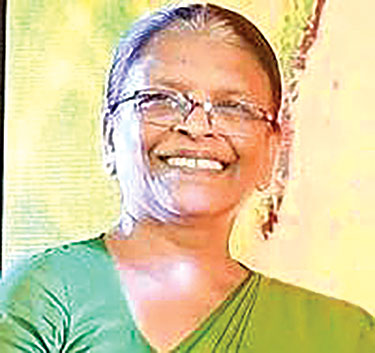
Prof Kusumalatha Lankamulla
With the passage of time, many Lankans, particularly city-dwellers depend on commercially available avurudu kevili including kevum. Although kevum is synonymous with avurudu, today people get to enjoy it round the year thanks to many sweet meat kiosks found in cities. Although these outlets have best sales during avurudu, they get plenty of orders from Lankans travelling abroad or coming home for vacation at other times of the year as well.
One such die-hard kevum fan is Uthpala Ranatunga from Ottawa, Canada. “My Loku amma (oldest aunt) makes it a point to pack me a parcel of best quality Konda kevum to take with me whenever I’m in Sri Lanka for a vacation.
I deep-freeze them for longer use and eat them sparingly,” says Uthpala to whom kevum is always a strong reminder of home. “Each time I indulge in them I feel nostalgic and miss home.”
Kevum is an integral part of the Lankan culture, finding its way from ancient classical literature to that of the contemporary including children’s literature and arts. The much-loved sweet meat is celebrated in the work of Sybil Wettasinghe – the iconic story teller and illustrator.
Come avurudu, we often hear the intonation of Lionel Ranwala, the eminent musician, vocalist and an authority on Sri Lankan folk music, whose tribute to the enduring legacy of this delicacy is one of the best in our times:
Me avurudu kale -sinaha weyan rale
Thel ihirunu kewum gediya wage…

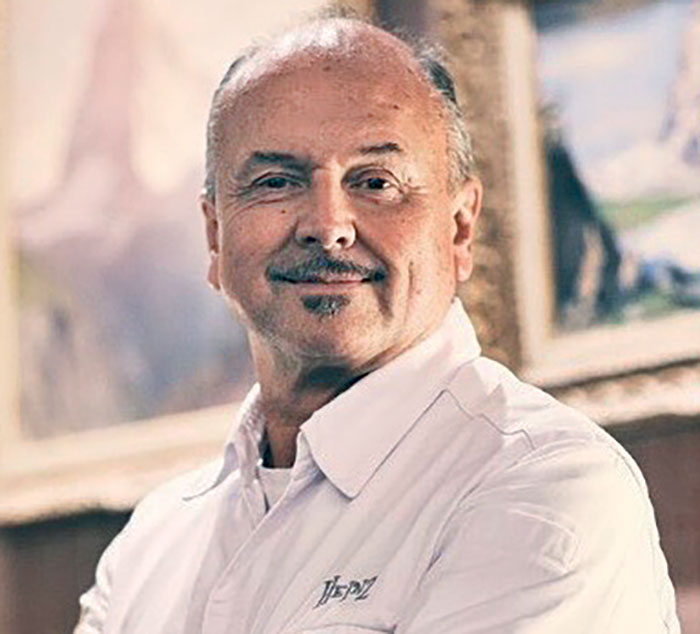
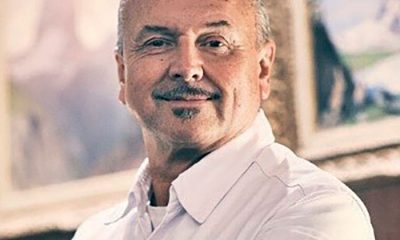
High in the Swiss Alps, where mountain landscapes shape both life and cuisine, Chef Heinz Rufibach spent more than four decades mastering the art of Alpine cooking. From the grand hotels of St. Moritz and Gstaad to the peaks of Zermatt, his career has been defined by a deep respect for tradition, local flavours and the quiet precision of Swiss craftsmanship.
Now, the chef. affectionately known as Le Cuisinier de Zermatt. brings that remarkable culinary heritage to Colombo for an exclusive Swiss dining experience at Bistro des Marées, Cinnamon Life at City of Dreams Sri Lanka.
From 23 to 26 July, guests will have the opportunity to experience a specially curated menu by Chef Rufibach, celebrating the authentic flavours of Switzerland’s Alpine regions and the dishes that have shaped his lifelong connection with the mountains.
A former Executive Chef of the Grand Hotel Zermatterhof, Chef Rufibach has built a reputation as one of Switzerland’s celebrated culinary figures. Named Swiss Chef of the Year and a holder of a Michelin star for six consecutive years, his cooking reflects the balance between fine dining precision and the warmth of the traditional Alpine table.
For Chef Rufibach, Swiss cuisine is more than a collection of recipes. It is a reflection of place, people and generations of culinary heritage.
“Swiss cuisine is built on tradition, seasonality and a deep connection to the land. Through this menu, I hope to share the flavours and stories of the Alps with guests in Colombo and offer them a true taste of Switzerland,” he said.
The menu at Bistro des Marées takes guests on a journey through Switzerland’s diverse culinary regions, beginning with elegant starters, such as dried meat tartare with green asparagus and Parmesan, marinated salmon with mustard sauce and herbs, and the traditional Gommer Cholera, a Valais speciality of apple, leek and cheese baked in puff pastry.
The experience continues with comforting Swiss classics, including Valais white wine soup with dried apricots and Bündner barley soup, before moving into signature dishes, such as Swiss cheese fondue with bread cubes and potatoes, raclette with traditional accompaniments, and Zürcher Geschnetzeltes with rösti. Other highlights include Basel-style salmon with papet vaudois and fried onions, saffron-infused lamb ragout with mashed potato, and Ghackets mit Hörnli, a beloved Swiss comfort dish of braised beef mince, pasta and apple sauce.
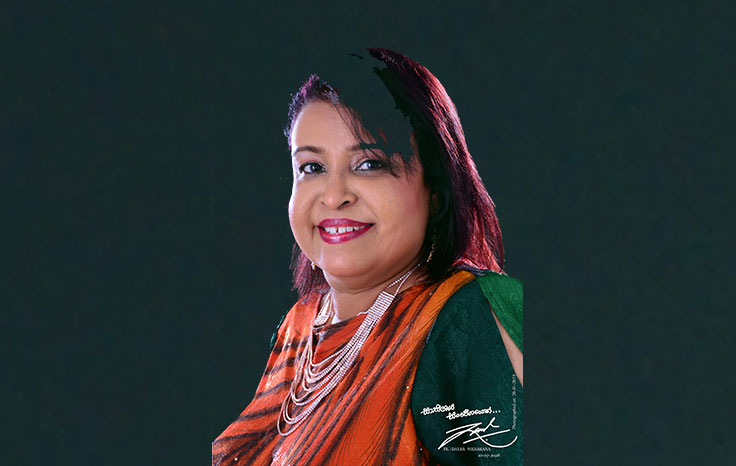
My dearest Maria. I never thought I would have to write this, this soon but then I realised, I owe it to you.
Remember the very first day I met you ? It was way back in 1981. I was 19, working at Lake House and writing to the Sunday Observer’s “Sat Mag” magazine. You were 23.
I made a prior appointment with you on the old rotary dial phone and arrived at Ekanayake Mawatha, Nugegoda, sharp on time. I waited and waited. There were (either) dogs or cats playing around me, with their fur flying all around me. That irritated me. I waited and waited. I wanted to, but could not walk out because the Editor was waiting for the article.
You sailed in one wretched hour late. I was furious. You never apologised either. That’s how we began our friendship. Rather a rocky start wasn’t it ?
What struck me most was NOT the fact that you were the highly celebrated Kandy Lamissi at that time, but rather the sparkle in your eyes and the warmth of your smile. It came from the depths of your heart and radiated outwards to everyone you came into contact with – both those who liked you and those who did not like you.
You radiated that sparkle and smile during the best of times and even the most difficult of times. You had your fair share of both in your 68 years. That smile was your trademark. It stayed on until the end.
We were neighbours, too, in Nugegoda. You were on that side of the junction and I was on this side of the junction. Remember in the mid-1990s when fitness fever hit us and we ambitiously started those 6.00 am early morning walks. They were alas short lived when children in passing school vans began shouting “Aunty Aunty” or “Kandy Lamissiiiiii”. That put an end to our walks and we reverted back to being unfit.
You also had a very, very wicked sense of humour which I loved to bits. Remember that evening when, with dead pan faces, you and I walked into the Metro Cinema Nugegoda and bought two balcony tickets for the 6.30 pm show. The man at the ticket counter couldn’t not believe his eyes. And how we, again with dead pan faces, slowly crept upstairs and sat in the (last row) middle seats much to the shock of all those lovers around us.
You were the Star. I was much lesser known to them than you. They were shocked and looked at you in great disbelief. I remember at one intense moment of the film, we asked the couple next to us, “Meh, excuse me. Aney welaawa keeyada?”. They only didn’t slap us.
And then, during the movie we crunched on and made a helluva din with the prawn crackers, much to the irritation of those around us.
We hadn’t come to watch the film. We just wanted to shock and annoy those lovers. Mission accomplished, we sailed out in the Interval, our sides splitting with laughter. We could not remember the movie either.
Remember those incessantly chats we used to have on a variety of topics? You could hold forth on practically any topic. Those chats sometimes went on till well past midnight and we hadn’t finished talking either.
Teshan your son was the apple of your eye, to use a cliché. How proud you were of him and how very much you used to talk about him. You took pride in his academic success and the fine young man he has turned out to be.
In our 46-year friendship, you and I have had our misgivings, too. Remember Mariazelle how we didn’t speak to each other for about three years?
And then in December 2015 you were a guest artiste and I the emcee at the Break-Away New Year’s Eve Ball organised by (your cousin) Sohan Weerasinghe and Corrine Almeida. We were still not talking to each other, but then, just after the countdown to midnight, you came up to me, hugged me and wished me with tears in your eyes. My respect for you hit the ceiling that night. Our friendship became rock solid from that day onwards.
We last met over dinner at Harpos Commons in Kotte, just before illness dragged you down. You had medical problems but you never complained. Remember the stories we traded and how much we laughed and laughed, at times much to the displeasure of the other diners. Harpo might have got the complaints but he never told me either.
And now you’re gone. Gone just like that. Before I close, I’d like to quote a few lines from your dear friend Aruna Siriwardhana’s tribute :
“I take a moment to mention two special beings in Mariazelle’s life. One is surgeon Prof. Srinath Chandrasekera (a musician himself) who for the past six months or so, together with his team at the Kalubowila Hospital, took indescribably attentive care of her. The other is singer Dinu, who virtually placed her life and work on hold, to care for Mariazelle”.
It was heart-breaking to see you lie in that coffin at Barney Raymonds last Monday (13 July). You were dressed in ivory and gold. You looked peaceful. You were free from suffering and free from pain.
“Kandy Lamissi” will ALWAYS be sung at parties and weddings and home comings and dinner dances and batch get-togethers. “Kandy Lamissi” and You have an unlimited life span. You will both go on forever!
And I will always remember that sparkle in your eyes and the warmth of your smile. That to me was You.
Goodbye my dearest Maria. May your journey in Samsara be speedy.
by Kumar de Silva ✍️
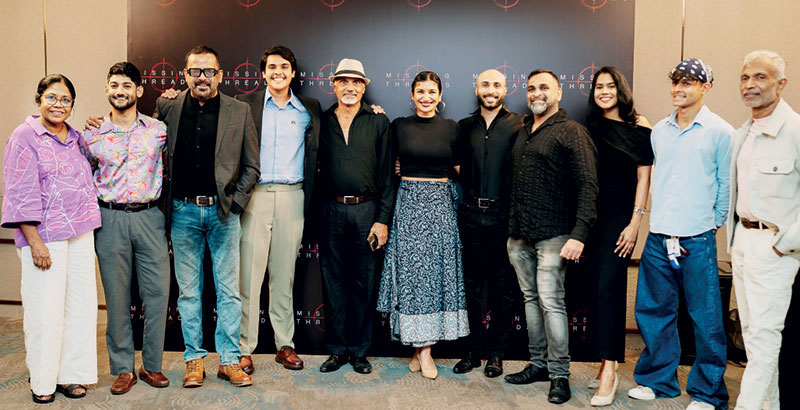
Production has officially begun on Missing Threads, marking it the first time a Sri Lankan production has been aimed first and foremost at an American audience. On Tuesday the 7th of July, a dinner was held bringing together the cast, crew, funders, and friends and family to mark the occasion.
The evening opened with guests arriving to chatter and press photography. Talavou Alailima opened proceedings, and a selection of Director Joshua Alailima’s previous films were screened, between speeches from key figures behind the production. The night closed with a large buffet and the signing of contracts.
Missing Threads
is an investigative crime thriller compared to films such as Zodiac and Se7en. The film follows journalist Maya Perera as she unravels a string of lies, all tying back to the mega corporation Verdeon, leading to a far more sinister truth about the internal affairs of the country at large.
This marks a significant milestone for Sri Lanka. It is the first time a Sri Lankan film has targeted primarily the USA Hollywood audience. This will further foreign relations, opening the door to industry expansion and significant economic potential.
Missing Threads
brings together a standout cast of actors, including Kaushalya Fernando (The Forsaken Land), Buddika Jayaratne (Sunny’s Mansion), Dharmapriya Dias (Machan), and Shyam Fernando (Paradise). It is led by international Sri Lankan actress Rebecca Munasinghe and leading social media influencer “Neesh.” Missing Threads is produced by Talavou Alailima, founder of Power World Gyms and Edge Nutrition.
Director Joshua Alailima is currently studying at one of the top film universities in America, Biola University, whose alumni network includes Doctor Strange director Scott Derrickson and world famous influencer Zach King.
Joshua has been directing since he was a young teenager. He is now 20 and directing his feature debut, a rare feat by Hollywood industry standards.
Missing Threads
brings in an international crew, with people from the USA, Sri Lanka, and Australia flying in to work on the project. Post production will take place in Sri Lanka, India, and the USA. The film is shot on the Arri Alexa LF, the same camera used for the movie Dune. It is the only one currently in Sri Lanka.

Charted Computer Institute of Sri Lanka to be established
Drug Dependent Persons (Treatment and Rehabilitation) Act No 54 of 2007 to be amendmend
Mrs. O. T. M. I. Thilakarathne appointed to the Post of Surveyor General
Purchase of 600 buses for intercity / long distance services of the Sri Lanka Transport Board
Protection of Historical, Cultural, and Traditional Intellectual Property related to the Kandy Esala Perahera
Development of roads which are not under the Road Development Authority

‘Dates have the highest sugar content to fight Coronavirus’

Sunday Island 27 December – Headlines

#SundayIsland 17th December – Headlines

Sunday Island – 28th March

Sunday Island Headlines – 21 March

Sunday Island – 21st February – Headlines
-
 Business3 days ago
‘Giving up was never an option’: The fisherman who fought back after losing millions in SL
-
 Features3 days ago
Two memorable excerpts from a former SLAF commander’s memoir
-
 Latest News3 days ago
Davis cup Asia/Oceania Group IV 2026 to be held in Colombo from 20th to 25th July
-
 Features3 days ago
Erdoğan’s New Republic
-
 Life style3 days ago
Taste of the Swiss Alps comes to Colombo
-
 Features7 days ago
Dirty Money
-
 News4 days ago
Dengue outbreak gallops ahead: Infections surpasses 73,455, leaving 50 dead
-
 News4 days ago
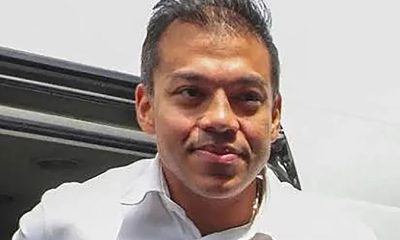
Evidence recorded in money laundering case against Yoshitha Rajapaksa