
News
Academics et al call for broadening and concretising democratic moment into sustained political action


A group of academics, in a statement issued, says that the origins of the present crisis are political, having been brought about by authoritarian policies of successive governments. Such authoritarian rule has been consolidated for decades through Sinhala Buddhist majoritarian mobilisations, one of the most recent one being mandatory cremations, after a COVID death. It is built upon the notion that powerful, rich, professional and militaristic men must lead the way through mechanisms, isolated from the needs of the larger community.
The following is the text of the statement titled ‘The democratic moment today: A call for action and reflection’: We are witness today to events that are unprecedented in our postcolonial history. Hundreds of thousands of people are taking to the streets, spontaneously, in protest in an extraordinary demonstration of democratic fervor. The calls for change are loud, and spectacular.
They are driven by anger at a small elite group—the Rajapaksas, who have built a dynastic political empire with their cronies and allies in and out of Parliament and a supportive business elite. One of the worst spells of economic hardship that the country has experienced in the past few decades has driven people to the streets, demanding that the President of the country “go home”.
But these calls for change are not just of the government in power, but of the forms of governance as well. Hard questions are being asked by the protesters: questions about economic policies, the functioning of the judiciary, relations between communities, and related concerns.
People want prices reduced and essential items, like food, medicine, milk powder, electricity, gas and stationery, available in adequate amounts for their families; communities want the country’s stolen wealth returned and re-distributed; many want the divisive ethnic and religion-based politics to end and past violations acknowledged and accounted for; the people are united in their cry for a country free of totalitarianism. The polyphony of slogans demanding economic, political social and gender justice must be heard and addressed.
The economic crisis was precipitated by the inability of the heavily indebted government to guarantee to the people essential imports, triggering the protests. Further, arbitrary decisions like the ban on the import of fertiliser badly impacted agricultural production. Shortages and exorbitant price hikes affecting food, medicines, fuel, and electricity, have induced widespread suffering. The impact is harshest on the working class, especially underclass, underprivileged, and multiply marginalised persons and communities; whose conditions have been rendered ever more precarious by the pandemic.
The origins of the present crisis are political, having been brought about by authoritarian policies of successive governments. Such authoritarian rule has been consolidated for decades through Sinhala Buddhist majoritarian mobilisations, one of the most recent one being mandatory cremations, after a COVID death. It is built upon the notion that powerful, rich, professional and militaristic men must lead the way through mechanisms isolated from the needs of the larger community. Such ideologies have discriminated against people on the margins and have little space for pluralism. It has resulted in heightened militarisation, inequality and injustice. It has narrowed the space for collective democratic action, and instead validated a culture of patronage and centralised authority.
It is important at this juncture that touted solutions do not compound the crisis. IMF involvement is very much on the table: the neoliberal economic thought that sees the IMF as the ideal solution extends across the political spectrum. However, it is decades of neoliberal policies that have led us to this crisis in the first place. Neoliberalism promotes policy that safeguards private property rights and free markets, overriding social concerns. Globally, social services, such as transportation, health and education have become spaces for racketeering and private profit, and transformed governments to be facilitators of this process. No longer is the state expected to provide services to the public and no longer do such services belong to the public. As a result, the role of the state has weakened and we have become victims of the vagaries of markets. We have witnessed the slashing of spending on social welfare.
Deregulation and privatization have become the norm. Today, we rely on the remittances of exploited migrant workers and heavy international borrowing, instead of developing production along viable lines, leading to self-sufficiency. In the event of an IMF intervention, we should keep the above in mind.
As a means of addressing the economic crisis in the short term, provisions must be made for immediate relief for the suffering people. We must demand progressive direct taxation, including a wealth tax on property and vehicles, geared towards redistribution and greater equality. We must insist on a significant reduction of the funds allocated to the defence sector and insist that core public services, including health, education, electricity, water and transport, are strengthened and funded by the state. Those who are landless should be given land for housing, agriculture and other economic activities.
We must broaden and concretize this democratic moment into sustained political action, pushing for structural changes in the long term. Draconian laws, including the Public Security Ordinance and the Prevention of Terrorism Act must be repealed. The country must engage in demilitarization by cutting back on military expenditure, releasing lands held by the military, and confining the military to the barracks. Devolution of power from the center to the peripheries is required. The executive presidency, together with the legislation brought about by the 20th Amendment to the constitution that consolidated powers at the centre must be done away with. Instead, we must nurture transparency and pluralism, through mechanisms such as tribunals, independent commissions and an independent judiciary.
As a people, we call for solidarity at this historical moment! We call for a movement of workers, unions, women’s groups, all marginalized, disenfranchised and discontented people towards a just and democratic future for us all.”
The signatories to the statement are:
Ruchini Abayakoon, McMaster University, Ontario, Canada, Udari Abeyasinghe, University of Peradeniya, Asha L. Abeyasekera, Royal Holloway, University of London, Asanka Abeyratne, Social Activist, Sachini Abeysekara, Brock University, Mohamed Adamaly, Attorney at Law, Chamalee Ahangama, S.L. Usman Akeel, Daily Ceylon, Indi Akurugoda, University of Ruhuna, Ashwini Amarasinghe, University of Peradeniya, M. A. M. S. Anaf, Kalmunai, Shani Anuradha, University of Peradeniya, Nalin Galkanda Arachchi, University of Vocational Technology, Ratmalana, S. Arivalzahan, University of Jaffna, Swasthika Arulingam, Attorney at Law, Odayan Arumugam, Trainer/Community Activist, Colombo, Mohamed Ashfaque, Akkaraipattu, A.N. Ashiq, Karaithivu,
Dhilma Atapattu, University of Peradeniya, Fazeeha Azmi, University Of Peradeniya, Crystal Baines, Ph.D. Candidate, Kandy, Dhanuka Bandara, Miami University of Ohio, Sumudu Bandara, University of Peradeniya, Bisliya Bhutto, Human Rights Activists,
Rudhramoorthy Cheran, University of Windsor, A.S.Chandrabose, Open University of Sri Lanka, Sasindi Chandrasekara, Visakesa Chandrasekaram, University of Colombo, Kaveesha Coswatte, APIIT Law School, Chamalee Ahangama Dayarathna, Counselor, Ruwanthie de Chickera, Playwright, Jan Ramesh de Saram, Colomboscope, Erandika de Silva, University of Jaffna, Marisa de Silva, Colombo, Mithma de Silva, University of Peradeniya, Priyanka de Silva, University of Peradeniya, Sulari de Silva, University of Moratuwa, Hiranyada Dewasiri; Uva Wellassa University of Sri Lanka,
Nirmal Ranjith Dewasiri, University of Colombo, Janaranga Wijaindu Dewasurandra, Family Planning Association of Sri Lanka, Kaushini Dammalage, Independent Researcher, Kanchuka Dharmasiri, University of Peradeniya, Chirath Dharmasena, Visakha Dharmadasa, AWAW, Shanka Dharmapala, independent researcher, Malaka Dewapriya, Filmmaker and Visual Artist, Nirmal Ranjith Dewasiri, University of Colombo, Priyan Dias, University of Moratuwa, Migara Doss, Attorney-at-Law, Ruwanthi Edirisinghe, City University of New York, Sarala Emmanuel Feminist Activist Batticaloa, Sandya Ekneligoda, Social Activist, Diroshan Fernando, Sasindi Fernando, Secondary school student, Amal Fernando, Kandy, Avanka Fernando, University of Colombo, Corita Fernando, Washington State University, Sasindi Fernando, Student, Bhavani Fonseka, Attorney-at-Law, Gnanabalan Gnanalosan, Point Pedro, Jaffna,
Mario Gomez, International Centre for Ethnic Studies, Thilanka Gunaratne, University of Peradeniya, Lesley Gunasekara, Independent Researcher, Ranmini Gunawardena, University of the Visual and Performing Arts, Dileni Gunewardena, University of Peradeniya, Camena Guneratne, Open University of Sri Lanka, Ashika Gunasena, Independent practitioner, Tasneem Hamead, Colombo, Azkha Hassen, Al Gazzaly NS, Farzana Haniffa, University of Colombo, Hasna Hasbullah, undergraduate, University of Jaffna, Jafar Hasbullah, University of British Columbia, Samal Hemachandra, Univ. Of Colombo, Himansa Herath, Siri Hettige, University of Colombo, Rajan Hoole, Jaffna, J. S. Ishie, Ministry of Health,
J. Prince Jeyadevan, University of Jaffna, 79. K.W. Janaranjana, editor, Anidda newspaper, Velayudan Jayachithra, Senior Project Officer, Women and Media Collective, Sumedha Jayakody, Independent Researcher, Pamoda Jayasundara, University of Peradeniya, Gehan Jayasuriya, University of Peradeniya, Shakila Jayathilaka, Barana Jayawardana, University of Peradeniya, Chulantha Jayawardena, Univ. Of Moratuwa, Janaki Jayawardena, University of Colombo, Uthpala Jayawardena, Open University of Sri Lanka, Pavithra Jayawardena, University of Colombo, Ahilan Kadirgamar, University of Jaffna, Sakuntala Kadirgamar, Law and Society Trust, Akhila Kahandagama, Concerned citizen, Anushka Kahandagamage, University of Otago, Pavithra Kailasapathy, University of Colombo, Saman M Kariyakarawana, University of Visual and Performing Arts, Thisal Kaluarachchi, University of Moratuwa, Maduranga Kalugampitiya, University of Peradeniya, Anuruddha Karunarathna, University of Peradeniya, Ransi Karunarathna, Sri Lanka Press Institute, Inoka Karunaratne, University of Peradeniya, Amal Karunaratna, Retired from the University of Adelaide, Apsara Karunaratne, independent researcher, Charuka Karunarathne, Inoka Karunaratne, University of Peradeniya, Ransi Karunarathna, Sri Lanka Press Institute, Portia Kemps, University of Peradeniya, Thamali Kithsiri, University of Peradeniya, Chulani Kodikara, University of Edinburgh, Manikya Kodithuwakku, Open University of Sri Lanka, Sandamali Kottachchi, Attorney at law, Mahaluxmy Kurushanthan, Mannar Women’s Development Federation, Pradeepa Korale Gedara, University of Peradeniya, Chamali S Kulathunga, University of Peradeniya, Ramya Kumar, University of Jaffna,
Shamala Kumar, University of Peradeniya, Vijaya Kumar, University of Peradeniya, Amal Kumarage, University of Moratuwa, Radha Kuruwitabandara, Attorney-at-Law, A.H. Lareena, Lecturer, Hasini Lecamwasam, University of Peradeniya, Menaka Lecamwasam, Independent researcher, C. Liyanage, Attorney -at-law, Saumya Liyanage, University of the Visual and Performing Arts, Mary Caroline Lurthunayaham, Wellawatta, Gunasingarajah Maheshwaralingam, University of Jaffna, Sudesh Mantillake, University of Peradeniya, Prabha Manuratne, University of Kelaniya, Ruvinie Machado, Colombo, Dulanjaya Mahagamage, Kandy, Tharinda Mallawaarachchi – University of Colombo, Anton Marcus, Joint Secretary, Free Trade Zones and General Services, Employees Union, Kalindu Matharage, Independent, Sumudu Himesha Medawela, University of Peradeniya, Mahim Mendis, Open University of Sri Lanka, Navindu Mendis, National Christian Evangelical Alliance of Sri Lanka, Juweriya Mohideen, Muslim Women’s Development Trust, Puttalam, Alikhan Mohideen, University of Peradeniya, Sakina Moinudeen, Colombo, S.P.Mohan, Heart’s Organisation Upcot,
Rumala Morel, University of Peradeniya, Chathurika Munasinghe, University of Peradeniya, Thaha Muzammil, Free Media Movement, Kethakie Nagahawatte, University of Colombo, Amizhthini Nakkeeran, Aze IT Consultancy (pvt) Ltd, Jaffna, S. Narththanah, Rajarata University of Sri Lanka, Pavithra Navarathne, Attorney-at-Law, Pamod Nayanapiya, Ammaarah Nilafdeen, Independent Researcher, Abeysinghe Navaratne-Bandara, Retd. University of Peradeniya, Sabreena Niles, University of Kelaniya, Hasanthi Niriella, M. A. Nuhman, Retd. Univ. Of Peradeniya, Ranjini Obeyesekere Formerly Princeton University and Univ. of Peradeniya, Upali Pannilage, Univ. Of Ruhuna, Sasinindu Patabendige, University of Jaffna, Muditha Pathirana, Independent Researcher, Nirmala Perera, Oshada Perera, Kandy, Paba Piyarathne, Srinagaruban Pathujan, University of Jaffna, Eshantha Peiris, University of Peradeniya, Pradeep Peiris, University of Colombo, Sanjeeva Pieris, Kaushalya Perera, University of Colombo, Kusal Perera, Political commentator, Journalist, Nicola Perera, University of Colombo, Nirmala Perera, Tania Perera, Colombo, Amalka Pinidiyaarachchi, University of Peradeniya, Dimagi Pitawala, University of Peradeniya, Ven. Fr. Samuel Ponniah, Church of Ceylon, Padma Poshpakanthi, Savisthri National Women’s Movement/ Women Acton for Social Justice, N. W. Prins, University of Ruhuna, Angel Queentus, Jaffna Transgender Network, Mirak Raheem, Independent Researcher, S. Rajadurai, University of Colombo, Chandi Rajapaksha, University of Peradeniya, Maheema Rajapakse, APIIT, Selvaraja Rajasegar, editor, maatram.org, Shafiya Rafaithu, Independent Researcher, Rupika Rajakaruna, University of Peradeniya, Vasuki Rajasingam, Jaffna, Sampath Rajapakshe, Lecturer 184. Tharsiga Ramanaaharan, Jaffna, Ramesh Ramasamy, University of Peradeniya, Harshana Rambukwella, Open University of Sri Lanka, Kanchana Virajani Ranaraja, Kandy, Piyumani Ranasinghe, Attorney-at-Law, Rajitha Ranasinghe, University of Peradeniya, Menaka Rathnayaka, University of Peradeniya, Sriyani Ranatunga, Research Assistant, University of Peradeniya, Dilini Ratnayaka, University of Peradeniya, Rev. M. V. E. Ravichandran, University of Jaffna, Ramzy Razeek, Social Activist, Rasma Razmi, University of Peradeniya, Stephini Sahid, Secondary School Teacher, Kandy, T. H. Rasika Samanmalee, University of Colombo, Aruni Samarakoon, University of Ruhuna, Dinesha Samararatne, University of Colombo, Gameela Samarasinghe, University of Colombo, Ganganee Samaraweera, University of Ruhuna, Unnathi Samaraweera, University of Colombo, Shreen Abdul Saroor, Women’s Action Network, Kalana Senaratne – University of Peradeniya, Hiniduma Sunil Senevi, Sabaragamuwa University of Sri Lanka , Belihuloya, Sharmila Seyyid, Author and Researcher, Tudor Silva, University of Peradeniya, Shashik Silva, Independent Researcher, Vanie Simon, Affected Women’s Forum, kkaraipattu, Krishan Siriwardhana , University of Colombo, Dr. K. Sivaji, University of Jaffna, Ratnasingam Sharveswara, University of Jaffna, S.Sivagurunathan, Interpreter and translator, N. Sivakaran, University of Jaffna, Gopikha Sivakumar, Undergraduate Univ. Of Jaffna, Sumathy Sivamohan, University of Peradeniya, Taniya Silvapulle, Social Scientists’ Association, S. Sivasegaram, retired University of Peradeniya, Gnani Somasundaram, Lanka Hospitals, M.Sooriasegaram, Jaffna, H. Sriyananda, The Open University of Sri Lanka, Ermiza Tegal, Attorney at Law, Dayapala Thiranagama, formerly Univ. Of Kelaniya, Mahendran Thiruvarangan, University of Jaffna, Darshi Thoradeniya, University of Colombo, Yathursha Ulakentheran, Independent Researcher, Ramila Usoof, University of Peradeniya, Nimali Vineeshiya, PGIHS ,University of Peradeniya, Chethiya Waththuhewa, University of Peradeniya, Manisha Weeraddana , University of Peradeniya, Ishan Weerapura, Social Scientists’ Association, Dasuni Weerasinghe, Attorney at law, Devaka Weerasinghe, Colombo, Ruvan Weerasinghe, University of Colombo, Shiran Harsha Widanapathirana, APIIT, Amali Wedagedera University of Hawaii, Ishan Weerapura, Social Scientists’ Association, Poornima Weerasinghe, John Wesley, University of Peradeniya Carmen S.Wickramagamage, University of Peradeniya, W. Namal M. Wickramasekera, University of Colombo, Maithree Wickramasinghe, University of Kelaniya, Upul Wickramasinghe, Univ. Of Durham, Priyan R. Wijebandara, Journalist, Gayatri Wijekoon, University Lecturer,
Ranjit Wijekoon, Colombo, Asanka Wijesinghe, Economics researcher, Maneesha Wijesundara, University of Peradeniya (former student), Dinuka Wijetunga, University of Colombo, Roshani Wijewardene, Shermal Wijewardene, University of Colombo, Apsara Wimalasiri, Colombo, Lareef Zubair, Independent Researcher.


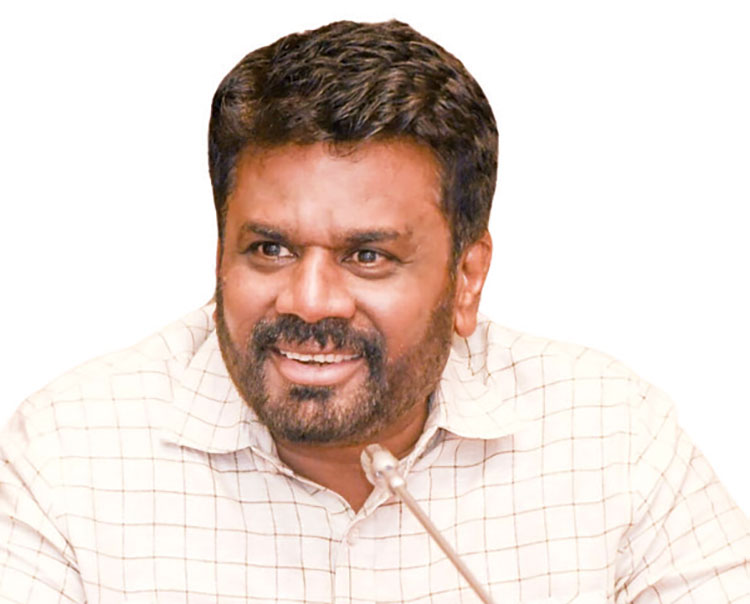
The Presidential Secretariat (PS) yesterday said that prison regulations concerning Buddhist monks serving prison sentences were expected to be adopted within the next two weeks.
The PS said: “Once they come into effect, arrangements will be made for Buddhist monks to be taken outside prison in their robes, based on the recommendation of the relevant Nikaya or chapter.”
The process to amend prison regulations was initiated on 08 October following discussions between President Anura Kumara Dissanayake and the Maha Sangha. The President called the meeting amidst controversy over producing General Secretary of Bodu Bala Sena (BBS) Ven. Galagodaaththe Gnanasara in civilian attire in court.
A special five-member Committee was in the process of studying the current regulations and standing orders under the Prisons Ordinance, the PS said.
The Committee is chaired by Prince Senadheera, Secretary to the Ministry of Buddhasasana, Religious and Cultural Affairs. Its other members are Piyumanthi Peiris, Additional Secretary to the Ministry of Justice, Wasantha Ariyaratne, Additional Secretary to the Ministry of Public Administration, R. M. G. Senaratne, Commissioner-General of Buddhist Affairs, and A.C. Gajanayake, Commissioner-General of Prisons.
The first meeting of the special Committee was held at the Presidential Secretariat on the 9th, chaired by Prince Senadheera. Attorney-at-Law Harshana Nanayakkara, Minister of Justice and National Integration, provided the necessary policy guidance for the Committee’s work.
The proposals concerning Buddhist monks would be presented to the Maha Sangha by the middle of next week to obtain their views and recommendations before their implementation, PS stated.

The Communist Party of Sri Lanka (CPSL) has alleged that the ruling UNP, in a ridiculous bid to whitewash illegal US sanctions on Iranian oil carriers stranded off Sri Lanka, has taken on itself the blame for refusing to supply humanitarian aid to the trapped crews of the oil tankers.
The text of the statement issued by Dr. G. Weerasinghe,
General Secretary, CPSL: “The Communist Party of Sri Lanka condemns the attempts by the USA to prevent essential supplies of food and water to the 19-20 Iranian oil tankers stranded off the coast, which are running short of food, fuel, and fresh water. It urges the Government of Sri Lanka to face up to the criminal actions of the US Government and do its duty under international humanitarian law.
On 30 September 2026, the Wall Street Journal reported that US officials had threatened Sri Lanka with sanctions if it continued supplying the tankers. These tankers (stranded about 24 km off Sri Lanka, within the Exclusive Economic Zone) which already discharged their cargoes, are empty and unable to return to Iran owing to the illegal war being waged against that country by the USA and Israel.
In response to this report, on 4 October, Foreign Minister Vijitha Herath denied that Washington put pressure on the Government of Sri Lanka which, he claimed, always abides by international maritime law. However, he clarified that the Government would enforce US sanctions.
A US Embassy spokesman had earlier stated that Washington is working with allies to cut off “illicit Iranian revenue,” warning that supplying fuel, food, or provisions to sanctioned vessels could expose companies and individuals to US sanctions, including civil or criminal penalties.
Furthermore, from 9-11 September, the US Embassy in Colombo carried out a three-day maritime sanctions compliance workshop. Officers of the Sri Lanka Navy and Coastguard, as well as officials of the Ministry of Defence, Central Bank, Ports Authority and Merchant Shipping Secretariat, participated in this workshop. The officials were warned that any services (including fuel, food, or water) rendered to US-sanctioned vessels, such as the Iranian-linked tankers stranded off Sri Lanka’s coast, could expose companies and individuals to secondary sanctions, civil penalties, or criminal liability.
In fact, it is actions of the USA which are illicit. The US-imposed unilateral and secondary sanctions violate international law, sovereign equality, and the principle of non-intervention. Furthermore, the unprovoked US-Israeli aggression against Iran itself, which had shown no belligerent intent, is illegal in international law. Participation of government officers in the workshop itself is controversial.
According to unofficial reports, Sri Lanka’s national security establishment objected to the demands made by US officials and urged the government to lodge a protest with Washington, pointing out that under UNCLOS Article 98, SOLAS 1974, and the SAR Convention 1979, Sri Lanka is obligated to assist the crews.
However, the response of the National People’s Power (NPP) regime has been to attempt to whitewash the illegal actions of the USA and to take on itself the blame for refusing to supply humanitarian aid to the trapped crews of the oil tankers.
The pusillanimous behaviour of the NPP regime rips aside any pretence that it is in any way progressive or patriotic. Together with its major constituent, the Janatha Vimukthi Peramuna (JVP), it stands exposed as the handmaiden of US President Donald Trump’s reckless, warlike and imperialist foreign policy establishment. It begs the question whether the Government has signed secret war-related deals with the USA and thereby ditched Sri Lanka’s 70-year history of non-alignment.
The Communist Party of Sri Lanka, therefore, condemns these illegal attempts by the USA to prevent Sri Lanka from carrying out its humanitarian duty. It calls upon the Government of Sri Lanka to abide by international humanitarian law, work-out suitable strategies and to supply the stranded crews with essential supplies, including food and water. It also calls upon the Government to reveal any secret deals it has entered with the USA.”
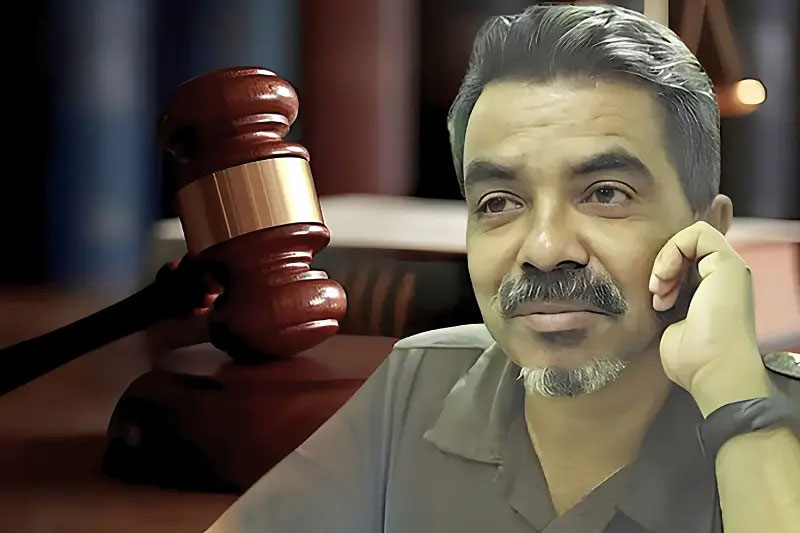
An ex-LTTE cadre Sumathipala Suresh Kumar, alias Thavendran ‘Murali’, has told a three-member bench of the Colombo High Court, hearing the disappearance of media personality Prageeth Ekneligoda, that during the war they discussed plans to assassinate President Mahinda Rajapaksa and a group of government people. The alleged meeting took place in Habarana.
The bench consisted of A.G.U.S. N. K. Seneviratne (Chairperson), Dr. Nalin Hewawasam and Lakmali Hewawasam.Kumar said so giving evidence as the fourth witness on behalf of first, second and sixth accused in this case.
Ekneligoda disappeared on the eve of 2010 January 26 presidential election.
Kumar told court that Ekneligoda proposed to fire a missile at an aircraft carrying President Rajapaksa and other top people. There had been another person, identified as Nadan, there.
Asked by the prosecution whether he served as a leader of LTTE intelligence at the time he met Ekneligoda, Kumar said that he was a prisoner at that time. The witness claimed that he had gone with the Army and it was his first visit to that place where the meeting took place.
When the prosecution proposed that what he said was not true, Kumar denied that.
The nine accused are Army officers and men, including Lieutenant Colonel Shammi Arjun Kumararatne. The others are R.M.P.K. Rajapaksa alias Nathan, W.V. Priyantha Dilanjan Upasena alias Suresh, Seneviratne Mudiyanselage Ravindra Rupasena alias Ranji, Yapa Mudiyanselage Chaminda Kumara Abeyratne, Seneviratne Mudiyanselage Kanishka Gunaratne, Aiyasami Balasubramaniyam, Dangaha Gamaralage Tharanga Prasad Gamage and T.E.R. Peiris.
The fourth witness surrendered to the Army in May 2009 and during investigations it transpired that he was used by Military Intelligence to contact Ekneligoda in a bid to ascertain his intention during the presidential polls campaign.

Showers above 75 mm are likely at some places in the Western, Sabaragamuwa, Central, Southern, Uva and North-Western provinces and in Anuradhapura and Mannar districts.

New prison regulations for monks serving jail terms soon: President’s Office

CP alleges NPP has taken the blame for illegal US sanctions on Iranian vessels

Ex-Tiger witness claims Ekneligoda proposed to fire missile at MR’s plane

Chandrasekaran welcomes Indian stand of Katchatheevu

Alleged killer of couple apprehended

‘Dates have the highest sugar content to fight Coronavirus’

Sunday Island 27 December – Headlines

#SundayIsland 17th December – Headlines

Sunday Island – 28th March

Sunday Island Headlines – 21 March

Sunday Island – 21st February – Headlines
-

 Features4 days ago
The Sri Lankan who made Scottish history
-

 Features6 days ago
Preventing grievances from becoming communal
-

 Sports4 days ago
Nissanka absence opens door for Sri Lanka’s young guns
-

 News5 days ago
Gnansara Thera to be assigned to prison printing section: Officials
-

 News3 days ago
NDB fraud Rs 60mn more than reported
-

 News3 days ago
Removing monk’s robes matter for Sangha to decide: Mahanayake Theras
-

 Features4 days ago
Future of Sri Lanka’s state university system: Should it be shut down and reopened?
-
 News5 days ago
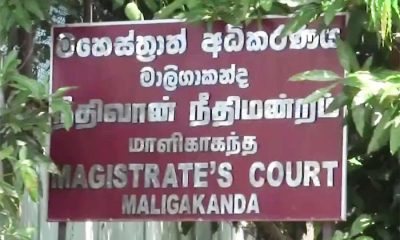
OIC of FCID summoned before Maligakanda Magistrate