
Business
The Rise of Aviyana: Sri Lanka’s luxury hospitality revolution

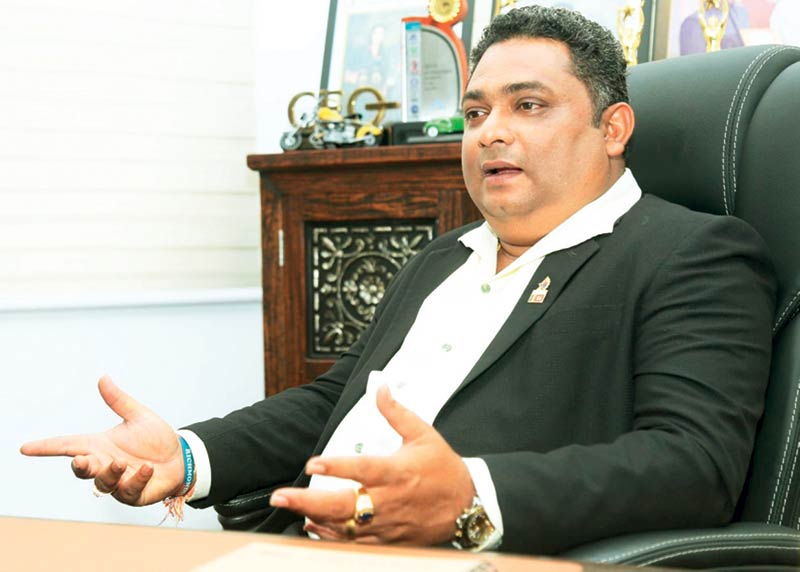
By Saman Indrajith
As Sri Lanka ushers in 2025, the nation prepares to unveil a game-changing addition to its hospitality landscape—Aviyana Ceylon, the country’s first seven-star luxury hotel. Situated amid the serene hills of Udispattuwa, Kandy, this extraordinary property promises to set a new global benchmark for opulence and innovation. Spanning 24 acres with a masterfully designed balance of wellness and bespoke experiences, Aviyana offers an unparalleled blend of tranquility and adventure, crowned by breathtaking views of the Knuckles Mountain Range.
“Aviyana Ceylon is not just a hotel; it is a gateway to Sri Lanka’s future as a global leader in luxury hospitality. This year, we welcome the world to discover the extraordinary – a legacy that celebrates both innovation and our nation’s rich cultural heritage,” said Dr. Thisara Hewawasam, Chairman of Aviyana during an interview with the Sunday Island.
Excerpts of the interview:
Q: What inspired you to create Sri Lanka’s first seven-star luxury hotel, Aviyana Ceylon, and how do you see it reshaping the country’s hospitality landscape?
A: Tourism in Sri Lanka dates to the arrival of Prince Vijaya, followed by centuries of foreign visits driven by trade. However, in modern times, there’s been a shift towards offering more than just basic accommodation for tourists. While Sri Lanka attracts around two million visitors annually, spending an average of USD 2,000 each, countries like the Maldives see tourists spending up to USD 5,000. To bridge this gap, I believe Sri Lanka needs a new kind of luxury experience.
We currently lack facilities that cater to high-net-worth individuals. The star hotels in Sri Lanka, typically charge between Rs 15,000 and Rs 75,000 per night, while few top-tier hotels charge over Rs 200,000. To attract ultra-wealthy tourists, we need a seven-star hotel that offers unparalleled luxury, combining all the best facilities under one roof.
Aviyana Ceylon is designed with this vision in mind: to raise the average income from foreign guests and contribute to the local economy. Many feared this ambitious project would fail, especially since most leading hotels here are international chains. However, our focus is on promoting Sri Lankan culture, wellness, traditional medicine, and Ayurveda, which will strengthen our identity in the hospitality industry. This marks a pivotal moment for Sri Lanka’s tourism.
Q: Aviyana Ceylon, nestled in the hills of Kandy, emphasizes wellness and bespoke experiences. How does the hotel blend Sri Lanka’s cultural heritage with modern luxury?
A: There are two key factors when creating a memorable resort experience: the facilities provided and the location’s offerings. At Aviyana Ceylon, we excel in both. While other hotels, like Mount Lavinia, boast a heritage and coastal view, Aviyana’s location is unique. It offers a sweeping view of one-tenth of Sri Lanka’s land area, spanning five districts. This breathtaking scenery is complemented by a diverse climate, where guests can experience five different temperatures in a single day—something no other hotel in the country offers.
Our surroundings are rich with nature—lush greenery, medicinal plants like Aralu and Nelli, and pure water from the Knuckles range, considered the cleanest in the world. The area also offers activities such as bungee jumping, bird watching, and hiking, all framed by nature’s beauty.
Beyond nature, we bring Sri Lanka’s renowned hospitality to the forefront. We celebrate our food culture by serving dishes from King Rajasinghe’s menu, where food offers both nutrition and medicinal benefits. We also embrace customer-centric service, adjusting the hotel’s offerings to suit the guest’s preferences, from security to connectivity.
Aviyana Ceylon will host traditional events weekly, featuring artists from the Dalada Perahera in Kandy. We’re also bringing world-renowned chefs who have not visited Sri Lanka before. Security is a top priority, with advanced systems ensuring the safety of all guests. The hotel includes an on-site hospital, helicopter service, and an underground area for emergencies.
Aviyana Ceylon also stands out by offering unique experiences, such as temporary ordination for Buddhist guests, access to indigenous medicine, and a dedicated hospital and helicopter service for emergencies. This fusion of luxury, culture, and wellness creates an unforgettable experience.
Q: Aviyana’s strategic partnership with the Al Nahyan Royal Family of Abu Dhabi is a significant milestone. How do you see this collaboration enhancing Sri Lanka’s global appeal as a luxury travel destination?
A: When we first approached the royal family, they viewed Sri Lanka only as a country from where they get their housemaids. To change this perception, we showed them a five-minute video showcasing the beauty and offerings of the country, which they found astonishing. This seven-star hotel concept is designed to cater to wealthy clients from Arabic countries, who have long played a key role in international trade, from the Silk Route to modern times. The Al Nahyan family has been instrumental in connecting us with high-net-worth individuals. We plan to expand our partnerships globally, reaching markets in India, the US, Europe, Russia, and other Western countries. Our vision is to host not only the royal family but also former world leaders, renowned sports figures, and artists at Aviyana Ceylon.
Q: Sustainability is often a key focus in high-end hospitality today. How does Aviyana Ceylon balance opulence with environmental responsibility, particularly in Kandy’s scenic highlands?
A: At Aviyana Ceylon, sustainability is integral to our design. We only removed 33 trees, leaving much of the 24-acre property untouched. Instead of building a massive 6,000-7,000 room hotel, we chose just eight acres for construction. We’ve also launched the ‘Breath’ project, planting 33,000 trees to date. Acknowledging the impact of carbon emissions, we invite guests to plant a tree during their visit, with their name and GPS location, so they can track its growth worldwide.
Given the hotel’s mountaintop location, we ensure no waste leaves the property. We’ve implemented an advanced Japanese waste recycling system at a significant cost. Wastewater is treated before being released into the ground. Our broader vision is to create a tourism zone in Kandy, linking local attractions like Victoria Falls, the Knuckles Range, and the Dalada Maligawa, positioning the area as a major tourism hub in the next 10-15 years.
Q: As Aviyana prepares for its grand opening, what specific features or experiences do you believe will set it apart from other luxury hotels, and what are your long-term aspirations for the brand?
A: Sri Lanka, known mainly for cricket and Ceylon tea, lacks a strong tourism brand and policy. Despite being one of the best destinations globally, we fail to leverage the opportunities tourism presents. Aviyana Ceylon aims to change that by becoming Sri Lanka’s defining luxury brand, much like cricket. We’re working with top global influencers to promote the hotel, with plans to invite one from each of 160 countries to cover our opening. With social media reach, we hope to captivate millions worldwide, offering a marketing campaign unlike anything seen before.
Our goal is to create a lasting impact not only for Aviyana Ceylon but for Sri Lanka’s tourism sector. We plan to introduce a hotline and travel insurance for all tourists to enhance their experience, benefiting the entire industry.
As we near completion of the seven-star hotel, we expect heads of state from Arab countries to attend our opening. With the government’s support, we anticipate a 20% boost in tourism revenue and increased hotel prices in Colombo. Looking ahead, we’re also planning the Aviyana-2 project, with a world-first gem showroom and hospital, bringing Sri Lanka’s pride to the global stage.

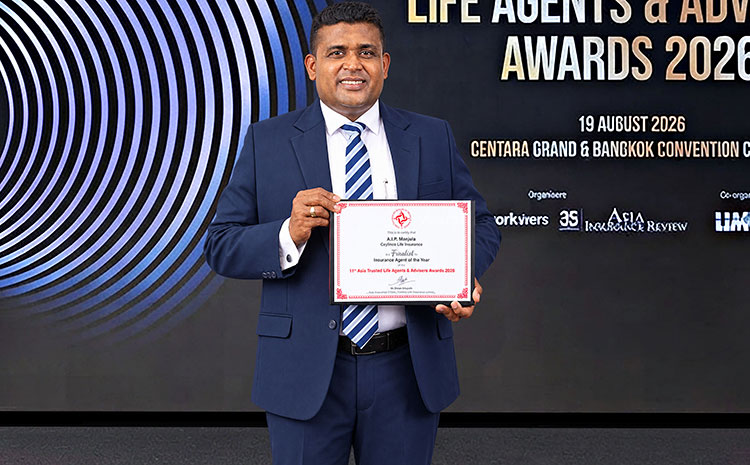
Ceylinco Life’s Ambalantota branch agent AIP Manjula has been named one of three global finalists for the prestigious Insurance Agent of the Year award at the 11th Asia Trusted Life Agents & Advisers Awards (ATLAA) 2026.
The recognition places a Sri Lankan insurance professional among the finalists in a regional field spanning South Asia, Southeast Asia, East Asia and the wider Asia-Pacific region.
Ceylinco Life said the achievement reflected the calibre and customer-focused approach of its agency force, while recognising Manjula’s professionalism and commitment to policyholders.
The award evaluates insurance agents on criteria extending beyond sales performance, including ethical conduct, client service, policy persistency, digital adoption, innovative practices and contributions to the insurance industry and community.
The awards are organised by Asia Advisers Network and Asia Insurance Review, with LIMRA as co-organiser. An independent judging and balloting process is monitored by KPMG as the official scrutineer. The judging panel comprises senior insurance executives, association presidents and industry experts from across the Asia-Pacific region.
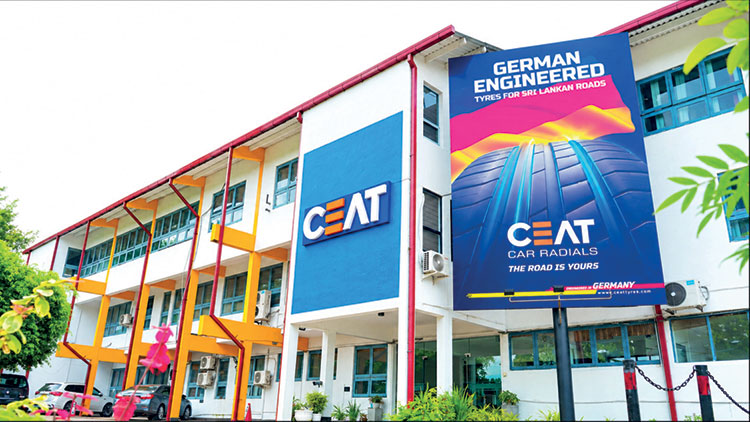
CEAT Kelani Holdings (CKH) has retained its National Long-Term Rating of ‘AA+(lka)’ with a Stable Outlook from Fitch Ratings for the sixth consecutive year, reflecting the company’s financial resilience and leading position in Sri Lanka’s pneumatic tyre market.
The ‘AA+(lka)’ rating, the second-highest on Fitch’s national scale, indicates a very strong capacity to meet financial commitments.
Fitch said CKH’s established market leadership and resilient financial profile remained key strengths, while noting its exposure to price-sensitive, cyclical and highly competitive markets.
The Stable Outlook reflects expectations that the company will maintain its market position despite rising input costs and increasing competition from imported tyres, while preserving adequate credit metrics during periods of weaker earnings and higher investment.
Fitch expects CKH’s established brand, extensive dealer network and adaptive pricing strategies to support its market position. Planned production facility upgrades are also expected to improve product quality, particularly in the radial tyre segment.
The rating agency expects near-term pressure on margins from higher raw material and energy costs but said the company’s low leverage and sound liquidity would provide a cushion.
CKH Chairman Chanaka De Silva said the rating reinforced the company’s focus on disciplined financial management, operational adaptability and long-term investment.
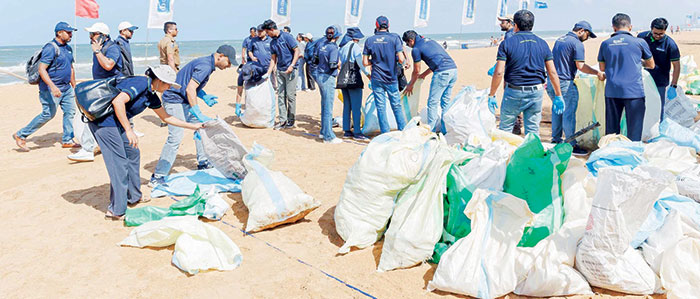
Commercial Bank of Ceylon mobilised employees, customers, volunteers and community members for a nationwide coastal and aquatic clean-up campaign across 20 locations on September 19 to mark International Coastal Cleanup Day 2026.
Conducted under the bank’s sustainability platform, themed ‘Forward Together for a Cleaner Future’, the initiative covered 16 coastal locations and four inland waterways, bringing together stakeholders for a coordinated environmental conservation effort.
The flagship programme was held at Mount Lavinia Beach, with additional activities at Wellawatte and Galle Face beaches. Similar initiatives were conducted by the bank’s regional offices at locations including Kalutara, Negombo, Trincomalee, Batticaloa, Puttalam, Jaffna, Galle, Dondra, Tangalle and along the Mahaweli River.
Employees, management, Future Force volunteers, customers and their families participated alongside the Marine Environment Protection Authority (MEPA), United Nations Global Compact Network Sri Lanka, government and local authorities, environmental organisations and community members.
The bank said the initiative reflected its commitment to water stewardship after adopting Sustainable Development Goal 6 — Clean Water and Sanitation — as a priority goal in 2025.

Buttler out of Oval decider as Lawrence earns ODI call-up

Showers will occur in the Western, Eastern, Uva and Sabaragamuwa provinces and in Galle, Matara, Kandy and Nuwara-Eliya districts.

Nor’easter brings flooding as New York and New Jersey declare emergency 2 hours ago

Trump rejects Iran deal to reopen Strait of Hormuz in seven days

Govt plans to hire 121,000 state workers, redistribute tax revenue

Parliament clears 22A amid protests

‘Dates have the highest sugar content to fight Coronavirus’

Sunday Island 27 December – Headlines

#SundayIsland 17th December – Headlines

Sunday Island – 28th March

Sunday Island Headlines – 21 March

Sunday Island – 21st February – Headlines
-

 News4 days ago
Mastermind Naufer Moulavi among 15 found guilty
-

 News6 days ago
Hatton youth protest against reported death sentence for Lankan in Saudi Arabia
-
 News5 days ago
Protest against setting up of cement factory in highly populated area near BIA
-
 News6 days ago
Mahaweli rises as heavy rain triggers flood, landslide fears
-

 Latest News7 days ago
Landslide Red Alerts issued to the districts of Kandy, Kegalle and Nuwara Eliya
-
 Midweek Review4 days ago
Thileepan’s fast unto death: An authentic narrative that many missed
-
 Latest News3 days ago
Showers above 100 mm are likely at some places in the Western, Sabaragamuwa, Central and North-western provinces and in Galle and Matara Districts
-

 Editorial4 days ago
Big Bad Bills