
Business
Red Cross raising funds to aid vulnerable communities in Sri Lanka

= 96% of more than 2,900 households surveyed have been affected by the current crisis in some way
=Launches urgent call for humanitarian financing until core economic issues are addressed by government
= Says humanitarian assistance for a certain period of time can mitigate risks of negative coping mechanisms
=Effort not seen easy as donors prioritize among other crises in the world
By Sanath Nanayakkare
A survey report produced by the International Federation of Red Cross and Red Crescent Societies provides first-hand evidence of how the most vulnerable people, who are already under the poverty line, are being driven further towards despair.The report gravely warns that without immediate humanitarian interventions, the impact on communities is likely to be long-lasting and cumulative.To meet the country’s spiralling needs, the IFRC has launched an Emergency Appeal for urgent humanitarian assistance for 28 million Swiss francs in support of Sri Lanka Red Cross. The Island learned that 15% of the target amount of donations has already been received from donors in the U.K., Canada, Japan and a number of other nations that are empathetic towards Sri Lanka.
The needs assessment conducted by Red Cross in 11 of the country’s 25 districts has found that 96% of more than 2,900 households surveyed have been affected by the current crisis in some way—with food insecurity, health, livelihoods, and nutrition among the top concerns. Deteriorating physical safety and security, as well as violence against women and children stood out in the report.It uncovered worryingly high problem of access to food, either because of high cost, income stress or lack of availability. Runaway inflation and loss of livelihoods have doubly impacted people’s ability to cope with the record cost of living. Income loss is causing significant food insecurity, while inflation is driving up the cost of medicine and fuel costs are preventing access to essential healthcare.
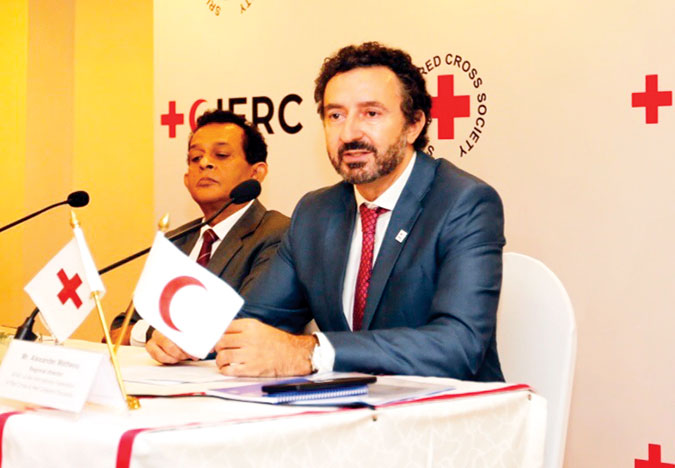
Alexander Matheou, Regional Director, Asia Pacific of the International Federation of the Red Cross and Red Crescent Societies who was on a visit to Colombo to meet with affected communities, government authorities and the diplomatic community said:
“The deepening economic crisis is forcing people to make heartbreaking choices between going hungry, buying life-saving medicine, or finding the money to send children to school. Our survey is not exhausted, so we cannot say it’s a final statement, but it indicated that vulnerability is being experienced evenly across the country and some groups are more affected than others.”
“I think that a survey like this one is going to help because it’s evidence-based. Our argument is widely accepted that in an economic crisis like this vulnerable communities’ income is affected, and so, the coping mechanisms tend to be negative. They sell their assets. Children may drop out of school, girls may get married early; these are all negative coping mechanisms from which it is very difficult to recover. Our argument is that humanitarian assistance for a certain period of time can mitigate the risks of some of those negative coping mechanisms. This is not a permanent solution. So we are always in favour of development financing, World Bank loans, ADB loans, debt restructuring and assurances from bilateral partners because ultimately the solution has to be found out at governmental level. We hope that friends of Sri Lanka will recognise that humanitarian support should be part of how they are trying to work with this country throughout this crisis; not the core issues, but the humanitarian aspects of it. We hope we will be successful in persuading donors. I understand that donors will have to prioritize among other crises in the world. So I don’t think it will be easy. But I think the argument is strong and this survey will help us make this argument in a more compelling way.”
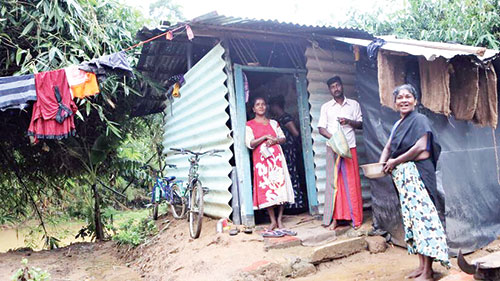
“Hopefully this economic crisis won’t last forever. So we think if we can intervene for a year two for the most vulnerable people and can mitigate the risks of those negative coping mechanisms being adopted, that will be a good intervention.”
“The ideal intervention will be with cash distribution because cash allows people to make those choices. Should I eat? Should I take medicine? Do I fix my roof? What is posing the greatest pain and risk in my life? Sometimes you have to provide nutritional support for pregnant mothers and breast-feeding mothers. That will be one of the interventions we make. We may look at an agreement with the government for school feeding programmes which is a very good way to keep children in school. If any ongoing school feeding programme is stopped, that’s another area we can intervene. We are also very keen to find ways to have feedback mechanisms and raise awareness on the risks of sexual and gender-based violence because the prevalence of these goes up when poverty increases. We are keeping an eye on that as well. Anything we can do to mitigate that we shall try.
“Humanitarian action is particularly important which is by nature neutral and impartial. Humanitarian financing can alleviate suffering of vulnerable people in a non-political way and when that financing is released, it will not be politicised.”
“Our main priorities remain meeting humanitarian needs at its worst. Unless this is done effectively and quickly, people who are struggling now will find themselves on a demeaning pathway to destitution from which there is no escape. The time to act is now.” Swiss franc to US dollar exchange rate: 1.001 USD equals 1 Swiss franc.





The Asian Development Bank (ADB) has approved a $100 million policy-based loan to further support Sri Lanka in strengthening its power sector. This financing builds on earlier initiatives to establish a more stable and financially sustainable power sector.
This second subprogram of ADB’s Power Sector Reforms and Financial Sustainability Program will accelerate the unbundling of the Ceylon Electricity Board (CEB) into independent successor companies for generation, transmission, system operation, and distribution, as mandated by the Electricity Act of 2024 and its 2025 amendment. The phased approach ensures a structured transition, ensuring progress in reform actions and prioritizing financial sustainability.
“Sri Lanka has made important progress in stabilizing its economy and strengthening its fiscal position. A well-functioning power sector is vital for the country’s continued recovery and sustainable growth,” said ADB Country Director for Sri Lanka Takafumi Kadono. “ADB is committed to supporting Sri Lanka’s long-term development and advancing key reforms in the power sector. This initiative will enhance power sector governance, foster private sector participation, and accelerate renewable energy development to drive sustainable recovery, resilience, and inclusive growth.”
To improve financial sustainability, the program will help implement cost-reflective tariffs and a comprehensive debt restructuring plan for the CEB. It will support the new independent successor companies in transparent allocation of existing debts. This will continue to strengthen their financial viability, enhance creditworthiness, and enable these companies to operate on a more sustainable footing.
The program also aims to strengthen renewable energy development and private sector participation by enhancing transparency and supporting power sector entities that are financially sustainable. It will enable competitive procurement for large-scale renewable energy projects and identified priority generation schemes, while upholding strong environmental standards.
Promoting gender equality and social inclusion is integral to the program. Energy sector agencies have implemented annual women’s leadership programs, adopted inclusive policies, and launched feedback mechanisms to ensure equitable participation of female consumers and entrepreneurs. The program includes targeted support for vulnerable groups, such as maintaining lifeline tariffs and implementing measures to soften the impact of tariff adjustments and sector reforms.
ADB will provide an additional $2.5 million technical assistance grant from its Technical Assistance Special Fund to support program implementation, build the capacity of successor companies, and help develop their business plans and power system development plans.

Union Assurance, Sri Lanka’s longest-standing private Life Insurer, has achieved a milestone in its digitalisation journey by being awarded the YouTube Silver Play Button, recognising the Company for surpassing 100,000 subscribers on its official channel. This achievement marks a first in Sri Lanka’s Insurance industry, across both Life and General Insurance, and underscores Union Assurance’s pioneering role in digital engagement.
This accomplishment reflects the Company’s unwavering commitment to making Life Insurance accessible, simplified, and engaging for all Sri Lankans. Through innovative content strategies, Union Assurance has successfully transformed complex Insurance concepts into relatable, informative, and inspiring narratives that empower individuals to protect what matters most; health, wealth, family, and future.
Receiving the Silver Play Button is more than a symbolic accolade; it is a testament to the strength and credibility of Union Assurance’s digital presence. In an era where trust and transparency define brand loyalty, this recognition validates the company’s ability to create content that resonates deeply with a growing audience. It enhances the brand’s authority, reinforces its visibility across digital platforms, and further solidifies Union Assurance as a leader in customer engagement.
Celebrating this achievement, Mahen Gunarathna, the Chief Marketing Officer at Union Assurance stated: “This milestone is a testament to the trust and engagement of our audience and reflects our dedication to innovation, transparency, and customer-centric communication.
LOLC Finance PLC, the largest non-banking financial institution in Sri Lanka, brings to light the significant role of its Factoring Business Unit in providing indispensable financial solutions to businesses across the country. With a robust network of over 200 branches, LOLC Finance Factoring offers distinctive support to enterprises, ranging from small-scale entrepreneurs to corporate giants.
In light of the recent economic challenges, LOLC Finance Factoring emerged as a lifeline for most businesses, ensuring continuous liquidity to navigate through turbulent times. By facilitating seamless transactions through online platforms and expediting payments, the company played a pivotal role in sustaining essential services, including supermarkets and pharmaceuticals.
Deepamalie Abhaywardane, Head of Factoring at LOLC Finance PLC, emphasized the increasing relevance of factoring in today’s economy. “As economic conditions become more stringent, factoring emerges as the most sought-after financial product for businesses across various sectors. It offers a win-win solution by providing upfront cash up to 85% of the credit sale to suppliers while allowing end-users/buyers better settlement period.”
One of the standout features of LOLC Finance Factoring is its hassle-free application process. Unlike traditional bank loans that require collateral, LOLC Factoring extends credit facilities without such obligations. Furthermore, LOLC Finance Factoring relieves business entities of the burden of receivable management and debt collection. Through nominal service fees, businesses can outsource these tasks, allowing them to focus on core operations while ensuring efficient cash flow management.
For businesses seeking Shariah-compliant factoring solutions, LOLC Al-Falaah’s Wakalah Future-Cash Today offers an efficient and participatory financing model that meets both financial needs and ethical principles. Understanding the diverse challenges faced by businesses, LOLC Finance Factoring deliver tailored solutions that enhance cash flow, reduce credit risk, and support sustainable growth. Working together with LOLC Al-Falaah ensures access to a transparent, well-structured receivable management solution strengthened by the credibility and trust of Sri Lanka’s largest NBFI, LOLC Finance.
The clientele of LOLC Finance Factoring spans into various industries, including manufacturing, trading, transportation, healthcare, textiles, plantations, and other services, all contributing significantly to Sri Lanka’s economic growth. By empowering businesses with accessible and convenient working capital solutions, LOLC Finance’s Factoring arm plays a vital role in fostering economic development and prosperity of the country.
In the upcoming quarter, LOLC Finance Factoring remains committed to delivering innovative financial solutions tailored to meet the evolving needs of businesses. As Sri Lanka’s economic landscape continues to develop, LOLC Finance Factoring stands ready to support enterprises on their journey towards growth and success.

Landslide RED warnings continue to be in force for the Districts of Kandy, Kegalle, Kurunegala, Matale and Nuwara Eliya

Fakhar Zaman fined 10% of match fee for showing dissent at umpire’s decision

Showers will occur in the Northern, North-Central, Eastern,Western, Sabaragamuwa, Southern, North-western and Uva provinces and in Matale district

IMF pledges additional aid to Lanka following Cyclone Ditwah destruction

Marrikkar Mohamed Thahir takes oath as SJB National List MP

Govt. to roll out loan facilities for new entrepreneurs from next month

‘Dates have the highest sugar content to fight Coronavirus’

Sunday Island 27 December – Headlines

#SundayIsland 17th December – Headlines

Sunday Island – 28th March

Sunday Island Headlines – 21 March

Sunday Island – 21st February – Headlines
-
 News6 days ago
Weather disasters: Sri Lanka flooded by policy blunders, weak enforcement and environmental crime – Climate Expert
-
 Latest News7 days ago
Level I landslide RED warnings issued to the districts of Badulla, Colombo, Gampaha, Kalutara, Kandy, Kegalle, Kurnegala, Natale, Monaragala, Nuwara Eliya and Ratnapura
-
 Latest News7 days ago
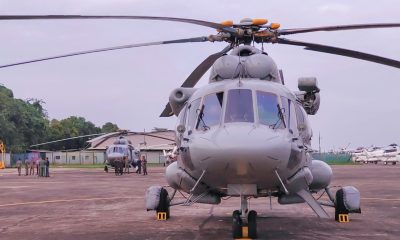
INS VIKRANT deploys helicopters for disaster relief operations
-
News3 days ago
Lunuwila tragedy not caused by those videoing Bell 212: SLAF
-
 Latest News4 days ago
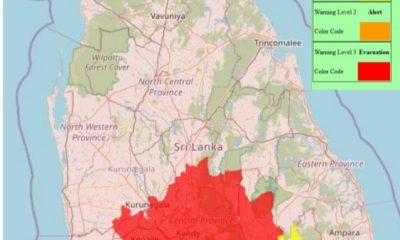
Level III landslide early warnings issued to the districts of Badulla, Kandy, Kegalle, Kurunegala, Matale and Nuwara-Eliya
-
 News2 days ago
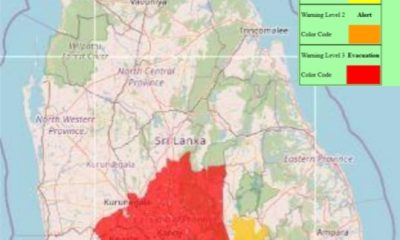
Level III landslide early warning continue to be in force in the districts of Kandy, Kegalle, Kurunegala and Matale
-
 Features4 days ago
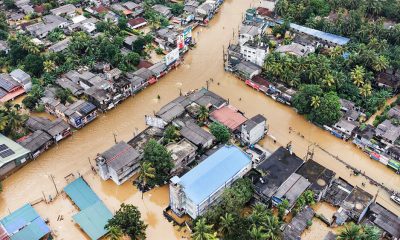
Ditwah: An unusual cyclone
-

 Latest News5 days ago
Updated Payment Instructions for Disaster Relief Contributions