
Life style
Kevum – Befitting a King

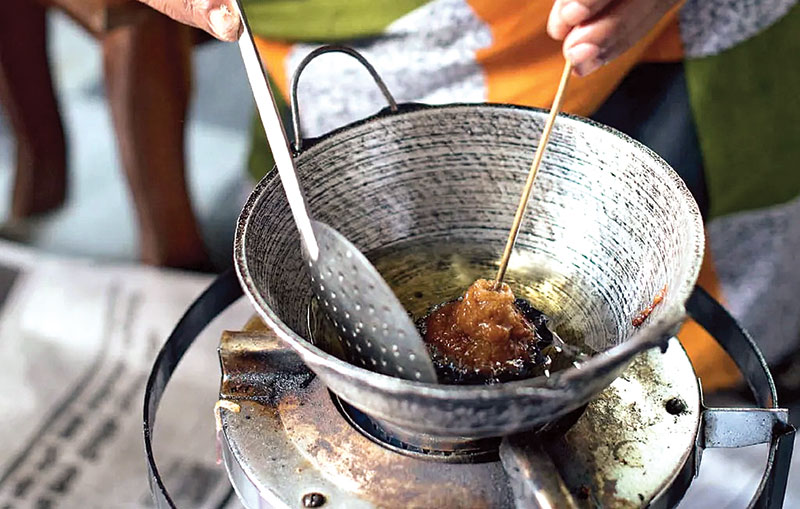
The avurudu table of any Lankan home is complete only when it is laden with kevum. Dating back to ancient times, many types of kevum are chronicled even in our classical texts. The Dutch rulers of the island are said to have relished them, some even asking if they grew on trees… A delicacy which was offered to visiting dignitaries, kevum was revered by our kings even in the battle field not only as an energy-booster but also as a wound disinfectant.
BY RANDIMA ATTYGALLE
The culmination of Avurudu preparations in my childhood with my grandparents was marked by the ritual of Kevum-making. Athamma would ‘book in advance’ the kevum specialist Soida Hami (Soida aachchi to us children), and install a special hearth in her back verendah for the grand moment. I would watch Soida aachchi in wonderment as her thick batter of rice flour and best of kithul treacle shaping into kevums in a hot wok of coconut oil. The long kevum koora in her nimble fingers would achieve the feat of the perfect konde. It was almost a rite of reverence, so much so I was not supposed to talk to her until the first batch of Konda-kevums was completed. Like many old-folk of her vintage, Soida aachchi believed that talking while the first few kevums are done would result in a flawed product.
She would then place each perfect Konda kevuma on a banana leaf for the excess oil to drain. Once the whole exercise was completed, she would place Konda-kevum in large earthen pots and store them in the dum messa or the storage area above the main hearth of the kitchen. She would spare me only one kevuma and the rest had to wait until the auspicious time on avurudu day!
Travellers’ records
Robert Knox an English sailor who was held in captive in the court of the Kandyan King Rajasinghe II and one of the prolific chroniclers of ancient Ceylon in his famous work, An Historical relation of the Island Ceylon documents on the sweet meats of Lankans with a special account of kevum.
‘They have several sorts of sweet-meats. One they call Caown. It is like to a fritter made of Rice-flower and Jaggory. They make them up in little lumps and lay them upon a leaf, and then press them with their thumbs and put them into a frying-pan and fry them in Coker-nut Oyl or Butter. When the Dutch came first to Columba, the King ordered these Caown to be made and sent to them as a royal treat. And they say, the Dutch did so admire them, that they asked if they grew not upon trees, supposing it past the Art of man to make such dainties.’ (Spelling as in the original Knox)
The account of Knox enables rich insights into this wonder of a sweet meat which enthralled many a traveller to the island including dignitaries. The European trader Cosmas who visited Ceylon in 545-550 AD, documents that along with gems, Kevum and Kalu dodol from Ceylon were taken to the Roman court of Emperor Claudius during the sixth century.
-
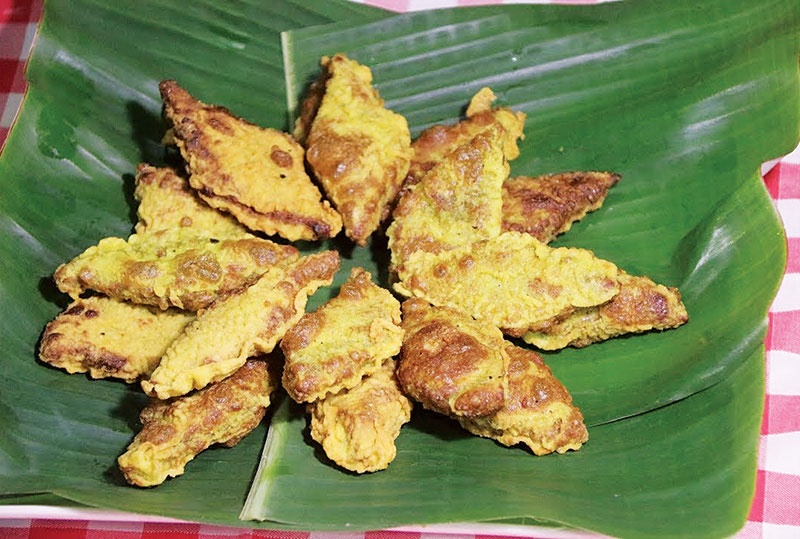
- Mun kevum
-
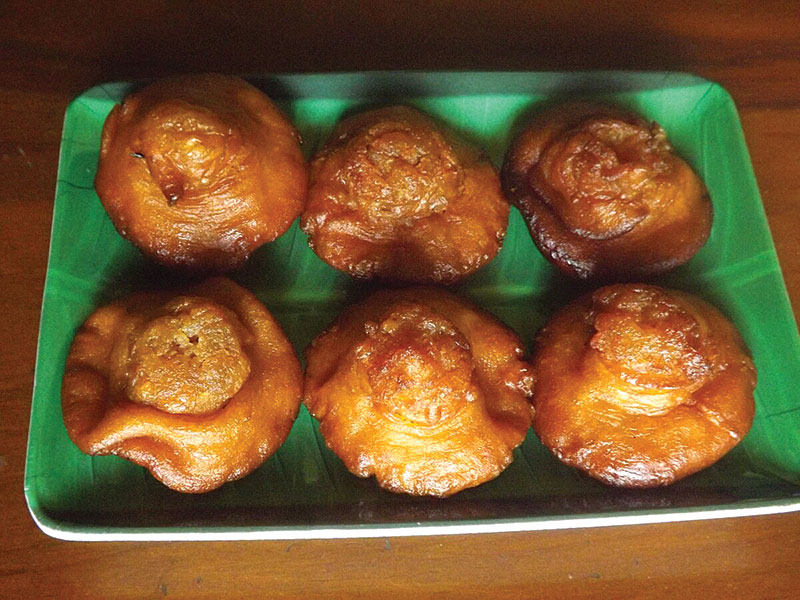
- Konda kevum
-
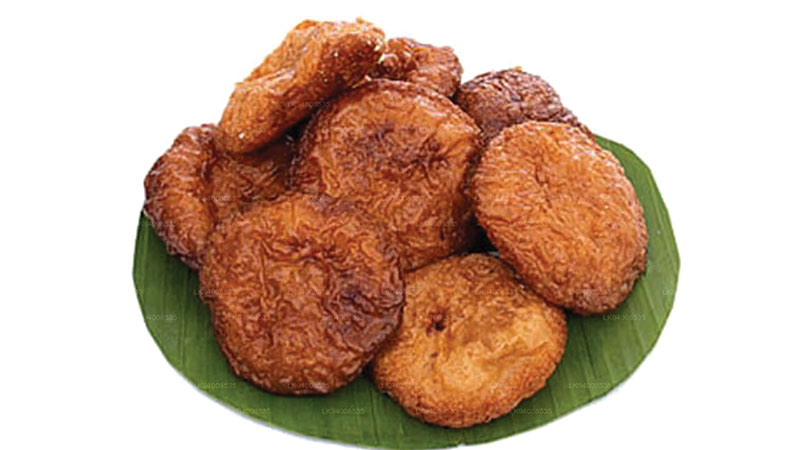
- Athirasa
Classical literature
Kevum dates back to ancient times and our classical texts such as the Ummagga jatakaya, Pujawaliya and Saddharma Ratanawaliya bear evidence to this fact. “Originally known as poopa this sweet meat came to be known as kevum in the Dambadeniya-Kurunegala era. Jathaka atuwa getapadaya mentions 18 kinds of sweet-meats found in the ancient Sri Lanka and among them are several types of kevum such as sendi kevum, mal kevum, athirasa, pena kevum, raa-kevum,” says Prof. Kusumalatha Lankamulla from the Department of Sinhala and Mass Communication at the University of Sri Jayewardenepura.
This scholar with research interest in Culture, Traditional and Modern Literature goes onto note that Mahawamsa in its 32nd chapter refers to two types of kevum in the context of alms offered by King Dutugemunu. The two types- thel kevum and maha de kuvum mentioned, were fried in ghee. “Many of our classical texts mention kevum in multiple festive contexts beyond avurudu. In Ummagga jathakaya, kevum is mentioned as a fitting gift to be taken when visiting parents. Saddharma Ratanawaliya refers to boxes of kevum or kevum pesa.“
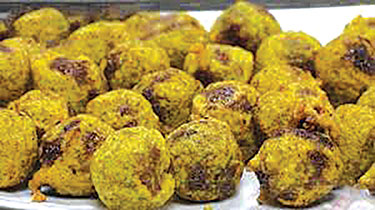
Narang kevum
An energy booster
Among the popular kevum types found today are Konda kevum, athirasa, mun-kevum, naran kevum and hendi-kevum. Although the ingredients used for each type may slightly differ, rice flour and treacle (now largely replaced with sugar) remain common to all. The much sought after Konda kevum which is relatively a later addition to the range of kevum found here at home is believed to have originated during the Kandyan period says Prof. Lankamulla. “During the Kandyan period, men were prohibited from cutting their hair off and they had to tie it in form of a knot on top of their heads. Konda kevuma is believed to have been inspired by this practice.”
Traditionally, Sinhalese soldiers were given a bag of kevum when going to war. History has it that King Dutugemunu went a step ahead and used kevum to treat wounded soldiers. His army used to prepare kevum months in advance and keep them exposed to air so that the mould can grow on them.
This mould in today’s language had ‘antibiotic properties’ and was used on the wounds of the soldiers to prevent them from festering. “In a bid to undermine the pride of place given to kevum as a super food by the locals, the British coined the famous derogatory adage: ‘Sinhalaya is a fool but is an ace at eating kevum’. (Sinhalaya modaya-kevum kanna yodaya)
Steeped in tradition
Superstitious beliefs surrounding the process of kevum-making are not uncommon and these vary from region to region in the island, says Prof. Lankamulla. Regardless of the region, several common traditions were followed by our ancestors and these still continue to be observed in several parts of the country, she says. “The frying pan with coconut oil to prepare the kevum was kept on fire at an auspicious time and village matriarchs who were highly skilled were mobilized for the occasion. Women also believed that they must refrain from talking when the first kevum is being made. For centuries, the first kevum was considered to be the ‘konduru kevum’, dedicated to the sledge-fly or the konduruwa. The village women would hang the first kevum up for the insects so that the rest would be unspoilt.”

Sybil Wettasinghe’s work celebrating kevum
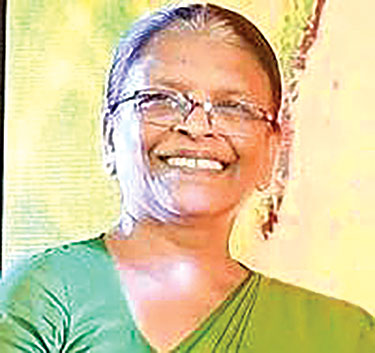
Prof Kusumalatha Lankamulla
With the passage of time, many Lankans, particularly city-dwellers depend on commercially available avurudu kevili including kevum. Although kevum is synonymous with avurudu, today people get to enjoy it round the year thanks to many sweet meat kiosks found in cities. Although these outlets have best sales during avurudu, they get plenty of orders from Lankans travelling abroad or coming home for vacation at other times of the year as well.
One such die-hard kevum fan is Uthpala Ranatunga from Ottawa, Canada. “My Loku amma (oldest aunt) makes it a point to pack me a parcel of best quality Konda kevum to take with me whenever I’m in Sri Lanka for a vacation.
I deep-freeze them for longer use and eat them sparingly,” says Uthpala to whom kevum is always a strong reminder of home. “Each time I indulge in them I feel nostalgic and miss home.”
Kevum is an integral part of the Lankan culture, finding its way from ancient classical literature to that of the contemporary including children’s literature and arts. The much-loved sweet meat is celebrated in the work of Sybil Wettasinghe – the iconic story teller and illustrator.
Come avurudu, we often hear the intonation of Lionel Ranwala, the eminent musician, vocalist and an authority on Sri Lankan folk music, whose tribute to the enduring legacy of this delicacy is one of the best in our times:
Me avurudu kale -sinaha weyan rale
Thel ihirunu kewum gediya wage…

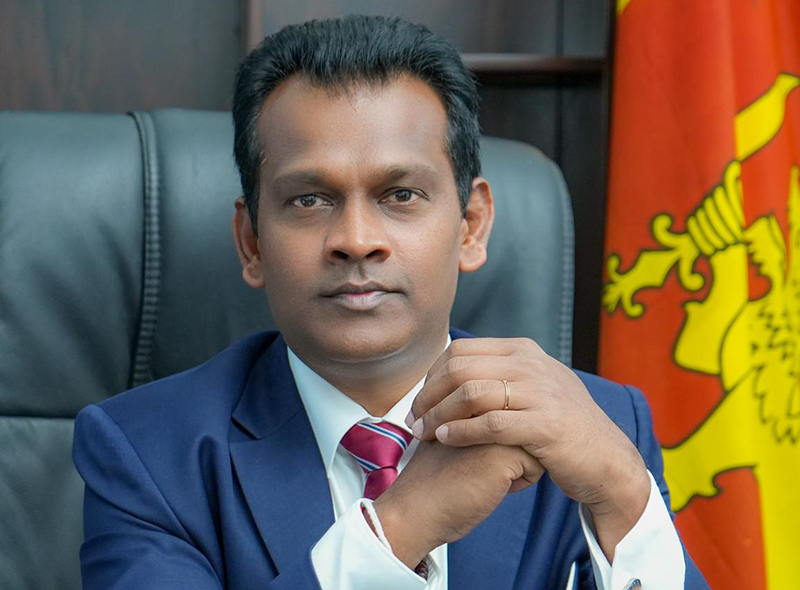
Sri Lanka is rising on the world’s travel radar – a jewel of the sun, drenched beaches, misty tea estates, and hidden waterfalls. Although Thailand dazzles with scale neon lights, bustling party islands and luxury resorts designed to impress, Sri Lanka offers something different, intimacy, authenticity and a luxury that doesn’t shout, it seduces.
As global travel surges and destinations vie for attention, the Deputy Minister of Tourism for Sri Lanka, Professor Ruwan Ranasinghe with deep roots in tourism studies, speaks about elevating Sri Lanka beyond its beautifully raw landscapes into a world class destination that embraces sustainability, technology and community empowerment. We spoke to him and asked what’s next for Sri Lanka and how the island envisions its tourism renaissance over the next few years.
 (Q) How do you foresee the tourism strategy direction for the next five years?
(A) Sri Lanka’s future tourism strategy is firmly anchored in sustainable and inclusive tourism. The focus is on balancing growth with responsibility: protecting natural and cultural assets while ensuring that communities across the island benefit directly. Diversification into wellness, eco-tourism, heritage, adventure, and rural experiences will be guided by evidence-based planning and inclusivity.
(Q) The key priorities for post pandemic recovery?
(A) Rebuilding trust with clear safety standards and transparent communication.
Inclusive growth by empowering small entrepreneurs and rural communities.
Sustainable practices in site management, energy use, and conservation.
Diversified demand targeting wellness, eco-travel, and long-stay visitors.
Digital transformation to modernize marketing and expand reach.
(Q) With Tourism booming in Thailand and Maldives, what is Sri Lanka’s position in the tourism landscape?
(A) Sri Lanka’s edge lies in offering a compact, diverse, and authentic experience— heritage, wildlife, tea, beaches, spa and wellness—all within short travel times. By positioning itself as a sustainable and inclusive destination, Sri Lanka appeals to travellers who value responsible tourism and meaningful cultural engagement, setting it apart from regional competitors.
(Q) What are your plans for sustainable and responsible growth for tourism?
(A) Sustainability is non-negotiable. Policies include carrying-capacity management, eco-certification, renewable energy incentives, and climate adaptation in coastal and hill-country zones. Inclusivity ensures that local communities share in tourism’s benefits, reinforcing resilience and equity.
(Q) How do we promote ecotourism, protect wildlife and marine ecosystems?
(A) Eco-tourism is being advanced through responsible visitor management, conservation partnerships, and community guardianship. Wildlife parks, marine ecosystems, and coastal zones are protected with stricter codes of conduct, while local communities are empowered as custodians and beneficiaries.
(Q) How can Sri Lanka showcase its position as a tourist destination?
(A) Sri Lanka presents itself as a sustainable, inclusive, and authentic destination. Live craft, cuisine, Ayurveda, and cultural showcases highlight the island’s unique identity, while digital tools ensure global buyers can connect directly with local providers.
(Q) How do we support small tourism entrepreneurs and rural communities?
(A) Inclusive tourism means empowering SMEs and rural communities with finance, skills, and market access. Homestays, village experiences, and community-based tourism routes are promoted to ensure equitable growth and authentic visitor experiences.
(Q) How do you predict the outlook for Sri Lanka’s tourism by 2030?
(A) By 2030, Sri Lanka envisions a tourism industry that is globally recognized for sustainability and inclusivity. Success will be measured not only in arrivals and revenue, but in conservation outcomes, community empowerment, and equitable regional development.
(Q) How will the role of technology and digital marketing help the tourist sector?
(A) Digital platforms and data insights will modernize Sri Lanka’s tourism, ensuring inclusive access for SMEs and smarter targeting of global markets. Technology supports transparency, efficiency, and sustainability, making tourism more resilient and competitive.
(Q) The impact of recent adverse weather and national disaster on tourism?
(A) Sri Lanka faced severe weather and a national disaster in the past months which inevitably disrupted parts of the tourism industry. Some destinations experienced temporary closures, and travel plans were affected. However, the government has acted swiftly: through the national budget and special allocations, resources are being directed to restore infrastructure, support affected communities, and stabilize the tourism sector.
Importantly, the industry’s resilience is evident. Stakeholders across government, private sector, and communities worked together with peaceful and strong dedication to minimize the damage. Recovery measures include targeted promotions to reassure international markets, rebuilding trust in Sri Lanka as a safe destination, and accelerating necessary upgrades.
This collective response demonstrates that Sri Lanka’s tourism is not only recovering, but doing so in a way that is sustainable, inclusive, and future-focused. The adversity has reinforced our commitment to building a sector that can withstand challenges while continuing to deliver authentic, safe, and memorable experiences for visitors.
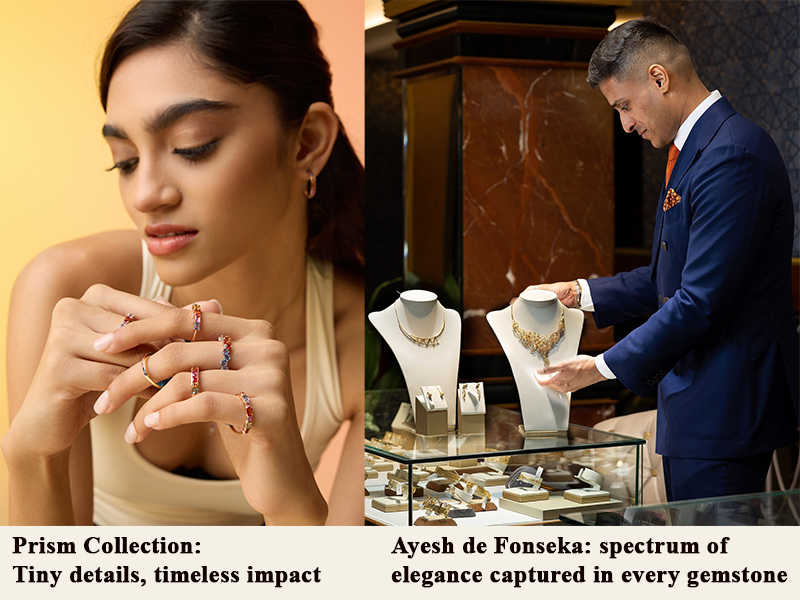
The Prism story
 Tiesh is a luxury Sri Lankan jewellery house known for its high-end handcrafted pieces that combine contemporary design with traditional craftsmanship.
Recently Tiesh unveiled a fresh vision for contemporary luxury called the Prism Collection.
The Prism Collection is a jewellery line launched by Tiesh that draws its inspiration from the way light refracts and splits into rich, vibrant colours when passing through a prism.
The idea behind this collection is to capture the spectrum of light and translate it into wearable art -jewellery that highlights brilliance, colour and dynamic form.
This is an era where jewellery is more than mere ornamentation – where every piece tells a story. Launched to great acclaim at the brand’s elegant Colombo showroom, this collection is a radiant celebration of light, colour and refined artistry – a body of work that doesn’t just adorn but transforms.
Renowned for its dedication to excellence, Tiesh continues to uphold its legacy of producing jewellery that epitomises luxury, elegance and meticulous craftsmanship. Each Prism creation is thoughtfully designed and expertly crafted using the finest precious stones and the skill of master local artisans, reflecting the brand’s unwavering commitment to quality and detail.
Launched as a festive yet fashion-forward collection, Prism presents a curated selection of jewellery that aligns seamlessly with today’s modern aesthetic. Available in yellow gold, rose gold and white gold; the Prism Collection features an extensive range of designs, including rings, earrings, pendants, necklaces, bracelets, bangles and chains. Each piece is crafted to highlight colour, balance and wearability, appealing to the modern, trend-conscious jewellery lover.
With a proud legacy spanning almost three decades Staying true to this ethos, the Prism Collection places
Sri Lankan sapphires in the spotlight, celebrating their natural colours, textures and rarity. Speaking of the collection, Tiesh Co-Director Ayesh de Fonseka stated, “Prism was created in keeping with the times, contemporary yet timeless. In a time when the nation looks towards renewal, this Collection emerges as a symbol of hope and positive transformation. Reflecting light, colour and clarity, the collection embodies a sense of resilience and betterment. As proud Sri Lankans, we wanted
this collection to showcase the exceptional beauty of our local sapphires alongside other precious stones. These are statement pieces designed for modern lifestyles.”
The collection also embraces customisation, a signature element of the Tiesh experience. Clients are invited to select their preferred gemstones and personalise designs, resulting in truly one-of-a-kind creations that reflect individual style and expression.
With global gold prices reaching historic highs, fine jewellery has inevitably become heavier on the wallet Yet for discerning clients, the conversation is no longer about grams alone
Here customers can adjust stone size, setting style and medal choice to suit their budget. At Tiesh, you’ll notice another surprise – the after-care service such as polishing and maintenance.
The gold at Tiesh remains genuine and hallmarked. In collections such as the Prism line, gemstones and design architecture do most of the talking, while gold becomes the elegant framework rather than the bulk of the piece. In their collections the gemstones carry much of the visual richness. Instead of purchasing a heavy block of gold, the client invests in design, craftsmanship and beauty. So, when gold prices rise globally our jewellery doesn’t escalate at the same pace because gold is not the sole component defining the piece Ayesh pointed out
We create jewellery meant to live with the heavier, not just sit in a vault. At its heart, Tiesh remains more than a jewellery house; it is a family legacy shared by vision, trust and affinity with craftsmanship. And within every shimmering facet of Prism lies that story: a family craft containing to shine, generation after generation.
The Prism collection is now available at the Tiesh showrooms R A de Mel Mawatha Colombo 3.
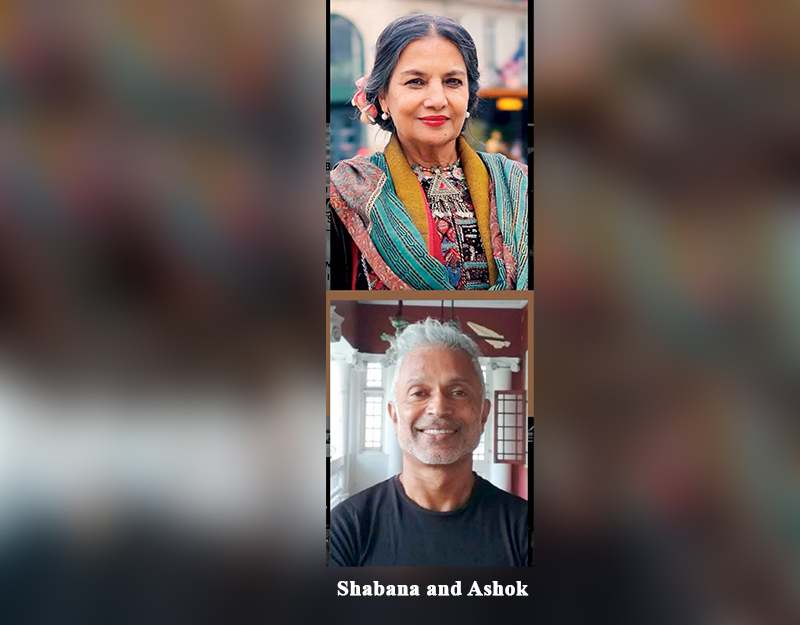
Cinema, courage and conversation:
Renowned Indian actress Shabana Azmi brought candour, conviction and a lifetime of cinematic wisdom to the stage recently, in conversation with Sri Lankan author Ashok Ferrey at the HSBC Ceylon Literary and Arts Festival recently at Cinnamon Lakeside Colombo.
In a wide-ranging discussion that traversed five decades of cinema, feminism, censorship and cross-border politics, Azmi reflected on a career spanning over 140 films — dismissing the debate over whether the figure stands at 140 or 160 with characteristic wit. “One hundred and forty is good enough,” she quipped, setting the tone for an evening that blended humour with hard truths.
Ferrey opened the conversation with Ankur, the 1974 classic directed by Shyam Benegal, which marked Azmi’s debut and helped pioneer India’s parallel cinema movement. Azmi credited her formative years at the Film and Television Institute of India for shaping her craft, emphasising that acting is both talent and technique.
“Training polishes the diamond,” she said, rejecting the notion that acting can be mastered in a matter of months. Exposure to international cinema — from Japanese to French and Swedish films — deeply influenced her aesthetic choices, she noted, adding that her upbringing in a household steeped in theatre and poetry further shaped her artistic sensibilities.
Azmi spoke passionately about the delicate balance between emotion and technical precision required of an actor.
“You are in the moment, but you are also watching yourself,” she observed, describing the psychological demands of the profession. “Civilised behaviour expects you to control emotion. Acting demands the opposite.”
The discussion moved to Arth (1982), directed by Mahesh Bhatt, a landmark film in which Azmi portrayed a woman who refuses to reconcile with an unfaithful husband. The decision to let her character walk away — radical at the time — drew scepticism from distributors who doubted Indian audiences would accept such defiance.
“They said it wouldn’t run a single day,” Azmi recalled. Instead, it became both critically acclaimed and commercially successful, resonating deeply with women across India. She described how women began approaching her not as a star but in solidarity, seeking guidance.
“That’s when I realised I have a voice,” she said, marking the beginning of her active involvement in the women’s movement.
Azmi was unequivocal in her stance on patriarchy, describing it as deeply entrenched in South Asian society. While acknowledging that conversations have begun, she warned that social conditioning — including women’s acceptance of domestic violence — remains troubling.
The conversation turned to Fire (1996), directed by Deepa Mehta, a film that sparked controversy for its portrayal of a same-sex relationship between two sisters-in-law. Azmi admitted she took time to consider the role, anticipating backlash.
Encouraged by her husband, lyricist and writer Javed Akhtar, Azmi chose to proceed. The film was initially screened without incident before political groups vandalised theatres in protest. Yet she remains proud of her decision.
“If you can feel empathy for these two women, you can extend that empathy to others — another nation, race, religion or sexuality,” she said, underscoring her belief that art creates a climate of sensitivity where change becomes possible.
On ageing in cinema, Azmi expressed optimism. Unlike earlier decades when actresses were relegated to peripheral roles after 30, today’s industry offers space for senior actors.
She credited contemporaries such as Amitabh Bachchan — whose sustained presence in leading character roles has reshaped industry norms — for broadening opportunities.
The session concluded with reflections on cross-border tensions, prompted by a question about an India–Pakistan cricket match taking place concurrently.
Azmi offered a nuanced perspective, suggesting that while cricket fuels adrenaline, cultural collaborations — particularly film co-productions — could serve as stronger bridges between nations.
“People don’t have a problem with each other. Politics does,” she remarked, advocating for artistic exchange as a means of fostering understanding.
Throughout the evening, Azmi’s words echoed her lifelong belief: that cinema is not merely entertainment but a powerful vehicle for social transformation.
By Ifham Nizam

US and Iran hold talks seen as crucial to prevent conflict

Zimbabwe opt to bowl, include Maposa; Samson, Axar back for India

Markram, bowlers lead South Africa’s rout of West Indies

Samra, Airee headline Associates’ team of the tournament

Maharoof expects ‘some hard decisions’ after Sri Lanka’s T20 World Cup exit

Matthews’ century leads West Indies to six-wicket victory

‘Dates have the highest sugar content to fight Coronavirus’

Sunday Island 27 December – Headlines

#SundayIsland 17th December – Headlines

Sunday Island – 28th March

Sunday Island Headlines – 21 March

Sunday Island – 21st February – Headlines
-
 Features5 days ago
Why does the state threaten Its people with yet another anti-terror law?
-
 Features5 days ago
Reconciliation, Mood of the Nation and the NPP Government
-

 Features5 days ago
Victor Melder turns 90: Railwayman and bibliophile extraordinary
-

 Features4 days ago
LOVEABLE BUT LETHAL: When four-legged stars remind us of a silent killer
-
 Features5 days ago
Victor, the Friend of the Foreign Press
-

 Latest News6 days ago
New Zealand meet familiar opponents Pakistan at spin-friendly Premadasa
-

 Latest News6 days ago
Tariffs ruling is major blow to Trump’s second-term agenda
-

 Latest News6 days ago
ECB push back at Pakistan ‘shadow-ban’ reports ahead of Hundred auction