
Features
Double Cab debacle – Soviet-style standardisation


 The NPP government’s decision to procure 1,775 brand-new double cab pickup trucks, at a staggering cost exceeding Rs. 12,500 million, represents not merely a questionable procurement decision, but a dangerous convergence of fiscal irresponsibility, procedural irregularities, and a disturbing drift toward authoritarian governance. What the government presents as a solution to transport inefficiencies is, upon closer examination, a regressive policy that abandons proven private sector practices, multiplies taxpayer burdens, and signals an ominous shift in the political culture of our already fragile democracy.
During a TV debate last week, an NPP representative responded, saying that the LKR 12,500 million figure was merely a lease payment, when an Opposition member questioned how a brand-new double cab could cost only 7 million. Both arguments missed the mark. Yes, a vehicle can cost around 7 million when it’s duty-free, but it remains unclear whether these purchases were actually made through leasing arrangements. The real issue, however, is far more serious: if the government coffers are already overflowing with trillions, why resort to additional interest-bearing debt? This raises fundamental questions about fiscal discipline and transparency in public spending.
The Procurement Scandal: Built to Exclude
The irregularities surrounding this tender are brazen enough to warrant immediate investigation. The standard 42-day National Competitive Bidding (NCB) window was compressed into a mere 12 days, a manipulation that serves only one purpose: to limit competition and favour pre-selected bidders. When MP Dr. Harsha de Silva raised these concerns during the Budget debate, he wasn’t merely engaging in political theater; he was exposing what appears to be a textbook case of tender rigging.
The eligibility criteria look as tailored for one or two companies: 10 years of experience supplying specified vehicles, delivery of at least 1,000 similar vehicles in the past decade, 10 service centres nationwide (including five outside the Western Province), average annual turnover of Rs. 10 billion for 2017-2019, and Rs. 50 million security deposit. These requirements, combined with the compressed timeline, effectively eliminate genuine competition, a cardinal sin in public procurement.
The government’s silence on these allegations is deafening. When confronted, officials pass responsibility like a hot potato: the Ministry of Public Security claims no involvement, the Treasury points to the Department of Fiscal Policy, and Director General Dr. M.K.C. Senanayake remains unreachable. This bureaucratic shell game is precisely how corruption flourishes in broad daylight.
The Economics of Inefficiency: A Comparative Analysis
The irony of this policy becomes stark when examined through the lens of contemporary business practices and cost benefit analysis of Buy Vs Lease. The concept of “company-maintained car” has already moved toward employee car loans and allowances in many companies. This transition wasn’t ideological; it was driven by hard-nosed financial analysis. (Figure 1)
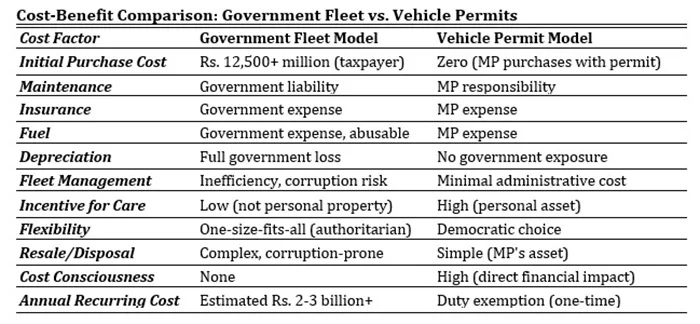
The numbers tell an unambiguous story. Under the permit system, the government bore only the cost of duty exemption, essentially foregone revenue on vehicles MPs would purchase anyway. Under the new fleet system also the government still have to bear the cost of duty exemption, in addition, taxpayers fund not just the purchase but every aspect of ownership: maintenance, insurance, fuel, depreciation, and bureaucratic overhead. This is fiscal masochism dressed as reform.
On the other hand, when employees own their vehicles, they maintain them better, use them more judiciously and carefully, and bear the consequences of their choices. The government is now racing backward toward a model that the business world rejected as inefficient and unaccountable.
The Permit “Problem” That Wasn’t
The government justifies this expensive reversal by claiming MPs exploit duty-free permits, selling them or importing luxury vehicles. This argument is intellectually dishonest on multiple levels.
First, if MPs sell their permits, so what? The permit represented the government’s contribution to their transportation needs. If an MP chose to monetize that benefit and use alternative transport, or a less expensive vehicle, that was their choice and potentially saved the government money on maintenance and fuel they would otherwise consume.
Second, the new system doesn’t eliminate the underlying incentive for personal gain; it merely socialises all costs. The “corruption” concern is a smokescreen. Under the permit system, any financial benefit accrued to the individual MP was visible. Under the fleet system, waste and corruption are diffused across bureaucratic processes, harder to trace, easier to perpetuate.
Third, and most damningly, the government now pays for everything the permit covered, plus the vehicle cost itself, plus all operating expenses. This is not reform; it’s fiscal suicide. We’ve moved from “MPs might profit from permits” to “taxpayers definitely pay for everything while MPs enjoy government-funded transport.”
The Authoritarian Creep: One Vehicle, One Choice, One System
Beyond financial stupidity there is a more frightening political motive. This policy represents a philosophical shift toward uniformity and state control that should alarm anyone who values democratic pluralism and individual autonomy, (Figure 2)

By mandating that all representatives, parliamentary as well as local government, use identical, government-issued vehicles, the regime is imposing a Soviet-style uniformity, reminiscent of the USSR’s infamous standardisation, where citizens could have any car they wanted, as long as it was a Lada. This isn’t merely about vehicles; it’s about control and conformity.
In a democracy, elected representatives should have the option to choose modes suited to their constituencies, personal circumstances, and preferences, within reasonable cost parameters. A representative from a mountainous district might need different transport than one from Colombo. An MP might prefer a more efficient sedan, such as EV, Hybrid or plug-in hybrid, over a diesel guzzler. These choices reflect democratic diversity.
The government’s “one vehicle fits all” approach betrays an authoritarian impulse: standardisation over choice, conformity over flexibility, central control over individual autonomy. When the state dictates even the vehicle you must drive, it signals a broader tendency toward control that extends beyond logistics into political culture.
The 1,775 Question: Who Benefits?
Here’s the uncomfortable arithmetic: Why 1,775 double cabs? The government’s vague explanations about “government institutions” don’t withstand scrutiny.
The timing is suspicious. With local government bodies now dominated by NPP/JVP cadres following recent electoral victories, this massive procurement looks less like rational fleet management and more like political patronage, a mechanism to reward party loyalists, strengthen party machinery, and entrench political power through material inducements.
This isn’t governance; it’s machine politics. The double cabs become instruments of political consolidation, distributed to party-faithful across the country, binding them to the regime through material dependence. The fiscal cost is borne by all citizens; the political benefit accrues exclusively to the ruling party.
Budget 2026: Short-Term Thinking, Long-Term Peril
This procurement debacle must be understood within the broader context of Budget 2026, a document that betrays alarming short-term thinking, precisely when Sri Lanka needs strategic, long-term fiscal discipline.
We face resumed debt repayments in 2028 requiring foreign reserves of at least USD 13 billion. The rupee crisis is not resolved; the revenue surge from vehicle import duties is a temporary bubble that will burst. In this precarious context, spending Rs. 12,500+ million on unnecessary vehicles while committing to billions more in recurring costs represents a dereliction of fiscal responsibility.
The NPP rode to power on promises of “system change” and exemplary governance. Instead, we’re witnessing the same old playbook: opaque tender processes, fiscal profligacy, bureaucratic obfuscation, and the use of state resources for political advantage. The party that once positioned itself “above suspicion like Caesar’s wife” now looks remarkably like Caesar himself, accumulating power, dispensing patronage, and showing contempt for democratic accountability.
The NPP government must decide: Will it honour its mandate for systemic reform, or will it become another iteration of the same corrupt, inefficient, authoritarian tendencies it once condemned? The double cab debacle is a test, and so far, the government is failing spectacularly.
The people who voted for change deserve better than a fleet of pickup trucks purchased through questionable procedures, financed by their taxes, and distributed as political favours. They deserve a government that respects democratic norms, fiscal responsibility, and the basic principle that public resources belong to the public, not to party machinery.
If the government proceeds with this procurement, despite overwhelming evidence of its folly, it will signal that we’ve moved from democracy to what the editorial of this newspaper on Tuesday 11th November, 2025, aptly termed “kleptokakistocracy”, (Klepto – from kleptocracy, meaning rule by thieves or those who exploit power for personal gain. Kakisto – from kakistocracy, meaning government by the worst, least qualified, or most unscrupulous individuals; cracy – meaning a system of governance.
And that road leads only to ruin, fiscal, political, and moral.
(The writer, a senior Chartered Accountant and professional banker, is Professor at SLIIT, Malabe. The views and opinions expressed in this article are personal.)


The world marked World Otter Day 2026 recently. Conservationists are warning that Sri Lanka’s rapidly disappearing wetlands, polluted waterways and unplanned development are placing increasing pressure on one of the island’s most elusive freshwater predators, the Eurasian otter (Lutra lutra).
The species, locally known as “Diya Balla”, is the only otter found in Sri Lanka and is regarded as a key indicator of healthy freshwater ecosystems. Yet despite its ecological importance, experts say the animal remains poorly studied and largely overlooked in national conservation planning.
Naturalist and conservationist Chaminda Jayasekara, who has spent years documenting otters in Sri Lanka, said the species is facing mounting environmental pressures across the island.
Speaking to The Island, Jayasekara said habitat destruction, chemical pollution, road kills, sand mining, and increasing human disturbance are fragmenting the waterways on which otters depend.
“Otters are extremely sensitive animals. When wetlands are degraded or rivers become polluted, they disappear very quickly. Their survival is directly linked to the health of freshwater ecosystems,” he said.
Jayasekara, who specialised in MSc Environmental Management at the University of Hertfordshire, noted that while the species has been recorded across Sri Lanka’s wet zone, dry zone and coastal wetlands, scientific data on population numbers and distribution remain limited.
According to him, the decline of wetlands has become one of the most serious environmental issues facing Sri Lanka. Marshes, mangroves, irrigation tanks and riverine habitats are increasingly being altered by urban expansion, tourism infrastructure, encroachment and agricultural runoff.
He warns that the loss of these habitats not only threatens otters, but also weakens flood control systems, freshwater security and biodiversity resilience at a time when climate-related disasters are becoming more frequent.
Jayasekara said otters play a vital ecological role by helping maintain balanced fish populations and healthy aquatic ecosystems.
“When otters thrive, it tells us the river system is functioning properly. Their presence is a sign that water quality, fish diversity and habitat conditions remain healthy,” he explained.
One of the best-known locations for otter sightings in Sri Lanka is Aranga Pond, within the Horton Plains National Park, where the species has adapted to the island’s cold montane ecosystem.
However, conservationists stress that even protected areas are not immune to broader environmental degradation occurring outside park boundaries.
Jayasekara’s own work on otters gained prominence through long-term conservation efforts at Jetwing Vil Uyana, where a former degraded chena landscape was restored into a functioning wetland ecosystem.
The restored habitat eventually attracted Eurasian otters, fishing cats, grey slender lorises and numerous wetland bird species.
Over 14 years, Jayasekara carried out field observations, camera trapping and awareness programmes involving hotel staff, surrounding schools and local communities.
“What happened at Vil Uyana clearly showed that habitat restoration works. If degraded ecosystems are given time to recover, wildlife can return naturally,” he said.
He added that wetland restoration should become a central component of Sri Lanka’s environmental policy, particularly as climate change intensifies droughts, floods and biodiversity loss.
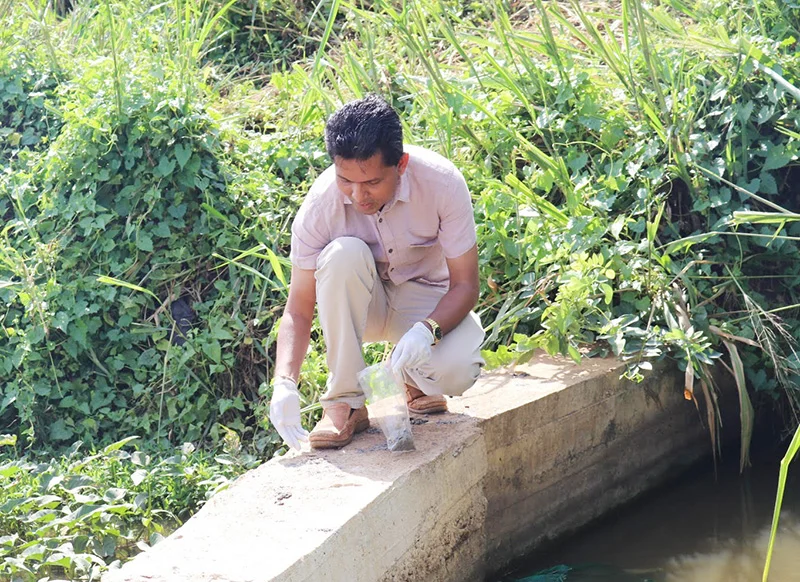
Chaminda collecting scat for research purposes in Sigiriya
He says wetlands are among the planet’s most productive ecosystems, functioning as natural water filters and carbon sinks while providing breeding grounds for fish, amphibians and aquatic mammals.
Yet globally, wetlands are disappearing at an alarming rate, and Sri Lanka is no exception.
Conservation groups have repeatedly warned that illegal waste disposal, pesticide contamination and poorly planned infrastructure projects are severely affecting freshwater ecosystems throughout the country.
Jayasekara also highlighted the importance of stronger environmental education and community participation in conservation.
“Awareness is still very limited. Many people living close to wetlands do not realise the ecological importance of otters or the threats they face,” he said.
According to him, involving local communities in conservation monitoring is essential if Sri Lanka hopes to safeguard the species in the long term.
He also pointed to the growing international interest in otter conservation.
In November 2025, Jayasekara represented Sri Lanka at the International Eurasian Otter Conservation Workshop held at Colchester Zoo and organised by the International Otter Survival Fund.
The workshop brought together nearly 100 researchers, conservationists and wildlife experts from 33 countries to discuss emerging threats facing Eurasian otter populations.
Jayasekara presented Sri Lanka’s experience under the theme Rewilding Through Hospitality, focusing on how habitat restoration and sustainable tourism practices at Vil Uyana contributed to otter conservation.
“The international response was extremely encouraging. Many delegates were surprised that a tourism property in Sri Lanka had quietly carried out wetland conservation work for more than a decade,” he said.
Discussions at the workshop also examined wider environmental concerns including river pollution, declining fish stocks, illegal killings and habitat fragmentation affecting otter populations across Europe and Asia.
New conservation technologies such as AI-assisted wildlife tracking and environmental DNA surveys were also highlighted as emerging tools for monitoring elusive species.
Jayasekara said Sri Lanka urgently requires more scientific surveys, stronger environmental law enforcement and greater investment in freshwater conservation research.
He warned that unless wetlands and waterways are protected, several lesser-known freshwater species could face severe decline in the coming decades.
Environmentalists say otter conservation should not be viewed in isolation but as part of a broader effort to protect entire freshwater ecosystems that millions of Sri Lankans depend on for drinking water, irrigation and livelihoods.
He further noted that healthy wetlands also strengthen climate resilience by absorbing floodwaters, reducing soil erosion and supporting groundwater recharge.
As Sri Lanka experiences increasingly erratic weather patterns linked to climate change, conservationists argue that protecting wetlands is becoming both an ecological and economic necessity.
Jayasekara believes Sri Lanka still has an opportunity to become a regional example in balancing tourism, biodiversity conservation and habitat restoration.
“The otter teaches us an important lesson,” he said. “If rivers are protected and wetlands are respected, nature has an incredible ability to recover.”
This year’s observance of World Otter Day 2026 is, therefore, serving not only as a celebration of one of the world’s most charismatic mammals, but also as a reminder of the urgent need to conserve the fragile freshwater ecosystems upon which both wildlife and human communities ultimately depend.

Eurasian otter
By Ifham Nizam
In their Vesak messages this year, President Anura Kumara Dissanayake and Prime Minister Harini Amarasuriya highlighted the values of reconciliation, coexistence and justice as essential to Sri Lanka’s future. President Dissanayake emphasised that Buddhism’s teachings remain deeply relevant to contemporary society and described Vesak as a symbol of “mutual understanding, unity and coexistence among all communities” and of reconciliation itself. Prime Minister Amarasuriya similarly called for the building of a society in which justice is assured to all irrespective of caste, race or religion. These messages were not merely religious aspirations, they were a direct challenge to the most serious failures in Sri Lanka’s post-independence history. These include the three-decade-long war, its human rights violations and the inability to implement a political solution.
These have been and continue to be the challenges that have prevented Sri Lanka from reaching its full potential. Added to this have been the persistence of social and economic inequalities that continue to marginalise communities at the bottom of the social hierarchy. One of the most enduring examples of such injustice is the experience of the Malaiyaha Tamil community. The scale of the original exclusion is worth understanding clearly. According to the 1946 Census, the Malaiyaha Tamil community numbered approximately 780,600 persons and constituted 11.73 percent of the country’s population making them the second largest ethnic community, larger than the Sri Lankan Tamil community who numbered 733,700 or 11.02 percent of the population at the time
The denial of citizenship and voting rights to the Malaiyaha Tamil community was the first major injustice inflicted on an ethnic minority in post-independence Sri Lanka. The consequences were devastating and long-lasting. A community that had contributed enormously to the country’s economy through its labour on the plantations was excluded from political participation and denied basic rights. This was a political and moral failure that cast a long shadow over the country’s post-independence history. Responsibility for that injustice needs to be shared widely. Political leaders across ethnic lines failed to resist it. The result was the marginalisation of a community whose contribution to national prosperity far exceeded the recognition it received. Today, nearly eight decades later, Sri Lanka has an opportunity to correct that historic wrong but only if economic reform is matched by genuine social inclusion.
Longstanding Grievances
The NPP government has repeatedly acknowledged the need to address the longstanding grievances of the Malaiyaha Tamil people. In its election manifesto, the NPP pledged to improve living conditions in plantation areas, strengthen land and housing rights, ensure equal access to education and public services, and integrate plantation communities more fully into national development. The NPP’s Nuwara Eliya Declaration of 2023 similarly recognised that the plantation community had suffered generations of exclusion and promised measures to address disparities in housing, land ownership, infrastructure, education and economic opportunity. The need for such action is plain to see. While citizenship issues have largely been resolved over time, the socio-economic consequences of decades of exclusion remain deeply entrenched and continue to shape daily life in plantation communities. A conference organised by the Institute of Social Development to mark International Tea Day on May 21 at the BMICH brought out this and many other salient issues. Headed by P Muthulingam the organisation has advocated for the rights of the Malaiyaha Tamil people for the past 35 years to be equal citizens who enjoy social and economic justice.
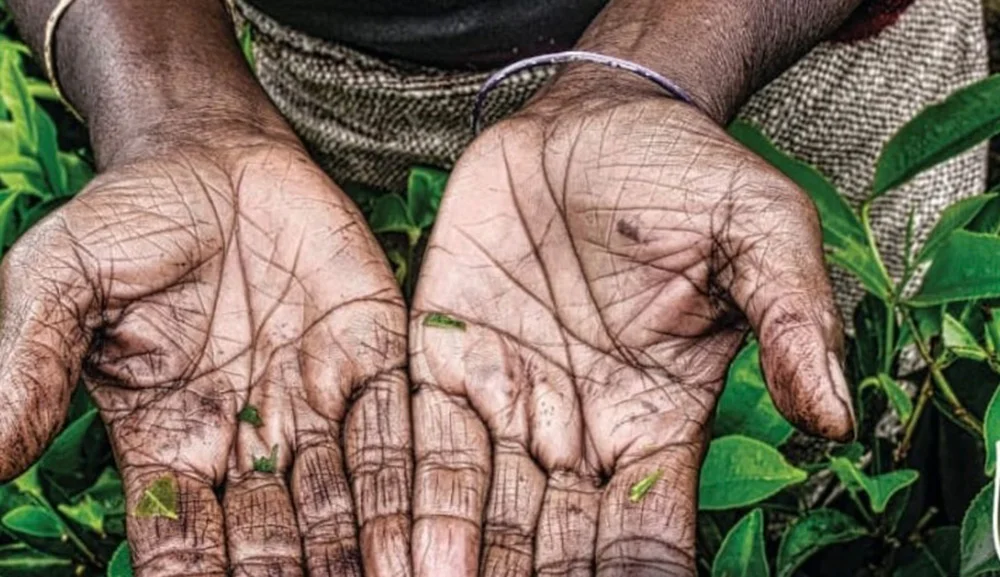
The central problem facing many plantation workers is the low level of income they receive. Daily wages remain among the lowest in the country relative to the difficulty and intensity of the work. Plantation labour continues to depend heavily on methods that have changed little over generations. Productivity remains low compared to competing tea-producing countries — not because workers lack capability, but because sustained investment in their welfare, skills and economic mobility has been withheld. Workers consequently remain trapped in a cycle of low wages and limited economic mobility. Their housing situation compounds these difficulties. Many plantation families continue to live in housing owned either by plantation companies or the state. Lack of secure ownership limits their ability to accumulate assets, access credit or make independent decisions regarding their future. When Cyclone Ditwah damaged plantation housing, it exposed the inability of those living in that housing to access state compensation as they did not own the housing in which they lived.
The problems extend beyond the central highlands. Plantation workers living in private estates and smallholdings in other parts of the country face similar challenges. A recent Amnesty International report documented serious abuses affecting Malaiyaha Tamil workers in private tea estates in the Southern Province. These include wage withholding, debt dependency, restrictions on movement and intimidation and practices the report argued correspond to internationally recognised indicators of forced labour. These findings are not peripheral. They reveal that the structural exclusion of the Malaiyaha Tamil community is not a relic of the past but an active, ongoing condition. Economic vulnerability and social marginalisation continue to leave many plantation workers without effective protection or access to justice. It is against this backdrop that the government’s recent plantation reform initiative assumes special significance.
Second Phase
The government has announced the second phase of a programme to make underutilised plantation lands and assets available for investment. The objective is to transform underperforming assets into productive enterprises capable of generating employment, attracting investment and revitalising regional economies. The programme seeks to modernise the plantation sector, improve productivity and create new opportunities in tourism, renewable energy and export-oriented industries. These objectives are necessary and welcome. However, economic reform alone will not be sufficient and Sri Lanka’s own history provides the warning. Previous rounds of plantation modernisation pursued productivity gains without addressing the structural disempowerment of the people at the centre of the industry. The result was investment that generated wealth without distributing it. The workers who produced the wealth were once again treated as labour inputs rather than as beneficiaries. If the current reform follows the same logic, it risks reproducing the same failure.
For reform to succeed, plantation workers must be recognised not merely as a labour force but as stakeholders with rights, aspirations and a legitimate claim to share in the benefits of development. Housing ownership, secure land tenure, quality education, vocational training and entrepreneurship need to be built into the reform process from the outset. The government’s commitments to the Malaiyaha Tamil community therefore need to be incorporated into every stage of the reform process. On the contentious question of land, the government should consider establishing an independent national land commission. Such a body should include respected government officials, professionals and representatives from all ethnic and religious communities. It should review land policy comprehensively, develop transparent principles for allocation and use, ensure fairness in decision making and provide a trusted mechanism for resolving disputes. A credible land commission would help build public confidence that land reforms are being undertaken in the national interest rather than for the benefit of particular groups.
The correction of historic injustices should not be viewed as a concession to one community. It should be understood as an investment in national unity, because societies do not become stronger by maintaining the exclusion of those they have wronged. On the contrary, they become stronger by ending it. The first great injustice committed against an ethnic minority after independence cannot be undone. But its consequences can be addressed, and doing so would strengthen reconciliation, enhance social cohesion and bring Sri Lanka closer to the vision of a country in which all communities live with equal dignity and equal hope. This is what the Vesak messages of the President and Prime Minister promised. The plantation reform now underway is the moment to make good on that promise not in words alone, but in sustained policy that endures beyond any single government and reaches the people who have waited longest for it.
by Jehan Perera
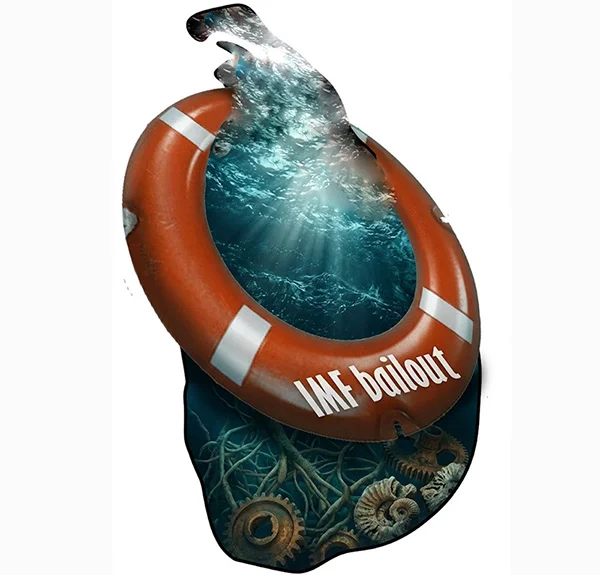
The IMF’s latest decision to release approximately US$695 million to Sri Lanka provides an important measure of financial relief, but it should not be mistaken for full economic recovery. While the approval reflects progress in stabilisation, fiscal discipline, and reform implementation, the country still faces deep structural weaknesses, social pressures, and external risks. The real test begins now: whether Sri Lanka can convert this temporary breathing space into lasting reform, productive growth, stronger institutions, and national resilience. This moment should not be used for political celebration, but for serious national reflection and responsible action. Sri Lanka must now resolve to support a clear policy direction, a practical reform programme, and a long-term national development path — not merely an individual, a party, or a political camp.
1. IMF Relief: A Necessary Step, but Not a Final Solution
The IMF Executive Board recently completed the combined Fifth and Sixth Reviews under Sri Lanka’s Extended Fund Facility, allowing the country immediate access to SDR 508 million, approximately US$695 million. This decision represents an important step in Sri Lanka’s ongoing economic recovery process following the severe crisis that led to sovereign debt default, shortages of essential goods, high inflation, and the collapse of foreign reserves in 2022.
However, this decision must be understood with great sensitivity. IMF relief is not the same as full economic recovery. It gives Sri Lanka temporary breathing space, helps rebuild a certain level of international confidence, and supports the continuation of the reform programme. However, this relief is not a magic solution that can automatically resolve the country’s deep-rooted economic problems. Fundamental challenges such as the debt burden, weak productive capacity, low export earnings, poor public revenue performance, weak fiscal management, excessive dependence on imports, corruption, and inefficient state-owned enterprises still remain unresolved. Addressing these challenges requires domestic reforms, disciplined policies, stronger production and export capacity, and a long-term national development programme. Therefore, the IMF decision should not be treated as a political victory or as proof of complete economic success. Rather, it should be seen as a reminder that Sri Lanka still has a long and difficult journey ahead.
2. Sri Lanka’s Progress Recognised by the IMF and Its Limits
The IMF’s approval indicates that Sri Lanka has made progress in several important areas. Inflation has been brought under control compared to the extreme levels experienced during the crisis. Foreign reserves have improved, the exchange rate has shown greater stability, and fiscal management has become more disciplined. The government has also continued to implement reforms in taxation, public finance, energy pricing, and debt restructuring.
According to the IMF assessment, performance under the programme has generally been strong. Several quantitative performance targets have been met, while many structural benchmarks have either been achieved or implemented with some delay. This shows that Sri Lanka has remained broadly committed to the reform path agreed under the IMF-supported programme.
Yet this progress remains fragile. Stability achieved through external support must now be converted into genuine economic strength.
3. Conditions and Responsibilities Attached to the IMF Programme
IMF support does not come merely as financial relief; it comes with a set of important reform conditions and responsibilities that Sri Lanka must fulfil. Key among them are maintaining fiscal discipline, improving government revenue, continuing cost-reflective pricing for fuel and electricity, strengthening public financial management, restructuring state-owned enterprises, protecting institutional independence, and preventing the accumulation of new external payment arrears.
The main objective of these conditions is to restore macroeconomic stability, strengthen fiscal credibility, and rebuild international confidence in Sri Lanka. However, these reforms also carry social and political consequences. Higher taxes, market-based utility pricing, and strict expenditure controls can place a heavy burden on ordinary citizens, especially low-income families, small businesses, pensioners, and salaried workers. Therefore, in implementing reforms, economic discipline alone is not enough. Fairness, transparency, and social sensitivity towards vulnerable groups must also be treated as essential priorities.
4.The Impact of IMF Conditions on People and the Economy
One major social consequence of the IMF programme is the increased pressure it can place on household incomes and living standards. When electricity, fuel, and other essential services are priced on a cost-recovery basis, people may have to face a higher cost of living. Although such reforms are necessary to reduce the losses of state-owned enterprises and maintain fiscal discipline, they can weaken the purchasing power of ordinary citizens if strong social protection programmes are not in place.
Another important consequence is the pressure placed on the operating costs and stability of small and medium-sized enterprises. Higher taxes, increased utility costs, fuel and electricity expenses, and the rising cost of borrowing can affect business survival, job creation, and new investment decisions. If reforms are implemented without sufficient attention to production, exports, and small businesses, the country may achieve short-term fiscal stability, but long-term economic growth could remain weak.
There is also a political risk that cannot be ignored. If people feel that the burden of reform is not being shared fairly, reform fatigue and public frustration may emerge. If ordinary citizens are expected to make sacrifices while corruption, waste, and political privileges continue, public confidence in the reform process will decline. Therefore, for IMF-supported reforms to succeed, fairness, transparency, and social sensitivity must be firmly ensured alongside economic discipline.
5. The Real Test Before Sri Lanka
Sri Lanka’s real test begins now. Beyond temporary financial relief, the country must now prove that it can build a strong economy that generates income and can withstand external shocks. Therefore, our objective should not be limited to securing the next IMF tranche. While an IMF tranche may provide short-term breathing space, it does not guarantee long-term economic independence or stability. The real objective should be to create an economy that does not have to return to the IMF repeatedly during every crisis, but can stand on its own productive strength, export earnings, and fiscal discipline.
This requires fiscal discipline. However, discipline alone is not enough; economic growth is also necessary. Taxation is necessary. But increasing taxes alone is not a solution; production, investment, and exports must also be expanded. Debt restructuring is necessary. But beyond reducing the debt burden, Sri Lanka must also build an economic foundation that does not depend excessively on borrowing in the future. Sacrifices may be asked of the people. But for those sacrifices to be fair, accountability, transparency, and exemplary conduct from leaders are also essential.
Economic recovery cannot be sustained in the long term through financial assistance alone. Such support can provide breathing space during a crisis, but a country is rebuilt on the strength of its own institutions, productive capacity, export competitiveness, and public trust. Therefore, what Sri Lanka needs today is strong institutions, income-generating industries, a broader export base, food security, energy security, and a system of governance that people can trust.
6. Policy Priorities for Sustainable Recovery
Sri Lanka must now move from crisis management to national transformation. First, fiscal discipline should continue, but it must be fair. Revenue mobilisation should not rely only on increasing taxes on the same groups of people. The tax base must be broadened, tax administration must be improved, and tax evasion must be reduced.
Second, social protection must be strengthened. The most vulnerable groups should be protected through well-targeted assistance. Reforms will be more acceptable if people feel that the poor, elderly, disabled, and low-income families are not abandoned.
Third, state-owned enterprise reform should be carried out with transparency and public accountability. The objective should not merely be privatisation, but efficiency, professionalism, financial discipline, and better service delivery.
Fourth, Sri Lanka must prioritise export-led growth. The country cannot build a stable future by depending mainly on borrowing, remittances, and consumption. Agriculture, tourism, manufacturing, IT services, logistics, education, and value-added exports must become central pillars of national development.
Fifth, governance reform is essential. Without reducing corruption, political interference, wasteful expenditure, and weak implementation, no IMF programme can create lasting recovery. Economic reform and governance reform must move together.
7. From Temporary Relief to Lasting Recovery
The IMF decision gives Sri Lanka an important opportunity. It provides the country with space to strengthen economic stability, rebuild international confidence, and move forward with essential reforms. However, it is not a guarantee of success. It is only a step that gives the country some breathing space. It is now Sri Lanka’s responsibility to use that space wisely, with discipline and accountability to the people.
The country must now decide whether it will continue the old cycle of crises, debt, temporary relief, and political blame, or whether it will build a new national programme based on discipline, productive capacity, fairness, and accountability.
At this moment, true success cannot be measured by the amount of money received. It must be measured by whether Sri Lanka can build an economy that produces more, exports more, saves more, is governed better, and protects its people more effectively. The real victory is not receiving IMF relief, but building a strong national economy that will not depend excessively on such relief in the future.
Public Appeal: Let Us Choose a Programme, Not a Personality
This US$695 million will not solve every problem in our country. It may provide temporary financial relief and support the continuation of reforms, but it cannot replace the hard work required to build a productive, disciplined, inclusive, and self-reliant economy.
Therefore, this is the right time for all Sri Lankans to rise above narrow political loyalties and support a clear policy direction, a practical reform programme, and a long-term national development agenda — not merely an individual, a party, or a political camp. What Sri Lanka needs today is not the victory of a personality, but the victory of a responsible national programme that can restore confidence, protect the vulnerable, promote production, strengthen exports, ensure accountability, and secure a better future for the next generation. The question before us is simple but decisive: are we ready to make that choice?
by Prof. Ranjith Bandara,
PhD (Qld.,)

West Indies, Sri Lanka in high-stakes push to claim 2027 World Cup spot

White House Correspondents’ Dinner rescheduled after shooting incident

US says it fired missile at Iran-bound oil tanker

Nuwan Thushara among 46 men’s cricketers to be awarded SLC contracts

Pakistan naval trio arrives at Colombo Port

Sri Lanka Cricket relieved at ICC’s mild response to Transformation Committee

‘Dates have the highest sugar content to fight Coronavirus’

Sunday Island 27 December – Headlines

#SundayIsland 17th December – Headlines

Sunday Island – 28th March

Sunday Island Headlines – 21 March

Sunday Island – 21st February – Headlines
-
 News4 days ago
IMF urges Lanka not to meddle with exchange rate
-
 Business5 days ago
Sri Lanka’s construction industry losing ground while no one watches
-
 News4 days ago
State of emergency extended
-

 Business2 days ago
IMF’s unstated rate:Sri Lanka’s $695m loan costs about 5.33% per annum
-
 Midweek Review7 days ago
Israeli-US aggression won’t go unanswered -Iranian Ambassador
-

 Features5 days ago
The Division Bell Mystery
-
 News2 days ago
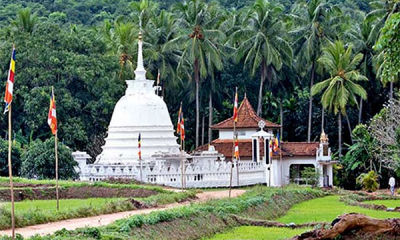
UNP challenges NPP move to amend Vihara – Devalagam Act
-

 News6 days ago
RTI query of Ditwah funds: Presidential Secretariat mum on key questions