
Sports
Home comforts, missed chances and a familiar coup culture

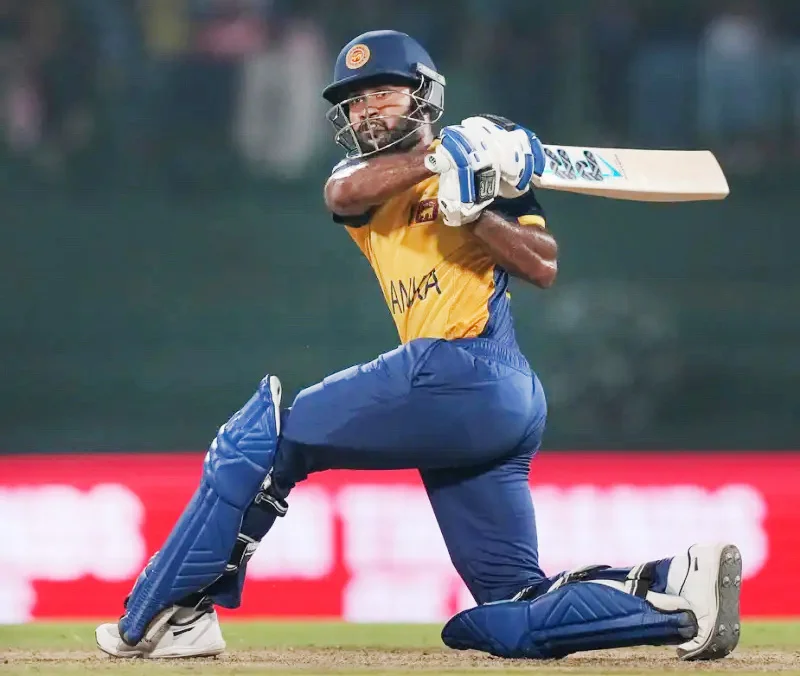
If you are late for work and fancy beating every red light on Galle Road to clock in on time, you are chasing a mirage. Try the same stunt on Baseline Road and you will learn soon enough that Colombo traffic plays by its own rules. Sri Lanka’s World Cup campaign was much the same. When you are ranked eighth in the world and expect to waltz into the semi-finals, that is wishful thinking. And as the old saying goes, if wishes were horses, beggars would ride.
Reaching the Super Eight was no mean feat. Heavyweights like Australia were bundled out in the first round, while Afghanistan, tipped as dark horse, never quite got out of the paddock. On paper, Sri Lanka did what was expected of them. So why the hue and cry?
Because this was a home World Cup. England and New Zealand were served up on a silver platter in familiar conditions and Sri Lanka dropped the ball at the business end. Those were games there for the taking, matches where one nerveless knock could have turned the tide. Instead, they blinked. The final Super Eight clash against Pakistan, however, offered a glimpse of what this side can do when the pitch suits their armoury. On helpful tracks, they have begun to punch above their weight, trading blows with sides ranked well above them.
Yet the turbulence off the field continues to undo the good work on it. Perhaps it is time to think outside the box and appoint captains specifically for World Cups, leaders given a fixed tenure for the tournament cycle, empowered to plan without looking over their shoulders. Sri Lankan cricket has witnessed enough bloodless coups over the past 15 years to fill a political thriller.
In the past, it was established players, permanent fixtures in the XI, who engineered these power shifts when a younger man was handed the reins. Now the worrying trend is different. Even those unsure of their own places in the side are sharpening knives behind closed doors. That is a slippery slope and a dangerous precedent for a team trying to build a culture of accountability.
Not everything about this campaign was doom and gloom. Far from it. The fielding, for one, was razor sharp. Half-chances stuck, direct hits flew in like guided missiles and the athleticism in the ring saved crucial runs. For years this was Sri Lanka’s Achilles’ heel. Now it is fast becoming a strength, the result of sustained emphasis and hard graft behind the scenes.
Then there was young Pavan Rathnayake. Drafted into the squad barely a week before the tournament, the 23-year-old was expected to soak in the atmosphere and learn the ropes. Instead, he walked in at the deep end and swam like a seasoned pro. Rathnayake not only held the middle order together but finished as Sri Lanka’s second highest run-getter behind Pathum Nissanka, striking at over 150. He counter-punched spinners, found gaps with soft hands and cleared the ropes with fearless intent. It was a breakout campaign that left many wondering why he had been warming the benches for so long.
True, his domestic T20 numbers were hardly headline-grabbing. But selectors are paid to look beyond spreadsheets and see temperament, technique and ticker. Thank God Sri Lanka once had a man like Duleep Mendis backing a young Sanath Jayasuriya when the numbers did not stack up. Duleep saw the bigger picture and refused to lose faith.
by Rex Clementine


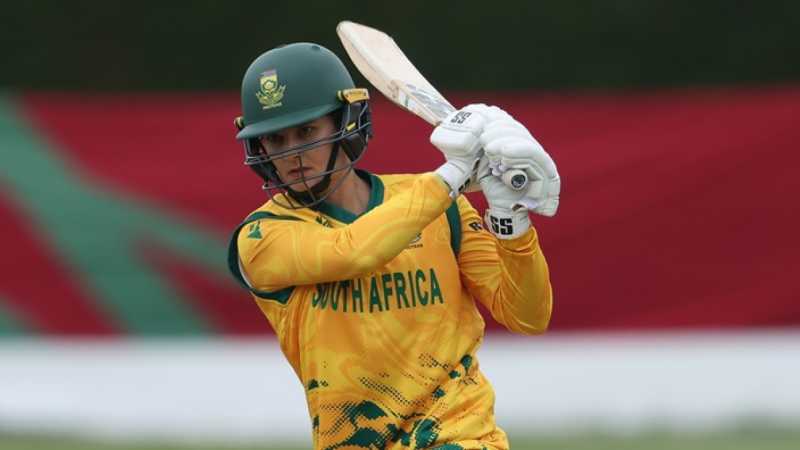
South Africa successfully defended 136 in an 18-over game against Ireland in the Women’s T20 World Cup warm-up fixture in Loughborough . The experienced Marizanne Kapp led the way with the ball, her 4 for 24 helping South Africa dismiss Ireland for 120 in 17.4 overs. Shabnim Ismail, who had recently reversed her retirement, picked up 1 for 25 in her four overs.
Leah Paul was the only Ireland batter to pass 20 in their chase. Apart from Paul, only four Ireland batters got to double figures.
After South Africa were asked to bat first, they posted 136 for 8 on the back of captain Laura Wolvaardt’s 65 off 37 balls, including seven fours and three sixes.
SCORES:
South Africa Women 136 for 8 in 18 overs (Sune Luus 17, Laura Wolvaardt 65, Annerie Dercksen 26, Nadine de Klerk 11, Aimee Maguire 1-13, Arlene Kelly 3-29, Cara Murray 2-13, Ava Canning 2-08) beat Ireland Women 120 in 17.4 overs (Rebecca Stockel 19, Leah Paul 29, Alice Tector 17, Louise Little 13, Arlene Kelly 15; Marizanne Kapp 4-24, Shabnim Ismail 1-25, Tumi Sekhukhune 2-18, Nadine de Klerk 1-16, Nonkululeko Mlaba 1-25) by 16 runs
(Crickinfo)
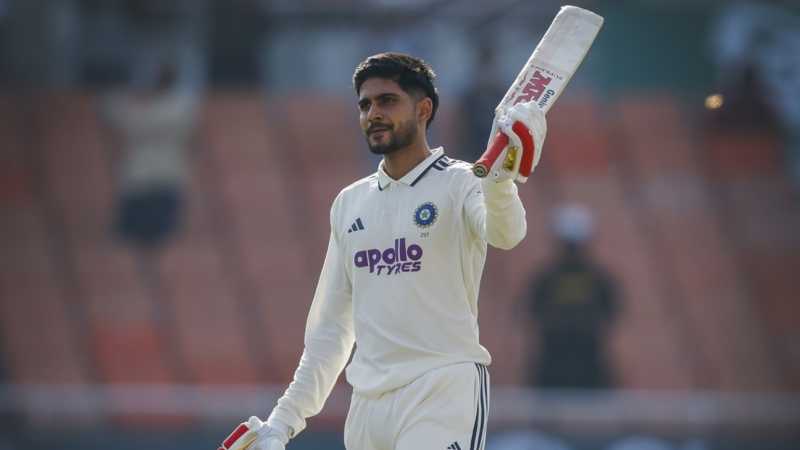
In the 11th over, KL Rahul edged a cut to the keeper off Ziaur Ahmed when he was on 16. Afghanistan did not review the not-out decision. In the 61st over, Rahul flicked a full ball off his pads, bringing up a gritty century – his 12th in Test cricket. Afghanistan’s bowling attack had been worn down in the intervening period. They could not cash in on their half-chances aplenty, in their first Test against India since their format debut in 2018. Instead, Rahul – alongside a regal Shubman Gill – headlined India’s march to 368 for 3 on day one in New Chandigarh.
The city was hosting a men’s Test for the first time. Temperatures soared up to 40 degrees Celsius, and India captain Gill opted to bat first, expecting the pitch to worsen as time wore on in the match. However, Afghanistan’s new-ball bowlers – Azmatullah Omarzai and Mohamed Saleem – extracted uneven bounce off the pitch right away. They kept bowling back-of-a-length deliveries to Jaiswal and Rahul, moving the ball away from the openers.
Rahul reached for deliveries far from his body early in the day, often mistiming his shots. He ambled away to 16 off 34 by the end of the 10th over. At the other end, Jaiswal pounced on fuller deliveries with more regularity to race to 20 off 26.
Then, in the 11th over off Ziaur, Rahul slashed at a wide delivery and both bowler and keeper went up with a big appeal. However, they opted out of the review. Replays later showed Rahul had edged the delivery. Rahul rode his luck thereafter, leaving balls outside off, and dead-batting fuller ones that gripped in the pitch.
In the next over – the 12th – Jaiswal leaned into a front-foot drive off Mohammad Saleem. Then he jumped at an inswinger drifting down leg, and tried to flick it off his hips. He edged it to the keeper instead. Against the run of play, Jaiswal departed for a 32-ball 24, giving Saleem his maiden Test wicket.
Soon after, the new-ball swing dissipated and the bounce became less treacherous. B Sai Sudarshan made full use of this period of play at the back end of Saleem and Omarzai’s extended spells. He laced three fours in his first 15 deliveries.
In the 35th over off Ziaur, Sai Sudharsan stepped out of his crease for a tentative defense outside off. His edge dissected the wicketkeeper Afsar Zazai and first slip. Eight overs later, with Sai Sudharsan looking set for his maiden Test century, the batter played an expansive drive outside off against Saleem. Once more, the ball flew into the slip cordon, but was snared by Zazai with a one-handed stunner to his right. Sai Sudharsan was dismissed for 81. The second-wicket partnership was aborted at 131, with Rahul still steady at the other end.
As the day wore on, the New Chandigarh surface began gripping and turning more. Afghanistan’s captain Hashmatullah Shahidi was their most effective spinner. He bowled slowly, often keeping his speeds under 80 kph, and used drift to troublealla batters. Still, he never induced any real chances, with edges off him flying past short leg or the keeper.
From the other end, debutant Nangeyalia Kharote induced a thin edge off Sai Sudharsan with just his fourth delivery. Rahmanullah Gurbaz dropped the consequent one-hander, diving to his right at first slip. On his return spell, Kharote – as well as part-timer Abdul Malik – both strayed into leg-stump lines too often.
With Afghanistan’s fast bowlers erring in discipline too, Gill took full toll on them, especially after the tea break. If Rahul’s knock was a product of battling against the early swing and seam, Gill’s imperious century – his 11th in the format – was aided by a worn-down attack. Still, he pounced on good-length deliveries outside off as he unfurled his drives, and cut close to his body, in trademark fashion to rack up 11 fours and one six.
Gill had Rahul for company through the beginning of his knock, during a 67-run partnership for the third wicket. However, just one delivery after bringing up his century, Rahul perished for the third time in Test cricket on exactly a 100 – the joint-second most times in Test cricket, right behind England’s Len Hutton (4). Rahul had been out playing a loose waft away from his body, off Ziaur, straight to short extra cover.
Once Rishabh Pant walked out to join Gill, the brief was clear: by their standards, India had already shut up shop for the final hour of play. An unusually restrained Pant, also playing his 50th Test for India, batted within his means until his eyes lit up against offspinner Abdul Malik in the 68th over. He took advantage of half-trackers to flat-bat three sixes in trademark Pant style. Tellingly, these would also be Pant’s only sixes of the evening.
Gill brought up his century just a few minutes before close of play, off a flick to square leg, in the 83rd over off Saleem. Afghanistan had opted not to choose the new ball, bowling through till the close of play with a battered ball. Pant manipulated a thinly spread leg-side field in these final overs to bring up his own fifty off 70 balls, on the penultimate delivery of the day’s play.
SCORES:
India 368 for 3 in 85 overs (Shubman Gill 103*, KL Rahul 100, B Sai Sudharsan 81, Rishabh Pant 50*; MohaSaleem 2-67) vs Afghanistan
(Cricinfo)
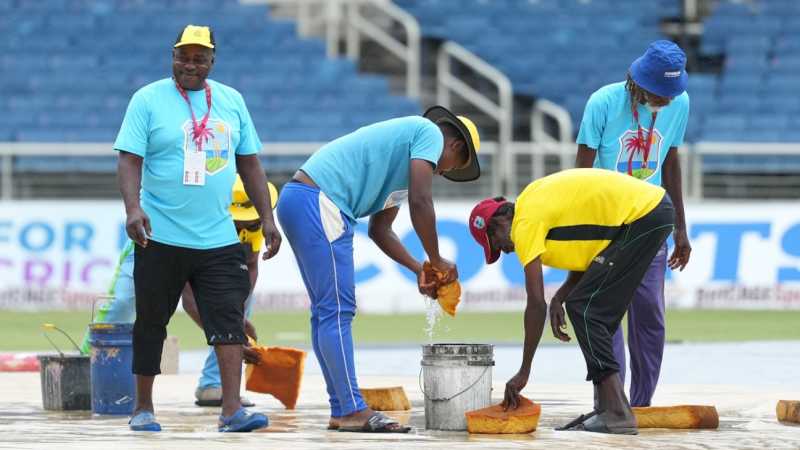
West Indies won the toss and put Sri Lanka into bat, but that was the extent of the action from thesecod ODI at Sabina Park, as persistent rain put an end to proceedings before they had even begun.
The washout means West Indies’ hopes of winning the series are wiped out, but they can still draw level in the final game on Monday. Perhaps more importantly, a win there will give the hosts a much needed rankings boost, with qualification for next year’s World Cup hinging on their final position come March next year.
The toss itself had been delayed by 30 minutes following rain earlier in the day, and it was the possibility of rain intervening later on that had influenced Shai Hope’s decision to field first.
Both teams had also made changes, with Amir Jangoo due to get a game for the injured Matthew Forde, while Eshan Malinga had been drafted in for Asitha Fernando. Shai Hope, playing his 150th ODI for West Indies, received a special jersey before rain came along.
(Cricinfo)

Huge crowds throng Madrid streets for Pope’s open-air mass

Women’s T20 World Cup 2026 warm-up: Kapp, Wolvaardt take SA past Ireland

Women’s T20 World Cup 2026 warm-up: Chamari Athapaththu’s 94 helps Sri Lanka beat Pakistan

Rahul, Gill hit centuries as India dominate Afghanistan on opening day

Persistent rain in Kingston washes out second ODI between West Indies and Sri Lanka

Heavy showers about 100 mm are likely at some places in the Western and Sabaragamuwa provinces and in Galle, Matara, Kandy and Nuwara-Eliya districts

‘Dates have the highest sugar content to fight Coronavirus’

Sunday Island 27 December – Headlines

#SundayIsland 17th December – Headlines

Sunday Island – 28th March

Sunday Island Headlines – 21 March

Sunday Island – 21st February – Headlines
-

 News5 days ago
Lankan duo emerge winners in Latin dance championship held in Blackpool, UK
-

 Business6 days ago
IMF’s unstated rate:Sri Lanka’s $695m loan costs about 5.33% per annum
-
 Latest News3 days ago
Kusal Mendis, Pathum Nissanka, bowlers put Sri Lanka 1-0 up
-
 News3 days ago
New US tariffs proposed on 60 countries, including Sri Lanka
-

 Business6 days ago
Sri Lankan scientist-innovator Milinda Edirisinghe introduces AI-integrated gem testing system to gemological world
-
 Features2 days ago
Power crept into the Sangha and is now tearing it apart
-

 News6 days ago
UNP challenges NPP move to amend Vihara – Devalagam Act
-

 News5 days ago
Sri Lankan teen killed in Chennai clash; three arrested