
News
SLC needs new constitution: Eran

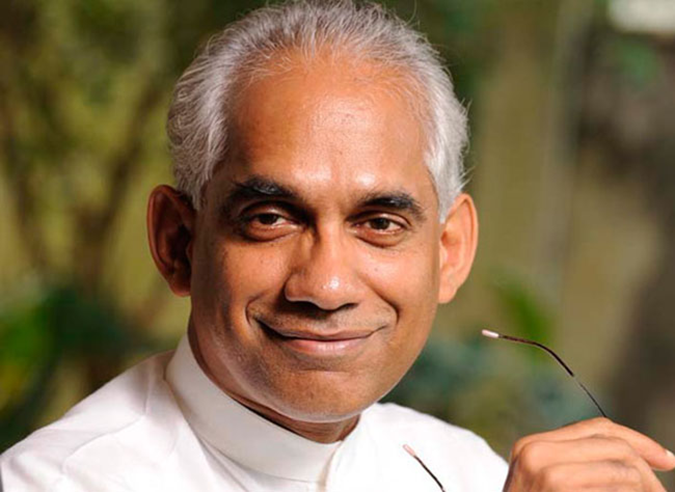
The problem with Sri Lanka Cricket was too much political interference and the government must introduce a new constitution for that outfit, said SJB MP, Eran Wickramaratne addressing Parliament on the adjournment debate on Sri Lanka Cricket on Thursday (24.)
“Things are so bad that coaches have been asked to step down by politicians. So, we have a governance issue. We need to bring in a new constitution for Sri Lanka Cricket to depoliticise and clean cricket,” Wickramaratne said.
SJB Parliamentarian Hesha Withana moved a resolution on the alleged irregularities in Sri Lanka Cricket involving the T-20 international competition held in Australia in 2022.
Wickramaratne added that over 140 clubs are making decisions at the SLC but most of the countries in the world have 6-14 clubs involved in decision-making.
“Sri Lanka Cricket is not a private organisation as claimed by certain officials of the cricket board. It is a national organisation.
We need to go by the ICC guiding principles of good conscious, equity, common sense and simplicity enabling every member to grow with greater transparency. Those who are in the cricket say “oh.. government mustn’t interfere, they are not accountable to anybody because this is a private organization.” It is not private in that sense” he said.
He said that Sri Lanka Cricket is owned by Sri Lankans and that is why MPs are asking questions about cricket.
“Since there is a lot of money involved with cricket there is political interference. Today I heard a former Sports Minister saying we must not have political interference in sports. If that is the case, should politicians hold positions in sports associations. If you really want to stop political interferencem let the professional handle it leaving behind the politicians involved in sports associations,” he said.
The SJB MP said in 2019, Harin Fernando, who was the then Sports Minister, asked all cricket coaches of national team to step down soon. Wickramaratne emphasized that politicians should not be involved in removing national coaches.
“One time coach Asanka Gurusinghe is reported saying there was an overwhelming political interference which hindered the development of cricket. He has worked under three different Sport Ministers and due to disappointment, he has left his stint with Sri Lanka Cricket as a coach. In the same manner, another outstanding cricketer Hathurusinghe, who was taken as a coach, has also made similar sentiments,” he said.



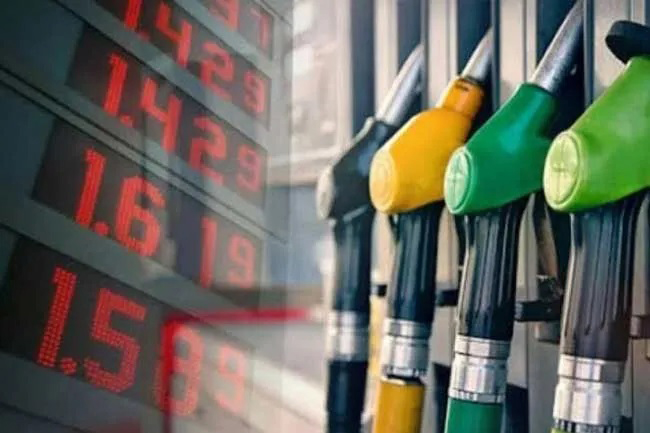
The Ceylon Petroleum Corporation (CEYPETCO) has announced a reduction in the prices of Petrol 92 and Petrol 95, effective from midnight today (30).
The price of Petrol 92 has been reduced by Rs. 15 per litre, from Rs. 414 to Rs. 399 while the price of Petrol 95 Octane has been reduced by Rs. 20 per litre, from Rs. 495 to Rs. 475
There will be no change in the prices of diesel, Super Diesel and kerosene under the latest revision.
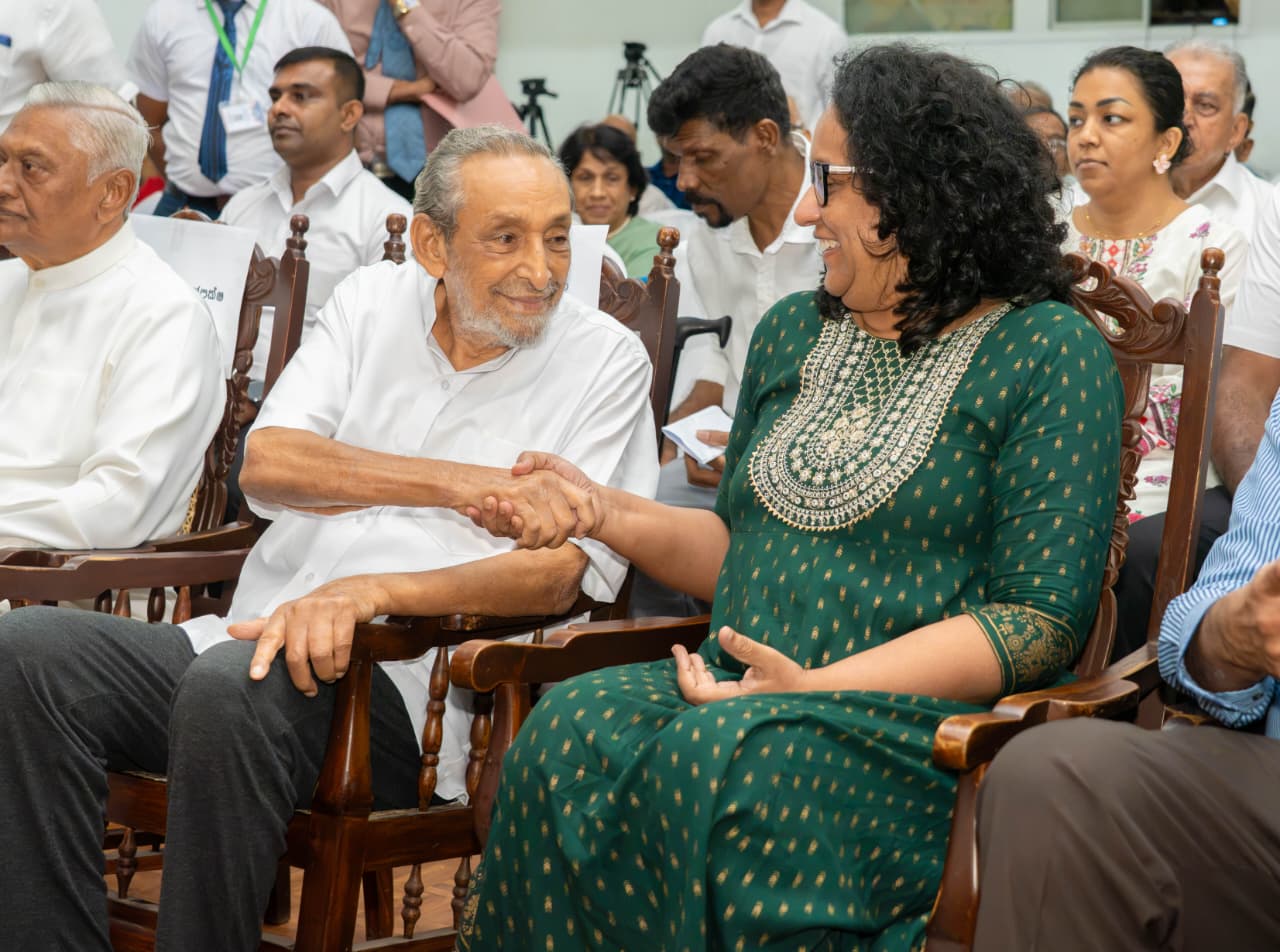
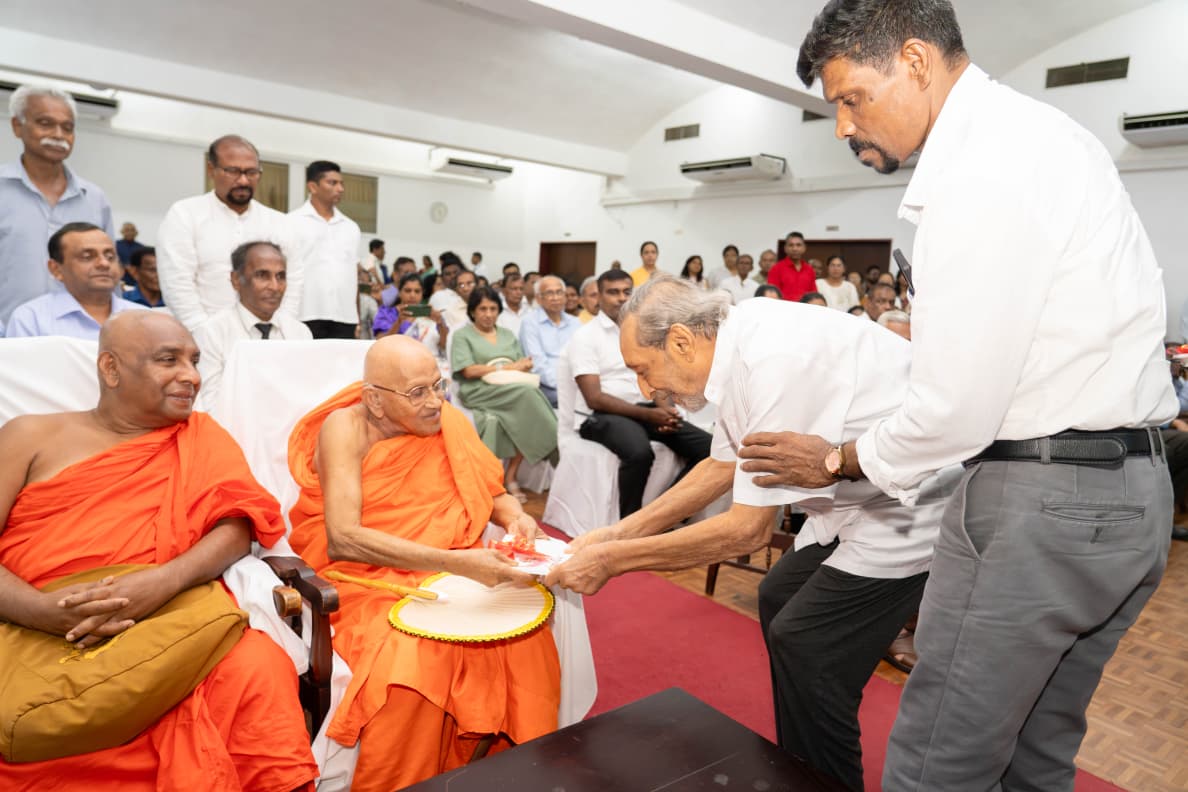
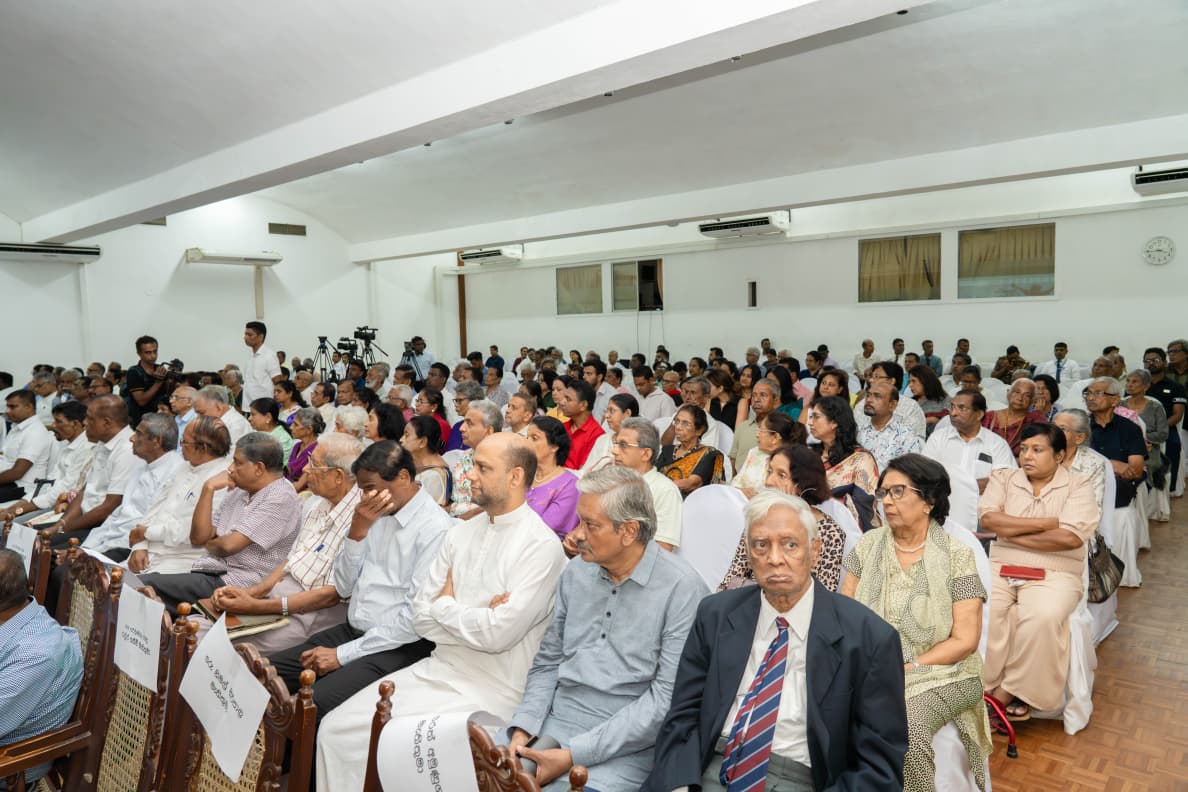
The book “Rathuwewi Mihimadala”, written based on the life story of Vasudeva Nanayakkara, Leader of the Democratic Left Front, was launched on Friday [August 28] at the Bandaranaike Memorial International Conference Hall (BMICH) in Colombo, with the participation of Prime Minister Dr. Harini Amarasuriya.
Speaking to the media afterwards about Vasudeva Nanayakkara, Prime Minister Dr. Harini Amarasuriya stated:
“Vasudeva Nanayakkara is a prominent figure in Sri Lankan politics, particularly within the left-wing political movement. There were several influential figures within the left movement, and that left-wing influence also contributed to bringing the country to where it is today. Politically, there were areas where we agreed and areas where we did not. However, I have great respect for the contribution made by Vasudeva Nanayakkara to left-wing politics. When I entered Parliament in 2020, Vasudeva Nanayakkara was also in Parliament. We sat in the same row, and we spoke about many important as well as interesting moments in his political career. I believe some of these experiences have also been included in this book.”
The event was attended by members of the Maha Sangha, Minister of Justice Harshana Nanayakkara, former President Maithripala Sirisena, former Speakers Karu Jayasuriya and Chamal Rajapaksa, as well as party members, family members and friends.
[Prime Minister’s Media Division]
Latest News
Sun directly overhead Mannar, Periyamadu, Puliyankulam, Welioya and Pulmoddai about 12.11 noon today (30)


The sun is going to be directly over the latitudes of Sri Lanka from 28th of August to 07th of September due to its apparent southward relative motion.
The nearest places of Sri Lanka over which the sun is overhead today (30) are Mannar, Periyamadu, Puliyankulam, Welioya and
Pulmoddai about 12.11 noon.

Petrol to cost less from midnight today (30)

Head teacher evacuated 900 children minutes before school washed away by Nepal floods

UPDATE: Seven killed and 23 missing after boat capsizes off northern Cyprus, says Turkish Cypriot PM

Iceland votes against restarting talks on joining EU

“Rathuwewi Mihimadala” Book Launched with the Participation of the Prime Minister

Turkiye, Somalia forces free cargo vessel hijacked by pirates

‘Dates have the highest sugar content to fight Coronavirus’

Sunday Island 27 December – Headlines

#SundayIsland 17th December – Headlines

Sunday Island – 28th March

Sunday Island Headlines – 21 March

Sunday Island – 21st February – Headlines
-

 News6 days ago
Missing doctor’s body found in Mahiyanganaya
-
 News6 days ago
Australia declines to release Finance Secy Suriyapperuma’s citizenship details
-

 News6 days ago
22A: BASL suggests CJ recuse himself from hearing petitions
-

 News3 days ago
Eight politicians in drug kingpin probe
-

 Editorial7 days ago
Govts. drag feet as undergrads age
-

 Business3 days ago
Sri Lanka opens up: A new season of direct connectivity
-
 Features5 days ago
Insights from Chieftains of Uva: Genealogy of two Kandyan Families – Part II
-

 Features3 days ago
Redefining ageing in Sri Lanka