
Latest News
Sai Sudharsan fifty guides India after they lose Pant to injury

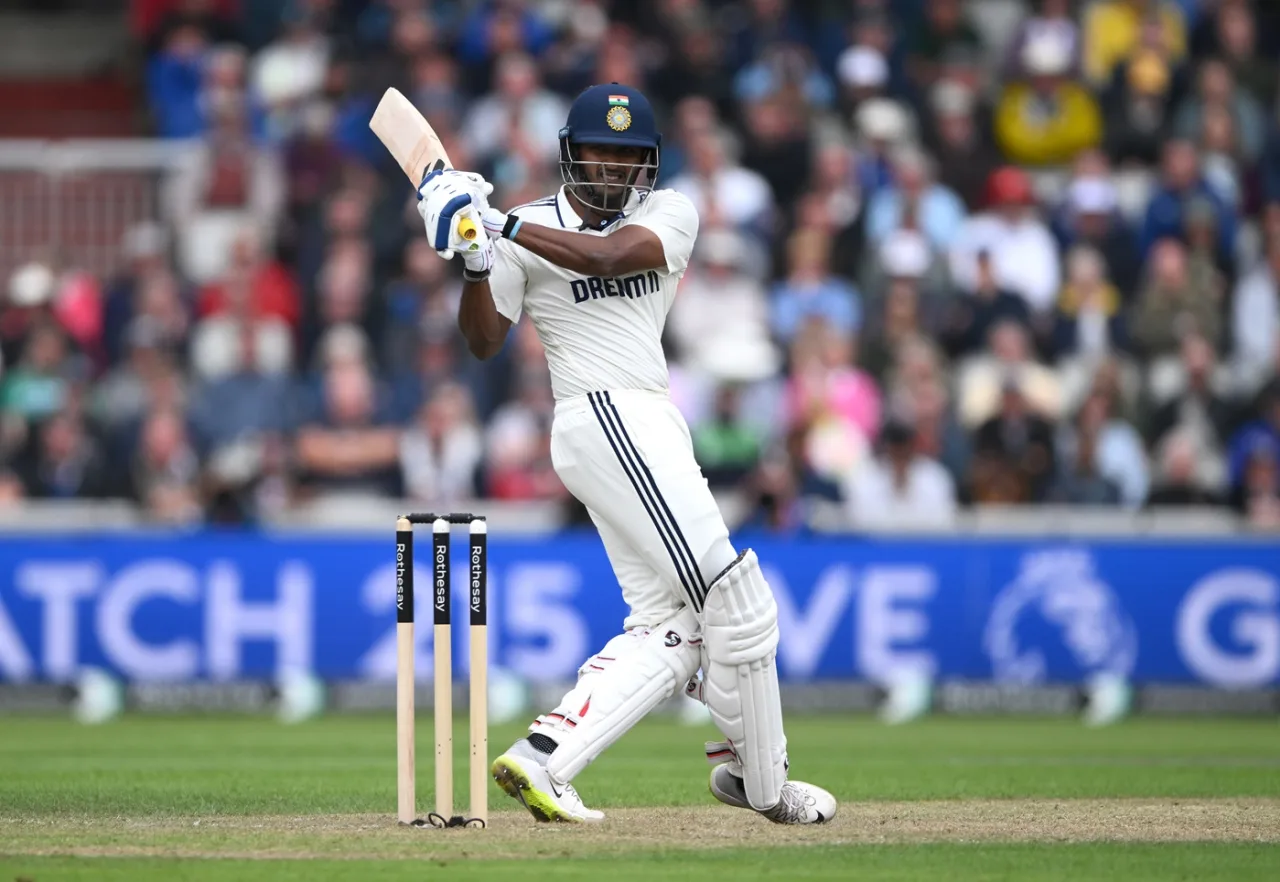
Harry Brook’s performative sprinting between overs could not mask the fact that this was a slow day, with neither team in the ascendancy. India fought hard after being inserted under gloomy Manchester skies, personified by B Sai Sudarshan’s dogged maiden Test half-century, but they never got away from England and lost Rishabh Pant to a serious lookingfoot injury.
This was not the day that Ben Stokes had in mind when he won his fourth consecutive toss and chose to bowl first, with India’s openers batting through the morning session and only four wickets falling in 83 overs. But in conceding barely three runs per over, England’s bowlers kept them in the game, even if the sluggish tempo left Brook making his own fun at slip.
KL Rahul and Yashasvi Jaiswal added 94 for the first wicket in 30 overs, but it was Sai Sudharsan, recalled in place of Karun Nair, who embodied India’s patient approach. His half-century was the first by an Indian No. 3 since the final Test of their home defeat to New Zealand last year, and anchored the innings through the afternoon and evening sessions.
But he was dismissed shortly after Pant was forced to retire hurt, falling to Stokes for the third time in as many innings in his nascent Test career when cramped for room on the pull and picking out Brydon Carse at long leg. Jamie Smith, who had dropped a chance for a leg-side strangle when Sai Sudharsan had only 20, breathed a sigh of relief.
Stokes’ decision at the toss demanded that his team must make history if they are to seal the series this week.No team has ever gone on to win a Test at Old Trafford after opting to bowl first, which left Shubman Gill to reflect on what he described as “a good toss to lose” in murky conditions.
Rahul and Jaiswal underlined his point by batting through the morning session and looking largely untroubled, despite the occasional ball beating the outside edge. Rahul extended his fine overseas record, becoming the fifth Indian to score 1,000 Test runs in England, and played the role of senior partner, soaking up 25 balls in Jofra Archer’s first five-over spell.
The stands were only half-full at the start of play, and Lancashire issued an apology to the thousands of fans who were stuck in queues outside the ground. The club blamed long bag searches and their late arrivals, but those who were stuck outside missed a sleepy morning in which England’s seamers strayed too often from a good length.
It was Chris Woakes, retained despite a tired performance in England’s tense win at Lord’s last week, who struck first. Rahul had spent the morning playing late and looking to score square of the wicket, but attempted to punch Woakes through mid-off as he approached his half-century and his outside edge flew to Zak Crawley at third slip.
After two failures at Lord’s, Jaiswal played uncharacteristically watchfully in reaching a 96-ball half-century, his eighth 50-plus score in 16 innings against England. He punished width outside his off stump from England’s seamers – Brydon Carse in particular – but could not resist driving when spin came on, and edged Liam Dawson’s seventh ball of the day to Brook at first slip.
Dawson wheeled away in celebration, marking his comeback with a significant wicket. England have picked 11 different spinners in the eight years between Dawson’s third and fourth caps, but he forced his way to the front of the queue to replace the injured Shoaib Bashir through performances for Hampshire and bowled with control and skill on this opening day.
England’s close fielders raised the volume when Gill walked to the crease at No. 4 after his pre-match suggestions that they had breached the spirit of the game at Lord’s, and he did not last long. After one crisp on-drive for four off Dawson, Gill was trapped on the pad while shouldering arms to Stokes’ nip-backer for 12, trudging off after taking a review with him.
His dismissal brought in Pant, who batted cautiously for most of his innings before occasional jolts of ultra-aggression, most notably a slog-swept four off Archer followed by a failed reverse-sweep. He added 72 with Sai Sudharsan, leading India’s rebuild after the tea interval under floodlights.
When England reviewed for lbw after another attempted reverse-sweep off Woakes, it soon became apparent that he had not only under-edged the ball onto his foot, but done himself some serious damage in the process. A substantial bruise had developed by the time he left the field on the back of an ambulance cart, retiring hurt on 37.
Sai Sudharsan reached his half-century soon after, driving Joe Root through the covers, but his dismissal to Stokes kept England fighting. Shardul Thakur walked out ahead of Washington Sundar to much surprise and kept Ravindra Jadeja company for 9.1 overs before England’s attempts to take the second new ball were thwarted by light, with the Test in the balance.
Brief scores: [Day 1 stumps]
India 264 for 4 in 83 overs ( Yashaswi Jaiswal 58. KL Rahul 46, B Sai Sudharsan 61; Ben Stokes 2-47 ) vs England
[Cricinfo]

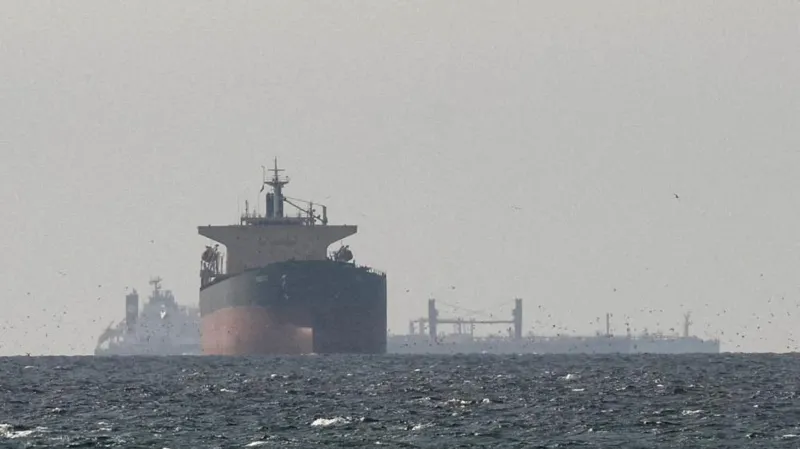
Islamic Revolutionary Guard Corp says control of the Strait of Hormuz has now “returned to its previous state” because of the US’s continuing blockade of Iranian ports.
US President Donald Trump says the naval blockade will “remain in full force” until “our transaction with Iran is 100% complete”.
Earlier Iran’s Foreign Minister Abbas Araghchi said the strait is “completely open” to all commercial vessels, ‘in line with the ceasefire in Lebanon” and “on the coordinated route as already announced”
[Aljazeera]
Latest News
Heat Index at Caution Level in the Northern, North-central, North-western, Western, Sabaragamuwa, Eastern and Southern provinces and in Monaragala district
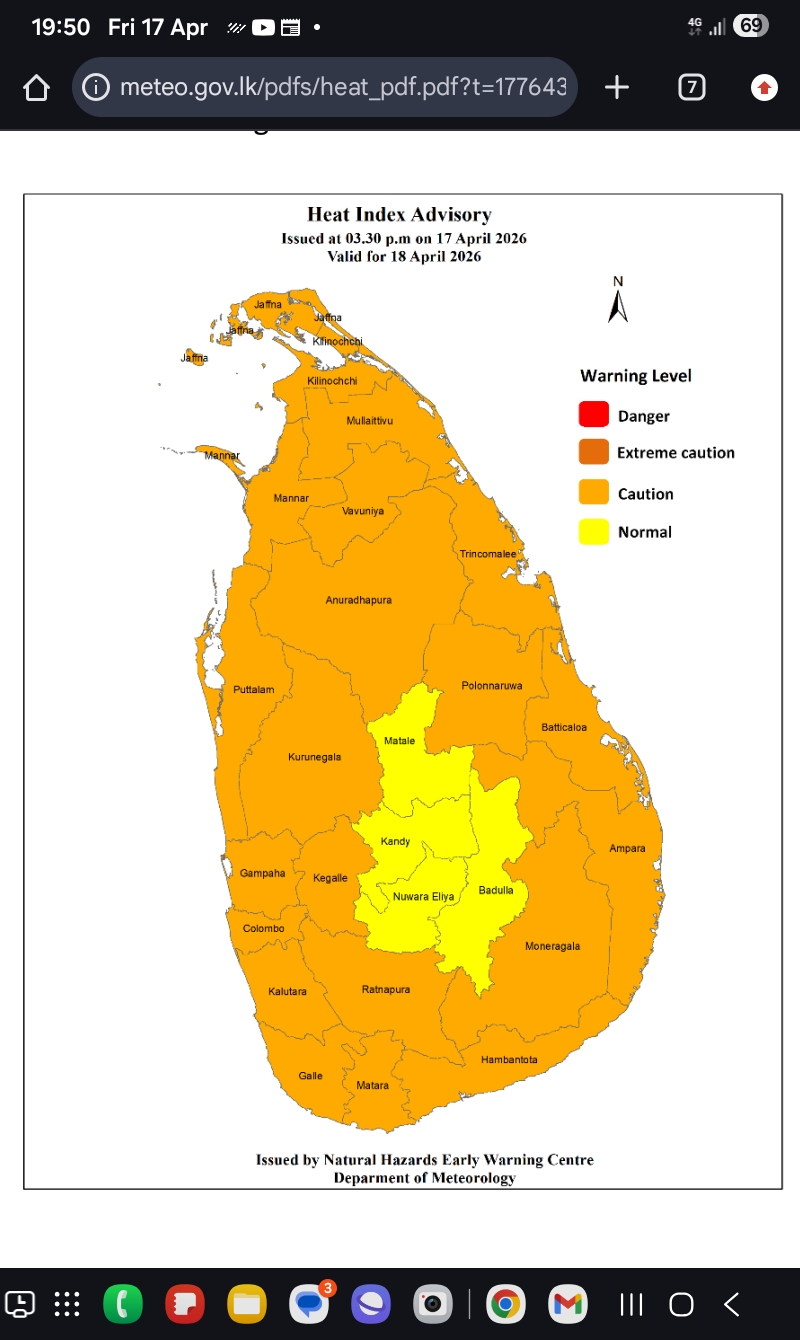
Warm Weather Advisory
Issued by the Natural Hazards Early Warning Centre
Issued at 3.30 p.m. on 17 April 2026, valid for 18 April 2026.
The Heat index, the temperature felt on human body is likely to increase up to ‘Caution level’ at some places in the Northern, North-central, North-western, Western, Sabaragamuwa, Eastern
and Southern provinces and in Monaragala district.
The Heat Index Forecast is calculated by using relative humidity and maximum temperature and this is the condition that is felt on your body. This is not the forecast of maximum temperature. It is generated by the Department of Meteorology for the next day period and prepared by using global numerical weather prediction model data.

Effect of the heat index on human body is mentioned in the above table and it is prepared on the advice of the Ministry of Health and Indigenous Medical Services.
ACTION REQUIRED
Job sites: Stay hydrated and takes breaks in the shade as often as possible.
Indoors: Check up on the elderly and the sick.
Vehicles: Never leave children unattended.
Outdoors: Limit strenuous outdoor activities, find shade and stay hydrated.
Dress: Wear lightweight and white or light-colored clothing.
Note:
In addition, please refer to advisories issued by the Disaster Preparedness & Response Division, Ministry of Health in this regard as well. For further clarifications please contact 011-7446491.
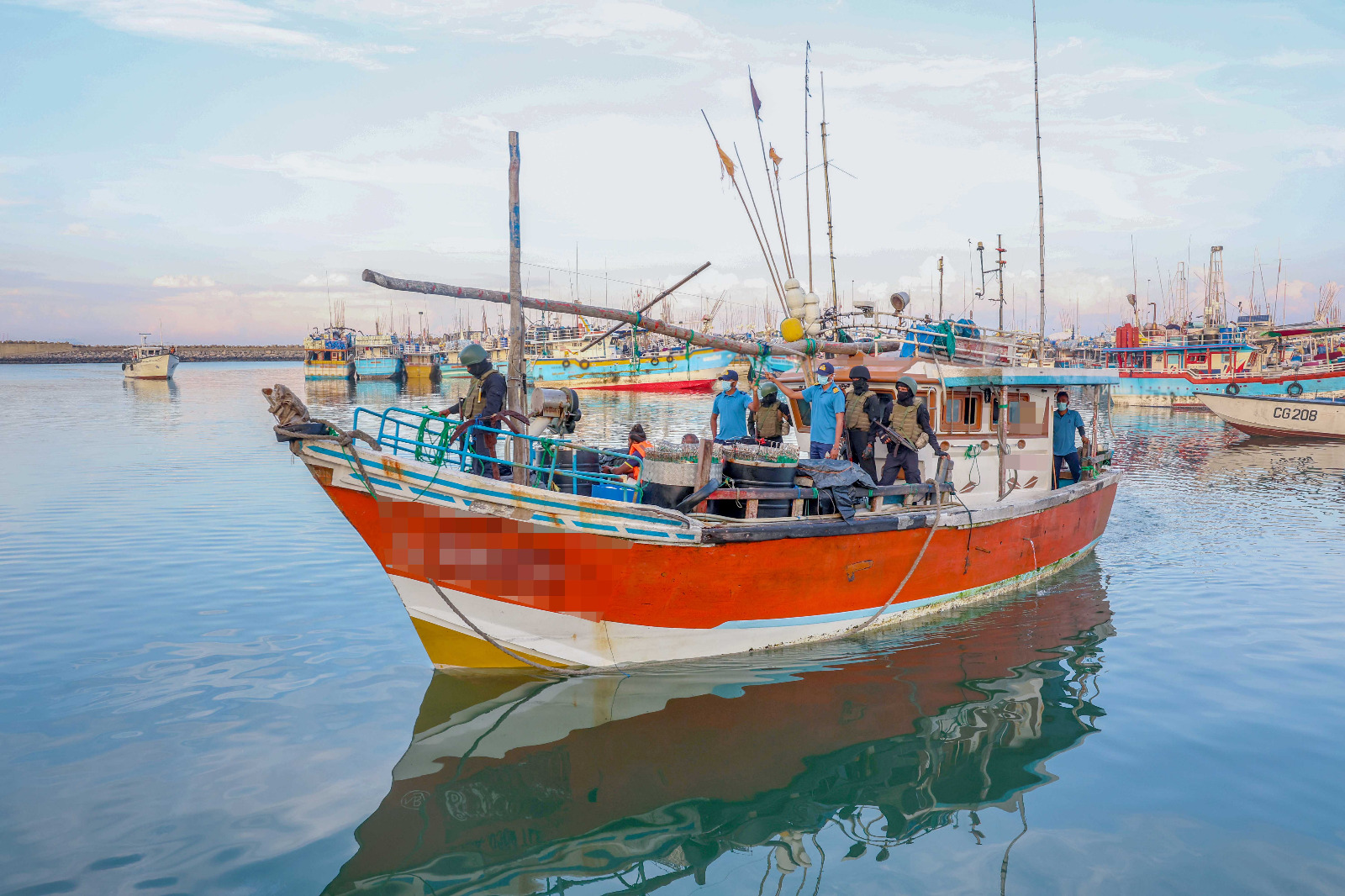
Being a key frontline stakeholder in the national mission, ‘A Nation United,’ the Navy continues to maintain a vigilant maritime shield to eradicate the drug menace from society.
During yet another successful operation on the high seas south of Sri Lanka, the Navy intercepted a local multi-day fishing trawler and apprehended four suspects in connection with the
smuggling of a stock of suspected narcotics.
The intercepted trawler, along with the suspects, was escorted to the Dikowita Fisheries Harbour today, (17 April 2026).
During a special inspection at the fisheries harbour, the Police Narcotic Bureau (PNB) confirmed the presence of over 161kg of heroin.
The Deputy Minister of Defence, Major General Aruna Jayasekera (Retd), and the Commander of the Navy, Vice Admiral Kanchana Banagoda, to inspect seized narcotics.
Addressing the media, the Deputy Minister emphasized that drug trafficking has long persisted as an organized and sophisticated criminal enterprise. He highlighted that under the current government’s national mission, ‘A Nation United,’ a robust state mechanism is now in motion, integrating the Tri-Forces, Police, Special Task Force, PNB, and international agencies to dismantle these networks.
Underscoring the Navy’s operational success, the Deputy Minister revealed that in 2025 alone, the Navy seized narcotics valued at over Rs. 75,000 million. In the first four months of 2026, the momentum has continued with nearly Rs. 50,000 million worth of drugs intercepted and produced for legal action.
During this short period, 14 local multi-day trawlers and 127 suspects have been apprehended. He issued a stern assurance that seized drugs would never find their way back into society, as they are systematically destroyed under strict protocols.
“Human capital is our nation’s most vital asset,” the Deputy Minister noted, adding that a healthy population leads to a quality workforce and a resilient economy. He further remarked that the vision of a “A Thriving Nation – A Beautiful Life”, extends beyond financial stability to include the dignity, discipline, and mindset of the citizenry.
“On the instructions of the President, new legislation is being drafted for Parliamentary approval to further empower this national mission and ensure a law-abiding, civilized society for future generations”, he stated.
Concluding the briefing, the Deputy Minister lauded the media for their role in drug prevention and urged continued responsible journalism to educate the public on the dangers of narcotics.
Meanwhile, the apprehended suspects, the multi-day trawler, and the 161kg heroin shipment were handed over to the Police Narcotic Bureau for onward investigation and legal proceedings.

Myanmar pardons over 4,000 prisoners, including deposed president

Hormuz Strait shut down again over US ‘piracy’, says Tehran

Gill’s silken 86 keeps Kolkata Knight Riders winless after six games

Showers expected in the Western, Sabaragamuwa and Southern provinces and in Nuwara-Eliya district after 1.00 pm.

Ex-lawmakers group calls for IPU’s intervention to check “irregularities” in Parliament

Power and Energy Minister, Ministry Secy resign over coal probe

‘Dates have the highest sugar content to fight Coronavirus’

Sunday Island 27 December – Headlines

#SundayIsland 17th December – Headlines

Sunday Island – 28th March

Sunday Island Headlines – 21 March

Sunday Island – 21st February – Headlines
-

 News7 days ago
CEB orders temporary shutdown of large rooftop solar systems
-
 Features7 days ago
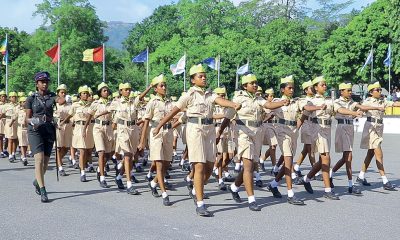
From Royal College Platoon to National Cadet Corps: 145 years of discipline, leadership, and modern challenges
-

 Latest News6 days ago
PNS TAIMUR & ASLAT arrive in Colombo
-

 Features7 days ago
CIA’s hidden weapon in Iran
-
 Latest News5 days ago
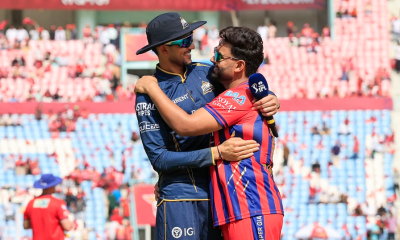
Prasidh, Buttler set up comfortable win for Gujarat Titans
-

 News3 days ago
PNS TAIMUR & ASLAT set sail from Colombo
-

 Features7 days ago
A Fragile Ceasefire: Pakistan’s Glory and Israel’s Sabotage
-

 Latest News7 days ago
Heat index likely to increase up to ‘Caution level’ at some places in the Northern, North-central, North-western, Western, Sabaragamuwa, Southern and Eastern provinces and Monaragala district