
Sports
Gill’s silken 86 keeps Kolkata Knight Riders winless after six games


A display straight out of Gujarat Titans‘ (GT) time-tested playbook – high-quality fast bowling to restrict the opposition, and a chase of a below-par target led by the silken Shubman Gill – ensured Kolkata Knight Riders (KKR) remained winless six games into their IPL 2026 campaign.
KKR began the contest with a questionable selection – they left out Finn Allen, their highest-ceiling top-order option – and a questionable toss decision – they opted to bat when the home captain, Gill, expected dew to set in later in the evening. And for most of the 39.4 overs of the actual match, they were distinctly second-best.
There was only one brief period of KKR dominance, when they scored 52 in three overs (12th to 14th) as Cameron Green went on a boundary-hitting spree. Green’s 55-ball 79, however, was a strange and ultimately frustrating innings: he struggled for fluency early on, scoring 27 off his first 29 balls, and finished with a whimper, scoring just four off his last 11, a period in which KKR collapsed around him while starving him of strike: they went from 147 for 4 in the 15th over to 180 all out.
The conditions weren’t the flattest – Mohammed Siraj and Kagiso Rabada swung the new ball right through the powerplay, and all of GT’s quicks found a bit of seam movement – but this was, nonetheless, a below-par total.
This set up a chase made for GT’s top order. Gill picked off the boundaries surgically in the powerplay – he scored 34 off 15 in that phase – and slowed down when the field spread. He slowed down dramatically, in fact – he only scored 52 off 35 outside the powerplay – but he could afford to because GT had knocked 71 runs off their target in the first six overs, with B Sai Sudharsan and Jos Buttler contributing quick cameos.
The rest of the chase showed the question marks that still hang over this GT line-up – they continued to huff and puff even when the required rate was in the region of a-run-a-ball, and eventually got home with just two balls remaining – and KKR would have ended the match wishing they had scored 20 runs more.
Every ball of Siraj’s first over was an outswinger, and while Tim Seifert – playing his first IPL game since 2022 – put away one that offered a little too much width, the others all asked questions, and one of them took out Ajinkya Rahane, the KKR captain, skewing one high in the air with the swing causing his bat to twist in his hands.
The second over was similar, with Seifert pulling Rabada for a six before the bowler struck back to remove the other batter. This time, the ball swung from a hard length, with extra bounce, and Angkrish Raghuvanshi nicked off in Test-match manner.
GT stuck with their new-ball pair through the entire powerplay, and both bowlers kept asking questions with their accuracy and movement. There was one more wicket – Seifert slapping an innocuous ball from Rabada straight to point – and not many more runs. KKR’s 37 for 1 was the fifth-lowest six-over score of IPL 2026, and their second entry in the bottom five.
Green struggled to middle the ball early on, and went at less than a-run-a-ball – and at a control percentage in the mid-50s – for nearly 30 balls. Then he flicked on a switch, putting his long levers to devastating use, particularly against Rashid Khan, whom he put under pressure with decisive use of the feet. Ashok Sharma, who had dismissed Rovman Powell by changing up from mid-140s hard length to a back-of-the-hand slower one at 106kph, also travelled, and KKR found momentum out of nowhere.
At 147 for 4 in the 15th over, KKR were well on course for 200.
Then came the strangest of collapses. Green was stuck at one end, facing just two balls while KKR lost 5 for 26 at the other. When Green finally got on strike in the 19th over – via Kartik Tyagi getting run-out in the attempt to steal a bye – Prasidh Krishna tied him down expertly, nailing his yorkers even when Green presented a moving target.
And Green, having lost his rhythm, struggled spectacularly in the 20th over, against Rashid, whom he had till then dominated. He scored just one run off the bat off the five balls he faced in the over – a questionable single with No. 11 at the other end – and his most positive scorecard contribution came when he charged, missed, and collected four byes with the unsighted Buttler missing the stumping. Green nicked off to a wide legbreak off the last ball of KKR’s innings, bringing an odd and ultimately unconvincing knock to a close.
Gill stroked three buttery fours in the first two overs, and launched Anukul Roy’s left-arm spin for an effortless inside-out six in the third. Then he took a single and let Sai Sudharsan take on his favourable match-up, which he did with two leg-side sixes to close out a 20-run over.
GT were 40 for no loss in three overs, and Gill kept the momentum going with a sumptuous straight six off Vaibhav Arora in the fifth over. GT didn’t cede any control even when Sunil Narine took out Sai Sudharsan in the sixth over, with Buttler hitting him for two fours – one fortuitous, off the inside edge – and a six off the first five balls he faced. At 71 for 1 with 14 overs to go, there was only going to be one winner.
Gill’s middle-overs slowdown made perfect sense from a situation point of view. KKR needed quick wickets to win this, and they weren’t going to get them from one end as long as Gill was in the middle. But boundaries dried up at the other end too, particularly when Varun Chakravarthy dismissed Buttler in the tenth over.
Washington Sundar scored a run-a-ball 13, and Glenn Phillips struggled to time the ball, and when Gill sliced Arora to a diving Green at deep point in the 17th over, the contest began to look ever so slightly interesting.
The boundaries came in a drip, and Phillips and Rahul Tewatia entered the final over with five runs needed. All of KKR’s main bowlers had bowled out, and Roy’s left-arm fingerspin wasn’t going to be risked with the left-handed Tewatia at the crease. Green, struggling with cramps, hadn’t bowled all evening.
So the task of bowling the last over fell to the military-medium Ramandeep Singh, and he managed to get a bouncer to climb high enough to have Phillips caught on the boundary off his first legal ball, leaving GT with four to get off five balls. GT ultimately got there, but who knows what a more challenging target could have done to them.
Brief scores:
Gujarat Titans 181 for 5 in 19.4 overs (Sai Sudarshan 22, Shubman Gill 86, Jos Buttler 25, Washington Sundar 13, Glenn Phillip 19; Vaibhav Arora 1-35, Sunil Narine 1-28, Varun Chakravarthy 2-34, Ramandeep Singh 1-05) beat Kolkata Knight Riders 180 in 20 overs (Tim Seifert 19, Cameron Green 79, Rovman Powell 27, Ramandeep Singh 17; Kaiso Rabada 3-29, Mohammed Siraj 2-23, Prasidh Krishna 1-32, Ashok Sharma 2-45, Rashid Khan 1-44) by five wickets
[Cricinfo]


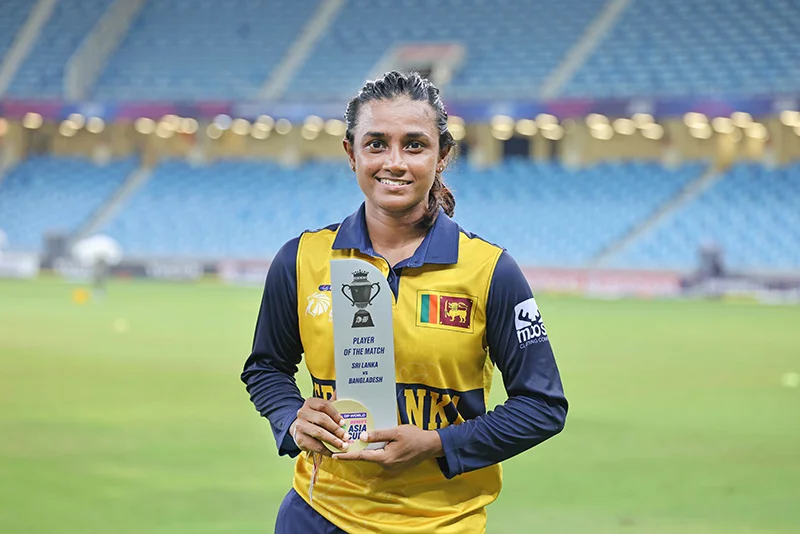
Sri Lanka’s women continue to provide compelling evidence that they could be genuine contenders for the next World Cup, while their male counterparts have, in recent years, largely been making up the numbers at global events.
The defending Asia Cup champions, who stunned formidable India in Dambulla two years ago to lift the title, marched into this year’s semi-finals with an unbeaten record.
Sri Lanka topped their group with three wins from three games and importantly, will avoid India in the semi-finals. Their opponents in Friday’s knockout clash will be either Pakistan or Thailand.
For years, Sri Lanka have leaned heavily on their talismanic captain Chamari Athapaththu, one of the greats of the women’s game. More recently, however, others have begun putting their hands up when the skipper has fallen cheaply. That growing depth has also given Chamari greater freedom to play her natural, attacking game.
Last week, Nilakshika de Silva produced a rescue act against Indonesia. On Sunday, after the captain fell to only her second ball, it was the turn of vice-captain Harshitha Samarawickrama to take charge and steer Sri Lanka home through choppy waters.
Chasing 115 to win their final group game against Bangladesh at Dubai Sports City, Sri Lanka were quickly in trouble as seamer Marufa Akter sent both openers packing cheaply. With wickets continuing to tumble at the other end, Harshitha kept her head while others were losing theirs.
At 44 for five, with half the side back in the pavilion, Sri Lanka were staring down the barrel. Harshitha and Nilakshika then began the repair job, adding 38 for the sixth wicket to drag the innings back from the brink.
Marufa has been an outstanding find for Bangladesh and they rely heavily on her for breakthroughs. With one over remaining in her quota, she was summoned back to break the partnership and did precisely that, removing a well set Nilakshika as she attempted to improvise.
There was, however, no stopping Harshitha.
She found a reliable ally in wicketkeeper Kaushini Nuthyangana and the pair calmly took Sri Lanka across the line with an unbroken 33 run stand for the seventh wicket. Harshitha finished unbeaten on 38 off 47 balls, striking four fours and two sixes.
Sri Lanka got home with four balls to spare, maintaining their perfect record in the competition. Yet beneath the celebrations there will be a nagging concern: the batting has collapsed too often, leaving one or two players with far too much heavy lifting to do. That is something they will need to address before the stakes rise further.
Sri Lanka will play the second semi-final on Friday, with the final scheduled for Sunday.
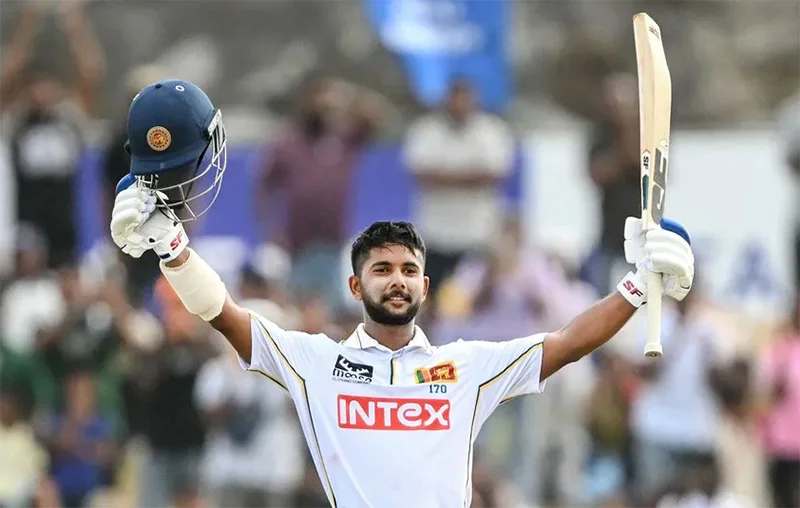
The just-concluded two Test series against strong Indian side has restored Sri Lanka’s pride and confidence, thanks largely to a remarkable display of fighting spirit. At the centre of this remarkable story is Sonal Dinusha, whose extraordinary batting performance turned what appeared to be certain defeat into an epic draw.
Sonal made headlines by scoring three centuries and a big half-century across the two Tests. In doing so, he joined an elite group of Sri Lankan batsmen who have scored three centuries in a two Test series, including Aravinda de Silva, Kumar Sangakkara and Kamindu Mendis.
There is an even more remarkable dimension to Sonal’s achievement. By scoring a century in both innings of a Test match, he joined another distinguished group of Sri Lankan batsmen who have accomplished this rare feat.
Yet, as with every great sporting story, there are several fascinating sub stories within the main story.
One of those sub stories is the emergence of Pasindu Sooryabandara, who became Sri Lanka’s first Test concussion substitute when he replaced Dinesh Chandimal in the first Test in Galle.
The concussion substitute rule is one of the significant innovations introduced by the ICC. It allows a player to replace a teammate who suffers a concussion or other head injury during a match, subject to the relevant medical assessment and the approval of the match referee. The substitute can then participate fully in the match, within the conditions governing concussion replacements.
Pasindu’s own concussion substitute story initially appeared far less glamorous. His first innings ended with the disappointment of a first ball golden duck. But that setback did not end his story.
Instead, the Sri Lankan selectors and team management showed faith in the young batsman by retaining him for the second Test at the Sinhalese Sports Club. That confidence was richly rewarded. Pasindu responded with a composed 80 in the first innings and a superb 92 in the second, providing the crucial foundation for Sri Lanka’s extraordinary resistance.
His batting displayed the qualities expected of a Test top order batsman: solid defence, controlled aggression, patience and above all, temperament. His First Class performances had been repeatedly knocking on the selectors’ door. This time, the door opened and Pasindu walked through it.
But the story does not end with Sonal and Pasindu.
The resilience of the Sri Lankan fast bowlers, led by Asitha Fernando, was another important chapter. Their persistence and discipline kept Sri Lanka in the contest when the match appeared to be slipping away.
The Sri Lankan batsmen then produced the kind of courageous resistance that Test cricket demands. Instead of surrendering to the pressure, they fought session by session, partnership by partnership, and run by run. Their collective determination transformed an apparently inevitable defeat into a memorable draw.
That fighting spirit may ultimately prove to be the most valuable outcome of the series.
Sonal Dinusha may rightly occupy the centre of the stage. His three centuries, his remarkable consistency and his role in rescuing Sri Lanka from the brink of defeat have made him the headline maker. Pasindu Sooryabandara, meanwhile, has shown what can happen when talent meets opportunity and confidence.
But behind these individual performances lies something even more encouraging: Sri Lanka have rediscovered the belief that they can compete, fight and survive against strong opposition even when the circumstances appear overwhelmingly against them.
That renewed belief could be extremely important as Sri Lanka face challenging Test assignments against New Zealand and Pakistan in the ongoing World Test Championship cycle.
For the newly appointed coach, this remarkable comeback must have brought a huge sigh of relief. More importantly, it provides evidence that this Sri Lankan Test side possesses the character and resilience required to compete with any opposition, in any conditions.
The epic draw was therefore more than just a result on the scoreboard. It was a statement of character.
Sonal Dinusha wrote the headline. Pasindu Sooryabandara provided one of the most inspiring subplots. The bowlers refused to surrender. And the entire Sri Lankan team reminded everyone of the fighting spirit that has long been associated with Sri Lankan cricket.
Ayampillai Dharmakulasingham
Retired Sri Lankan diplomat
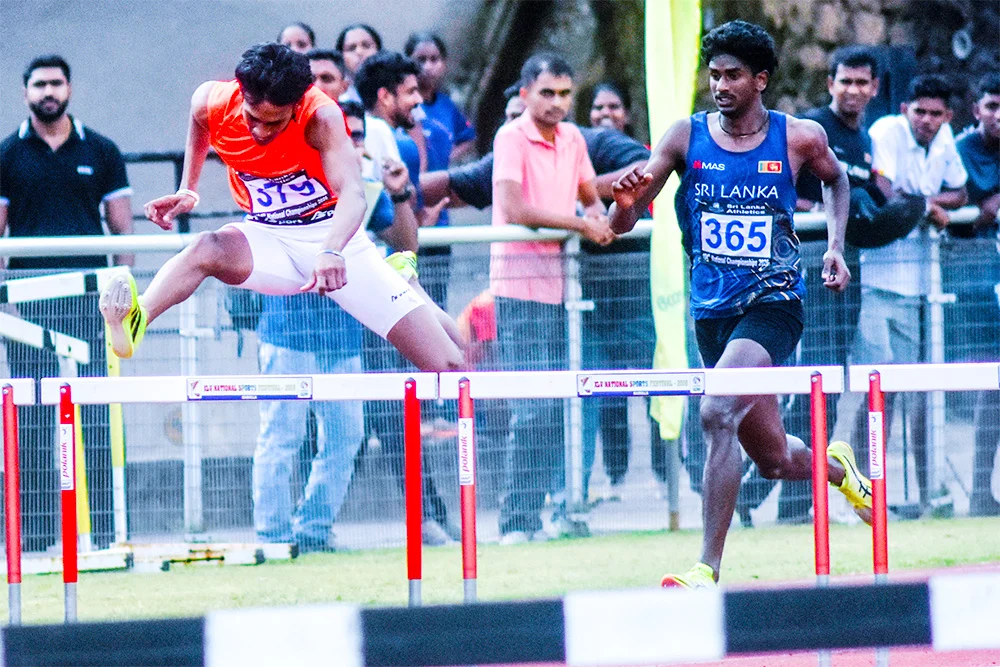
The 104th National Athletics Championship concluded at Diyagama on Sunday. Here are some action pictures form the final day. (Pix by Kamal Wanniarachchi)
-
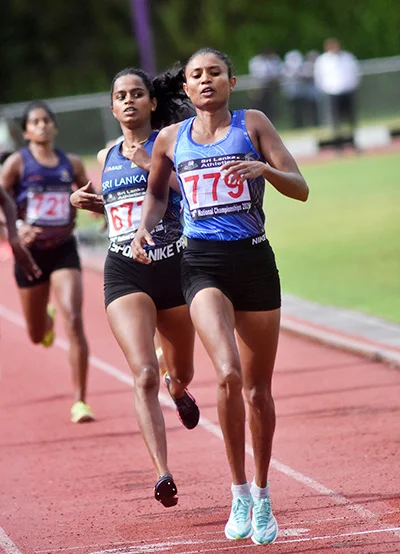
- Veteran Nimali Liyanarachchi won the women’s 800 metres with a time of 2:06.88 seconds.
-
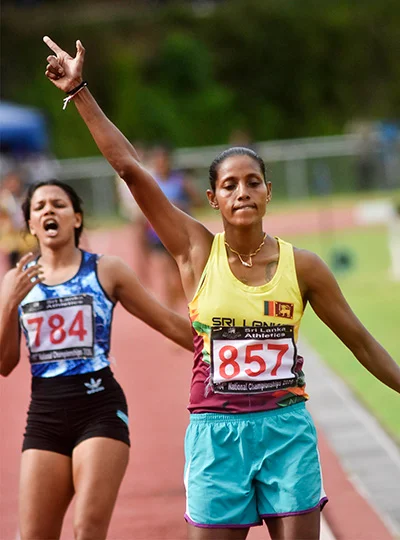
- Lakshika Sugandi was the winner of the heptathlon.
-
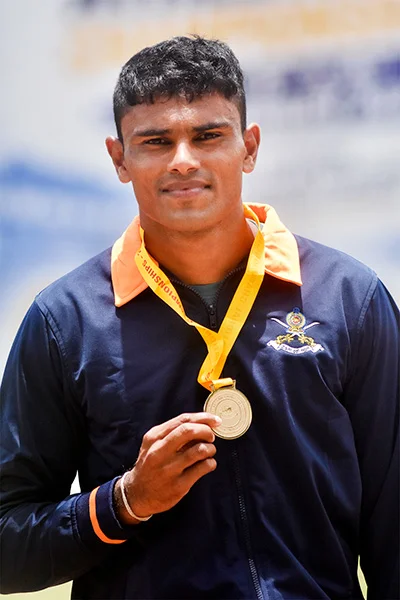
- MMR Lakmal the winner of the decathlon

Olympian Sumedha Ranasinghe had little competition in the absence
of Rumesh Tharanga in the men’s javelin throw.

GIS Lankathilaka won the women’s long jump. / KMKC Karunaratne was the winner of the men’s long jump.
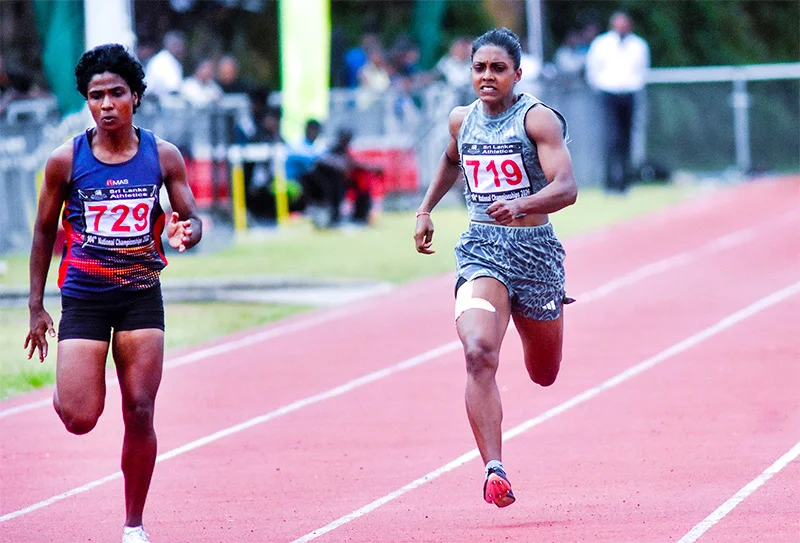
K.R. Hirupama (729) was the winner of the women’s 200m.
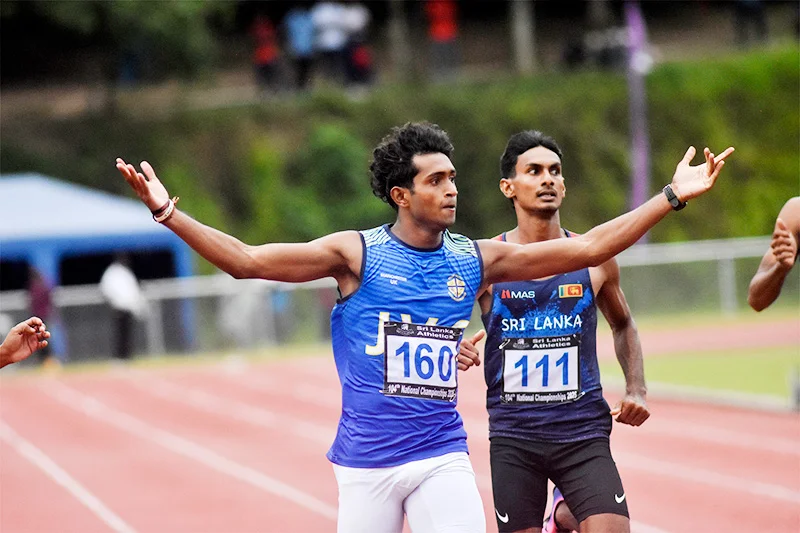
Sadew Rajakaruna won the men’s 200 metres.

Showers in the Uva, Central and Eastern provinces and in Polonnaruwa district

22A: Exclusion of 8 petitions questioned, action filed against SC Registrar, others

Thailand shuts door on undesirables from Sri Lanka

Expertise France and the EU launch media project to strengthen environmental journalism in Sri Lanka

CLA questions non-inclusion of senior judges on five-member SC bench hearing 22A petitions

Whatever on earth happened to meritocracy, pragmatism, and honesty in Sri Lanka?

‘Dates have the highest sugar content to fight Coronavirus’

Sunday Island 27 December – Headlines

#SundayIsland 17th December – Headlines

Sunday Island – 28th March

Sunday Island Headlines – 21 March

Sunday Island – 21st February – Headlines
-

 News5 days ago
Denied of promotion to SC despite vacancies, justice Gurusinghe retires
-

 Latest News6 days ago
Grade 5 scholarship exam results released
-

 News5 days ago
22A: SC urged to suspend hearing, appoint full bench
-

 Midweek Review6 days ago
The local and global dynamics of Sri Lanka’s 22nd Amendment
-

 News3 days ago
Namal remanded until Sept. 18 over Airbus deal investigation
-

 Latest News2 days ago
Tharanga creates history with Diamond League crown in Brussels
-

 News5 days ago
Govt. seeks NATO assistance
-

 News6 days ago
40 professional organisations and TU oppose proposed 22A