
Life style
Nelli – On the cusp of becoming the world’s next top superfood

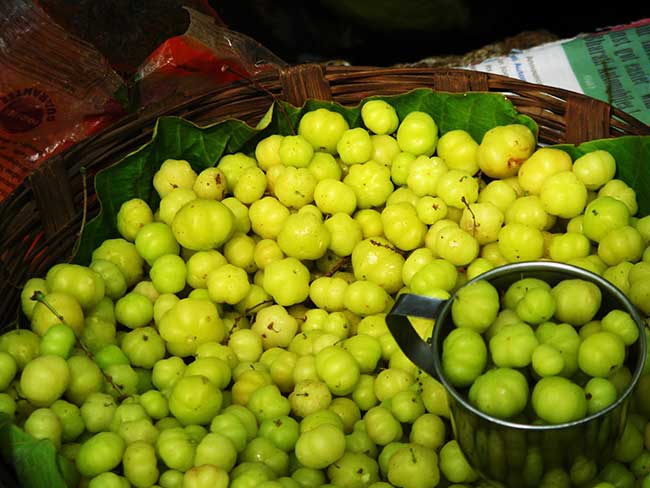
by Emme Haddon
FACT NOT HYPE: A nelli a day keeps sickness at bay! The humble little nelli fruit is the second richest natural source of Vitamin C on the planet and is an antioxidant powerhouse.
The Indian gooseberry tree, Phyllanthus emblica or Emblica officinalis, is considered the most important medicinal plant in Ayurveda, Unani and Siddha, traditional systems of medicine. Whilst all parts of the tree are used medicinally, it is the fruit, known as amla in India and nelli in Sri Lanka, that is considered the most important. In one of the oldest ayurvedic treatise’s dating back to 2 A.D, nelli was regarded as the most potent and rejuvenating fruits supporting anti-aging and longevity. With an astounding 600 – 700mg of Vitamin C per tiny fruit – 160 times that of an apple – nelli is the second richest natural source of Vitamin C on the planet, and with an Oxygen Radical Absorbance Capacity (ORAC) value of 261,500 it is an antioxidant powerhouse. When combined with 2 other fruits, aralu and bulu, in the ancient formula of “Triphala”, its ORAC value is an astounding 706,250 making it the 3rd highest antioxidant on the planet. It’s time that the old adage, an apple a day keeps the doctor away, is replaced with a nelli a day keep sickness at bay. When we hear the word superfood, images of blueberries, acai and turmeric, generally come to mind – nutrient-rich foods considered particularly beneficial for health that regularly feature in top-10 lists of superfoods. Blueberries contain around 9mg of Vitamin C per 100g so you would need to eat around 600g to get your Vitamin C RDI (recommended daily intake). In contrast, one little nelli fruit provides an incredible 1000% of your Vitamin C RDI. On the ORAC scale, nelli scores 56 times higher than blueberries and more than double that of the much-flouted acai berry. Interestingly, the antioxidant activity of nelli is reported to be between 4 and 10-fold higher than Curcuma longa, commonly known as turmeric, one of the world’s top-selling superfoods. If any food deserves to be elevated to “superfood” status, it’s nelli! Phyllanthus emblica, a small to medium-sized deciduous tree native to tropical South East Asia, frequently described as being a reservoir of nutraceuticals with efficacy against multiple diseases, is a known indigenous medicine in 17 countries. Eating nelli is excellent for the functioning of the circulatory, digestive and exocrine systems. There is hardly any disease for which nelli has not been used either singly or in combination with other ayurvedic herbs – the list is endless. Nelli has been the subject of countless scientific studies which have identified the presence of pharmacologically important active compounds, bioactive metabolites, such as alkaloids, phenols, flavonoids, terpenoids, glycosides and saponins. It shows enormous potential for a wide-array of applications:
*Powerful adaptogenic
*Potent immune booster
*Potent antioxidant & free radical scavenger
*Gastro-intestinal issues including heartburn, diarrhea &constipation
*Anti-inflammatory
*Anti-microbial
*Prevention and treatment of hyperlipidemia
*Anti-aging cell rejuvenator
*Repairs & promotes healthy hair, skin, eyes & nails
*Anti-diabetic
*Memory enhancer
Phyllanthus emblica
grows naturally, in a wide range of soils, in both dry and humid conditions of the dry and intermediate zones. Although it can tolerate moderate salinity, it is best cultivated in a pH range of 6-8 with reasonably fertile, well-drained, loamy soil. It is a versatile multipurpose tree with every part having some value – it provides fruits, medicines, dye and tannins, wood, fuel and green manure.
In India, where nelli is well-established as a rich crop, orchards are intercropped with moringa, guava, and coconut, as well as pulses, vegetable and other medicinal crops. Although nelli is highly nutritious, due to its extremely sour and astringent taste, it is used more in cooked and preserved foods, drinks and Ayurvedic medicines. Whilst there are some small-scale orchards, in Sri Lanka nelli has not been commercially exploited and is generally cultivated as an isolated tree in home gardens. In order to meet its Ayurvedic medicinal demand for nelli, Sri Lanka is estimated to import over 50,000 kg of dried nelli each year.
Nelli is also popular in traditional juices, pickles, candies, shampoos, conditioners and hair oils. There is immense potential for nelli, globally, as a dietary supplement in the form of tablets, capsules and powders, liquid extract and pulp in the nutraceutical, food and beverage, personal care and cosmetics markets.
The global herbal medicine and supplements market is booming and is projected to reach USD 411.2 billion by the year 2026. Rising awareness of nelli as an antioxidant-rich nutraceutical with proven health benefits relating to reduced risk of heart disease, high blood cholesterol levels, blood glucose levels, weight loss, anti-ageing, cell damage, inflammation and immune-strengthening, is anticipated to drive the product demand.
In 2018, the nelli powder extract sector led the global market with a value of USD 22.61 billion and is projected to reach USD 37.2 billion by 2026 whilst the food & beverage segment accounted for USD 12.40 billion of revenue. Currently, Asia Pacific holds the largest market share of about 29.91% with India exporting to Japan, Bangladesh, Nepal, Malaysia, Korea and more recently Germany, Netherlands and the US.
Europe is expected to expand at the fastest CAGR of 5.35% by 2025. Big Herba are always on the lookout for the next superfood. According to the Harvard Institute, elevating a food to the superfood state generally translates into super sales: in the United Kingdom alone, the value of this market exceeds a billion dollars. Consumers are willing to pay more for foods and supplements that they perceive to be healthy with science backing up health claims. Until recently nelli was relatively unheard of outside of Asia.
In Sri Lanka, many consumers appear happy to splurge huge amounts on trendy, imported laboratory-created health and nutritional supplements such as Vitamin C “gummies” whilst the astounding benefits of nelli as a functional superfood, not just an Ayurvedic medicine, appear to be forgotten or unknown by many.
The world, however, is waking up to vast array of health benefits nelli has to offer. It’s only a matter of time before nelli makes it on to the world’s top-10 superfood lists. Science is confirming what has been known in Ayurveda for millennia. There is a real opportunity waiting to happen but is Sri Lanka ready?
Emme Haddon has lived in the West Indies, France, Malaysia, Hong Kong and the UK. She has run various businesses and has set up a successful on-line clothing operation. For the past 7 years she has lived in Sri Lanka where she has been able to pursue her passion for natural medicines. She has a great interest in Sri Lanka’s plants and herbal medicines.



India’s Republic Day was celebrated in a spirit of unity and pride, as guests gathered to mark India’s democratic journey and its enduring commitment to freedom, diversity and progress.
India House came alive in hues of saffron, white and green as the 77th Republic Day of India was celebrated with stately elegance and heartfelt pride Set against the manicure lawns of the High Commissioner’s official residence, the annual ceremony unfolded as a graceful reminder of India’s enduring democratic spirit and its close time honoured ties with Sri Lanka.
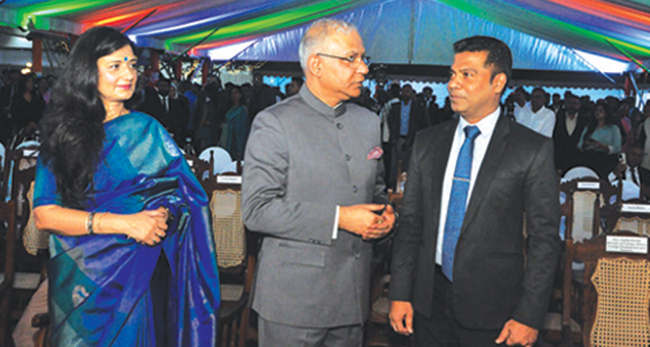
Ambassador Santosh Jha with wife and Chief Guest Dr Nalinda Jayatissa
The morning ceremony commenced with the ceremonial unfurling of the Indian Tricolour. As the anthem echoed across the grounds, dignitaries, diplomats and members of the Indian Community stood united reflective on the ideals enshrined in the constitution of India, Justice, liberty, equality and fraternity. Adding cultural depths to the occasion was patriotic and classical performances thoughtfully curated to reflect India’s rich artistic heritage.
The evening reception had invited guests, diplomats, members of Parliament and many other distinguished guests. From traditional silk saris and sherwanis to chic evening gowns and tailored suits embodying a seamless blend of culture and continue.
The reception also offered a taste of India’s culinary artistry, with meticulously curated cuisine by Taj Samudra Colombo reflecting regional flavours with a modern twist.
Among the distinguished guests were the Prime Minister, Former Presidents, Ambassadors whose presence underscored the evening diplomatic and cultural significance.
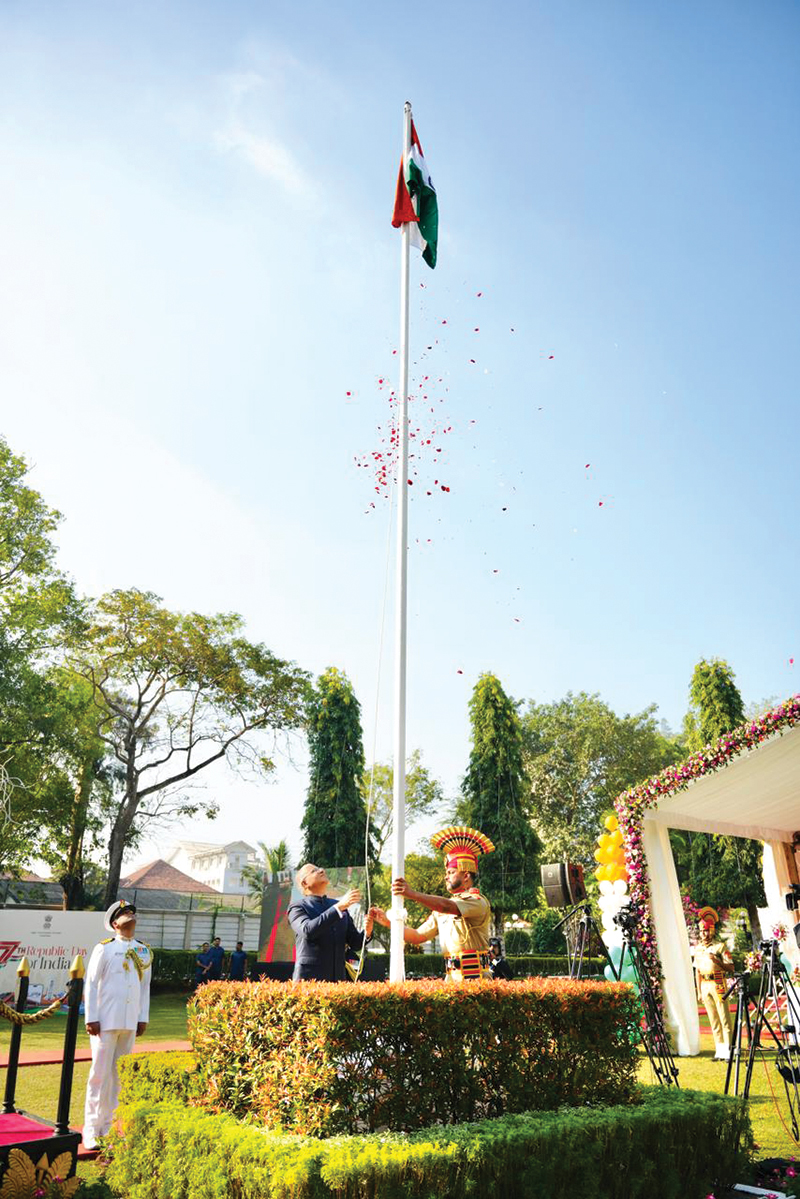
The Tricolour rises, echoing the ideals of the Republic

“A day of pride and patriotism”- Ambassador’s words resonate on Republic Day
The chief guests was the Minister of Health and Mass Media Dr. Nalinda Jayatissa. The evening reach a memorable cresendo as the High Commissioner of India to Sri Lanka and Maldives delivered a speech emphasising India’s journey, its democratic value and its role on the global stage. He also spoke about the close ties between India and Sri Lanka, cultural exchanges and growing economic and strategic partnerships, reinforcing the special friendship between the two nations.
Pix by Thushara Attapathu
By Zanita Careem
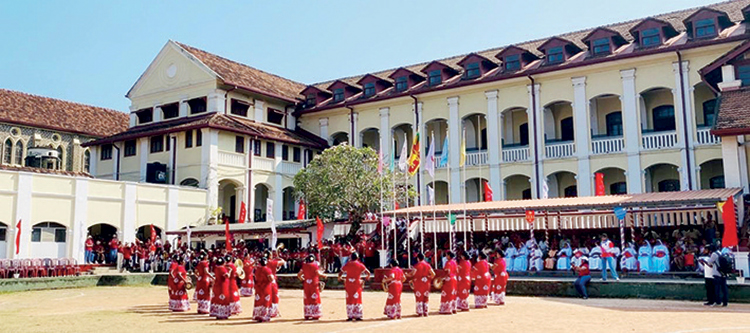
This year, Sacred Heart Convent Galle celebrated 130 years of excellence, and the occasion was nothing short of spectacular. Alumnae, fondly called the old girls, walked the corridors of memory, reliving the elegance, discipline and camaraderie that shaped their youth. Founded by visionary Belgian nuns over a century ago, Sacred Heart Convent began with a clear mission of nurturing not only intellect, but also character, compassion and confidence. Today it stands as a timeless symbol of holistic education, blending its rich heritage with a modern vision.
There’s a magic in returning to the place where your story began – the echo of footsteps in old halls, the chatter of friends, the quiet thrill before assembly and the sense of belonging that never fades. This year as Sacred Heart Convent Galle celebrates 130 years of excellence. I found myself walking through memories that shaped not only my education but my outlook in life.
Founded over a century age by dedicated Belgian nuns, Sacred Heart Convent began as a humble institution with a bold vision to nurture intellect, character and compassion in equal measure. Set against the picturesque backdrop of Galle, with its charm and timeless beauty, the Convent became more than a place of learning, it was a sanctuary of discipline, creativity and grace.
My earliest memories of the school are vivid. I remember the feel of my uniform on the first day, the nervous excitement, as we walked into classrooms that I will always remember Sister Adrian’s warmth, guidance and encouragement . Her presence made every lesson meaningful and every Heartian feel truly cared for.
Galle itself added a special charm to the celebrations. The gentle sea breeze, the sunlit ramparts and the serene landscape created a perfect backdrop for a day filled with memories and nostalgia.
The 130 years of celebrations were a tribute to this legacy – an ode to the school’s enduring influence and the generations it has inspired.
The familiar bell at Sacred Heart Convent rang with a deeper resonance this year, calling together generations bound by faith, discipline and shared memory. As the institution marked 130 years of distinguished service in education, the celebrations unfolded not merely as an anniversary, but as a heart felt homecoming- a return to corridors where values were shaped and lifelong friendships were born. The alumnae returned in style, sharing laughter and stories of classroom adventures, chapel recitals and play ground friendships.

130 years strong-Sacred Heart Convent stands a beacon of values,discipline and life long learning
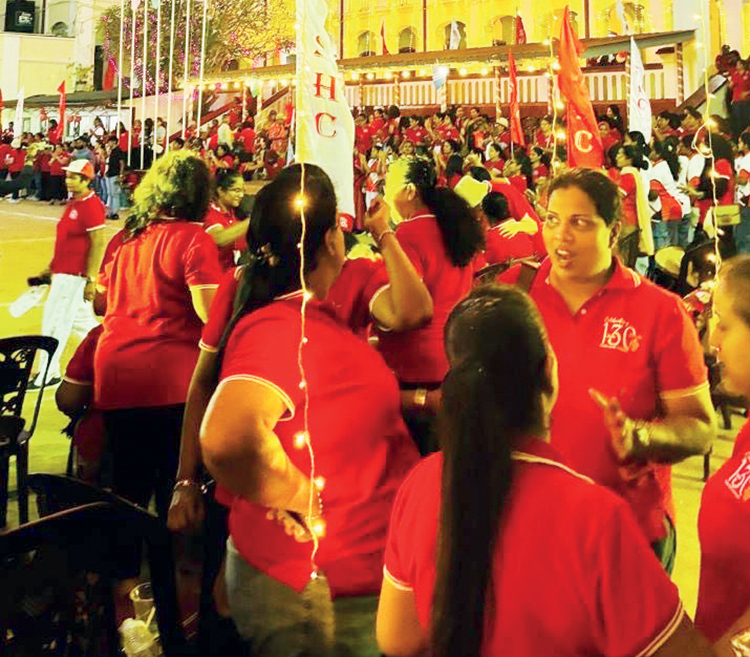
Old girls, present students and teachers unite to honour 130 years of pride
The highlights of the event this year was made memorable by a much loved Back to School theme that turned time gently backwards, Old girls arrived dressed in thier school day best, laughter filling the quadrangle as familiar bells , laughter, memories marked the back to school scene .
At the heart of the foundation of the school was Sister Adrian ,the devoted Belgian nun who served as principal, she had vision, discipline and unwavering dedication that was the the cornerstone of Sacred Heart’s legacy. Generations of students carry forward her values and spirit she instilled over a century ago.
I found myself reminiscing about my own journey within its storied walls – the classrooms, the assemblies, the playground games and shared seats with friends that still bring a smile today. I remember the guidance of teachers who inspired curiosity and the gentle discipline of mentors who shaped our values.
The ‘Back to School’ feeling during the 130th celebrations was magical seeing Alumnae return, glowing with nostalgia reminded me how the spirit of Sacred Heart stay with us and remains etched in our hearts.
As the celebrations came to a close, I felt a profound gratitude for the school, for the Belgian nuns who laid its foundation For the present Principal Sister Sandya Fernando and Sister Mihiri Perera, Deputy Principal and Head of the Primary School and the teachers who carry forward this century old tradition with dedication and warmth. Their commitment to keeping the school’s spirit vibrant, bridging the gap between the history and the present. From Sister Adrian’s vision to the care of today’s dedicated sisters, Sacred Heart Convent has spent 130 shaping minds, nurturing values and inspiring generations.
For me, Sacred Heart Convent was never merely a place of learning; it was a canvas, a stage and a sanctuary, a place that taught me education is as much character as it is about knowledge.
As the school celebrated 130 glorious years, we salute Sister Adrian, and the visionary leadership of the current principal and Vice principle Thier dedication have shaped generations of Heartians, instilling values, courage and compassion For me this celebrations stirred cherished memories and a reminder that the heart of Sacred Heart beats strong, carrying its legacy forward with pride and love
By Zanita Careem
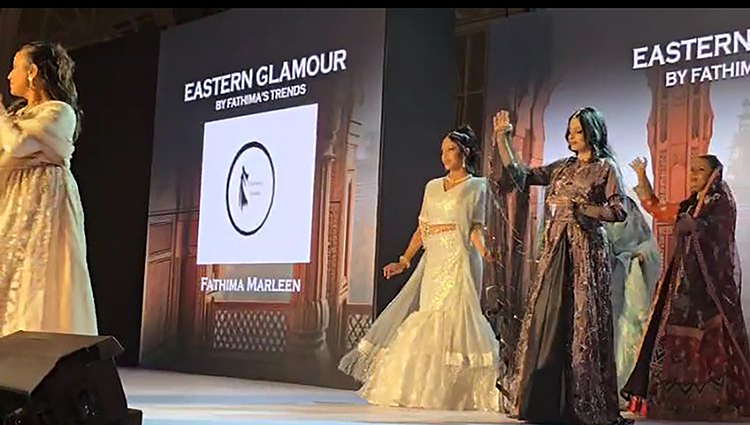
Threads of influence
From the buzz of a busy salon chair to the delicate precision of couture hand work, Fathuma Marleen carved a space where style,skill and sophistication intertwine.
Her signature lies in the subtle artistry of her embroidery and handwork. Every stitch, every embellishments reflect a dedication to precision and an eye for detail cultivated from her earliest days A guiding force for women she touches human lives with generosity,empathy and unwavering commitment
Fathuma Marleen’s story begins not on a runway,but behind a salon chair,scissors in hand,hair falling softly to the floor,and dreams quietly taking shape .As a young hairdresser,trained by Janet Balasuriya , she learned early the art of transformation:how confidence blooms when a woman feels seen,styled and celebrated. That intimate understanding of beauty,personal,emotional and deeply human later became the backbone of her creative journey.

Marleen lawyer turned Ambassador
But her creative spirit couldn’t be confined to hair alone In a world driven by fast fashion and fleeting trends,Fathuma Marleen’s work caught the attention of established names in the couture world. Driven by an eye for fashion, she transitioned into stitching, turn ing fabric into statements of sophistication and glamour.She went on to sew for top designers and Colombo’s fashion conscious women, contributing behind the scenes to collections that demanded excellence, consistency and technical mastery. Though her role was discreet, her impact was unmistakable among the landscape of fashion,each of her designer clothing had her signature precision. Her signature touch soon became popular among top designers ,whether it’s a flowing gown, or an Indian Shalwar or a flowing abaya, her intricate,embroidery or her sleek cut had a story . Yet at the height of her creative journey, Marleen made a personal sacrifice,she moved away from her burgeoning fashion career to join her husband in his ambassadorial role to Riyadh.
A defining chapter in Fathuma Marleen’s professional journey has been her close alliance with the Women’s Chamber of Commerce and Industry WCIS, a platform that champions entrepreneurship, creativity and leadership among women. It was Nayana Karunaratne,her close friend with whom she co-created spectacular fashion shows stood firmly by her side encouraging,guiding and gently nudging her back towards her creative calling.
Her work gained particular prominence under the guidance and encouragement of Nayana, this partnership proved transformative, and Fathuma Marleen designs stepped into the spot
Notably her creations featured at the Chamber of Commerce, fashion show led initiatives, including high profile Abaya presentation showcased at the Hilton, which left the audiences mesmerised. Her creations unveiled marked a defining movement in her journey. Modern silhouettes,rich hues and intricate embroidery,
clear lines, thoughtful detailing, appealed to modern woman who values both tradition and contemporary style. The collection resonated strongly with the audience. This show was a celebration of Marleen’s return to the spotlight The Hilton shows stood as a turning point-proof that Marleen’s design journey had depth,direction and a story still unfolding.
When her husband’s diplomatic posting took the family to Riyadh. Fathuma Marleen embraced a new chapter, one that required poise, adaptability and cultural awareness.
As an Ambassador’s wife she navigated formal responsibilities with elegance, balancing public engagements, all while maintaining her creative pursuits but limited due to new responsibilities ,yet she remained a quiet force in style and women’s empowerment,balancing diplomacy and creativity
Through it all, she remained committed to family. Her three daughters each now accomplished doctors and son Banker in the US were nurtured in an environment of discipline.
She says ‘ my family remains my cornerstone a source of pride and inspiration’. She cherishes her children and grandchildren, who continue to inspire her with thier own passions and achievements Beyond fashion, she is a dedicated social worker and champion of women,turning every endeavour into a celebration of creativity,sophistication and style. Beyond glamour, Fathuma is a woman driven by compassion. She devotes herself to running an orphanage established by her husband,carrying forward his vision and touching countless lives.
-

- Every stich tells a story of elegance
-

- Where elegance meets modesty
-

- Fathuma turned runways into celebrations of women and style
-
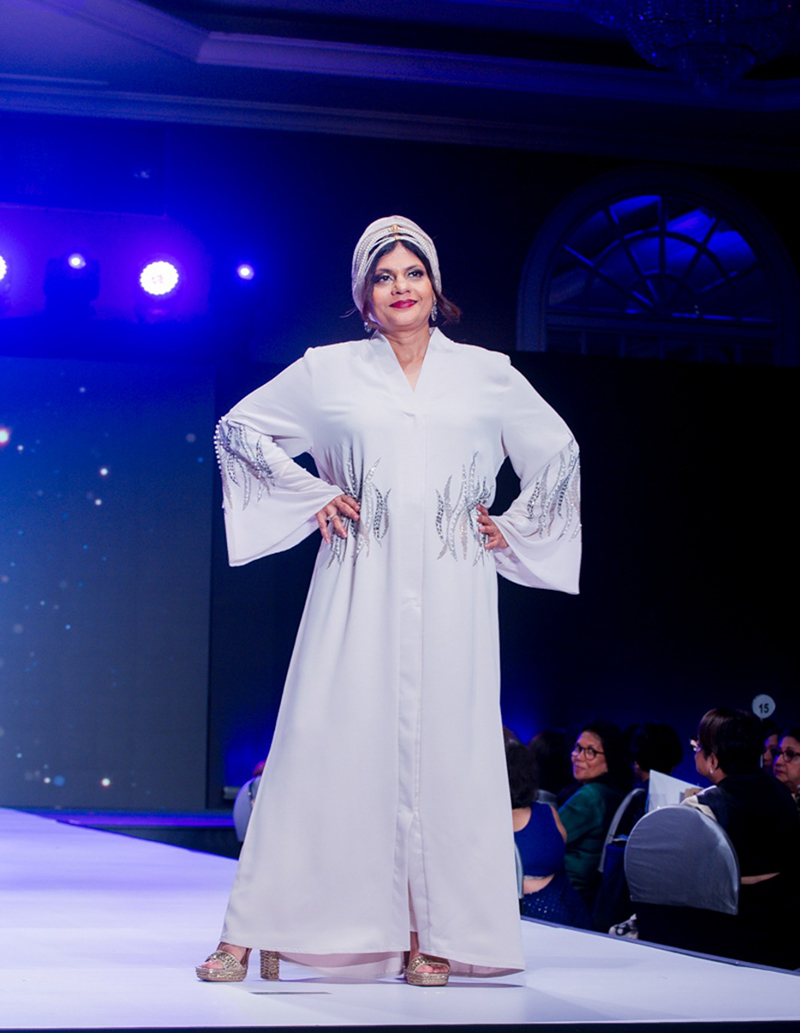
- Flow,flair and finesse
By Zanita Careem

Coal scam has become litmus test for NPP: FSP

INS Gharial delivers 10 Bailey Bridges to Lanka

Anusha Palpita further remanded until 20 Feb.

SC deems proposed Parliamentary Pensions (Repeal) Bill consistent with Constitution

Colombo DC puts off verdict in case filed by MP Dayasiri to allow him to function as SLFP General Secretary

GREAT 2025–2030: Sri Lanka’s Green ambition meets a grid reality check

‘Dates have the highest sugar content to fight Coronavirus’

Sunday Island 27 December – Headlines

#SundayIsland 17th December – Headlines

Sunday Island – 28th March

Sunday Island Headlines – 21 March

Sunday Island – 21st February – Headlines
-

 Business4 days ago
SLIM-Kantar People’s Awards 2026 to recognise Sri Lanka’s most trusted brands and personalities
-

 Business6 days ago
Altair issues over 100+ title deeds post ownership change
-

 Business6 days ago
Sri Lanka opens first country pavilion at London exhibition
-

 Business5 days ago
All set for Global Synergy Awards 2026 at Waters Edge
-

 Business4 days ago
API-first card issuing and processing platform for Pan Asia Bank
-

 Business6 days ago
ESOFT UNI Kandy leads the charge in promoting rugby among private universities
-

 Editorial2 days ago
All’s not well that ends well?
-

 Features2 days ago
Phew! The heat …