
Life style
Nelli – On the cusp of becoming the world’s next top superfood

by Emme Haddon
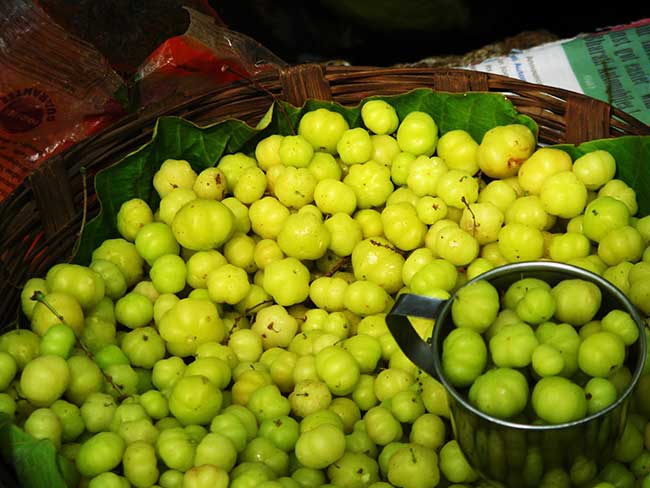
FACT NOT HYPE: A nelli a day keeps sickness at bay! The humble little nelli fruit is the second richest natural source of Vitamin C on the planet and is an antioxidant powerhouse.
The Indian gooseberry tree, Phyllanthus emblica or Emblica officinalis, is considered the most important medicinal plant in Ayurveda, Unani and Siddha, traditional systems of medicine. Whilst all parts of the tree are used medicinally, it is the fruit, known as amla in India and nelli in Sri Lanka, that is considered the most important. In one of the oldest ayurvedic treatise’s dating back to 2 A.D, nelli was regarded as the most potent and rejuvenating fruits supporting anti-aging and longevity. With an astounding 600 – 700mg of Vitamin C per tiny fruit – 160 times that of an apple – nelli is the second richest natural source of Vitamin C on the planet, and with an Oxygen Radical Absorbance Capacity (ORAC) value of 261,500 it is an antioxidant powerhouse. When combined with 2 other fruits, aralu and bulu, in the ancient formula of “Triphala”, its ORAC value is an astounding 706,250 making it the 3rd highest antioxidant on the planet. It’s time that the old adage, an apple a day keeps the doctor away, is replaced with a nelli a day keep sickness at bay. When we hear the word superfood, images of blueberries, acai and turmeric, generally come to mind – nutrient-rich foods considered particularly beneficial for health that regularly feature in top-10 lists of superfoods. Blueberries contain around 9mg of Vitamin C per 100g so you would need to eat around 600g to get your Vitamin C RDI (recommended daily intake). In contrast, one little nelli fruit provides an incredible 1000% of your Vitamin C RDI. On the ORAC scale, nelli scores 56 times higher than blueberries and more than double that of the much-flouted acai berry. Interestingly, the antioxidant activity of nelli is reported to be between 4 and 10-fold higher than Curcuma longa, commonly known as turmeric, one of the world’s top-selling superfoods. If any food deserves to be elevated to “superfood” status, it’s nelli! Phyllanthus emblica, a small to medium-sized deciduous tree native to tropical South East Asia, frequently described as being a reservoir of nutraceuticals with efficacy against multiple diseases, is a known indigenous medicine in 17 countries. Eating nelli is excellent for the functioning of the circulatory, digestive and exocrine systems. There is hardly any disease for which nelli has not been used either singly or in combination with other ayurvedic herbs – the list is endless. Nelli has been the subject of countless scientific studies which have identified the presence of pharmacologically important active compounds, bioactive metabolites, such as alkaloids, phenols, flavonoids, terpenoids, glycosides and saponins. It shows enormous potential for a wide-array of applications:
*Powerful adaptogenic
*Potent immune booster
*Potent antioxidant & free radical scavenger
*Gastro-intestinal issues including heartburn, diarrhea &constipation
*Anti-inflammatory
*Anti-microbial
*Prevention and treatment of hyperlipidemia
*Anti-aging cell rejuvenator
*Repairs & promotes healthy hair, skin, eyes & nails
*Anti-diabetic
*Memory enhancer
Phyllanthus emblica
grows naturally, in a wide range of soils, in both dry and humid conditions of the dry and intermediate zones. Although it can tolerate moderate salinity, it is best cultivated in a pH range of 6-8 with reasonably fertile, well-drained, loamy soil. It is a versatile multipurpose tree with every part having some value – it provides fruits, medicines, dye and tannins, wood, fuel and green manure.
In India, where nelli is well-established as a rich crop, orchards are intercropped with moringa, guava, and coconut, as well as pulses, vegetable and other medicinal crops. Although nelli is highly nutritious, due to its extremely sour and astringent taste, it is used more in cooked and preserved foods, drinks and Ayurvedic medicines. Whilst there are some small-scale orchards, in Sri Lanka nelli has not been commercially exploited and is generally cultivated as an isolated tree in home gardens. In order to meet its Ayurvedic medicinal demand for nelli, Sri Lanka is estimated to import over 50,000 kg of dried nelli each year.
Nelli is also popular in traditional juices, pickles, candies, shampoos, conditioners and hair oils. There is immense potential for nelli, globally, as a dietary supplement in the form of tablets, capsules and powders, liquid extract and pulp in the nutraceutical, food and beverage, personal care and cosmetics markets.
The global herbal medicine and supplements market is booming and is projected to reach USD 411.2 billion by the year 2026. Rising awareness of nelli as an antioxidant-rich nutraceutical with proven health benefits relating to reduced risk of heart disease, high blood cholesterol levels, blood glucose levels, weight loss, anti-ageing, cell damage, inflammation and immune-strengthening, is anticipated to drive the product demand.
In 2018, the nelli powder extract sector led the global market with a value of USD 22.61 billion and is projected to reach USD 37.2 billion by 2026 whilst the food & beverage segment accounted for USD 12.40 billion of revenue. Currently, Asia Pacific holds the largest market share of about 29.91% with India exporting to Japan, Bangladesh, Nepal, Malaysia, Korea and more recently Germany, Netherlands and the US.
Europe is expected to expand at the fastest CAGR of 5.35% by 2025. Big Herba are always on the lookout for the next superfood. According to the Harvard Institute, elevating a food to the superfood state generally translates into super sales: in the United Kingdom alone, the value of this market exceeds a billion dollars. Consumers are willing to pay more for foods and supplements that they perceive to be healthy with science backing up health claims. Until recently nelli was relatively unheard of outside of Asia.
In Sri Lanka, many consumers appear happy to splurge huge amounts on trendy, imported laboratory-created health and nutritional supplements such as Vitamin C “gummies” whilst the astounding benefits of nelli as a functional superfood, not just an Ayurvedic medicine, appear to be forgotten or unknown by many.
The world, however, is waking up to vast array of health benefits nelli has to offer. It’s only a matter of time before nelli makes it on to the world’s top-10 superfood lists. Science is confirming what has been known in Ayurveda for millennia. There is a real opportunity waiting to happen but is Sri Lanka ready?
Emme Haddon has lived in the West Indies, France, Malaysia, Hong Kong and the UK. She has run various businesses and has set up a successful on-line clothing operation. For the past 7 years she has lived in Sri Lanka where she has been able to pursue her passion for natural medicines. She has a great interest in Sri Lanka’s plants and herbal medicines.


By Ifham Nizam
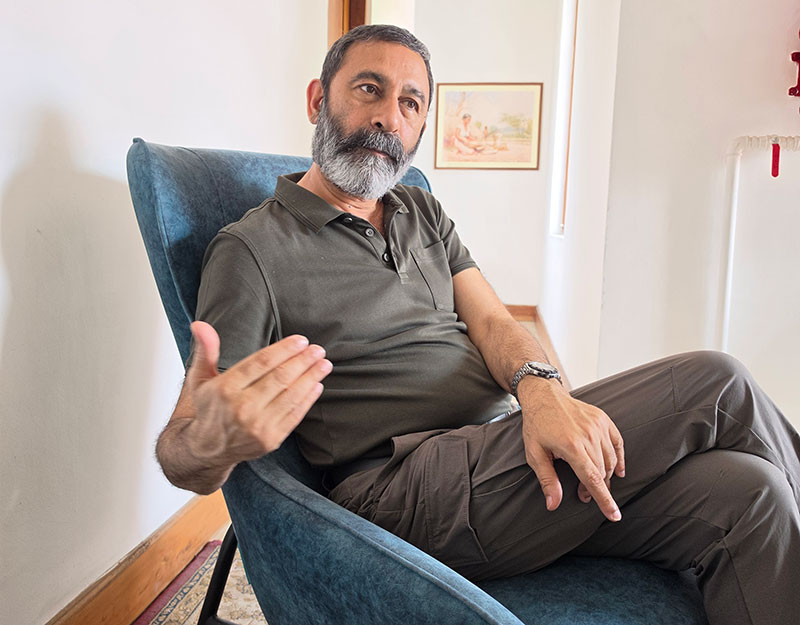
Wildlife conservation cannot be driven by emotion alone. It must be backed by sound science, reliable data, effective policy and practical solutions that work on the ground, according to Indian conservationist Praveen Bhargav, Managing Trustee of Wildlife First.
Bhargav is in Colombo at the invitation of the Wildlife and Nature Protection Society (WNPS) and delivered a special World Elephant Day lecture, focusing on elephant conservation, India’s policy and legal framework and conservation interventions that have produced positive results.
Speaking exclusively to The Sunday Island, Bhargav said the real challenge today was not merely identifying the problems confronting elephants, but finding workable solutions.
“The real need is to try and present or offer solutions to the many challenges that face us,” he said, stressing the importance of a solutions-driven approach that could also assist policymakers and others responsible for taking decisions.
Bhargav said understanding the ecological and scientific dimensions of conservation was vital because the present generation had a responsibility to protect wildlife and hand it over to future generations.
“This generation has a great responsibility to conserve what is there and hand it over in trust to the next generation. And that’s a huge responsibility on all our shoulders,” he said.
While emotion was an important part of wildlife conservation, he said it could not replace science and data.
“While emotion is certainly important, because nothing will work without an emotional link to the issue at hand—in this case, elephants—but going beyond emotion, we need to be very, very clear in terms of what is the data and scientific insights that we have today,” Bhargav said.
He also stressed the need to acknowledge gaps in knowledge and encourage scientists to focus research on areas where reliable information was deficient.
One of the biggest challenges facing elephants and other large mammals, he said, was habitat fragmentation.
Although countries across the elephant range had laws and mechanisms to curb hunting, illegal wildlife trade and other direct threats, protecting elephants from direct killing was only one part of the conservation equation.
“Their habitat needs to be conserved,” Bhargav said, pointing out that elephants are mega-herbivores requiring large areas in which to move.
The challenge before conservationists and policymakers, therefore, was to balance the ecological requirements of elephants with society’s legitimate needs for development and livelihoods.
“This is where I believe that good science and data must be applied to come up with a credible solution in order to ensure that the interests of these endangered species are taken care of without, of course, affecting the needs of people, whether it is development or livelihood,” he said.
Bhargav argued that policy decisions must have strong ecological foundations. Even decisions taken with good intentions could have unintended consequences if they were not scientifically validated.
“Without proper ecological underpinnings in policy, we may be taking the wrong decision. Intentionally it may be good, but we may be going in the wrong direction,” he said.
India’s experience, he explained, provides several examples of practical interventions aimed at restoring and strengthening fragmented wildlife habitats.
One such intervention is the voluntary resettlement of people from critical wildlife areas with appropriate incentives. Bhargav said this process was helping in certain parts of India to reconnect fragmented habitats.
Another important intervention has been the scientific identification and assessment of elephant corridors and colonies, followed by efforts to secure critical areas so elephants can move across their natural range.
“It’s not that there are no problems. Conservation will also be eternally working with problems. But thankfully this is being recognised and it’s being implemented on the ground. And we are seeing positive steps in that direction,” he said.
Bhargav urged conservationists not to become despondent because progress in wildlife conservation is necessarily gradual.
“I believe that there are solutions and we as conservationists need to work with the system to ensure that those solutions reach or fructify on the ground,” he said.
“Conservation is not a T20 game. It’s a marathon. You need to keep playing. You need to be at it. And that’s when these changes do percolate to ground level.”
A key principle, according to Bhargav, is that conservation solutions must be site-specific. An intervention that succeeds in one location may be unsuitable or unnecessary elsewhere.
“We need to, as conservationists, use science, data, knowledge and ensure that site-specific solutions are crafted,” he said.
He also advocated calibrated approaches, where measures could be introduced progressively rather than attempting to implement everything at once.
Keeping “a finger on the pulse” of what is happening on the ground is equally important, he said, because conservation decisions made without understanding local realities risk operating in a vacuum.
Bhargav also emphasised the importance of scientifically estimating wildlife populations. He noted that wildlife monitoring had progressed from total counts towards sampling-based assessments.
“These rigorous estimations are absolutely essential to find out whether we are heading in the right direction or not,” he said.
Ultimately, the most important measure of a conservation policy, he said, was whether wildlife populations and their habitats were actually benefiting.
Bhargav’s conservation work has also involved policy advocacy at the highest levels in India. He has served on the National Board for Wildlife and on expert committees, while Wildlife First has continued to engage with the government on conservation issues.
One example, he highlighted, was India’s approach to linear infrastructure, such as roads and power transmission lines.
While recognising that infrastructure is necessary for development, Bhargav said the first principle should be avoidance—wherever possible, important wildlife areas should not be crossed by major infrastructure.
Where avoidance is impossible, mitigation measures, such as wildlife overpasses, underpasses and appropriate infrastructure designs can reduce impacts.
He said this approach had subsequently become part of government policy, with projects being redesigned in some cases to reduce disruption to wildlife corridors.
In one case, he pointed to the construction of an elevated highway through a critical wildlife corridor, allowing animals to continue moving at ground level while traffic passed above.
“These are kind of interventions that are essential in order to carefully balance both the competing needs,” he said.
Bhargav also stressed that wildlife protection requires “eternal vigilance”, particularly against illegal wildlife trade.
“We can never say that we have won the battle against illegal wildlife trade. We need to be constantly on guard.”
He mentioned that India had a specialised Wildlife Crime Control Bureau and that recent legal changes had strengthened the ability of enforcement agencies to deal with wildlife-related offences.
Bhargav has also been involved in training customs officials on wildlife-related issues.
Despite continuing pressures, he remained optimistic about the future of conservation.
“I’m not saying there’s no pressure. But one should not get despondent and disappointed that, oh, nothing is happening, everything is going wrong. No. We are making progress,” he said.
“There is advancement in science. Some of it is getting into policy. Some actions are being taken on the ground.”
However, he cautioned that progress should never lead to complacency.
“We can’t let our guard down,” he said, stressing the continuing role of civil society in working constructively towards conservation.
Bhargav said his visit to Sri Lanka was his first and that he was keen to learn more about the country’s elephant conservation challenges through discussions with WNPS and others.
He had not yet held discussions with Sri Lankan government officials, although he understood that some officials might attend his World Elephant Day lecture.
Asked what message he would have for Sri Lankan policymakers and wildlife officials, Bhargav returned to the central theme of his approach: knowledge-driven, site-specific conservation.
“Good knowledge to drive policy. And a threadbare assessment is essential,” he said.
“We need to have site-specific solutions, which is very important, in order to ensure that things are changed, we bring about a change on the ground.”
His message ultimately was one of optimism—but optimism accompanied by responsibility.
“Let’s be positive. Let us be positive. Because we do have the strength,” Bhargav said.
Across the world, he noted, there was considerable concern about saving endangered species, and that goodwill should be harnessed to strengthen conservation.
“I believe that that is possible,” he said.
By Zanita Careem
From the timeless charm of Vietnam’s ancient cities and emerald landscapes to Sri Lanka’s golden beaches, misty tea hills and rich cultural heritages, two captivating Asian destinations are finding new ways to bring their world’s closer. Tourism is emerging as a particularly glamorous bridge between Viet Nam and Sri Lanka, offering travellers the promise of culture, cuisine, wellness, adventure and unforgettable experiences. There is a strengthening of tourism relationship between the two countries taking centre stage.
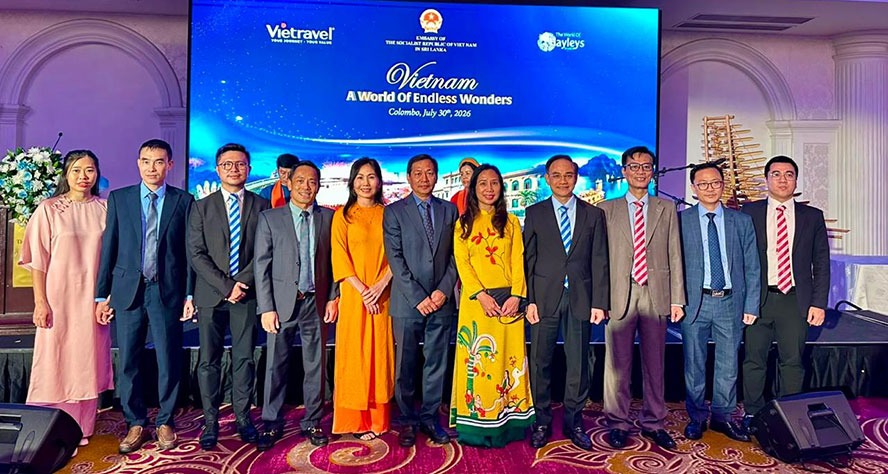
In this exclusive interview with the Ambassador of Viet Nam to Sri Lanka Trinh Thi Tam, we explored the beauty of this emerging tourism partnerships, the experiences that could entice Sri Lankan travellers to Viet Nam, and welcoming more Vietnamese visitors to Sri Lanka.
(Q) How would you describe the current tourism relationship between Viet Nam and Sri Lanka?
(A) Tourism is one of the most promising areas of cooperation between Viet Nam and Sri Lanka. Our two countries share rich histories, cultures and Buddhist traditions, while offering distinct travel experiences. This makes our two destinations complementary rather than competitive.
In the first seven months of 2026, nearly 5,000 Vietnamese visitors came to Sri Lanka, compared with around 4,000 for the whole of 2025. Viet Nam also welcomed nearly 9,000 Sri Lankan visitors in the first seven months of 2026.
Tourism is growing, but there is still considerable room for expansion. Better air connectivity, stronger promotion and closer cooperation between travel companies can help make tourism a major pillar of our bilateral relationship.
(Q) How significant are the new direct flights between Viet Nam and Sri Lanka?
(A) The new direct flights are a major step forward for tourism relations between our two countries.
For many years, the lack of direct air connectivity was one of the main obstacles. Although Viet Nam and Sri Lanka are geographically close, travellers often had to transit through a third country, adding time, cost and inconvenience.
(Q) Do you expect the new air connectivity to bring a significant increase in Vietnamese tourists to Sri Lanka?
(A) We are already seeing encouraging signs. As mentioned earlier, in the first seven months of 2026, nearly 5,000 Vietnamese visitors came to Sri Lanka, compared with around 4,000 for the whole of 2025. This shows that interest in Sri Lanka is growing even before direct connectivity is fully established.
Viet Nam is also a large and growing outbound tourism market, with a population of more than 100 million and a rapidly expanding middle class. Vietnamese travellers are increasingly looking for new destinations and experiences. Sri Lanka has many products that can appeal to them, including Buddhist pilgrimage, beaches, wildlife, tea plantations, cultural heritage, wellness and cuisine.
(Q) What aspects of Sri Lanka do you think appeal most to Vietnamese travellers?
(A) Sri Lanka offers a particularly attractive combination of culture, spirituality, nature and hospitality.
First is culture and history. Vietnamese travellers value destinations with a long history and strong cultural identity. Sri Lanka offers ancient cities, temples, UNESCO heritage sites and traditions preserved over centuries.
Second is Buddhism. This is particularly important. Viet Nam has a large Buddhist community, and many Vietnamese people are interested in visiting important Buddhist sites.
Third is nature. Despite its relatively small size, Sri Lanka offers a remarkable variety of landscapes and experiences, from beaches and mountains to tea plantations, forests and wildlife. Visitors can see elephants, whales and many other species.
And I would add that Vietnamese travellers value friendliness and hospitality. Sri Lankans are warm and welcoming, which adds greatly to their travel experience.
Finally, Sri Lanka offers something different. Vietnamese travellers are familiar with many destinations in East and Southeast Asia. Sri Lanka provides a new experience while retaining cultural and spiritual connections that Vietnamese visitors can easily appreciate.
(Q) How important is Buddhist tourism in attracting Vietnamese visitors to Sri Lanka?
(A) Buddhist tourism could become one of the strongest tourism links between our two countries.
Sri Lanka has a special place in the history of Theravada Buddhism. Vietnamese pilgrims and Buddhist followers are interested in visiting sacred places such as Anuradhapura, Kandy and other important Buddhist sites.
At the same time, interest in spiritual and cultural travel is growing in Viet Nam. Many travellers are looking not only for a holiday, but also for meaningful experiences.

Ambassador Trinh Thi Tam at Hotel Show Colombo 2026, with Professor Ruwan Ranasinghe Deputy Minister of tourism
This is an area where Viet Nam and Sri Lanka have a natural advantage. The historical and spiritual connection already exists. Our task is to turn that connection into practical and attractive tourism products.
(Q) Do you see potential for Vietnamese investment in Sri Lanka’s tourism?
(A) Vietnamese companies are increasingly exploring international markets, and tourism is one area where Sri Lanka could attract Vietnamese investment. Vietnamese companies also have experience in destination development, hospitality, transport and tourism infrastructure.
Sri Lanka has a strong tourism base, but there is still significant room for new investment in hotels and resorts, eco-tourism, wellness, entertainment, food services, tourism technology and integrated tourism projects.
. Joint ventures with Sri Lankan partners could be particularly useful, combining Vietnamese capital, business experience and marketing capacity with Sri Lanka’s destinations and local expertise.
(Q) How can both countries encourage more Sri Lankan tourists to visit Vietnam?
(A) The key is to make Viet Nam more visible and easier for Sri Lankan travellers to discover.
Viet Nam already offers many attractive products, including culture, beaches, cuisine, shopping, nature and Buddhist heritage. We should also develop tourism packages tailored to the Sri Lankan market.
Direct flights will be important, but promotion is equally essential. Sri Lankan travel companies, airlines and media should have more opportunities to visit Viet Nam and experience its destinations first-hand.
(Q) How can Sri Lanka attract Vietnamese travellers beyond Colombo and the traditional tourist attractions?
(A) Sri Lanka should be presented to Vietnamese travellers not simply as Colombo and a few famous attractions, but as an island offering a wide range of experiences.
Kandy can be promoted through its Buddhist heritage and cultural traditions. Sigiriya and Dambulla offer history and heritage, while the hill country combines tea plantations, scenic landscapes and memorable train journeys.
For nature lovers, Sri Lanka offers wildlife and safari experiences. Younger travellers can enjoy beaches, surfing, hiking and other adventure activities.
Wellness and food tourism also have strong potential. Vietnamese travellers increasingly seek experiences rather than simply sightseeing. They want to meet local people, taste local food and discover less crowded destinations.
The industry could, therefore, develop flexible packages tailored to different interests, including Buddhist pilgrimage, culture, nature, beaches, wildlife, wellness and luxury travel.
(Q) What potential do you see for MICE tourism, destination weddings and luxury tourism between the two countries?
(A) Both Viet Nam and Sri Lanka are becoming increasingly attractive destinations for higher-value tourism. Sri Lanka’s beaches, resorts, cultural sites and scenic landscapes are well suited to weddings, honeymoons and luxury holidays.
MICE tourism is another promising area. Vietnamese companies are increasingly organising conferences, incentive trips and team-building programmes abroad. Sri Lanka can offer a combination of business facilities and leisure experiences.
Destination weddings could be particularly promising. Sri Lanka offers beaches, luxury hotels, cultural settings and beautiful landscapes, while Vietnamese couples are increasingly interested in overseas weddings and honeymoons. Vietnnam has recently become a destination for weddings of many Indian couples.
The key is to offer complete packages rather than individual services. Hotels, airlines, travel agencies and event organisers should work together to provide a seamless experience.
(Q) How can both countries promote sustainable and responsible tourism while increasing visitor numbers?
(A) I believe tourism growth and sustainability must go hand in hand.
Tourism should create income and jobs while protecting the environment and respecting local communities. Sri Lanka’s beaches, forests, wildlife and cultural heritage are the foundation of its tourism industry. Protecting these assets is, therefore, essential.
Both countries can share experience in eco-tourism, waste management, marine conservation and responsible tourism.
The goal should not simply be more tourists, but better tourism.
(Q) Should Sri Lanka increase its presence at Vietnamese tourism fairs and travel destinations?
(A) Viet Nam has a large and increasingly sophisticated tourism market, and Sri Lanka should have a stronger and more regular presence there. The Sri Lankan Embassy in Hanoi has already organised tourism promotion activities involving Vietnamese travel agents and industry representatives. In 2025, a familiarisation trip also brought 20 leading Vietnamese travel agents to Sri Lanka.
These are useful initiatives, and I believe we should build on them.
Sri Lanka should participate regularly in major Vietnamese tourism fairs. I would also encourage direct promotion in key tourism markets such as Ho Chi Minh City, Hanoi, Da Nang, Nha Trang and Phu Quoc, among others.
(Q) What would your vision for Vietnam–Sri Lanka tourism be five years from now?
(A) I would like tourism to become one of the strongest pillars of the Viet Nam–Sri Lanka Comprehensive Partnership.
I would like to see regular and convenient direct air connectivity between our major cities, with many more Vietnamese tourists discovering Sri Lanka and many more Sri Lankan tourists visiting Viet Nam.
I would also like to see more specialised tourism products, including Buddhist pilgrimage, cultural tourism, eco-tourism, wellness, luxury travel, MICE and destination weddings.
Tourism can create investment, jobs and new services. Most importantly, it can bring our people closer and deepen mutual understanding.

By Zanita Careem
Dr. Zacky Haniffa, Secretary to Sri Lanka College of Cardiology at Durden’s Hospital, is a distinguished Royal College alumnus who graduated from the University of Colombo and furthered his medical education in London.With his expertise and dedication to cardiac care, he has made a meaningful contribution to the field of heart health. His work reflects the growing importance of early detection, preventive care and greater public awareness of cardio vascular disease, In an exclusive interview with Zanita Careem, Dr. Haniffa speaks about his medical journey and the importance of protecting the heart through greater awareness, early detection and timely care. From understanding risk factors to encouraging people to take charge of their health, before symptoms appear, he offers a timely and valuable perspective on protecting the heart. His association with Durdans Hospital adds another dimension to his career, connecting his expertise with one of o Sri Lanka’s long established private healthcare services, Durdans, founded in 1945, has developed a reputation for medical excellence and innovation.
(Q)What are the most common heart conditions you see today?
(A)The most common problems we see are coronary artery disease, heart attacks, high blood pressure, heart failure and abnormal heart rhythms (beating). We also see a significant number of patients with heart-valve problems.
Globally, cardiovascular disease remains the leading cause of death, with approximately 20.5 million deaths in 2025. The encouraging news is that a large proportion of cardiovascular disease is preventable.
(Q) Why is heart disease increasing among younger adults?
(A) Young people often feel, “I am young, so nothing can happen to me.” That is a dangerous assumption.
Heart disease is not only a disease of old age anymore. I am seeing many younger people with risk factors, such as diabetes, high cholesterol, high blood pressure, and obesity.
Further, our lifestyle has changed dramatically. We are sitting more, moving less, eating more processed and high-calorie food, sleeping poorly and living under considerable stress. Smoking, alcohol, other illicit drugs also remain important risks.
Your 20s and 30s are not too early to start looking after their heart. They are exactly the right time.
(Q) What are the biggest risk factors people tend to ignore?
(A) As mentioned, the biggest ones are surprisingly ordinary: Smoking, high blood pressure, diabetes, high cholesterol, obesity, physical inactivity and an unhealthy diet.
The problem is that several of these cause no symptoms at all. They silently damage the blood vessels for many years before a person feels any symptoms.
(Q) How can people tell the difference between a heart attack and heartburn?
(A) Unfortunately, you cannot always tell the difference with certainty, based on symptoms alone.
Heartburn usually produces a burning sensation in the upper abdomen and or behind the breastbone, often related to meals or lying down. But a heart attack can also feel like burning, indigestion, heaviness or discomfort in the chest.
A heart attack may cause pressure, squeezing or discomfort in the centre of the chest, sometimes spreading to the arm, shoulder, back, neck or jaw. Breathlessness, sweating, nausea, dizziness or unusual weakness may also occur. The symptoms might be very subtle in elderly, diabetics and women.
My advice is simple: if you are unsure, do not assume it is gas.
It is far better to go to hospital and discover that it was heartburn than to stay at home thinking it was heartburn when it was actually a heart attack.
(Q) What are the early warning signs that should not be ignored?
(A) Never ignore new or unexplained chest discomfort, especially if it occurs with exertion or is associated with breathlessness, sweating, nausea, dizziness or pain spreading to the arm, back, neck or jaw.
Also pay attention to symptoms such as unusual breathlessness, unexplained reduction in exercise capacity, fainting, persistent palpitations or swelling of the legs.
Women, in particular, may sometimes have less typical symptoms, including unusual tiredness, nausea, breathlessness, back or jaw discomfort.
One of the biggest mistakes, I see, is people waiting to see whether the symptoms will disappear.
When it comes to a heart attack, time is heart muscle. The earlier treatment begins, the better the chance of saving heart muscle and saving a life.
(Q) What are the three most important habits for maintaining a healthy heart?
(A) If I had to reduce it to three things, I would say:
Move regularly. Eat sensibly. Don’t smoke.
And I would add a fourth: know your numbers—your blood pressure, blood sugar, cholesterol and Body Mass Index (BMI).
You don’t have to become a professional athlete or follow an impossibly strict diet. Small, consistent changes made over many years are much more powerful than occasional bursts of healthy living.
(Q) How much exercise is enough to maintain a healthy heart?
(A) For most adults, a good target is at least 150 minutes of moderate-intensity activity a week, such as brisk walking, or 75 minutes of vigorous activity. Ideally, add muscle-strengthening exercise at least twice a week.
That sounds like a lot, but it is only about 30 minutes on five days a week.
And please don’t think that exercise only counts if you go to a gym. Brisk walking, cycling, swimming, dancing, gardening and active household work all count.
If you currently do very little, don’t wait until you can do 30 minutes. Start with 10 minutes. Then build up. Some movement is better than none.
(Q) What role does diet play in preventing cardiovascular disease?
(A) Diet plays a huge role—but a heart-healthy diet does not have to be expensive or complicated.
Eat more vegetables, fruits, pulses, whole grains, nuts and fish, and reduce highly processed foods, sugary drinks, excess sugar, saturated fats and trans fats.
For Sri Lankans, I would emphasise one particular issue: salt. We traditionally use a lot of salt in cooking and may also consume considerable amounts through processed and packaged foods. WHO recommends keeping salt intake below five grams a day—roughly one teaspoon in total from all sources.
We don’t need to abandon our traditional food. We need to make our traditional food healthier—less salt, less oil, less sugar, more vegetables, more pulses and sensible portions.
(Q)How have advances in cardiology improved patient outcomes?
(A) The changes have been remarkable.
Today, we can diagnose heart disease much earlier and treat many conditions that were previously extremely difficult to manage.
For heart attacks, modern angioplasty and stenting can rapidly restore blood flow. Better imaging allows us to see the coronary arteries and heart structures in much greater detail. We have sophisticated treatments for heart failure, modern devices for abnormal rhythms and minimally invasive procedures for certain valve diseases.
Even in heart failure, the treatment landscape has changed enormously, with newer medicines.
The exciting part is that cardiology is moving increasingly toward earlier diagnosis, personalised treatment and less invasive procedures.
But I always tell my patients: the best heart attack is the one we prevent. Technology can save lives, but prevention is still more powerful than any procedure.
(Q) When is angioplasty recommended instead of open-heart surgery?
(A) Angioplasty—usually called PCI—is an excellent treatment for many patients, particularly during an acute heart attack, when reopening a blocked artery quickly can be lifesaving.
But angioplasty is not automatically better than bypass surgery.
The decision depends on the number and location of blocked arteries, the complexity of the disease, diabetes, heart function, age, other medical conditions and the patient’s overall situation.
Recent evidence continues to support making this decision individually rather than taking a “one treatment fits everyone” approach.
The important thing is that the decision should be made by the heart team and the patient together, based on the best available evidence.
(Q) What are the biggest misconceptions people have about heart disease?
(A) There are many.
“Heart disease happens only to old people.”
Not true.
“If I feel healthy, my heart must be healthy.”
Not necessarily. High blood pressure and high cholesterol can remain silent for years.
“I don’t smoke, so I don’t have to worry.”
Not true. Smoking is one risk factor among many.
“Heart disease is mainly a man’s disease.”
Definitely not. Women can develop serious heart disease, and their symptoms may sometimes be overlooked.
“If I have a heart problem, I should avoid exercise.”
Many heart patients actually benefit greatly from appropriate physical activity and cardiac rehabilitation, under medical guidance.
“I’ll see a doctor if it gets worse.”
For a heart attack, waiting can cost precious heart muscle and the life.
(Q) Is there a patient story that changed your perspective as a doctor?
(A) I think every cardiologist has patients who stay with them long after they leave the hospital.
“One patient I will never forget was a 31-year-old young father who came to the emergency department around midnight with severe chest pain, accompanied by his 26-year-old wife and their six-month-old baby.
His ECG showed a major heart attack. We immediately took him for angioplasty and successfully opened a completely blocked coronary artery.
The next morning, I saw him smiling in the ICU bed. Three days later, he walked out of the hospital completely well.
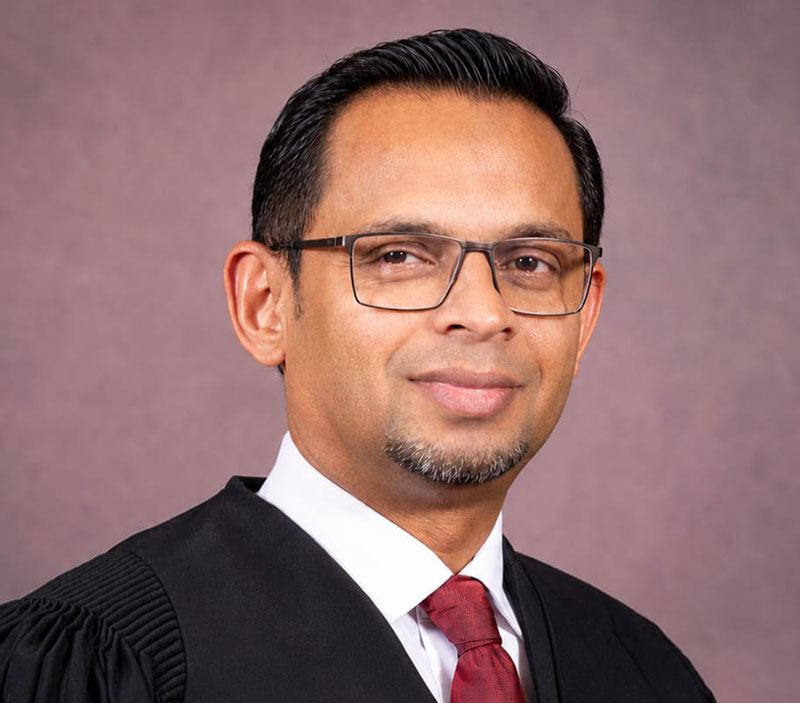
Secretary to Sri Lanka College of Cardiology
That experience reminded me that behind every blocked artery is a person, a family, and an entire life that can change within minutes. It reinforced why, as doctors, we must act decisively and quickly—but never lose sight of the human story behind the disease.
What changes us as doctors is not simply seeing a heart attack—it is seeing what that heart means to a family.
I have seen patients who arrived frightened and critically ill, and then, after treatment, return months later with their families, smiling and grateful simply to be alive.
Those moments remind me that we are not treating an ECG, an angiogram or an echocardiogram. We are treating a person—a parent, a husband, a wife, a son or a daughter.
Medicine has technology, machines and procedures, but ultimately it is about giving someone more time with the people they love.
(Q) What message would you like to share with Sri Lankans about preventing a heart attack?
(A) My message is very simple:
Please don’t wait for your heart to give you a warning before you start taking care of it.
Know your blood pressure. Know your cholesterol. Check your blood sugar. Don’t smoke. Keep your weight under control. Walk every day. Eat less salt and processed food. Eat more vegetables, fruit and pulses. Sleep properly. And if you have been prescribed medication for blood pressure, diabetes or cholesterol, take it regularly rather than stopping when you feel better.
And if you develop symptoms suggestive of a heart attack, don’t wait at home and don’t try to diagnose yourself. Seek emergency medical care immediately.
We cannot choose our genes, gender or our age. But we can choose many of the things we do every day.
(Q) What inspired you to specialise in cardiology?
(A) What attracted me to cardiology was the combination of science, technology, urgency and, most importantly, the opportunity to make an immediate difference in someone’s life.
There are very few areas of medicine where you can see a patient arrive critically ill and, within a short period of time, use modern medicine to restore blood flow, correct a dangerous rhythm or stabilise a failing heart.
But over the years, what has kept me passionate about cardiology is not simply the technology.
It is the people.
Every patient reminds you that behind every heartbeat there is a life, a family and a story.
(Q) What has been the most rewarding part of your career?
(A) Without question, seeing patients return to their normal lives.
A successful procedure is satisfying, but seeing a patient come back months or years later and say, “Doctor, I am working again, I am walking again, I am watching my grandchildren grow up”—that is the real reward.
As doctors, we sometimes focus on numbers: the ECG, the blood pressure, the cholesterol level, the ejection fraction, the angiogram.
But ultimately, the greatest outcome is not a perfect test result. It is a person getting back to living their life.
That is why I believe cardiology is not only about treating heart disease. It is about protecting the life that depends on that heart.
In summary:
“I would like people to remember one thing: your heart does not suddenly become unhealthy on the day you have a heart attack. The process often begins many years earlier, silently. That means we have a tremendous opportunity to prevent it.
Please don’t wait for symptoms. Know your numbers, move your body, eat sensibly, don’t smoke, and seek help early when something doesn’t feel right.
We cannot prevent every heart problem, but we can prevent many heart attacks and strokes. And sometimes a small decision made today—going for a walk, checking your blood pressure, stopping smoking, reducing salt, or seeing your doctor—can give you many more years with the people you love.”

At least eight killed, hundreds missing after Nepal flash flood

India close in despite Sooriyabandara, Kamindu fifties

Advisory for High Waves for the sea areas extending from Colombo to Pottuvil via Galle, Matara and Hambantota

We must create social awareness to ensure the physical and mental well-being of children with disabilities – PM

BCCI AGM set for September 18 in Mumbai

Three franchises sold in Afghanistan Premier League T20

‘Dates have the highest sugar content to fight Coronavirus’

Sunday Island 27 December – Headlines

#SundayIsland 17th December – Headlines

Sunday Island – 28th March

Sunday Island Headlines – 21 March

Sunday Island – 21st February – Headlines
-
 News6 days ago
Country’s first woman Surveyor General appointed
-

 Business5 days ago
SriLankan Airlines makes ShakthiSAT Mission possible for talented Sri Lankan student
-

 Sports7 days ago
Tharanga, Weber headline stellar Lausanne javelin field
-

 Features6 days ago
Medical education in Sri Lanka: Then and now
-
 Business7 days ago
Mannar’s offshore opportunity: the dollar question behind Sri Lanka’s oil and gas search
-
 Latest News5 days ago
Imran Khan moved to private hospital amid deteriorating health
-

 Latest News5 days ago
Government has declared 21, 22 and 23 August 2026 as national days of mourning
-
Latest News4 days ago
Tharanga edges out Chopra in 88m javelin battle