
Business
Indian External Affairs Minister’s tourism diplomacy: Lessons for Sri Lanka

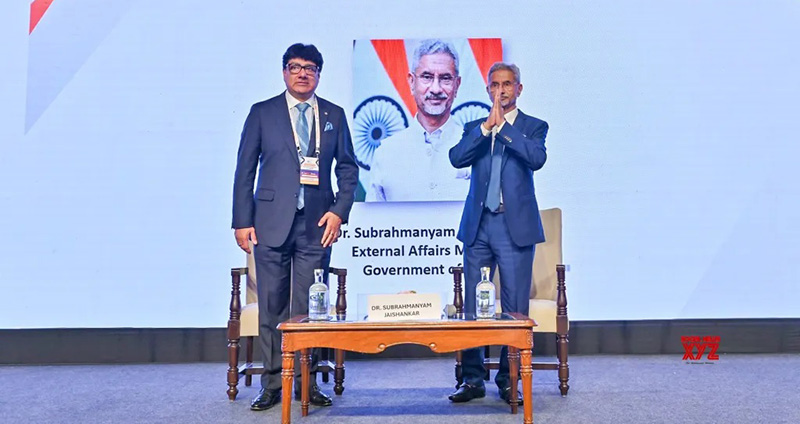
Indian External Affairs Minister Dr. S. Jaishankar’s recent address at the FAITH Tourism Conclave in India was more than a promotion of travel and hospitality – it was a masterclass in soft power, national resilience, and strategic messaging.
While his speech centred on India’s tourism revival, the underlying themes: diaspora engagement, cultural pride, and navigating global turbulence hold profound relevance for Sri Lanka as it seeks to rebuild its own tourism sector amid economic and geopolitical challenges.
In this context. The Island Financial Review spoke to a veteran in the Sri Lanka tourism sector to inquire how he perceived the high-calibre Indian minister’s views on tourism and their relevance to Sri Lanka Tourism. The following are some excerpts from the interview.
“Jaishankar framed tourism not merely as an economic activity but as a tool for shaping India’s global identity. His emphasis on UNESCO heritage sites from the Hoysala temples to Gujarat’s Statue of Unity mirrors Sri Lanka’s own treasures: Sigiriya, Galle Fort, and Kandy’s cultural triangle. Yet, India’s systematic branding of intangible heritage – yoga, Kumbh Mela, even Bollywood nostalgia offers a blueprint. Sri Lanka, too, could amplify its festivals like Esala Perahera, Thai Pongal and crafts like mask-making, handlooms as part of a curated ‘living heritage’ experience.”
“Crucially, Jaishankar highlighted the diaspora’s role in tourism, urging overseas Indians to ‘bring friends’ home. Sri Lanka’s diaspora, which is also significant and influential, could be leveraged similarly. Imagine targeted campaigns inviting Sri Lankans abroad to explore homestays in Jaffna or surf camps in Arugam Bay – blending emotional homecoming with sustainable tourism.”
“He noted that India’s tourism boom , stems from infrastructure leaps: doubled airports, revamped railways, and initiatives like affordable regional flights and pilgrimage circuits. Sri Lanka’s post-crisis recovery demands parallel strides – not just in highways and hotels but in decentralising tourism. Why not develop Trincomalee’s beaches or Mannar’s bird sanctuaries as alternatives to Colombo and the South?”
“The Indian External Affairs Minister’s praise for homestays and eco-tourism resonates deeply. Sri Lanka’s community-based tourism – whether in Kandy’s villages or the Knuckles range – could thrive with state support, blending livelihoods with conservation. Likewise, India’s MICE (Meetings, Incentives, Conferences, Exhibitions) push is instructive. Colombo’s conference tourism potential could be enhanced with newly added infrastructure like City of Dreams – Cinnamon Life, positioning the city as a hub for South Asian business dialogues.”
“Jaishankar’s acceptance of global volatility – from pandemic aftershocks to trade wars was striking. His solution: self-reliance, not as isolation but as resilience. For Sri Lanka, this echoes the need to diversify tourism markets beyond European arrivals and boost domestic travel, as India has done.”
“Equally telling was his diplomatic choreography – hosting G20 events across India, from Kashmir to Kerala, and welcoming leaders like Macron in Jaipur. Sri Lanka, with its compact diversity, could adopt this ‘whole nation’ diplomacy. Imagine showcasing Trinco’s port to Indian investors or Jaffna’s revival to Tamil diaspora leaders – turning tourism into strategic storytelling.”
“Jaishankar’s speech was a reminder that tourism is more than revenue – it’s identity, unity, and geopolitical leverage. Sri Lanka, at a crossroads, must heed these lessons. As the Indian minister rightly said, ‘Tourism connects the world to a nation, and the nation to itself.’ For Sri Lanka, that connection could be the key to revival,” he said.
In conclusion, the Sri Lankan tourism veteran listed out key takeaways from Jaishankar’s speech:
1. Brand the intangible: Celebrate culture, food, crafts, and local festivals.
2. Engage the diaspora: Make them ambassadors for ‘come home, bring friends’ campaigns.
3. Decentralise growth: Invest in rural tourism, homestays, and eco-adventures.
4. Diplomatic storytelling: Use tourism to reframe Sri Lanka’s global narrative – resilient, diverse, open.
By Sanath Nanayakkare


HNB PLC, the leading private bank in Sri Lanka, has partnered with IDEAL Motors (Pvt) Limited to provide customers with attractive leasing solutions for brand-new vehicles & generators .
The partnership introduces a range of benefits designed to support individuals, entrepreneurs, and businesses seeking reliable vehicle and power solutions. Through this collaboration, customers can access structured lease facilities, special interest rates, free life insurance coverage, and attractive discounts through HNB General Insurance.
Commenting on the partnership, HNB, Senior Vice President/ Head of Retail Banking, Kanchana Karunagama, said, “At HNB, we believe that the right financial support can help people and businesses move forward with greater confidence. This partnership with IDEAL Motors shows our commitment to creating meaningful solutions that make vehicle and power investments more accessible, while helping our customers achieve their personal and business aspirations. By combining HNB’s financial expertise with IDEAL Motors’ industry capabilities, we are creating opportunities that support the ambitions of Sri Lankans and contribute towards a stronger, more connected economy.”
Customers purchasing vehicles through IDEAL Motors will also benefit from exclusive offers including free registration, and discounts on Bolero Maxx Pik-Up, Alfa Plus Load Carrier, Mahindra Pik-Up Single Cab, Mahindra Pik Up Double Cab, XUV 3XO vehicles, creating greater value throughout their ownership journey.
IDEAL Motors (Pvt) Limited, Director Legal and Corporate Affairs, Nimesha Welgama, said, “Our collaboration with HNB represents a shared commitment to supporting Sri Lankans in achieving greater financial independence through accessible ownership solutions. By combining IDEAL Motors’ mobility and power solutions with HNB’s financial expertise, we aim to empower individuals and businesses with opportunities that contribute to economic progress and community development. This partnership highlights our vision of creating lasting value by enabling customers to confidently invest in their future.”
With IDEAL Motors recognised for its diverse portfolio of automotive and power solutions, and HNB’s extensive expertise in financial services, the partnership aims to provide a seamless experience from selection to ownership, supported by flexible financing options and customer focused solutions.
The partnership further strengthens HNB’s commitment to supporting economic progress by providing financial solutions that enable customers to invest in personal mobility, commercial growth, and business continuity. Through collaborations with leading industry partners, HNB continues to expand opportunities for Sri Lankans while delivering a banking experience built around accessibility, trust, and value.
Business
Sri Lanka Insurance Corporation General and the Ministry of Education committed to protect Sri Lanka’s schoolchildren
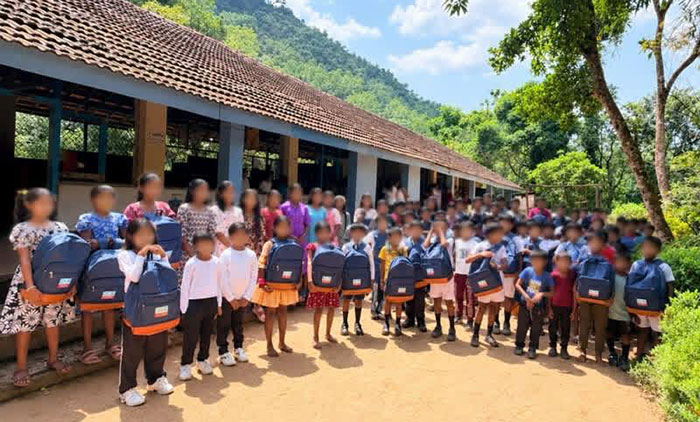
Sri Lanka Insurance Corporation General Ltd (SLICGL) and the Ministry of Education, Higher Education and Vocational Education share a commitment to protect Sri Lanka’s children throughout their school education. The pledge is delivered through the Suraksha Student Insurance Scheme, which protects over 4 million school children.
The Government of Sri Lanka, through the Ministry of Education, Higher Education and Vocational Education, provides the Suraksha Student Insurance Scheme free of charge to schoolchildren throughout the country. SLICGL is proud to partner with the Ministry in delivering this national initiative, which helps safeguard students against the financial impact of unforeseen circumstances.
Eligible students include those aged 5-21 years in Grades 1-13 from government schools, government-approved private schools, and Pirivena education, as well as students aged 4-21 years in assisted special schools.
The scheme provides hospitalisation, outpatient and critical illness cover, as well as personal accident cover for permanent and temporary disability, together with a life insurance benefit for children from low-income families on the death of a parent. Cover applies to incidents within and outside school premises.
For a child, an illness or accident can be far more than a temporary setback. It can place added pressure on a family and, in some circumstances, disrupt schooling. Suraksha acts as a safety net, giving children and their families greater peace of mind and helping them stay in school despite life’s uncertainties. The scheme is easily accessible through SLICGL’s islandwide network of 200 branches and customer service centres.
Children’s Day is a celebration of hope, the hope for every child to have the opportunity to learn, grow and build a better future. Celebrating children also means protection, not for a single day but for every day they spend in the classroom.
Commemorating Children’s Day, SLICGL extended support towards the educational needs of children at an underprivileged school. The project highlighted the company’s belief in protecting the future not only by being supportive when the unexpected happens, but also in helping create an environment in which children can learn, grow and fulfil their potential.
As Sri Lanka’s National Insurer, SLICGL’s role goes further than protecting people against risk. It is also about contributing to a stronger, safer and more resilient country as children’s education, wellbeing and aspirations contribute directly to help build the journey ahead.
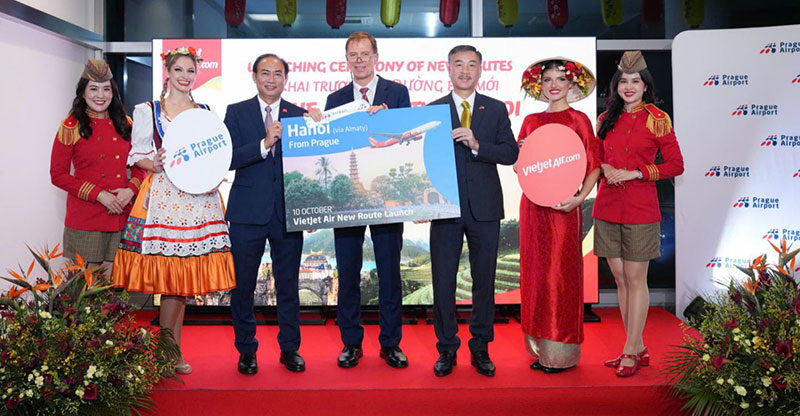
Vietjet, which already flies between Colombo and Ho Chi Minh City, has officially launched new services connecting Hanoi with Almaty, Kazakhstan, and Prague, Czech Republic, as well as Almaty with Prague, expanding its intercontinental network and marking its entry into the European Union. The new air links offer more affordable travel options while fostering greater tourism, trade and cultural exchange between Asia and Europe.
For Sri Lanka, the new routes widen the network that Vietjet is building out of Colombo. The airline has operated non-stop flights between Colombo and Ho Chi Minh City since August 2026, three times a week on Tuesdays, Thursdays and Saturdays, while its new Ho Chi Minh City to Maldives service via Colombo is scheduled to begin on 5 December 2026. With Hanoi now linked to Central Asia and Europe, Sri Lankan travellers have a growing choice of destinations reachable through Vietjet’s extensive network.
The inauguration ceremonies took place at Almaty International Airport and Václav Havel Airport Prague on 10 October, amid a warm welcome from local leaders, residents and visitors. The inaugural flights were greeted with traditional water cannon salutes and performances showcasing local cultural heritage, marking the beginning of new journeys connecting the three regions and welcoming international travellers to Vietnam. Passengers on the inaugural flights also received commemorative gifts from Vietjet and the airports, adding a special touch to their journeys.

AgriConnect Sri Lanka’ to be launched on 30 October to Modernise the Agricultural Sector Through Digitalisation

57th Annual Saints’ Quadrangular Tournament on Saturday and Sunday

Showers or thundershowers will occur at most parts of the island

Prison rules to be revised over monks’ attire

AC President recuses himself from hearing prison attire case pertaining to Gnanasara Thera

Court orders steps to obtain INTERPOL Red Notice against Basil

‘Dates have the highest sugar content to fight Coronavirus’

Sunday Island 27 December – Headlines

#SundayIsland 17th December – Headlines

Sunday Island – 28th March

Sunday Island Headlines – 21 March

Sunday Island – 21st February – Headlines
-

 News7 days ago
NDB fraud Rs 60mn more than reported
-

 News7 days ago
Removing monk’s robes matter for Sangha to decide: Mahanayake Theras
-

 News5 days ago
Sri Lanka escalates anti-graft drive with Shiranthi’s jailing
-

 News6 days ago
NPP govt. reminded of its responsibilities as US warship leaves Colombo
-
 Latest News6 days ago
Farhan, Sadaqat help Pakistan ace 183 chase to go 1-0 up
-
 News7 days ago
BHC, Colombo: “LTTE remains a proscribed org. in the UK”
-

 Latest News4 days ago
Farhan and Sadaqat help Pakistan seal series in style
-

 News5 days ago
Iranian ships stranded, Lanka fears US sanctions