
Business
Has Sri Lanka finally learned its lesson on emotional vs evidence-based agri policies?

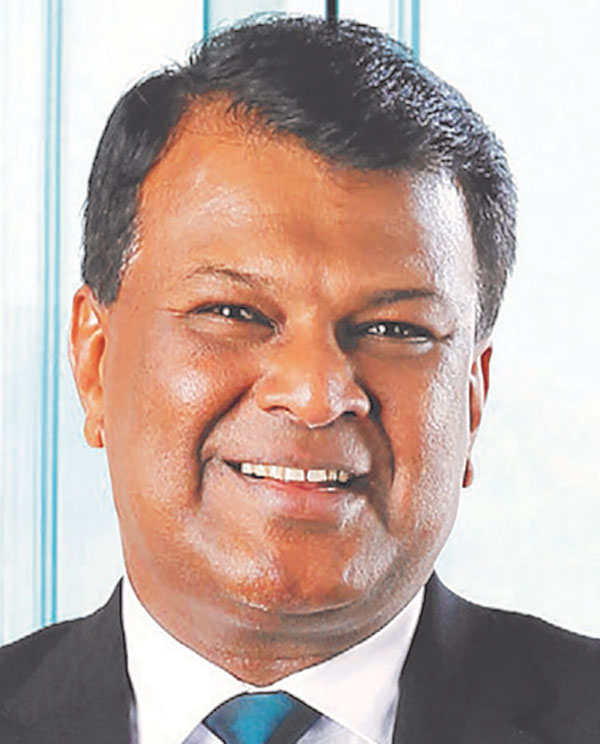
By Dr. Roshan Rajadurai
Inflation looms large over every Sri Lankan as the price of food and other essentials continues to skyrocket. At the center of this historic economic, political, social and humanitarian disaster are a series of deeply flawed and widely criticized policy decisions which have plunged the nation’s agriculture sector into complete disarray.
Among the decisions being singled out for criticism both locally and globally is the now infamous overnight ban on the importation all agrochemicals including synthetic fertilizer, weedicides, pesticides, and fungicides.
At the time, the policy was held out as the first and only preliminary measure needed to drive an immediate, island-wide shift to organic agriculture. Dubious “organic agriculture experts”, as well as medical doctors and monks were found in abundance, loudly proclaiming the virtues of a “100% organic agriculture strategy”.
These once vocal champions of organic agriculture claimed at the time that the ‘declining health of the average Sri Lankan’ and the negative impacts of agro-chemicals on the environment, as well as the annual US$ 48 billion that could be saved by halting fertilizer imports was sufficient justification for the ban.
These same “experts” were quick to dismiss the warnings, counter-arguments, and volumes of scientific data of respected academics and professionals with actual agricultural experience as being nothing more than the dishonest lies of what the former Agriculture Minister imaginatively dubbed a “Fertilizer mafia larger than the Sigiriya Rock”.
Deadly consequences
Back in September of 2021, after many months of frantic discussions with the leadership of the day, I stated the following in a widely published article titled: ‘Sri Lankan tea’s current crisis only reinforces the value of productivity-linked wages’
“Without any prior planning or notice, our entire sector has been coerced into blindly participating in the most unscientific experiment ever attempted in Sri Lanka’s history…The broad consensus among those with expertise is that we can start to see exponentially worse crop losses starting from the end of 2021, hitting approximately 30-40% by next year.
“If RPCs were to have disregarded basic agronomic practices and norms in such a manner, it would have been called criminal mismanagement. With agricultural best practices now being roundly ignored in favour of a undefined and unplanned strategy “100% organic agriculture”, this historic, and intentionally misinformed self-sabotage is being repackaged as visionary and progressive…
“Regardless of short-term political expediency, reality has a way of asserting itself…With insufficient balanced nutrients as a result of the unplanned push for organic, we anticipate a series of cascading failures stemming from a collapse in productivity. No amount of rhetoric will be able to turn back the tide of negative sentiment against such developments.”
Less than a year later, all that we have stated has come to pass. Agricultural productivity in Export crops has dropped by 20%. While export values of tea and rubber have increased, volumes have plummeted by 20% and 30% respectively. Had we been able to maintain production at pre-fertilizer ban levels, we estimate additional export earnings of US$240 M from plantation-related exports.
These shortcomings are reflected in Sri Lanka’s humiliating bankruptcy, and its crippling 54.6% inflation and deadly 81% food inflation. As a result, today the World Food Programme estimates that 3 in 10 Sri Lankans – 6.7 million Sri Lankans – are now facing severe food insecurity. For context, one of the worst famine’s in modern history was the Bengal Famine, which resulted in the deaths of an estimated 3 million Indians. If we allow any further blunders, these are the dangerous waters in which we are now swimming.
Meanwhile, the overnight 100% organic agriculture experts, the doctors and monks whose sole concern was for the health and well-being of all Sri Lankans are nowhere to be seen or heard from. And it is left to the once vilified professionals and academics to now chart a roadmap out of crisis and restore the industry on which more than 10% of our national population depend on for their sustenance.
A common framework for progress
Solving this complex misadventure is going to be extremely challenging, but we do believe it’s possible. And we believe the plantation industry will have an essential role to play in this difficult and necessary journey.
However in order to do so, we must acknowledge and examine all of the decisions that led us to this terrible low point. Moving forward, we need to appoint a Sectoral Task force – made up of credible industry experts, whom the Government must consult, particularly when formulating policy decisions that have the potential to impact the entire agriculture sector. Failure to do so even at this late juncture will risk even further irreversible damage being done to our industry and the millions of lives that are impacted by it.
This means that the Government in particular needs to commit to a strict regime of evidence-based policy at all times. If drastic policy adjustments are required, the Government has to take a consultative approach, seek out balanced and credible opinions, and obtain broad approval from stakeholders.
With this common agreement in place, we can finally begin to bring together the best minds in our respective industries and work in partnership towards developing a viable roadmap for a sustainable path to a true Sri Lankan economic renaissance. As Sri Lanka’s first true export industry, we believe the Sri Lankan plantation industry should be the first to take up this challenge.
For over a decade, our industry has painstakingly sought to articulate what the plantation sector requires to move forward. At present, the consensus is that reforms, investment, and knowledge sharing are most needed in our industry are in the areas of:
Sustainable, progressive productivity-linked wages that benefit workers and companies
Agricultural and operational best practices
Research and development towards greater local value addition
Factory, and supply chain modernization
Implementation of a consistent, science-based national agriculture policy framework
We call on all those with the knowledge and expertise to join us in this difficult and long over-due enterprise.
Abouts the Author:
Dr. Roshan Rajadurai is the Managing Director of the Plantation Sector of Hayleys PLC (which comprise Kelani Valley Plantations, Talawakelle Tea Estates and Horana Plantations). A former Chairman of the Planters’ Association of Ceylon, Dr. Rajadurai has 36 years of experience in the plantation sector.


Two groundbreaking reports launched by the Pathfinder Foundation in collaboration with the Australian Trade and Investment Commission have laid out a practical vision for Sri Lanka’s economic future, pinpointing the mineral and clean energy sectors as twin engines for sustainable growth and investment.
The reports, unveiled on December 17 in Colombo, present actionable roadmaps for project developers and technology providers, positioning Sri Lanka as an emerging frontier in the global clean energy and critical minerals supply chain.
Key content from the minerals report:
Sri Lanka’s largely underutilised mineral sector holds significant potential, with resources increasingly vital to global industries. The country boasts high-purity graphite, rare earth elements (REEs), mineral sands, and phosphate – all critical for electric vehicles, renewable energy technologies, and high-tech manufacturing.
While current mineral exports are around USD 389 million, the International Trade Centre estimates a potential of USD 778 million, with primary data suggesting the true figure could reach USD 2 billion. To capture this value, the report stresses moving beyond exporting raw materials to domestic refining and beneficiation.
A key strategic recommendation is deeper regional collaboration, particularly under the South Asian Free Trade Area (SAFTA). It highlights an opportunity for Sri Lanka to partner with India’s booming automotive and clean energy sectors, where demand for REEs and permanent magnets is soaring. This could involve upstream Indian investment in Sri Lankan REE resources or exports of rare earth oxides for India’s EV, wind, and electronics industries.
Key content from Clean Energy report:
Parallel to its mineral potential, Sri Lanka is pursuing an ambitious transition to clean energy, targeting carbon neutrality by 2050. The country’s renewable energy sector offers a diverse range of investment and trade opportunities for international stakeholders, spanning large-scale utility projects, distributed generation, and service-based collaborations.
Specific opportunities include utility-scale solar and wind projects, offshore wind resource mapping, and rooftop solar in urban corridors. There is also growing momentum for Battery Energy Storage Systems (BESS) to stabilise the grid, green hydrogen pilot plants, and the development of net-zero industrial parks powered entirely by renewables.
The reports highlight a powerful synergy: Sri Lanka’s minerals are essential for the very clean technologies it seeks to deploy. For instance, its phosphate can be used in lithium iron phosphate (LFP) batteries, while its high-purity quartz is vital for solar-grade silicon.
Australia is identified as a key partner in both sectors. Australian Mining Equipment, Technology, and Services (METS) firms can provide cutting-edge, sustainable mining technology, while Australian expertise in smart grids, BESS, and green hydrogen aligns with Sri Lanka’s long-term energy strategy.
While outlining vast potential, the reports also acknowledge challenges, including regulatory complexities, infrastructure gaps, and the need for enhanced skills development. Proposed solutions include modernising approval processes, developing a national critical minerals strategy, and fostering public-private partnerships.
The consensus from keynote speakers at the event – including Pathfinder Foundation Chairman Bernard Goonetilleke, Australian High Commissioner Matthew Duckworth, and senior representatives from academia, government, and Austrade – was clear. Their collective insight underscored the reports’ central thesis: Sri Lanka is presented with a unique, synergistic opportunity. By strategically developing its mineral wealth and accelerating its clean energy transition in tandem, the nation can attract significant foreign investment, create high-value jobs, and secure a competitive position in the Indo-Pacific’s sustainable economic future.
By Sanath Nanayakkare ✍️

The Commercial Bank of Ceylon has signed a Memorandum of Understanding with Prime Lands and Prime Land Residencies to provide up to 100% financing for customers purchasing condominium units or gated houses developed by the Prime Group, demonstrating the Bank’s unwavering commitment to empowering more Sri Lankans to achieve their dream of home ownership.
The agreement enables prospective homeowners to seamlessly access Commercial Bank’s home loan facilities with tripartite agreements involving the developer, the buyer and the Bank. As the market leader in home loans, Commercial Bank brings unmatched expertise and flexibility to borrowers seeking to invest in properties developed by one of Sri Lanka’s most trusted names in real estate.
Commenting on the partnership, S. Ganeshan, Deputy General Manager – Personal Banking at Commercial Bank said: “This agreement with Prime Lands and Prime Land Residencies creates an excellent opportunity for us to expand our housing loan portfolio while enabling more Sri Lankans to realise one of their life goals. Commercial Bank’s strong home loan offering, combined with Prime Group’s reputation as a leading developer, ensures customers benefit from both financial strength and quality of construction.”
The Prime Group, which positions itself as the leader of real estate artistry in Sri Lanka, comprises subsidiaries associated with lands, houses, finance and condominiums. With over 30 years of trust and excellence and a base of more than 300,000 customers, the Group says it is driven by its evergreen vision: ‘Committed to Creating a Better Place on Earth,’ which continues to inspire its passion to deliver homes that bring customers’ dreams to life.
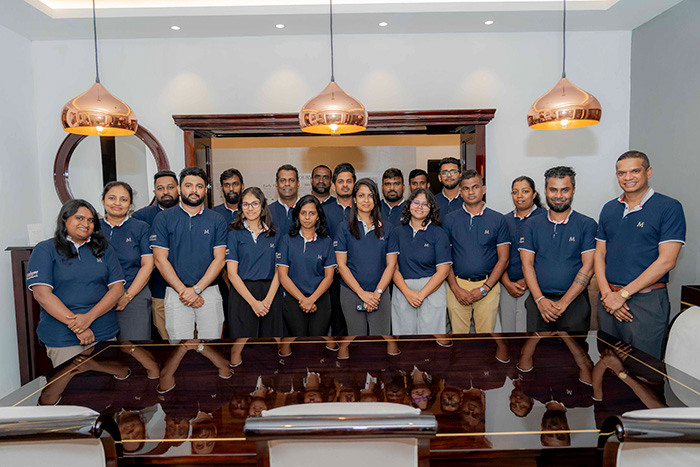
Mahogany Masterpieces, a Sri Lankan luxury furniture brand, has launched the “An Ode to Grain” collection. This showcase honors mahogany’s natural beauty and the brand’s craftsmanship. The philosophy is to let the wood’s grain guide the design, creating timeless pieces that respect the material. The collection includes new architectural elements like architraves, paneling, and corbels, designed to bring lasting warmth and character to interiors.
Visitors can view the full collection at the Mahogany Masterpieces Showroom and Design Studio which is located at No. 87, Dr. Lester James Peiris Mawatha (Dickman’s Road), Colombo – 05. www.mahoganymasterpieces.com

Duffy, Ajaz rip through West Indies as New Zealand seal series 2-0

Financial contributions received for ‘Rebuilding Sri Lanka’ Fund

UNICEF representatives and PM discuss rebuilding schools affected by the Disaster

A few showers may occur in the Uva province and in Ampara, Batticaloa, Matale, Nuwara-Eliya, and Hambantota districts

NMRA laboratory lacks SLAB accreditation

Air quality deteriorating in Sri Lanka

‘Dates have the highest sugar content to fight Coronavirus’

Sunday Island 27 December – Headlines

#SundayIsland 17th December – Headlines

Sunday Island – 28th March

Sunday Island Headlines – 21 March

Sunday Island – 21st February – Headlines
-

 Midweek Review6 days ago
How massive Akuregoda defence complex was built with proceeds from sale of Galle Face land to Shangri-La
-

 News5 days ago
Pope fires broadside: ‘The Holy See won’t be a silent bystander to the grave disparities, injustices, and fundamental human rights violations’
-

 News5 days ago
Pakistan hands over 200 tonnes of humanitarian aid to Lanka
-

 Business4 days ago
Unlocking Sri Lanka’s hidden wealth: A $2 billion mineral opportunity awaits
-

 News6 days ago
Burnt elephant dies after delayed rescue; activists demand arrests
-

 Editorial6 days ago
Colombo Port facing strategic neglect
-

 News4 days ago
Army engineers set up new Nayaru emergency bridge
-

 News6 days ago
Sri Lanka, Romania discuss illegal recruitment, etc.