
News
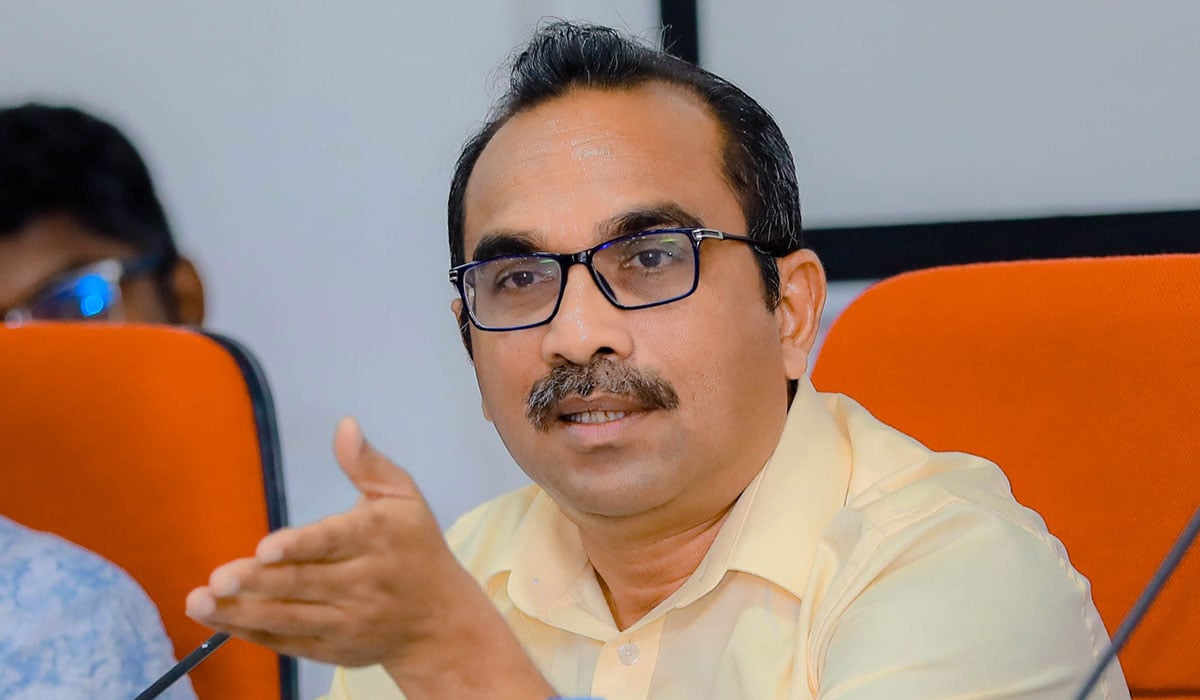
Agriculture don expects upcountry vegetable prices to drop by end February


By Rathindra Kuruwita
The prices of upcountry vegetables like carrots will come down at the end of February, says Prof. Buddhi Marambe of the Agriculture Faculty, University of Peradeniya.Heavy rains during the past few months were the main reason for the current increase in the prices of vegetables, Prof. Marambe said, adding that December and April were festive seasons in Sri Lanka, and the prices of food usually went up during those months. Traditionally, the prices of vegetables usually go up in November, December, January, April, May and June.
“However, there have been some unique reasons for the current spike in vegetable prices. We saw heavy rains in October, November and December 2023. The average monthly rainfall in the upcountry in those three months, was about 400 mm,” Prof. Marambe said, adding that during tthose months, there were rains for at least 25 days of the month. When there is a cloud cover, it is difficult for plants to perform photosynthesis. Thus, the harvest drops.
“This is why we have a lot of smaller carrots.”
Sri Lankan farmers, especially vegetable growers, did not adhere to stringent soil conservation techniques, Prof. Marambe said. The heavy rains in October, November and December 2023 led to severe soil erosion.
“Some farmers opt out of farming when there are heavy rains. Although, usually farmers try to increase vegetable production between December and January, they failed to do so this year due to the heavy rains.”
Prof. Marambe said that the rainy weather is coming to an end and that farmers have started to increase their production due to the rise in prices.
“So technically, the produce should start reaching the markets by the end of February. Don’t also forget that the demand has collapsed because of high prices.”
The academic said that Sri Lanka must look at agriculture as a whole. Right now, the government focuses on the farmers when the crops are planted and then on the consumers when the harvest comes into the market.
“This often leads to contradictory policy decisions. We must now ensure that we don’t lose track of paddy cultivation.”
Prof. Marambe mentioned that paddy can remain partially underwater for a few days and survive. However, if they are submerged by water, they too will not be able to perform photosynthesis.
“Once the floods go down, there is a possibility that diseases might increase. We must not be scared, but we must be vigilant. Farmers must talk to their agricultural officer if they notice anything different about the paddy plant.”
He also said that there are several conflicts in the world, and in some instances, trade has been affected. There may be a high probability of Sri Lanka encountering challenges in securing the inputs needed for agriculture.
“We already know how much we need to produce to ensure a smooth supply. We don’t import fresh vegetables, and we know how many vegetables we need, how many acres we need to plant, and what inputs we need. So we don’t really need to wait till the very end to import the necessary inputs. We wait till the last moment and then lament that there were price increases in the world market, etc. We need to be ready and order the inputs we need.”
Sri Lanka has a long history of making ad hoc decisions when it comes to agriculture, he said. The country needs to look at the data and analyze it before making a decision.
“We as scientists also have a responsibility to collect and present the data in a way that policymakers can make clear and informed decisions. The governments must also try to be as scientific as possible. Until both sides work together, we will continue to land ourselves in messes.”
Prof. Marambe said there are many issues with regard to Sri Lankan agriculture storage facilities. Some officials seem to believe that storage only involves dumping goods into a building and closing the door.
“When we store food, even seeds, we must store them in the right conditions. There were reports of potato seeds that were to be distributed to farmers getting spoiled because of bad storage. Farmers keep on suffering because of uninformed decisions and practices.”
Prof. Marambe said the reason for the heavy rains we experienced was the Indian Ocean Dipole (IOD) which is an irregular oscillation of sea surface temperatures in which the western Indian Ocean becomes alternately warmer and then colder than the eastern part of the ocean. When the western Indian Ocean becomes warmer, our Western slope will experience heavy rains.
“We did the studies, and we told the Minister of Agriculture that Sri Lanka will see heavy rains in October, November and December 2023.”
He added that there are many dedicated agriculture researchers in Sri Lanka who are studying IOD and its impact on our agriculture, and with their hard work, Sri Lanka should be able to take the best advantage of rains and minimize the damage caused by heavy rains in the future.









Latest News
Our focus is on economic stability through fiscal discipline, sustainable debt management, and reforms that enhance productivity and growth – PM

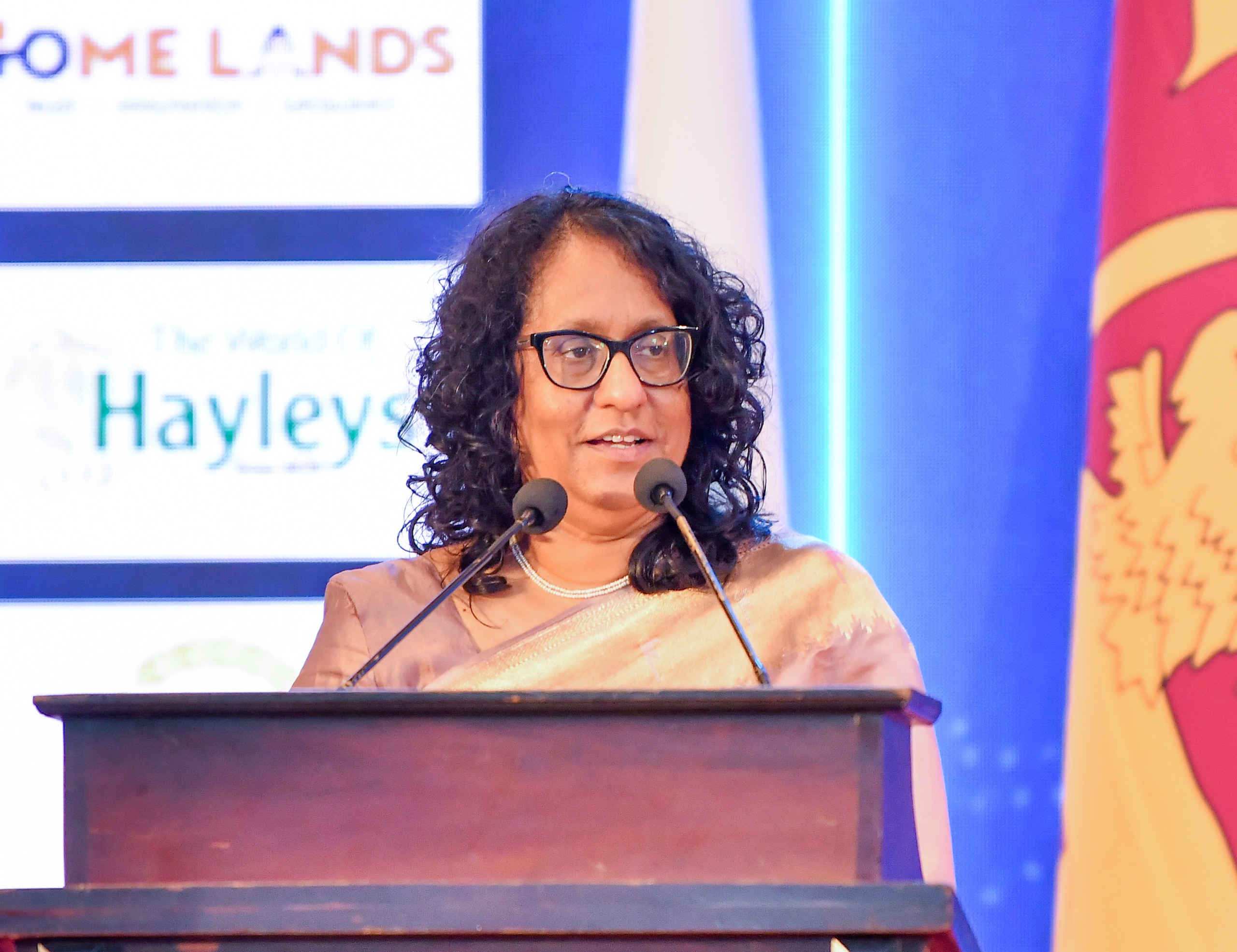
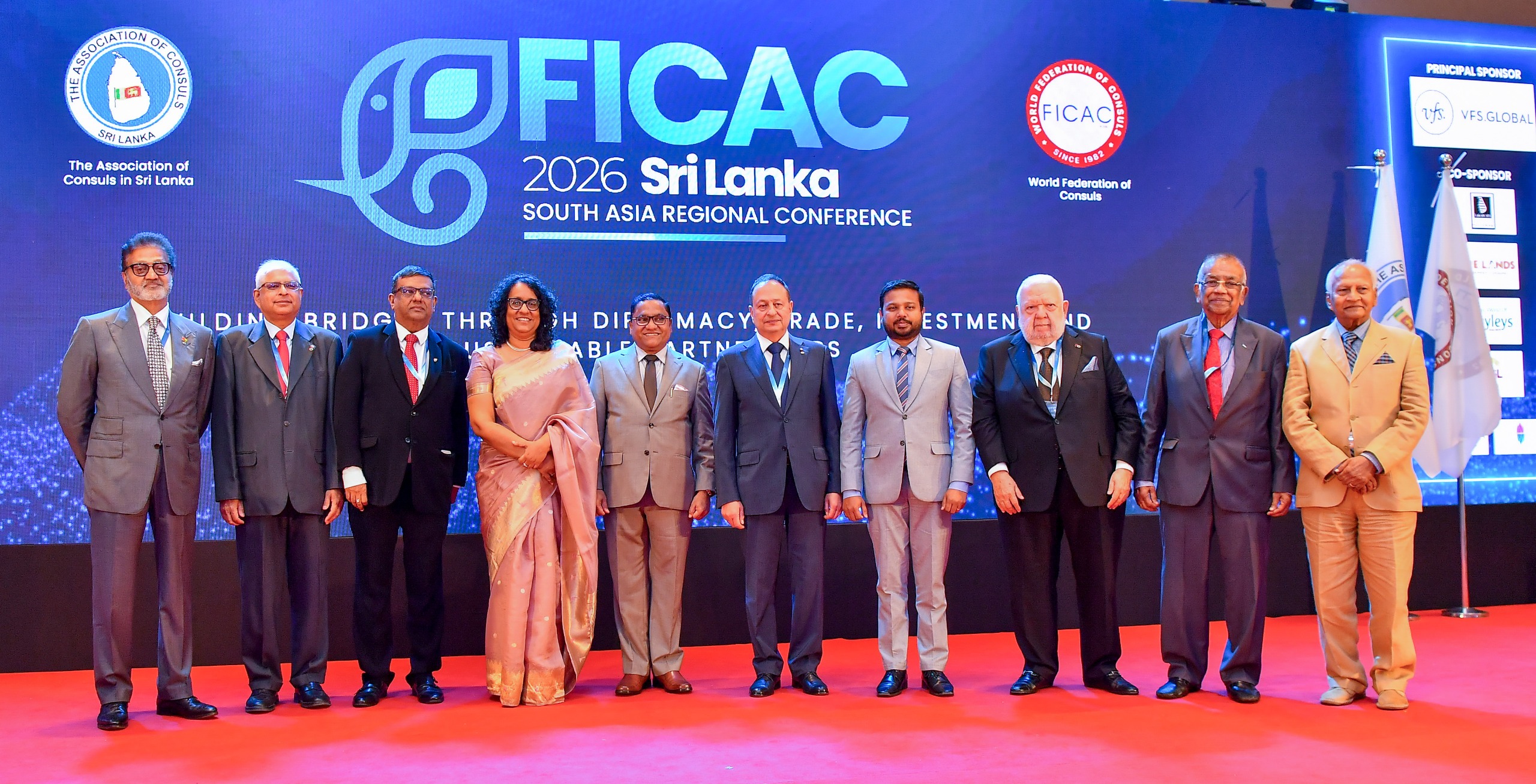
Prime Minister Dr. Harini Amarasuriya participated in the South Asia Regional Conference of the World Federation of Consuls (FICAC) 2026 held on 2nd of February at the Cinnamon Life, Colombo. The conference is hosted by the Association of Consuls in Sri Lanka and the World Federation of Consuls.
The conference held from 1st to 4th of February, brings together diplomats, business leaders, and policymakers to strengthen regional cooperation and explore new avenues for sustainable development across South Asia.
Addressing the event, the Prime Minister noted that selection of Sri Lanka as the venue for this conference holds particular significance at a time when the Government is working closely with international partners to position Sri Lanka as a credible and reliable region.
The Prime Minister also drew attention to Sri Lanka’s vulnerability against climate change, citing the recent impact of Cyclone Ditwah, and commended the support extended to Sri Lanka by the international partners. The Prime Minister emphasized that climate change requires global cooperation, shared responsibility, and innovative solutions.
She further highlighted ongoing efforts to improve public sector efficiency, transparency, and accountability, promote national unity and respect for diversity, and advance digital governance to enhance service delivery and public trust.
The Prime Minister stated,
“The Government of Sri Lanka is committed to addressing economic, social, and environmental challenges through a clear policy framework. Our focus is on economic stability through fiscal discipline, sustainable debt management, and reforms that enhance productivity and growth. At the same time, we are strengthening social welfare programs to support the most vulnerable”.
Addressing at the event, Minister of Foreign Affairs, Foreign Employment and Tourism MP Vijitha Herath also stated that, the government is committed to recognizing Sri Lanka as a sustainable tourism hotspot in the global platform while positioning Sri Lanka as a stable and reliable international partner.
The event was attended by the Deputy Minister of Foreign Affairs and Foreign Employment Arun Hemachandra, FICAC President Nikolaos K. Margaropoulos, President of the Association of Consuls in Sri Lanka Mahen Kariyawasam and Diplomatic corps.
(Prime minister’s media)

Protesting Development Officers continued their hunger strike near the Presidential Secretariat, Colombo yesterday (01), for the seventh consecutive day.The protesters, who are members of the Lanka School Development Officers’ Association, are demanding that they be absorbed into the teacher service as they have served as teachers in state-run schools for nearly seven years.
Secretary of the Association, Viraj Manaranga, said the protesters were seeking an urgent meeting with the President. He added that a presidential aide had visited the protest site and offered to arrange for a meeting with the President on 03 Feb., but the union insisted on an earlier date. Manaranga warned that failure to grant a meeting could trigger a massive protest in Colombo today (02).
Four officers participating in the hunger strike have been hospitalised due to deteriorating health, while two more joined the fast on Saturday (31).
In a bid to raise awareness of their grievances, on 30 January a delegation of the All Island Development Officers’ Association visited Most Venerable
Warakagoda Sri Gnanarathana Thera, Mahanayake of the Asgiriya Chapter, and subsequently with the Chapter’s Registrar, Ven. Dr. Medagama Dhammananda Thera. The prelates said promises that had been made to them should be fulfilled.
The protest began on 26 January as a satyagraha, after authorities failed to respond to repeated requests to integrate the officers into the teaching service. The escalation into a fast-unto-death underscores the protesters’ frustration over the prolonged delay
by Pradeep Prasanna Samarakoon
The long-vacant post of Auditor General would be filled on 03 Feb., after months of controversy and delays, Minister of Transport, Highways and Urban Development Bimal Rathnayake said on Friday (31) in Kandy.
The Constitutional Council met at the Parliamentary complex on Friday to discuss the appointment but failed to reach a decision on a suitable candidate. The President had previously proposed four names on four separate occasions, all of which were rejected. The Council is now set to consider the fifth nominee.
The post has remained vacant since April 2025, following the retirement of Chulanta Wickramaratne, who served as the 41st Auditor General. More than 10 months have passed without a permanent appointment.
Sources said a female officer in the Auditor General’s Department has been nominated again, though her previous recommendation was rejected due to some allegations against her.
Meanwhile, senior audit officer Dharmapala Gammanpila, with 31 years of service and the department’s most senior official, has received backing from the Mahanayake Theras of the three Nikayas, the Maha Sangha, and several civil society groups for appointment as the 42nd Auditor General.
Sources noted that the three civil society representatives on the Constitutional Council will play a crucial role in the final decision.
by Chaminda Silva and SK Samaranayake

Our focus is on economic stability through fiscal discipline, sustainable debt management, and reforms that enhance productivity and growth – PM

Spotless England meet unbeaten Australia in Under-19 World Cup semi-final

Kamindu in, Dhananjaya out as Sri Lanka flip-flop with T20 World Cup selection

China executes four more Myanmar mafia members

No decision yet on ICC meeting to discuss Pakistan boycott

Shoulder injury casts doubt over Eshan Malinga’s T20 World Cup

‘Dates have the highest sugar content to fight Coronavirus’

Sunday Island 27 December – Headlines

#SundayIsland 17th December – Headlines

Sunday Island – 28th March

Sunday Island Headlines – 21 March

Sunday Island – 21st February – Headlines
-
 Business5 days ago
Climate risks, poverty, and recovery financing in focus at CEPA policy panel
-
 Opinion4 days ago
Sri Lanka, the Stars,and statesmen
-

 Business3 days ago
Hayleys Mobility ushering in a new era of premium sustainable mobility
-

 Business3 days ago
Advice Lab unveils new 13,000+ sqft office, marking major expansion in financial services BPO to Australia
-
 Business3 days ago
Arpico NextGen Mattress gains recognition for innovation
-

 Business2 days ago
Altair issues over 100+ title deeds post ownership change
-

 Business2 days ago
Sri Lanka opens first country pavilion at London exhibition
-

 Editorial3 days ago
Govt. provoking TUs