
News
Auditor General to be appointed tomorrow

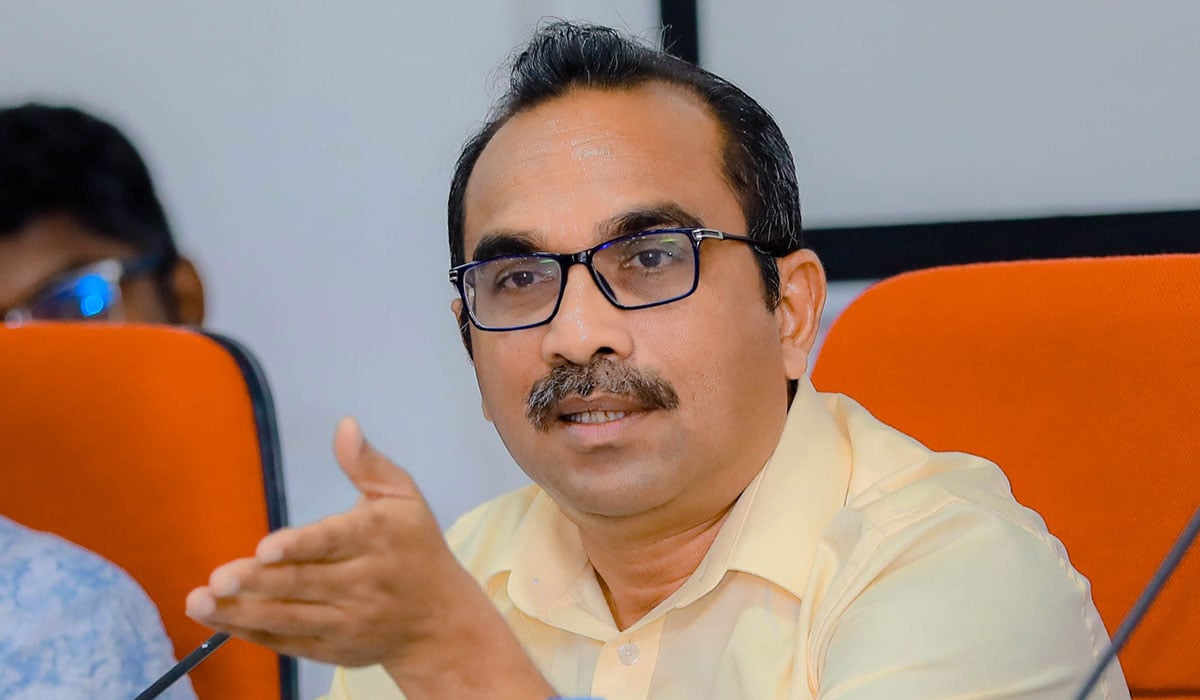
The long-vacant post of Auditor General would be filled on 03 Feb., after months of controversy and delays, Minister of Transport, Highways and Urban Development Bimal Rathnayake said on Friday (31) in Kandy.
The Constitutional Council met at the Parliamentary complex on Friday to discuss the appointment but failed to reach a decision on a suitable candidate. The President had previously proposed four names on four separate occasions, all of which were rejected. The Council is now set to consider the fifth nominee.
The post has remained vacant since April 2025, following the retirement of Chulanta Wickramaratne, who served as the 41st Auditor General. More than 10 months have passed without a permanent appointment.
Sources said a female officer in the Auditor General’s Department has been nominated again, though her previous recommendation was rejected due to some allegations against her.
Meanwhile, senior audit officer Dharmapala Gammanpila, with 31 years of service and the department’s most senior official, has received backing from the Mahanayake Theras of the three Nikayas, the Maha Sangha, and several civil society groups for appointment as the 42nd Auditor General.
Sources noted that the three civil society representatives on the Constitutional Council will play a crucial role in the final decision.
by Chaminda Silva and SK Samaranayake



Latest News
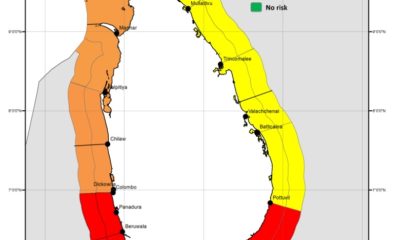
Advisory for High Waves for the sea areas extending from Colombo to Pottuvil via Galle, Matara and Hambantota

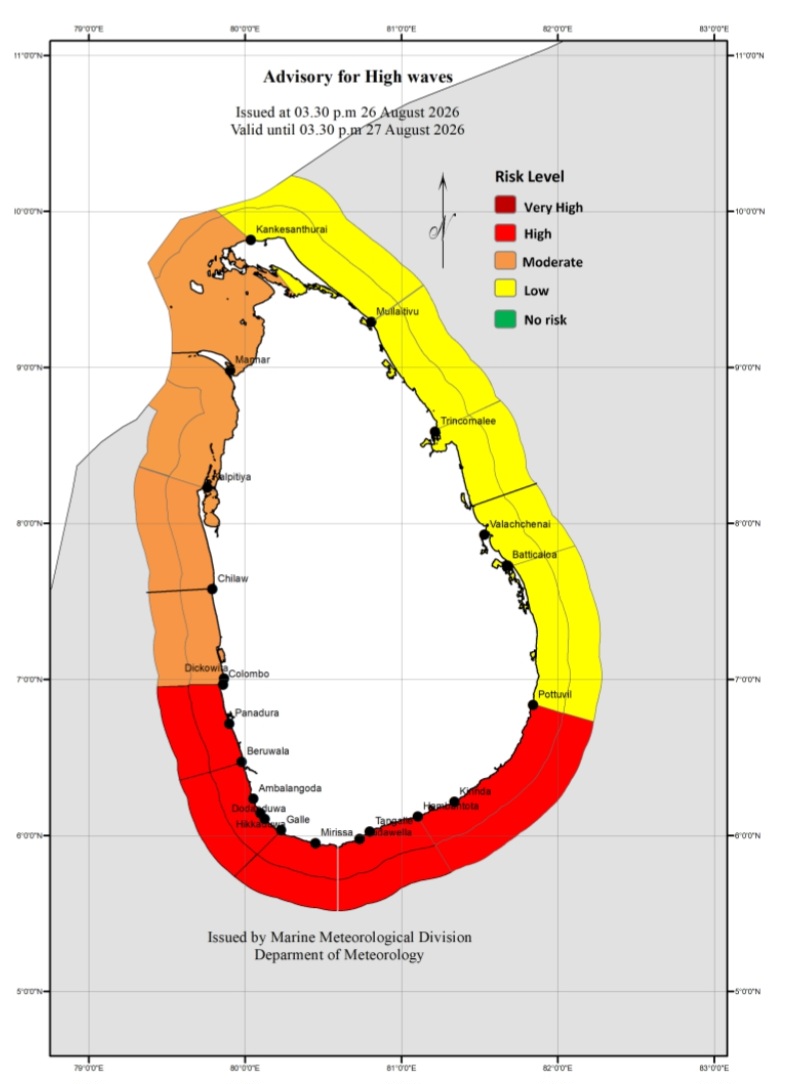
Advisory for High Waves
Issued by the Natural Hazards Early Warning Centre Issued at 03.30 p.m. on 26 August 2026 Valid for the period until 03.30 p.m. 27 August 2026
An advisory for high waves has been issued for the sea areas extending from Colombo to Pottuvil via Galle, Matara and Hambantota and naval and fishing communities engaged in activities in the aforementioned sea areas, as well as coastal communities living in the aforementioned nearshore areas, are advised to remain vigilant in this regard
The swell waves (about 2.0 m – 3.0 m) height (This is not for land area) may increase in the sea areas off the coast extending from Colombo to Pottuvil via Galle, Matara and Hambantota. There is a possibility that near shore sea areas off the coast extending from Beruwala to Matara via Galle, may experience surges due to swell waves.
News
We must create social awareness to ensure the physical and mental well-being of children with disabilities – PM
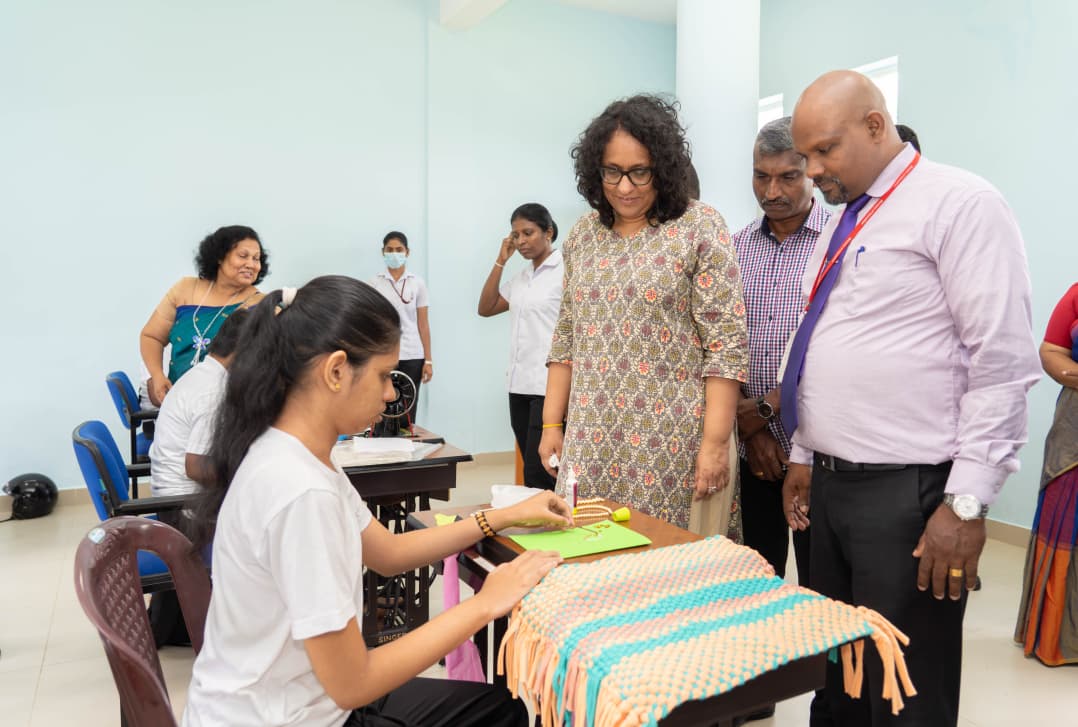
Prime Minister Dr. Harini Amarasuriya stated that, given their particular vulnerability children with disabilities require protection, and stressed the need to foster social awareness to protect them from negative social influences while promoting their physical and mental well-being. She emphasized the need to implement awareness programmes for parents, teachers and other members of society towards this end.
The Prime Minister made these remarks on Tuesday [August 25] while visiting and observing the National Institute of Special and Inclusive Education – Shishyodaya, located in Veniwelkola.
The purpose of the Prime Minister’s visit was to observe the institutional structure and gain an understanding of the areas that require further development.
The Prime Minister emphasized that a systematic mechanism should be established to transform the institution, which was established in 2019 outside the basic standards and plans for Inclusive Education, into an institution that provides quality education to children and fulfills the targeted objectives of inclusive education. She also proposed appointing a special committee to make the necessary recommendations in this regard.
The Prime Minister further stated that steps would be taken in coordination with the Ministry of Health to address the shortage of therapists and medical professionals required to provide clinical services to students at the institution. She also stressed that the maintenance of equipment and buildings should be carried out properly using the financial allocations provided for such purposes.
The Prime Minister further noted that finding sustainable solutions to the issues faced by the institution is essential, while immediate interventions should be made to address issues that can be resolved without delay. The welfare of the teachers serving at the institution was also discussed during the visit.
Member of Parliament Anura Panagoda, Chairman of the Homagama Pradeshiya Sabha Kasun Rathnayake, Secretary to the Ministry of Education, Higher Education and Vocational Education Nalaka Kaluwewa, ministry officials, parents and students were present.
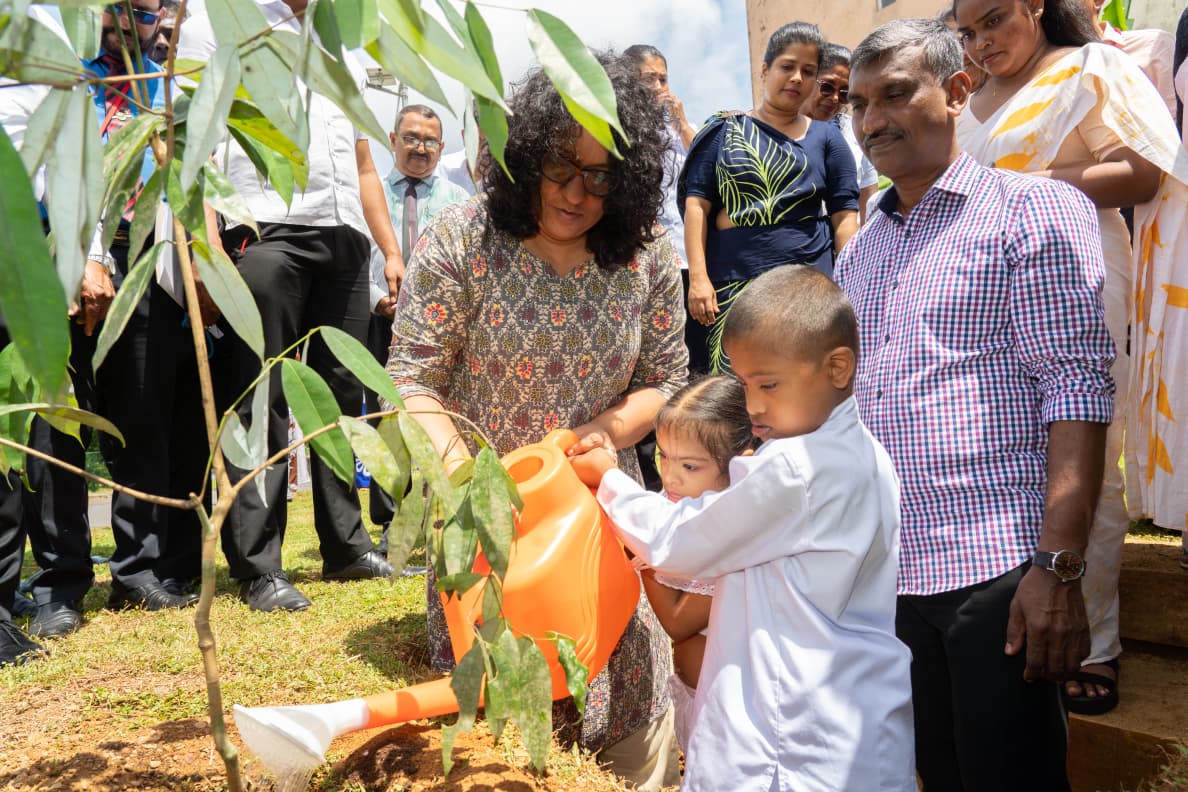
[Prime Minister’s Media Division]

By Shamindra Ferdinando
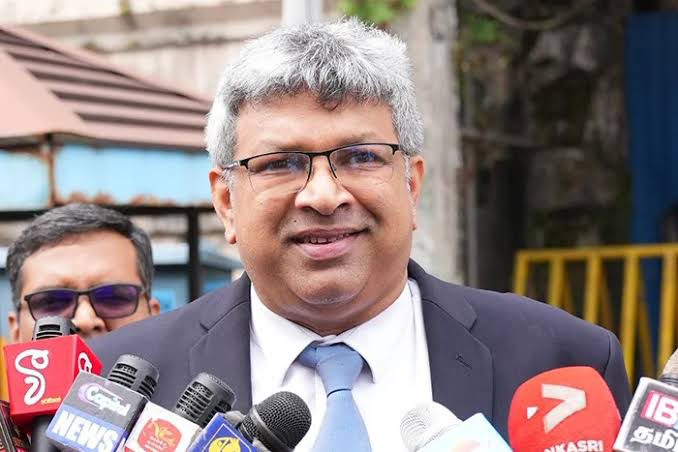
Justice and National Integration Minister Harshana Nanayakkara said yesterday that the government would proceed with both the 22nd Amendment to the Constitution, and the Judicature (Amendment) Bill, because the government could not achieve its goal by increasing the retirement ages of a section of the judges.
The Attorney-at-Law declared that the government would go ahead with both Bills, whatever the obstacles. The Minister was responding to The Island query whether the government would go ahead with the Judicature (Amendment) Bill that hadn’t been so far challenged in the Supreme Court, pending the decision on the controversial 22nd Amendment facing tough legal challenge.
Nanayakkara emphasised the importance of the enactment of both Bills. The 22nd Amendment seeks to increase the retirement ages of Supreme Court judges to 67 from 65 and Court of Appeal judges from 63 to 65. The Judicature (Amendment) Bill seeks to increase the retirement ages of the High Court judges to 63 from 61, and that of the District court judges and and Magistrates to 62.
Minister Nanayakkara said that the enactment of both Bills simultaneously would make a significant contribution to improve the overall situation, particularly dealing with a backlog of 1.1 million cases.
Joint Opposition and the Bar Association of Sri Lanka (BASL), too, acknowledged that petitions against the Judicature (Amendment) Bill were yet to be filed.

At least eight killed, hundreds missing after Nepal flash flood

India close in despite Sooriyabandara, Kamindu fifties

Advisory for High Waves for the sea areas extending from Colombo to Pottuvil via Galle, Matara and Hambantota

We must create social awareness to ensure the physical and mental well-being of children with disabilities – PM

BCCI AGM set for September 18 in Mumbai

Three franchises sold in Afghanistan Premier League T20

‘Dates have the highest sugar content to fight Coronavirus’

Sunday Island 27 December – Headlines

#SundayIsland 17th December – Headlines

Sunday Island – 28th March

Sunday Island Headlines – 21 March

Sunday Island – 21st February – Headlines
-
 News6 days ago
Country’s first woman Surveyor General appointed
-
 Business5 days ago
SriLankan Airlines makes ShakthiSAT Mission possible for talented Sri Lankan student
-

 Sports7 days ago
Tharanga, Weber headline stellar Lausanne javelin field
-

 Features6 days ago
Medical education in Sri Lanka: Then and now
-
 Business7 days ago
Mannar’s offshore opportunity: the dollar question behind Sri Lanka’s oil and gas search
-

 Latest News5 days ago
Imran Khan moved to private hospital amid deteriorating health
-
 Latest News6 days ago
Government has declared 21, 22 and 23 August 2026 as national days of mourning
-
Latest News5 days ago
Tharanga edges out Chopra in 88m javelin battle