
Life style
A Sri Lankan story: Oddamavadi: The untold story – one year later


In the midst of a global pandemic that disrupted every facet of human life, Sri Lanka enacted a policy that struck at the very heart of one community’s spiritual and cultural identity. The mandatory cremation rule for COVID-19 victims, enforced from March 2020, not only caused profound psychological trauma but also ignited a national conversation on religious freedom, state accountability, and the limits of public health policy.
In 2023, a group of Sri Lankan creatives came together to document this controversial period in Oddamavadi – The Untold Story—a compelling book and documentary that blend personal testimony, visual storytelling, and investigative insight. It aims not just to record a dark chapter, but to urge reflection, justice, and reconciliation.
Aman Ashraff, director and producer of the searing documentary, ‘Oddamavadi: The Untold Story’, under the banner of Black Coffee Films, doesn’t mince his words when he explains why this story needed to be told. “Such an unlawful act against humanity took place in this country,” he says, his voice calm but resolute. “We had to record it for posterity.”
The government’s policy, introduced under public health regulations at the height of the pandemic, was seen by critics as both medically unjustified and religiously insensitive. Islam mandates burial, and for many Muslim families, the idea of cremation was both spiritually devastating and culturally alien.
The decision drew criticism from the international medical community, including statements from the World Health Organization (WHO), which said burial of COVID-19 victims posed no significant public health risk. Nonetheless, the policy remained in place for nearly a year before being revised in early 2021.
During that time, Oddamavadi—a remote village in the Eastern Province—was designated as the only site in Sri Lanka where Muslim COVID-19 victims could be buried, subjecting families to long, emotionally wrenching journeys and often preventing them from participating in funerals.
Ashraff’s determination to capture and immortalise this dark chapter of Sri Lankan history was not born out of vengeance, but a fierce loyalty to truth and humanity. The film and accompanying book were designed not merely to expose, but to educate — to serve as a cautionary record for future generations and governments. “We did not serve any political machinery of any kind,” he insists. “We merely wished to ensure that this dark episode in the history of Sri Lanka was recorded and enshrined in some way so that such atrocities never happen again.”
“Listen. Just listen.”
The road to Oddamavadi – The Untold Story was paved with mistrust, fear, and pain. The Muslim community, still nursing unhealed wounds, was reluctant to speak. “By nature, the norm of the community is to remain very private,” Ashraff explains. “To sort of not speak out on such issues for fear of persecution, or whatever other reason there may exist.”
Building trust became the first monumental task. Ashraff reached out — not with cameras or scripts — but with empathy and patience. “We had to earn their trust,” he says. “To show them that we would do right by their stories, that we would document their suffering with dignity and integrity.”
He did not do it alone. Ashraff rallied a team of extraordinary individuals who understood the gravity of the task at hand. Most of them, he points out with pride, were not from the Muslim community. “We had Buddhists, Christians, Burghers, Tamils — a complete mix. This was a Sri Lankan story put together by Sri Lankans for Sri Lanka.”He speaks with particular reverence and pride of creative collaborators Roshanara De Mel and David Blacker — both veterans in the advertising world and long-time colleagues. “Having worked with them over the years,” Ashraff says, “Their creativity was matched by their compassion.” He continues, “In their words, their acts, their views, I saw their humanity,” he says. “And their concern for justice and fairness — for people of all walks of life.”

Behind the scenes – Filming in Colombo
“There was life in every sentence. And a soul in every frame.”
To Roshanara De Mel, this was a divine charge. “If the writer or photographer is doing it merely for monetary gain, you can always tell. But when they are truly affected by what they have seen, almost every sentence is written with deep reflection, with a deep sense of responsibility.” De Mel continues, “It takes a toll on you. Sitting with the grief and pain of those who suffered deeply because of the cremation-only policy… On one hand, it triggers the fears and anxieties of the horror that was COVID-19. On the other, there is the sense of injustice and outrage at such a discriminatory policy,” she told The Sunday Island.
That responsibility was not taken lightly.
“The story is what is important,” David Blacker says. “Whether you’re a writer, filmmaker or photojournalist—find the core of what makes a story important. And then be unabashed in telling it like it is.” Blacker continues, “As a photographer, it was important that I represented the feelings, emotions, and stories of the victims accurately… and the challenge was to not be exploitative in my attempt to create a striking image,” he said.
While some might expect visual storytelling to lean on neutrality, Blacker made a conscious decision to center the humanity of the subjects over traditional notions of objectivity.
His photographs, included in the book, reflect quiet devastation—elderly parents staring into the distance, children sitting beside symbolic graves, and the bleak, windswept terrain of Oddamavadi itself. These images, paired with testimonies and essays, create a layered narrative that speaks not just to grief, but also to strength and resistance.
What sets Oddamavadi apart is not just the painful truth it reveals — but the love and care with which that truth is handled. Many of the extended team members worked pro bono. “They said, ‘Look, if we do not contribute to this project, we’re failing as Sri Lankans.’”
A Nation Awakens
The responses to the film have been as complex as the country it documents. Some within the Muslim community were suspicious, accusing the filmmakers of having a political agenda.
“Some Muslims said this was unnecessary dredging of an unpleasant episode and that it’s best left alone,” Blacker says. He continues, “But I maintain that the recording of history, and the explaining of context, is invaluable in preventing it being repeated.”
Others — victims’ families and everyday Sri Lankans from all faiths — responded with heartbreaking gratitude.
“One individual was unable to speak because she was overwhelmed with emotion, so she sent her feedback as a text message. Even there though, you could feel the emotions etched in every word” Ashraff recollects. “Another stated, ‘I’m ashamed to be a Buddhist because when I see what has transpired here, I just feel so ashamed,’ That is not an easy thing to say,” Ashraff reflects.
This, he believes, is the true power of storytelling — to awaken empathy, to stir reflection, to demand action. “If the work we have done has made people ask the question — ‘Have I been complicit by being silent?’ — then I think we have accomplished something monumental.”
Blacker adds, “I hope it will contribute to an understanding that the letter of the law must be tempered with empathy,” he said. “That we need a more secular state in our policymaking—even as we recognize the religious and cultural identities of our people.”

On location at Oddamavadi

Final Audio Mix
A Story Larger Than Themselves
Ashraff’s voice (and that of his colleagues) carry both fatigue and fulfillment when he speaks of the toll the project has taken. It was not something he had planned. “Oddamavadi was not part of a larger canvas. It just… fell into my lap.”
Would he do it again? Perhaps. But not simply as “a Muslim communications professional who handles only Muslim affairs.” If there is another story worth telling — one that demands conscience and clarity — he may rise to meet it.
But for now, he has done what many would not dare. And he has done it with integrity.
A Final Word
If he were to offer one piece of advice to others seeking to tell such stories, it would be this: “Don’t be too eager to force your personal opinion into a story. Listen to what the subject/s of the story wish to say. These are not commercial films. These are real stories that have affected real people.”
By Ifham Nizam ✍️

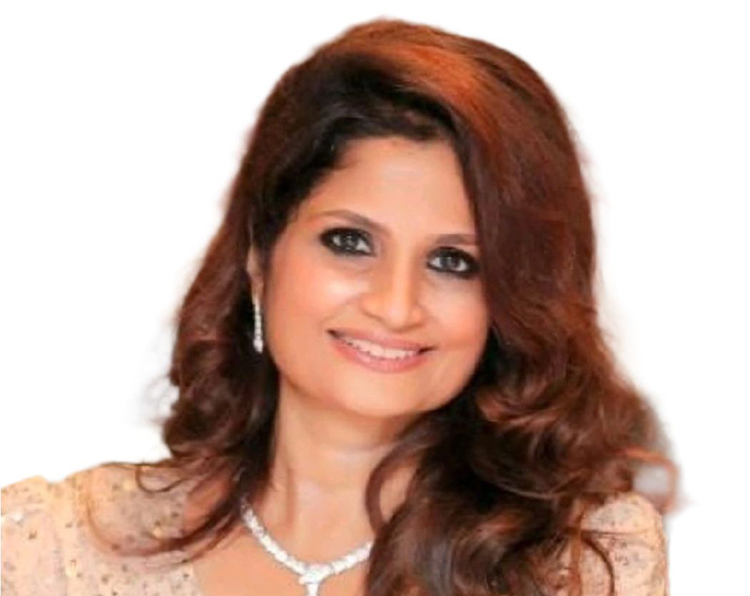
Anita Sharma is a psychologist, who approaches the human mind with equal measures of empathy and insight. Known for her calm presence and thoughtful perspectives, she works closely with individuals navigating anxiety, relationship, trauma and the quiet emotional struggles that often go unseen. With experience working with individuals, couples and families, she has built a reputation for helping people navigate emotional challenges with clarity. Compassion and confidence. Anita Sharma stands as a reassuring voice bridging science, sensitivity and cultural understanding.
What inspired you to pursue a career in psychology?
I was inspired to pursue a career in psychology because I have always been curious about how people think and behave, especially when observing the world around us today. With so much happening in society, I often found myself wondering why people responded differently to similar situations and what influenced their choices, emotions, and behaviours. Psychology allows me to explore these questions on a deeper level and understand how factors like the environment, experiences, and social pressures shape a person’s behaviour. This interest motivated me to want to better understand others and eventually use that knowledge to make a positive impact.
How has your journey been as a psychologist? Have you faced unique challenges?
My journey as a woman in this field has required a lot of resilience and self-belief. In a world that is not always kind, there have been moments where certain spaces felt intimidating, but I chose to turn those experiences into strength rather than allow it to limit me. Instead of shrinking myself, I learned to speak up and trust my inner voice. These challenges have shaped my confidence, sharpened my perspective, and reinforced my commitment to the field.
What areas of psychology Do you specialise in and why did you choose them?
I specialize in counselling, focusing on people experiencing depression and anxiety, as well as adolescents, couples, and individuals recovering from surgery. I chose this area because I’m passionate about helping people go through life’s challenges. Supporting adolescents allows me to guide young people through critical stages of growth, counselling couples strengthens relationships, and working with individual’s post-surgery helps them cope emotionally and adjust to major life changes. Overall, this field lets me make a meaningful impact on people’s mental and emotional well-being.
How Do you approach therapy or counselling with clients facing anxiety or depression or trauma?
When working with clients facing anxiety, depression, or trauma, I approach therapy with empathy and patience. I start by creating a safe, non-judgmental space where clients feel heard and understood. I focus on understanding their experiences, thoughts, and feelings, and together we identify coping strategies and goals that are realistic and meaningful for them.
In your opinion, what are the most promising mental health challenges facing women and men?
In my opinion, some of the most pressing mental health challenges today revolve around stress, anxiety, depression, and the pressures of balancing personal and professional life. For women in particular, societal expectations, gender bias, and body image pressures can take a significant toll. Women are often expected to excel at work, manage family responsibilities, maintain social roles, and meet certain standards of weight and beauty appearances. Society frequently makes remarks or judgments about women’s bodies and looks, which lowers their self-esteem. Men also face challenges, like societal pressure to suppress emotions, which can lead to untreated stress or depression. Addressing these challenges requires awareness, supportive environments, and access to mental health resources
What role do you think society can play in reducing stigma around therapy and counselling?
Society plays a crucial role in reducing the stigma around therapy and counselling. By openly talking about mental health, sharing personal experiences, and normalizing seeking support, we can challenge the idea that needing help is a sign of weakness. Media, workplaces, schools, and communities all have a part to play in creating safe, supportive environments where people feel comfortable accessing mental health care. Education and awareness campaigns can also help people understand that therapy isn’t just for crises
Psychology can be emotionally demanding. How do you maintain your own mental health and balance work like pressures?
Psychology can definitely be emotionally demanding and it’s not a field that is suited for everyone. Maintaining my own mental health is a priority. I make a deliberate effort to detach from work at the end of the day, which allows me to process my own emotions and recharge. I also practice regular self-care, such as meditation, listening to music, and spending time with my family. Seeking supervision and peer support helps me gain perspective on challenging cases, ensuring I don’t carry that emotional weight alone
Would you say has been your most rewarding experience as a Psychologist?
Looking back, the most rewarding part of my work in psychology is hearing a client say, ‘I feel so much better after speaking to you.’ In those moments, I’m reminded that simply being present, listening without judgment, and offering support can truly make a difference in someone’s life. Knowing that I’ve helped someone feel lighter, more understood, or more hopeful is incredibly fulfilling and just reinforces why I chose this profession.
Where privacy and social perceptions matter greatly. How do you help individuals feel safe and comfortable seeking psychological support?
In a close-knit society where privacy and social perceptions are deeply valued, some women face pressures from traditional family expectations, including arranged marriages and strict cultural norms. To help them feel safe seeking psychological support, I focus on creating a space built on trust and understanding. For many, it’s the first time they can truly voice their thoughts and emotions, and helping them express themselves is incredibly empowering. By being sensitive to their cultural and societal context, I guide them towards confidence, emotional relief, and the belief that their feelings matter.
Ultimately, I hope this helps people understand the importance of mental wellbeing and seeking support when needed. I believe that at some stage, everyone can benefit from counselling. It’s not just for when you face a problem, seeking support can help you understand yourself better, manage challenges, and grow stronger. Life is always changing and nothing stays the same forever. By taking steps to care for our minds, we can move forward with clarity, courage, and a sense of inner balance, trusting that even difficult moments will pass.
By Zanita Careem ✍️

Tranquil and tropical with a rugged beauty and temperate climate, Sri Lanka’s south coast is blessed with a naturally restorative environment. On a rocky outcrop overlooking a secluded cove of golden sand, Anantara Peace Haven Tangalle Resort harnesses the nurturing qualities of its shoreline home to create a sophisticated oasis of soothing and renewal.
Entering its second decade, the resort has announced a fresh expansion of its Anantara Spa menu, enriching an already extensive range of traditional and modern therapies. Anantara Peace Haven Tangalle Resort now hosts the region’s only spa overseen by three resident Ayurveda doctors. Led by Head Ayurvedic DoctorBhagya Wellapilli, these qualified medical officers work alongside accomplished practitioners in immaculate facilities, ensuring authentic and effective experiences, delivered by the safest hands.
In addition to enhancing its wellness team, the resort has also launched the pioneering Ayurvedic beauty sanctuary, Ayu Lavanaya. Named from the Sanskrit words Ayu (life) and Lavanaya (grace), the sanctuary is a modern reimagination of a quintessential Ayurvedic parlour. It aligns physical care with deeper wellbeing through timeless rituals and ancient wisdom. Offered in a new space within the lush, floral environs of Anantara Spa, each meditative treatment at Ayu Lavanaya is formulated for immediate results and long-lasting benefits.
Signature therapies complement a full menu of Ayurvedic manicures, pedicures and eye rituals. The brightening and firming Kumkumadi Royal Facial uses the esteemed Kumkumadi oil to leave skin supple and luminous. The Kesha Revive Hair Ritual pairs a lime and onion extract head massage with warm triphala therapy to relieve tension, fortify roots and boost scalp health. The 120-minute Prana Radiance Ritual detoxifies the senses and rejuvenates vital energies through carefully crafted steps that promote release, balance and renewal. Also available are Abhyanga massages, Pizhichil Kerala-style oil baths, Sweda thermal infusions and more.
Beyond Ayurveda, the award-winning Anantara Spa has also introduced four specially curated aromatic massages, showcasing the sensory potency of the island’s indigenous ingredients. Melt away stress and tension with a Four Hand Massage in which two skilled therapists work in perfect synchronicity to induce profound relaxation. Invoking the natural healing of the ocean, a unique Seashell Massage releases muscles and improves circulation by moving polished shells in graceful, flowing strokes across the body.
Age is no barrier to bliss at Anantara Spa with tailored 30-minute Kids’ Massages for ages four to 12. Using light pressure and natural coconut oils, these gentle treatments support healthy care for growing bodies. For mums-to-be, a 60-minute Pregnancy Massage eases the back, neck, and shoulders, reducing swelling and assisting sleep to boost comfort for mother and baby throughout their shared journey.
Yoga sessions by the sea, a state-of-the-art fitness centre, and nutrient-rich menus augment all therapies and treatments, maximising every benefit and laying the foundation for long-term vitality. For more intensive healing, five-day programmes focus on inner harmony, deep sleep, natural weight management, or holistic detox and rebuilding.
“Since our doors opened, we have been honoured to continue and grow Sri Lanka’s long-lasting tradition of Ayurvedic practices and natural wellness,” said Erik Billgren, General Manager at Anantara Peace Haven Tangalle Resort. “By expanding our spa menu and opening the exciting Ayu Lavanaya sanctuary, we are proud to set a new benchmark in holistic healing for every treasured guest.”
“As a fully-trained Ayurvedic Doctor, I understand the importance of fostering a calm and welcoming environment in which guests can feel completely comfortable,” added Ms Wellapilli, Head Doctor at Anantara Peace Haven Tangalle Resort. “By offering this alongside an extensive menu of expertly delivered rituals, we are excited to redefine the possibilities for soothing stays on Sri Lanka’s beautiful south coast – now, and for many years to come.”
Life style
ITC Ratnadipa awarded prestigious 5-Star classification by Sri Lanka Tourism Development Authority

ITC Ratnadipa has been awarded the coveted 5-Star Classification Certificate by the Sri Lanka Tourism Development Authority (SLTDA), reaffirming its commitment to delivering world-class hospitality and sustainable luxury.
The certificate was formally presented by Mr. Buddhika Hewawasam, Chairman of SLTDA & SLTPB, and accepted by Mr. Keenan McKenzie, Area Manager – Sri Lanka and General Manager of ITC Ratnadipa.
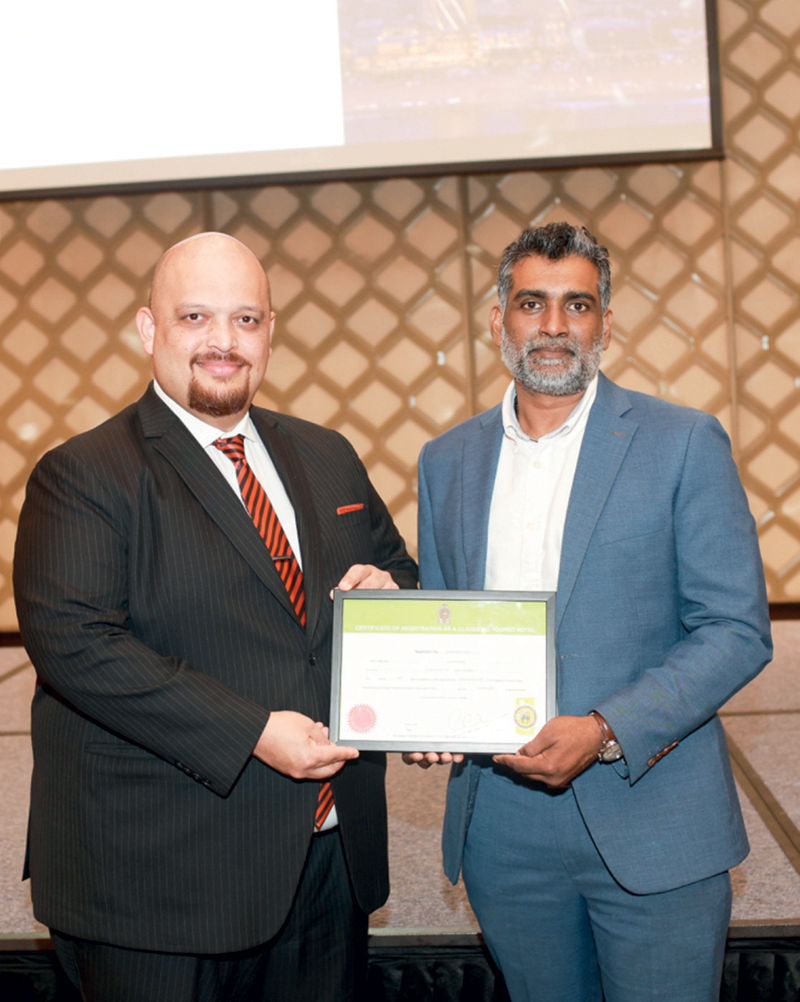
General Manager, Keenan McKenzie accepting the Certificate from Buddhika Hewawasam from SLTPB
The ceremony was attended by several distinguished officials and industry leaders, including, Board Member, SLTDA; Mrs. Malkanthi Rajapaksha, Director – Standards & Quality Assurance, SLTDA; and Mr. Trevine Gomas, Chairman, Hotels’ Classification Committee. Their presence underscored the significance of this milestone for Sri Lanka’s hospitality sector.
ITC Ratnadipa, a Luxury Collection Hotel, opened its doors in Colombo, Sri Lanka, on April 25, 2024, introducing a new benchmark in responsible luxury and sustainability-driven hospitality. Since its inception, the hotel has been committed to offering exceptional experiences that blend opulence with environmental stewardship.
Addressing the gathering, Mr. Keenan McKenzie stated:
“We are grateful to the Sri Lanka Tourism Development Authority and the Hotels’ Classification Committee for their guidance and trust, and to our partners and stakeholders for their continued support. This milestone strengthens our resolve to elevate Sri Lanka’s hospitality landscape while delivering responsible luxury rooted in sustainability.”
This recognition underscores ITC Ratnadipa’s dedication to excellence, sustainability, and its vision to redefine luxury hospitality in Sri Lanka.

Three Indians nabbed with Rs 500 mn worth of ‘Kush’ at BIA

Union Assurance honoured with Silver Award for Life Insurance at SAFA BPA Awards 2024

ComBank supports Sri Lanka’s DMC to strengthen country’s disaster readiness

A legacy of devotion: The lifelong service of Rev. Sr. Mary Croospulle

The Art of Mahagama Sekera: 50th Anniversary Commemorative Exhibition

Dunsinane Estate leading the way in tea, tradition and sustainability

‘Dates have the highest sugar content to fight Coronavirus’

Sunday Island 27 December – Headlines

#SundayIsland 17th December – Headlines

Sunday Island – 28th March

Sunday Island Headlines – 21 March

Sunday Island – 21st February – Headlines
-
 News24 hours ago
Broad support emerges for Faiszer’s sweeping proposals on long- delayed divorce and personal law reforms
-

 News2 days ago
Private airline crew member nabbed with contraband gold
-

 News1 day ago
Interception of SL fishing craft by Seychelles: Trawler owners demand international investigation
-

 News4 days ago
Health Minister sends letter of demand for one billion rupees in damages
-

 Opinion6 days ago
Remembering Douglas Devananda on New Year’s Day 2026
-

 Features2 days ago
Pharmaceuticals, deaths, and work ethics
-
 News7 days ago
Leading the Nation’s Connectivity Recovery Amid Unprecedented Challenges
-
 News24 hours ago
US raid on Venezuela violation of UN Charter and intl. law: Govt.