
Life style
Fairness at a cost:Ugly truth behind whitening creams

In a market saturated with promises of a brighter, fairer and flawless skin Dr. Nishantha Pathirana, Consultant in Dermatology, Army hospital is calling for caution, awareness and a serious rethink of beauty standards. With decades of experience in dermatology and aesthetic medicine, he spoke to the ‘Sunday Island’ about the risks, myths surrounding fairness creams in Sri Lanka. “We see many patients suffering from thinning skin pigmentation disorders, sensitivity and even acne, all triggered by these whitening creams. His message is simple, understand your skin, protect it from the sun, hydrate well, eat smart and consult a qualified dermatologist before trying out any treatment.
In the age of skin positivity and inclusive beauty, the fairness cream industry thrives. Walk into any beauty aisle or scroll through online skin care ads, and you’ll still find rows of creams, serums and soaps from night creams to face washes and even sunscreens promising instant fairness, shelves are filled with products that prey on security. What’s driving this persisting obsession?
Today, there is a belief that being lighter gives you a better chance-whether in love, in the job market or simply in being accepted says Dr. Nishantha Pathirana
Doctor warns people should understand that most of these creams contain harmful ingredients, like steroids, mercury or others which are harmful to the skin. Long term use can lead to permanent skin damage, or pigmentation issues.
 Q: Why do Sri Lankans prefer fair skin?
The preference for fair skin in Sri Lanka — as in many South Asian societies — is shaped by a combination of historical, cultural, social, and economic factors. Here’s a breakdown of why this bias exists:
Colonial Legacy
Sri Lanka was colonized by the Portuguese, Dutch, and British over several centuries. During colonial rule, lighter skin was associated with power, privilege, and superiority.
This established a hierarchy where Europeans (with fair skin) were at the top and locals (often darker-skinned) were seen as lower status. That legacy lingers in perceptions of beauty and status.
Cultural and Religious Influence
In ancient South Asian literature and folklore, fair skin was often idealized. For instance, many gods and heroes in Hindu and Buddhist stories are described as being radiant or light-skinned.
The idea of beauty being linked to purity or divinity often included a preference for lighter tones.

Class and Caste Associations
Historically, upper castes or higher social classes were often less exposed to the sun due to indoor lifestyles, resulting in lighter skin.
Darker skin came to be (unfairly) associated with manual labor, poverty, or lower status. These associations still persist subtly in social attitudes.
Media and Advertising
In Sri Lankan media, like much of South Asia, has long promoted lighter-skinned models and actors, reinforcing the idea that fair skin is more attractive or desirable.
Fairness creams and skin-lightening products are heavily marketed, often using slogans that link fair skin to success, confidence, and romantic desirability.
Global Beauty Standards
Western beauty standards, often emphasizing lighter skin, have been globalized. Through movies, fashion, and social media, these ideals influence local preferences.
However, this is beginning to change with more global awareness around colorism and representation.
Marriage and Social Expectations
In traditional matchmaking (including arranged marriages), families often prefer fair-skinned brides and grooms. Matrimonial ads still frequently list “fair” as a desirable quality.
This puts pressure, especially on women, to conform to lighter-skinned ideals.
Q: Do you see this reflected in your patients?
Yes, at least 25% of my patients ask for a fairer skin
What is the medical news on fairness creams and skin bleaching products?
Here’s what’s new in fairness creams and skin-bleaching products — including health risks, recent studies, and regulation updates:
Health Risks — Particularly in South Asia
Steroid Contamination and self-prescribing
In Lucknow, India, dermatologists report a surge in skin damage—as many as 80% of patients with pigmentation or fairness concerns had used over-the-counter creams promoted by social media before seeking help. These often contain steroids, leading to fungal infections, skin thinning, rashes, and lasting scars.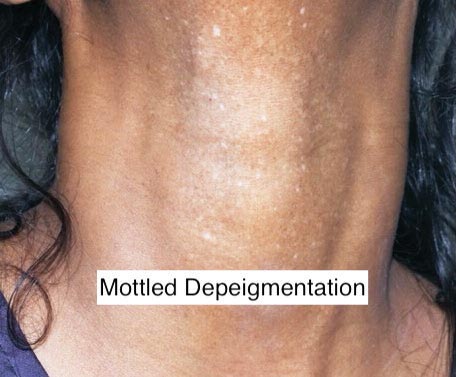
Mercury Toxicity and Kidney Damage
A major study in Bangladesh found that 22 out of 26 skin lightening creams exceeded the safe mercury limit
In Sri Lanka, dermatologists report a notable increase in kidney disease linked to these creams—sometimes outpacing cancer. Symptoms include stretch marks, discoloration of nails and palms—occurring even before long term effects like cancer manifest .
Indian researchers from Kerala also documented cases of nephrotic syndrome (membranous nephropathy) tied to fairness cream use: heavy metals, particularly mercury levels up to 10,000× above safe levels, were found in blood and urine samples. 68% of cases in one cohort involved skin cream use.
Other Harmful Ingredients
These products often contain other risky agents: hydroquinone, corticosteroids, and kojic acid. Long-term use can cause skin ochronosis (dark patches), glaucoma, hypertension, immune suppression, and increased skin infections.
Q: What are the short-term and long term risks using fairness creams?
Fairness creams (also known as skin-lightening or skin-brightening creams) often promise lighter, more even-toned skin. However, many of these products—especially unregulated or over-the-counter ones—can pose serious short-term and long-term health risks, depending on their ingredients and usage patterns.
Common Active Ingredients in Fairness Creams:
Hydroquinone, Mercury compounds, Corticosteroids (like betamethasone, clobetasol), Arbutin, Kojic acid
Niacinamide (generally safe, but often combined with harsher agents)
Short-Term Risks
These often appear within weeks to months of regular use:
Skin Irritation
Redness, itching, burning sensation
Especially with hydroquinone or kojic acid
Allergic Reactions
Rash, swelling, contact dermatitis, caused by fragrances or harsh chemicals
Photosensitivity
Increased risk of sunburn due to skin thinning, Common with hydroquinone or corticosteroids
Steroid Acne
Corticosteroids in creams can cause acne breakouts
Temporary Skin Lightening
Uneven results, “patchy” depigmentation
Long-Term Risks
These develop with prolonged or heavy use, especially of unregulated products:
Skin Thinning (Atrophy), Fragile, easily bruised skin—common with long-term steroid use
Ochronosis
Paradoxical darkening of the skin with prolonged hydroquinone use
Mercury Poisoning
Found in some illegal creams, Symptoms: mood changes, kidney damage, tremors, memory issues
Hormonal Imbalance
From corticosteroids absorbed through the skin, can lead to weight gain, menstrual irregularities, or cushing’s syndrome
Increased Risk of Skin Infections
Due to immune suppression from steroids
Psychological Dependence
Body image issues or addiction to skin lightening

Dr. Nishantha Pathirana
Skin cancers
Q: How often do you treat patients suffering from damage caused by these products?
This is so frequent at least I do see 5-6 cases a day after using various whitening agents.
Some fairness creams are marketed as herbal or natural. Are they safe?
Fairness creams that are marketed as herbal or natural may seem safer, but “natural” doesn’t always mean safe or effective. Here are some important considerations:
What “Herbal” or “Natural” Might Really Mean
These terms are not strictly regulated in many countries, so a product labeled “herbal” might still contain synthetic chemicals, preservatives, or steroids.
Even genuine natural ingredients can cause side effects or allergic reactions, especially on sensitive skin.
Potential Risks of Herbal Fairness Creams
Undisclosed Steroids or Mercury:
Some so-called natural creams have been found to contain harmful steroids or mercury, which can cause skin thinning, acne, or long-term pigmentation issues.
Mercury, in particular, can cause kidney damage and neurological problems with prolonged use.
Photosensitivity:
Ingredients like citrus extracts or essential oils can make your skin more sensitive to sunlight, increasing the risk of sunburn or hyperpigmentation.
Lack of Efficacy:
Many herbal creams claim to “lighten” or “brighten” skin but often offer no real results beyond temporary moisturization or superficial effects.
Irritation or Allergic Reactions:
Natural ingredients like neem, sandalwood, or turmeric may cause rashes or dermatitis in some individuals.
Q: What is your take on Ayurvedic or home-made remedies? Are they effective or dangerous?
When it comes to ayurvedic and home remedies most of the ingredients are time tested and well known. When these things are used consistently one can see the improvement in skin colour but those are too not free of side effects since those too can cause above side effects.
Q: Are fairness injections and IV drips like glutathione safe and effective or are they medically approved?
Fairness injections and IV drips like glutathione are marketed for skin lightening or “brightening,” but their safety and effectiveness are controversial and depend on multiple factors.
Q: What Are fairness Injections?
These usually involve IV administration of glutathione, sometimes combined with vitamin C or other antioxidants, marketed to lighten skin by reducing melanin production.
Q: Do They Work?
Glutathione is a powerful antioxidant found naturally in the body. It can affect melanin production in lab settings, but:
Evidence for systemic (whole-body) skin lightening through IV glutathione is limited and inconsistent.
Some people may notice temporary lightening or “brightening” of their skin tone, but this is not guaranteed, and long-term effects are unclear.
The FDA (U.S.) and WHO do not approve glutathione IV for skin whitening due to insufficient evidence and safety concerns. In Sri Lanka too it has not been approved to be used for cosmetic purposes.
Safety Concerns
Unregulated use: Many clinics offer these drips without proper oversight or medical standards.
Dosage risks: High doses or frequent use may lead to kidney or liver damage, thyroid issues, or rare skin disorders (e.g., Stevens-Johnson syndrome).
Unknown interactions: Especially risky for those with pre-existing health issues or on medication.
IV risks: Any intravenous treatment has inherent risks — infection, phlebitis, and allergic reactions.
Q: Is Glutathione Safe?
Oral glutathione supplements or those obtained from diet (e.g., in fruits and veggies) are generally safe but less potent for skin effects.
Glutathione is used medically for certain conditions like chemotherapy side effects or liver detox, under supervision.
The bottom Line is that not recommended for cosmetic use unless prescribed and administered by a licensed medical professional.
Efficacy is unproven, and risks may outweigh benefits—especially in the absence of strong scientific backing.
The pursuit of skin lightening can also raise concerns around colourism and mental well-being. It’s worth reflecting on motivations and considering safer skincare alternatives (like sunscreen, hydration, and topical agents).
Q: What is your message for people keen to improve their complexion?
First and foremost the person should understand their skin type ( Your skin type, dry or normal, sensitive or non-sensitive)
Select the products carefully which suits their skin as per the skin type.
Self-medication must be avoided an should take the opinion/ advice from a qualified personnel at the earliest when some is having any skin irritations
Maintain hydration well. (avoid using artificial drinks and carbonated water)
Balanced diet and regular workouts to maintain optimum BMI
Take plenty of antioxidants
Use the sunscreen of more than 50 SPF regularly especially when someone is getting exposed to direct or indirect sunlight. People who are working on light based devices may use a tinted sunscreen to avoid harmful effects of the screen.

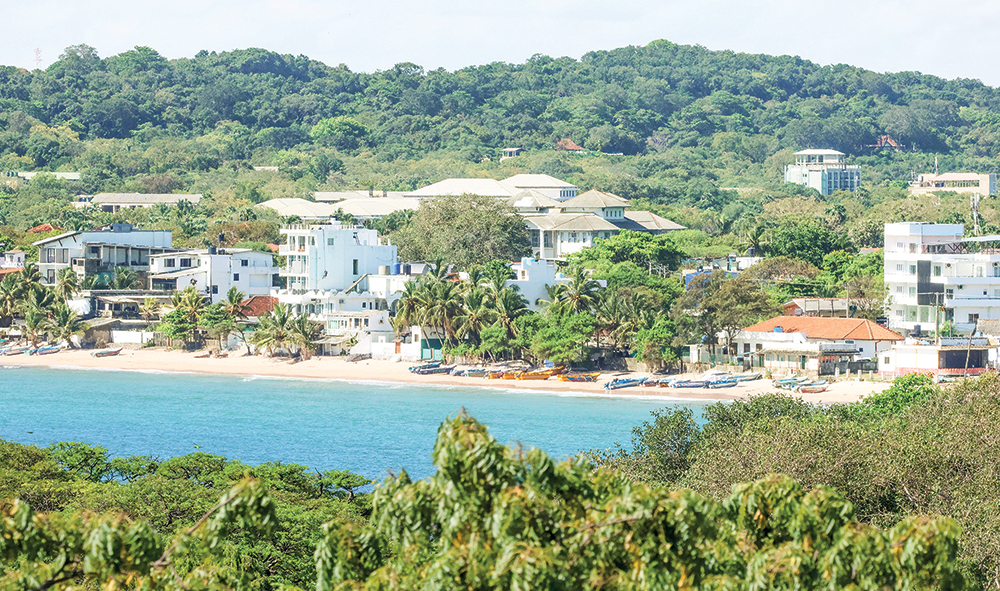
Sri Lanka could unlock a powerful new economic pathway by integrating biodiversity, archaeology and cultural heritage into a single conservation-driven tourism model, according to author, banker and naturalist Gehan de Silva Wijeyeratne.
Speaking to The Island, de Silva Wijeyeratne said the country possesses a rare convergence of natural and historical assets that, if strategically presented, could reposition Sri Lanka as a leading global destination for nature and heritage tourism.
“At the moment, these elements exist, but they are not fully connected,” he said. “What Sri Lanka has is extraordinary—a complete story of life, from ancient history to modern biodiversity. The opportunity is to bring that together in a way that creates value.”
His remarks come at a time when policymakers are seeking sustainable avenues to revive the economy, with tourism identified as a key growth sector. De Silva Wijeyeratne is currently researching his next book, ‘Enchanting Sri Lanka’ to be published by John Beaufoy Publishing in the UK.
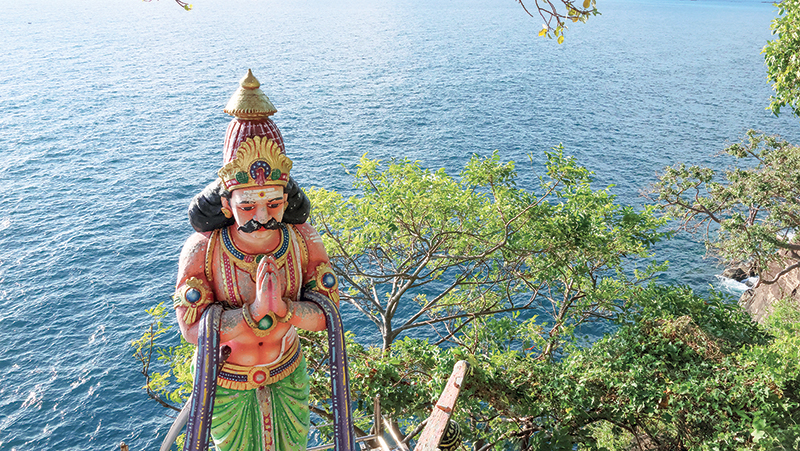
Koneswaram Temple Trincomalee
He said his recent field visit reinforced the untapped potential of integrated landscapes—particularly in the eastern region around Trincomalee.
He spent four days in Trincomalee with Hiran and Hashan Coory, two members of the senior leadership in Jetwing Hotels. Commenting on the visit, he said “Within a short distance, you have forests, marine ecosystems, archaeological sites and protected areas. This is not about isolated attractions—it’s about creating a connected experience that can compete globally.”
He noted that such an approach could continue to transform Sri Lanka’s tourism model beyond traditional beach-centric travel. “You can offer visitors wildlife, marine biodiversity and ancient history in a single journey,” he said. “That’s a very powerful proposition.”
Speaking more on Trincomalee’s potential, he said the combination of ancient history, the more recent colonial history and buildings, the beautiful beaches and coves, the snorkelling and marine mammal watching combined with the potential to create a huge national park that will have large mammals on the doorstep of the city means Trincomalee can become the city with the greatest tourism potential of any city in Sri Lanka.
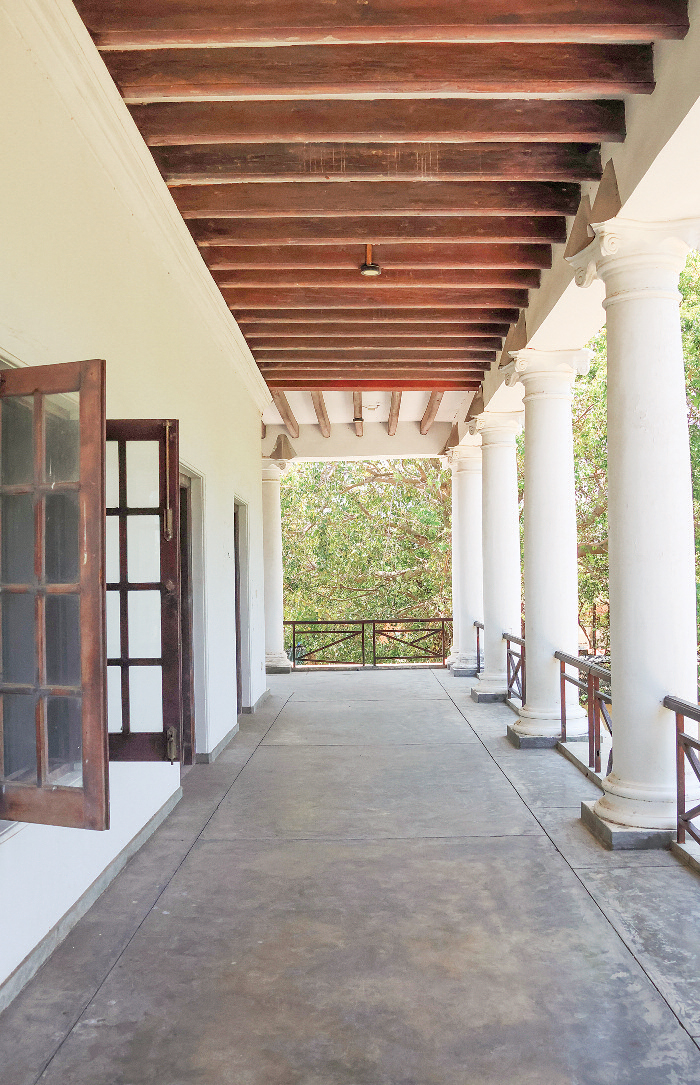
Maritime and Naval History Museum Trincomalee
“A vast national park on the scale of better-known parks such as Wilpattu and Yala can be created by connecting the forest reserves which stretch from Kantalai and through to the Naval Headworks Sanctuary, almost to the borders of the Trincomalee town” he says. “A new national park could be constructed with a network of safari roads and water holes and grass plains to increase the prey density for iconic mammals like the leopard. Trincomalee can then become a top land safari destination with an entrance gate to a national park just 15 minutes drive from the town. No other city will be able to rival it for land safaris, marine safaris, ancient and colonial history, staggering views and beaches and the heady mix of various ethnic groups with their religious beliefs, cuisine and arts. Trincomalee could overshadow every other city in Sri Lanka for tourism if developed properly”.

Velgam Vehera
De Silva Wijeyeratne emphasised that conservation must be positioned not as a constraint, but as an economic enabler. “If you encourage and enable responsible visitation, it brings revenues to these areas,” he said. “That supports conservation and also creates livelihoods for local communities.”
However, he cautioned that development must be carefully managed to avoid damaging sensitive ecosystems. “You need development that is sensitive to these landscapes and the proper infrastructure to manage visitation,” he said. “The value lies in preserving what is already there.”
In addition to tourism, de Silva Wijeyeratne highlighted the need to strengthen Sri Lanka’s conservation capacity through international collaboration. He has proposed the introduction of a special visa to attract experienced global conservationists willing to work on a voluntary basis.
He referenced his article ‘A visa for bringing in expertise and expanding tourism’ which was published in The Island on Friday, 23 May, 2025, and is available online. In this he proposes a special visa to address four strands – volunteering, internships, academic exchange and short term study. The idea is that the visa should be as easy as to obtain an online tourist visa, but the visitor can now apply for a longer term visa for a declared purpose, such as volunteering.
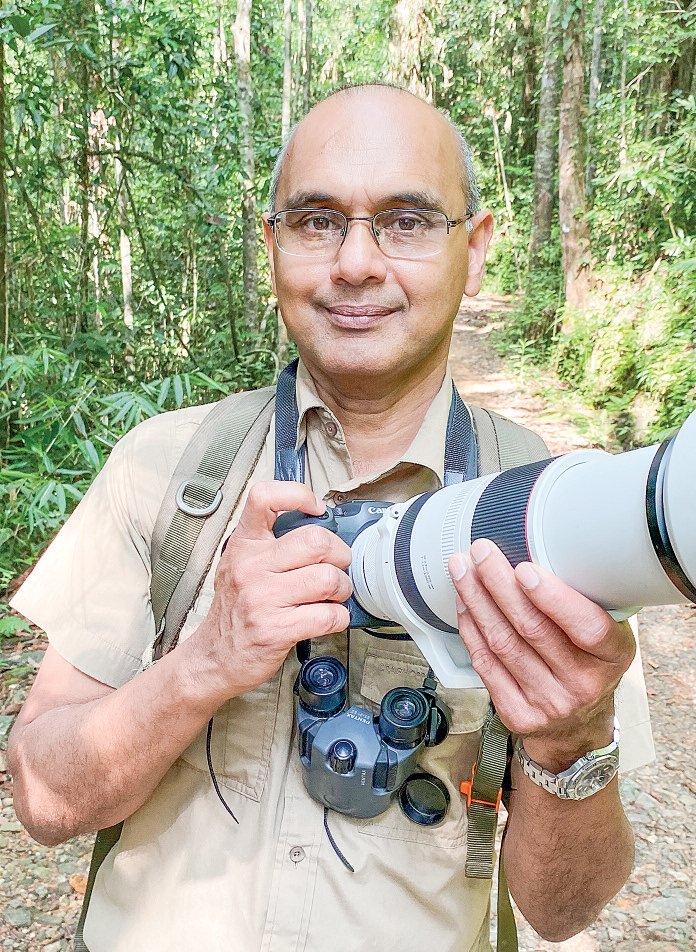
Gehan de Silva Wijeyeratne
He was careful to emphasise that the proposed visa is not for paid work and does not give the visitor special rights, and any relevant permits and permission need be obtained by the local partner. “There are people with 30 or 40 years of experience in research and conservation who would gladly come to Sri Lanka and contribute” he said. “If we create a proper framework, they can work with local organisations, share knowledge and build expertise.” Such a system, he stressed, would not undermine local employment. “These are unpaid roles—they are not taking jobs away. Furthermore, they will help locals to upskill,” he said. “They are helping to strengthen the system.”
De Silva Wijeyeratne also underscored the importance of science communication in driving conservation outcomes. Drawing from his recent lecture to the Wildlife and Nature Protection Society, he said public understanding of biodiversity remains limited, particularly when it comes to foundational elements, such as plant life. “In my recent lecture I started with plants because they are often overlooked,” he said. “In Sri Lanka we have the descendants of ancient plant groups, like lycophytes and bryophytes, as well as an abundance of the relatively more modern flowering plants (or angiosperms). They all form the basis of all ecosystems.” Sri Lankan researchers would benefit from international collaborations to describe and study the ecology of species found in Sri Lanka. As an example of the gaps in our knowledge, he pointed that it is hard to find online even a species inventory of Sri Lankan species of Lycophytes.
He further highlighted the interconnected nature of life, pointing to the role of microscopic organisms. “Every cell in our body contains mitochondria, and that DNA originated from bacteria,” he said. “So we are, in a sense, composite organisms built on ancient biological relationships. “This perspective, he said, is critical to fostering a deeper appreciation of biodiversity and the need for its conservation. “If people understand how interconnected life is, they begin to value it differently,” he said.
De Silva Wijeyeratne’s ongoing research for ‘Enchanting Sri Lanka,’ to be published by John Beaufoy Publishing, also touches on Sri Lanka’s layered history, including its colonial past. During his recent visit to Trincomalee, he visited the grave of Rear Admiral Charles Austen, the brother of renowned novelist Jane Austen. “I read in the Bradt Guide to Sri Lanka that her brother was buried in the Esplanade Cemetery. There was an article online by Nishan Fernando in the Sunday Times where he describes how, in 1984, he and his father, Admiral Clancy Fernando, located the grave. Fernando wrote of the burial ground on the Esplanade in the middle of Trincomalee town, opposite the beautiful horseshoe shaped Dutch Bay.”
After a false start at another cemetery, using Google maps, de Silva Wijeyeratne with others, including Hiran and Hashan Cooray, some of the senior team from Jetwing Hotels, visited St. Stephan Cemetery which is around 400 meters from the Maritime and Naval History Museum. ‘We found the grave as described in the Sunday Times article by Nishan Fernando. But talking to various hoteliers and people in tourism in Trincomalee, we were struck by how many people were unaware of its existence. Hopefully, knowing that the grave of Rear Admiral Charles Austen, brother of Jane Austen, is roughly in the middle of St. Stephan Cemetery, in Trincomalee, will help others, with an interest in Jane Austen, to locate it.”
During his time in Trincomalee, with the Jetwing Hotels team, de Silva Wijeyeratne also visited Mederigiriya, Seruwila and Velgam Vehera. They encountered elephants on their visits to Seruwila and Velgam Vehera. “That brief visit alone shows how rich and complex Sri Lanka’s story is,” he said. “It spans pre-colonial, colonial and post-colonial periods.” For de Silva Wijeyeratne, the challenge now lies in translating this richness into a coherent national narrative. “This country has everything—biodiversity, ancient civilisation, marine ecosystems, etc.,” he said. “Few places in the world can offer such an all-round package.”
He stressed that aligning conservation with tourism and knowledge-sharing could deliver long-term benefits. “It’s about connecting the dots,” he said. “If we do that successfully, Sri Lanka can position itself as a world-class destination, while protecting its natural and cultural heritage.” As the country looks to rebuild and diversify its economy, de Silva Wijeyeratne’s message is clear: Conservation, when strategically integrated, could become one of Sri Lanka’s strongest assets. (Pictures courtesy Gehan de Silva) Wijeyeratne
By Ifham Nizam

Long before the first dish was placed at the Jaffna food festival at Cinnamon Bentota Beach, a dedicated team of staff and culinary staff journeyed to Jaffna.
In the North they stepped out of professional hotels and into homes, road side eateries and bustling local markets. They observed, listened and, most importantly, tasted. The experience was as much about unlearning as it was learning.
They spent time with local people, women who have perfected their craft over decades, fishermen who spoke of the day’s fresh catch, spice vendors who explained the subtle difference in dried chillies and roasted blends.
They saw the liberal use of black peppers, tamarind and the depth of roasted curry powders.
In the end, what the team brought back from the North was not just technique or taste, it was perspective. What stayed most was the spirit of Jaffna, its people resourceful grounded and deeply connected to roots.
And so when the festival came to life in Bentota, it was not just a recreation, it was a reflection. They realised the heart of Jaffna is not only in its flavours but in its people.
Cinnamon Bentota Beach — signature selection celebrated the rich heritage, vibrant culture, and authentic cuisine of Northern Sri Lanka with its signature “Jaffna Night” recently. The evening was a heartfelt journey into Jaffna’s traditions, inviting guests to experience the warmth, flavours, and stories of this remarkable region.
-
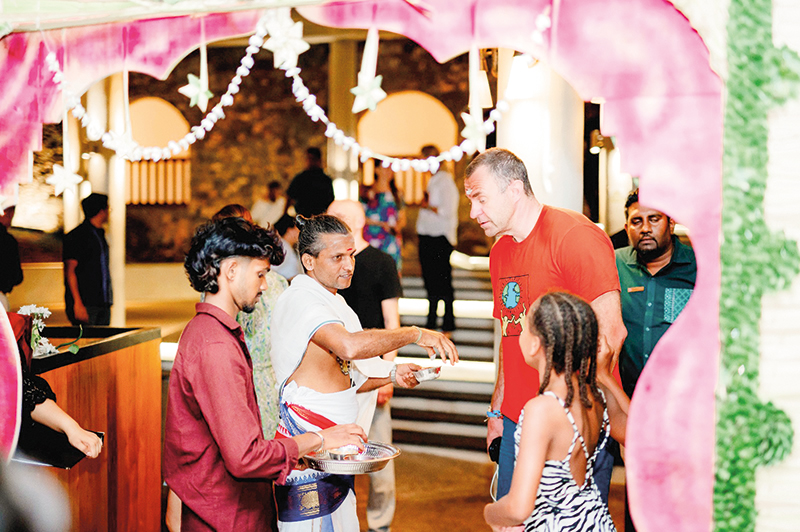
- Time honoured rituals
-

- Jaffna’s bold flavours
-

- Warm welcome from heart of southern hospitality
-

- General Manager welcoming guests
Guests were welcomed with the traditional greetings, followed by religious rituals that set the evening in a meaningful cultural context. The highlight was the launch of the “Jaffna Culinary Journey” video series, capturing the resort team’s immersive exploration of Jaffna’s culinary landscape and community life.
From preparing local delicacies alongside villagers, to stepping into traditional homes, participating in early morning poojas, and wandering bustling fish markets; vegetable markets, the team discovered that Jaffna’s cuisine is inseparable from its identity, history, and community spirit.
Cinnamon Bentota Beach — Signature Selection shared reflections on the journey, emphasising how meaningful experiences can preserve and honour cultural heritage. The evening culminated in the official launch of the Jaffna Food Festival at the resort – a continuation of the journey that brings authentic Jaffna flavours and stories directly to guests in Bentota.
“Jaffna Night” was more than a culinary celebration; it was a testament to connection, culture, and the shared joy of learning through food and tradition.
By Zanita Careem
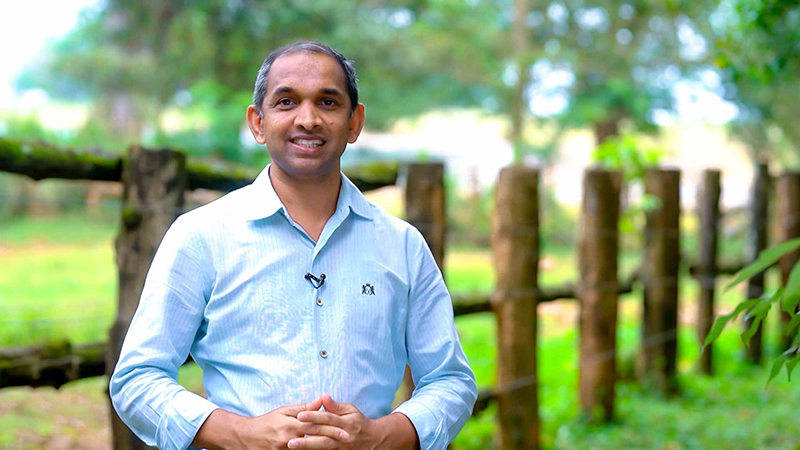
Sun Siyam Pasikudah has added another milestone to its growing list of achievements by earning the prestigious Travel Gold Certification, a recognition that reflects the resort’s dedication to exceptional hospitality, high service standards and memorable guest experience. At this resort, sustainability isn’t just a concept it is a commitment. So driving eco conscious change, behind the scenes, is Chaminda Upul Kumara, shaping a hospitality experience where luxury meets responsibility .
Q: Sun Siyam Pasikudah has earned Travelife Gold Certification, covering 147 criteria, from energy and water to wildlife and community welfare. What did that journey genuinely push the property and the wider group to do differently?
A: Earning Travelife Gold was never just about getting the certificate. Working through 147 criteria covering energy, water, waste, wildlife, and community welfare made us look hard at ourselves and ask whether we were truly doing enough in each of those areas.
What it really pushed us to do was move beyond compliance. We tightened our conservation practices, improved how we manage waste, and put more deliberate effort into biodiversity and community programmes. But perhaps the most meaningful shift was weaving sustainability into the guest experience itself, making it visible and accessible without ever compromising on comfort or quality.
At the group level, Pasikudah became a working model. The practices we refined here have since been adapted and adopted across our other properties, creating a culture where sustainability is not a side project managed by one department but something that shapes how every team member thinks and works. It reinforced what Sun Siyam Care stands for: that responsible hospitality is not a goal we work towards. It is simply who we are.
Q: Most of the Sun Siyam story has been written in the Maldives. How does Pasikudah write its own chapter, given how different the setting, the coastline, and the community around it are?
A: When the civil conflict in Sri Lanka’s Eastern Province ended in 2009, our founder Ahmed Siyam Mohamed saw something in Pasikudah Bay that many others had not yet noticed. The calm, shallow waters and unspoiled beaches were extraordinary, but he also saw a region ready for renewal and an opportunity to be part of that through responsible tourism.
The property opened in 2014 as a 34-room luxury boutique resort, quietly introducing refined hospitality to Sri Lanka’s east coast. Then came COVID-19 and the country’s economic crisis, two of the hardest back-to-back challenges any hospitality business could face. Rather than simply wait it out, General Manager Mohamed Arshed Refai led a comprehensive transformation of the property.
The refurbishment was guided by international design firm Studio 67, but its real character came from a very deliberate decision: every single material used was locally sourced, and Sri Lankan artisans and craftspeople were involved throughout the process. It was not just a renovation. It was a recommitment to the region and the people in it.
That is what sets Pasikudah apart within the Sun Siyam family. The Maldives properties have their own extraordinary identity, but Pasikudah’s chapter is distinctly Sri Lankan. From post-conflict rebuilding to post-crisis renewal, it is a story of courage, community, and the belief that investing in a place means investing in its people.
Q:There is an organic farm on the property growing over 38 varieties of fruits, vegetables, and herbs. Tell us about that. It feels like it says something bigger about how the resort thinks about its place here.
A: The farm is a fairly direct expression of how we think about our responsibility to this place. At least 30 percent of our menu is plant-based, and being able to grow a meaningful portion of that on the property makes that commitment tangible rather than theoretical. Guests receive their welcome drinks made with fruit grown here. The chefs know exactly where their produce comes from and what it took to grow it.
We also have what we call climate-conscious dishes on the menu, options designed around sustainable food principles that prompt guests to think about what they are eating and where it originated. Beyond the farm itself, we source a significant share of our ingredients from local farmers and producers in the surrounding community. That reduces food miles and carbon emissions, but it also means the resort is actively supporting the local food economy rather than bypassing it.
Put simply, the farm is not a marketing feature. It reflects a commitment to operating in a way that is connected to this land and these communities, rather than sitting apart from them.
-

 News6 days ago
Lanka faces crisis of conscience over fate of animals: Call for compassion, law reform, and ethical responsibility
-
 News5 days ago
Whistleblowers ask Treasury Chief to resign over theft of USD 2.5 mn
-

 News5 days ago
No cyber hack: Fintech expert exposes shocking legacy flaws that led to $2.5 million theft
-

 News2 days ago
BIA drug bust: 25 monks including three masterminds arrested
-

 Business3 days ago
Nestlé Lanka Announces Change in Leadership
-

 News2 days ago
Banks alert customers to phishing attacks
-

 News3 days ago
Hackers steal $3.2 Mn from Finance Ministry
-

 News6 days ago
USD 2 mn bribe: CID ordered to arrest Shasheendra R, warrant issued against ex-SriLankan CEO’s wife