
Sports
Sri Lanka tourism takes center stage in new T20 Jersey

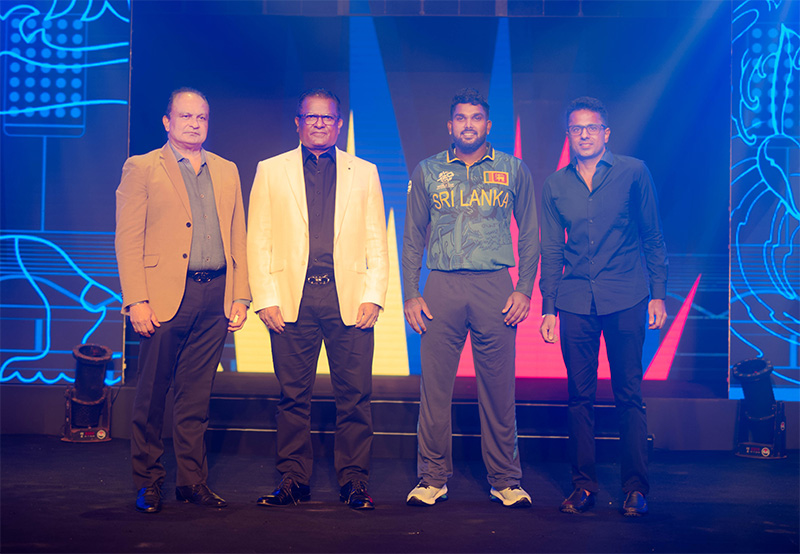
In the bustling heart of Ja-Ela, Moose Clothing Company stands tall as a beacon of creativity, technical expertise, and workmanship. Established in 2018 with a vision to redefine Sri Lanka’s fashion landscape whilst bridging the gap between affordability and accessibility to good quality fashion, Moose Clothing Company has now embarked on a journey that transcends mere apparel. This journey interweaves resilience, heritage, and hope into the fabric of the new jersey design that Moose was commissioned to create for Sri Lanka’s national cricket team, for their upcoming T20 World Cup tournament set to take place in the USA and the Caribbean.
Last year (2023), Moose Clothing Company signed a four-year agreement with Sri Lanka Cricket (SLC) and secured the position to be their official clothing partner. As they sat down to deliberate the project’s intricacies, from material selection to conceptualization, one mutual agreement emerged – a shared emphasis on bringing in the element of tourism in Sri Lanka and on to the design concept of the jersey. This wasn’t just about designing a jersey; it was about crafting a narrative that would beckon the world to explore the wonders of Sri Lanka.
“As these tournaments always became a spectacle in stadiums across mostly Asian nations, the T20 World Cup this time round feels even more unique and special as this would be the first time a T20 World Cup tournament is taking place in the USA,” Kithmini de Silva, Head of Marketing of Moose Clothing Company, remarked. “This also means bringing more tourism exposure to a country like Sri Lanka amongst potential travelers from the America and possibly people from other parts of the world, especially the Caribbean islands who are also co-hosting the tournament. So, in a way, this opportunity can be seen as a win-win situation – the main goal of using this concept as a way to not only help boost tourism and place Sri Lanka on a higher pedestal as an ideal tourist destination but also take the Moose Clothing Company brand to a global market”, she further added.
As a result, with the Moose Clothing Company having been entrusted with the honor of representing Sri Lanka on an international stage, the T20 World Cup tournament is bound for American shores. It was an opportunity not just to put across their designs but to amplify Sri Lanka’s voice in the global arena. With eyes set on the USA, Moose Clothing Company sees more than exposure; they see a gateway to the international market, a chance to introduce the world to the essence of Sri Lanka.
“How we could move ahead and represent the Sri Lankan brand on US soil was the focal point for us. At the same time, we also wanted to take Moose Clothing Company Brand and enter the international market through this initiative. As it is evident that the Sri Lanka national team’s players were also the rightful ambassadors who would be representing our country wherever they go, this jersey was, in a way, a vibrant canvas for us, giving us the platform to showcase the tourism potential of Sri Lanka, bit of the culture and tradition.”, Nishantha Perera, Head of Product Development and Design of Moose Clothing Company, stated.
Eventually, the jersey design was settled after some 40 designs were rolled in following hours of brainstorming and deliberation. Sri Lanka, often hailed as a tourist’s paradise, offers a kaleidoscope of experiences – from thrilling safaris in its wildlife reserves to serene encounters with our gentle giants in Habarana, home to the world’s largest Asian elephant gathering. These elements, each a chapter in Sri Lanka’s story, found their way into the design narrative of the jersey.
The blue hues of the southern coast the emblematic passant royal lion, and the vibrant hues of yellow and blue synonymous with Sri Lanka – all woven together in a canvas of cultural richness and natural beauty.
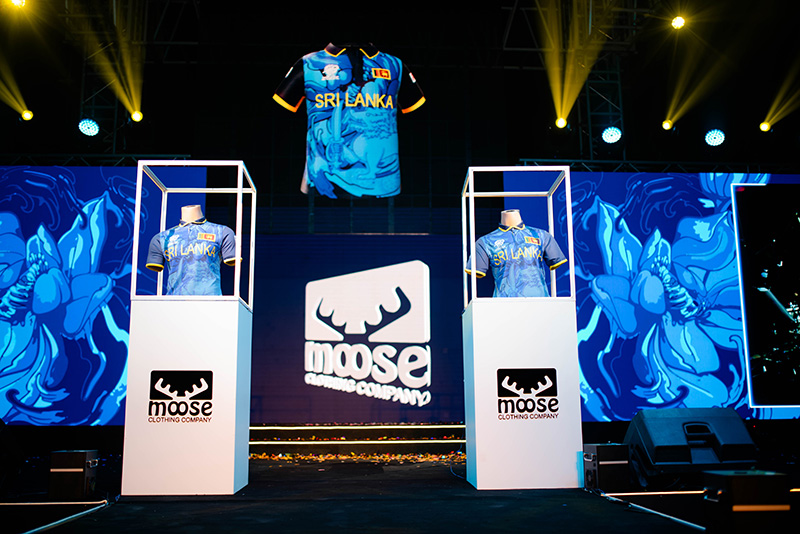
The new kit Sri Lanka will be wearing during the T-20 World Cup.
The blue water lily, Sri Lanka’s national flower, symbolizes hope amidst adversity, while the passant royal lion, a symbol etched on the flag and now the new jersey, isn’t just decoration. It symbolizes the roar of Sri Lanka Cricket identity, perfectly captured by Moose Clothing Company under the watchful eye of the Sri Lanka Cricket.
But the design goes deeper, drawing inspiration from Sri Lanka’s iconic landmarks. The muted emblem echoes the graceful arches of the Nine-Arch Bridge – the train ride in the highlands with the Kandy to Ella train is named one of the most beautiful train rides in the world and the majestic presence of the Asian elephant gathering – Habarana – is renowned for hosting one of the largest gatherings of Asian elephants in the world and has been named as ‘one of Asia’s great wildlife spectacles’ by Lonely Planet, 2012.
Each element tells a story, reflecting what they have to offer to the world as a beautiful island nation and the nation’s ability to overcome obstacles and emerge stronger. As the national cricket team wears this unique jersey, they don’t just represent a team; they embody the hopes and dreams of a nation.
Behind the scenes, Moose Clothing Company’s design team embarked on a journey of their own. They delved deep and drew inspiration from these elements. But it wasn’t just about aesthetics; it was also about craftsmanship. In Sri Lanka’s apparel industry, technology intertwines seamlessly with tradition, creating a wave of expertise unrivalled elsewhere.
Moose Clothing Company’s dedication to quality and innovation shines through in every garment, a testament to their commitment to excellence.
The new jersey integrates state-of-the-art technology, featuring innovative fabric engineering for optimal moisture management. This ensures effective sweat regulation and enhanced comfort, even during the most intense matches. Furthermore, Moose Clothing Company conducted in-depth research on the weather conditions of upcoming tournament host countries. This meticulous approach guarantees the jerseys are crafted from the ideal materials to perfectly suit the players’ environment, offering them the ultimate edge on the field.
This thorough attention to detail ensures that the material selection and engineering are tailored to meet the specific climate demands of the tournament venues. By anticipating factors such as humidity levels and temperature fluctuations, Moose Clothing Company worked to optimize the jersey’s performance in varying weather conditions. This comprehensive approach underscores Moose Clothing Company’s commitment to delivering apparel that not only enhances athletic performance but also prioritizes the comfort and well-being of the players, regardless of the environment they compete in. The incorporation of special mesh fabric allows for increased breathability, optimizing airflow and ventilation to keep the team members cool and refreshed even in the heat of competition. This strategic design ensures that heat can escape efficiently, preventing overheating and discomfort. By leveraging such technology in textile engineering, Moose Clothing Company has crafted a cricket jersey that not only looks sleek and stylish but also delivers unparalleled performance and comfort on the field.
Speaking about the milestones and future, CEO of Moose Clothing Company, Hasib Omar said, “We’re thrilled to unveil the new Sri Lanka cricket jersey for T20 World Cup 2024. This launch isn’t just about creating a stylish and functional garment for the team, it’s about a strategic partnership that celebrates Sri Lankan pride on the global stage. We believe this jersey will not only inspire the players on the field but also ignite a passion for Sri Lanka’s tourism treasures among fans around the world.”
Looking ahead, Hasib shared the company’s ambitious vision of becoming an international brand. He further added, “Moose Clothing Company isn’t stopping at Sri Lanka’s shores. This partnership with Sri Lanka Cricket marks a significant step towards our long-term vision of becoming a global fashion leader. By combining our unwavering commitment to quality and innovation with the international exposure of cricket, we’re showcasing our capabilities to the world. This jersey launch is not just about supporting our national team, it’s about igniting a passion for Sri Lankan fashion on a global scale.”
With every match, Moose Clothing Company believes that the Sri Lankan team will not only play for victory but also carry the aspirations of a nation, inspiring pride and unity among its citizens. As the T20 World Cup draws near, the stage is set for Sri Lanka to shine once again, propelled by the enduring spirit encapsulated in every stitch of the new jersey.
Apart from this instigation that every cricket enthusiast out there can look forward to, Moose Clothing is also on the pathway to diversifying their portfolio and enhancing their footprint in the apparel sector in Sri Lanka through their brand and trendy designs that will keep on growing.














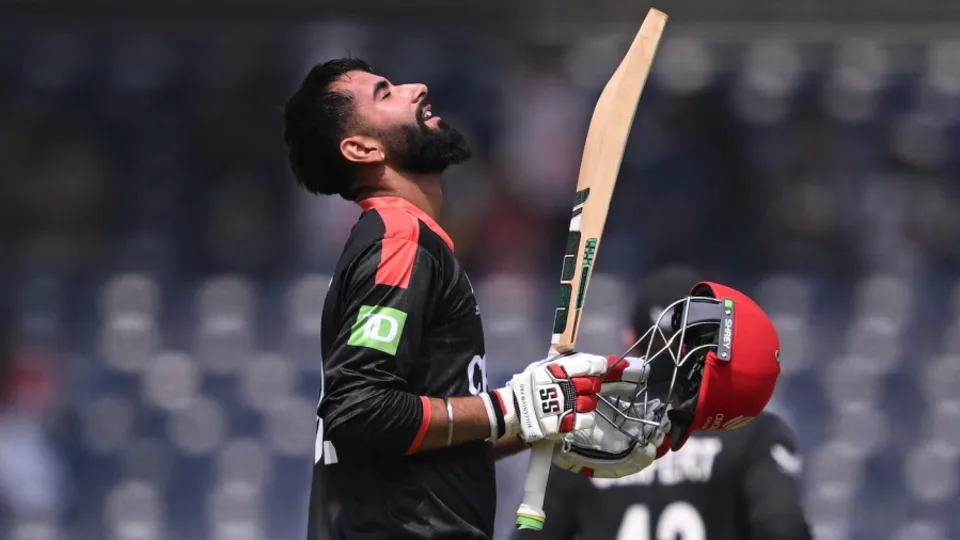
The 2026 T20 World Cup was one where the Associate teams shone the brightest, often pushing the Full Members to their limits. Who are the players that stood out at the World Cup? Here’s the Associate’s team of the tournament.
Yuraj Samra
Canada (144 runs at 36.00; strike rate 156.52)
The 19-year-old opener became the first Associate batter to score a T20 World Cup century against New Zealand. In his tournament-defining innings, he stepped down to Matt Henry, took apart James Neesham and dispatched Cole McConchie. But beyond the 110, he couldn’t cross 17 in the other three outings.
Shayan Jahangir
USA, wk (91 runs at 30.33; strike rate 137.87)
This wasn’t a great tournament for the Associate glovemen, so wicketkeeper Jahangir takes the other opener’s spot. Against Pakistan, with six team-mates falling for single-digit scores, Jahangir gave USA hope of a win with his 34-ball innings that fell one run short of a half-century. On the spin-friendly SSC surface, he dominated Saim Ayub, Mohammad Nawaz and Abrar Ahmed, but failed to replicate the same form in the other games.
Bas de Leede
Gerhard Erasmus
Namibia, capt (seven wickets at 11.85; economy 7.54)
The Namibia captain and allrounder did not have a productive time with the bat but he stood up with the ball, taking seven wickets. His best performance was 4 for 20, where the variations in his delivery stride helped maintain an economy of 5.00, even as India posted a strong 209. He dismissed Ishan Kishan, Tilak Varma, Hardik Pandya and Axar Patel. He also took 2 for 27 against USA and 1 for 25 against Pakistan.
Shubham Ranjane
USA (141 runs at 70.50; strike rate 180.76)
Ranjane produced multiple impact knocks against big teams. Facing mobility issues against India, Ranjane launched a 22-ball 37 by counterattacking against Pandya, Varun Chakravarthy and Mohammed Siraj. Then, against Pakistan, his 30-ball 51 didn’t let Pakistan rest easy. His 24-ball 48 against Netherlands gave USA an imposing 196. His medium-pace bowling also gave USA a crucial sixth-bowling option.
Ben Manenti
Italy (138 runs at 46.00; five wickets at 20.60)
The elder Manenti brother was an X-factor in Italy’s maiden campaign. His 2 for 9 in four overs deflated Nepal’s hopes and earned Italy their maiden World Cup win. His 25 – ball 60 against England kept his opponents on their toes. His 31-ball 52 against Scotland was another standout. Add in the two-for against West Indies and Ben Manenti has the highest impact-per-match numbers according to ESPNcricinfo’s metrics.
Michael Leask
Scotland (nine wickets at 13.55; economy 7.62)
Against Italy, Leask produced an explosive five-ball unbeaten 22 in the 20th over to take Namibia past 200 in Kolkata and then returned figures of 4 for 17 with his offspin. He wasn’t a big turner of the ball, but came from around the wicket to strangle right-hand batters, dismissing Harry Brook against England, too. Leask also took all three Nepal wickets, against right-handers, in Scotland’s final World Cup game.
The right-arm seamer from USA started the World Cup with a bang. A three-wicket over in the powerplay against India sent the Wankhede stadium into silence as he eventually finished with 4 for 25. That spell left India feeling very uncomfortable at halftime. Then against Pakistan, he went 4 for 25 again, relying on his hard-length deliveries that forced attacking shots into mis-hits. A further five scalps against fellow Associates left him with 13 wickets in four games, which, at the time of writing, remains the most in this tournament.
Aryan Dutt

“I’m going to put it very simple: it’s hurtful, it’s painful and it’s shameful,” Farveez Mahroof, the former Sri Lanka allrounder, said, pretty much summing up the mood among cricket fans in the island after their abject failure against New Zealand on Wednesday in Colombo. That it came after being bowled out for 95 by England and meant Sri Lanka’s T 20 World Cup 2026 was over just added to the sense of dejection.
“It’s not a pitch that you can play through the line, I get it. But the way some of the batters just gifted their wickets away, apart from Pathum Nissanka’s delivery [from Matt Henry], every other dismissal was a soft dismissal, giving the wickets away, just like the England game, where all ten were soft dismissals,” Maharoof said on ESPN Cricinfo TimeOut after the match. “Continuing the same trend into another game, a must-win game, shows Sri Lanka were not up to the mark with the bat.”
Nissanka has been Sri Lanka’s best batter in the tournament, and the main man in their win over Australia, when he slammed a 52-ball 100 not out. On Wednesday, Henry produced a peach to Nissanka first ball, and “whatever hopes that Sri Lanka had just vanished”.
At the T20 World Cup, which Sri Lanka came to after losing 3-0 to England in a series at home, they beat Oman and Ireland, teams ranked lower than them, and then Australia in the group stage, but since then, it has all been downhill. Zimbabwe, England and now New Zealand have beaten Sri Lanka, and the last two have come after poor batting performances.
“It’s becoming a bad habit to have. I have been doing this analysis for seven-eight years, I keep saying the same old thing: once in a while, a good game, and our hopes are high; all of a sudden, come crashing down to the earth,” Maharoof said, referring to the Australia game. “It’s not the first time. I just hope something down the line, this has to come to an end, some hard decisions have to be made.
“I think after the next game, before the next series starts, Sri Lanka’s selectors and the think tank should really think of the future, what are the capabilities of the players, who should stick and who should not stick, and move on. I expect probably in the next couple of weeks, some hard decisions are going to be made. If not, I will be very surprised.”
Sri Lanka end their campaign with a game against Pakistan, in Pallekele on February 28.
[Cricinfo]
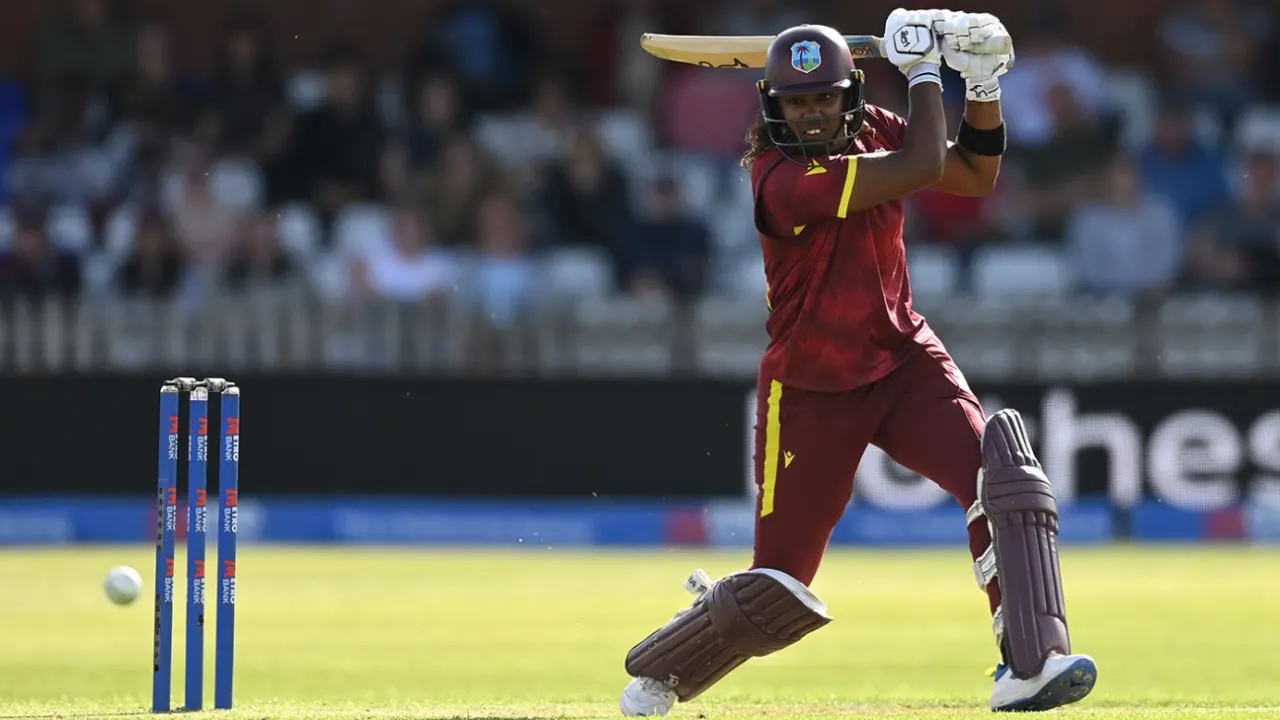
Hayley Matthew’s tenth ODI century led West Indies to a six-wicket victory in the final match of the series against Sri Lanka and gave them their first points in the new Women’s Championship cycle.
Sri Lanka had already secured the series but couldn’t clinch a whitewash as Matthews dominated: she started the match by removing opposite number Chamari Athapaththu in the first over of the contest and then compiled an 118-ball hundred, which took West Indies most of the way in their chase.
“I felt like I was in a pretty good space batting-wise and probably just [in the] first game got pretty unlucky with how I got out and then in the second match gave my own hand away,” Matthews said. “So I certainly felt like I was in a space where I wasn’t exactly being too threatened at the crease and I knew I just had to lock in and try to take it a bit deeper.”
The home side was in early trouble in St George’s against a target of 218 with Qiana Joseph and Shemaine Campbelle falling to Malki Madara to leave West Indies 12 for 2. But after taking 12 balls to find her first boundary, Matthews did not look back as she took charge of the innings, adding 124 for the third wicket with Stefanie Taylor, who moved second on the all time run scorers list in ODIs.
Matthews’ fifty came from 48 balls before she slowed a little in the second half of her innings, but the asking rate was never a threat for West Indies. She did give a chance on 70 when Nilakshika Silva was unable to hold a return catch. The ball after reaching the century, though, Matthews picked out deep midwicket but a stand of 49 between Deandra Dottin and Chinelle Henry finished the job.
Following the early loss of Athapaththu, Sri Lanka’s innings was anchored by Harshitha Samarawickrema’s 70 off 112 balls. She added 78 for the third wicket with Vishmi Gunaratne, but the visitors struggled to lift the scoring rate in the latter stages as West Indies chipped away, with Karishma Ramharack removing Gunaratne and Samarawickrama in the space of four overs.
Brief scores:
West Indies Women 218 for 4 in 46 overs (Hayley Matthews 100, Stefanie Taylor 38, Chinelle Henry 32*; Malki Madara 2-33) beat Sri Lanka Women 217 for 7 in 50 overs (Hasini Perera 27, Harshitha Samarawickrama 70, Kavish Dilhari 45*, Hayley Matthews 2-33, Karishma Ramharack 2-39) by six wickets
[Cricinfo]

Samra, Airee headline Associates’ team of the tournament

Maharoof expects ‘some hard decisions’ after Sri Lanka’s T20 World Cup exit

Matthews’ century leads West Indies to six-wicket victory

Cuba says it shot dead four people on US-registered speedboat

’Reimagining International Relations from a Global South Perspective’ offers a timely and rigorous contribution, providing key insights into policy, diplomacy, and global governance – PM

Fair weather will prevail over most parts of the island

‘Dates have the highest sugar content to fight Coronavirus’

Sunday Island 27 December – Headlines

#SundayIsland 17th December – Headlines

Sunday Island – 28th March

Sunday Island Headlines – 21 March

Sunday Island – 21st February – Headlines
-

 Features5 days ago
Why does the state threaten Its people with yet another anti-terror law?
-

 Features5 days ago
Reconciliation, Mood of the Nation and the NPP Government
-

 Features5 days ago
Victor Melder turns 90: Railwayman and bibliophile extraordinary
-

 Features4 days ago
LOVEABLE BUT LETHAL: When four-legged stars remind us of a silent killer
-

 Features5 days ago
Victor, the Friend of the Foreign Press
-

 Latest News6 days ago
New Zealand meet familiar opponents Pakistan at spin-friendly Premadasa
-

 Latest News6 days ago
Tariffs ruling is major blow to Trump’s second-term agenda
-

 Latest News6 days ago
ECB push back at Pakistan ‘shadow-ban’ reports ahead of Hundred auction