
Features
Speech writing for Mrs. B, mischievous Felix and 1965 general election

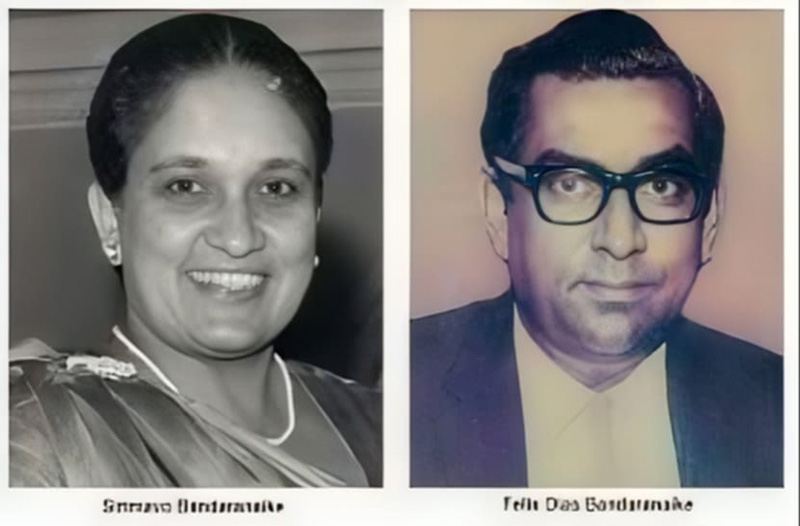
Governor General Gopallawa was a pillar of rectitude
(Excerpted from Rendering unto Caesar, by Bradman Weerakoon
Making speeches and preparing for them, was a constant occupational hazard for the prime minister and her staff. The international speeches were clearly the most important from a personal as well as country’s image-building point of view. Sirimavo gained immense credit from a statement she made in Belgrade at the Nonaligned Summit in 1961, when as the first woman prime minister of the world she used the phrase — As a woman and a mother, I call upon the nations of the world to desist from violence in their dealings with each other …’This phrase,was unique as no other world leader up to then could have used it, and was carried in headlines across the world giving Sirimavo and Ceylon a tremendous boost.
The trouble with great phrases is that once they are made, they cannot be used again, or if so, very sparingly. We faced this problem acutely in Cairo in 1964, at the next Non-aligned Summit. Once again, the drafting team was Felix, Glannie and myself Sirimavo had told us in advance that we must try to make it as powerful as the speech that she had done in Belgrade. We tried as hard as we could, but could not come up with any extra-bright ideas as we struggled through the draft for the rest day, a day before the opening. As a break from our labours, that afternoon we went to visit the Cairo Museum. It was eerie, being so physically close to the Pharaohs, dead and mummified, some three thousand years ago.
Late that evening we were still at it trying to find the magic breakthrough. At 9.30 that night Sirimavo peeped into the room on her way to bed and asked, “How are you doing? Have you found anything exciting to say?” At which point, Felix, at his most mischievous, softly said, “No, not yet Sirima. But how would you like to start it like this, now that you are in Cairo, As a woman and a mummy, I call upon, etc, etc.’ Sirimavo yelled at him, “Felix!” as if she could have strangled him and chuckling softly to herself, turned away closing the door behind her.
The Indo-Sri Lanka Agreement
The question of the citizenship rights of the Tamils of Indian origin who worked on the plantations was something always high on Sirimavo’s agenda. She was well aware of the political implications of the issue. She had personal knowledge of the condition of the people working on estates and the sad quality of their lives, from her childhood in the province of Sabaragamuwa, which had a large number of plantations in both tea and rubber. The Federal Party too, had included citizenship of the Indian Tamils as part of their basic four-point minimum agenda.
The Tamils of recent Indian origin, as a group, had been disenfranchised through the Citizenship Acts of 1949. They had little representation in Parliament, and since the 1950s had been represented only through one or two nominated members of Parliament. Soon after independence, in the first Parliament of 1947, they had had as many as 11 representatives in a House of 101 MPs. The legislation of 1949 had removed most of the Indian Tamil voters from the electoral lists in the up-country areas and their representation by Tamil members of Parliament had declined.
This had enabled, what were referred to as the `Kandyan electorates’, to be represented thereafter more by boomiputras – sons of the soil – rather than by representatives who were deemed to have only a marginal interest in Ceylon and a greater loyalty to India. This was the prevalent feeling among a section of the population who were proud to refer to themselves as Kandyan Sinhalese and the last to be brought under British rule in 1815. But, it had left behind a feeling of having been discriminated against, in the minds of the plantation Tamils and was to be a constant factor in their political agenda.
The Federal Party had been quick to make common cause with the plantation Tamils on this account using it as another example of the domineering character of the majority Sinhalese state.
Sirimavo realized that the critical issue in this very complex she had serious concerns, was to come to agreement with India on the specific numbers as to who would become Ceylon citizens and those who would become Indian citizens. On a visit to New Delhi in October 1964, she arrived at a historic settlement of this problem which had long evaded resolution. The Indo-Ceylon Agreement or the Sirima-Shastri Pact, it was popularly called, was undoubtedly the high point during this period of her two terms as the prime minister of the country.
I recall her telephoning me from Delhi to inquire what the reactions were in Colombo about the Agreement which stated that Ceylon would accept 300,000 of these persons as citizens. I believe she was bothered as to whether this number might be regarded as too large. I assured her that considering that there were at the time many as 975,000 persons of Indian origin in Ceylon and that India had accepted to take 525,000 as citizens of India, we had come out rather well in the negotiations.
It would mean in effect that for every four persons of recent Indian origin we took in as citizens, India would take seven. If the Agreement worked out according to plan around 15,000 persons of Indian origin would be repatriated annually over a spread of about 15 years. Things finally did not work out precisely as planned on schedule. But after a while, a regular flow of repatriation took place and the problem which had strained relations between India and Ceylon, and also become a domestic political issue for long, was resolved. It was one of the most notable political and diplomatic achievements that Sirimavo could take credit for.
Her personal touch in foreign relations
Sirimavo evinced great interest in events occurring around the world and brought a personal touch into her dealings with world leaders. Unexpected and dramatic change would affect her in a very personal way. I recall the evident sadness with which she spoke to me on the morning of President Kennedy’s assassination. Her thoughts were of the grieving widow, Jacqueline and the two children Caroline and John junior. It must have brought memories of what she herself had experienced in September 1959.
Frances Willis, the US ambassador had broken the news to her in the early hours of the morning. Frances was the first of a long line of female Heads of the Foreign Missions who came to be appointed for duty in Ceylon at the time on the assumption that they being female, would have easier entry to a woman prime minister than a male ambassador. It did not always work that way, but between Frances and Sirimavo, who were both very dignified in behaviour, there was an excellent rapport.
This certainly helped with all the actions we were taking at the time which were considered adverse to US interests, like the take-over of the oil distribution business which was then shared by the giant transnationals – Shell, Caltex and Mobiloil. At Kennedy’s death, Sirimavo wanted a well-drafted message of sympathy to Jacqueline Kennedy, which was sent by cypher to our ambassador in Washington for handing over. Similarly, the death of Feroze Gandhi, her friend Indira’s husband, also evoked a long and supportive letter of sympathy. She was very good about keeping in touch with her wide circle of friends abroad especially at moments of personal grief
President Tito and his wife Jovanka Broz were also special friends after the many occasions they had been together on the Non-aligned circuit. Yugoslavia was a favourite country of hers, and Sirimavo went as often as she could, both officially and privately, because there she had found a place for effective treatment of the knee problem which troubled her often. She liked the ‘alternative medicine’ method of therapeutic mud-packs, somewhat reminiscent of our own ayurveda which was practised in the clinic in Bratislava on the Adriatic coast. This was the only health problem that she had, throughout the four and a half years of her first premiership. I believe the lift at Temple Trees was installed at this time as she found it very painful, at times when the knee became inflamed, to climb the stairs to her bedroom upstairs. Once or twice, I even had to carry the official files into her room and she would attend to the papers quite cheerily, while propped up in bed.
Administrative Reform at home
Sirimavo made some important changes in public service administration both at the top and the bottom of the ladder. I had a feeling that Felix was very much behind all this. In 1963 after much consideration, the Ceylon Civil Service was abolished and replaced by the Ceylon Administrative Service constructed on broader recruitment base. The writing had been on the wall for a while. The primary reason for the change seemed to be that, Felix particularly, and a few of the other ministers, were not too comfortable with having their chief administrative advisors being people with their own individual minds and opinions.
They would have preferred less debate and more action once the political decisions had been taken. It was not so much obstruction, as the perceived continuing challenge to their authority, which was galling. How much easier it would be if one had more obedient, less intellectually inclined, and less argumentative people to take their orders and carry them out, seemed to be the basic reasoning which the Cabinet accepted.
There was some truth in these suppositions. The Ceylon Civil Service (CCS) which was very much an elite club with its own subculture, still tried to maintain the tradition of the impartial, learned, and omnicompetent advisor. Raw entrants to the service in the post-independence period, were increasingly academically brilliant young men coming in from the rural Maha Vidyalayas. But they were quickly schooled by their peers in the CCS who largely came from the traditional urban public schools, which had earlier produced the base of the service, into the ‘culture’, and became ofttimes stronger keepers of the tradition than their mentors.
After the political revolution of 1956 and the emergence of a new breed of politicians, all this had been under attack. The CCS seemed to be supremely indifferent to the profound changes going on, unless the changes affected their own interests. Radical change in the objectives and methods of governance were afoot. The accent being on delivering what the people at the grassroots wanted, and delivering it quickly. Felix seriously felt that many of the Ceylon Civil Service administrators were too ‘dyed in the wool’ in old-school ways and methods.
What he thought of them was that there was too much of the observance of the letter of the law and not enough sensitivity to the spirit of the new times. In a way there was much truth in what he was saying because the civil servants had the independence of doing things the way they wanted to because of the levels of education and achievement they possessed academically, and also since most of them had independent means. A civil servant was a prized catch for the daughter of a successful businessman or a rich land owner. There were many CC S men of acute intellectual brilliance who had been snared by very rich bus magnates or owners of vast acres of coconut and rubber land. Felix’s point was that with all this acquired wealth behind them would they be able to implement the programme of socialistic reforms the government had in mind?
So without much ado in 1963 all of us civil servants were given the option to retire immediately ‘on abolition of office terms’, or of retiring within the next 10 years on the same generous terms. Several of the older ones left pretty soon while some of the younger ones, like myself, remained to exercise the option at a later stage of our career. Similarly, Sirimavo with Felix’s help, made a strategically important structural change at the bottom of the administrative chain of the highly centralized structure of government in place at the time. This was the abolition of the office of the ‘Village Headman’ and his replacement by the more homely grama sevaka – the servant of the people.
The role of the Governor-General
The results of the general elections called by Prime Minister Sirimavo Bandaranaike in 1965 were inconclusive. The SLFP-led front had not obtained an outright majority of parliamentary seats. The UNP, among the parties that had contested, had won the most number of seats. Sirimavo who always wanted to scrupulously observe the rules and procedures asked me to prepare the usual letters of resignation of her government.
However there were other political forces at work attempting to persuade her to consider other options, before resigning. One such, put forward by Dr Colvin R de Silva, the astute legal brain of the LSSP, was to hold on and face a vote of confidence when Parliament met in ten days time. The debate was fast and furious and tempers ran high. As usual much was at stake. I recall very clearly the alignment of forces. Those of the Left were arguing for the prime minister to stay on, and let the issue be decided by
Parliament when it met. Others, mainly her family members, like her Private Secretary Mackie, Felix and Lakshmi Bandaranaike and James and Siva Obeysekere, were for her doing, what she wanted to do, which was to resign and allow the governor-general the opportunity to call whomever he thought could form a government, to do so.
The delay in the prime minister resigning was leading to unruly behaviour in the city. Outside in the city. Outside Temple Trees a crowd of people gathered at the gates in support of Sirimavo. I saw my university colleague, the diminutive Stanley Tillekeratne, then an SLFP back-bencher, orating before the restive crowd. Through all this William Gopallawa, the governor-general acted with impeccable integrity.
At times like these, the role of the governor-general in terms of the constitution came into its own. At normal times although the highest in the land protocol-wise, he had no effective power to act on his own. After a general election however, and one which was indecisive, he was endowed with wide discretionary power. He could in his discretion, when informed by the prime minister that she had resigned, summon a leader of a political party to form a government, if in his view that political leader could command the confidence of Parliament. He could also, in circumstances that nobody else could do, call on the resigned prime minister to try to win the support of other parties and produce proof that he/she could command the confidence of the House.
It was an excruciatingly difficult time for Gopallawa. It was Sirimavo who in the aftermath of the failed coup d’etat in 1962, and the removal of Sir Oliver, recommended his name to the Queen for appointment as governor-general. There were links of kinship between the Bandaranaikes and the Gopallawas. The other party, in the wings – the UNP – might deal harshly with him if they came in, since he had been appointed by the SLFP.
None of these considerations bothered Gopallawa when it came to doing his duty. During those critical hours when the country’s fate, hung in the balance as it were, Gopallawa was unshakable in his devotion to duty. Almost every hour he would call me to ask whether the prime minister had made up her mind. Once, in exasperation, he asked me whether he should send over Erskine May, the authoritative book on parliamentary procedure and practice, with the relevant portions highlighted. I begged for time.
I was being given a difficult time by the left members. They resented my advice to Sirimavo that she resign and leave it open to the governor-general to take the matter further. Finally Colvin ordered me to leave the room. I countered that I worked for the prime minister and would only leave if the prime minister asked me to do so. Sirimavo remained calm and said nothing. So I remained.
That night dejected and disappointed at the delay, my car was stoned as I drove down Cotta Road to my home in Rajagiriya. I announced tearfully to Damayanthi that I would be resigning the next day if there was not a proper outcome. Around seven the next morning I had a call from Mackie asking me to come to TT (Temple Trees) as soon as possible as the prime minister had decided to sign the letter. I got back to TT, had the letter signed and was coming down the stairs when I met a small group of those who had been trying to persuade the prime minister to stay on, coming up.
I ignored their rather black looks and went over to Queens House. Gopallawa was much relieved and immediately sent for Dudley to see whether he had the required majority. The hero of the story for me was Gopallawa. His had been a supreme act of patriotism; an act of loyalty to the state which transcended party, kinship and even personal obligation.


by Prof. M. W. Amarasiri de Silva
I have often pondered the factors that have allowed me to reach the age of 78, a milestone that stands in stark contrast to the shorter lifespans of the generations before me, with my father passing away at 68 and my grandfather at just 49. It is both a humbling and fascinating realisation to know that I am currently the longest-living person in my family’s known lineage, yet this milestone naturally invites a deeper reflection on how best to account for such a distinct disparity. A closer look at our familial history reveals the stark realities of earlier eras: my grandfather passed away in 1931, shortly before my father’s marriage, and my father ultimately succumbed to thrombosis in 1974. Yet here I am, decades later, still going strong at 78. Solving this puzzle of longevity requires looking beyond mere chance to consider the powerful interplay of generational advances in public health, modern cardiovascular medicine, shifting dietary and lifestyle habits, and the gradual reduction of environmental stressors across the decades. How, then, do these converging historical and medical shifts help us truly make sense of such a remarkable generational transformation?
Sri Lanka’s demographic journey
For more than a century, Sri Lanka’s demographic and epidemiological journey have served as a global paradigm for what can be accomplished when a nation prioritises social investment over raw economic output. Long before the term human development index gained currency in international policy circles, our island had already begun laying the groundwork for a public health system that was radically egalitarian in its design and astonishingly effective in its execution. In the decades immediately preceding and following independence, the narrative surrounding Sri Lanka’s medical achievements was anchored in the heroic conquest of acute mortality.
The rapid expansion of a free, state-funded medical network, the aggressive eradication of endemic malaria through widespread spraying and vector management, the introduction of universal childhood immunisations, and the relentless lowering of maternal and infant mortality rates collectively transformed a post-colonial tropical society into an outlier of longevity. When post-independence health planners first measured the life expectancy of the average Sri Lankan citizen in the mid-twentieth century, a newborn child could expect to live barely past fifty years. Today, robust demographic data confirms that average life expectancy in Sri Lanka has surged to nearly seventy-eight years, with women routinely living past seventy-nine—a figure that stands head and shoulders above our South Asian neighbours and rivals the health profiles of many high-income Western nations.
Yet, this extraordinary victory over acute infectious disease and early death has brought Sri Lanka face to face with a second, far more insidious health crisis. The very success of our twentieth-century public health campaigns ensured that millions of citizens survived childhood and mid-life infections, only to age into an environment increasingly characterised by urbanisation, dietary shifts, sedentary occupations, and psycho-social stress. As a direct consequence, the island’s disease burden has undergone a dramatic structural flip. Non-communicable diseases—specifically type 2 diabetes mellitus, essential hypertension, ischemic heart disease, cerebrovascular accidents, chronic kidney disease, and various forms of malignancy—now account for more than eighty percent of all deaths nationwide. For much of the past forty years, our healthcare infrastructure struggled to adapt to this shifting terrain. The legacy system, designed primarily to treat sudden, acute episodes of illness like respiratory infections, dysentery, or acute trauma, applied that same reactive logic to chronic condition management. Patients were conditioned to seek medical intervention only after a physical crisis had manifested—when severe retrosternal chest pain signalled a myocardial infarction, when unmanaged hyperglycaemia caused irreparable blurred vision or peripheral gangrene, or when a sudden ischemic stroke left a family patriarch or matriarch permanently paralysed. That era of reactive, crisis-driven medicine is finally ending, yielding to a quiet but profound revolution in how health is monitored, preserved, and restored.
Age of paradigm shift
We are entering the age of paradigm shift powered by the convergence of early molecular diagnostics, low-cost wearable health technologies, point-of-care digital sensors, minimally invasive surgical techniques, and advanced interventional cardiology. Modern clinical science is moving decisively away from the blunt rescue operations of the past toward a model of continuous, predictive risk management. Rather than waiting for organs to fail or arterial walls to rupture, contemporary medicine seeks to identify biological vulnerabilities at the cellular and metabolic level long before a single outward symptom appears. In doing so, it is not merely adding passive years to the human lifespan; it is fundamentally altering the biological trajectory of human aging in Sri Lanka, preserving physical autonomy, cognitive clarity, and productive vitality well into the twilight years.
To fully grasp the magnitude of this transformation, one must examine the devastating trajectory of type 2 diabetes in South Asia and how new diagnostic and monitoring tools are systematically dismantling its reign. For generations, metabolic disease was understood as an inevitable accompaniment of aging or an unavoidable genetic fate. South Asian populations possess a well-documented genetic predisposition toward central adiposity and insulin resistance at significantly lower body mass index thresholds than their Western counterparts. Historically, diabetes was detected through basic fasting blood sugar tests administered only when a patient presented with classic symptoms such as excessive thirst, frequent urination, or unexplained weight loss. By the time those symptoms emerged, however, subtle metabolic damage had already been accumulating quietly within the body for a decade or more. Microvascular damage to the retina and kidney glomeruli, along with macrovascular stiffening of the coronary and carotid arteries, had already taken root.
Timeline rewritten
Modern diagnostic protocols have completely rewritten this timeline. The widespread clinical adoption of Glycated Haemoglobin testing, alongside advanced assays measuring fasting insulin and homeostatic model assessment of insulin resistance, now allows clinicians to spot subtle metabolic dysregulation long before blood glucose levels breach the threshold of clinical diabetes or even standard prediabetes. Doctors can now inform a forty-year-old patient that while their blood sugar appears superficially normal on a standard panel, their pancreas is hyper-secreting insulin to clear that glucose—a clear warning sign that metabolic exhaustion is looming five to ten years down the road.
Even more transformative than early laboratory screening is the rapid miniaturisation and commercialization of personal monitoring technology, most notably Continuous Glucose Monitors. These small, water-resistant sensors, affixed painlessly to the upper arm, utilise microscopic filaments embedded in interstitial fluid to continuously record glucose concentrations twenty-four hours a day. Through wireless telemetry, they stream real-time glycaemic data directly to a user’s smartphone. For the first time in medical history, the invisible dynamics of human metabolism are rendered instantly visible to the individual. A user in Colombo or Kandy wearing a continuous monitor no longer must guess how a heavy lunch of refined white rice, a late-night sweet meat, or a forty-minute brisk walk affects their blood chemistry. They can observe the precise glycaemic spike in real time and watch how physical activity accelerates glucose clearance into muscle tissue.
This immediate biofeedback loop transforms the patient from a passive recipient of quarterly doctor’s orders into an empowered, active manager of their own biology. For individuals in the early prediabetic spectrum, continuous visibility provides the behavioural trigger required to implement targeted dietary modifications, stress management, and exercise routines that can completely arrest or reverse the progression toward overt diabetes. For those already living with diagnosed diabetes, continuous monitoring paired with modern pharmacotherapy—such as SGLT-2 inhibitors and GLP-1 receptor agonists that not only manage glucose but directly protect renal and cardiac tissue—drastically dampens dangerous glycaemic variability. By preventing severe spikes and nocturnal hypoglycaemic crashes, these technologies protect the delicate microvascular bed of the kidneys and eyes, virtually eliminating the tragic secondary complications of blindness and end-stage renal disease that historically plagued aging Sri Lankans.
A parallel revolution
A parallel revolution is unfolding in the management of systemic hypertension, the proverbial silent killer responsible for most stroke deaths and heart failure hospitalizations in our country. Hypertension is notoriously insidious because elevated arterial pressure causes no physical discomfort until catastrophic vascular damage occurs. For decades, the standard method for diagnosing hypertension was an opportunistic blood pressure reading taken with a manual sphygmomanometer during a sporadic visit to a hospital OPD or private dispensary. This method was notoriously fraught with diagnostic error. Patients frequently suffered from white-coat hypertension, where the stress of being in a clinical setting artificially elevated their reading, leading to over-prescription of medication. Conversely, others suffered from masked hypertension, where normal clinic readings concealed dangerously high blood pressure spikes during routine working hours or sleep.
The widespread availability of affordable, clinical-grade digital blood pressure monitors, smart wristbands, and ambulatory blood pressure cuffs has rendered sporadic clinic readings obsolete. Individuals can now capture comprehensive, multi-day home blood pressure profiles that accurately reflect their cardiovascular reality across morning, evening, and resting states. Automated smart wearables can detect subtle arterial stiffness and wave velocity trends, alerting users to early vascular aging long before persistent resting hypertension becomes established.
The clinical payoff of catching mild blood pressure elevations in their earliest phases is immense. Early lifestyle interventions, such as dietary sodium restriction, increased potassium intake through local produce, weight management, and low-dose antihypertensive agents like ACE inhibitors or calcium channel blockers, can easily reset arterial pressure back to optimal ranges. Maintaining arterial elasticity over decades prevents the hypertrophy of the left ventricle of the heart, preserves the delicate filtration barriers of the renal capillaries, and shields the cerebral vasculature from micro-aneurysms. Consequently, the incidence of devastating haemorrhagic strokes and vascular-dementia-induced cognitive decline—conditions that historically stripped elderly Sri Lankans of their dignity and independence—is declining among populations with access to early vascular management.
Interventional advancements
When cardiovascular disease does breach these early preventive barriers, modern surgical and interventional advancements ensure that an acute cardiac event no longer carries the death sentence or permanent disability that it did a generation ago. The field of interventional cardiology has evolved from major open operations toward extraordinarily precise, minimally invasive procedures. Half a century ago, a severe coronary artery blockage required open-heart surgery, complete with a sternotomy, heart-lung bypass machinery, weeks of intensive hospital care, and months of painful recovery. Today, through advanced transradial cardiac catheterization, an interventional cardiologist can enter the arterial system via a tiny puncture in the patient’s wrist under local anaesthesia. Utilising high-resolution fluoroscopic imaging, intra-vascular ultrasound, and fractional flow reserve technology, the cardiologist can navigate directly into the coronary vessels, clear the occluding atherosclerotic plaque, and deploy state-of-the-art drug-eluting stents to restore full myocardial perfusion within hours.
Moreover, surgical innovations have dramatically expanded the upper age limits of who can safely undergo complex structural heart procedures. Historically, an elderly patient in their late seventies or eighties suffering from severe aortic valve stenosis was considered far too frail to survive the trauma of traditional valve replacement surgery. Today, the advent of Transcatheter Aortic Valve Replacement allows cardiac teams to deliver a fully functional biological valve through a femoral catheter directly into the heart while it continues to beat. Similarly, electrophysiological breakthroughs—including tiny, leadless pacemakers implanted directly into the cardiac chambers and sophisticated implantable cardioverter-defibrillators—continuously monitor cardiac rhythm, firing micro-electrical shocks to instantaneously terminate fatal ventricular arrhythmias without any human intervention. These mechanical and surgical triumphs mean that a cardiac diagnosis in late life no longer signals an irreversible descent into bedridden invalidity. Instead, septuagenarians and octogenarians are routinely restored to functional physical capacity, walking, traveling, and living independently.
The convergence of these preventive diagnostic tools, wearable monitoring gadgets, metabolic therapies, and minimally invasive cardiac surgeries is driving a profound paradigm shift in how we conceptualise the aging process itself. For centuries, biological aging was viewed as an inescapable, uniform process of decay characterised by progressive frailty, multi-organ breakdown, and loss of functional independence. Today, geroscience—the study of the biological mechanisms driving aging—has demonstrated that the physical decline traditionally associated with old age is largely the cumulative result of unmanaged, low-grade chronic pathology. By systematically neutralising chronic hyperglycaemia, hypertension, sub-clinical inflammation, and vascular occlusion early in life, modern medicine is successfully decoupling chronological age from physiological decline.
Conceptual shift
This conceptual shift is best reflected in the growing clinical focus on healthy life expectancy, or health span, as opposed to raw lifespan. Life expectancy merely measures the total number of years an individual lives from birth to death; health span measures the number of those years lived in full physical health, free from chronic disease, functional disability, or severe cognitive impairment. Historically, even as Sri Lanka’s total life expectancy expanded during the late twentieth century, our average health span lagged significantly behind, creating a painful decade-long gap at the end of life spent battling chronic invalidity, reliance on family caregivers, and heavy financial burdens from constant hospitalizations.
By pushing the onset of chronic disease into the extreme final years of life—a phenomenon known in epidemiology as the compression of morbidity—modern health technologies enable citizens to preserve their vitality, cognitive sharpness, and muscular mobility well into their seventies and eighties. Older adults are no longer forced by physical frailty into early social and economic isolation. Instead, they remain active, productive participants in their communities, continuing to teach, write, advise, manage businesses, and contribute their accumulated wisdom to the nation’s social and economic capital. Aging in contemporary Sri Lanka is gradually ceasing to be defined by decline and dependency, evolving instead into a prolonged phase of active, self-directed life.
However, as we celebrate these triumphs of science and engineering, we must confront a critical societal question: how can Sri Lanka ensure that this revolution in longevity is democratised across all segments of our population, rather than remaining an exclusive privilege reserved for the urban affluent? Advanced continuous glucose monitors, high-end smart wearables, drug-eluting stents, and specialized interventional care carry significant financial costs. In a nation currently navigating complex economic recovery and tight fiscal constraints within the public health sector, there is a very real danger that a widening technological divide could create a two-tiered aging experience—where wealthy urban citizens enjoy healthy longevity while low-income and rural populations remain vulnerable to unmanaged chronic disease and premature death.
Bridging the gap
Bridging this gap requires an intentional, forward-looking public health strategy. The Ministry of Health’s ongoing expansion of Healthy Lifestyle Centres across island-wide primary healthcare networks represents an important step in the right direction. These centres must be equipped not merely with basic blood pressure cuffs and weighing scales, but with digital point-of-care diagnostic tools capable of measuring HbA1c, lipid profiles, and renal function markers instantaneously in remote rural clinics. Furthermore, public health policy must leverage our national mobile telecommunications infrastructure to deploy community-level digital health tracking. Telemedicine platforms, automated SMS health reminders, and subsidized digital monitoring devices distributed to high-risk individuals in rural agricultural and industrial districts can democratize preventive care, catching metabolic and cardiovascular risks in tea plantation workers and paddy farmers just as effectively as in Colombo executives.
Ultimately, the story of health in Sri Lanka has always been one of extraordinary resilience and institutional ingenuity. Just as our public health pioneers in the mid-twentieth century proved to the world that a developing nation could eradicate tropical diseases and achieve high life expectancy through free public education and universal healthcare, our contemporary medical system must now demonstrate that preventive longevity can be made accessible to all. The tools to detect disease before it strikes, to monitor bodily health in real time, and to surgically repair failing organs are already in our hands. By integrating these modern technologies into our public health fabric, Sri Lanka can ensure that the gift of long life is matched by the gift of enduring health, productivity, and human dignity for generations to come.

Tales of Mystery and Suspense 16:
I have thus far looked only at novels, but in recent years I have also read several short story collections full of suspense and mystery. The first of these that I will explore is by someone not usually associated with such work. Edith Wharton was rather known for her incisive stories about American high society in the 19th century, on the lines of Henry James, though she was brilliant and less convoluted .
She was not someone I had read in childhood, but for some reason I have on my shelves several books by her, though I cannot now recollect from where they were all collected, and when. Over the years I read several of the novels I have, and enjoyed them, but for some reason I do not think I took down The Ghost Stories of Edith Wharton, a comparatively slim volume, that had been tucked away amongst my children’s books.
I could recollect none of the stories, except for the last two, the plots of which came back to me as I began reading them. One was called ‘All Souls’’ and was about a lady who lived by herself and found one night that all her servants had gone away, leaving her alone in the house. She had broken her ankle that day and been put to bed, with strict injunctions not to move, but when her bell was not answered she had staggered up, to find the electricity not working and no one at home. The voice she heard in the kitchen turned out to be from a radio.
When she awoke on what she thought the following morning, she was told she had imagined things and the servants were all back in place, and it was only the same morning. I had remembered by then that the probable explanation was that the servants had all gone to celebrate a witches’ sabbath, for it was All Souls’ Day when the dead walk. What I had forgotten was that before she fell she had seen a woman walking up to the house, and when a year later she saw the woman again, she fled, to stay with her cousin, who narrates the story. She never went back to the house.
The last story in the book is more straightforward, about a young man who goes to stay with an explorer he had met, who has set up house in the desert. But his host is not there when Medford arrives, and he is looked after by his manservant Gosling, who said Almondham was due back any day. But he did not arrive, and meanwhile there was less and less water to drink, for Medford refused wine and there was no Perrier.
Meanwhile his bath water smells, and I then remembered that in fact Gosling had killed his master, though perhaps not intentionally, and put him in the well. The reason was that he had not been allowed any leave and, just when he thought Almondham would relent, he said he was expecting a visitor and Gosling would have to stay on.
But while this is no great mystery, Edith Wharton creates suspense by making Medford worry about whether Gosling is correct in telling him not to trust the Arab servants, who were likely to kill him if he went off alone with them. And though it is more and more obvious that Gosling has not told him the truth, Medford is sure of nothing, until he suddenly finds Gosling about to push him into the stinking well, though he then backs off.
These two stories, which I remembered, perhaps because they had been anthologized elsewhere, were the most compelling, though I did find almost all the others also quite readable. And almost all held one’s interest, with the suspense being maintained until the end – and beyond it sometimes since the stories were sometimes open ended.
Amongst the most gripping was the story of a man who decided to visit the sister, who lived alone in Brittany, of an old friend. But when he got to a darkened house, he suddenly remembered that he had been told the woman had died. So he is quite convinced, when an old woman lets him in, and he is confronted by a shadowy figure on the stairs, that this is a ghost.
She begs him to stay, for she says she has felt appallingly lonely since she died, but he finally breaks away and flees. But when he tells the sister this, and says he is sorry he had not visited the grave, for she had wanted to be buried in her garden, he is told that she had not died, but only had a cataleptic fit, from which she had recovered.
Several other stories deal with adultery, or affection for a man, on the part of a woman treated badly by her husband. These stories, it is suggested, reflect Wharton’s own situation, for the man she married was serially unfaithful and not at all sympathetic, and they parted company. But women were expected to uphold rigid standards of behaviour, and many of Wharton’s heroines suffer accordingly.
The most dramatic of these involves a woman who meets her lover in a crypt, which her husband walls up, with a statue of her he has commissioned, the face of which breaks up to indicate the grief that overcame her. I have read similar outcomes in stories by Balzac and also Nirmali Hettiarachchi, adapted by the latter, but only here does stone change shape to express the grief that led to the deaths of all the women.
In another story a husband strangles a dog a woman lavished love on since she was alone, with a necklace he had given her and which she passed to an admirer, a necklace the husband had somehow got back. He then strangled all other dogs she paid attention to, but one night when she went down, the man who loved her having come back, to warn him that her husband was home, she heard him being attacked at the top of the stairs by the ghosts of all the dogs. And since dog bites were seen on the dead body, she was acquitted of the charge of murder which had been brought against her.
There are tales too of possession by dead women, one ending in an exorcism, the other with the husband vanishing, after getting letters from his dead wife, leaving his new wife and her mother dimly understanding what has happened. All these denouements are, if not as dramatic as in the last two stories, memorable, which is why I have little doubt this is the first time I read these other stories. And they serve to emphasize the talent of a remarkable woman, who made a life for herself away from the conventions of American society.

A memoir by Thamasha Abeynaike
Glancing at the phone for a photo before the start of the first charter flight of the day, I noticed the time was 11:11. It seemed like a nod from the universe that this was bound to be a memorable day — and the 27th of December 2021 didn’t disappoint.
Capt. Gihan Fernando (Capt. GAF) greeted us at the hangar and after a reminder to me, as an observer on the flight, to ‘Take lots of photos!’, we waved him goodbye.
After a flawless sector from Ratmalana to beautiful Sigiriya, PIC Capt. Dinindu Ruwanpathiranage (Capt. Dinny) taxiied onto the apron and we awaited the arrival of our passengers for the next sector : Sigiriya to Koggala.
To say we were blessed with the most relaxed and understanding couple as passengers for this sector would be an understatement.
Wassim and Marya, who are now an indescribable part of our aviation lives, shared their plans of a beautiful vacation on the coast of Weligama.

Landing Site — Circled in Red, Attempted Runway — On Bottom Left of picture
Personally, I was excited for my favourite approach in Sri Lanka — the approach into Koggala Airport — bordered on one end by the beach, and the other by the Koggala Lake.
Our take off from Sigiriya was at sharp 13:00h and our lives were shaken within the next 52 mins.
While overflying Kurunegala, and following a descent down to 5000ft MSL, the engine of our trusted 4R-GAF Cessna 172 aircraft started to run rough. Following troubleshoots and after our trained procedures, Capt. Dinny diverted to Katunayake International Airport.
-

- Pre-Takeoff at Ratmalana Airport : Photo by Author
The Italian phrase “Cadere dalle nuvole” (direct translation : ‘to fall from the clouds’) — means “When you’re forced to face the reality.”
We are trained in Forced Emergency Landing Procedures throughout our flying careers countless times. I, myself, have chatted to my friends over numerous dinners about aerodynamics and emergency procedures. However, when the actual engine of your aircraft is giving up on you, there is no definite prediction of descent rate and glide range.

At Nawaloka Hospital Colombo : Photo by Channa

Sigiriya Airport Apron : Photo by Wassim
We ran through the emergency procedures many times with one of our ever supportive passengers, Wassim, mentioning, ‘We will not disturb you. You guys get us down safely.’ No better words could have been spoken and a confident voice echoed in my head ‘We’re all going to be safe’.
While perfectly lined up with a cleared runway at Katunayake Airport and with Capt. Dinny talking to and working with a misfiring engine, the engine of our C172 finally completely shut down at 200ft.
This is a testament to the indefinable skill of Capt. Dinny — to make a split second decision to abandon the approach and turn to a paddy field on his right, upon which we touched down beautifully at an impressive speed of 55knots at 13:52h.
Unfortunately, while slowing down in the mud, the aircraft collided with a concrete road which was slightly raised from the field level.
Zoom image will be displayed
I am forever grateful for this sequence of events, as Capt. Dinny’s skill and the thought of keeping the nose raised throughout the landing roll, saved us from being crushed by the instrument panel collapsing onto us.
Six months later, we have
physically recovered.
After listening to the stories of hearing this news and rushing to our side — from our families, friends, students to the aviation community — I can only sum it all up to one word : Grateful.This redirection was a blessed awakening to the true value of life and what potential a great training, instinct and a calm mindset hold in this beautiful field of aviation.

Thirty-six naval personnel pass out on successful completion of Marine training

Ex-White House teleprompter operator ordered to pay $172,000 for Trump speech bets

Rescuers on high alert for signs of secondary landslides

More than 600 killed in Nepal flood as search for survivors enters fourth day

Norway mourns King Harald as Haakon VIII ascends throne

Trump announces ‘biggest oil deal in world history’ with Venezuela

‘Dates have the highest sugar content to fight Coronavirus’

Sunday Island 27 December – Headlines

#SundayIsland 17th December – Headlines

Sunday Island – 28th March

Sunday Island Headlines – 21 March

Sunday Island – 21st February – Headlines
-
 Features7 days ago
My secondary schooling after Royal Primary
-
 Features7 days ago
From the First to the 22nd: A short history of Amendment Politics and Reform Frustrations
-

 News5 days ago
Missing doctor’s body found in Mahiyanganaya
-
 Features7 days ago
How Shelton Kodikara became first Professor of International Relations
-
 Features7 days ago
How St. John’s College Shaped Panadura for 150 Years
-
 News5 days ago
Australia declines to release Finance Secy Suriyapperuma’s citizenship details
-
 News7 days ago
Ex- Atamasthanadhipathi uses Magistrate’s gate to enter court
-
 News5 days ago
22A: BASL suggests CJ recuse himself from hearing petitions