
News
Prez warns rogue elements in police, armed forces

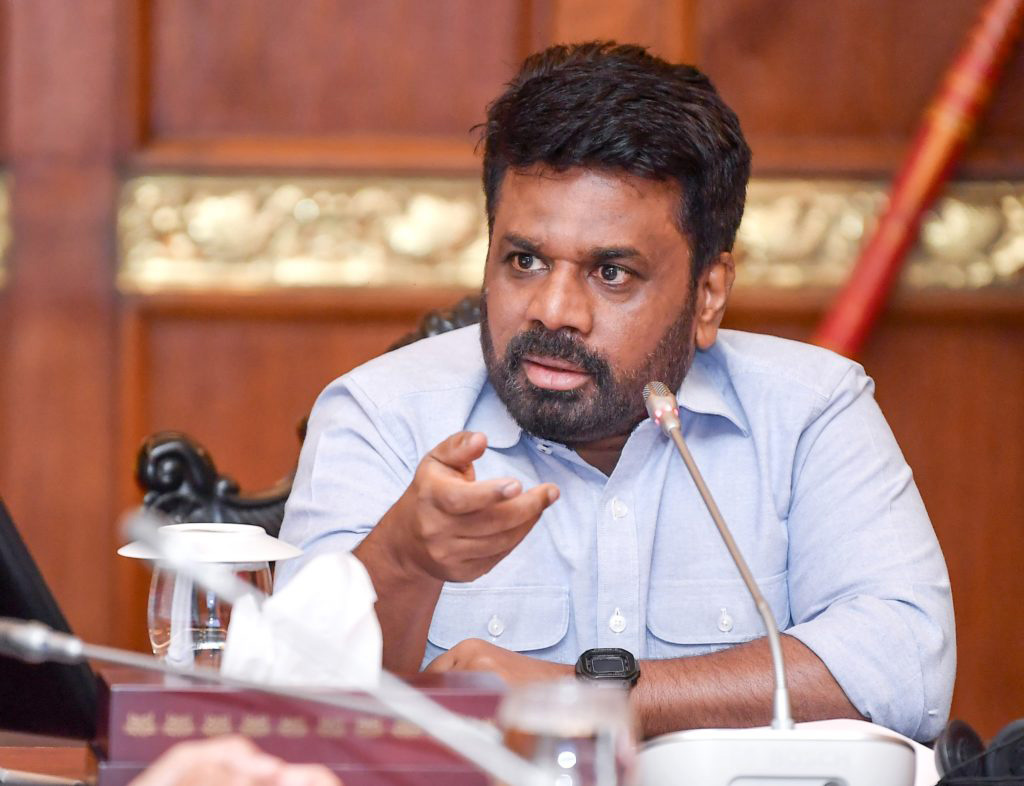
Launch of national anti-narcotics drive
President Anura Kumara Dissanayake yesterday warned police and military officers involved in narcotics deals to leave the service immediately. No such rogue elements would be spared, he said.
Speaking at a ceremony held at the Sugathadasa Stadium in Colombo to mark the launch of a countrywide anti-drug operation, under the theme ‘Nation United – National Drive’ yesterday morning, President Dissanayake said that despite the dedication of many in the police and military, a “black state” — a network of corruption and crime — was emerging because of the actions of a few:
“Some immigration officers have issued passports to underworld leaders. Because of such actions, the state has become vulnerable to decay. Though not as strong as the official state, the underworld has built a parallel system of power. This black structure must be destroyed. There cannot be two states in one country — only one state can exist, one established by the democratic will of the people.”
President Dissanayake warned that the criminal network was attempting to infiltrate politics:
“These forces are now entering political parties — becoming candidates, chairmen, and even contesting elections. What began as an effort to protect political power has turned into an effort to dominate it. This has spread into the very roots of governance, aided for years by political blessings.”
President Dissanayake stated that some senior state officials have also been involved in these criminal operations, but vowed that decisive action would be taken:
“There is a strong public expectation that we will end this. Some police officers may have been complicit, but the current IGP and senior officers are working tirelessly to eradicate this menace. This is a time when the highest number of officers in police history have been suspended for misconduct.”
The President called on all state officials involved in such networks to immediately step away, warning that no one would be shielded.
The drug menace must be defeated to ensure social stability in the country and that the steps taken by himself and the government in this regard will undoubtedly lead to victory, he said.
President Dissanayake said that narcotics have turned into a deep deceptive trade that has gripped the nation and that he is taking action to defeat it. The President further noted that children, the general public and the entire country are becoming victims of this deceptive trade.
Meanwhile, the President pointed out that the younger generation has become the biggest victim of the drug crisis and that the destructive storm is now spreading from village to village across the country.
“When a child is born, parents are filled with hope. But today, many parents are forced to watch their own children being destroyed before their very eyes. Mothers suffer deeply and become isolated from society,” said President Anura Kumara Dissanayake, addressing the nation during the launch of the program — a new government initiative to eradicate the drug crisis.
The President revealed alarming details about the scale of the drug trade: “Each year, we intercept around 800–900 kilograms of narcotics. But we must realize that this is only a fraction of what actually enters the country. If we were seizing everything, more wouldn’t be coming in. What we seize is small compared to what circulates freely. This trade moves vast sums of money, creating a massive black economy. It has now become a major criminal enterprise, with internal conflicts among groups fighting over control of the market. The recent shootings we’ve seen across the country are all tied to this drug network.”
The President went on to explain how organized crime has infiltrated state institutions, including the military and police:
“Some of the firearms used by these groups come from our own state weapon stockpiles. Reports show that 73 T-56 rifles went missing from army camps — 35 have been recovered, but 38 are still in criminal hands. Even a senior army colonel has been found supplying ammunition in exchange for money. Some police officers have sold their own weapons and fled. These are state-owned firearms. The question is: how did they end up with armed gangs? This shows that organized groups, empowered by financial might, have managed to penetrate the state machinery. We cannot continue to ignore or hide this situation any longer.”
The President also outlined plans to rehabilitate those addicted to drugs, especially among youth and students:
“To rescue the youth who have fallen into drug use, we need to build a culture based on sports, music, and creativity. Rehabilitation is our responsibility as a society. Voluntary rehabilitation centers have already been established and I urge parents to bring their children there.”
He also announced the creation of a National Operations Center uniting Customs, Immigration, the Motor Traffic Department, the Armed Forces, Intelligence Services, and the Police — ensuring that no one involved in drug trafficking can flee the country.
“This is not their country anymore,” he said firmly, adding that religious leaders and the media would play a vital role in guiding and informing society:
“The media bears the responsibility of communicating this message to the public with integrity. Media organizations have already expressed support for this mission.”
Finally, the President noted that many criminal investigations in Sri Lanka have been hindered by political protection:
“Behind almost every unsolved crime lies political interference — not police inefficiency. But that political power is now over. The police are working bravely despite risks. Some criminals are even operating from inside prisons. Yet our officers continue this mission despite threats.”
Concluding his address, the President called for national unity in the fight against drugs:
“It’s time for all of us to come together — as one nation. This battle cannot be won by individuals, the government alone, or even the police. Everyone must unite. Those dealing in drugs must immediately step away. Together, we will build the strongest movement against this deceptive storm. We will destroy it and free our children, our society, and our nation from its grip.”


CIABOC urged to deal with NPP the way it dealt with Mahindananda, Nalin
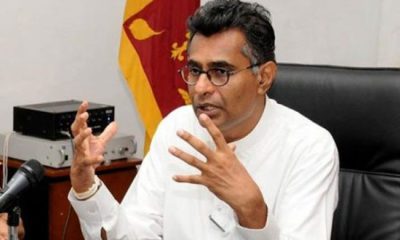
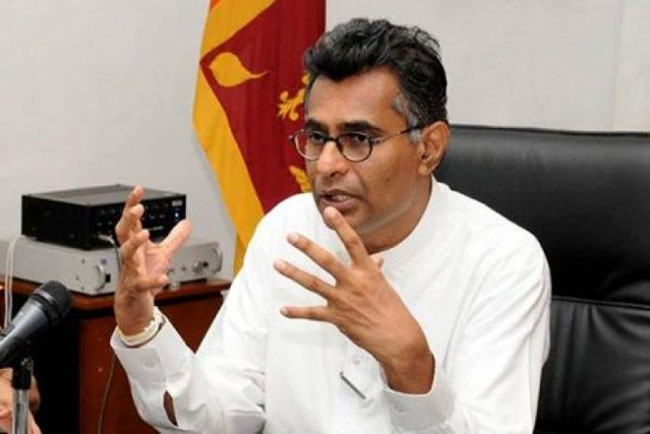
Declaring that large-scale premeditated coal import fraud had caused massive losses, ex-Minister Patali Champika Ranawaka has urged the CIABOC (Commission to Investigate Allegations of Bribery or Corruption) to deal with it, the way former Ministers Mahindananda Aluthgamage and Nalin Fernando were dealt with.
The Colombo High Court Trial-at-Bar sentenced Aluthgamage and former Sathosa Chairman Fernando on 29th May, 2025, for 20 and 25 years RI, respectively, for committing the offence of corruption by procuring 14,000 carrom boards and 11,000 checkers boards, through Sathosa, to distribute to schools and sports clubs selected by the Sports Ministry, and distributing them to party offices of the government during the 2015 Presidential Election, thus causing a loss of over Rs. 53 mn to the government.
Ranawaka, in a statement posted over the weekend on social media, based on documents furnished to Parliament by the CEB recently, declared that the procurement of substandard coal through an Indian company, faulted for money laundering, has so far resulted in a staggering loss of Rs 1,759 mn.
According to the former Colombo District lawmaker, the losses had been brought down to Rs 1,759 mn after the supplier compensated the government to the tune of Rs 1,037. Pointing out that the losses had been estimated at Rs. 2,796 before the supplier was fined, Ranawaka emphasised that the losses mentioned in CEB documents pertained to four shipments of inferior quality coal.
Ranawaka who had been at the forefront of anti-corruption campaigns over the years said that the government reached an agreement with the controversial supplier and so far only six of the 25 coal shipments were received. Based on the losses so far accrued due to the use of inferior quality coal at the Norochcholai Lakvijaya coal-fired power plant, Ranawaka pointed out gravity of the situation.
Commenting on the penalties imposed on the supplier, Ranawaka said that as he had secured shipments at a much lower cost-perhaps USD 30 to 40 per ton less than the usual rate, paying compensation wouldn’t have been an issue.
The former parliamentarian flayed the CIABOC for its failure to investigate the coal fraud in spite of several complaints lodged with it. Ranawaka warned that the country would have to face the consequences of using what he called low-grade coal. The damages to the plant would have to be estimated later, Ranawaka said, while underscoring the importance of using coal aligned with the plant design.
The Island received a copy of letter CEB General Manager Engineer K.S.I. Kumara sent to the Secretary to the Energy Ministry that exposed the procurement of low-quality coal.
Alleging that President Anura Kumara Dissanayake and the entire cabinet of ministers should be held responsible for the procurement of low-quality products knowing the consequences, Ranawaka underscored the need to identify all those who benefited from the coal deal. The ex-lawmaker questioned the possibility of the coal deal being part of a money laundering project.
Ranawaka said that the powers that be wanted 7.5 mn electricity consumers to bear the losses resulting from the corrupt deal. Having repeatedly promised to slash electricity tariffs substantially, the government was now aiming to crease tariffs by 13.5 percent. Hapless Sri Lankans were charged higher rates at a time crude oil and gas were low in the international market, he claimed.
Ranawaka urged the public to protest while calling for an organized campaign to highlight the corruption at the highest levels of the incumbent dispensation. Ranawaka said that slapping of fines proved that coal shipments hadn’t met the stipulated specifications and all attempts by the current dispensation to shield those responsible failed.
At the onset of his statement, Ranawaka said that the government entered into this corrupt coal deal in spite of the Attorney General’s Office advising them to do away with slack procedures in place during the economic crisis.
Following a recent visit to the power stations, former UNP Deputy Minister Ajith P. Perera, who is also a member of the Constitutional Council eclared that the coal scam had been confirmed. “The biggest tender under the NPP government is corrupt,” the attorney-at-law alleged.
By Shamindra Ferdinando
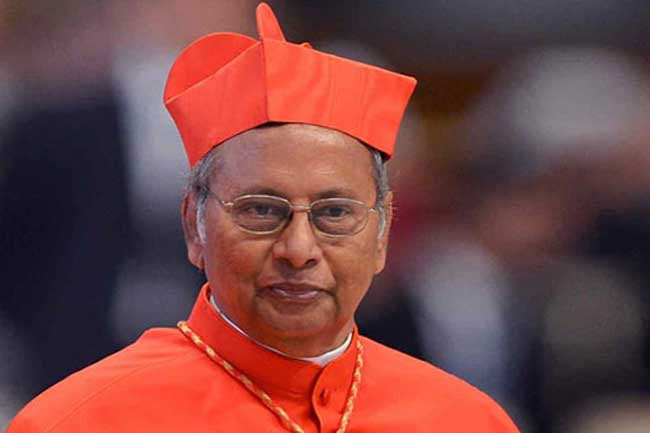
The Archbishop of Colombo, Malcolm Cardinal Ranjith, has voiced concern over what he describes as the growing disintegration of family structures in Sri Lanka, warning that the erosion of marriage poses a serious threat to society.
Addressing devotees at the annual feast of Our Lady of Lourdes Church, in Kalutara, on Saturday, the Cardinal said the collapse of family life in the country was spreading “like a dangerous epidemic.”
Emphasising that the family was the smallest unit of society, he noted that the strength of the broader community depends on the stability of the home.
“The greatest destruction of our time is the systematic breakdown of family life,” Cardinal Ranjith said. “In Sri Lanka today, this has spread like a dangerous epidemic. Many young couples enter marriage driven only by emotions, appearances, attraction, or momentary happiness, and soon abandon it without meaning. Marital life has become a game for many, devoid of any real purpose.”
The prelate stressed that marriage forms the foundation of society and that a successful marital relationship leads to a stable and thriving family. According to the teachings of the Catholic Church, he added, a strong and faithful family life was essential not only for a healthy society but also for the Church to function as a spiritually vibrant institution.
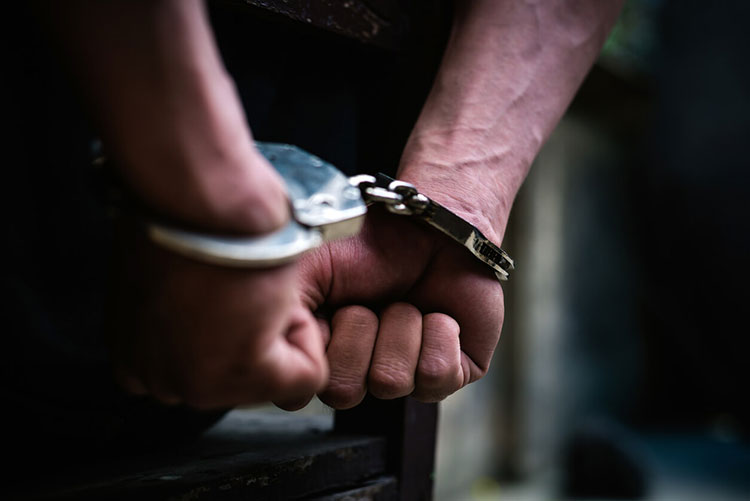
Three main suspects have been taken into custody in connection with the shooting and murder of lawyer Buddhika Mallawarachchi and his wife Nisansala Mallawarachchi in front of a supermarket at Akuregoda, in Thalangama, police said.
The suspects allegedly supplied the T-56 rifle and pistol used in the attack to the hired killers, reportedly under the coordination of the brother of the underworld figure known as Modara Nipun.
Police discovered the vehicle, used by the assassins, set ablaze on Saturday night (14) at Agaliyamulkada, in Baddegama. Ten police teams, including the CID and special task force, are conducting investigations into this high-profile double murder.
Preliminary inquiries indicate that the killing was orchestrated by an organised gang under the direction of underworld leader Karandeniye Sudda, also known as Jayalath de Silva. The lawyer, who had represented several cases on behalf of Karandeniye Sudda and reportedly provided information to a rival known as Lokupeti, is believed to have been targeted for this reason.
The attack occurred on 13 February around 5:00 pm. The couple had returned to their vehicle after visiting the supermarket when a group of hired assassins blocked their car from another vehicle and opened fire. Two gunmen fired approximately 15 shots from a T-56 rifle and a pistol, killing the lawyer and his wife instantly before fleeing. Investigators say the assailants escaped via Homagama, Pothuarawa, Athurugiriya, Kottawa, and Makumbura.
Buddhika Mallawarachchi, a resident of Pitigala, Galle, lived with his wife in the Poré area of Athurugiriya. Investigations reveal that he had represented several underworld figures, including on the day of the attack for a case linked to the Club Wasantha murder incident.
Police reports indicate that Karandeniye Sudda, a fugitive from both law enforcement and the military, remains abroad while allegedly continuing to direct criminal operations in Sri Lanka.
The Bar Association has issued a statement strongly condemning the murders and said it is discussing next steps to address the incident.
The ongoing investigation is under the direct supervision of IGP Priyantha Weerasuriya, with oversight from Western Province Senior DIG Sanjeewa Madawatta, DIG Samantha Wijesekara, and SSP Mangala Dehideniya.
by Norman Palihawadana and Hemantha Randunu

England face unexpected test of nerve in Italy showdown

Winless Afghanistan look to keep slim hopes alive against upbeat UAE

Showers expected in the Central, Western, Sabaragamuwa, Southern and Uva provinces and in Ampara and Batticaloa districts

Patali: Four out of 25 low-quality coal shipments caused Rs. 1,759 mn loss

Cardinal warns of ‘epidemic’ breakdown of family life in Lanka

Three suspects arrested in double murder of lawyer and wife in Thalangama

‘Dates have the highest sugar content to fight Coronavirus’

Sunday Island 27 December – Headlines

#SundayIsland 17th December – Headlines

Sunday Island – 28th March

Sunday Island Headlines – 21 March

Sunday Island – 21st February – Headlines
-
 Life style1 day ago
Marriot new GM Suranga
-
 Midweek Review5 days ago
A question of national pride
-
 Business5 days ago
Autodoc 360 relocates to reinforce commitment to premium auto care
-
 Features1 day ago
Monks’ march, in America and Sri Lanka
-
 Opinion4 days ago
Will computers ever be intelligent?
-
 Features1 day ago
The Rise of Takaichi
-
 Features1 day ago
Wetlands of Sri Lanka:
-
 Midweek Review5 days ago
Theatre and Anthropocentrism in the age of Climate Emergency