
News
President-toppling Sri Lanka activist girds for new revolt

By Amal JAYASINGHE
A Sri Lankan jail witnessed a rare moment of accord last year when both prisoners and guards clamoured to greet its newest inmate: the man who toppled the island nation’s president.Student leader Wasantha Mudalige remains lionised by many for channelling public anger at an unprecedented economic crisis into a movement that shook the foundations of Sri Lanka’s political system.
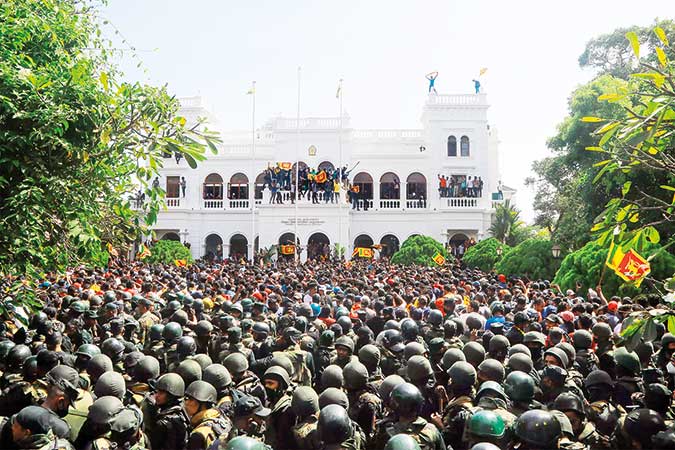
At the height of last summer’s unrest, he helped spearhead a siege of government buildings in Colombo that saw once-loved president Gotabaya Rajapaksa chased into a humiliating exile.The 29-year-old, whose cherubic face belies his history of fierce confrontations with riot police, spent months behind bars on terror charges for his efforts.
“We had a very warm welcome,” Mudalige told AFP outside a court appearance in June, while recounting his arrival at jail alongside two confederates.
“Even the prison guards were very supportive. They saw us as the heroes who got rid of Gota.”
Mudalige said his incarceration was a necessary “sacrifice” in the unfinished battle to reform Sri Lanka’s political system.Now free on bail, he said lingering economic woes have left Sri Lanka bristling with discontent, frustrated with its new president — and ready for another revolt.
“Although we got rid of Gota, we have not been able to win the ‘system change’ that we demanded,” Mudalige said.
“We don’t think the government can go on for long,” he added. “When you analyse the situation, there is no way the government can continue.”
As head of the Inter-University Students’ Federation (IUSF) at the time, Mudalige stood at the forefront of last year’s street protests.Alongside him was a broad coalition of saffron-robed Buddhist monks, minority activists and ordinary citizens outraged by government corruption and mismanagement of the island’s worsening economic tailspin.
“They had no alternative but to take to the streets because they had no fuel, no food, no electricity… people were dying in petrol queues,” Mudalige said.
In July the IUSF and its allies laid siege to the Presidential Palace in Colombo.Rajapaksa, once lauded by the island’s Sinhalese majority for helping crush a decades-long Tamil separatist insurgency, was forced to evacuate the residence through a secret backdoor and temporarily fled the country.
Protesters streamed through the compound, gaping at its opulent furnishings and frolicked in its pool in the revelry that followed.
Rajapaksa’s successor, Ranil Wickremesinghe, quickly sought to restore order by directing police to arrest the movement’s leaders.Mudalige was caught in the dragnet the following month when police snatched him off the street as he left a demonstration against the crackdown.
He spent 167 days in custody, the longest stretch of detention of all those who participated in last year’s revolt.The most serious charges against him were eventually dropped after Amnesty International and other rights groups condemned his jailing.
Wickremesinghe has sought to restore Sri Lanka’s ruined finances with an International Monetary Fund bailout that commits his administration to an austerity programme.
The chronic food and fuel shortages that inflamed public anger last year have since ended as the government reined in public spending.But steep tax hikes, and the end of generous subsidies on electricity and fuel, have been deeply unpopular.Wickremesinghe says the reforms are necessary to bring Sri Lanka out of bankruptcy and restore economic growth.
He pledged in February to press ahead “regardless of the obstacles that anarchist political forces seek to create”.
His administration has maintained a tough line against protests, with periodic demonstrations quickly dispersed by tear gas and water cannon trucks.Mudalige said his detention and that of other protest leaders was an effort by the government to forestall a repeat of last year’s unrest.But he warned the public’s frustrations over the spiralling cost of living would inevitably bring people back to the streets, unbowed by the threat of violence.
“The government is using the police and the military to suppress any dissent. It is like pressing down a rubber ball in a basin of water,” he said.
“You can’t do it for long. It will inevitably bounce to the top.”










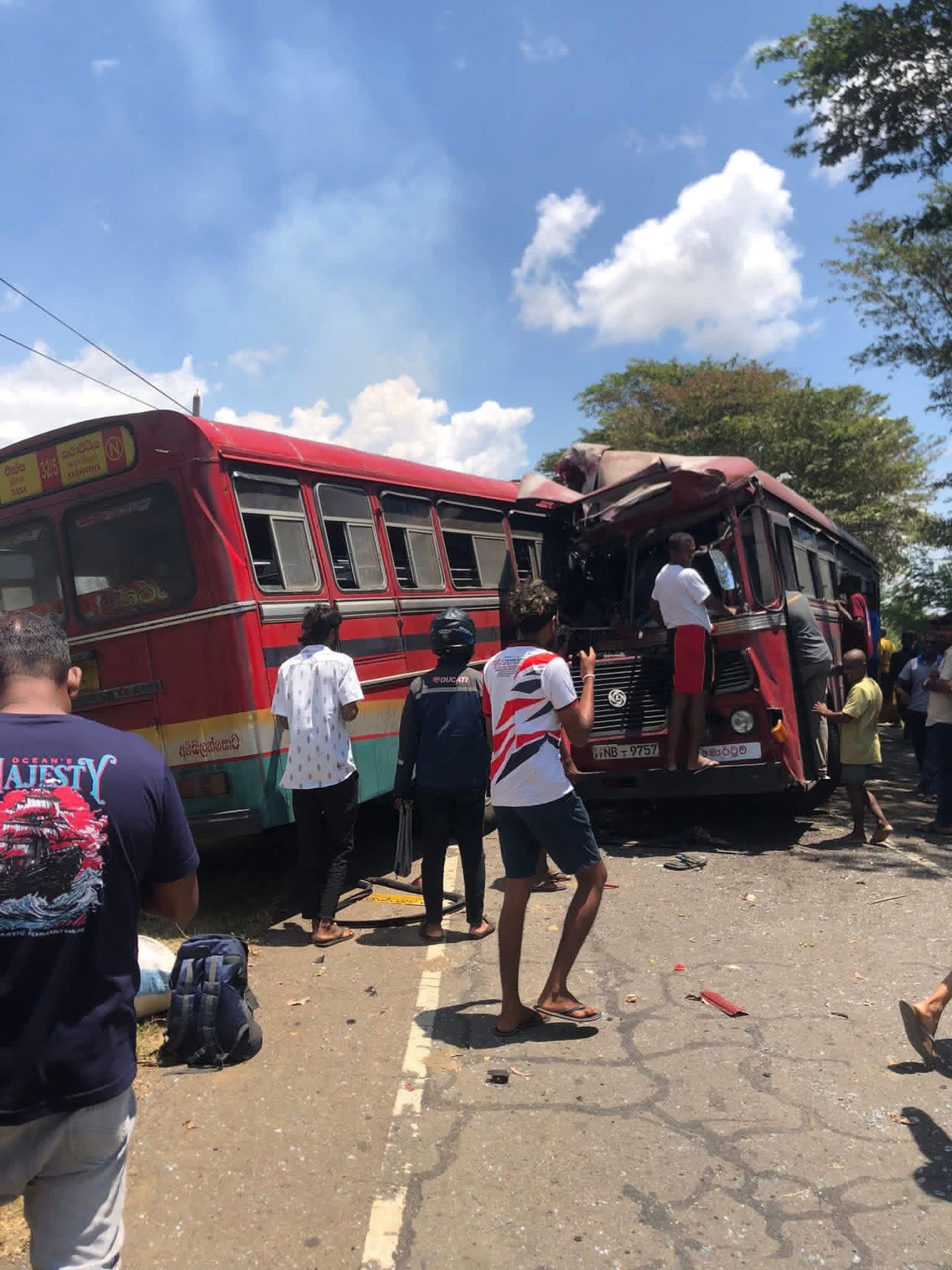
Four persons including a Budhist monk died and 32 others were injured when two SLTB buses collided head on at Weerawila at arond 12 noon today (18).
Three of the deceased were women. 22 of the injured were admitted to the Hambanthota Hospital while 10 others have been admitted to the Debarawewa hospital.
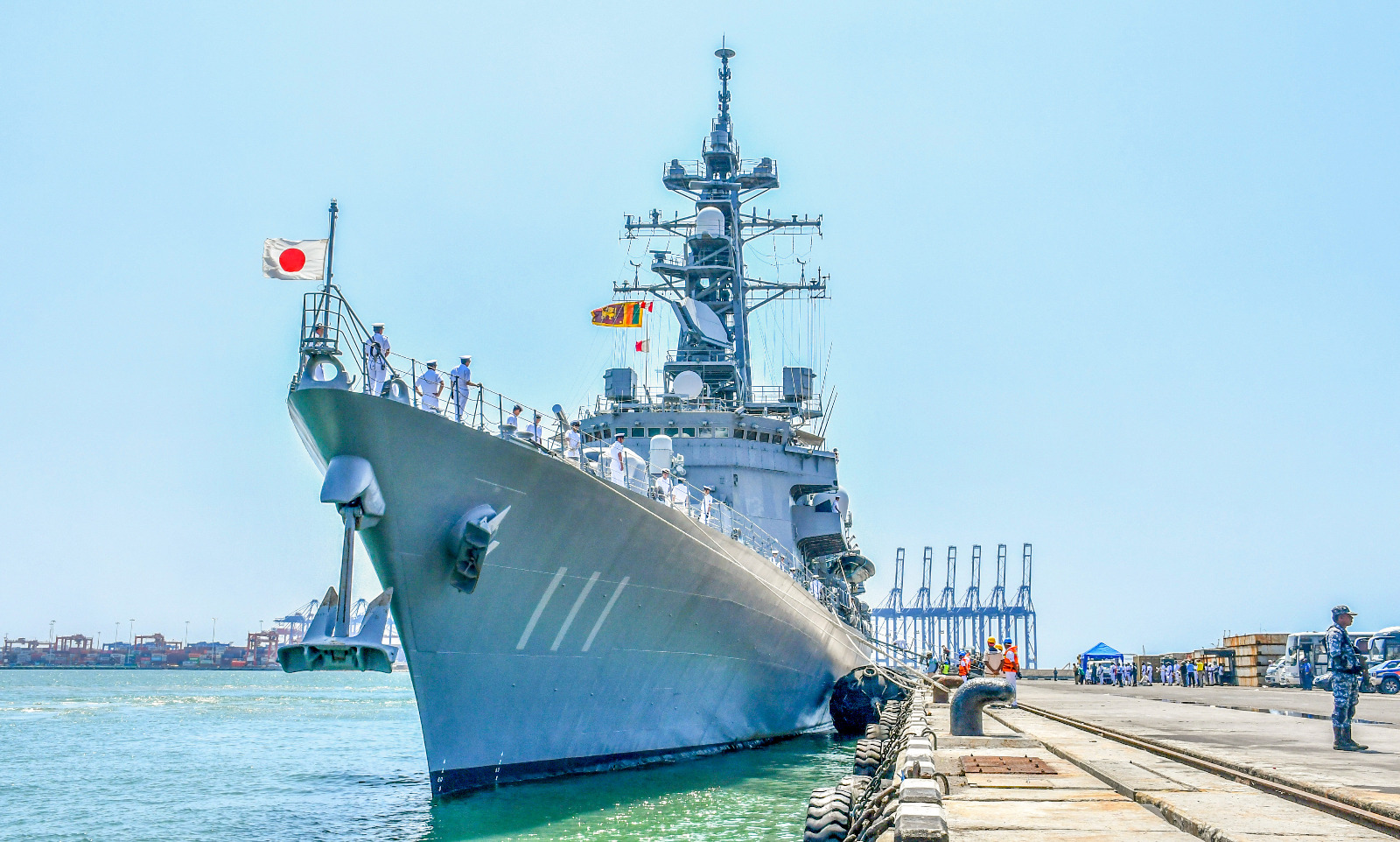
The Japan Maritime Self-Defence Force (JMSDF) ship OONAMI which arrived at the port of Colombo on a goodwill and replenishment visit on 09 Mar 26 departed on 11 March.
The departing ship was given a formal farewell from the Sri Lanka Navy, in keeping with naval traditions at the Port of Colombo.
The 150.5m long JMSDF OONAMI is commanded by Commander IIO Hiromasa.
During the stay in the island, crew members of the ship explored some tourist attractions in Colombo. The itinerary also included a coastal clean-up drive participated by naval personnel of both countries and engagements with the Sri Lanka Navy, designed to strengthen the bonds of friendship and cooperation.
The Central Cultural Fund established under the provisions of the Central Cultural Fund Act No. 57 of 1980 is responsible for development of cultural and religious monuments in Sri Lanka, settling the expenditure borne for development, renovation and conservation of local and foreign cultural monuments, awarding financial donations for artisans as well as awarding those who served the nation in the fields of culture and religious sectors.
The said act has been passed in Parliament 45 years back and, the requirement to revise the provisions of the act according to the contemporary requirements haa been recognized.
Accordingly, the Cabinet of Ministers granted their policy
approval to amend the said act, considering the resolution furnished by the Minister of Buddhasashana, Religious and Cultural Affairs.

SriLankan Airlines Alerts Customers to Social Media Scams

Four dead 32 injured in head on collision at Weerawila

JMSDF ship OONAMI concludes goodwill visit

Cabinet nod to amend Central Cultural Fund Act No. 57 of 1980
’National Namal Uyana’ declared as a National Heritage
Establishment of Supervisory Committees for restoring economic activities.

‘Dates have the highest sugar content to fight Coronavirus’

Sunday Island 27 December – Headlines

#SundayIsland 17th December – Headlines

Sunday Island – 28th March

Sunday Island Headlines – 21 March

Sunday Island – 21st February – Headlines
-

 News7 days ago
Historic address by BASL President at the Supreme Court of India
-

 Sports7 days ago
The 147th Royal–Thomian and 175 Years of the School by the Sea
-

 Business3 days ago
Browns EV launches fast-charging BAW E7 Pro at Rs. 5.8 million
-

 Life style4 days ago
From culture to empowerment: Indonesia’s vision for Sri Lanka
-
 News7 days ago
Power sector reforms jolted by 40% pay hike demand
-

 Latest News4 days ago
QR code system will be implemented for fuel with effect from 06.00 a.m. today (15th)
-
 Opinion6 days ago
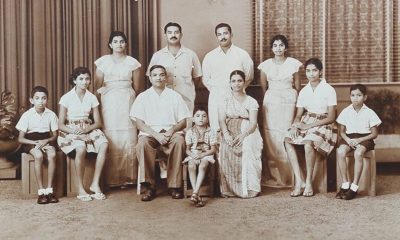
M. D. Banda: Memories of Appachchi – II
-

 News2 days ago
Australian HC debunks misleading travel risk claims for Sri Lanka