
Life style
Polished to Perfection

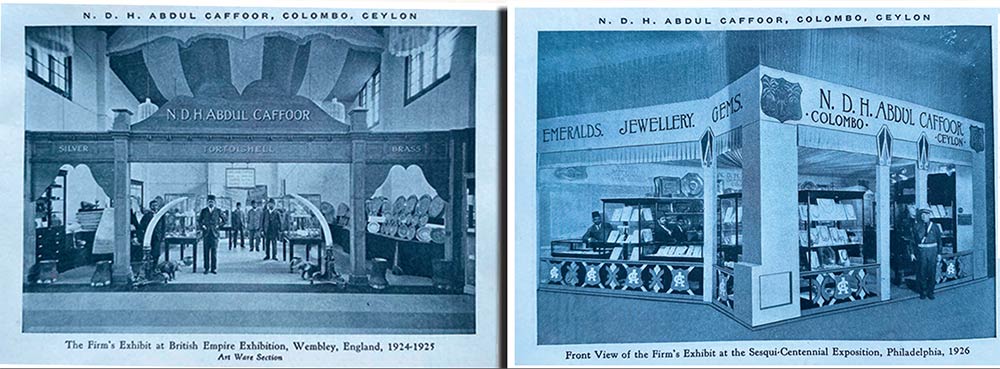
Girdling the globe with his exquisite jewellery dating back to the turn of the last century was N.D.H Abdul Caffoor. Making his country proud at several international exhibitions, Abdul Caffoor’s gems and jewellery have even decorated the crowned heads of England, Belgium, Spain and Rumania. His establishment has braved many business challenges for over 130 years. We travelled back in time to delve into the character of this trendsetting Lankan whose 150th birth anniversary falls this year.
BY RANDIMA ATTYGALLE
‘Except on Friday- when he goes to the mosque and locks his business, Abdul Caffoor, wearing his fez, stands at the door to welcome customers himself. He invites you in, offers you a seat and spreads out before you not one at a time nor by the meager twos or threes, but by the handful, such jewels as you have read of in the Arabian Nights Entertainments…’ writes Frances Kayes in her article Coral Strands published in Good Housekeeping (1926) giving a tourist’s eye-view of a visit to the establishment of Abdul Caffoor as cited by Asiff Hussein in the book- The Great Days of Colombo (pg 255).
Endorsing his late grandfather Abdul Caffoor’s principles which he never compromised, his grandson Hussein Caffoor, Director- N.D.H Abdul Caffoor (Pvt) Ltd. shares with us today an anecdote: “One day a customer had walked into grandfather’s store to purchase some goods of immense value. However, it had been very close to the mosque time on Friday and he urged one of my uncles who was assisting him in the store to quickly close the doors despite the customer hinting that he was to do a huge transaction. As my uncle would recollect, grandfather had said that if he wished to do so, he had to wait until his return from the mosque and to my uncle’s surprise he found the customer waiting for them for nearly two hours!”
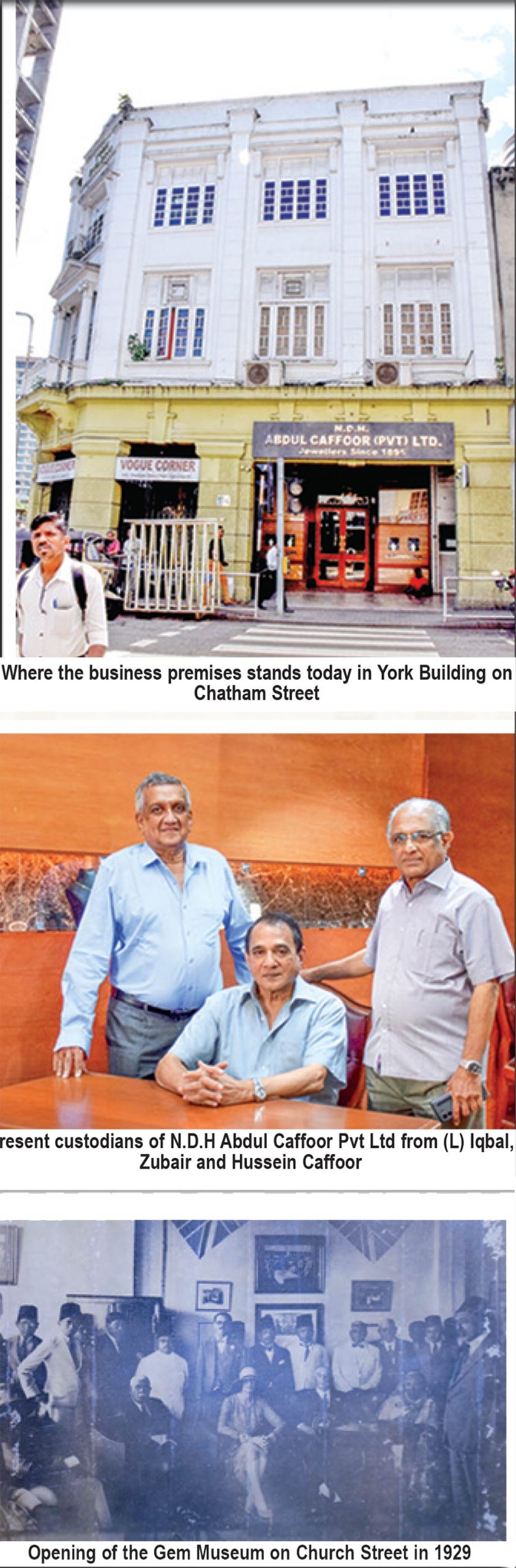
One of the custodians of the N.D.H Abdul Caffoor (Pvt) Ltd today, Hussein Caffoor describes his late grandfather as a “head strong man of integrity and character.” Although not privileged to have ever met his grandfather at the time of his death on November 1, 1948, Hussein relives his ancestor through the stories of his father Rafi (the youngest son of Abdul Caffoor), his uncles and the enduring legacy he had left behind. Having joined the business in 1979, Hussein is joined by his two cousins Iqbal and Zubair Caffoor in keeping their legendary grandfather’s legacy alive.
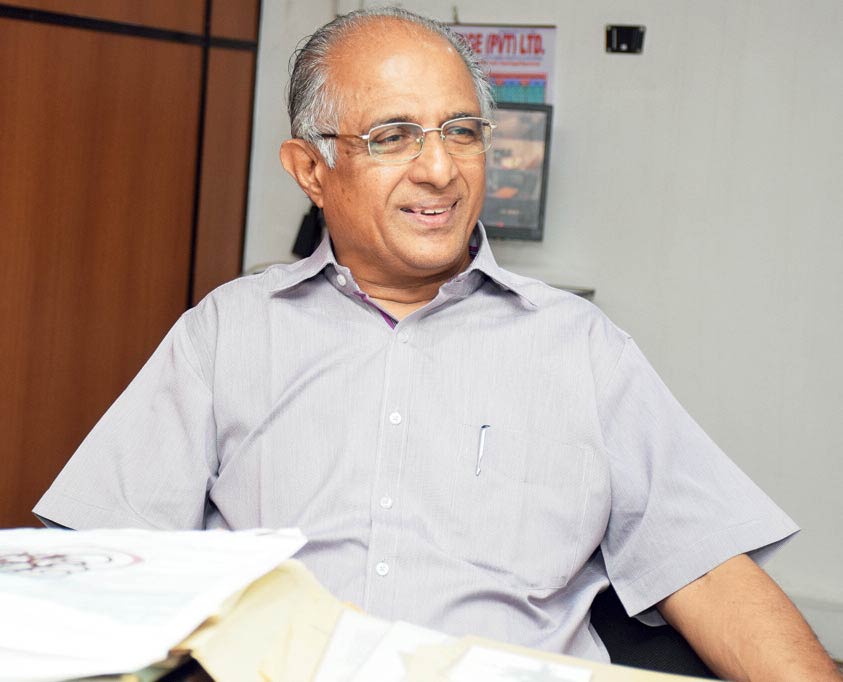
Hussein Caffoor
Building a business empire
On April 8, 1875, Noordeen Hajiar Abdul Ghaffoor (later known as Caffoor) was born to a well reputed Moor family in Grandpass, Colombo. He was affectionately called ‘NDH’. As grandson Hussein tells us today, NDH whose father was a shroff at the Colombo Municipality, often interacted with British officers including leading businessmen. “This exposed his sons to the world of business and particularly my grandfather who had a strong sense of business from a very young age. With a silver coin given by his maternal uncle, he had bought a couple of ivory fans and sold them for a profit. He would also board large passenger ships that docked at the Colombo harbour with his uncle who was a successful gem merchant at that time.” NDH first learnt the ropes of the gem business, having apprenticed under his uncle. At 19-years of age, he went on to set up his own jewellery shop at the Bristol Hotel Building on York Street.
The Colombo harbour was the nucleus of all NDH’s business dealings. He was one of the few merchants who received exclusive permission to board ships in to sell gems and jewellery. He set up his own offices right across the harbour adjoining the St. Peter’s Church, (bordering the Grand Oriental Hotel) and moving there from the Bristol Building. “My grandfather had a cordial relationship with the church, so much so the church authorities agreed to sell their properties adjoining the church to him. He couldn’t have got a better place for business than No 40 Church Street where those disembarking could directly see his gems and jewels,” says Hussein.
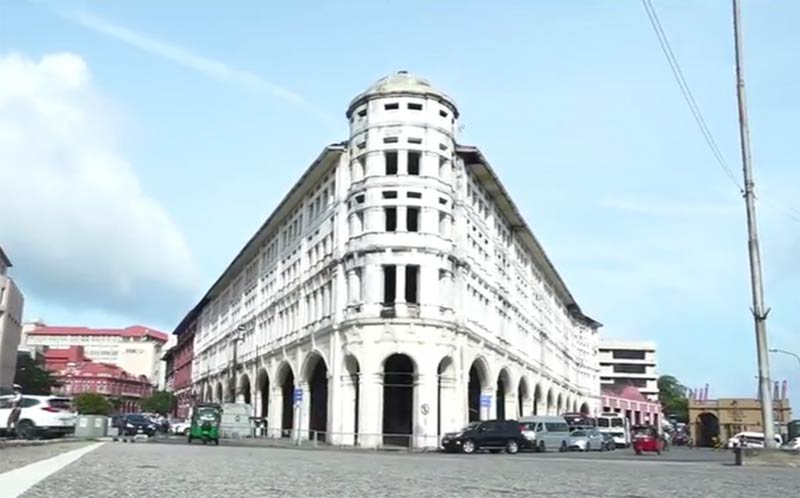
NDH didn’t stop at that point. He went onto expand his business empire by building the iconic Ghaffoor Building which was completed by 1915. The four-storey wedged-shaped building with a striking dome, located on the corner of the present Sir Baron Jayathilaka Mawatha and Leyden Bastian Street in Colombo Fort not only changed the skyline of Colombo but also became a game-changer in business in the island’s commercial capital.
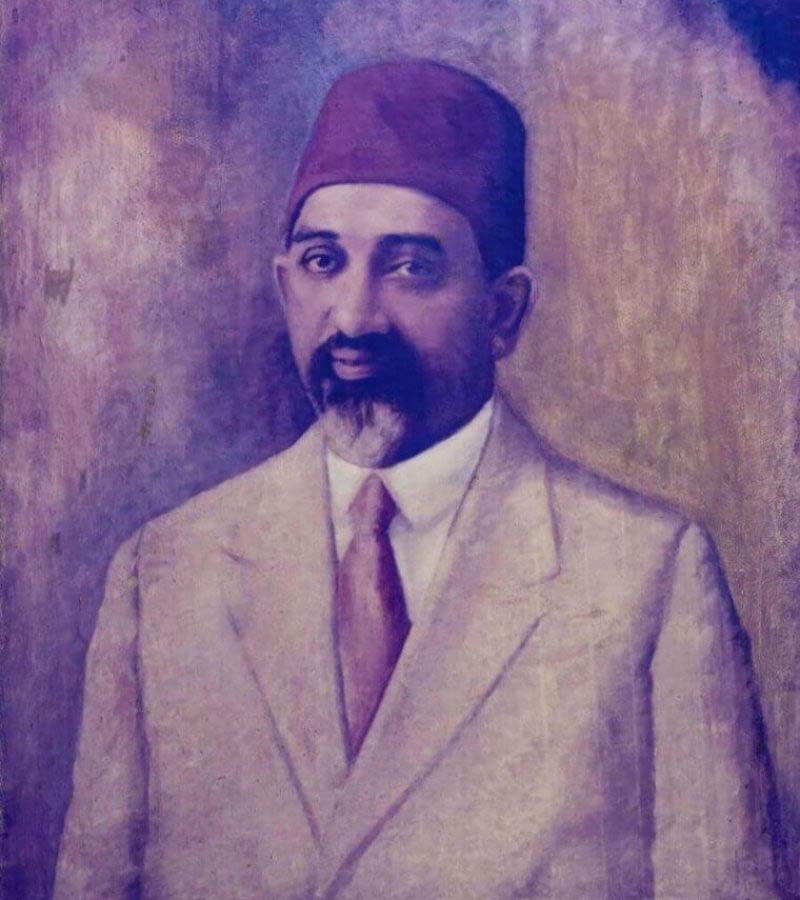
N.D.H Abdul Caffoor
Ghaffoor Building
Hussein, sharing the tale behind the uphill task of erecting the edifice by his grandfather says: “the entire block where the Ghaffoor Building stands today had been part of the Beira Lake then. Under the Lake Development Scheme reclamation work was done (Reclamation Rd nearby holds testimony to this) and as part of development, buildings were put up. I’m told by my father and uncles that due to water seeping in, no contractor came forward to erect the Ghaffoor Building until Walker Sons and Company took up the challenge.”
Describing it as ‘one of the largest and finest structures in Colombo’, Allister Macmillan in his Seaports of India and Ceylon (1928) goes onto note that NDHs’ ‘splendid jewellery emporium is located there.’ Macmillan further documents that, ‘Ceylon is famous for its precious stones and these are displayed in Mr. Gaffoor’s premises in great variety ranging from raw uncut jewels as they are found in the earth to polished gems worth a king’s ransom.’ Gazetted as a protected monument in 2000, the historical Ghaffoor Building which housed many eminent local and international business establishments from time to time is now a property of the Urban Development Authority.
International reputation
By the age of 26, NDH’s growing romance with gems and jewellery had reached dizzying heights locally and in other continents. In 1901 he was was invited to display his finest pearls, rubies, sapphires and other jewellery art to the Prince and Princess of Wales at the Kandy Pavilion during their Royal visit. Just two years later in 1903, he exhibited at the St Louis Exhibition, USA. Then again, he had a stall at the All Ceylon Exhibition in 1912, and the British Empire Exhibition in 1924. In 1925 he was present at the Wembley Exhibition where Her Majesty Queen Mary visited his stall and took a keen personal interest in the exquisite gems and jewellery he displayed. His final exhibition was at the Philadelphia Sesquicentennial Exposition in 1926, where he was awarded the Grand Prize for the biggest collection of gems ever displayed in the USA. His precious articles were sought by some of world’s richest men who specialized in antiquity including Harry Winston who was dubbed as ‘King of Diamonds’.
Interestingly, Abdul Ghaffoor or NDH eventually came to be known as Abdul Caffoor as the British found ‘Ghaffoor’ hard to articulate. “Subsequently, all his businesses were registered under the name Abdul Caffoor and today the business goes as N.D.H Abdul Caffoor (Pvt) Ltd,” explains grandson Hussein. A great enthusiast of the British architectural tradition, NDH got down British engineers and architects to design not only his offices but also his private bungalows. The Gem Museum he established at his Church Steet offices in 1929 was designed by the well known British architectural firm Edwards Reid and Begg. Several of his personal properties which are now occupied by his descendants around Green Path (present Anagarika Dharmapala Mw) and Ananda Coomaraswamy Mw mirror the British tradition. What he chose as his Kollupitiya residence- ‘Icicle Hall’ was no exception. Originally believed to have been a residence of Chief Justice Sir Alfred George Lascelles before NDH occupied it, this grand property was subsequently sold and became Siri Kotha or the headquarters of the UNP during Prime Minister Sir John Kotelawala’s time.
The York Building on Chatham Street which houses N.D.H Abdul Caffoor Jewellers today is another impressive building built by its founder. The present offices of the jewellery store had originally been a textile shop known as Ghaffoor’s says Hussein.
An ardent horse rider, Abdul Caffoor taught all his sons to ride. “I’m told that he had his stables on present Dharmapala Mawatha. His eldest son Falil was a great polo player and he used to ride on Galle Face green with Prime Minister D.S Senanayake. Apparently on the fateful day the Premier fell off his horse, it had been Uncle Falil who had been the first informant of the tragedy,” recollects Hussein.
A great philanthropist
Abdul Caffoor married Ummu Nafeesa and together they had five sons and three daughters. As much as he was known for his achievements in the business world, he was also known for his piety and philanthropy. He was a great benefactor of numerous religious and educational institutions including the Deaf and Blind School (then known as the Deaf and Dumb School) in Ratmalana, Zahira College Colombo, Child Protection Society and many notable mosques. “His commitment to religious and other institutions transcending religious and ethnic divisions was remarkable. My grandfather was such a visionary who believed in the Sri Lankan identity. This was reflected in all his international dealings including coveted exhibitions at which he kept the Lankan flag flying high. He was also an unassuming man who did not want his left hand to know what his right did,” says his grandson.
Visionary Lankan
Ceylon Daily News
of November 2, 1948 reported on his death: ‘Mr. N.D.H Abdul Caffoor, the well-known gem merchant of Ceylon died at his residence ‘Icicle Hall’ Kollupitiya yesterday. The funeral will take place at the Maradana Mosque this morning. Mr. Caffoor started his business in 1894 and it was sheer merit that brought him success. At his own expense he took part in a series of world exhibitions which, while increasing his own reputation, brought publicity to the island.’
In 1993, the government honoured this trendsetting Lankan with a stamp belonging to the National Heroes series, having previously named a street in Kollupitiya ‘Abdul Ghaffoor Mawatha’.
Sir Henry Moore, Governor General in his tribute to this visionary published in the Ceylon Muslim League Senate, November 1, 1953 wrote: ‘Wherever he travelled, he maintained the highest traditions of business and promoted the best interests of Ceylon; but despite his great business acumen and the wealth he acquired by its exercise, he personally eschewed the luxuries of life and lived simply according the devout Muslim tradition.’
(Pic credit: Sujatha Jayaratne, Abdul Caffoor family archives)

…UNFPA emergency package puts women, mothers, girls and older persons at the heart of Sri Lanka’s disaster preparedness
By Ifham Nizam
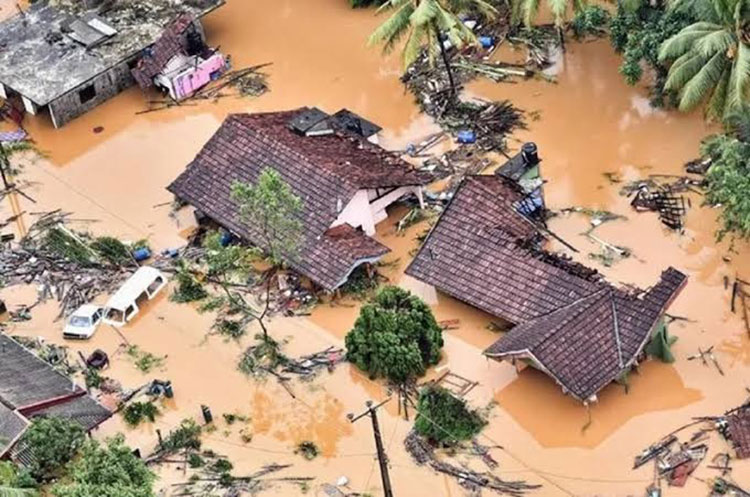
When the rain comes down in Sri Lanka, it can change the landscape in a matter of hours.
A quiet stream can become a torrent, a familiar road can disappear beneath water and a hillside can suddenly give way. But amid the drama of floods and landslides, there are quieter emergencies that rarely make the headlines.
There is the pregnant woman wondering how she will reach a hospital.
There is the mother trying to care for a newborn in an overcrowded evacuation centre.
There is the young girl who needs something as ordinary as menstrual hygiene supplies but has been forced to leave home with little more than the clothes she is wearing.
And there is the elderly woman who has lost the familiarity, privacy and comfort of her home overnight.
For them, a disaster is not only about water, mud, damaged houses or blocked roads.
It is about what happens to healthcare, safety and dignity when normal life suddenly disappears.
-
- Dr. Nalinda Jayatissa
-
- UNFPA Representative Phuntsho Wangyel
-
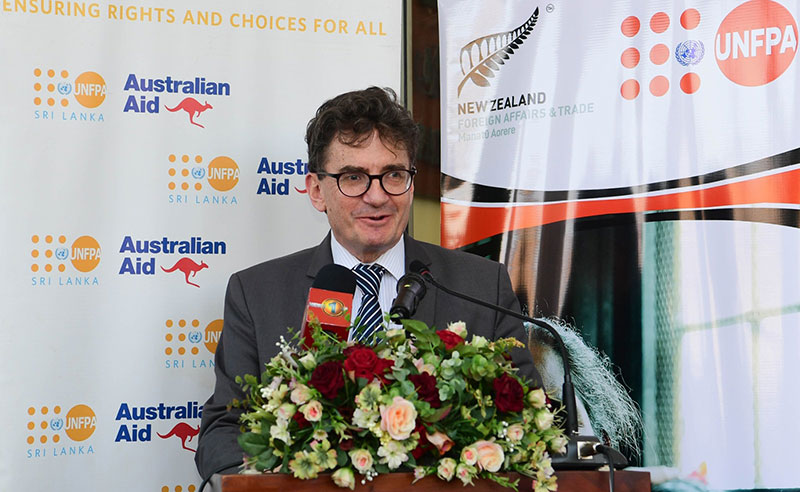
- New Zealand High Commissioner David Pine
-
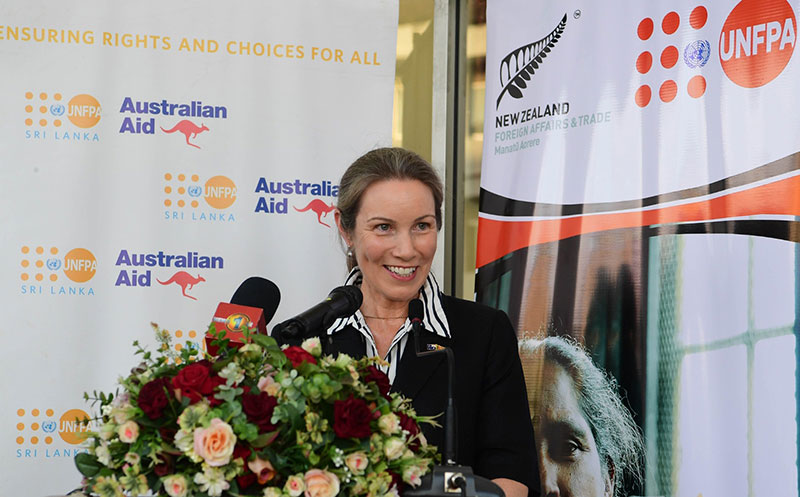
- Australia Deputy High Commissioner Ruth Baird
That is why a new initiative by the United Nations Population Fund (UNFPA) has placed the needs of women and girls firmly on Sri Lanka’s disaster preparedness map.
UNFPA has handed over emergency supplies worth USD 250,641 to the Ministry of Health, with the support of the Governments of Australia and New Zealand, in an effort to ensure that essential maternal healthcare, hygiene and protection services can continue when disaster strikes.
The supplies are not destined to sit forgotten in a warehouse until the next emergency.
They will be strategically pre-positioned in districts vulnerable to disasters, allowing frontline health workers to reach communities quickly when roads are blocked, transport disrupted and conventional supply chains are struggling to move.
The package includes eight high-performance tents, three of them equipped with solar-powered lighting systems, 999 Midwifery Go-Bags, 1,283 Maternity Kits, 246 Elderly Kits and 1,659 Dignity Kits.
On paper, they may look like numbers in a humanitarian inventory.
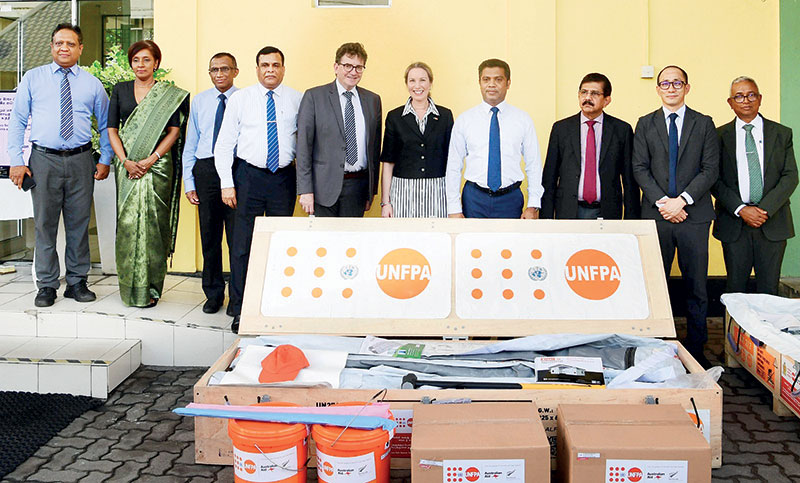
Dignitaries
On the ground, they could mean something much more personal.
A safe place for a mother.
A medical bag in the hands of a midwife.
A clean delivery.
A newborn receiving proper care.
A young girl able to manage her period with dignity.
An older woman receiving basic support at a time when almost everything around her has become unfamiliar.
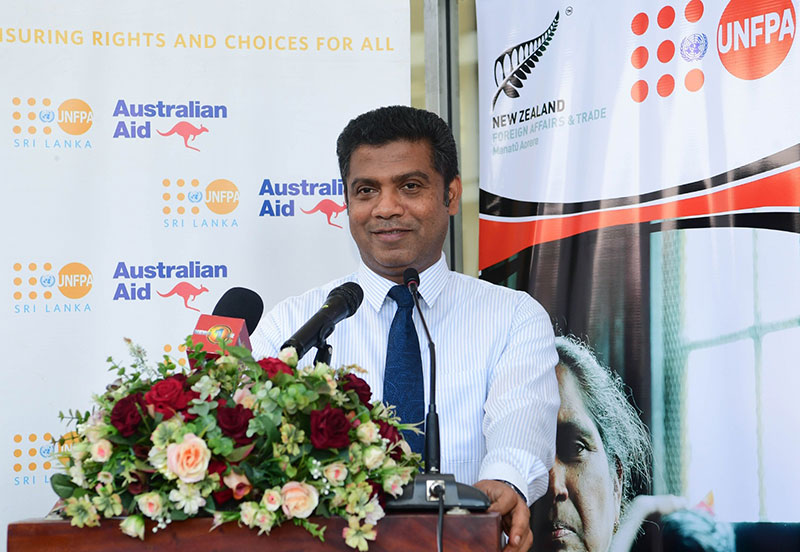
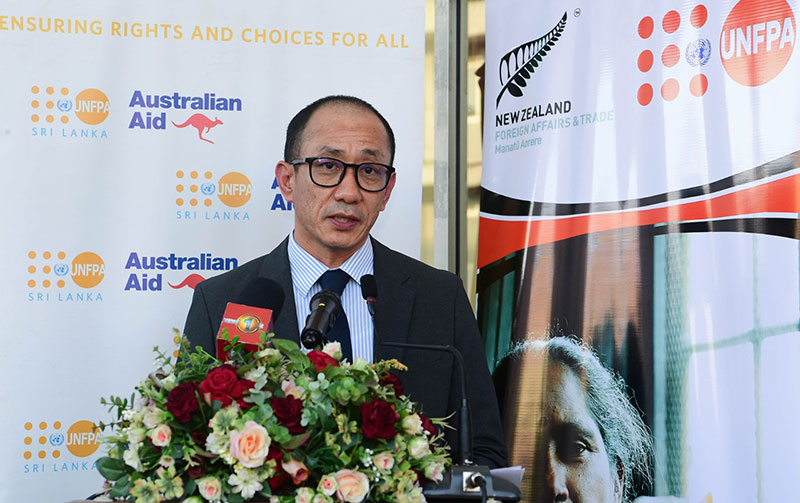
The official handover at the Family Health Bureau in Colombo brought together Health Minister Dr. Nalinda Jayatissa, New Zealand High Commissioner David Pine, Australian Deputy High Commissioner Ruth Baird, Health Ministry Secretary Dr. Anil Jasinghe, Deputy Director-General of Health Services Dr. Vindya Kumarapeli, Family Health Bureau Director Dr. Chandima Sirithunga, UNFPA Representative a.i. in Sri Lanka Phuntsho Wangyel and representatives of the Disaster Management Centre.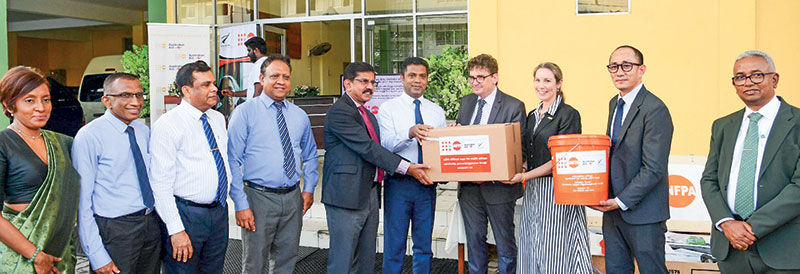
But the real story is not the ceremony.
It is what happens after the ceremony.
Because disaster preparedness is ultimately tested not in a conference hall, but in a village cut off by floodwater, a temporary shelter filled with displaced families or a road made impassable by a landslide.
A tent that is more than a tent
Among the most visible elements of the package are the eight high-performance tents.
Three have solar-powered lighting systems and are designed as Emergency Safe Spaces for Maternal and Women’s Care.
At first glance, a tent may sound like a simple solution.
But in an emergency, a safe, functional space can become extraordinarily valuable.
These are intended to provide temporary environments where women, pregnant women and mothers can access essential maternal care, protection, referrals, psychosocial support and livelihood assistance.
In the middle of a disaster, privacy can become one of the first casualties.
Families may be sleeping side by side in schools, community buildings or temporary shelters. Familiar boundaries disappear.
Electricity may fail. Toilets may be overcrowded. Women and girls can suddenly find themselves negotiating everyday needs in circumstances that are anything but ordinary.
A properly equipped emergency space can therefore offer more than shelter.
It can offer a little normality.
And the solar lighting is particularly practical.
When electricity disappears after a flood or landslide, darkness brings another layer of vulnerability. A lighted humanitarian space can make a significant difference to women seeking care or assistance after sunset.
Sometimes resilience is built with sophisticated technology.
Sometimes it begins with a light in a dark place.
Taking healthcare on the road
Then come the 999 Midwifery Go-Bags.
The concept is wonderfully simple: rather than expecting healthcare always to be waiting behind the doors of a functioning hospital, give frontline health workers the tools to take care to the community.
Sri Lanka’s Public Health Midwives are deeply embedded in the country’s maternal and child health system. During normal times, they are familiar faces in communities, providing care, guidance and support.
During an emergency, that community connection becomes even more valuable.
If a road is flooded, a bridge damaged or a health facility temporarily inaccessible, a midwife with the necessary equipment can become an important link between a vulnerable mother and the health system.
The Go-Bags provide portable essential medical tools to help midwives continue delivering life-saving maternal care.
The philosophy is straightforward.
Healthcare should not stop simply because the road has.
A safe beginning
The package also contains 1,283 Maternity Kits with essential care items for safe delivery and newborn health.
For most mothers, childbirth is surrounded by preparation—the hospital bag, clean clothes, family support, medical advice and the anticipation of welcoming a new life.
A disaster can strip away much of that preparation.
A mother may find herself far from her home, surrounded by strangers and uncertain about where the next meal or medical consultation will come from.
A maternity kit cannot replace the comfort of home.
But it can ensure that some of the essential requirements for a safe delivery and newborn care are available when circumstances are at their most difficult.
And sometimes, having the right things at the right time can make all the difference.
The quiet importance of dignity
Perhaps the most revealing name in the package is the Dignity Kit.
There are 1,659 of them.
The contents may be modest compared with the scale of a flood or landslide, but their purpose is deeply human.
Disasters tend to reduce people to statistics: the number displaced, the number of houses damaged, the number of roads blocked.
But behind every statistic is a person with ordinary needs.
Women and girls do not stop menstruating because their homes have been flooded.
They still need hygiene products.
They still need privacy.
They still need to feel clean and safe.
For someone living temporarily in a crowded evacuation centre, access to basic personal hygiene supplies can restore a small but meaningful sense of control.
The same principle applies to the 246 Elderly Kits, designed around the specific hygiene and mobility needs of older women.
Older people can face particular difficulties during displacement.
A familiar home may be gone, movement may be restricted and simple routines may become complicated.
Humanitarian response, therefore, cannot be one-size-fits-all.
Different people experience the same disaster differently.
Preparing before the water rises
One of the most important aspects of the UNFPA initiative is that the supplies will be pre-positioned.
That word may sound bureaucratic.
In reality, it is about time.
During an emergency, every hour matters.
A bridge may be washed away. A road may be buried. A lorry carrying relief supplies may be unable to reach its destination. Communications may be disrupted and local authorities may be overwhelmed by multiple demands.
If essential humanitarian supplies are already closer to vulnerable communities, frontline responders do not have to begin from zero.
The equipment is there.
The supplies are there.
The response can begin.
Minister of Health and Mass Media Dr. Nalinda Jayatissa said building a resilient health sector required strong and proactive measures before disasters strike.
He said the partnership with UNFPA and the Governments of Australia and New Zealand had strengthened local healthcare capacity, helping ensure that maternal and child healthcare and protection services could remain uninterrupted even during severe emergencies.
New Zealand High Commissioner David Pine also stressed foresight and coordination in disaster management.
New Zealand’s support, he said, reflected a commitment to helping Sri Lanka build inclusive resilience and protect vulnerable groups, including pregnant women, older persons and young girls during displacement.
Australian Deputy High Commissioner Ruth Baird highlighted the importance of disaster response systems that are comprehensive and inclusive.
“Protecting the safety and dignity of women and girls during crises is essential to community recovery,” she said, emphasising the value of pre-positioning targeted humanitarian supplies.
For UNFPA Representative a.i. in Sri Lanka Phuntsho Wangyel, the principle is particularly clear.
“In times of crisis, sexual and reproductive healthcare needs do not stop, nor does our social responsibility to keep women and girls safe,” he said.
It is a simple truth worth remembering.
Nature does not suspend pregnancy.
It does not postpone childbirth.
It does not stop menstruation.
It does not remove the need for healthcare because a community has been forced to evacuate.
The human body does not wait for the floodwaters to recede.
Beyond the statistics
Sri Lanka has become accustomed to measuring disasters through numbers.
How many people were displaced?
How many houses were damaged?
How many roads were blocked?
How much rain fell?
How many districts were affected?
Those numbers are essential for planning.
But they cannot tell the whole story.
A statistic cannot tell us about a mother holding her baby in an overcrowded shelter.
It cannot describe the anxiety of a woman wondering whether she will receive medical assistance.
It cannot capture the embarrassment of a young girl who suddenly has no access to basic menstrual hygiene products.
Nor can it tell us what it means for an elderly woman to lose the routines that gave her independence.
This is where the idea of dignity becomes important.
Disaster response is not simply about keeping people alive.
It is also about helping them remain human in circumstances that can make them feel powerless.
That is the thinking behind the UNFPA intervention.
The tents, Go-Bags, maternity supplies, elderly kits and dignity kits are practical tools. But together they represent something larger: an attempt to ensure that women’s health and dignity are built into disaster planning from the beginning.
The real test
Sri Lanka cannot prevent every flood.
It cannot stop every landslide.
It cannot control every extreme weather event.
But it can prepare for what comes next.
It can strengthen early warning systems.
It can train frontline responders.
It can position supplies closer to vulnerable communities.
And it can recognise that women and girls have specific needs that cannot be left to chance.
The real test of disaster preparedness is therefore not simply whether people can be evacuated.
It is what happens after they are evacuated.
Can a pregnant woman find a midwife?
Can she receive safe maternal care?
Can a newborn receive the attention it needs?
Can a young girl manage menstruation with privacy and dignity?
Can an older woman receive the hygiene and mobility support she requires?
Can women find a safe place if they face violence or psychological distress?
These questions belong at the heart of Sri Lanka’s emergency planning.
Because when the waters rise, the road disappears and the lights go out, dignity can become surprisingly fragile.
Yet it can also be protected through remarkably practical measures.
A tent.
A medical bag.
A maternity kit.
A packet of hygiene supplies.
A trained midwife who knows where to go.
A light shining in an otherwise dark shelter.
These may seem like small things against the enormous force of a flood or landslide.
But disasters are lived one person at a time.
And for a woman standing in the middle of one, a small thing can sometimes mean everything.
Sri Lanka’s resilience will ultimately be measured not only by how quickly it rebuilds roads and bridges, but by how carefully it protects the people who are most vulnerable while those roads and bridges are being rebuilt.
When disaster strikes, homes can be rebuilt.
Roads can be repaired.
Bridges can rise again.
But the promise of emergency preparedness should be even more fundamental:
No woman should have to sacrifice her health, safety or dignity simply because disaster has taken away her home.
That is a promise worth preparing for—before the next rain begins.
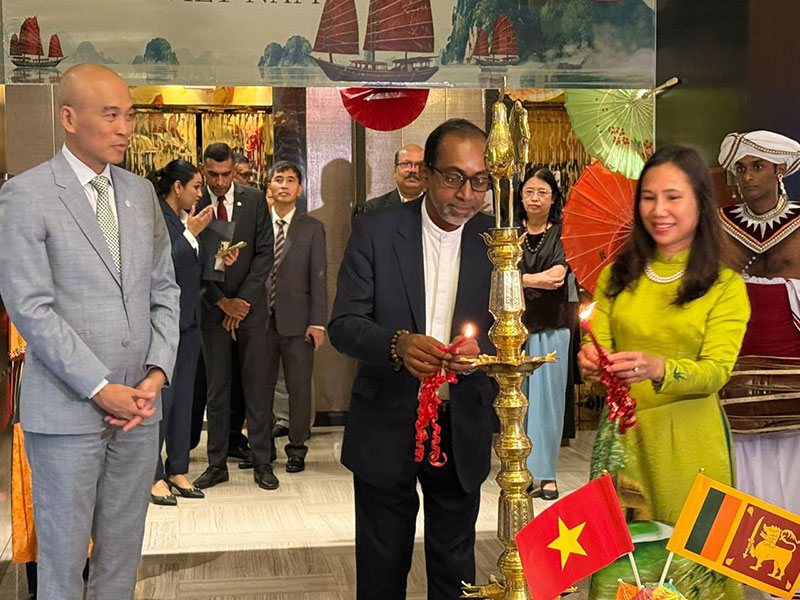
By Zanita Careem
The vibrant flavours and rich cultural spirit of VietNam came alive at the Sheraton Colombo, where a special Vietnamese food festival ” Soul of Vietnam” brought together diplomats, invitees and food enthusiasts for an evening celebrating the country’s much loved cuisine and tradition.
The event was marked by lively Vietnamese entertainment, adding colour and energy to the occasion, as guests enjoyed an authentic culinary journey through VietNam. The Vietnamese cuisine known for its balance of fresh aromatic herbs, subtle spices and contrasting textures were undoubtedly, the highlights of the evening.
From the fragrant flavours of central VietNam, the menu offered a delicious glimpse into the country’s diverse culinary heritage.
The evening also celebrated VietNam beyond its cuisine. A special coffee experience “Sips of Coffee “introduced guests to the country’s distinction coffee culture. While Vietnamese cultural performances, traditional instruments and calligrpahy added colour and character to the occasion.
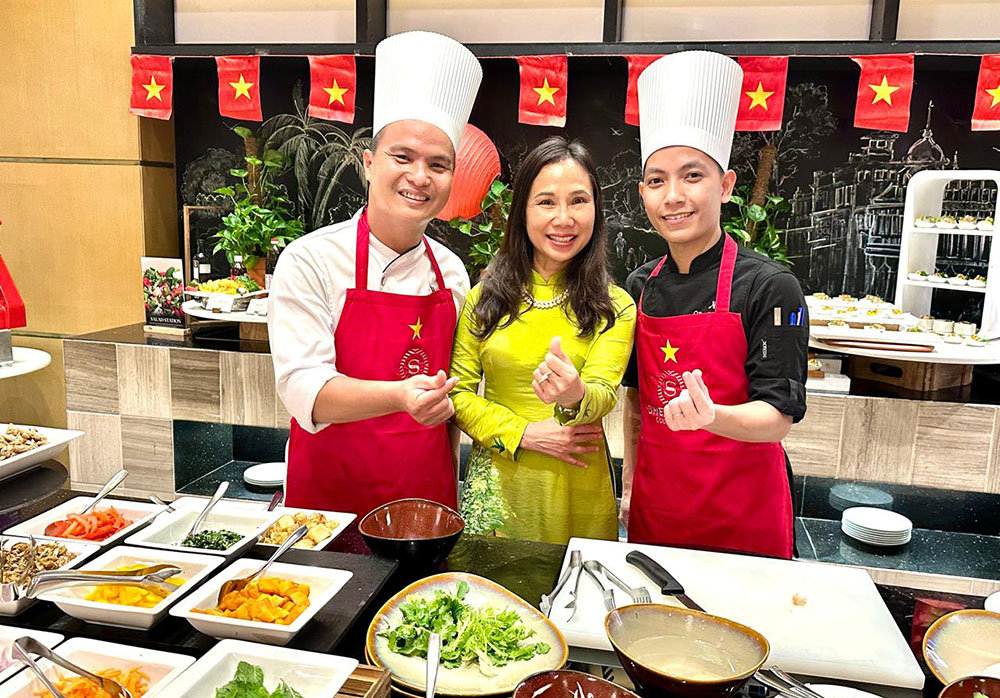
The chefs behind the unforgettable journey
The presence of the Vietnamese Ambassador Trinh Thi Tam and Embassy representation gave the evening a warm and convivial atmosphere.
The rich aroma of freshly prepared Vietnamese coffee added another sensory dimension to the festival. Sips of VietNam Coffee – a wonderful celebration of Vietnamese coffee – was showcased at the festival, reflecting the culture and friendship which are part Vietnamese ethos. For Vietnamese people, coffee is much more than a beverage. It is a way of life, said the Ambassador of VietNam.
From a small cup of (iced milk coffee) on a busy morning, to a quiet cup of (egg coffee) shared with friends, coffee has become part of our daily rhythm – a moment to slow down, to talk, and to connect, she said pointing out that the Vietnamese coffee has its own character: strong, rich, and full of flavour – much like the Vietnamese people ourselves.
Tonight through different cups of Vietnamese coffee, I hope you will discover not only the taste of our coffee, but also a little piece of VietNam – its energy, creativity, warmth and hospitality, pointed out the Ambassador.
With VietNam and Sri Lanka strengthening their direct connectivity, the festival offered guests a glimpse into the culture, traditions and hospitality of a destination becoming increasinghly accessible to Sri Lankan travellers
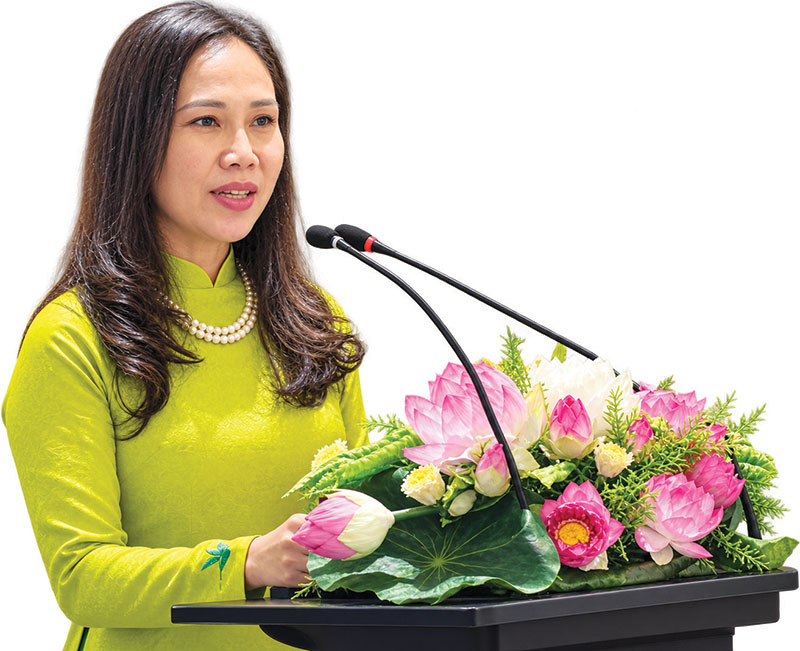
Warm welcome from the VietNam Ambassador
Adding an aunthentic touch to the festival are the Vietnamese chefs who joined in the culinary team of the Sheraton Hotel to showcase the distinctive flavours and regional diversity of their cuisine.
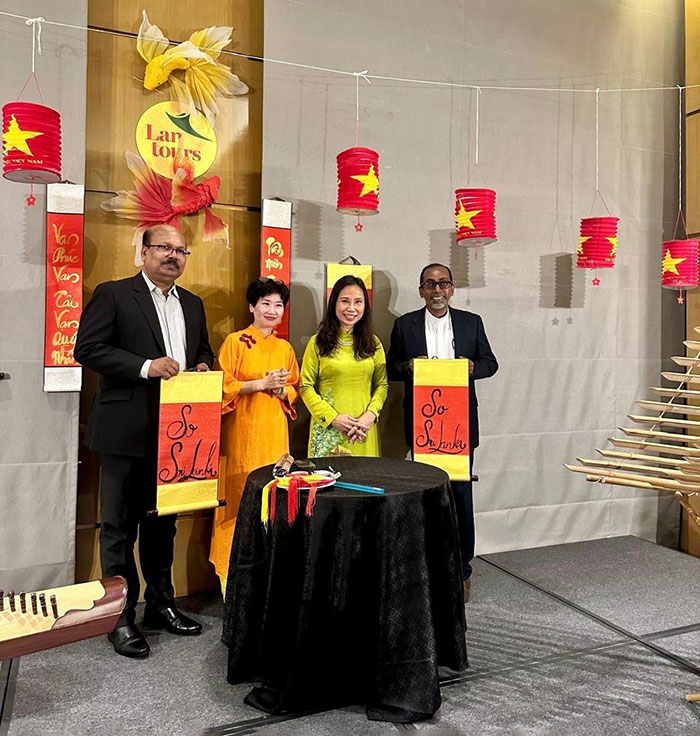
Glimpse into the rich traditions and cultural charm of VietNam
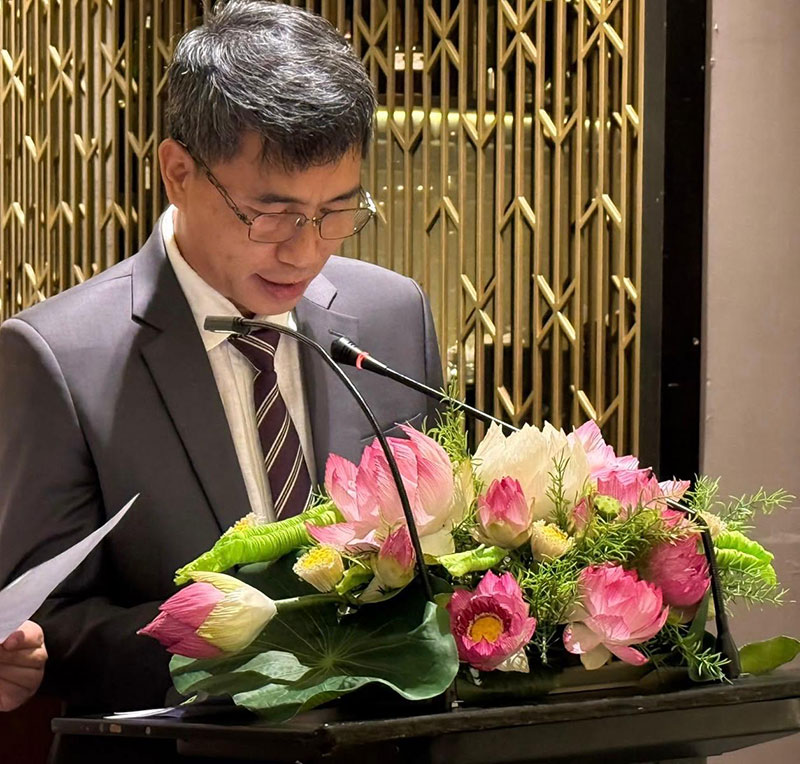
Sharing his thoughts on the rich culinary heritage of VietNam
This festival Soul of VietNam took diners on an enticing culinary journey through one of Asia’s most celebrated food cultures.
Presented in collaboration with the Embassy of VietNam the festival at Colombo Kitchen brought authentic Vietnamese cuisine to the city from September 11 until today, Sunday September 20.
From fragrant noodles to delicate flavoured spring rolls, tastefully prepared seafoods, meats, fresh herbs and traditional accompaniments in the buffet showcased the diversity and freshness that made VietNam cuisine appealing.
Dr. Hiniduma Sunil Seneviratne, Miniser of Buddhasasana, Religious and Cultural Affairs, K. A. Vimalentirarajah, Secretary of Trade Commerce, Food Security and Cooperative Development, were also present among, many other invitees.
Adding a touch of elegance to the occasion was the Vietnamese Ambassador Trinh Thi Tam, in a traditional Vietnamese dress that brought the colours, grace and cultural richness of VietNam to the celebrations Her striking traditional attire was a beautiful reflection of Vietnamese heritage, perfectly complementing the evening filled with authentic cuisine, music and warm hospitality, beautifully reflecting the culture and heritage.
This event, organised for the first time by Sheraton Hotel, was a wonderful celebration of Vietnamese cuisine. The General Manager of Sheraton Hotel, Paul Sun, welcomed the guests to this special culinary showcase, speaking of the hotel’s delight in bringing the distinctive tastes and traditions of VietNam to Colombo His speech set the tone for an evening centred on culture, and the hotel’s pleasure in bringing the authentic flavours and vibrant culture of VietNam.
Persistant back pain and stiffness are often dismissed as everyday aches but they can sometimes signal an underlying inflammatory condition. In this interview Dr. Anura Caldera speaks to Zanita Careem about spondyloarthritis, shedding light on the causes, symptoms and the importance of recognising the condition early.
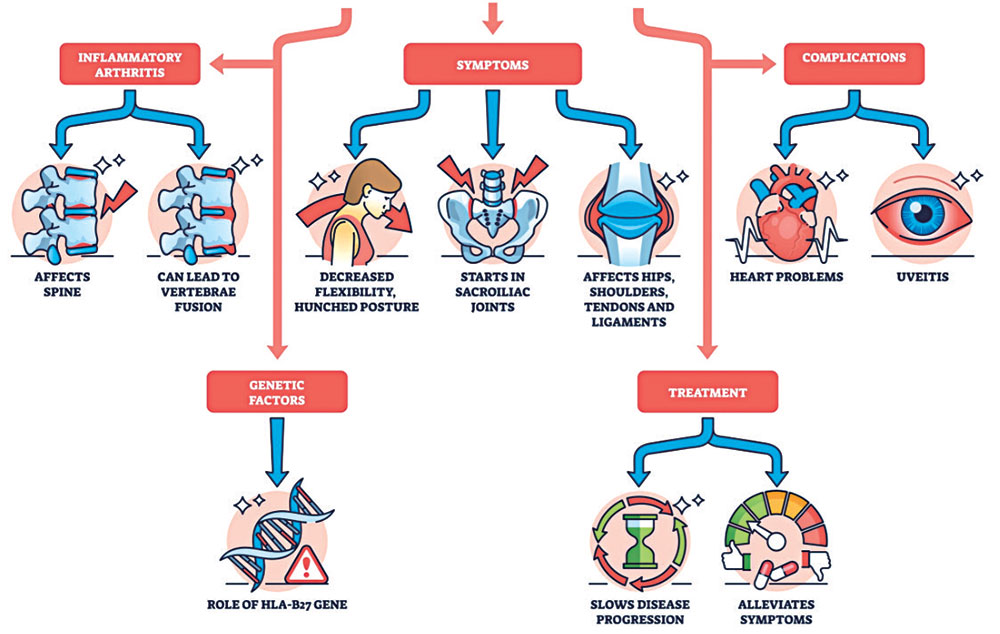
 If you follow the health articles, you may recall a recent article published in this newspaper on back pain. There I discussed how back pain could be caused by inflammation of the spine. This is a serious form of arthritis which we call “Spondyloarthritis”. It is a chronic inflammatory disease that can not only affect the spine, peripheral joints muscle attachments but also many other organs, like eyes, skin, heart and digestive tract.
For many people, back pain is something they try to learn to live with. A long day at work, obesity, poor posture, heavy lifting, lack of exercise or simply getting older are often blamed when the back begins to ache. But not all back pains can be blamed on the above.
Diagnosis delay

Dr Aruna Caldera Consultant Rheumatologist MBBS, MD, MRCP (UK), MRCP (Rheumatology
Because its symptoms can resemble more common forms of back pain, Spondyloarthritis may be overlooked for years. Recognising the warning signs is therefore important, because early diagnosis and appropriate treatment can make a significant difference to a person’s quality of life and life expectancy.
Not a single disease
We broadly divide spondyloarthritis into “axial spondyloarthritis”, which primarily affects the spine and the sacroiliac joints connecting the lower spine to the pelvis, and “peripheral spondyloarthritis”, which primarily affects joints and other areas away from the spine.
Axial spondyloarthritis is divided to two categories; radiographic axial spondyloarthritis (structural changes can are visible on X-rays) and non – radiographic spondyloarthritis (structural changes are not visible on x rays though can be detected on MRIs).
When the disease has progressed without treatment over decades, x ray may reveal characteristic features like, bamboo spine, dagger sign, romanus lesions, etc. Early diagnosis and treatment are aimed to arrest the disease before these classical features develop.
Peripheral forms can include psoriatic arthritis, reactive arthritis and arthritis associated with inflammatory bowel disease. No matter the form, the norm in Sri Lanka is almost every patient presents late because patients are misled by quacks.
Characteristic back pain
The most important clues to axial spondyloarthritis, is the pattern of back pain. Mechanical back pains due to other common causes often become worse with activity and may improve with rest. In contrast, inflammatory type back pain in spondyloarthritis can behave in the opposite way. A person may experience pain and stiffness that are particularly troublesome in the morning or during second half of night. The discomfort may improve after waking and moving around rather than after lying down. Pain can also occur around the buttocks and may alternate from one side to the other. 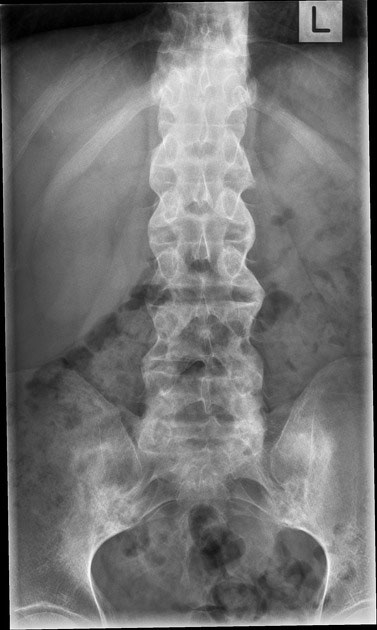
Heel pain may be a sign of spondyloarthritis
Inflammation can affect joints such as the hips and knees and can destroy the joints within a few years to a level which needs replacement. It can also occur at the points where tendons and ligaments attach to bone, a condition known as enthesitis. Heel pain, for example, can sometimes be related to inflammation around the Achilles tendon (achilles tendinitis) or the plantar fascia (plantar fasciitis). Another characteristic symptom is dactylitis, in which an entire finger or toe becomes swollen like a sausage, sometimes producing what is commonly described as a “sausage finger.”
Other organs also involved
The disease may also extend beyond the joints. Some people with spondyloarthritis develop uveitis, an inflammation inside the eye that can cause eye pain, redness, sensitivity to light and blurred vision. It can cause blindness if left untreated. Others may have psoriasis or inflammatory bowel diseases such as Crohn’s disease or ulcerative colitis.
Cannot solely rely on blood tests for diagnosis
Spondyloarthritis has a strong genetic component. One of the best-known genetic markers associated with the disease is HLA-B27. However, having HLA-B27 does not mean that a person definitely has or will develop a spondyloarthritis. Conversely, a person can have spondyloarthritis without carrying the gene.
Similarly, normal inflammatory blood tests such as ESR and CRP do not necessarily rule it out; actually, up to half of patients will have normal ESR and CRP despite having even severe disease. Diagnosis relies on the overall clinical picture rather than on a single blood test.
Timely diagnosis to minimize complications
One of the major challenges surrounding spondyloarthritis is timely diagnosis. Back pain is extremely common. Most people who develop it do not have spondyloarthritis. As a result, persistent pain may initially be attributed to other mechanical causes. Unfortunately, people get mislead because some common local modalities of treatment will “take your pain away leaving the disease active in the body” allowing it to cause complications in the lungs (interstitial lung disease), eyes (uveitis and few other conditions), osteoporosis (spondyloarthritis increases the risk), heart disease (coronary arteries and valves) and kidneys (multimodal).
Specific treatment is essential
Specific treatment can help control inflammation, relieve symptoms, maintain mobility and reduce the impact of the disease. Treatment is individualised because the condition affects people differently. Exercise and physiotherapy are fundamental components of management, particularly for axial disease.
Novel medicines
Non-steroidal anti-inflammatory drugs (NSAIDs) can reduce inflammation and relieve pain. Depending on the type and severity of disease, patient will be started on disease-modifying medicines or targeted biological therapies. The management has evolved a great deal over the last couple of decades and most novel medicines are available in Sri Lanka.
For someone experiencing chronic pain, the instinct may be to rest as much as possible. But prolonged inactivity can contribute to stiffness and loss of physical function. For people with spondyloarthritis, maintaining appropriate movement and exercise is an important part of long-term care. Exercise programmes should be adapted to the individual’s condition and abilities, particularly during periods of increased disease activity. You will need to see a physiotherapist in person.
Short term pain relief only will not work
The goal is not simply to reduce today’s pain. It is also to preserve the person’s ability to work, exercise, sleep, travel and participate in ordinary daily activities over long term and prevent extra articular complications in other organs.
One of the most difficult aspects of spondyloarthritis can be that the disease is not always obvious to other people. A person may look perfectly healthy while experiencing substantial pain, stiffness and fatigue.
Psychological burden
The psychological burden also should not be overlooked. Living with a chronic inflammatory disease can affect mood, sleep, relationships, employment and social life.
The most important message is that persistent back pain should not always be dismissed as a consequence of age, work or life. Almost all patients I have seen with spondyloarthritis have wasted golden years sticking to unscientific treatments and wasted tons of money. Once complications occur, the preceding damage cannot be undone; therefore, it is, better seek specialist care when the disease is in its infancy.
-

 News5 days ago
US embassy won’t comment on IGP’s probe into joint drug raid
-

 News4 days ago
Bid for Basil’s extradition nears final stage: Police
-

 News3 days ago
Shanakiyan urges urgent action over reported death sentence for Lankan in Saudi Arabia
-

 Business5 days ago
All-new Bolero MaXX unveiled in Sri Lanka
-

 News2 days ago
Namal Rajapaksa Buddhist gambit fails, bail denied
-
 Opinion5 days ago
A journalist who wrote across the divide
-

 Editorial6 days ago
More fuel price shocks shrouded in secrecy
-
 Sports6 days ago
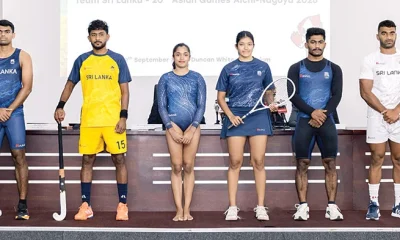
MAS Holdings, official clothing sponsor of Sri Lanka team at Aichi–Nagoya 2026 Asian Games