
Sports
Petes’ presence in rugby was overwhelming this season!

By A Special Sports Correspondent
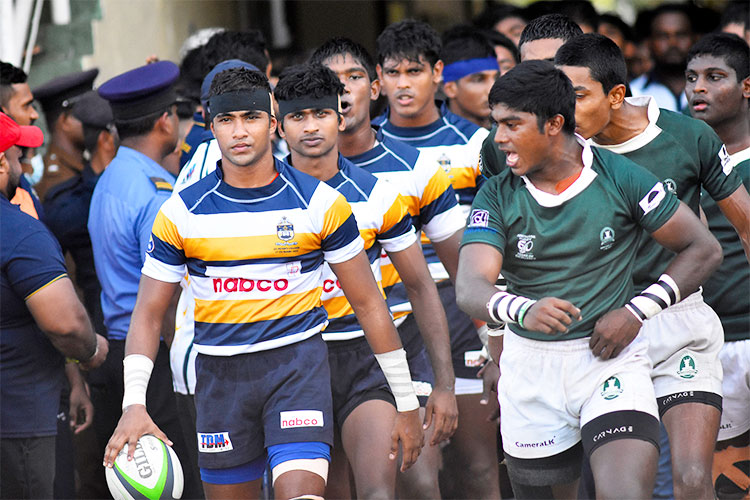
The schoolboy rugby players of St. Peter’s College proved beyond any doubt that they can handle pressure in the sport of rugby. This they did for the last time this season when they got the better of Isipatana in the Dialog sponsored inter-school under 19 rugby final played at Sugathadasa Stadium on September 10.
The Peterites were never rattled by the rough house tactics adopted by the Green Shirts from the time the two lined up in the ‘tunnel’ and then when the game began on the pitch minutes later. The lads from Bambalapitiya showed that when you are focused on the game you don’t have time or the necessity to indulge in activities that challenge the spirit of the game.
When the two teams met at Bambalapitiya in the league decider, hosted by St. Peter’s, the host team employed a riot squad apart from the services obtained by the police as measures taken for crowd control. The decision to strengthen security at the match in the league was done for obvious reasons. The knockout final was organised by the Sri Lanka Schools Rugby Football Association and there were concerns about security at the match. But all that depends on what happens in the middle of the pitch and referee Raveen Alexander must be given pat on the back for a job well done. The Greens Shirts were warned for unwanted play in the early minutes of the game following a complaint by the Peterite players for biting by the opposition and then the witnessing of feet up in a maul situation; another offense by Isipatana.
St. Peter’s responded to Isipatana’s aggression with three smashing tries with the first one scored by Sudesh Jayawickreme standing out. Jayawickreme’s try under the posts deflated the spirit in the Isipaana camp mainly because it was scored with the message given that ‘more high octane stuff’ was to come.
Hooker and utility player Dulaj Nawodya quickly exposed a defence that was cracking 18 minutes into the game and scored the second try in clinical fashion. The third try in the first half came through the efforts of Dineth Ranasinghe and by the 21st minute of the game St. Peter’s, leading 19-3, were giving the ‘Green Shirts’ lessons on how to play in a rugby final.
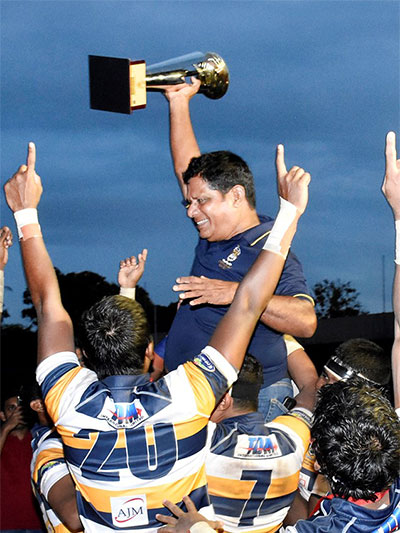
St. Peter’s head coach Sanath Martis is seen celebrating the team’s victory with his chargers at the President’s Trophy rugby final against Isipatana on September 10 at the Sugathadasa Stadium.
Isipatana must be given the credit for being a side that doesn’t surrender that easily. They knew they were up against an opposition mightier than them and when they settled in towards the tail end of the first half, they managed to breach the Peterite defence and score their first try in the game. Skipper Navin Kanishka scored that all important try and made the scoreboard look respectable from an Isipatana point of view.
The second half was evenly contested and Isipatana came back strongly with a try by their forwards. The rains threatened to slow the game and there was no help from the soggy pitch conditions for both teams. But the will to run the ball by both teams prevailed over the odds that threatened to spoil a much looked forward to schools rugby final.
Place kicker Yumeth Shihara was decently accurate with his spot kicks and booted through two penalties to swell the Peterite score in the second half. The only little hitch up that the Peterites had was the two yellow cards that were given away in the second half; one by the team’s skipper Ashain Madugasge. The Peterites playing twice in the second half with 14 men and not losing the game rubbed salt into Isipatana’s wounds. The only consolation Isipatana had this season was bagging the Sevens title. They were forced to finish as runners-up in the knockout and took third place in the league tournament.
St. Peter’s have much to owe coach Martis. The winning ways he has instilled in the St. Peter’s rugby set-up cannot be priced. To study the facial features of this coach, come to a decision and announce to the rugby world that behind his face lies a vicious and dangerous man would be a grave mistake. Few have observed a tender heart, the warmth of a
father to all and the rugby professionalism that runs in his blood to the very core. This man knows his rugby and when he gets players who are willing and able that combination can be dangerous on the field as shown this season by St. Peter’s.
Mention must be made of the Christian institution that St. Peter’s is and the way the authorities here mold the students and instill good values that can be shown when they represent their alma mater on the sporting field. Prayers said before the game starts and done on the field have sometimes posed the question from outsiders whether the authorities at this institute are making a show of religion in public. Prayers have done good for the boys and sparing a thought for the ‘All Mighty’ before a challenge in the sporting field has not only calmed the player’s nerves, but also driven the thought into them of fearing doing wrong and not the opposite team.


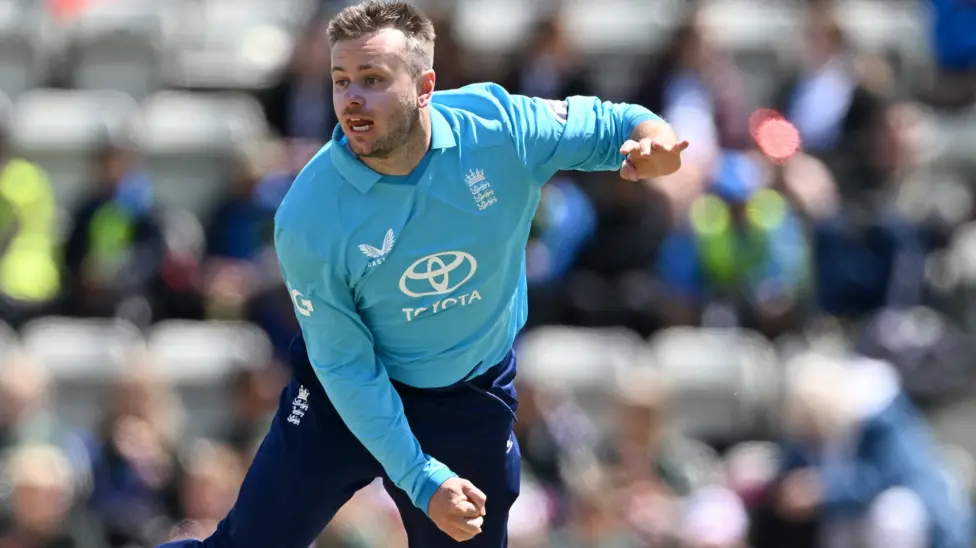
Leg-spinner Mason Crane could play for England for the first time in eight years after being recalled for the one-day international tri-series in Pakistan.
The 29-year-old won his only Test cap against Australia in Sydney in 2018 and is now given an opportunity in the series which also involves Sri Lanka next month.
Crane, who also played two T20 internationals in 2017, could also push his case in the fight to be England’s number one spinner in Test cricket.
Sam Curran and Adil Rashid both return after injuries, and uncapped pair James Coles and Henry Crocombe are included.
Jos Buttler is out with the hamstring injury he sustained last week, while Jacob Bethell is continuing his recovery from knee surgery.
Brydon Carse, who is under an investigation from the Cricket Regulator following an incident outside a nightclub in Derby in August, remains absent.
England are on a diet of white-ball cricket until three Tests in South Africa in December as they build up to the 50-over World Cup in southern Africa next year.
The tri-series in Pakistan involves the three teams taking part playing each other twice, with the top two advancing to the final. Following the trip to Pakistan, England play three one-day internationals and five T20s in Australia in November.
As England continue to shape their backroom staff following the arrival of Stephen Fleming as Test coach, Jeetan Patel, Mike Yardy, David Saker and Carl Hopkinson will assist white-ball head coach Brendon McCullum in Pakistan.
That means Marcus Trescothick, who took temporary charge of the Test team for the series against Pakistan in the home summer, misses the trip.
It is understood the make-up of the coaching staff is part of a plan to rotate the coaches – fielding coach Sarah Taylor and fast-bowling coach Tim Southee are also not going to Pakistan.
All of Trescothick, Taylor and Southee are likely to be part of England’s coaching team for other tours this winter.
England squad for tri-series in Pakistan:
Harry Brook (Yorkshire – captain), Gus Atkinson (Surrey), Sonny Baker (Hampshire), Tom Banton (Somerset), James Coles (Sussex), Jordan Cox (Essex), Mason Crane (Glamorgan), Henry Crocombe (Sussex), Sam Curran (Surrey), Liam Dawson (Hampshire), Ben Duckett (Nottinghamshire), Will Jacks (Surrey), Jamie Overton (Surrey), Adil Rashid (Yorkshire), Joe Root (Yorkshire), Josh Tongue (Nottinghamshire).
(BBC)

Sri Lanka won the toss and elected to bowl first in the Asian games semifinal clash against India.
Sri Lanka XI: Lasith Croospulle, Sineth Jayawardene, Sohan de Livera (wk), Ashen Bandara, Sahan Arachchige (c), Nuwanidu Fernando, Chamika Karunaratne, Wanuja Sahan, Tharindu Rathnayake, Binura Fernando, Vijayakanth Viyaskanth

England call up Crane and rest Archer for Pakistan series

ICC introduces pink-ball daytime Test trial, new time-wasting penalties

Discussion on Anuradhapura Sacred City Development Plan

India enter Asian Games final after Kishan and Bumrah ride roughshod over Sri Lanka

I extend my heartfelt wishes to all the sons and daughters of our country for a Happy World Children’s Day – President

Sri Lanka bowl first in semi final clash against India

‘Dates have the highest sugar content to fight Coronavirus’

Sunday Island 27 December – Headlines

#SundayIsland 17th December – Headlines

Sunday Island – 28th March

Sunday Island Headlines – 21 March

Sunday Island – 21st February – Headlines
-

 Editorial6 days ago
Birth of a bad law
-

 Features7 days ago
Beyond traditional jobs: Why Sri Lanka needs to facilitate the gig economy
-

 News4 days ago
Police remove Thileepan statue in Jaffna
-

 News6 days ago
TIN mandatory for key transactions from Nov. 1
-
 Latest News7 days ago
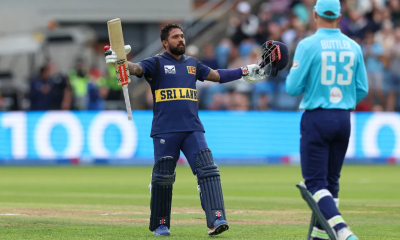
Kusal, Wellalage star as Sri Lanka defend 322 in Headingley thriller
-

 Features4 days ago
The 22nd Amendment, constitutional recovery and illiberal slippage
-

 Features4 days ago
Of foreigners as CEOs of Lankan ventures
-

 News4 days ago
Sajith rejects Jt. Opp. protest sabotage claim; SJB TU chief demands remedial action