
News
Israelis stay in Lankan tourist areas despite terrorism warning

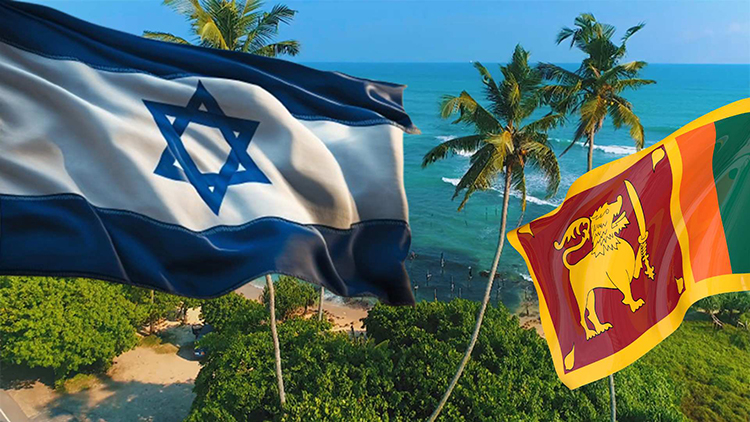
(VoI) The last remaining Israelis in the Sri Lankan tourist area said they felt safe and would remain behind despite warnings from Jerusalem to leave immediately due to threats of possible terrorist attacks.Israel’s National Security Council on Wednesday, October 23, 2024, asked Israelis to leave the tourist area south of the Indian Ocean island nation. They have information about terrorist threats focused on tourist and coastal areas.
The agency did not mention the nature of the threat, but said the warning was related to the Arugam Bay area, a popular place for Israelis, and beaches in southern and west of Sri Lanka.
The US Embassy in Sri Lanka and the German Foreign Ministry also provided similar warnings, prompting Colombo to increase security and increase vigilance.Sri Lankan police have arrested three suspects for questioning in connection with an unnamed threat.
“We are trying to ensure that all tourists are protected and their safety is guaranteed at all times,” police spokesman Nihal Thalduwa said.
Local authorities said there were about 600-700 Israeli tourists in Arugam Bay from September to early October 2024.
However, that number has shrunk to just 20 when security warnings were issued this week that coincided with the end of the tourist season.
As of Friday, October 25, 2024, 17 people had moved from the area and some of them flew abroad, leaving three Israelis in the southeastern city of about 7,000 people.
One of them, who has come to Sri Lanka since 1991 and is an old resident. He said he felt safe and was waiting for the arrival of his 17-year-old wife and twins in a week.
“I’m happy to come here and my family is happy to come here. We surf for about three to four hours every day when my sons are here. I don’t think there is a serious security threat,” he said.
The man, who declined to be identified, said two policemen appeared after the first security warning. Now, there are 16 security personnel, including police special forces, stationed around his small, blue-painted home in Arugam Bay.
Two other Israeli men, brothers who were relaxing in their rooms at a nearby halfway house, were surrounded by about eight police personnel and special forces.
They also said they would stay there until the end of the month and then move to the city of Ahangama which is not far from Arugam.
Sri Lanka continues to improve security with memories of the 2019 Easter Sunday bombing still fresh in memory.
The attack allegedly on ISIS targeted churches and three hotels, which killed 267 people, including at least 45 foreign nationals.
Unexpected Security checkpoints have sprung up on main roads and bridges in the Arugam Bay as well as surrounding areas. As many as 500 police, military, and special forces were deployed.
The police stopped the vehicle and checked the passenger’s identity card.
Israeli officials have warned of an increasing threat of attacks on Israelis outside their country since the start of the war in Gaza.
There has also been a spike in reports of antisemitic incidents in many parts of the world since the war broke out in the Middle East after Hamas attacked Israel on October 7, 2023.
Teluk Arugam residents dismissed social media speculation about tensions in the Muslim-majority city over the presence of Israelis after the Gaza war.
“I started renting out rooms to foreigners last year. They like to live here because they are not afraid,” said 41-year-old Abubakar Rinosha, who owns Israeli brothers’ halfway homes.Another resident said Israeli tourists were the main source of income, covering 70 percent of the city’s revenue.


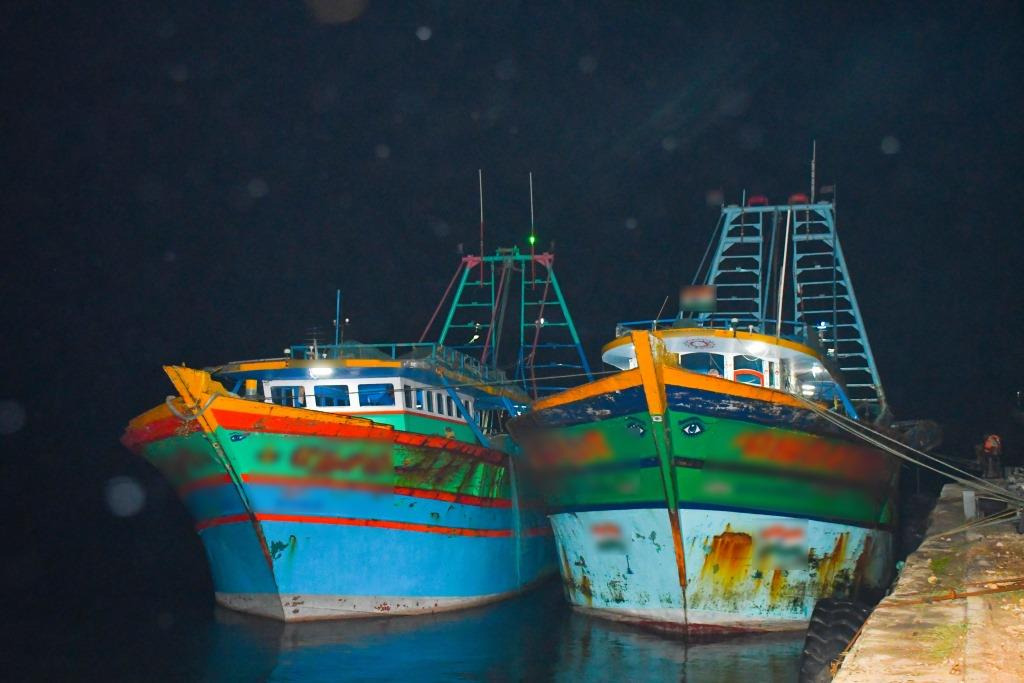
During an operation conducted in the dark hours of the 15th and wee hours of 16th February 2026, the Sri Lanka Navy seized two (02) Indian fishing boats and apprehended twenty five (25) Indian fishermen while they were poaching in Sri Lankan waters, off Kankesanthurai, Jaffna.
The two seized boats and the 25 Indian fishermen will be handed over to the Fisheries Inspector of Myliddy, Jaffna for onward legal proceedings.

The Muslim holy month of Ramadan is set to begin on February 18 or 19, depending on the sighting of the crescent moon.
During the month, which lasts 29 or 30 days, Muslims observing the fast will refrain from eating and drinking from dawn to dusk, typically for a period of 12 to 15 hours, depending on their location.
Muslims believe Ramadan is the month when the first verses of the Quran were revealed to the Prophet Muhammad more than 1,400 years ago.
The fast entails abstinence from eating, drinking, smoking and sexual relations during daylight hours to achieve greater “taqwa”, or consciousness of God.
Why does Ramadan start on different dates every year?
Ramadan begins 10 to 12 days earlier each year. This is because the Islamic calendar is based on the lunar Hijri calendar, with months that are 29 or 30 days long.
For nearly 90 percent of the world’s population living in the Northern Hemisphere, the number of fasting hours will be a bit shorter this year and will continue to decrease until 2031, when Ramadan will encompass the winter solstice, the shortest day of the year.
For fasting Muslims living south of the equator, the number of fasting hours will be longer than last year.
Because the lunar year is shorter than the solar year by 11 days, Ramadan will be observed twice in the year 2030 – first beginning on January 5 and then starting on December 26.

Fasting hours around the world
The number of daylight hours varies across the world.
Since it is winter in the Northern Hemisphere, this Ramadan, people living there will have the shortest fasts, lasting about 12 to 13 hours on the first day, with the duration increasing throughout the month.
People in southern countries like Chile, New Zealand, and South Africa will have the longest fasts, lasting about 14 to 15 hours on the first day. However, the number of fasting hours will decrease throughout the month.

[Aljazeera]
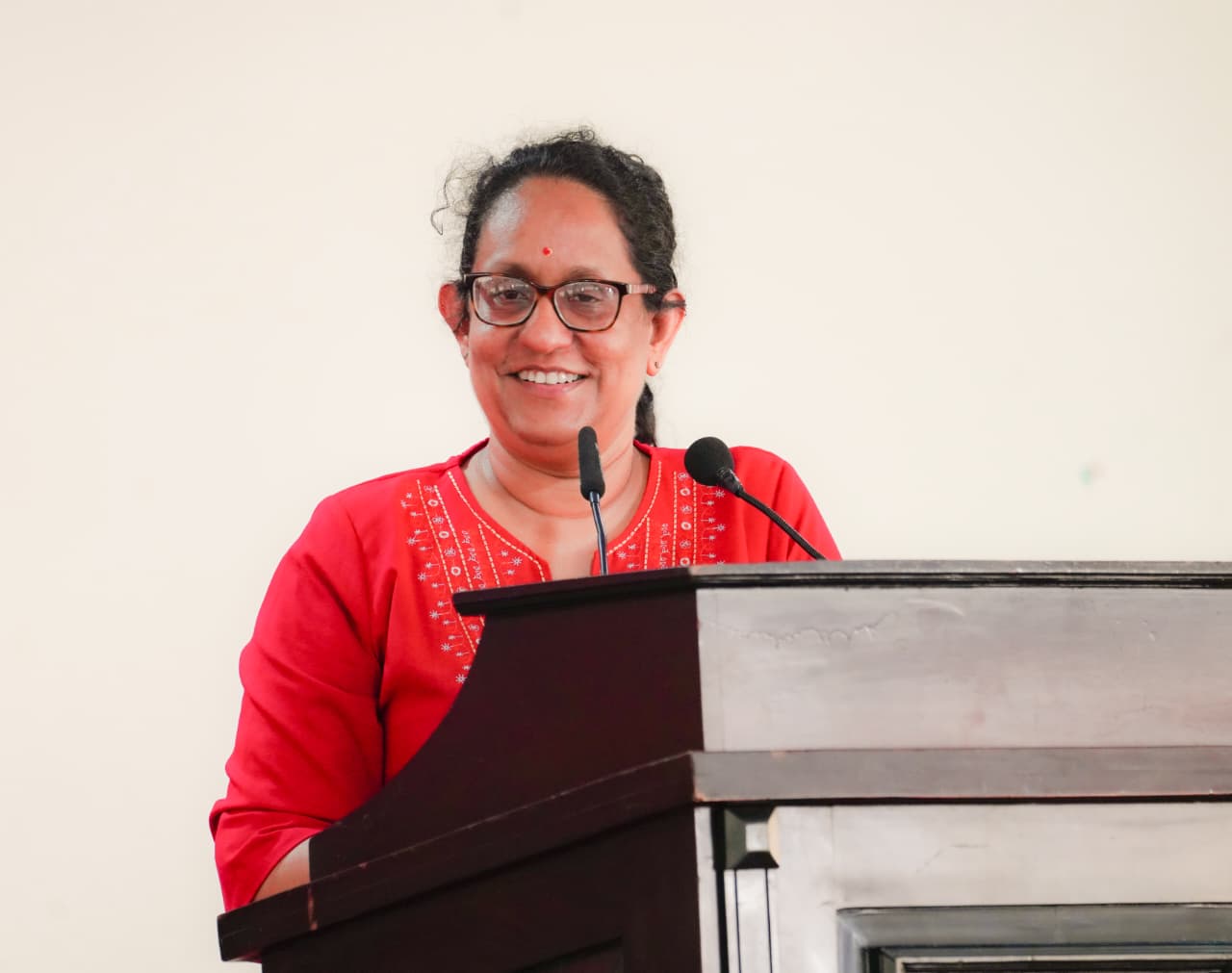
Prime Minister Dr. Harini Amarasuriya stated that no one will be allowed to drag the country’s future backward by inciting racism, and emphasized that women must step forward to carry forward the change that has been initiated.
The Prime Minister made these remarks while addressing the Mannar District Women’s Meeting held on Sunday [15 th of February] in the Adampan area of the Mannar District.
Speaking further, the Prime Minister stated:
“You know that our government has brought about a change in women’s representation. According to statistics, about 52% of the population are women. That means women constitute a powerful segment of our country’s population. However, when we consider various sectors and the challenges faced in daily life, the question remains whether this power is reflected in practice.
One of the main problems our country faced was war and violence, which caused us to view one another with distrust. As a result, we truly became a divided nation. Consequently, women were the ones who suffered the most. We know that many women in this country have endured immense suffering after losing their mothers, fathers, sons, daughters, brothers, and sisters. We are aware that many such women live in this region as well. Although the war ended a long time ago, peace has still not taken root in people’s hearts. Even today, there are women who do not know what happened to their family members. There are many women who struggle alone to protect and sustain their families.
Our government is committed to go against racism. We believe that everyone in this country should be able to live safely with equal rights. However, racist groups are still attempting to create divisions among people. They are not interested in stopping corruption, protecting democracy, ensuring the equal application of the law, or strengthening the economy. Their only objective is to gain power, not for the benefit of the people, but for themselves.
We know how much they have destroyed this country’s resources. In 2022, the country faced a massive economic collapse. But by 2025, our government was able to strengthen the economy by putting an end to theft, corruption, and waste. That is why, when Cyclone Ditwah struck, we were able to assist the people without borrowing loans.
Recently, for the first time in 21 years, we were able to distribute profits of the Milco institution among dairy farmers. Within about a year, by increasing revenue streams and minimizing waste in institutions, we were able to share profits.
We are rebuilding institutions which have fallen apart putting an end to fraud and corruption, stopping the waste, and ensuring that the benefits reach the people. Yet, some are attempting to take the country backward by stirring up racism.
Women are among those most affected by racism. Should we allow ourselves to be divided again and let discord rise? No. That is why women’s leadership is essential. To carry forward the change we have begun, women must step forward. There is still much work to be done. We will not allow our forward journey to be reversed.
One of the major challenges we face today is the drug menace. We fear for our children becoming victims of drugs, and as a result, family disputes have increased. People are afraid to go out or leave homes due to drug addicts. The President has made a special commitment to eradicate harmful drugs from the country. Those who were in power previously provided protection to these groups, preventing the police from enforcing the law properly. Today, we have instructed the police to enforce the law correctly. The police can now perform their duties properly, and the judiciary is delivering independent decisions. If a crime is committed, punishment must follow. The law is equal for everyone. We are aware that there are still areas where the law is not properly enforced.
There are still women and children who suffer from violence and abuse. The law must be more effective in ensuring the safety of women and children. We are increasing judicial capacity and taking steps to address such cases more swiftly.
Mothers make great sacrifices with faith in their children’s education. That is why we are working to provide quality education to all children. After five years, we are recruiting graduate teachers this year, and they will definitely be assigned to schools with vacancies. Proper appointments of principals had not been made earlier; we began filling these vacancies last year. Alongside this, we are developing school infrastructure. There is no distinction between big schools and small schools. Every school belongs to our children.
We are developing one school in each division and have informed District Development Committees to nominate those schools. We are also working to establish smart classrooms in every secondary school. In addition, from this year, education for Grade One has commenced under a new curriculum.
We came to power to rebuild this country, and we must do so. Women contribute significantly to the economy, yet they receive the lowest wages. Women have achieved high progress in all sectors. Therefore, when women engage in self-employment from home or participate in the workforce, facilities must be created to ensure the safety and care of their children”
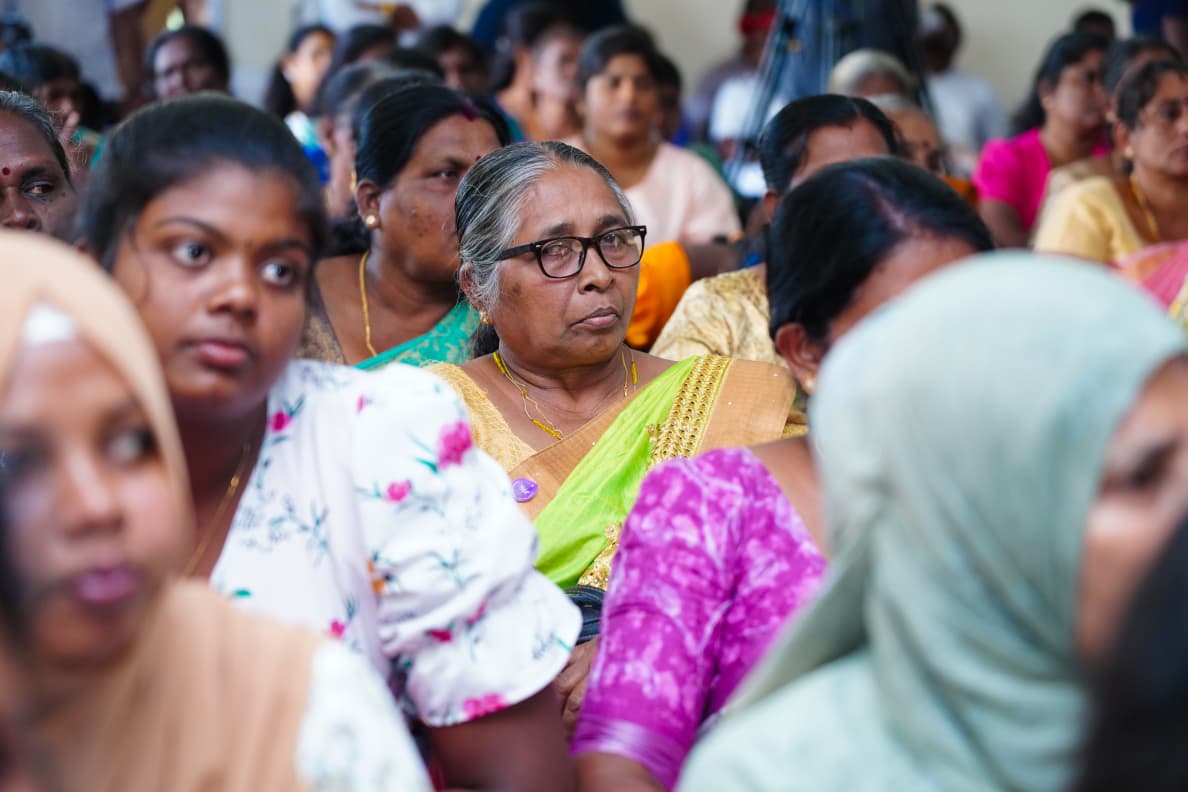
The occasion was attended by the Member of Parliament Jegatheeswaran, along with municipal and divisional council representatives and a large number of women.
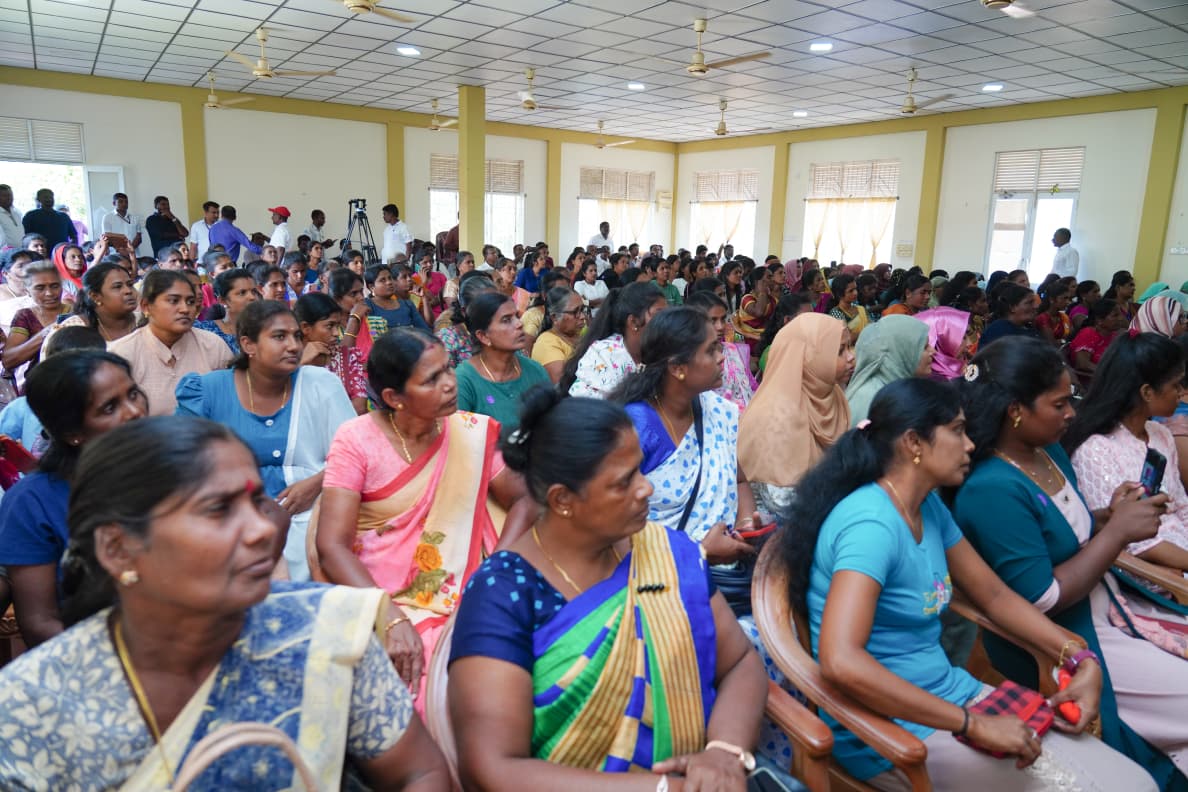
[Prime Minister’s Media Division]

Kusal Perera in as Sri Lanka bowl; Marsh returns for Australia

Jacks the star as England qualify for Super Eights with nervy win

Navy seizes 02 Indian fishing boats poaching in northern waters

Ramadan 2026: Fasting hours around the world

Omarzai’s all-round brilliance hands Afghanistan their first win of the World Cup

We will not allow anyone to drag the country backward by inciting racism. — PM

‘Dates have the highest sugar content to fight Coronavirus’

Sunday Island 27 December – Headlines

#SundayIsland 17th December – Headlines

Sunday Island – 28th March

Sunday Island Headlines – 21 March

Sunday Island – 21st February – Headlines
-

 Life style2 days ago
Marriot new GM Suranga
-

 Midweek Review6 days ago
A question of national pride
-

 Features2 days ago
Monks’ march, in America and Sri Lanka
-

 Business6 days ago
Autodoc 360 relocates to reinforce commitment to premium auto care
-

 Opinion5 days ago
Will computers ever be intelligent?
-

 Features2 days ago
The Rise of Takaichi
-

 Features2 days ago
Wetlands of Sri Lanka:
-

 Business15 hours ago
Ministry of Brands to launch Sri Lanka’s first off-price retail destination