
Business
How global MNCs can help bring USD into Sri Lanka

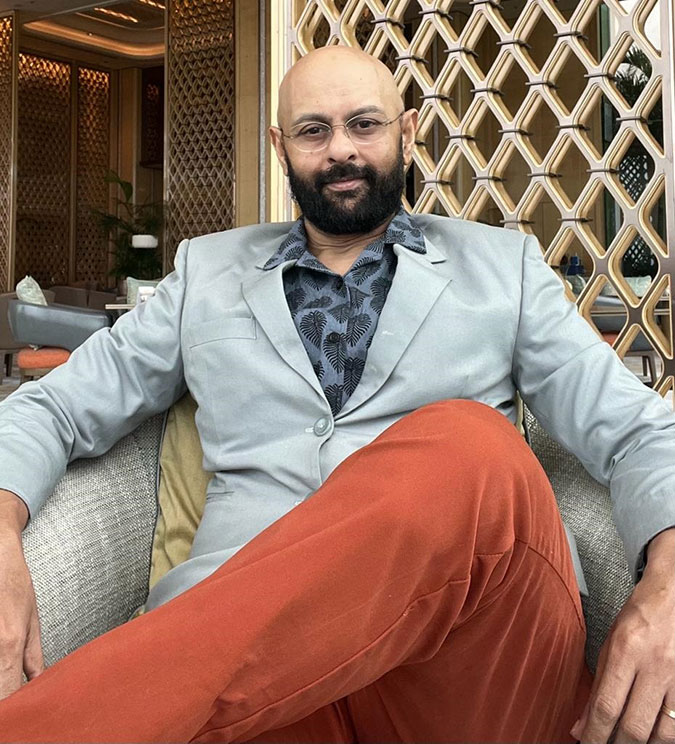
By Santosh Menon, Director, World for Lanka.
S/h-Motivates all their global employees and consumers to help Sri Lanka at this time of great need.I was recently checking out the website of a global MNC that is a huge player in the FMCG segment in Sri Lanka, and they said they operated in over 190 countries and had over 3.6 billion consumers worldwide.
A well-known No.1 global FMCG brand that dominates the market in Sri Lanka is present in 200 countries and claims to sell 1.9 billion servings daily, whereas the No. 2 global FMCG brand in Sri Lanka claims to be present in 200 countries and sells 1 billion servings daily.
A well-known global food company with famous brands and a sizable market share in Sri Lanka claimed on its website to have paid out 160 billion USD in cash to shareholders globally over a 15-year period. A major search engine claims that its product reaches 3.6 billion people worldwide, whereas a well-known social media brand claims to have 2.9 billion users.
What’s more, each of these global brands currently operates in Sri Lanka.
Let us review what Sri Lanka needs now and how these major global players can assist the country. According to recently published media reports, Sri Lanka currently requires somewhere between 5 billion USD for six months and 9 billion USD this year. This would ensure that people can afford essential necessities like fuel, food, and medicine, allowing them to lead regular lives and preventing the economy from coming to a complete standstill (we have already seen it happen). This also ensures that individuals receive the basic medical care required to maintain their health and that emergency medical care is available when necessary.
So what typically happens when a country does not have enough foreign currency to acquire the fundamental necessities? – It asks financial institutions for assistance, asks its diaspora to bring in the USD, seeks more exports, or tries to attract investments. It also asks friendly nations for loans or credit lines. We can see all of these happening. An Indian credit line has been obtained. I believe there are talks going on for a Chinese credit line. There is a conversation with the IMF. An effort is being made to urge the diaspora to send money back home using the banking system. To increase Sri Lanka’s foreign reserves, the central bank is working with exporters to make sure that all of their profits are being brought home. There are also discussions about how to boost investments, although this is a challenging task at the moment given the current political and economic climate.
So what else can be done? How can global MNCs contribute?
One must admit that these businesses are already accomplishing a lot; in the majority of cases, they continue to operate factories, keep employees motivated, pay salaries, and provide their Sri Lankan teams with a sense of security during these unpredictable times. Everyone in the nation suffers when the nation is suffering. Global MNCs are also no different. Additionally, they have been observed making donations from their CSR budgets to aid the humanitarian situation.
But what if I said that if global MNCs used their global system to help the country, they might be able to bring in enormous amounts of funds?These MNCs have access to an asset that, if they so choose, can be used to significantly assist Sri Lanka at this pivotal juncture in the nation’s history.To reach their customers, this asset consists of a sizable marketing infrastructure.Also, these customers are generous donors. Donors are expected to have given 4.6 billion USD to philanthropic causes in the US alone in 2020, but this is only one nation. Imagine having access to the 200 nations that these multinational corporations do.
It is simple to target these donors—who are the customers of multinational corporations (MNCs) and digital businesses—online with content that will inspire them to donate and lessen Sri Lanka’s suffering. There are 4.6 billion users online, for context. Global netizens are what they are known as, and in the modern world, we can use digital media to directly address them.
Technically, Sri Lanka’s needs for the upcoming year will be met by merely 2 USD from each of the world’s 4.6 billion internet users.If the leading digital companies (the social media and search engine giants) grant internet users access to their customer databases, and if they can be persuasively shown how just a few dollars from each of them would guarantee Sri Lanka and its population a normal life in 2022 or 2023, then we might witness unhindered foreign exchange flow.
So here are three things that global MNCs can do to help Sri Lanka out of this dilemma, with different degrees of impact.Using its staff and global network, it will raise awareness and provide money to Sri Lanka.Target international donors through social media and digital media with an effective and persuasive campaign to encourage USD inflow into Sri Lanka from selected regions.Utilize its products to raise money for Sri Lanka by increasing awareness of the issue there in international markets.
What are the benefits for the Global MNCs if they do this for Sri Lanka?
Companies and brands that are seen to support communities and engage with them are more likely to be preferred by consumers, who then become more devoted to their brands. This is a chance to inspire devotion and show genuine kindness.
There is a chance to shift people’s perceptions of some MNCs from being purely profit-driven organizations to ones with hearts and conscience. A multinational corporation (MNC) will be regarded as a really ground-breaking business if it can mobilize money from donors all over the world to aid Sri Lanka. By bringing money into Sri Lanka, they will also aid in boosting the country’s economy, which will benefit their own businesses and brands.
Now is the perfect opportunity for global corporations to show Sri Lankans that they truly care about them and to show the rest of the world how they can legitimately provide value by aiding a nation in getting out of a crisis. This is done by using their most innovative and top-tier global talent to tackle regional problems and by addressing them. What is needed is local leadership that can activate this program by convincing the global entity to prioritize Sri Lanka and navigating the global organizations’ processes. Let’s hope the multinational corporations (MNCs) present in Sri Lanka can exercise their powerful muscles when it counts most for Sri Lanka.


Sri Lanka Insurance Life and Sri Lanka Insurance General, in collaboration with the National Disaster Relief Services Centre (NDRSC), extended vital assistance to 1,000 families affected by the recent ‘Ditwah’ cyclone.
The relief initiative was carried out in two phases on 30th November and 2nd December, reflecting the company’s continued commitment to supporting communities in times of distress. Dry ration packs were distributed through the NDRSC to the Maharagama Urban Council and the Divulapitiya Pradeshiya Sabha, ensuring that aid reached the most affected households swiftly and efficiently. Both distribution programmes were held with the participation of local authorities and the management teams of SLIC Life and SLIC General, further strengthening the company’s close partnership with the communities it serves.
Speaking on the initiative, Chairman of Sri Lanka Insurance, Nusith Kumaaratunga, stated; “Sri Lanka Insurance has always placed community wellbeing at the heart of its purpose. In difficult times such as these, it is our responsibility to stand with the families who have been affected and offer meaningful support. This relief effort reflects our ongoing commitment to uplift communities and reinforces our role as a trusted national insurer focused on protection, care, and compassion.”
In addition to the relief programme, Sri Lanka Insurance has implemented extended operating hours at selected SLIC General branches in the affected areas to ensure uninterrupted service. Claims, customer care teams, and branch staff are working beyond regular hours to provide prompt assistance to policyholders impacted by the severe weather conditions.

MAS Holdings invited to be Patron of the Diversity & Inclusion Working Group of UN Global Compact Network Sri Lanka
In the quiet hum of production floors and design studios across continents, inclusion is not just spoken of – it is lived. At MAS Holdings, the rhythm of progress beats in unison with purpose, echoing through its 13-country footprint where over 95,000 people come together to create, innovate, and inspire. Seventy percent of them are women – each one a vital thread in a fabric defined not by hierarchy or circumstance, but by shared dignity and opportunity.
In an era when inclusion is too often reduced to aspiration or rhetoric, MAS Holdings has chosen to make it a foundation of how it operates, leads, and grows. Its commitment goes beyond workplace representation or compliance – it is a philosophy that defines every layer of its business, from the boardroom to the production line.
As Patron of the Diversity & Inclusion Working Group of the UN Global Compact Network Sri Lanka (Network Sri Lanka), MAS’ role now extends beyond its own factory walls. It stands as a mentor and catalyst – shaping an ecosystem where inclusion is understood not as charity or obligation, but as a cornerstone of sustainable and ethical enterprises.
“Our diversity and inclusion work is embedded in our sustainability strategy, which forms part of our business strategy,” says Thanuja Jayawardena, Head of Gender Equity & Code of Conduct at MAS Holdings. “Inclusion is not something we do on the side – it’s how we build teams, develop leaders, and contribute to society.”
Embedding Inclusion into Culture and the Way of Work
The company’s Sustainability Strategy – anchored in three pillars: Product, Lives, and Planet – positions people at the heart of progress. At the organizational level, inclusion is safeguarded through a robust Equal Opportunity and Anti-Harassment Policy, which forms part of the MAS Code of Conduct. It ensures all employees -regardless of age, race, nationality, gender, sexual orientation, or language – are treated with equal dignity. Annual awareness sessions and clear consequence management frameworks reinforce that commitment.
While policies lay the foundation for an equitable workplace, MAS has long recognized that policies alone do not create inclusion – people do. To embed equity into its culture, the company has integrated inclusion metrics into management performance evaluations, linking progress on values, behaviour, and representation to leadership accountability. This approach transforms values into measurable action and makes inclusion a shared responsibility.
“We conduct sensitization work continuously – through workshops, training, and communication that help people see why inclusion matters and how each person can model it,” Thanuja says. “These efforts start from the top, because leaders must show the way.”
It is a journey, not a destination. MAS acknowledges that changing mindsets and addressing power imbalances require time, consistency, and persistence. Yet, with strong frameworks, measurable goals, and committed leadership, the company continues to move forward—steadfast even in the face of challenges.
A Legacy of Empowering Women
MAS’ roots in gender equity run deep. Since its founding, the company has been powered by women, with factories and offices where female workers make up the majority. Early on, the company recognized that bridging the gender gap in access to resources, safety, and opportunity wasn’t just a social responsibility – it was critical to long-term business success.
One of the most transformative milestones in their journey was the launch of its flagship Women Go Beyond (WGB) programme in 2003. What began as an initiative to recognize women’s contributions has evolved into a comprehensive empowerment framework, supporting the professional, personal, and social growth of women across the organization.
Since inception, over 5.5 million opportunities have been created under WGB. In 2024 alone, more than 300,000 women benefited through training on career advancement, life skills, entrepreneurship, financial literacy, health and wellbeing, and awareness on Sexual and Reproductive Health and Rights (SRHR) and addressing and preventing Gender-Based Violence (GBV).
“Our founders believed that empowering women was the right thing to do – and it stemmed from our founders’ deeply held personal values,” Thanuja says. “We’re now seeing the business case play out globally: diversity drives innovation, resilience, and performance.”
To sustain progress, MAS has embedded women’s representation targets into its leadership scorecards. Progress is tracked through gender-disaggregated data, ensuring transparency and accountability across recruitment, promotion, and succession planning. Leadership buy-in is strengthened through reward-based incentives that align equity outcomes with strategic goals.
The company’s family-friendly policies – flexible work arrangements, parental and adoption leave, childcare facilities at 36 locations – globally, and lactation rooms across all sites – reflect a tangible commitment to employee wellbeing. Since 2022, MAS has also expanded its inclusion focus to support people of diverse sexual orientations and gender identities, conducting sensitization programmes coupled with infrastructure support to build a culture of respect for all.
Changing Systems and Measuring Success
The company’s inclusive transformation has required both cultural and operational shifts. Long before industry expectations or customer pressure, internal goals for women’s representation in management were established, recognizing that real change had to begin from within.
The integration of these goals into MAS’ social sustainability tool allows for consistent measurement, monitoring, and adaptation of initiatives. The company measures both numbers and narratives – balancing quantitative indicators like promotion rates with qualitative insights from surveys, focus groups, and organizational health assessments.
“The real measure is how we see behaviour changing,” Thanuja reflects. “When someone calls out discrimination, when a mother takes a travel-heavy role, when flexibility becomes normalized – that’s success. Inclusion for us is progress felt, not just reported.”
Defining Inclusion Beyond Gender
While gender equity has been a defining part of MAS’ identity—rooted in its history as a company powered by women—the organization’s commitment today extends far beyond gender, embracing multiple dimensions of identity, experience, and ability. Within the Lives pillar of its Sustainability Strategy, the company focuses on empowering persons with disabilities, strengthening safe and respectful working environments, and expanding sustainability education within the communities where it operates. These commitments are supported by formal policies, leadership accountability mechanisms, and a strong internal culture that upholds equity and dignity for all.
This strong internal foundation enables MAS to extend its values beyond the workplace and into the communities it serves. One of the most recognized examples is the internally developed “Eco Go Beyond” school engagement programme, implemented under the guidance of the Ministry of Education. Through student-led projects, immersive camps, and partnerships, the programme nurtures environmental stewardship, youth leadership, and inclusive innovation – cultivating a generation that understands sustainability and equity as everyday responsibilities. “Both these focus areas are meaningful to us because of the industry we’re in and the communities we touch,” Thanuja notes. “We go deep in every area we take on, and design solutions that respond to real needs.”
By expanding its definition of inclusion, MAS is building systems that recognize and celebrate the diversity of its workforce and the communities connected to it. The company’s efforts—from disability inclusion to youth empowerment—reflect a belief that sustainable progress is only possible when every individual has the opportunity to participate and contribute. As MAS continues to broaden its focus areas and deepen partnerships, it aims to shape environments where inclusion is lived daily, not only within its workplaces but across the ecosystems it touches.
Leadership, Influence, and Industry Impact
At MAS, leadership commitment to inclusion is unwavering. “We’re fortunate to have shareholders and a board that understand the need for diversity of thought, background, and experience,” Thanuja shares. “Without senior-most commitment, this work is almost impossible – but it’s equally crucial to have middle management bought in, because they drive day-to-day change”.
As one of Sri Lanka’s largest employers, MAS’ influence extends across the apparel and manufacturing sectors, both locally and globally. The company actively shares its learnings through public forums, collaborations with universities, partnerships with global brands, and community engagements. “Our influence lies in showing that business excellence and inclusion aren’t separate,” Thanuja explains. “They strengthen each other”.
This philosophy is evident in MAS’ collaboration with the International Trade Centre’s GTEX Programme, a UN-led initiative funded by Switzerland and Sweden. Through this partnership, MAS committed to support nine SMEs in the textile sector by offering education on women’s empowerment, SRHR, and GBV awareness – helping build inclusive capacity beyond its own operations.
Collaboration with Network Sri Lanka and the Power of Collective Progress
The company was among the first Sri Lankan companies to join the UN Global Compact Network Sri Lanka in 2003 and became a signatory to the UN Women’s Empowerment Principles (WEPs) in 2011. Its partnership with Network Sri Lanka has been pivotal in strengthening both accountability and ambition.
“Network Sri Lanka has helped us set realistic yet bold goals and align with global best practices,” Thanuja notes. “Through initiatives like Target Gender Equality and the WEPs Gender Gap Analysis Tool, we’ve been able to benchmark ourselves and structure our frameworks better.”
The network has also enabled MAS to engage with academia, government, and advocacy groups, driving conversations around male allyship, inclusive policies for LGBTIQA+ employees, and addressing gender pay gaps – broadening the reach of its impact and influence.
Looking Ahead: Renewing the Commitment
As MAS looks toward 2030, its Fair-care Responsibility Lighthouse Project under the Lives pillar remains central to its sustainability agenda. The company will continue investing in leadership development, inclusive policy design, and community outreach—while staying committed to listening to its people and evolving in response to their needs. “An inclusive and equitable workplace is not a nice-to-have,” Thanuja asserts. “It’s essential for real economic growth. When businesses overlook childcare, discrimination, or abuse, they ignore the potential of their people – and that’s a cost no economy can afford”.
For MAS Holdings, inclusion is not a chapter – it is the thread that ties every part of its business together. And through their role as Patron of the Diversity & Inclusion Working Group, it continues to weave that thread into the wider fabric of Sri Lanka’s private sector – strengthening collective action and shaping a more equitable future for all.

The unit trust industry of Sri Lanka reported a 16.5% year-over-year growth of its assets under management (AUM) to Rs. 597 Bn by the end of November 2025. These assets are currently managed across 85 funds by 16 management companies.
Industry AUM continues to be bolstered by strong inflows into equity-related funds, which recorded Rs. 3.4 Bn in new funds during the month. Additionally, the industry saw 2,945 new unit holders invest in the market in November, with a total of 27,720 new investors added year-to-date. This indicates a growing familiarity and acceptance of unit trusts as an alternative investment tool among investors. As of end-November, the total number of unit trust investors in the market stood at 141,252, up approximately 25.0% year-over-year.
Speaking recently of the unit trust industry, Chairman of the Securities and Exchange Commission of Sri Lanka (SEC) Prof. Hareendra Dissabandara spoke of the importance of unit trusts in deepening Sri Lanka’s capital markets by enabling wider public participation through accessible, well-regulated and professionally managed investment options.
“Unit trusts open the door for ordinary citizens — even those with small savings — to become investors. This builds financial inclusion, encourages savings to flow into productive investments, and ultimately strengthens our capital market and national economy,” he stated.
He further reiterated: “Every investment carries some risk, but unit trusts are one of the safest ways to invest in the market. They are regulated by the SEC and held under the custody of independent trustees — often banks — who ensure that your money is not misused. The funds are required to disclose their performance regularly, so investors can see how their money is growing. Transparency and accountability are built into the system.”
Commenting on the industry results, Vice President of the Unit Trust Association of Sri Lanka (UTASL) and CEO of First Capital Asset Management Limited Kavin Karunamoorthy noted: “We are extremely encouraged to see the upward direction the industry has been heading in this past year. However, we believe there is more to be done. With the recent success of our ‘Investor Awareness Initiative’ held in October, we continue to remain focused on strengthening financial literacy and investor participation across the country in unit trusts.”
He further added: “These efforts are carried out in collaboration with the SEC and Colombo Stock Exchange (CSE), and we believe the recently launched ‘A Share for Each – A Unit for Everyone’ national initiative by the SEC to promote the industry will help activate and grow the investor base further.”
The UTASL is the representative body for the country’s licensed fund management companies, dedicated to upholding the highest standards of professionalism, integrity and transparency across the industry. Consisting of 16 member companies regulated by the SEC, the UTASL aims to popularise unit trusts and encourage Sri Lankans to prioritise long-term and professionally guided investing, in addition to short-term savings, whilst contributing to national economic growth.
For more information on unit trusts and to connect with management companies, visit www.utasl.lk.

Myanmar votes as military holds first election since 2021 coup

Interment of singer Latha Walpola at Borella on Wednesday [31st]

Western Naval Command conducts beach cleanup to mark Navy’s 75th anniversary

Ex-Malaysia PM Najib Razak given 15-year jail term over state funds scandal

Two dead in 50-vehicle pile up on Japan highway

New York blanketed in snow, sparking travel chaos

‘Dates have the highest sugar content to fight Coronavirus’

Sunday Island 27 December – Headlines

#SundayIsland 17th December – Headlines

Sunday Island – 28th March

Sunday Island Headlines – 21 March

Sunday Island – 21st February – Headlines
-

 News5 days ago
Members of Lankan Community in Washington D.C. donates to ‘Rebuilding Sri Lanka’ Flood Relief Fund
-

 News3 days ago
British MP calls on Foreign Secretary to expand sanction package against ‘Sri Lankan war criminals’
-

 News6 days ago
Air quality deteriorating in Sri Lanka
-

 News6 days ago
Cardinal urges govt. not to weaken key socio-cultural institutions
-

 Features5 days ago
General education reforms: What about language and ethnicity?
-

 Opinion6 days ago
Ranwala crash: Govt. lays bare its true face
-
 News5 days ago
Suspension of Indian drug part of cover-up by NMRA: Academy of Health Professionals
-

 News6 days ago
CID probes unauthorised access to PNB’s vessel monitoring system