
Business
Threads of Equity: MAS Holdings’ Journey of Inclusion and Impact


MAS Holdings invited to be Patron of the Diversity & Inclusion Working Group of UN Global Compact Network Sri Lanka
In the quiet hum of production floors and design studios across continents, inclusion is not just spoken of – it is lived. At MAS Holdings, the rhythm of progress beats in unison with purpose, echoing through its 13-country footprint where over 95,000 people come together to create, innovate, and inspire. Seventy percent of them are women – each one a vital thread in a fabric defined not by hierarchy or circumstance, but by shared dignity and opportunity.
In an era when inclusion is too often reduced to aspiration or rhetoric, MAS Holdings has chosen to make it a foundation of how it operates, leads, and grows. Its commitment goes beyond workplace representation or compliance – it is a philosophy that defines every layer of its business, from the boardroom to the production line.
As Patron of the Diversity & Inclusion Working Group of the UN Global Compact Network Sri Lanka (Network Sri Lanka), MAS’ role now extends beyond its own factory walls. It stands as a mentor and catalyst – shaping an ecosystem where inclusion is understood not as charity or obligation, but as a cornerstone of sustainable and ethical enterprises.
“Our diversity and inclusion work is embedded in our sustainability strategy, which forms part of our business strategy,” says Thanuja Jayawardena, Head of Gender Equity & Code of Conduct at MAS Holdings. “Inclusion is not something we do on the side – it’s how we build teams, develop leaders, and contribute to society.”
Embedding Inclusion into Culture and the Way of Work
The company’s Sustainability Strategy – anchored in three pillars: Product, Lives, and Planet – positions people at the heart of progress. At the organizational level, inclusion is safeguarded through a robust Equal Opportunity and Anti-Harassment Policy, which forms part of the MAS Code of Conduct. It ensures all employees -regardless of age, race, nationality, gender, sexual orientation, or language – are treated with equal dignity. Annual awareness sessions and clear consequence management frameworks reinforce that commitment.
While policies lay the foundation for an equitable workplace, MAS has long recognized that policies alone do not create inclusion – people do. To embed equity into its culture, the company has integrated inclusion metrics into management performance evaluations, linking progress on values, behaviour, and representation to leadership accountability. This approach transforms values into measurable action and makes inclusion a shared responsibility.
“We conduct sensitization work continuously – through workshops, training, and communication that help people see why inclusion matters and how each person can model it,” Thanuja says. “These efforts start from the top, because leaders must show the way.”
It is a journey, not a destination. MAS acknowledges that changing mindsets and addressing power imbalances require time, consistency, and persistence. Yet, with strong frameworks, measurable goals, and committed leadership, the company continues to move forward—steadfast even in the face of challenges.
A Legacy of Empowering Women
MAS’ roots in gender equity run deep. Since its founding, the company has been powered by women, with factories and offices where female workers make up the majority. Early on, the company recognized that bridging the gender gap in access to resources, safety, and opportunity wasn’t just a social responsibility – it was critical to long-term business success.
One of the most transformative milestones in their journey was the launch of its flagship Women Go Beyond (WGB) programme in 2003. What began as an initiative to recognize women’s contributions has evolved into a comprehensive empowerment framework, supporting the professional, personal, and social growth of women across the organization.
Since inception, over 5.5 million opportunities have been created under WGB. In 2024 alone, more than 300,000 women benefited through training on career advancement, life skills, entrepreneurship, financial literacy, health and wellbeing, and awareness on Sexual and Reproductive Health and Rights (SRHR) and addressing and preventing Gender-Based Violence (GBV).
“Our founders believed that empowering women was the right thing to do – and it stemmed from our founders’ deeply held personal values,” Thanuja says. “We’re now seeing the business case play out globally: diversity drives innovation, resilience, and performance.”
To sustain progress, MAS has embedded women’s representation targets into its leadership scorecards. Progress is tracked through gender-disaggregated data, ensuring transparency and accountability across recruitment, promotion, and succession planning. Leadership buy-in is strengthened through reward-based incentives that align equity outcomes with strategic goals.
The company’s family-friendly policies – flexible work arrangements, parental and adoption leave, childcare facilities at 36 locations – globally, and lactation rooms across all sites – reflect a tangible commitment to employee wellbeing. Since 2022, MAS has also expanded its inclusion focus to support people of diverse sexual orientations and gender identities, conducting sensitization programmes coupled with infrastructure support to build a culture of respect for all.
Changing Systems and Measuring Success
The company’s inclusive transformation has required both cultural and operational shifts. Long before industry expectations or customer pressure, internal goals for women’s representation in management were established, recognizing that real change had to begin from within.
The integration of these goals into MAS’ social sustainability tool allows for consistent measurement, monitoring, and adaptation of initiatives. The company measures both numbers and narratives – balancing quantitative indicators like promotion rates with qualitative insights from surveys, focus groups, and organizational health assessments.
“The real measure is how we see behaviour changing,” Thanuja reflects. “When someone calls out discrimination, when a mother takes a travel-heavy role, when flexibility becomes normalized – that’s success. Inclusion for us is progress felt, not just reported.”
Defining Inclusion Beyond Gender
While gender equity has been a defining part of MAS’ identity—rooted in its history as a company powered by women—the organization’s commitment today extends far beyond gender, embracing multiple dimensions of identity, experience, and ability. Within the Lives pillar of its Sustainability Strategy, the company focuses on empowering persons with disabilities, strengthening safe and respectful working environments, and expanding sustainability education within the communities where it operates. These commitments are supported by formal policies, leadership accountability mechanisms, and a strong internal culture that upholds equity and dignity for all.
This strong internal foundation enables MAS to extend its values beyond the workplace and into the communities it serves. One of the most recognized examples is the internally developed “Eco Go Beyond” school engagement programme, implemented under the guidance of the Ministry of Education. Through student-led projects, immersive camps, and partnerships, the programme nurtures environmental stewardship, youth leadership, and inclusive innovation – cultivating a generation that understands sustainability and equity as everyday responsibilities. “Both these focus areas are meaningful to us because of the industry we’re in and the communities we touch,” Thanuja notes. “We go deep in every area we take on, and design solutions that respond to real needs.”
By expanding its definition of inclusion, MAS is building systems that recognize and celebrate the diversity of its workforce and the communities connected to it. The company’s efforts—from disability inclusion to youth empowerment—reflect a belief that sustainable progress is only possible when every individual has the opportunity to participate and contribute. As MAS continues to broaden its focus areas and deepen partnerships, it aims to shape environments where inclusion is lived daily, not only within its workplaces but across the ecosystems it touches.
Leadership, Influence, and Industry Impact
At MAS, leadership commitment to inclusion is unwavering. “We’re fortunate to have shareholders and a board that understand the need for diversity of thought, background, and experience,” Thanuja shares. “Without senior-most commitment, this work is almost impossible – but it’s equally crucial to have middle management bought in, because they drive day-to-day change”.
As one of Sri Lanka’s largest employers, MAS’ influence extends across the apparel and manufacturing sectors, both locally and globally. The company actively shares its learnings through public forums, collaborations with universities, partnerships with global brands, and community engagements. “Our influence lies in showing that business excellence and inclusion aren’t separate,” Thanuja explains. “They strengthen each other”.
This philosophy is evident in MAS’ collaboration with the International Trade Centre’s GTEX Programme, a UN-led initiative funded by Switzerland and Sweden. Through this partnership, MAS committed to support nine SMEs in the textile sector by offering education on women’s empowerment, SRHR, and GBV awareness – helping build inclusive capacity beyond its own operations.
Collaboration with Network Sri Lanka and the Power of Collective Progress
The company was among the first Sri Lankan companies to join the UN Global Compact Network Sri Lanka in 2003 and became a signatory to the UN Women’s Empowerment Principles (WEPs) in 2011. Its partnership with Network Sri Lanka has been pivotal in strengthening both accountability and ambition.
“Network Sri Lanka has helped us set realistic yet bold goals and align with global best practices,” Thanuja notes. “Through initiatives like Target Gender Equality and the WEPs Gender Gap Analysis Tool, we’ve been able to benchmark ourselves and structure our frameworks better.”
The network has also enabled MAS to engage with academia, government, and advocacy groups, driving conversations around male allyship, inclusive policies for LGBTIQA+ employees, and addressing gender pay gaps – broadening the reach of its impact and influence.
Looking Ahead: Renewing the Commitment
As MAS looks toward 2030, its Fair-care Responsibility Lighthouse Project under the Lives pillar remains central to its sustainability agenda. The company will continue investing in leadership development, inclusive policy design, and community outreach—while staying committed to listening to its people and evolving in response to their needs. “An inclusive and equitable workplace is not a nice-to-have,” Thanuja asserts. “It’s essential for real economic growth. When businesses overlook childcare, discrimination, or abuse, they ignore the potential of their people – and that’s a cost no economy can afford”.
For MAS Holdings, inclusion is not a chapter – it is the thread that ties every part of its business together. And through their role as Patron of the Diversity & Inclusion Working Group, it continues to weave that thread into the wider fabric of Sri Lanka’s private sector – strengthening collective action and shaping a more equitable future for all.


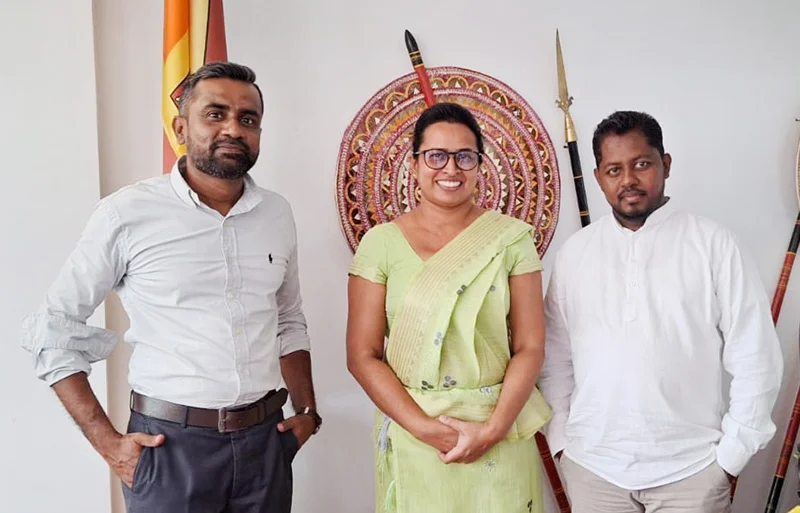
by Claude Gunasekera
The Sri Lanka Tourism Development Authority (SLTDA) officially launched its nationwide capacity-building campaign, “Grow your Tourism Business with National Tourism Skilling Programme (NTSP),” August 31, from the scenic regional hub of Ella. Directed under the leadership of the Tourism Deputy Minister, Prof. Ruwan Ranasinghe, the comprehensive initiative aims to transform micro, small, and medium enterprises (MSMEs) by accelerating their digital readiness and business formalization across the local hospitality ecosystem.
The entire islandwide operation is under the direct coordination of Ms. Tharanga Rupasinghe, the SLTDA Director of Standards and Quality Assurance, ensuring that all rural operators align seamlessly with international hospitality standards. By utilizing the framework of the NTSP, the campaign focuses on delivering essential digital payment tools, modern online marketing insights, and compliance frameworks directly to village-level enterprises, handcraft artisans, and independent tour operators. Speaking at the launch event in Ella, Tourism Deputy Minister Prof. Ruwan Ranasinghe emphasised that sustainable growth in the travel sector relies heavily on empowering smaller stakeholders to become resilient, data-driven participants in the modern market. “True economic resilience in our tourism sector cannot be achieved through large-scale infrastructure alone, but must be built from the ground up by transforming our local communities and regional MSMEs into direct, digitally enabled beneficiaries of global travel traffic,” Prof. Ranasinghe noted. Through this synchronized, localized training approach, the SLTDA intends to systematically protect cultural heritage while elevating the service quality benchmarks of regional travel hotspots nationwide.
Regional hospitality groups, led by the Ella Tourism Association, have strongly welcomed the launch of the SLTDA national skilling campaign, calling it a vital step toward safeguarding the destination’s international reputation. Local operators noted that rapid commercial growth in the Uva Province has highlighted an urgent need for structural standardization, making the arrival of the National Tourism Skilling Programme (NTSP) highly timely. The grassroots response focused heavily on the benefits of formalization and digital integration for the region’s diverse service sector. The Ella Homestay Owners Collective praised the focus on digital payment tools, noting that transition support will help smaller vendors capture direct bookings and reduce their reliance on third-party booking commissions.
The Uva Tuk-Tuk and Adventure Guides Association highlighted that the safety and compliance training will build trust with high-spending international travelers, effectively raising service quality benchmarks across the town. Local association leaders emphasized that having Ms. Tharanga Rupasinghe, SLTDA Director of Standards and Quality Assurance, directly coordinate the field training ensures the program addresses practical, local challenges rather than just theoretical rules. Following the initial rollout, regional committees have pledged to work alongside the SLTDA to ensure that even the smallest village artisans and micro-enterprises achieve official registration, positioning Ella as a model hub for high-quality, community-driven sustainable tourism.
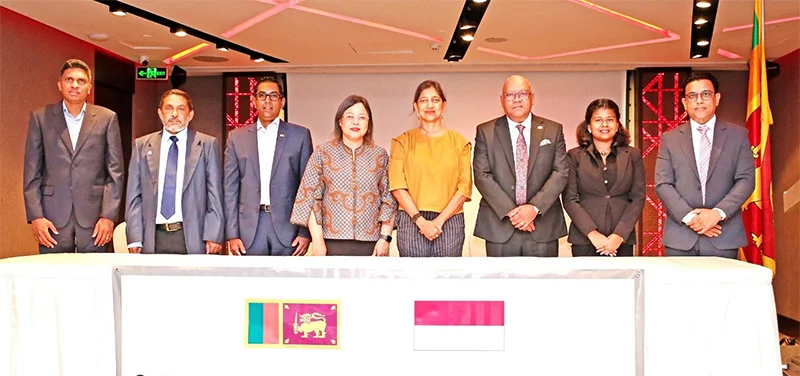
The Sri Lanka–Indonesia Business Council of The Ceylon Chamber of Commerce held its 3rd Annual General Meeting recently, bringing together Council members and key stakeholders to review the Council’s activities and priorities for the year ahead. The AGM was graced by Dewi Gustina Tobing, Ambassador of Indonesia to Sri Lanka and Patron of the Council
Delivering her address, Dewi Gustina Tobing, Ambassador of Indonesia to Sri Lanka, provided a comprehensive overview of Indonesia’s political and economic landscape, highlighting the country’s focus on promoting economic independence, strengthening sectoral resilience, improving public welfare, and facilitating both inbound and outbound investment.
Re-elected as President of the Council for 2026/27, Sheamalee Wickramasingha, Chairman / Group Managing Director of Ceylon Biscuits Ltd. acknowledged the instrumental role played by the Ambassador in the re-establishment of the Council and reflected on the Council’s key achievements during the past year. She highlighted the successful Sri Lanka–Indonesia Business Delegation to Indonesia, which provided valuable opportunities for Sri Lankan businesses to engage with Indonesian counterparts and explore avenues for commercial cooperation.
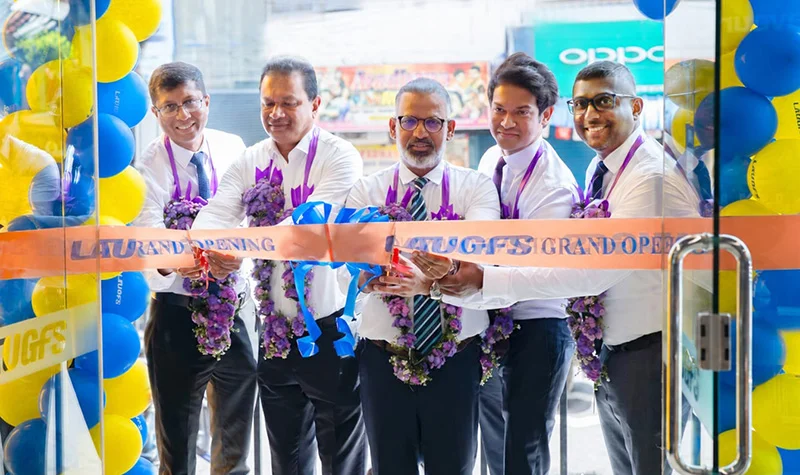
LAUGFS Supermarkets has further strengthened its growing retail presence with the opening of its 46th outlet at No. 78, K.B. Christy Perera Mawatha, Kotahena. The new outlet operates 24 hours a day, offering customers a wide range of products together with bakery and hot food options, providing greater convenience and accessibility to the surrounding community.
The new Kotahena outlet further expands LAUGFS Supermarkets’ growing network and reflects the Group’s continued focus on strengthening its presence in strategic locations across the country. The opening ceremony was attended by the Group Chairman, Group Executive Vice Chairman, Acting Group Managing Director/Group Executive Director and senior management.
Commenting on the opening, the Sector Managing Director/CEO – Retail, Niroshan De Silva, said, “The opening of our 46th outlet reflects the dedication, teamwork and determination of our people, who have worked exceptionally hard to bring this outlet together. The new Kotahena outlet is designed to offer customers greater convenience, with an inbuilt bakery and hot food facility that provides freshly prepared food alongside our wide range of products, all under one roof. Our focus is to ensure that every LAUGFS Supermarket operates to the highest standards and consistently delivers quality, convenience and service excellence to our customers.”
The opening of the Kotahena outlet marks another significant milestone in LAUGFS Supermarkets’ ongoing expansion, bringing its products and services closer to more customers while further enhancing its 24-hour retail offering. With its growing network of outlets and continued focus on customer convenience and service excellence, LAUGFS Supermarkets remains committed to strengthening its presence and creating greater value for customers across Sri Lanka.

Pakistan fined, docked 11 points in Edgbaston Test for slow over rate

England look to continue domineering T20 form

US Supreme Court rejects Trump mail ballot restrictions ahead of midterms

Eastern Province Divisional Secretariats recognized for outstanding performance

Students of Rahmaniya Maha Vidyalaya Eravur visit Presidential Secretariat and President’s House

Showers above 100 mm expected at times in the Western, Sabaragamuwa, Central, Uva and Southern provinces, and in Ampara and Batticaloa districts

‘Dates have the highest sugar content to fight Coronavirus’

Sunday Island 27 December – Headlines

#SundayIsland 17th December – Headlines

Sunday Island – 28th March

Sunday Island Headlines – 21 March

Sunday Island – 21st February – Headlines
-

 Sports4 days ago
DDS set to lose Test captaincy
-

 News4 days ago
Sri Lanka faces new grid challenge as rooftop solar surges: former CEB GM
-

 Latest News4 days ago
Shafali, Deepti power India into sixth T20 Asia Cup final
-

 Latest News4 days ago
Sri Lanka thwart Fatima Sana challenge to secure Asia Cup final spot
-

 Opinion6 days ago
Navigating Sri Lanka’s Israeli Dilemma
-
 Features5 days ago
Lost for 90 years: Rare Goby resurfaces in Jaffna
-

 News2 days ago
Gnanasara Thero absconding after SC ruling
-

 News3 days ago
Ammunition cache found in old Kandy bungalow