
Features
Her Majesty The Queen, A Style Legacy

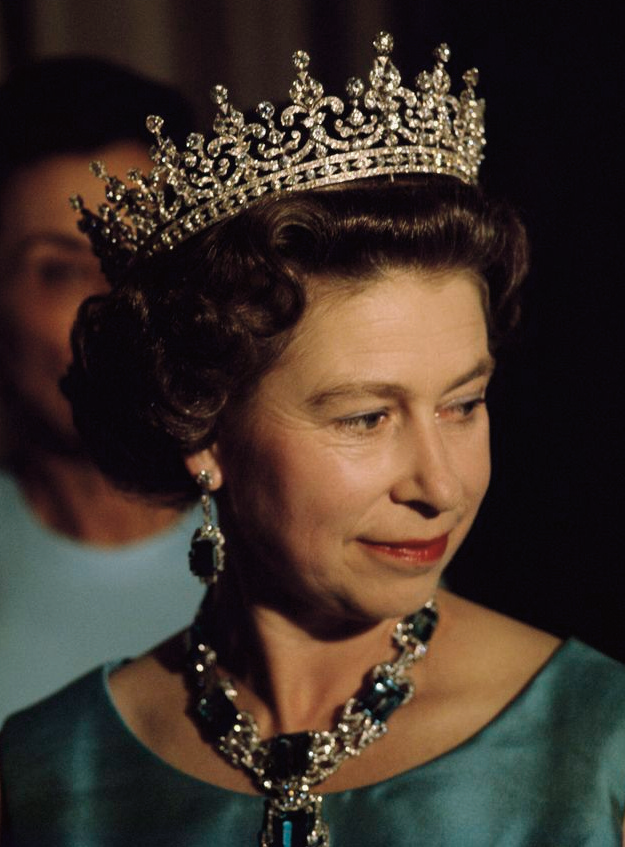
The familiarity of the hats, the quietly diplomatic choice of brooch, the shocks of colour and the sensible worn-in shoes will remain bastions of the 20th and 21st century style With the close of the modern Elizabethan era, legacy is a word that is reverberating strongly following the news of Her Majesty Queen Elizabeth’s death. She was 96-years-old.
As the role of the monarchy shifted during her 70-year reign, and the entire understanding of its existence was increasingly questioned, Her Majesty remained a popular, recognisable figure of quintessential Britishness. For those of us that have known no other British monarch, we are left with a legacy that will be marked by her inescapable sense of duty to the Crown and country, but also a decidedly strong sense of self and identity that feels singular in a world of chameleonic idols and a quickening trend cycle.
Few before, and likely few after, will have spent as long as a recognisable figure in the public eye, with such a reaching global impact. Like the tone of her reign, Her Majesty’s sartorial approach was informed by a quiet confidence and an assured concept of self that prized personal style over trends and fads. Sure, she might not have had the glamorous allure of a Hollywood star or the subversive ability to shift our notion of dress like others have done, but Her Majesty’s legacy will be a fashion journey that proves a lesson in unwavering integrity of identity.
The Queen’s fashion legacy will also be marked by a savvy, often understated, means of communicating with her people, which dates back to her coming of age in a post-war Britain. Married at Westminster Abbey in November 1947, her wedding dress was assembled using duchess satin bought with ration vouchers. Of course, unlike her peers, it was Norman Hartnell that designed the 13-foot gown, but the message of her purchasing her fabric through this ‘just like us’ nature was one of kinsmanship not lost on a recovering Britain.

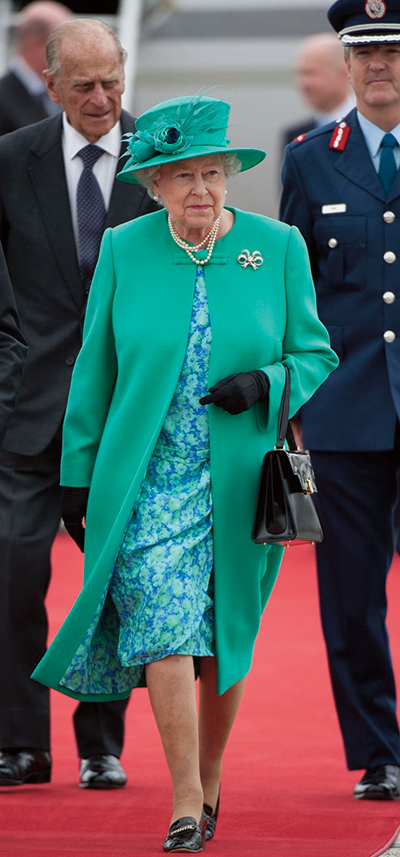
Throughout her reign, other fashion choices have needed to be more diplomatic and significant in message. Arriving in Ireland in 2011, the first British monarch to do so in 100 years, the Queen wore a very specific shade of green. Not too emerald, not too bold, it was a careful choice that didn’t assume Her Majesty to be reclaiming Ireland, but instead proved a sensitive homage in the landmark moment.
Other sartorial decisions had a more sentimental attachment. Consider her brooch for the Duke and Duchess of Cambridge’s 2011 nuptials. From amongst her wealth of heritage jewels she chose The True Lover’s Knot, the largest in her hefty collection. Its sweet bow-like design was an emblem of the day’s significance in her life as a proud grandmother and for the line of succession.
Brooches, like dress suits, brimmed hats, patent pumps and top-handle Launer handbags, are amongst the pieces that made up Her Majesty’s uniform-like approach to her on-duty wardrobe. A dedicated Monarch, who always placed service first and foremost, it made sense that she treated her approach to dress with such regimented formula. It must also be noted how traditionally feminine these pieces are. The message she sent to the commonwealth and the wider world was one of feminine strength, never intimidated by the meetings of senior dignitaries her diary scheduled or falling victim to needing to dress to ‘keep up with the boys.’
In a more contemporary time, the Queen’s style legacy has impacted nowhere more than in the wardrobes of her family members. As protocol dictates, her tiaras and jewellery have often been borrowed by the family members for wedding days or state affairs, with Princess Beatrice even opting for one of granny’s dresses for her 2020 nuptials, but Her Majesty’s influence extended to the day-to-day too.
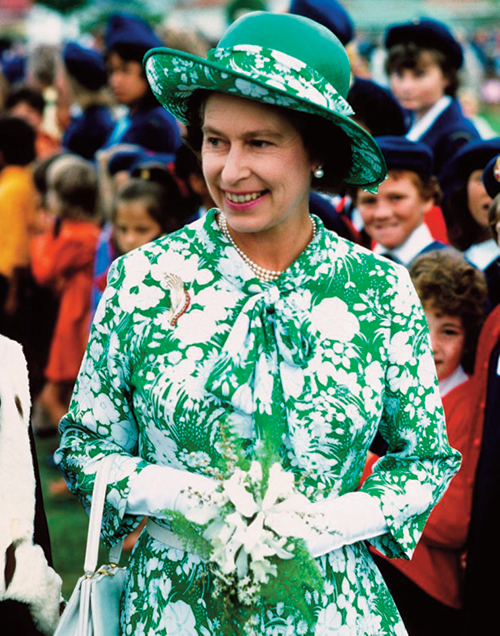
Look to the wardrobes of Duchesses Cambridge and Sussex and you’ll notice the Queen’s approach to colour permeating. A long-time fashion tool employed by Her Majesty, it has proven particularly useful in ensuring that royals can be spotted by those even at the farthest end of the waiting crowds. It’s clear to see that Catherine and Meghan have taken note.
The overarching message that the Queen’s wardrobe told was one of a quieter, more subtle influence. It’s long been clear that Her Majesty, who was most happy in her headscarf, Barbour and kilt in the countryside, was never as fussed about the flashier side of royal privilege as perhaps her sister, the Dior-wearing Princess Margaret, was.
For the last 20 years, Angela Kelly has been at the helm of the Queen’s wardrobe, becoming a close confidante of Her Majesty’s in the process. Yet, you couldn’t ever have imagined the pair conspiring — to use a modern glam squad term — to create a ‘moment’ throughout their time working together. As she entered her latter years, the formula that worked didn’t flinch apart from moving through the rainbow. But that’s not to say Her Majesty didn’t have fun with her wardrobe.
With what was arguably the world’s greatest dressing-up box at her disposal, there were flashes of experimentation and brilliance that hinted at a bolder experimentation. Think harlequin sequins, floral turbans or diaphanous candy pink gowns and fur stoles paired with dazzling diadems and parures. But the greatest smiles and moments of clear sartorial satisfaction were when Her Majesty was buttoned up in her cardigans, her signature neat perm wrapped in an Hermes scarf and heading out into the Highlands.
Though fashion is quick to praise reincarnation, Her Majesty will be celebrated for her opposite approach. The familiarity of the hats, the quietly diplomatic choice of brooch, the shocks of colour and the sensible worn-in shoes will remain bastions of the 20th and 21st century in style, no matter what else moved quicker or louder around it. The phrase style icon is too often touted or wasted on those that have spent little more than 18 months in the public eye, but, when it comes to Her Majesty The Queen, here is a chance to use it for all its worth. – Elle Mag





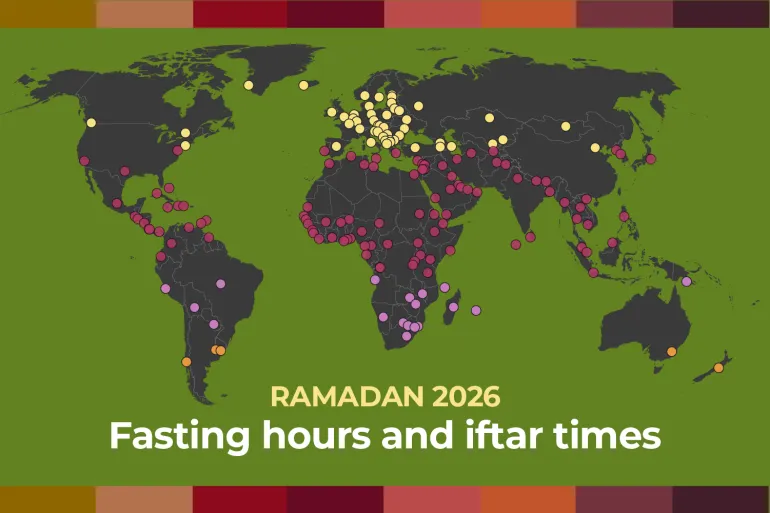
The Muslim holy month of Ramadan is set to begin on February 18 or 19, depending on the sighting of the crescent moon.
During the month, which lasts 29 or 30 days, Muslims observing the fast will refrain from eating and drinking from dawn to dusk, typically for a period of 12 to 15 hours, depending on their location.
Muslims believe Ramadan is the month when the first verses of the Quran were revealed to the Prophet Muhammad more than 1,400 years ago.
The fast entails abstinence from eating, drinking, smoking and sexual relations during daylight hours to achieve greater “taqwa”, or consciousness of God.
Why does Ramadan start on different dates every year?
Ramadan begins 10 to 12 days earlier each year. This is because the Islamic calendar is based on the lunar Hijri calendar, with months that are 29 or 30 days long.
For nearly 90 percent of the world’s population living in the Northern Hemisphere, the number of fasting hours will be a bit shorter this year and will continue to decrease until 2031, when Ramadan will encompass the winter solstice, the shortest day of the year.
For fasting Muslims living south of the equator, the number of fasting hours will be longer than last year.
Because the lunar year is shorter than the solar year by 11 days, Ramadan will be observed twice in the year 2030 – first beginning on January 5 and then starting on December 26.

Fasting hours around the world
The number of daylight hours varies across the world.
Since it is winter in the Northern Hemisphere, this Ramadan, people living there will have the shortest fasts, lasting about 12 to 13 hours on the first day, with the duration increasing throughout the month.
People in southern countries like Chile, New Zealand, and South Africa will have the longest fasts, lasting about 14 to 15 hours on the first day. However, the number of fasting hours will decrease throughout the month.

[Aljazeera]
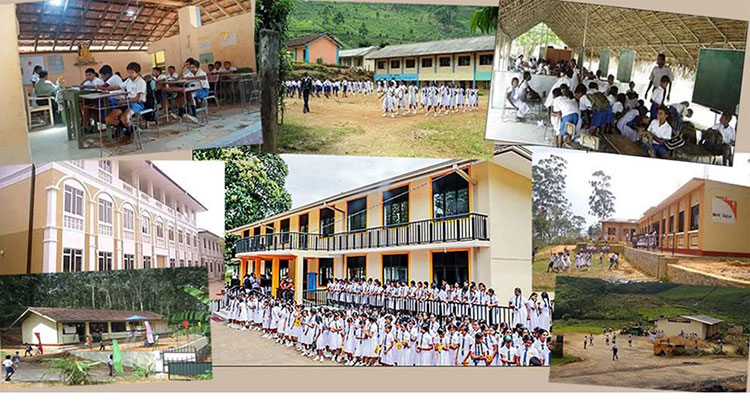
Education reforms have triggered a national debate, and it is time to shift our focus from the mantra of memorising facts to mastering the art of thinking as an educational tool for the children of our land: the glorious future of Sri Lanka.
The 2026 National Education Reform Agenda is an ambitious attempt to transform a century-old colonial relic of rote-learning into a modern, competency-based system. Yet for all that, as the headlines oscillate between the “smooth rollout” of Grade 01 reforms and the “suspension of Grade 06 modules,” due to various mishaps, a deeper question remains: Do we truly and clearly understand how a human being learns?
Education is ever so often mistaken for the volume of facts a student can carry in his or her head until the day of an examination. In Sri Lanka the “Scholarship Exam” (Grade 05) and the O-Level/A-Level hurdles have created a culture where the brain is treated as a computer hard drive that stores data, rather than a superbly competent processor of information.
However, neuroscience and global success stories clearly project a different perspective. To reform our schools, we must first understand the journey of the human mind, from the first breath of infancy to the complex thresholds of adulthood.
The Architecture of the Early Mind: Infancy to Age 05
The journey begins not with a textbook, but with, in tennis jargon, a “serve and return” interaction. When a little infant babbles, and a parent responds with a smile or a word or a sentence, neural connections are forged at a rate of over one million per second. This is the foundation of cognitive architecture, the basis of learning. The baby learns that the parent is responsive to his or her antics and it is stored in his or her brain.
In Scandinavian countries like Finland and Norway, globally recognised and appreciated for their fantastic educational facilities, formal schooling does not even begin until age seven. Instead, the early years are dedicated to play-based learning. One might ask why? It is because neuroscience has clearly shown that play is the “work” of the child. Through play, children develop executive functions, responsiveness, impulse control, working memory, and mental flexibility.
In Sri Lanka, we often rush like the blazes on earth to put a pencil in the hand of a three-year-old, and then firmly demanding the child writes the alphabet. Contrast this with the United Kingdom’s “Birth to 5 Matters” framework. That initiative prioritises “self-regulation”, the ability to manage emotions and focus. A child who can regulate their emotions is a child who can eventually solve a quadratic equation. However, a child who is forced to memorise before they can play, often develops “school burnout” even before they hit puberty.
The Primary Years: Discovery vs. Dictation
As children move into the primary years (ages 06 to 12), the brain’s “neuroplasticity” is at its peak. Neuroplasticity refers to the malleability of the human brain. It is the brain’s ability to physically rewire its neural pathways in response to new information or the environment. This is the window where the “how” of learning becomes a lot more important than the “what” that the child should learn.
Singapore is often ranked number one in the Programme for International Student Assessment (PISA) scores. It is a worldwide study conducted by the Organisation for Economic Co-operation and Development (OECD) that measures the scholastic performance of 15-year-old students in mathematics, science, and reading. It is considered to be the gold standard for measuring “education” because it does not test whether students can remember facts. Instead, it tests whether they can apply what they have learned to solve real-world problems; a truism that perfectly aligns with the argument that memorisation is not true or even valuable education. Singapore has moved away from its old reputation for “pressure-cooker” education. Their current mantra is “Teach Less, Learn More.” They have reduced the syllabus to give teachers room to facilitate inquiry. They use the “Concrete-Pictorial-Abstract” approach to mathematics, ensuring children understand the logic of numbers before they are asked to memorise formulae.
In Japan, the primary curriculum emphasises Moral Education (dotoku) and Special Activities (tokkatsu). Children learn to clean their own classrooms and serve lunch. This is not just about performing routine chores; it really is as far as you can get away from it. It is about learning collaboration and social responsibility. The Japanese are wise enough to understand that even an absolutely brilliant scientist who cannot work in a team is a liability to society.
In Sri Lanka, the current debate over the 2026 reforms centres on the “ABCDE” framework: Attendance, Belongingness, Cleanliness, Discipline, and English. While these are noble goals, we must be careful not to turn “Belongingness” into just another checkbox. True learning in the primary years happens when a child feels safe enough to ask “Why?” without the fear of being told “Because it is in the syllabus” or, in extreme cases, “It is not your job to question it.” Those who perpetrate such remarks need to have their heads examined, because in the developed world, the word “Why” is considered to be a very powerful expression, as it demands answers that involve human reasoning.
The Adolescent Brain: The Search for Meaning
Between ages 12 and 18, the brain undergoes a massive refashioning or “pruning” process. The prefrontal cortex of the human brain, the seat of reasoning, is still under construction. This is why teenagers are often impulsive but also capable of profound idealism. However, with prudent and gentle guiding, the very same prefrontal cortex can be stimulated to reach much higher levels of reasoning.
The USA and UK models, despite their flaws, have pioneered “Project-Based Learning” (PBL). Instead of sitting for a history lecture, students might be tasked with creating a documentary or debating a mock trial. This forces them to use 21st-century skills, like critical thinking, communication, and digital literacy. For example, memorising the date of the Battle of Danture is a low-level cognitive task. Google can do it in 0.02 seconds or less. However, analysing why the battle was fought, and its impact on modern Sri Lankan identity, is a high-level cognitive task. The Battle of Danture in 1594 is one of the most significant military victories in Sri Lankan history. It was a decisive clash between the forces of the Kingdom of Kandy, led by King Vimaladharmasuriya 1, and the Portuguese Empire, led by Captain-General Pedro Lopes de Sousa. It proved that a smaller but highly motivated force with a deep understanding of its environment could defeat a globally dominant superpower. It ensured that the Kingdom of Kandy remained independent for another 221 years, until 1815. Without this victory, Sri Lanka might have become a full Portuguese colony much earlier. Children who are guided to appreciate the underlying reasons for the victory will remember it and appreciate it forever. Education must move from the “What” to the “So What about it?“
The Great Fallacy: Why Memorisation is Not Education
The most dangerous myth in Sri Lankan education is that a “good memory” equals a “good education.” A good memory that remembers information is a good thing. However, it is vital to come to terms with the concept that understanding allows children to link concepts, reason, and solve problems. Memorisation alone just results in superficial learning that does not last.
Neuroscience shows that when we learn through rote recall, the information is stored in “silos.” It stays put in a store but cannot be applied to new contexts. However, when we learn through understanding, we build a web of associations, an omnipotent ability to apply it to many a variegated circumstance.
Interestingly, a hybrid approach exists in some countries. In East Asian systems, as found in South Korea and China, “repetitive practice” is often used, not for mindless rote, but to achieve “fluency.” Just as a pianist practices scales to eventually play a concerto with soul sounds incorporated into it, a student might practice basic arithmetic to free up “working memory” for complex physics. The key is that the repetition must lead to a “deep” approach, not a superficial or “surface” one.
Some Suggestions for Sri Lanka’s Reform Initiatives
The “hullabaloo” in Sri Lanka regarding the 2026 reforms is, in many ways, a healthy sign. It shows that the country cares. That is a very good thing. However, the critics have valid points.
* The Digital Divide: Moving towards “digital integration” is progressive, but if the burden of buying digital tablets and computers falls on parents in rural villages, we are only deepening the inequality and iniquity gap. It is our responsibility to ensure that no child is left behind, especially because of poverty. Who knows? That child might turn out to be the greatest scientist of all time.
* Teacher Empowerment: You cannot have “learner-centred education” without “independent-thinking teachers.” If our teachers are treated as “cogs in a machine” following rigid manuals from the National Institute of Education (NIE), the students will never learn to think for themselves. We need to train teachers to be the stars of guidance. Mistakes do not require punishments; they simply require gentle corrections.
* Breadth vs. Depth: The current reform’s tendency to increase the number of “essential subjects”, even up to 15 in some modules, ever so clearly risks overwhelming the cognitive and neural capacities of students. The result would be an “academic burnout.” We should follow the Scandinavian model of depth over breadth: mastering a few things deeply is much better than skimming the surface of many.
The Road to Adulthood
By the time a young adult reaches 21, his or her brain is almost fully formed. The goal of the previous 20 years should not have been to fill a “vessel” with facts, but to “kindle a fire” of curiosity.
The most successful adults in the 2026 global economy or science are not those who can recite the periodic table from memory. They are those who possess grit, persistence, adaptability, reasoning, and empathy. These are “soft skills” that are actually the hardest to teach. More importantly, they are the ones that cannot be tested in a three-hour hall examination with a pen and paper.
A personal addendum
As a Consultant Paediatrician with over half a century of experience treating children, including kids struggling with physical ailments as well as those enduring mental health crises in many areas of our Motherland, I have seen the invisible scars of our education system. My work has often been the unintended ‘landing pad’ for students broken by the relentless stresses of rote-heavy curricula and the rigid, unforgiving and even violently exhibited expectations of teachers. We are currently operating a system that prioritises the ‘average’ while failing the individual. This is a catastrophe that needs to be addressed.
In addition, and most critically, we lack a formal mechanism to identify and nurture our “intellectually gifted” children. Unlike Singapore’s dedicated Gifted Education Programme (GEP), which identifies and provides specialised care for high-potential learners from a very young age, our system leaves these bright minds to wither in the boredom of standard classrooms or, worse, treats their brilliance as a behavioural problem to be suppressed. Please believe me, we do have equivalent numbers of gifted child intellectuals as any other nation on Mother Earth. They need to be found and carefully nurtured, even with kid gloves at times.
All these concerns really break my heart as I am a humble product of a fantastic free education system that nurtured me all those years ago. This Motherland of mine gave me everything that I have today, and I have never forgotten that. It is the main reason why I have elected to remain and work in this country, despite many opportunities offered to me from many other realms. I decided to write this piece in a supposedly valiant effort to anticipate that saner counsel would prevail finally, and all the children of tomorrow will be provided with the very same facilities that were afforded to me, right throughout my career. Ever so sadly, the current system falls ever so far from it.
Conclusion: A Fervent Call to Action
If we want Sri Lanka to thrive, we must stop asking our children, “What did you learn today?” and start asking, “What did you learn to question today?“
Education reform is not just about changing textbooks or introducing modules. It is, very definitely, about changing our national mindset. We must learn to equally value the artist as much as the doctor, and the critical thinker as much as the top scorer in exams. Let us look to the world, to the play of the Finns, the discipline of the Japanese, and the inquiry of the British, and learn from them. But, and this is a BIG BUT…, let us build a system that is uniquely Sri Lankan. We need a system that makes absolutely sure that our children enjoy learning. We must ensure that it is one where every child, without leaving even one of them behind, from the cradle to the graduation cap, is seen not as a memory bank, but as a mind waiting to be set free.
by Dr B. J. C. Perera
MBBS(Cey), DCH(Cey), DCH(Eng), MD(Paed), MRCP(UK), FRCP(Edin), FRCP(Lond), FRCPCH(UK), FSLCPaed, FCCP, Hony. FRCPCH(UK), Hony. FCGP(SL)
Specialist Consultant Paediatrician and Honorary Senior Fellow, Postgraduate Institute of Medicine, University of Colombo, Sri Lanka.
Joint Editor, Sri Lanka
Journal of Child Health]
Section Editor, Ceylon Medical Journal
Standing on the southern tip of the island at Dondra Head, where the Indian Ocean stretches endlessly in every direction, it is difficult to imagine that beneath those restless blue waves lies one of the greatest wildlife spectacles on Earth.
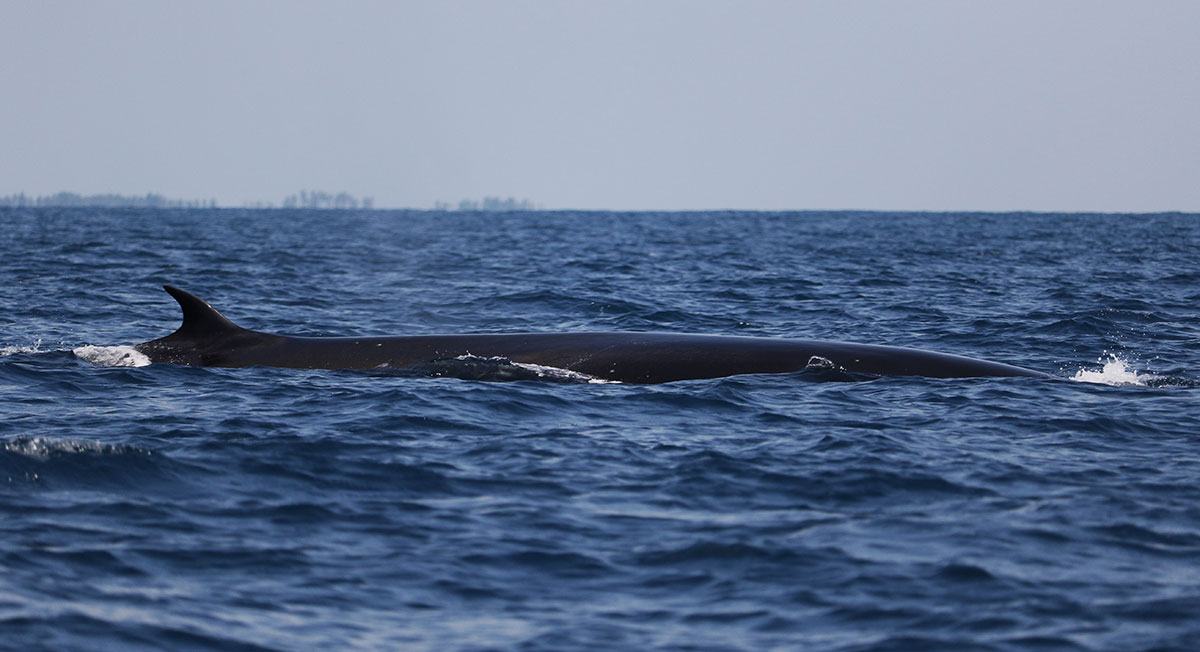
Yet, according to Dr. Ranil Nanayakkara, Sri Lanka today is not just another tropical island with pretty beaches – it is one of the best places in the world to see blue whales, the largest animals ever to have lived on this planet.
“The waters around Sri Lanka are particularly good for blue whales due to a unique combination of geography and oceanographic conditions,” Dr. Nanayakkara told The Island. “We have a reliable and rich food source, and most importantly, a unique, year-round resident population.”
In a world where blue whales usually migrate thousands of kilometres between polar feeding grounds and tropical breeding areas, Sri Lanka offers something extraordinary – a non-migratory population of pygmy blue whales (Balaenoptera musculus indica) that stay around the island throughout the year. Instead of travelling to Antarctica, these giants simply shift their feeding grounds around the island, moving between the south and east coasts with the monsoons.
The secret lies beneath the surface. Seasonal monsoonal currents trigger upwelling of cold, nutrient-rich water, which fuels massive blooms of phytoplankton. This, in turn, supports dense swarms of Sergestidae shrimps – tiny creatures that form the primary diet of Sri Lanka’s blue whales.
-
- “Engineers of the ocean system”
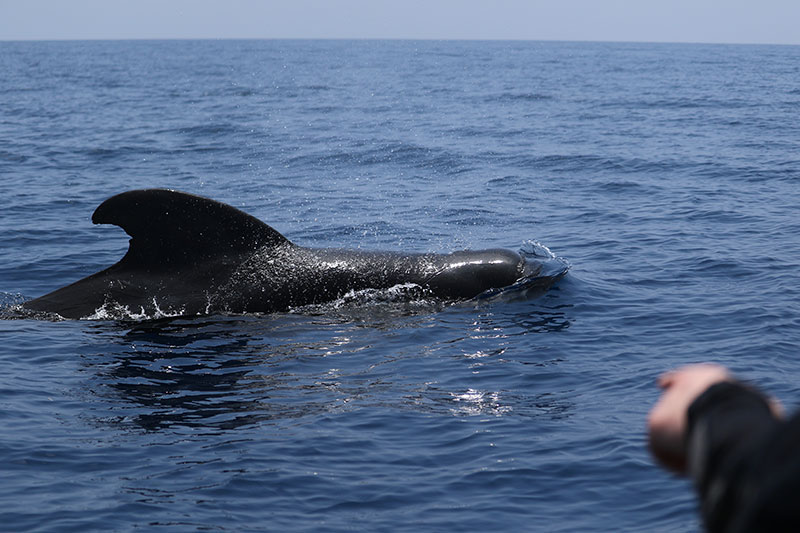
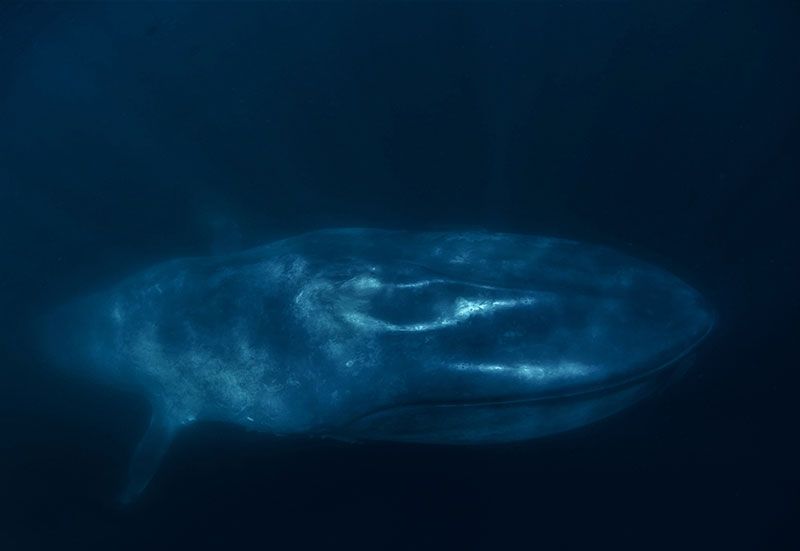
“Blue whales require dense aggregations of these shrimps to meet their massive energy needs,” Dr. Nanayakkara explained. “And the waters around Dondra Head and Trincomalee provide exactly that.”
Adding to this natural advantage is Sri Lanka’s narrow continental shelf. The seabed drops sharply into deep oceanic canyons just a few kilometres from the shore. This allows whales to feed in deep waters while remaining close enough to land to be observed from places like Mirissa and Trincomalee – a rare phenomenon anywhere in the world.
Dr. Nanayakkara’s journey into marine research began not in a laboratory, but in front of a television screen. As a child, he was captivated by the documentary Whales Weep Not by James R. Donaldson III – the first visual documentation of sperm and blue whales in Sri Lankan waters.
“That documentary planted the seed,” he recalled. “But what truly set my path was my first encounter with a sperm whale off Trincomalee. Seeing that animal surface just metres away was humbling. It made me realise that despite decades of conflict on land, Sri Lanka harbours globally significant marine treasures.”
Since then, his work has focused on cetaceans – from blue whales and sperm whales to tropical killer whales and elusive beaked whales. What continues to inspire him is both the scientific mystery and the human connection.
“These blue whales do not follow typical migration patterns. Their life cycles, communication and adaptability are still not fully understood,” he said. “And at the same time, seeing the awe in people’s eyes during whale watching trips reminds me why this work matters.”
Whale watching has become one of Sri Lanka’s fastest-growing tourism industries. On the south coast alone, thousands of tourists head out to sea every year in search of a glimpse of the giants. But Dr. Nanayakkara warned that without strict regulation, this boom could become a curse.
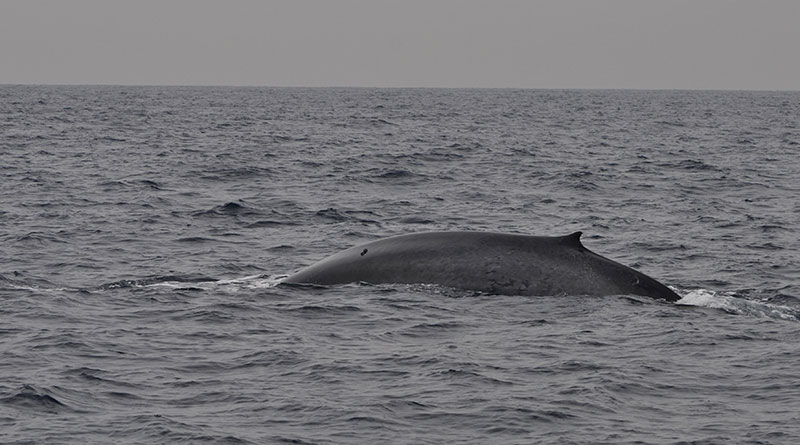
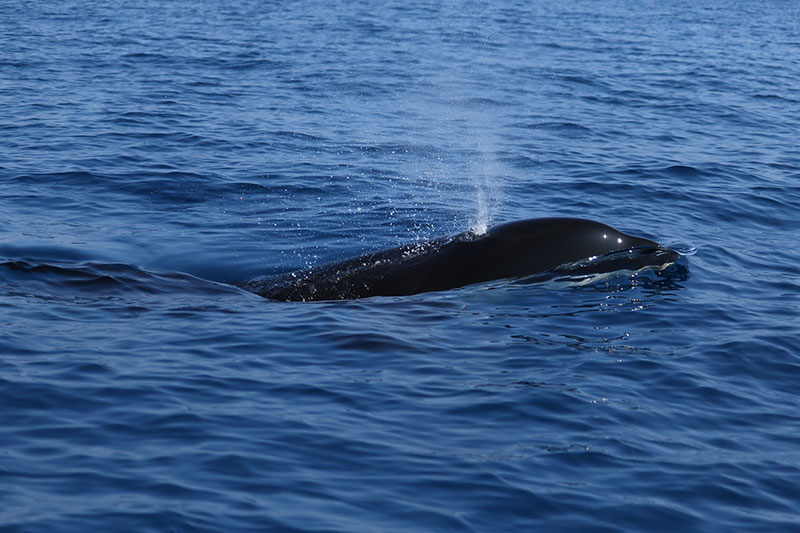
“We already have good guidelines – vessels must stay at least 100 metres away and maintain slow speeds,” he noted. “The problem is enforcement.”
Speaking to The Island, he stressed that Sri Lanka stands at a critical crossroads. “We can either become a global model for responsible ocean stewardship, or we can allow short-term economic interests to erode one of the most extraordinary marine ecosystems on the planet. The choice we make today will determine whether these giants continue to swim in our waters tomorrow.”
Beyond tourism, a far more dangerous threat looms over Sri Lanka’s whales – commercial shipping traffic. The main east-west shipping lanes pass directly through key blue whale habitats off the southern coast.
“The science is very clear,” Dr. Nanayakkara told The Island. “If we move the shipping lanes just 15 nautical miles south, we can reduce the risk of collisions by up to 95 percent.”
Such a move, however, requires political will and international cooperation through bodies like the International Maritime Organization and the International Whaling Commission.
“Ships travelling faster than 14 knots are far more likely to cause fatal injuries,” he added. “Reducing speeds to 10 knots in high-risk areas can cut fatal strikes by up to 90 percent. This is not guesswork – it is solid science.”
To most people, whales are simply majestic animals. But in ecological terms, they are far more than that – they are engineers of the ocean system itself.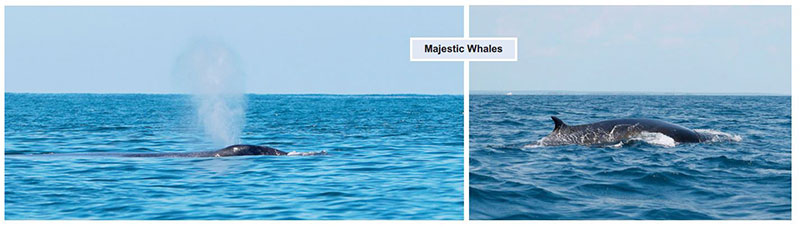
Through a process known as the “whale pump”, whales bring nutrients from deep waters to the surface through their faeces, fertilising phytoplankton. These microscopic plants absorb vast amounts of carbon dioxide, making whales indirect allies in the fight against climate change.
“When whales die and sink, they take all that carbon with them to the deep sea,” Dr. Nanayakkara said. “They literally lock carbon away for centuries.”

Dr. Ranil Nanayakkara
Even in death, whales create life. “Whale falls” – carcasses on the ocean floor – support unique deep-sea communities for decades.
“Protecting whales is not just about saving a species,” he said. “It is about protecting the ocean’s ability to function as a life-support system for the planet.”
For Dr. Nanayakkara, whales are not abstract data points – they are individuals with personalities and histories.
One of his most memorable encounters was with a female sperm whale nicknamed “Jaw”, missing part of her lower jaw.
“She surfaced right beside our boat, her massive eye level with mine,” he recalled. “In that moment, the line between observer and observed blurred. It was a reminder that these are sentient beings, not just research subjects.”
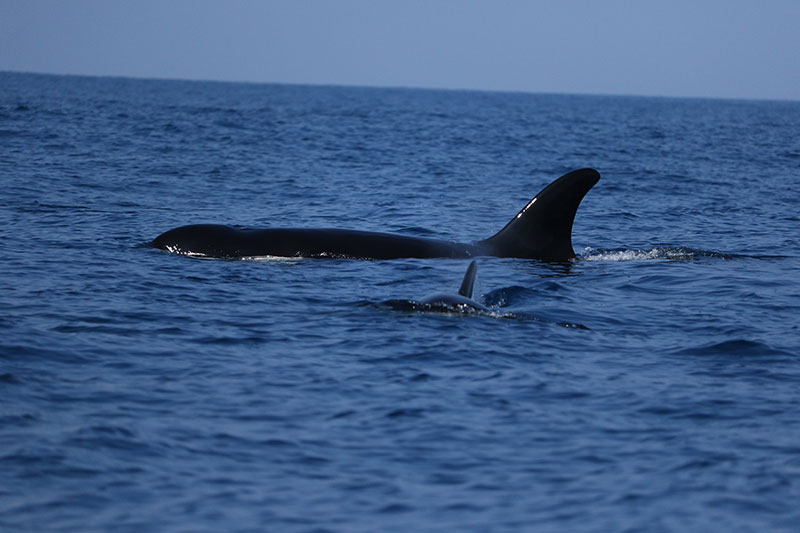
Another was with a tropical killer whale matriarch called “Notch”, who surfaced with her calf after a hunt.
“It felt like she was showing her offspring to us,” he said softly. “There was pride in her movement. It was extraordinary.”
Looking ahead, Dr. Nanayakkara envisions Sri Lanka as a global leader in a sustainable blue economy – where conservation and development go hand in hand.
“The ultimate goal is shared stewardship,” he told The Island. “When fishermen see healthy reefs as future income, and tour operators see protected whales as their greatest asset, conservation becomes everyone’s business.”
In the end, Sri Lanka’s greatest natural inheritance may not be its forests or mountains, but the silent giants gliding through its surrounding seas.
“Our ocean health is our greatest asset,” Dr. Nanayakkara said in conclusion. “If we protect it wisely, these whales will not just survive – they will define Sri Lanka’s place in the world.”
By Ifham Nizam

Kusal Perera in as Sri Lanka bowl; Marsh returns for Australia

Jacks the star as England qualify for Super Eights with nervy win

Navy seizes 02 Indian fishing boats poaching in northern waters

Ramadan 2026: Fasting hours around the world

Omarzai’s all-round brilliance hands Afghanistan their first win of the World Cup

We will not allow anyone to drag the country backward by inciting racism. — PM

‘Dates have the highest sugar content to fight Coronavirus’

Sunday Island 27 December – Headlines

#SundayIsland 17th December – Headlines

Sunday Island – 28th March

Sunday Island Headlines – 21 March

Sunday Island – 21st February – Headlines
-
 Life style2 days ago
Marriot new GM Suranga
-
 Midweek Review6 days ago
A question of national pride
-
 Features2 days ago
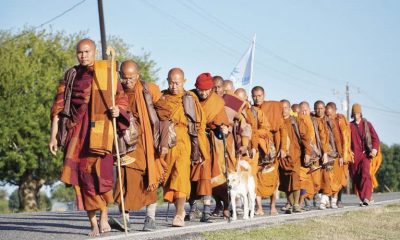
Monks’ march, in America and Sri Lanka
-

 Business6 days ago
Autodoc 360 relocates to reinforce commitment to premium auto care
-
 Opinion5 days ago
Will computers ever be intelligent?
-

 Features2 days ago
The Rise of Takaichi
-
 Features2 days ago
Wetlands of Sri Lanka:
-

 Business15 hours ago
Ministry of Brands to launch Sri Lanka’s first off-price retail destination