
Latest News
Harmeet and Anderson the heroes as USA stun Bangladesh

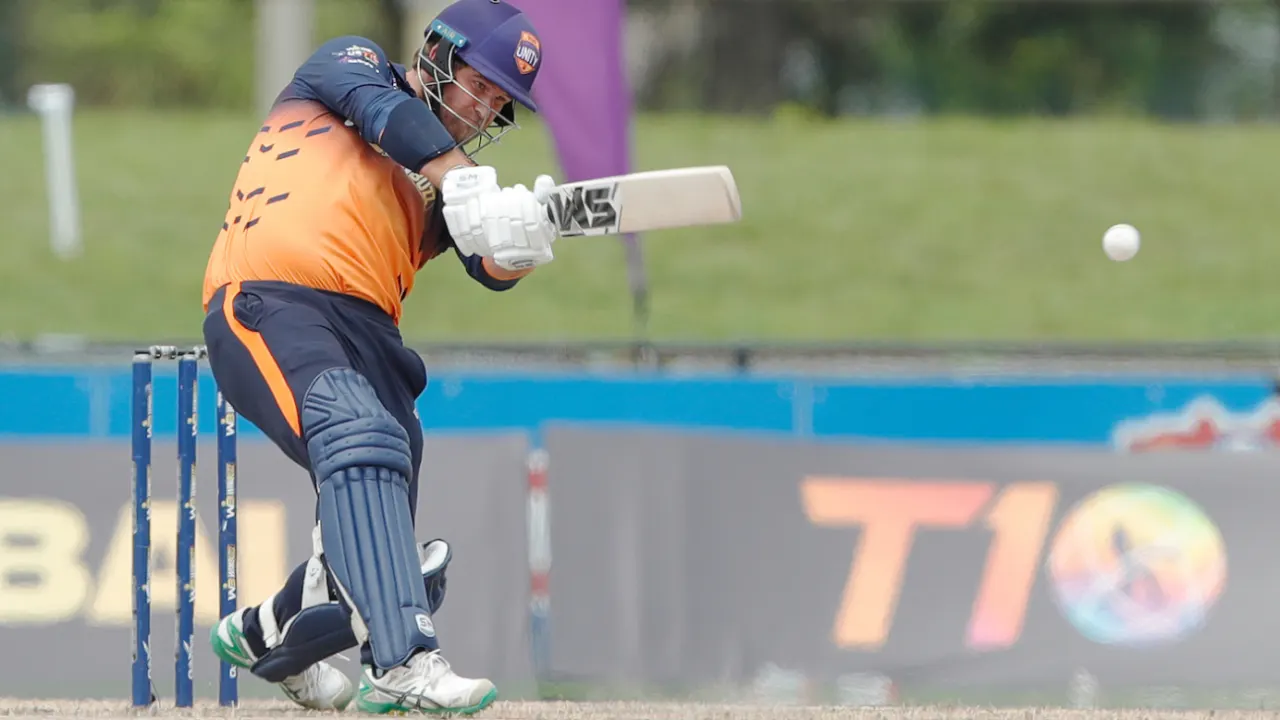
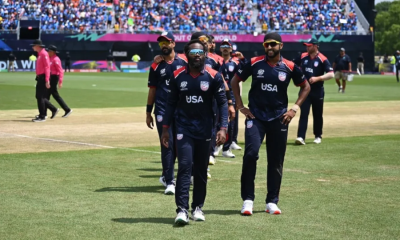
United States of America, the No. 19 ranked cricket team in T20Is, shocked Bangladesh, the ninth ranked team in the world, with a five-wicket victory in Texas. More impressively, the hosts dominated most of the proceedings, as they took a 1-0 lead in the three-match series, picking up their second win against a Full Member in T20Is, following their victory against Ireland in 2021.
Harmeet Singh, the former India Under-19 cricketer, struck the winning runs in a chase of 154 after his three consecutive sixes turned the tide in favour of the USA. He finished unbeaten on 33 off 13 balls, adding 62 runs in 4.4 overs for the unbroken sixth wicket stand with Corey Anderson who was not out on 34.
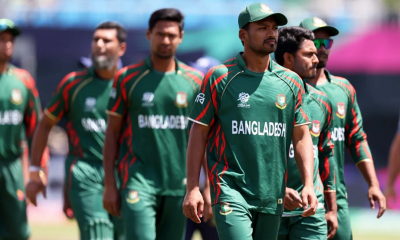
The USA also bowled superbly to restrict Bangladesh to 153 for 6. The visitors had slipped to 68 for 4, with Litton Das and Najmul Hossain Shanto continuing to struggle. However, Towhid Hridoy and Mahmudullah continued to rescue the side from tough situations as they have done all year, helping the team to a respectable score.
Hridoy top-scored with 58, lasting till the 20th over. He added 67 runs for the fifth wicket with Mahmudullah, who also showed that he can adapt to conditions faster than most in this batting line-up.
Litton couldn’t do justice to the faith shown on him by the Bangladesh team management, as he fell for 14 in the fifth over. He had already survived when he was on 2, when the US captain Monank Patel dropped a sitter behind the stumps. Litton also survived a run-out when the cover fielder couldn’t hit the stumps as he was stranded a few feet away from the crease.
Litton had struck a nice straight six in the third over but looked increasingly edgy. He missed the ramp-scoop in the fifth over against Ali Khan before falling lbw to Jasdeep Singh’s superb first over. Jasdeep’s delivery jagged back into Litton.
Soumya Sarkar followed him back to the dugout three balls later when he struck Steven Taylor right down deep midwicket’s throat. Najmul Hossain Shanto, another top-order Bangladesh batter now out of form, got stumped off Taylor. He couldn’t time any ball as he made three off 11.
Hridoy made things worse before making them better. When he nudged the ball towards the cover, Hridoy stood still as Shakib Al Hasan came down the pitch looking for a quick single. The run-out made it 68 for 4 in the 12th over. Hridoy made it up with two sixes off Jasdeep, but then he was caught in the covers in the 14th over.
Thankfully for the batter, left-arm spinner Harmeet bowled the first of his two no-balls. Mahmudullah struck Khan for a four and a six in the 17th over, but fell trying to heave Saurabh Netravalkar over long-on, where Nitish Kumar took a good catch. Mahmudullah made 31 off 22 balls, but more importantly added 67 runs for the fifth wicket with Hridoy. Jaker Ali and Hridoy took 17 runs off the last over, but Khan at least managed to remove Hridoy with the last ball of the innings.
Monank Patel couldn’t take advantage of being dropped by his opposite number Shanto in the third over, when he was run out from Taylor’s straight drive. The ball brushed against Shoriful Islam’s fingers as Patel stood out of his crease at the non-striker’s end.
Within two balls, USA’s No. 3 Andries Gous got going with a punched four through the covers. Taylor slammed Shakib for a six before Gous hit Rishad Hossain for two fours in the seventh over. He repeated the dose on Rishad in the legspinner’s next over, but then top edged a sweep to the deep backward square-leg boundary, where Mustafizur Rahman took a good tumbling catch.
Gous’ wicket slowed down the USA batting approach. Aaron Jones couldn’t time the ball which forced Taylor to try to clear mid-off. Mahmudullah ran back and took a good catch, ending Taylor’s stay on 28 off 29 balls. One ball later, Jones departed, skying Mustafizur to get out on 4 off 12.
Nitish Kumar struck a six off Shakib in the 14th over to break a 31-ball sequence of no boundaries but he fell trying to clear Shoriful in the 15th over. The left-arm quick had conceded just one run in that over, leaving the US to get 60 off the last five overs.
The required run-rate was going out of the home team’s control when they needed 50 off the last 20 balls. Harmeet, having scratched around for five balls, pinged Mustafizur for two straight sixes to hand back the pressure to Bangladesh. When he got the strike in the next over, Harmeet slammed Shoriful straight down the ground again. He finished the 18th over with a carved four through point, as the USA collected 31 runs in two overs, leaving them needing 24 off the last 12 balls.
Anderson was minding his own business even as Harmeet was landing the big sixes. The former New Zealand allrounder finally struck a six off his 22nd ball when he crashed Mustafizur over long-on in the penultimate over. Off the first ball of the last over, he drilled Mahmudullah for another six. It left the USA with just three runs to win off five balls. Harmeet struck the third ball for a four, bringing the home side a historic win.
Brief scores:
USA156 for 5 in 19.3 overs (Steven Taylor 28, Andries Gouse 23, Corey Anderson 34*, Harmeet Singh 33*; Shoriful Islam 1-31, Mustafizur Rahman 2-41, Rishad Hossain 1-16) beat Bangladesh 153 for 6 in 20 overs (Soumya Sarkar 20, Towhid Hridoy 58, Mahmudullah 31; Saurabh Netravalkar 1-27, Ali Khan 1-49, Jessy Singh 1-30, Steven Taylor 2-09) by five wickets
(Cricinfo)







Latest News
Showers above 100 mm are likely at some places in the Western, Sabaragamuwa, Central, Uva and Southern provinces and in Anuradhapura district

WEATHER FORECAST FOR 08 OCTOBER 2026
Issued at 05.30 a.m. on 08 October 2026 by the Department of Meteorology
Misty conditions can be expected at some places in the Western, Sabaragamuwa, Central and Uva provinces and in Galle and Matara districts during the early hours of the morning.
Showers or thundershowers will occur in the most part of the island after 1.00 p.m. Heavy showers above 100 mm are likely at some places in Western, Sabaragamuwa, Central, Uva and Southern provinces and in Anuradhapura district.
The general public is kindly requested to take adequate precautions to minimize damage caused by temporary localized strong winds and lightning during thundershowers.

Former first lady Shiranthi Rajapaksa, wife of former President Mahinda Rajapaksa was produced before the Hulftsdorp court, after being arrested by officers of the Commission to Investigate Allegations of Bribery or Corruption (CIABOC) and produce
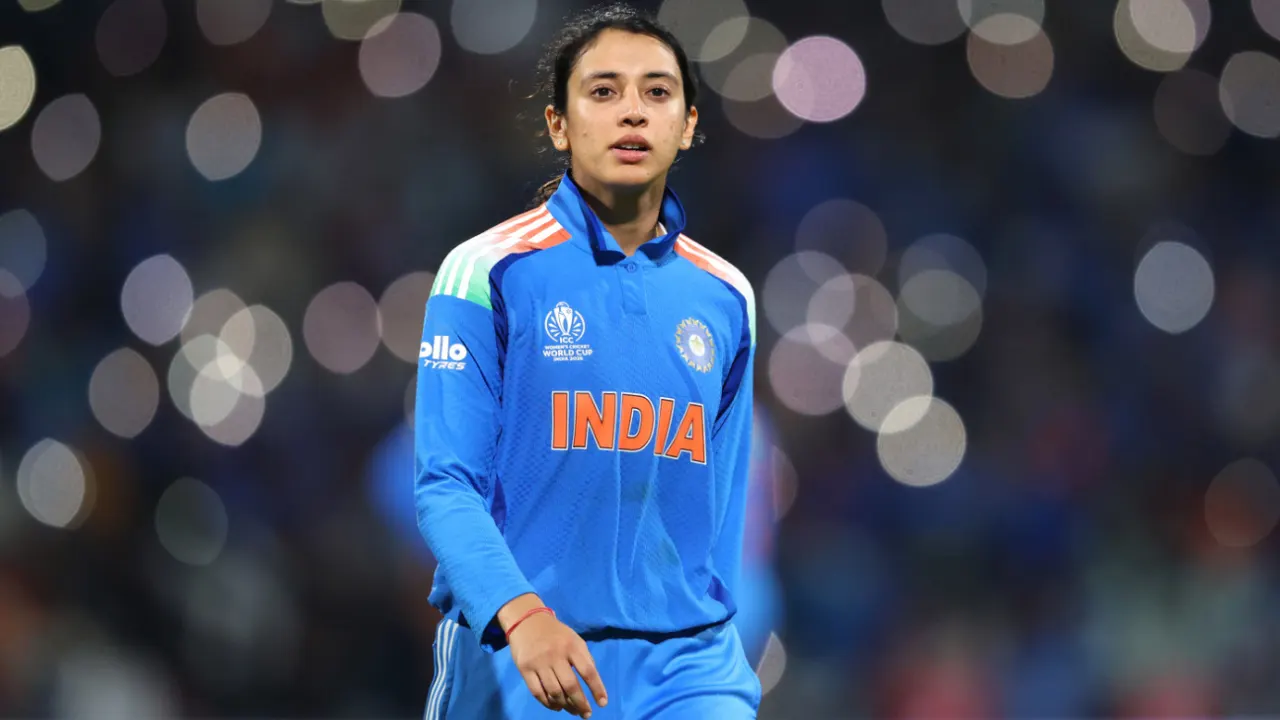
Smriti Mandhana has been named India’s all-format women’s captain on the same day Harmanpreet Kaur stepped down from the role after nearly a decade since she first took over.
Mandhana – vice-captain to Harmanpreet for much of this period – has previously led India in four ODIs and 18 T20Is, apart from captaining Maharashtra in domestic cricket and Royal Challengers Bengaluru in the Women’s Premier League.
Mandhana’s first assignment will be the limited-overs series against Zimbabwe beginning with the three T20Is in Raipur from October 16. On Tuesday, Mandhana was part of the selection meeting chaired by Amita Sharma to pick the squad for the tour.
Terming the appointment a “special honour”, Mandhana also acknowledged the contributions of her predecessor in her welcome note.
“I would also like to acknowledge Harmanpreet and the contribution she has made as captain over the years,” she was quoted as saying by the BCCI. “She has led the team with great commitment and has been an important part of our journey.
“I understand the responsibility that comes with this role and look forward to working with the team, learning along the way and giving my best to take Indian cricket forward.”
Mandhana’s appointment comes on the back of a review meeting held on Monday in Guwahati. Chaired by secretary Devajit Saikia, the meeting was also attended by Mandhana, Harmanpreet and head coach Amol Muzumdar to chart a roadmap forward, with an eye on next year’s inaugural Women’s Champions Trophy in February as well as the T20 World Cup and Los Angeles Olympics in 2028.
Mandhana, India’s best all-format batter, has been knocking on the doors for a while. Earlier this year, she led RCB to their second WPL title, in which she also top-scored in the final.
In September, she overtook Mithali Raj to become the leading run-scorer in women’s international across formats. Her 18 international hundreds are also the most in women’s cricket. She is also the first Indian woman to score centuries in all formats.
[Cricinfo]

Showers above 100 mm are likely at some places in the Western, Sabaragamuwa, Central, Uva and Southern provinces and in Anuradhapura district

PSTA worse than PTA: FSP

Shiranthi R remanded until 13 Oct.

Former NSB Chairman Kariyawasam granted bail

Katchatheevu row: India SC urges fishermen to avoid Sri Lankan waters

Remembering Juvenal, Coke, Acton and Machiavelli

‘Dates have the highest sugar content to fight Coronavirus’

Sunday Island 27 December – Headlines

#SundayIsland 17th December – Headlines

Sunday Island – 28th March

Sunday Island Headlines – 21 March

Sunday Island – 21st February – Headlines
-

 Editorial6 days ago
Colombo Port drug bust: The plot thickens
-

 Features4 days ago
The first woman in the foreign service or Ceylon Overseas Service it was then called
-

 News3 days ago
Geneva takes up Sallay’s case and govt. ignores opportunity to answer accusations
-

 Editorial5 days ago
Fuelling discontent and protest
-

 Latest News5 days ago
Tharindu Rathnayake, bowlers secure Asian Games Bronze for Sri Lanka
-

 Features3 days ago
Sri Lanka Cricket Bill: Governance reform is not yet a cricket strategy
-

 Foreign News5 days ago
Ten injured after car crashes into rugby supporters in Australia
-

 News4 days ago
Nearly 20 Iranian tankers stranded off Lanka amid US sanctions