
News
Expulsion of gold smuggling MP: MNA yet to endorse ACMC’s decision

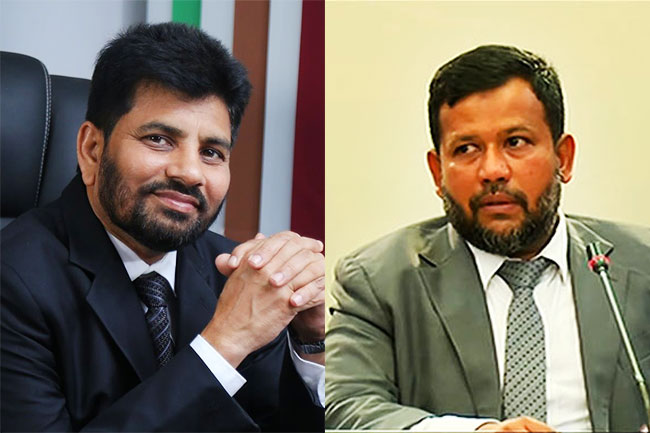
By Shamindra Ferdinando
In terms of the Parliamentary Elections Act No 01 of 1981, Ali Sabry Raheem, MP, in spite of being expelled from the All Ceylon Makkal Congress (ACMC) over gold smuggling bid in late March this year couldn’t be deprived of his seat unless the Muslim National Alliance (MNA), which fielded him at the last general election, endorsed the action taken by the ACMC.
ACMC leader Rishad Bathiudeen yesterday told The Island that in terms of an agreement between his party and the MNA, its General Secretary M. M. Naimullah had to write to the Election Commission with a copy to the Secretary General of Parliament.
Asked why the ACMC had taken nine months to decide on the errant MP, the former Industries and Commerce Minister said that they had followed proper procedures in this regard though the MP concerned didn’t cooperate. “Therefore, we decided to expel the MP. We conveyed our unanimous decision to both Naimullah and Raheem,” lawmaker Bathiudeen said.
Customs fined him Rs. 7.5 mn after he was detained with undeclared gold valued at Rs. 74 mn along with smartphones worth Rs. 4.2 mn at the Bandaranaike International Airport (BIA). The MP was returning from Dubai.
MP Bathiudeen said that his party and the Sri Lanka Muslim Congress had fielded candidates on the MNA ticket thereby preventing a contest between them as they desperately wanted a Muslim elected from the Puttalam district. “We have now cleared the way for Naimullah to take punitive measures against an MP who brought disrepute to the community, his party, and the party which fielded him at the last general election, as well as Parliament,” MP Bathiudeen said.
If the MNA acted in terms of the Constitution and the Parliamentary Elections Act to remove the MP, Raheem would be the second MP to lose his seat in the current Parliament. Last month, the Supreme Court upheld the SLMC decision to unseat Batticaloa District MP Nazeer Ahamed for voting with the ruling Sri Lanka Podujana Peramuna (SLPP) at the 2022 Budget vote, contrary to a decision taken by the party.
Former Chairman of the Elections Commission Mahinda Deshapriya explained how a party that had fielded a particular candidate could take action in case he/she was found guilty of an offense by an internal inquiry. Deshapriya, the incumbent Chairman of the Delimitation Committee said that in the case of MP Raheem the possibility of him seeking legal redress couldn’t be ruled out.
Naimullah didn’t answer his telephone or respond to SMS. Lawmaker Bathiudeen alleged that soon after being elected to Parliament, MP Raheem switched his allegiance to the SLPP. In spite of specific directive to all members of their grouping not to throw their weight behind the 20th Amendment to the Constitution, MP Raheem voted for that Bill and backed the SLPP on all other occasions, MP Bathiudeen said. However, Raheem voted with the Opposition immediately after his release from detention in March this year. The MP declared that he voted against the Wickremesinghe-Rajapaksa government as it didn’t intervene on his behalf after his arrest at the BIA.
The Gotabaya Rajapaksa administration enacted the 20th Amendment to the Constitution in Oct. 2020.
At one point MP Raheem declared himself as the leader of the MNA, MP Bathiudeen said, alleging that he was among the favoured. “MP Raheem voted with the SLPP throughout Gotabaya Rajapaksa’s time,” the former SLMC MP said. Bathiudeen represented the SLMC in Parliament before he formed the ACMC.



The Judicial Service Association (JSA), which represents the country’s magistrates and district judges, has unanimously adopted a resolution opposing the government’s proposed extension of the retirement age of superior court judges.
The resolution was passed at a special general meeting held at the Kaduwela Magistrate’s Court premises, attended by 65 magistrates and district judges from across the country.
The meeting was convened following the resignation of JSA President Pasan Amarasena, who stepped down in protest over the holding of the meeting.
According to the resolution, all members present voted in favour of opposing the proposed extension of the retirement age of Supreme Court and Court of Appeal judges.
Amarasena resigned after facing criticism for unilaterally expressing support for extending the retirement age of the Chief Justice. Following his resignation, JSA Secretary Suranga Munasinghe issued a statement to members rejecting the allegations contained in Amarasena’s resignation letter.
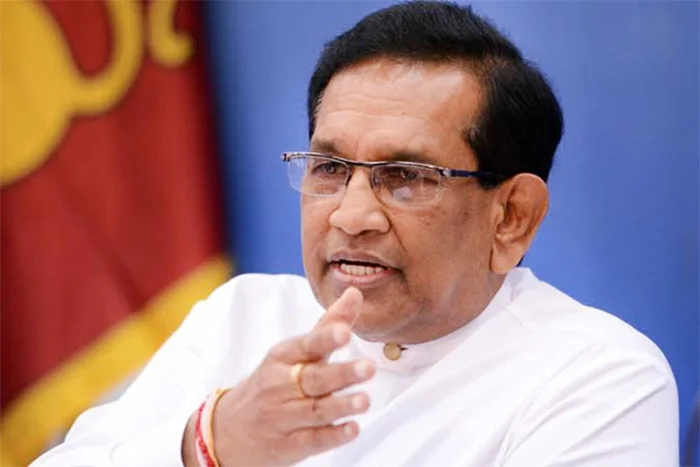
Meanwhile, former Health Minister Dr. Rajitha Senaratne claimed the government’s attempt to extend the tenure of superior court judges was aimed at securing their support in pursuing what he described as a campaign of political revenge against Opposition members.
Addressing a meeting at the Sri Lanka Freedom Party headquarters on Darley Road, Colombo, Senaratne argued that if the government’s justification was to retain experienced judges and avoid vacancies, similar retirement age extensions should also be granted to other professions, including university academics.
“The judges themselves have now unanimously opposed the government’s move, as reflected in the outcome of the Judicial Service Association’s special general meeting at Kaduwela,” he said.
by Chaminda Silva
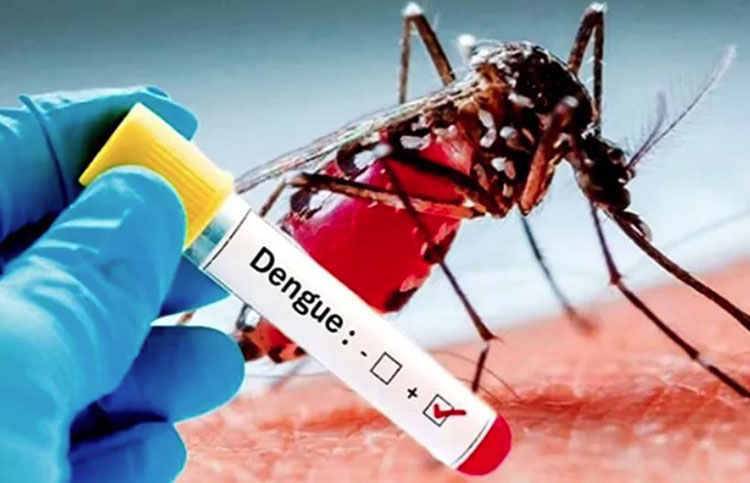
Mosquito larvae density in Sri Lanka’s Western Province has increased significantly, making the next two weeks an extremely high-risk period for dengue transmission, according to Consultant Physician Dr. Ananda Wijewickrama, a member of the Expert Committee on Dengue Management.
Speaking during a television programme, Dr. Wijewickrama warned that based on the current trend of dengue transmission, the situation could become more serious than the country’s 2017 dengue outbreak.
He said hospitals in the Western Province have already exceeded their capacity due to the sharp increase in patient admissions, with some facilities being forced to accommodate two or even three patients in a single hospital bed.
Also speaking during the programme, Prof. Neelika Malavige of the University of Sri Jayewardenepura said early signs of the current outbreak had been visible as far back as December and January.
“We could already see indications of this in December and January. With the current changes, the trend is not encouraging. We usually see an increase in dengue cases during the Southwest Monsoon period from May to July, and again during the Northeast Monsoon from November to January. When such conditions are expected, we need to be prepared in advance. After that, from February to April, we experienced extremely high temperatures, and mosquito breeding tends to slow down during periods of excessive heat,” she said.
Professor Malavige also noted that three dengue vaccines have been approved in various countries and are currently being used in several Asian nations, including Indonesia, the Philippines, Thailand, Vietnam and Malaysia.
“However, there are many factors Sri Lanka would need to consider before introducing a dengue vaccine. It would not have an immediate impact on reducing an epidemic. The vaccine requires two doses, and it takes time for immunity to develop after vaccination. However, for people who have previously been infected with dengue, the vaccine has shown very good effectiveness,” she said.
Sri Lanka has so far reported 66,064 dengue cases this year, while the death toll has risen to 46.
A total of 10,685 cases were reported during the first nine days of July alone, including 1,030 new infections reported yesterday.
Of the total number of cases, 52.7% have been reported from the Western Province. Gampaha District has now overtaken Colombo District as the area recording the highest number of dengue infections.
Meanwhile, amid the heightened risk, special dengue control operations involving members of the armed forces were carried out today in several parts of the country.
by Pradeep Prasanna Samarakoon
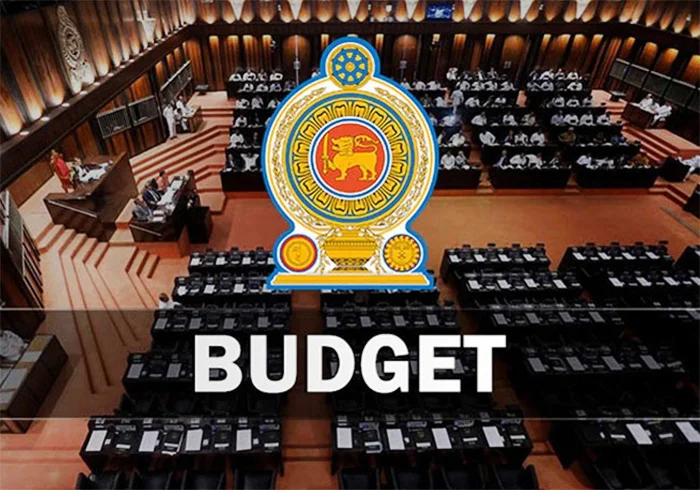
The second reading of the 2027 Appropriation Bill will be presented in Parliament on November 12, the Ministry of Finance announced.
The Ministry said the Bill will be published in the Government Gazette on September 18 and presented for its first reading in Parliament on October 7.
The draft Appropriation Bill for 2027, which sets out the proposed expenditure allocations for each Ministry, is scheduled to be submitted to the Cabinet for approval on September 14.
According to the Ministry, the second reading debate on the Budget will be held from November 13 to 20, while the Committee Stage debate is scheduled from November 21 to December 14.

Qatar’s Father Emir Sheikh Hamad bin Khalifa Al Thani laid to rest in Doha

Brendon McCullum removed from post as England Men’s Test coach

Yastika century, seamers put India on the brink of historic win at Lord’s

Showers will occur in the Sabaragamuwa, Western and North-western provinces and in Kandy, Nuwara-Eliya, Galle and Matara districts.

JSA opposes move to extend retirement ages of superior court judges

Next two weeks critical as dengue risk soars

‘Dates have the highest sugar content to fight Coronavirus’

Sunday Island 27 December – Headlines

#SundayIsland 17th December – Headlines

Sunday Island – 28th March

Sunday Island Headlines – 21 March

Sunday Island – 21st February – Headlines
-
 News3 days ago
Herath warns prospective migrant workers not to get fleeced by racketeers
-

 Midweek Review5 days ago
Unexpected focus on ‘pieces of tin’ worn by military men
-
 Features1 day ago
Prison riots and politics: NPP’s biggest challenge and Sri Lanka’s biggest opportunity
-

 Latest News6 days ago
Nyamhuri and Ngarava stun Bangladesh by defending 141
-

 Editorial2 days ago
What’s the world coming to?
-

 News4 days ago
Negombo Prison riot: Ensuring protection of prisoners fundamental responsibility of the state – UN
-
 Foreign News3 days ago
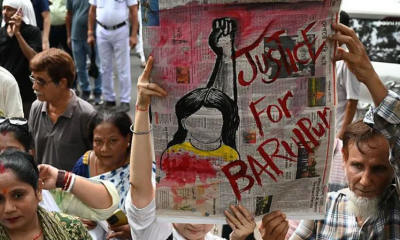
Tensions erupt in Indian state after 11-year-old raped and murdered
-
 Features4 days ago
Devanesan Annan – in Memoriam