
Business
Cuisine Gastronome by Sri Lankan Catering bags three Gold Awards at the Sri Lanka Packaging Awards 2021

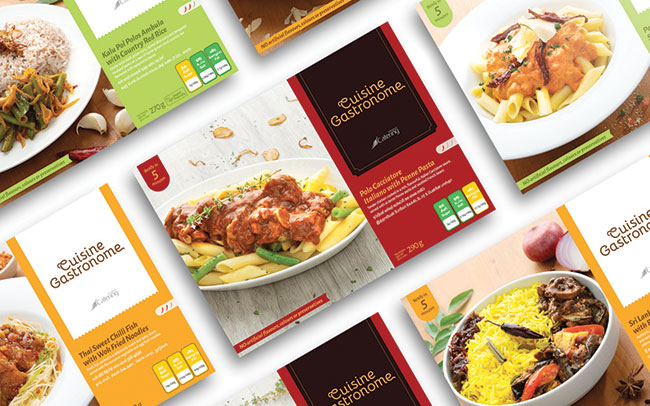
Illustrating the power of storytelling, clear communication and design elegance, ‘Cuisine Gastronome’, the heat and eat gastronomic product of SriLankan Catering, won three Gold Awards for its product packaging at the Sri Lanka Packaging Awards 2021. The packaging concept of Cuisine Gastronome appeals to the target audience with the clear and inspired design conveying a sense of gourmet food and fine dining, in the comfort of one’s home. Cuisine Gastronome clinched the three Gold Awards in the categories; ‘Food Packaging’, ‘Innovation’ and ‘Packaging that Saves the Food’. As a result, Cuisine Gastronome qualified for the World Star and Asia Star awards conducted by the World Packaging Organization.
Prestigious World Star and Asia Star awards honour companies with innovative and creative packaging designs for their products, taking into consideration areas of construction and materials usage, design, innovation technology and environmental consciousness.
“As the sole airline caterer to operate from BIA Katunayake, we at Sri Lankan Catering always exceled in culinary expertise. We have been catering to major international airlines such as Emirates, Qatar and Turkish Airlines. As an award-winning catering company, we remain steadfastly committed to the high quality of food, safety and hygiene standards. Hence, producing high quality consumer products was simply an extension of our existing excellence. We first launched Cuisine Gastronome during the first lockdown, when our revenue sources were fast dwindling due to the pandemic. But, it was challenging to reach out to our new customer base. We knew we had to maximize customer convenience to prepare the food within minutes while also retaining the nutritional integrity and flavours of our products. We are glad to have partnered on this project with the Dentsu Grant team who guided us from the very inception to the execution phase – their support in conducting research and benchmark studies across a number of areas supported us in understanding our audiences during challenging times.
The product soon captured consumer interest and we were able to reach the global market as well. The positioning of Cuisine Gastronome – ‘It’s Fine Home Dining’ beautifully captured the brand essence as well as the product promise we wanted to deliver to a discerning group of consumers,” said Mangala Wijesekara, Chief Executive Officer of SriLankan Catering.
“Packaging is not a communication piece that conveys product information alone. It is the spokesperson for the brand at the point of purchase – the key moment of truth. Packaging has to tie in all the aspects of a brand – the brand positioning, its values, emotional connection, consumer benefits, and the product promise creating a distinct brand experience that the target audience can believe in. It was a great pleasure working with SLC, building the next global Sri Lankan brand,” said Sajith Weerasinghe, Chief Strategy Officer at Dentsu Grant Group.
Sri Lankan Catering first launched Cuisine Gastronome in Sri Lanka. However, within a small-time frame, the product reached international markets, gaining popularity in Australia and the USA. The Company plans on making Cuisine Gastronome available across the globe, especially targeting markets with a sizeable Sri Lankan Diaspora.

By Ifham Nizam
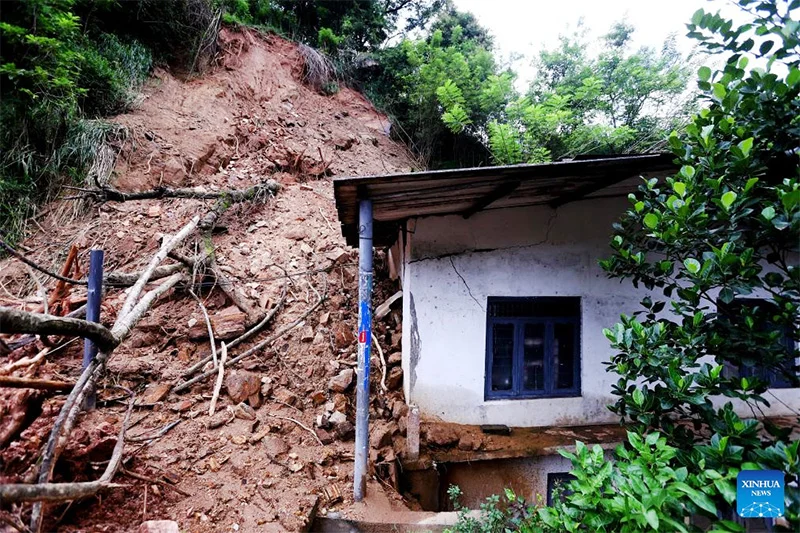
The World Bank has approved USD 110 million in additional financing to rebuild around 600 kilometres of roads damaged by Cyclone Ditwah, with the investment aimed not merely at restoring connectivity but at making critical transport infrastructure more resilient to future climate shocks.
The financing comes against a much larger recovery requirement for the transport sector, estimated at USD 1.31 billion, highlighting the scale of the infrastructure challenge following one of the most destructive weather disasters to hit the country in recent years.
The World Bank said the additional financing, provided through the International Development Association (IDA) Crisis Response Window, would support road reconstruction incorporating improved drainage, landslide protection and upgraded engineering standards.
‘Cyclone Ditwah has had a devastating impact on connectivity across Sri Lanka, but rebuilding also gives us an opportunity to build back stronger, said Gevorg Sargsyan, World Bank Group Country Manager for Sri Lanka and Maldives.
The World Bank said the programme would go beyond repairing damaged roads, helping reconnect farmers with markets, communities with essential services and households with economic opportunities.
The additional financing will extend the Inclusive Connectivity and Development Project (ICDP) by three years, taking total World Bank transport investment under the operation to USD 610 million.
The World Bank’s December 2025 GRADE assessment estimated Cyclone Ditwah had caused USD 4.1 billion in direct physical damage, equivalent to around four percent of GDP. Infrastructure accounted for approximately USD 1.735 billion, or 42% of the total, with roads, bridges, railways and water systems among the heavily affected assets.
The Bank has stressed that the USD 4.1 billion estimate measures direct physical damage and does not include income or production losses or the full cost of recovery and reconstruction.
The transport sector alone suffered extensive disruption, making the rebuilding of road networks a critical component of the broader economic recovery.
The latest USD 110 million package is expected to directly benefit more than 830,000 people, while nearly two million people across eight districts are expected to benefit from improved connectivity.
The programme is also expected to support employment during reconstruction and improve market access for approximately 22,000 tea, vegetable and paddy farmers.
The World Bank’s intervention therefore combines immediate disaster recovery with a longer-term infrastructure objective: ensuring that money spent on reconstruction does not simply restore roads to their pre-disaster condition but reduces their vulnerability to the next extreme-weather event.
That approach is becoming increasingly important as climate-related disasters place additional pressure on already constrained public finances.
Rebuilding the same infrastructure repeatedly after floods, landslides and other disasters carries a significant economic cost, making resilience an increasingly important part of infrastructure investment decisions.
Business
SLIC Life offers Rs.1million free life cover to parents of children born on World Children’s Day 2026
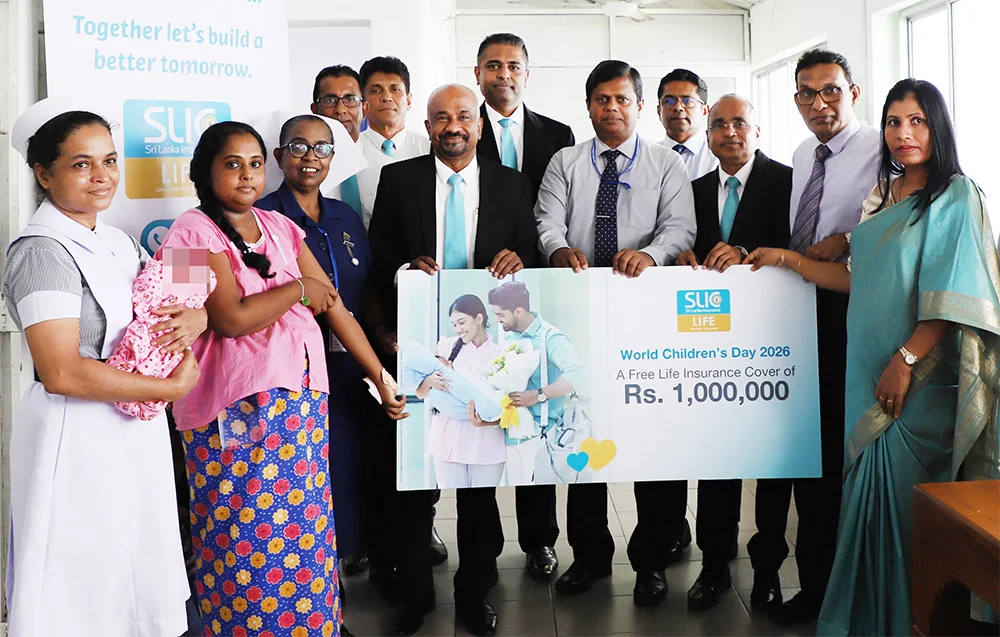
In celebration of World Children’s Day 2026, Sri Lanka Insurance Life (SLIC Life) has once again extended a Rs. 1 million free life insurance cover to the parents of every child born on 1 October 2026, across Sri Lanka. Now in its fifth consecutive year, the initiative was implemented island-wide, covering hospitals across the country and enabling parents of newborns to benefit from this special offering.
Beyond providing financial protection, the initiative seeks to highlight the importance of planning for a family’s financial security from the very beginning of a child’s life.
“The birth of a child marks the beginning of a new journey filled with hopes, dreams and aspirations. At SLIC Life, we believe that protection should begin from the very start of that journey. Through this initiative, we aim to create greater awareness of the importance of planning ahead and the role life insurance can play in safeguarding families against life’s uncertainties. As we continue this initiative for the fifth consecutive year, we remain committed to extending meaningful protection to Sri Lankan families and contributing towards a more secure future for the next generation,” said Dr. Sameera Dharmasena, Chief Executive Officer of SLIC Life.
Launched in 2022 as part of SLIC Life’s Corporate Social Responsibility (CSR) programme, the World Children’s Day initiative was introduced with the aim of supporting parents and strengthening financial security for families at an important stage in their lives. Over the years, the initiative has become a significant part of SLIC Life’s annual CSR calendar, reflecting the company’s broader commitment to children, families and communities.
SLIC Life’s commitment to children and education extends across several long standing CSR initiatives. The ‘Pasal Piriyatha Surakimu’ programme, launched in 2007, has benefited over 3,365 underprivileged schools through initiatives including classroom refurbishments, water facilities, libraries and learning resources. The 2026 edition of the programme is scheduled to be carried out in November, continuing SLIC Life’s efforts to enhance learning environments for children across the country. Complementing this, the ‘Suba Pathum Scholarship Programme’, which has been conducted since 2014, has now awarded 2,425 scholarships valued at Rs. 265 million to children of policyholders who demonstrate excellence in national examinations. The programme reflects SLIC Life’s continued focus on supporting educational aspirations and creating opportunities for the next generation.
Children remain at the heart of SLIC Life’s commitment to building a more secure future. Through the annual World Children’s Day initiative and its wider CSR programmes, SLIC Life continues to demonstrate that the value of insurance extends beyond financial protection, contributing to stronger and more resilient families and communities.
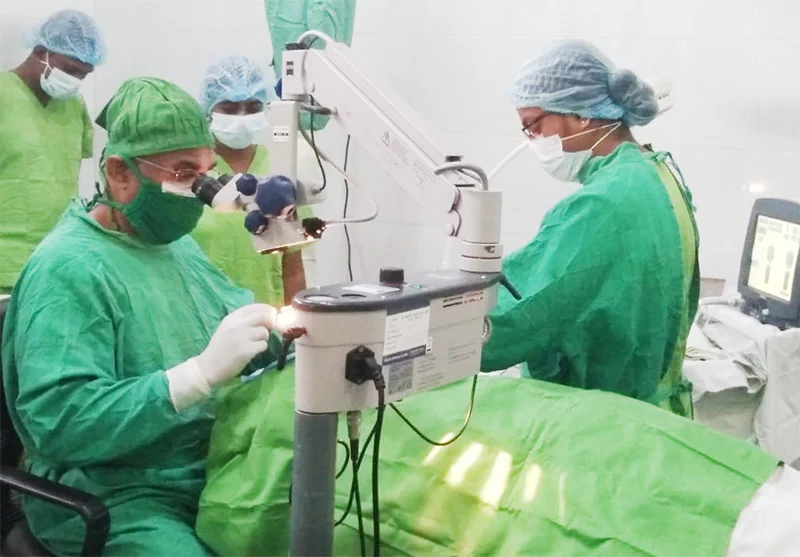
At a recent seminar HelpAge Sri Lanka (HASL) thanked local and foreign donors for strengthening the on-going free cataract surgeries program conducted by HelpAge Eye Hospital, Wellawatta for less- privileged elders over 55 years.
According to HelpAge Eye Hospital statistics the free cataract surgery programme was commenced in 2002 and over 55,000 surgeries have so far been performed for elderly citizens.
Head of HelpAge Eye Hospital Mahanama Wijesinghe said needy persons over 55 years of age could contact the hospital on telephone numbers 0112555759 and 0112589450 for free cataract surgeries.
‘Steps have been taken to conduct surgeries within a short duration of 30 days after attending the Eye Hospital clinic, he said.
Wijesinghe thanked all donors for their donations towards helping underprivileged citizens of the country.
HelpAge, Executive Director Dr. Harsha Bandara said HelpAge also conducts free medical and eye camps for needy elders and thanked donors for their donations towards this meritorious cause.
He requested philanthropists and donors to make their contributions for the sake of the needy.
New Chancellor appointed to General Sir John Kotelawala Defence University

Yemen government forces claim recapturing Mocha from Houthis

Showers above 75 mm are likely at some places in the Western, Sabaragamuwa, Central, and Southern provinces after 1.00 pm

Govt. urged to halt ‘illegal’ presidential pardons

GL urges cautious handling of Saudi death row case, blasts govt. over BRICS affair

Shiranthi files anticipatory bail application

‘Dates have the highest sugar content to fight Coronavirus’

Sunday Island 27 December – Headlines

#SundayIsland 17th December – Headlines

Sunday Island – 28th March

Sunday Island Headlines – 21 March

Sunday Island – 21st February – Headlines
-

 Latest News6 days ago
Gold winner Tharanga gets brand-new Honda Vezel from SLAAJ
-

 Features6 days ago
Why Sri Lanka needs an Inclusive Civic Nationalism – urgently
-

 News5 days ago
US-assisted ‘Ice’ detection: NPC to examine IGP’s move to transfer drug-busting team
-

 Editorial4 days ago
Colombo Port drug bust: The plot thickens
-

 News6 days ago
Civil society activist accuses govt. of favouring Ven. Gnanasara
-

 Editorial6 days ago
When crime bosses rise above law and shrines
-

 Midweek Review6 days ago
Dappula’s Easter Sunday ‘grand conspiracy’ claim demolished
-
Editorial5 days ago
Drug busting, transfers and trust deficit