
Life style
Being single in your thirties shouldn’t make you feel guilty


It is a truth universally acknowledged that a single woman in possession of ‘good’ moral character must be in search of a husband. That is, it was a truth rather universally echoed by a society hell-bent on maintaining the dubiously constructed integrity of its hetero-patriarchial power structure. Although the parameters of what is acceptable and what is embraced on a societal level have begun to show a little malleability, there is still an inherent rigidness when it comes to the idea of the single woman. A single woman is not merely thought to be undesired or unlovable but is also broadly and openly labelled a failure for not having been able to secure the all-important husband.
If I had a penny for every time I was subjected to an interrogation that aimed to investigate the root cause of my singleness, I would be a rich woman on a sun-drenched seashore and not a writer chasing invoices. And it is this wanton curiosity—from family, friends, loved ones and more than the occasional impertinent stranger—that offends me the most. Within South Asian circles especially, it is considered routine, if not entirely loving, to lambast a single woman for not having found a husband, and while it can sometimes adopt the desperately teasing lilt of a joke destined to fail, familial pressure only adds another voice to the already haunting chorus questioning your right to exist while single in your thirties. It gives rise to a fight-or-flight reflex within me wherein I invariably choose the ‘fight’ option and am cornered into making a defensive rebuke of the question-asker, while also trumpeting my single and content status—like a deer in the headlights, if that deer were slightly rabid.
I could tell you that I love living alone and being responsible for nobody but myself, I could wax rhapsodically about the unbearably tender intimacy of nurturing yourself or the astounding clarity that can sometimes come with solitude. But the truth is that being single in your thirties isn’t all self-care Sundays and group hugs with your best girlfriends and bell hooks quotes come to life. It can be frustrating, lonely and embarrassingly full of yearning. But single women of a certain age are rarely, if ever, given the space to feel the full spectrum of emotions that being unattached can inspire. There is a pop-culture push, à la Sex and the City, to trumpet your singleness as a badge of pride. Anything resembling unhappiness in single women over thirty is perceived as an admittance of guilt; a silent concurrence with the school of thought that labels you an ‘overeducated and undersexed’ member of the brigade of career-focussed women who have sacrificed lifelong companionship at the altar of personal ambition.
What lies beneath the probing questions from ostensibly well-meaning aunties and terrifying offers from friends to set you up with a degenerate cousin is that society, broadly—and Indian families, specifically—have no idea what to do with or how to react to single women. The life trajectory of a woman is so intrinsically tied to the idea of marriage within the South Asian context that a woman living her life without a man baffles the public imagination. There is a burden of expectation that comes with being a good daughter from a good family, and that expectation consists almost entirely of finding a similarly well-positioned husband and creating good little children to perpetuate this cycle of alleged goodness. There is a prevailing air of disappointment and disapproval that surrounds single Indian women in their thirties, and it is sometimes thick and putrid enough to pierce even the happiest single-by-choice bubbles of existence.
This is not to say anything of the plight faced by people who fall outside the gender binary or heterosexuality. For those who are not waiting for a “mister” at all, the task of trying to live life without bowing to the pressures of mainstream society adopts a Sisyphean quality. There is a plurality of gender and sexual identities that help weave the fabric of society, and suppressing these identities in favour of strict hetero-patriarchy not only fails those that need to be the most supported, BBCbut also quashes any hope of social progress in favour of keeping up with the Joneses.
Even for those that do fall into the narrow confines of what is socially acceptable, the path for single adult women is fraught, hostile and littered with indignities. From apartment buildings in Mumbai refusing to rent to single women (citing their alleged immorality as the cause) to the dismal statistic that working women who state their preference to continue their careers post-marriage receive 22% fewer matches on matchmaking websites or the fact that arranged marriage—which constitutes 97% of the marriages in India—creates an imbalanced power structure that favours men and allows for both the extortion of money from women’s families via dowry and the perpetuation of caste politics.
If I am told one more time to “put myself out there”, I will stage a violent revolt. Every single woman in her thirties has a Rolodex of unsolicited advice that she has received in response to her singledom. For a time following the release of Lori Gottlieb’s 2008 self-help tome, Marry Him: The Case for Settling for Mr. Good Enough, grown women could be convinced that attraction could be sacrificed in lieu of someone who “would make a good father and husband,” if that woman were “running out of time.” Although we have seemingly graduated from that enlightened school of thought, it doesn’t stop people from telling you to go on more dates or married friends asking if you have “tried Bumble” or your parents emotionally blackmailing you by referring to hypothetical grandchildren. It does not stop people from having the audacity to label you “too picky” or “too introverted” or “too opinionated” or the kind of person that just hasn’t put enough effort into The Cause.
The truth is, I would love to be set up with the right person or to have them magically glide into my life determined to present me with a happily-ever-after. I would love for a serendipitous run-in to turn into the relationship of a lifetime. I would love to swipe right and find Mr. Better-Than-You-Ever-Thought-It-Could-Be. But I am not willing to settle or saddle myself with a person who does not add love or intimacy or emotional value to my life. And I would like to spend the time between now and the moment I meet the inevitable One in peace and not languishing in shame, as prescribed by society.– BBC

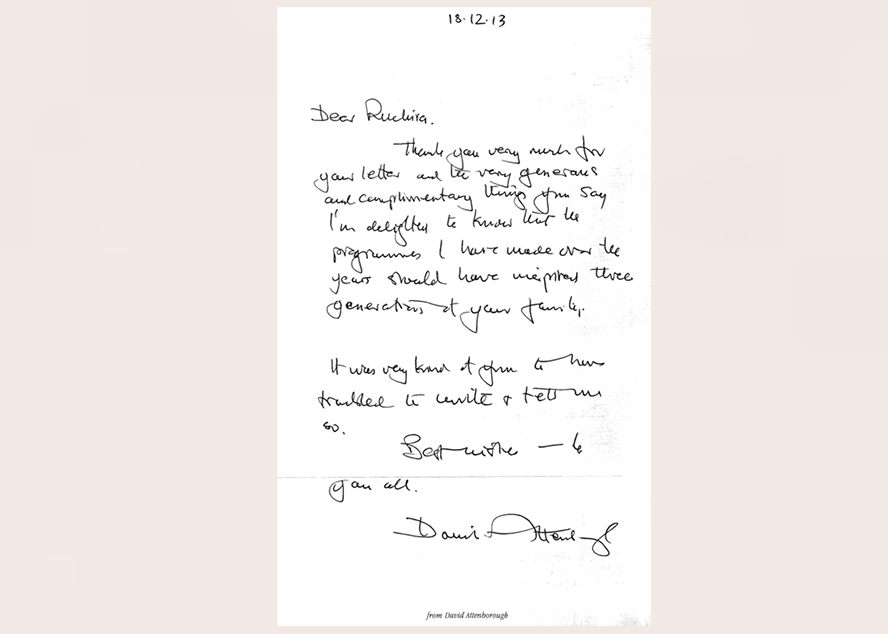
As the world celebrates the 100th birthday of Sir David Attenborough, tributes continue to pour in from scientists, conservationists, filmmakers, and millions of admirers whose lives were shaped by the legendary natural historian’s work.
But among the many messages shared this week, one deeply personal reflection from renowned Sri Lankan-born scientist Dr. Ruchira Somaweera has captured the true essence of the man behind the iconic voice.
“We all have people we look up to and hope to be like one day,” Dr. Somaweera wrote in a moving tribute marking Attenborough’s centenary. “For me, one of those people has always been Sir David Attenborough.”
The story dates back to 2013, when a BBC documentary crew visited to explore Dr. Somaweera’s pioneering work on freshwater crocodiles for a potential wildlife series. Although his research ultimately did not make it into the final production, the encounter led to something far more meaningful.
Through members of the crew, Dr. Somaweera sent Attenborough a card expressing gratitude for the profound influence he had on three generations of his family.
“What I never expected,” he recalled, “was to receive a handwritten letter from him just two weeks later, thanking me for the kind words.”
For Dr. Somaweera, the gesture revealed something extraordinary about Attenborough — not merely the global icon known to billions, but a deeply gracious and humble human being who still took time to personally respond to admirers, despite decades of worldwide fame.
“It said so much about the man behind the legend,” he reflected.
That quiet act of kindness perhaps explains why Attenborough’s influence extends far beyond television screens. Across nearly eight decades, he has become not only the world’s most recognisable natural history broadcaster, but also one of the most trusted voices in science communication and conservation advocacy.
From Life on Earth to Planet Earth, Blue Planet and countless other landmark productions, Attenborough transformed the way humanity sees the natural world.
He brought remote rainforests, coral reefs, deserts, mountains, and deep oceans into living rooms around the globe, inspiring generations to care about ecosystems they might never physically encounter.
Few communicators have bridged science and emotion with such extraordinary power.
For Sri Lankan scientists and conservationists, Attenborough’s impact has been especially profound. Many grew up watching his documentaries, developing an early fascination with wildlife through his storytelling.
Dr. Somaweera’s own career reflects that inspiration. Widely respected for his work on crocodilians, reptiles, and conservation biology, he has become an internationally recognised scientist whose research has contributed significantly to understanding freshwater ecosystems and reptile conservation.
Yet even accomplished scientists, it seems, can remain awestruck by the people who first ignited their curiosity.
The timing of Dr. Somaweera’s tribute also resonates strongly, following recent screenings of Attenborough’s powerful documentary Ocean, including an exclusive showing hosted by Spa Ceylon at SCOPE Cinema.
In the film, Attenborough reflects on humanity’s relationship with the sea with a sense of urgency sharpened by a lifetime of observation.
“After living for nearly 100 years on this planet,” he says, “I now understand the most important place on Earth is not on land, but at sea.”
The documentary explores the astonishing biodiversity of oceans while warning against destructive practices, such as industrial bottom trawling, climate change, and marine habitat destruction. But even amid alarming realities, Attenborough continues to offer hope grounded in science and collective action.
That enduring optimism may be one reason why his influence spans generations.
“Happy 100th birthday to a true giant of science communication, storytelling and conservation advocacy,” Dr. Somaweera wrote in his tribute. “The impact you have had on the world, and on countless young minds, is immeasurable.”
Indeed, for millions around the world, Attenborough’s voice became synonymous with wonder itself.
He taught humanity that the planet is not merely scenery, but a living system of intricate relationships — forests breathing for oceans, coral reefs feeding fisheries, plankton generating oxygen, predators maintaining balance, and every species playing a role in the fragile architecture of life.
At 100, Sir David Attenborough remains more than a broadcaster.
He is a witness to a changing planet. A storyteller for the natural world. And for many scientists like Dr. Ruchira Somaweera, a lifelong inspiration whose greatest legacy may lie not only in the documentaries he created, but in the curiosity, compassion, and responsibility he awakened in others.
By Ifham Nizam
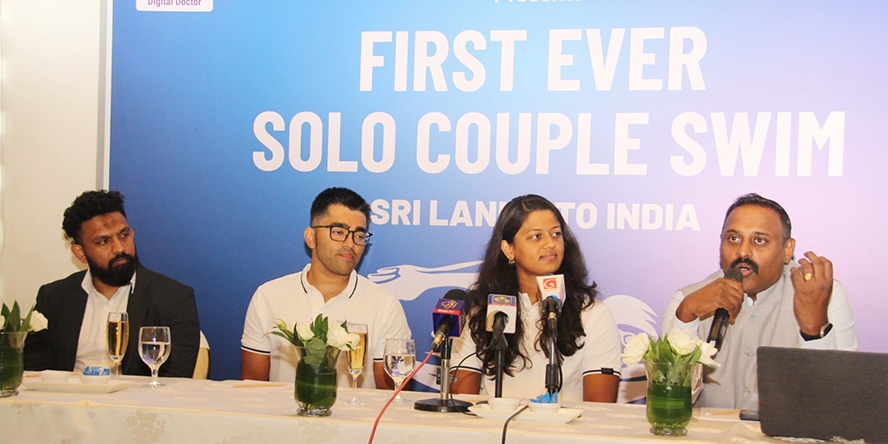
The first Lanka-India swim by a couple
Bengali couple,Vrushali Prasade and Danish Abdi, created history by undertaking the first ever Sri Lanka-India Ocean Water Swim, reflecting not only athlete excellence and endurance but also the deep rooted cultural and historical connection between India and Sri Lanka.
Sharing their thoughts, before the event, Vrushali Prasade and Danish Abdi expressed enthusiasm about their challenges. “We are excited to take this unique expedition and are proud to align it with a message of health and wellness. This expedition stands as a powerful symbol of unity.
The first even Sri Lanka-India Ocean Water Swim, presented by Manipal Hospitals, is not just another event, it is a bold endurance crossing of geography, grit and shared history between Sri Lanka and India.
This message was unfolded at a press conference held at the Kingsbury Hotel, before the event, by the officials of the giant Manipal Hospitals. The spotlight, however, firmly rested on the two swimmers, a couple, who brought this vision to life.
Vrushali Prasade and her husband Danish Abdi, in their 30s from Bengal are working in the IT industry. They learnt swimming only about four years ago, after first taking to waters during a holiday in the Maldives. The Island met them before their historic attempt.
Poised yet quietly determined, the swimmers embodied the spirit of the challenges ahead, At the press conference they spoke on true discipline, preparations and mental strength required to take on such a historic crossing.
Manipal Hospitals, India’s largest Pan Multi Speciality Hospital, are the main sponsors , symbolically connecting the two nations, India and Sri Lanka, through sport, healthcare and shared ambition.
The couple had previously swam the Indian Ocean as part of the rally but the recent Indian Ocean swim is their first solo couple effort and the longest. They were assisted by multiple boats, alongside paramedics and coast guards.
The Chief Operating Officer, Manipal Health Enterprise Karthik Rajagopal said this historic swim reflects not only athlete excellence and endurance, but also the deep rooted cultural and historical connection between the two countries, The swimmers Vrushali and Danish Abdi said, before the event: ” Swimming is for all ages whether you are a kid or a matured person, it is never too late to start for any age group. When asked about their challenges of undertaking such a historic feat, they said. “The Palk Strait is no gentle stretch of water, its currents are unpredictable, its tides restless . Unlike the the controlled calm of a swimming pool, the sea offers no guarantee, one moment they may bring a steady rhythm, the next, a surge that breaks it entirely. But we are excited to take on this unique expedition and proud to resonate the message of health and wellness to the world’
Fatigue, inevitably becomes a companion and also long hours in open water test not just muscle strength but mental resilience. Jellyfish often drift with currents making the calm swim into a painful endurance test.
“With limited visibility, we can suddenly brush against tentacles, turning a steady rhythm into a moment of sharp pain. In the vast unpredictability of the ocean, we have to chose whatever the sea offers.”

Vrushali Prasade and Danish Abdi: The young Bengali couple who conquered the ocean
They also said the route across the Palk Strait is deceptively complex. Though relatively shallow, those waters are known for shifting currents, strong tidal pulls and unpredictable winds. We cannot rely on a straight path, we move guided by pilots on escort boats who constantly adjust the direction based on the sea conditions. Then we have the unpredictability of the sea itself. Floating debris, sudden weather shifts and there is no wall to hold onto, no pause button only the rhythm of our stroke and breath. Vrushali and Danish expressed enthusiasm about these challenges . We are very excited to overcome all these challenges.’
‘Our decision, however, to take on the challenging stretch across the Palk strait is rooted in more than a personal achievement, said the couple. They spoke of the partnership aspect of the swim calling it both their biggest strength and unique challenge.
Behind the drama of the sea and the determination of the swimmers, lies a quieter crucial force,the medical backbone. As title sponsor, Manipal Hospitals was not merely lending its name to this event. They actively shaped the safety framework that make such a ambitious feat possible.
Manipal Hospitals is the largest Pan India Speciality Hospital network by bed capacity, boasting over 12,300. It is known for its expert medical expertise multi speciality care and commitment to patient centric care and also well connected to Sri Lanka’s medical and patient community especially for spine and oncology services.
Medical teams were stationed on escort boats equipped to respond instantly to issues ranging from hydration and hypothermia to jellyfish stings or muscle cramps. All in all the hospital’s participation underscores a broader message, promoting health, endurance sports and cross border collaboration.
In the end what the couple did places them in the same conversation as some of the world’s most daring open water swimmers, those who have conquered icy channels relentless tides and vast strong winds.
As the couple moved through the waters of the Palk Strait, their journey becomes a powerful metaphor for the relationship between Sri Lanka and India, two neighbours bound by history, culture and shared oceans. It is a quiet but powerful gesture of goodwill, reminding that while seas may separate lands, they can also bring them together.
By Zanita Careem
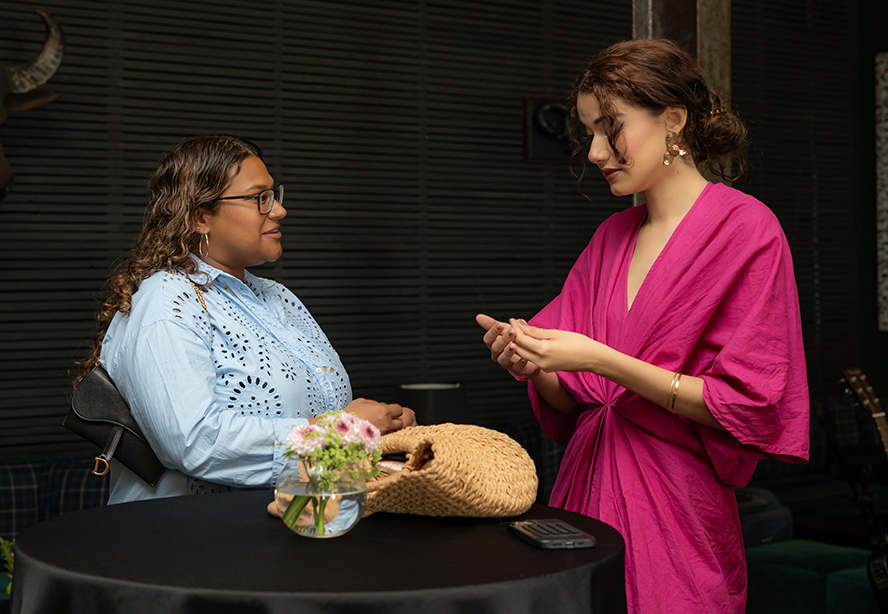
Limited-Time Saturday Brunch at 1864 Limited Edition
The spirit of leisurely weekend dining came alive recently as La Sérénité Saturday Brunch unfolded in elegant style at 1864 Limited Edition at the iconic Galle Face Hotel.Set against the timeless charm of Colombo’s most historic seaside hotel. guests were treated to an indulgent culinary afternoon where sophistication, flavour and oceanfront glamour blended seamlessly.
The heritage charm of Galle Face Hotel, with its polished floors, high ceilings and whisper of history, created a backdrop that is both grand and intimate.Within this setting the brunch emerges not just as a culinary offering but as a carefully orchestrated experience. At the heart of this orchestration was the vision of the General Manager Suresh Abbas. A veteran in the hotel industry, under his leadership, the culinary team delivered a menu for selected invitees, a menu that balanced European finess with contemporary flair .
From gourmet seafood and international delicacies to locally inspired creations and decadent desserts, the spread offered a luxurious journey for discerning brunch lovers.
The GM’s influence is most visible in the intangible details, The curated menu, personalised service and elegant ambience all echoed the hotel’s dedication to offering memorable gastronic experience.The brunch remained international in character while still grounded in place.
La Sérénité, a thoughtfully conceived brunch experience, at 1864 Limited Edition, brings together a sense of calm, continuity, and culinary storytelling within one of the city’s most enduring landmarks.
Set against the pace of a restless world, La Sérénité is designed as a quiet counterpoint, an invitation to pause, to gather, and to ease into the weekend with intention. Since 1864, Galle Face Hotel has existed within this paradox, offering a sense of stillness and reassurance even as the world around it has continually evolved. This brunch extends that legacy, creating a space where time softens, conversation flows unhurriedly, and presence takes precedence.
At its core, La Sérénité is not only about the experience of slowing down, but also about the stories we return to through food. The menu is conceived as a subtle journey through culinary history, drawing from moments across continents and generations, where dishes have been shaped by instinct, refinement, and time.
There is a quiet familiarity in this approach. Classics are not reimagined for novelty, but carefully refined, preserving their essence while elevating their form. The experience moves between contrast and balance, simplicity and indulgence, tradition and gentle reinterpretation. In doing so, it offers something both recognised and rediscovered.
In this way, La Sérénité becomes more than a brunch. It is a curated timeline of taste, an experience that brings together memory, familiarity, and thoughtful refinement within a setting that invites calm.
Presented as a limited-time experience, La Sérénité commenced on 2nd May and takes place every Saturday at 1864 Limited Edition.
-
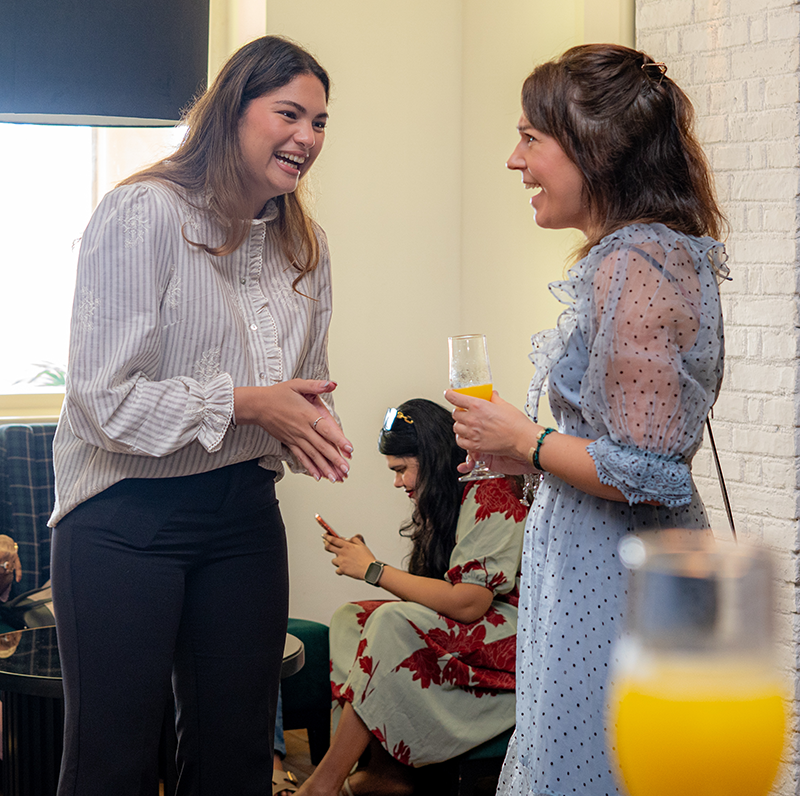
- Sheana Gardiner – where guests become part of the experience
-
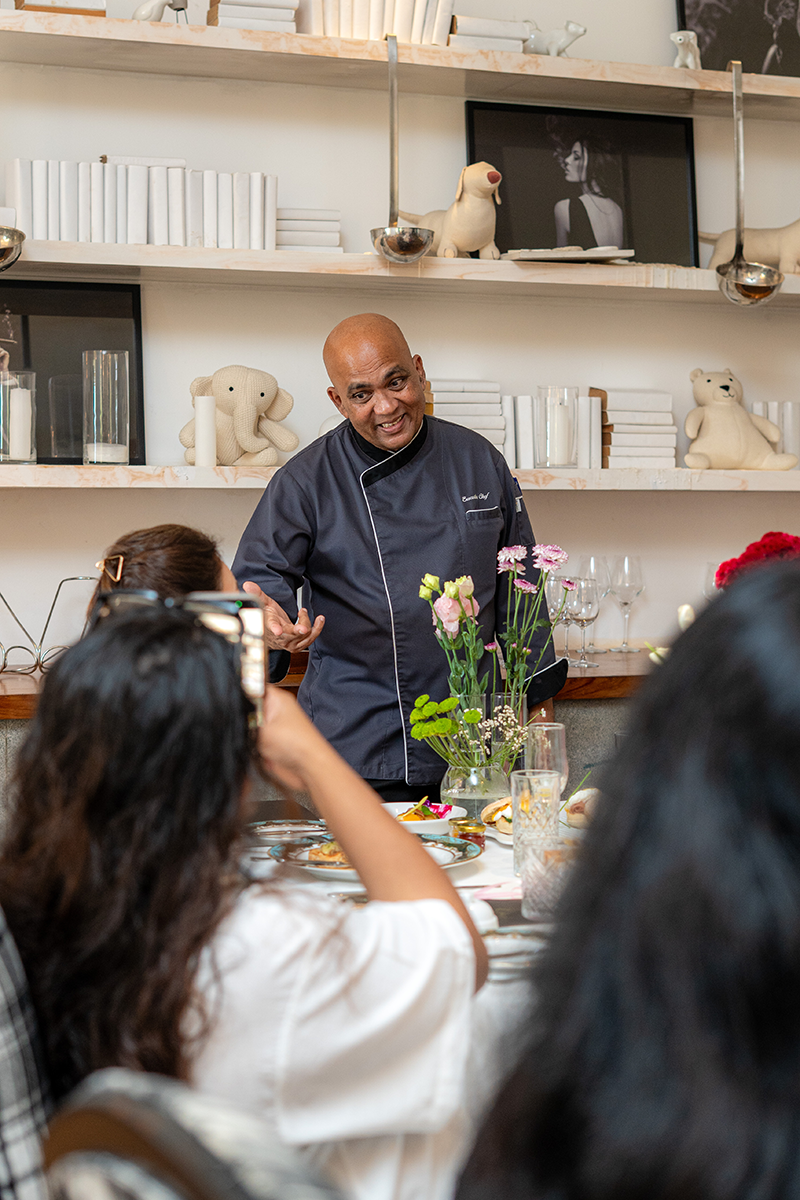
- Chef curating best menu
-
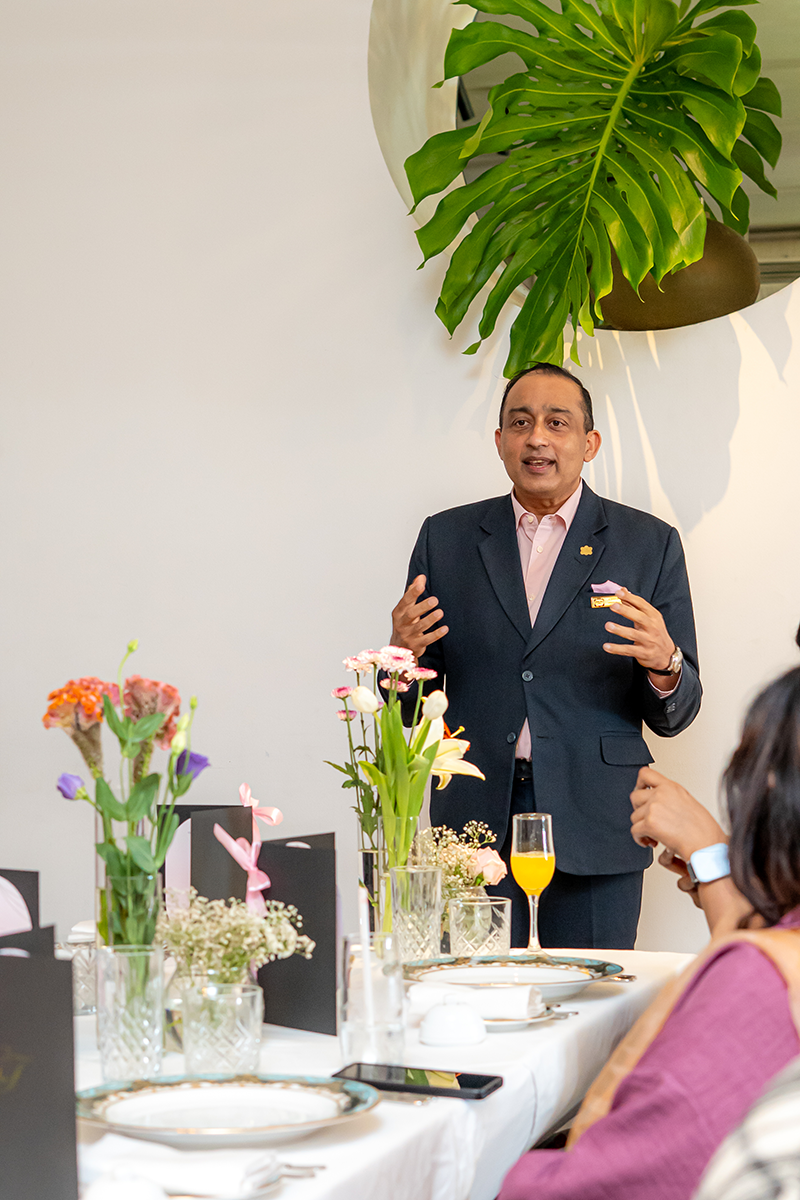
- GM’s vision in every detail
-
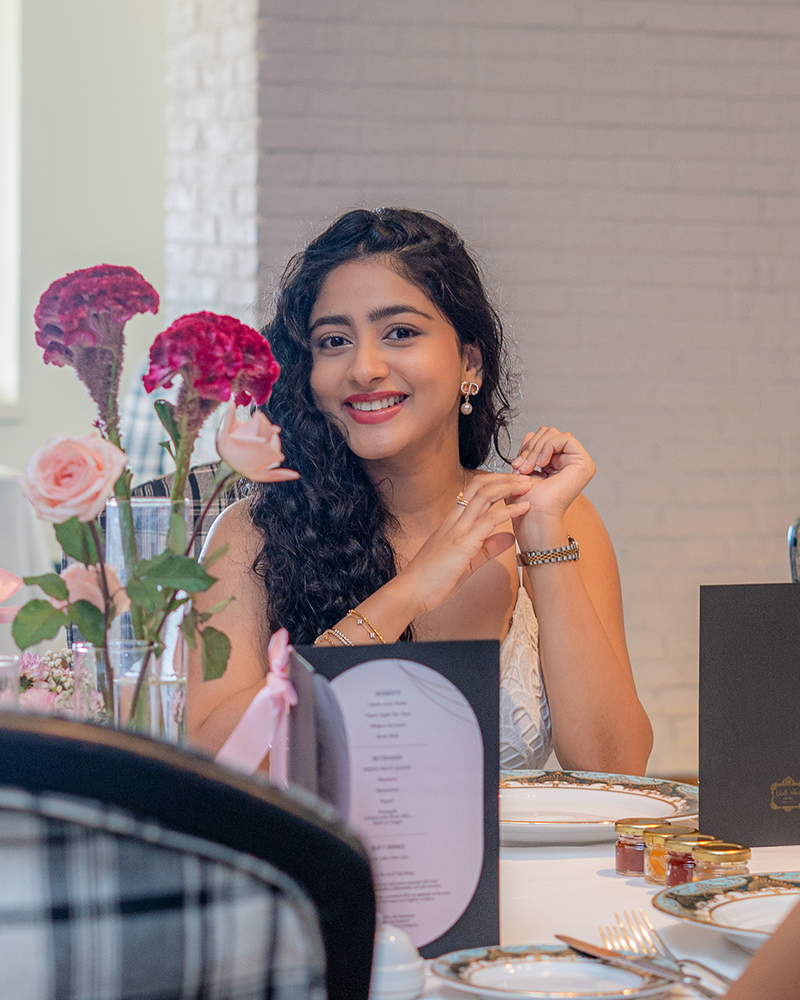
- Young invitee embracing timeless hospitality
-
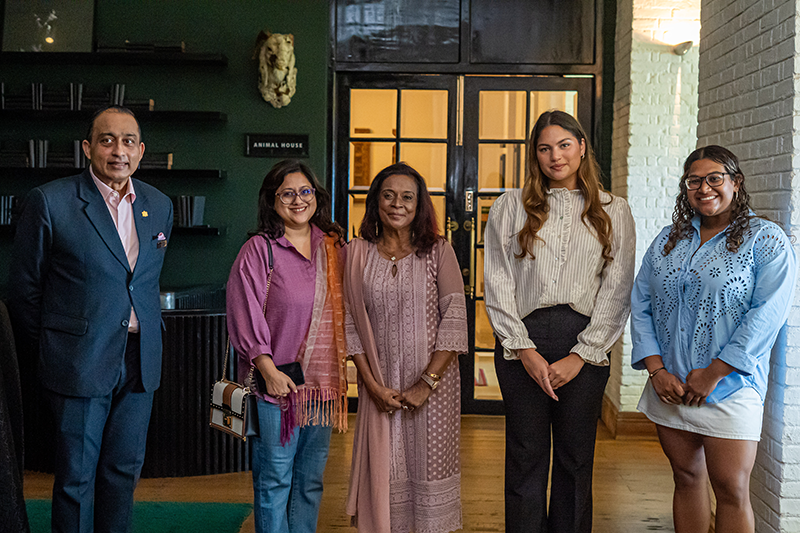
- Smiles, conversations, and exquisite plates … La Serenite brings people together

Senior Australia players hold off Cricket Australia deal amid BBL pay frustration

One dead in US after being struck by taking off Frontier Airlines plane

Gill, Sai Sudharsan, Rashid power Gujarat Titans to second spot with fourth straight win

Showers above 100 mm are likely at some places in the Western, Sabaragamuwa, Central, Southern, Uva, North-western and Northern provinces and in Anuradhapura district.

Lanka Port City officials to meet investors in Dubai

Research Vessel Dr. Fridtjof Nansen Completes Marine Scientific Survey in Sri Lankan Waters and Departs Colombo

‘Dates have the highest sugar content to fight Coronavirus’

Sunday Island 27 December – Headlines

#SundayIsland 17th December – Headlines

Sunday Island – 28th March

Sunday Island Headlines – 21 March

Sunday Island – 21st February – Headlines
-

 News3 days ago
MIT expert warns of catastrophic consequences of USD 2.5 mn Treasury heist
-

 News5 days ago
CJ urged to inquire into AKD’s remarks on May 25 court verdict
-

 News6 days ago
USD 3.7 bn H’tota refinery: China won’t launch project without bigger local market share
-

 Editorial3 days ago
Clean Sri Lanka and dirty politics
-

 Editorial6 days ago
Deliver or perish
-

 Opinion5 days ago
Security, perception, and trust: Sri Lanka’s delicate balancing act
-

 Editorial2 days ago
The Vijay factor
-

 News1 day ago
SLPP expresses concern over death of former SriLankan CEO