
Opinion
Airline Pilots – salaries and income tax reforms

By Capt Gihan
A Fernando, MBA
Honorary Life Member, Air Line Pilots’ Guild of Sri Lanka (affiliated the International Federation of Air Line Pilot Associations)
Former Secretary, Air Ceylon Pilots’ Guild and Air Line Pilots’ Guild of Sri Lanka
Former Member Air Line Pilots’ Association Singapore
Life Member Organisations of Professional Associations (OPA)
It is no secret that Sri Lankan airline pilots engaged in international flying are highly paid and therefore in the country’s highest slab of income taxation. Their income is received direct from their employer. Their profession is strictly regulated and they cannot engage in private practice, unlike many other professions.In 1947 when Air Ceylon was formed, a DC-3 Dakota Captain’s maximum basic salary (without allowances) was Rs 800 per month. The Ceylon Air Line Pilots’ Association (CALPA) and later the Air Ceylon Pilots’ Guild (ACPG), as it was then known, tried but failed to negotiate for higher salaries. One Air Ceylon Chairman (who was known as ‘our man in Bonn’ at one time, and father of a present Member of Parliament) even asked how the Pilots’ Guild had the audacity to ask for salaries over and above what he was earning.
That status quo remained almost the same until 1977, when the Secretary of Defence, General Don Sepala Attygalle, declared that the Army Corporal who drives his car was earning almost the same wage as airline pilots, and increased pilots’ salaries all round by Rs. 1,600 per month.
Then in 1979, when Air Lanka was established, national pilot salaries underwent another increase with ‘per diem’ allowances matching international standards. The standard method of calculating these allowances is based on the crew duty time starting one hour before departure time, and finishing half an hour after landing. For want of a better method, traditionally there was a certain value added to breakfast, lunch and dinner; and if the crew member was on duty during those meal times, a ‘Meal Allowance’ was paid.
Additionally, if a night was spent overseas the crews were paid an ‘Overnight Allowance’. All allowances were the same for Technical (flight) and Cabin Crew, except for the ‘Overnight’ allowances where the Captain got a little extra to cover tips, porterage, etc., in local currency. In those days the overseas meal and overnight allowances were frugally saved by many Sri Lankan crew members and encashed into rupees in Colombo in order to supplement their take-home pay.
Even during Air Ceylon days, the Internal Auditor didn’t understand the concept of per diem payments based on meal times, and commented that crews were not entitled to meal allowances when flying as they were provided with meals on board. It took the Air Ceylon Pilots’ Guild quite an effort to counteract that notion.
Increasing flight crew salaries to present levels was the result of a long, hard struggle for the Airline Pilots’ Guild, as Air Lanka was truly ‘international’, with expatriate crew members on its payroll too. In the mixed (Sri Lankan and expatriate) crews, a ‘national’, or local, Captain earned far less than an expatriate First Officer or Flight Engineer, who also received free housing and children’s education fees as part of their remuneration packages.
Yet the Captain, whether a Sri Lankan or an expat’, was the most senior crew member in the aircraft. Further to regular appeals to Air Lanka Management, in due course the salaries were adjusted to a great extent and tied to the constantly appreciating US dollar, so as to eliminate the salary gap between nationals and expatriates. The Pilots’ Guild also managed to secure duty free car import/purchase permits for its members, in keeping with certain other professions at that time.
In accordance with the then Sri Lankan tax laws, while an expatriate’s salary was tax free, a national captain had to pay income tax amounting to around 40% of earnings. Again, after many appeals from the Pilots’ Guild, Air Lanka management agreed to pay flight crews’ income tax, which was then considered a perquisite by the Government Income Tax Department, and necessitated the airline management paying ‘tax-on-tax’. This was done to prevent pilots leaving the company for better jobs in other parts of the world.
So why is an airline pilot is paid so much?
Let me give you a few reasons. An airline pilot must undergo an annual medical examination up to the age of 40, and then regular biannual medicals until the age of 60. From then until age 65 additional blood tests and stress EKG tests are conducted. While pilots need not be as fit as astronauts, there cannot be any disqualifications either. Unfortunately, the limits of these tests are quite subjective and could be a source of worry and stress to individual pilots. Needless to say, pilots must practise self-discipline to maintain these medical standards.
The training regime to become a commercial pilot is long and extensive. There are as many as 14 theory exams to pass, along with numerous practical tests where competency has to be demonstrated to an examiner and recorded for licensing purposes. The pilot needs to qualify for: a ‘Type Rating’ to fly a particular type of aircraft; an Instrument Rating to enable himself/herself to fly solely with reference to instruments at night-time or in conditions of limited or non-existent visibility; a ‘Multi-engine Rating’ authorising him/her to fly an aircraft with more than one engine. They must also be current on Safety Equipment Procedures, which involve going down emergency slides into a pool or tank of water, and survival in case of a ditching at sea.
Even after obtaining the requisite licence and ratings and joining an airline, every six months a pilot must submit to a practical test conducted by a Civil Aviation Authority Sri Lanka (CAASL)-designated examiner in order to demonstrate continuing competency. Throughout his/her career, every year the pilot must also satisfy a company-designated ‘Line Examiner’ that he/she is up to date on all company procedures and instructions. The pilot could be failed and given re-enforcement/consolidation training at any time.
In contrast, not many vocations, including the medical profession, have such systems in place for rigorously and regularly monitoring and recording competency and proficiency. Sadly, such testing can be subjective by nature, and is sometimes used by airline companies the world over to force pilot employees to ‘fall in line’ and not rock the boat. But that’s another story.
The demand for qualified and experienced pilots around the world is high, especially as airlines are bouncing back after the pandemic. Therefore, Sri Lanka’s national carrier must find incentives in pay and conditions to keep experienced pilots within their fold. Losing experienced pilots to a ‘brain drain’ will affect the airline’s safety record in the long run. Airline Captains cannot be produced overnight. It takes at least six years on average for a good First Officer (FO) to become a Captain. That gives the FO experience to fly through all the seasons of spring, summer, autumn and winter weather, by day and night, at least six times under the watchful eye of an experienced Captain, before the FO goes out on his/her own. Not unlike a ‘House Officer’ in the medical profession, who learns what to do, as well as what not to, to enhance his/her ability to work with others in a ‘team’ environment.
Commercial airline pilot training is expensive, with ever-rising costs of equipment and fuel. Unless the trainee is sponsored by an airline, or has wealthy parents, many student pilots will incur debt. It is not unknown for some not so well-to-do parents to even mortgage their property to put their children through flight school. Yet at the end of it all one is still not sure of securing an airline job because even in the ranks of prospective flight cadets, many are called but only a few are chosen for further training by the airlines.
It is no secret that an airline pilot’s work is unique and different from a regular 9 to 5 job. Flying duties take pilots far from home, while they miss out on family events such as birthdays, weddings and funerals of near and dear ones. It is very hard on the pilot’s spouse as he/she has to be both father and mother, nursemaid, and chauffeur, especially when children fall ill. Airline pilots have to be mentally prepared for such events, and free of financial worries and stress that can cloud judgement and decision-making when performing flying duties and functions that are stressful in their own right. It must be remembered that apart from being responsible for hundreds of lives, an airline pilot is in charge of and responsible for airline assets costing hundreds of millions of dollars, leaving no margin for error; as distinct from a run-of-the-mill administration job which, according to some, allows for as much as a 50% error margin.
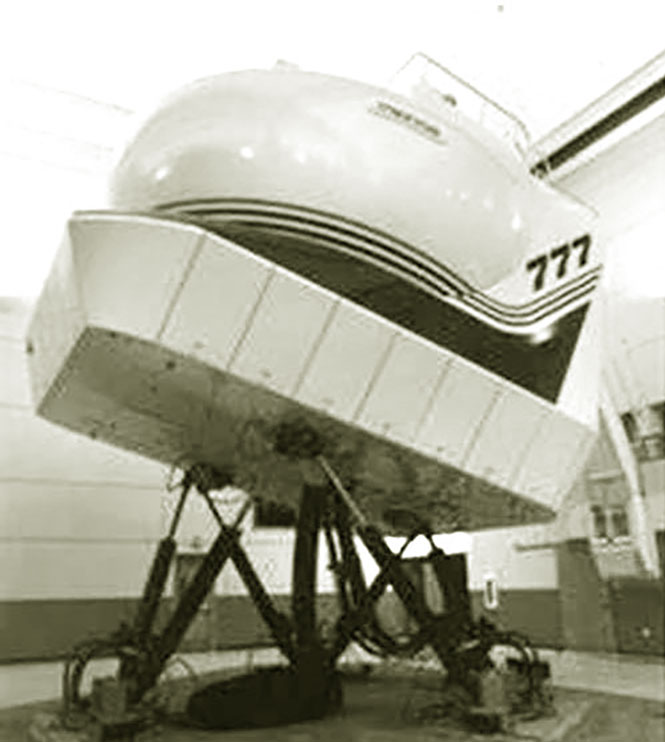
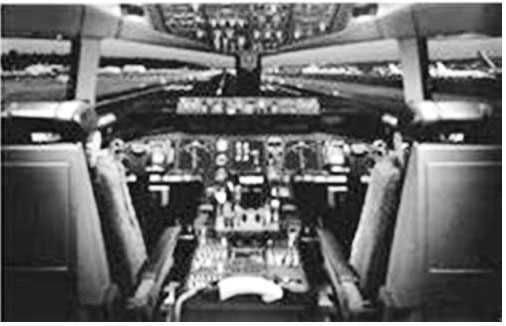
An airline pilot has to be trained and tested regularly in a flight simulator or an actual aircraft to safely handle emergency situations such as engine failures or fires on take-off, rejected take-offs, emergency landings with hydraulic failure, cabin pressure failure, and many other potentially perilous situations. A wrong decision will be very costly for the airline, and could even make the company go ‘belly up’.
There is a famous saying among aviators which is attributed to Jerome Lederer, the then President of the Flight Safety Foundation. He stated: “If you think that safety is expensive, try having an accident.”
That also brings to mind what Lee Kuan Yew, widely acknowledged as the ‘founding father’ of modern Singapore, said: “If you pay peanuts, you get monkeys.”
In 1776, the Scottish economist and moral philosopher Adam Smith wrote a book called ‘The Wealth of Nations’. In it he outlined five principles underlying why labour rates are different. They are still valid today. I quote:
“The Variation of Labour Rates
There are five major factors that explain why labour wages differ from one occupation to the next. To begin, labour rates differ depending on how simple or difficult the job is. A tailor, for example, is paid less than a weaver. His job is much easier. Weavers earn less than smiths. The most despised of all jobs, public executioner, is paid more than almost any other common profession in proportion to the amount of labour done.
Second, the ease and low cost of learning a new business, as well as the difficulty and cost of doing so, affect labour salaries.
Third, salaries in professions differ because some crafts have significantly more consistent employment than others.
Fourth, labour wages vary according to the amount of trust that must be placed in the workers. Goldsmiths and jewellers are always paid more than many other workers because they are entrusted with valuable materials.
Fifth, labour remuneration varies according to the likelihood or improbability of success. If 20 people apply for a job and only one is hired, the one hired is usually paid the sum of the salaries of the other 20.”
In addition, Smith states a few more home truths, such as:
“Give me what I want, and I’ll give you what you want.”
and
“A man must always be able to support himself through his job, and his earnings must be sufficient.”
Many airline administrators take Aviation Safety for granted. It does not happen automatically but with hard work put in by the people in the front line, such as pilots, engineers and mechanics. Unfortunately, aircraft can’t fly without pilots and engineers. In the love/hate relationship between the Sri Lankan Airline Pilots’ Guild and airline management, the usual cycle of events since inception is as follows.
The Board of Management appointed by the ‘powers that be’ consist of government cronies who confess to the airline employees that they know nothing about running the airline and ask for guidance. The unions, including the Pilots’ Guild, give them support and guidance. After a few months the Board members believe they have learned all they need to know, and try to ride roughshod over the unions while trying to control traditional behaviour despite really knowing nothing. It is a truism that ‘a little knowledge is a dangerous thing’. The pilots are considered ‘a necessary evil.’
Speaking for the pilots at the ‘pointy end’ of the aeroplane, they see the product of that ‘board management’ at its worst and best. The communication channels should be kept open with the Chairman and his Board of Directors. From what I gather, and in aviation terms, there is “a loss of com” between them.When the COVDI-19 pandemic began, the present Board of SriLankan Airlines unilaterally reduced pilots’ salaries by almost 50%, put a cap on the dollar conversion rate, and told pilots that if they didn’t like it that they could go look for jobs elsewhere. The Pilots’ Guild went to the Labour Commission, who discovered that the airline’s management had short-changed the pilots to the extent of Rupees 1.928 billion! It is obvious that management should not look at the bottom line only but follow a Safety Management System which ensures resilience.
Now other airlines are hiring again, and 130 Sri Lankan pilots have applied to convert (validate) their Sri Lankan ICAO (International Civil Aviation Organisation)-recognised Air Transport Pilots’ Licence (ATPL) in other countries to be able to work there. More than 40 local pilots are expected to leave for other reputed airlines by February 2023. If that occurs, it will become a national crisis. This attrition will in turn cause disruption of scheduled flights in the short term, or the airline might even cease operations in the long term. It has happened to other airlines. Sri Lanka is not and will not be immune. Yet, SriLankan Airlines’ Board of Directors seem to be blissfully oblivious of this fact.
With the proposed national Income Tax reforms, the quantum of income tax is going to be higher. Could the Board of Directors of SriLankan Airlines consider income tax payments and pay tax-on-tax where pilots are concerned, as has been done before? They can ill afford to hire expatriate pilots at ‘exorbitant’ dollar rates, as in the past. Or by ‘sitting on their hands’ would the Directors force national airline pilots to leave for greener pastures abroad, along with Sri Lankans in many other valued and respected professions?

BNP rightly deserves our congratulations for winning a decisive victory in the 13th parliamentary election. This outcome reflects an unequivocal mandate that is both politically and historically significant. Coming as it does at a critical point in Bangladesh’s democratic journey, this moment marks more than a change of government; it signals a renewed public resolve to restore democratic norms, accountability, and institutional integrity.
The election came after years of severe distrust in the electoral process, questions over legitimacy, and institutional strain, so the poll’s successful conduct has reinforced trust in the process as well as the principle that governments derive authority from the consent of the governed. For quite some time now, Bangladesh has faced deep polarisation, intolerance, and threats to its democratic foundations. Regressive and anti-democratic tendencies—whether institutional, ideological, or political—risked steering the country away from its foundational goals. BNP’s decisive victory can therefore be interpreted as a call to reverse this trajectory, and a public desire for accountable, forward-looking governance rooted in liberal democratic principles.
However, the road ahead is going to be bumpy, to put it mildly. A broad mandate alone cannot resolve deep-rooted structural problems. The BNP government will likely continue to face economic challenges and institutional constraints for the foreseeable future. This will test its capacity and sincerity not only to govern but also to transform the culture of governance in the country.
Economic reform imperatives
A key challenge will be stabilising the economy, which continues to face mounting pressures: growth has decelerated, inflation has eroded people’s purchasing power, foreign exchange reserves remain low, and public finances are tight. External debt has increased significantly in recent years, while the tax-to-GDP ratio has fallen to historically low levels. State-owned enterprises and the banking sector face persistent structural weaknesses, and confidence among both domestic and international investors remains fragile.
The new government should begin by restoring macroeconomic discipline. Containing inflation will need close coordination across ministries and agencies. Monetary policy must remain cautious and credible, free from political interference, while fiscal policy should prioritise stability rather than expand populist spending.
Tax reform is also unavoidable. The National Board of Revenue requires comprehensive modernisation, digitalisation, and total compliance. Broadening the tax base, especially by bringing all high-income groups and segments of the informal economy into the formal system, is crucial. Over time, reliance on indirect taxes such as value-added tax and import duties should be reduced, paving the way for a more progressive direct tax regime.
Banking sector reform is equally crucial. Proper asset quality reviews and regulatory oversight are necessary to rebuild confidence in the sector. Political patronage within the financial institutions must end. Without a resilient financial system, private investment cannot recover. As regards growth, the government should focus on diversifying exports beyond ready-made garments and deepening integration into regional value chains. Attracting foreign direct investment will depend on regulatory predictability and improvements in logistics and energy reliability. Ambitious growth targets must be matched by realistic implementation capacity.
Political Challenges
Distrust among political actors, partly fuelled by fears of retribution and violence, is a reality that may persist. BNP will face pressure from its supporters to act quickly in addressing perceived injustices, but good governance demands restraint. If the new government resorts to or tolerates exclusion or retaliation, it will risk perpetuating the very cycle it has condemned.
Managing internal party discipline will also be crucial, as a large parliamentary majority can sometimes lead to complacency or factional rivalry. Strong leadership will be required to maintain unity while allowing constructive internal debate. BNP must also rebuild trust with minority communities and vulnerable groups. Elections often heighten anxieties among minorities, so a credible commitment to equal citizenship is crucial. BNP’s political maturity will also be judged by how it treats or engages with its opponents. In this regard, Chairman Tarique Rahman’s visits to the residences of top opposition leaders on Sunday marked a positive gesture, one that many hope will withstand the inevitable pressures or conflicts over governance in the coming days.
Strengthening democratic institutions
A central promise of this election was to restore democracy, which must now translate into concrete institutional reforms. Judicial independence needs constant safeguarding. Which means that appointment, promotion, and case management processes should be insulated from political influence. Parliamentary oversight committees must also function effectively, and the opposition’s voice in parliament must be protected.
Electoral institutions also need reform, particularly along the lines of the July Charter. Continued credibility of the Election Commission will depend on transparency, professional management, and impartiality. Meanwhile, the civil service must be depoliticised. Appointments based on loyalty rather than merit have long undermined governance in the country. So the new administration must work on curtailing the influence of political networks to ensure a professional, impartial civil service. Media reform and digital rights also deserve careful attention. We must remember that democratic consolidation is built through institutional habits, and these habits must be established early.
Beyond winner-takes-all
Bangladesh’s politics has long been characterised by a winner-takes-all mentality. Electoral victories have often resulted in monopolisation of power, marginalising opposition voices and weakening checks and balances. If BNP is serious about democratic renewal, it must consciously break with this tradition. Inclusive policy consultations will be a good starting point. Major economic and constitutional reforms should be based on cross-party dialogue and consensus. Appointments to constitutional bodies should be transparent and consultative, and parliamentary debates should be done with the letter and spirit of the July Charter in mind.
Meeting public expectations
The scale of public expectations now is naturally immense. Citizens want economic relief, employment opportunities, necessary institutional reforms, and improved governance. Managing these expectations will be quite difficult. Many reforms will not yield immediate results, and some may impose short-term costs. So, it is imperative to ensure transparent communication about the associated timelines, trade-offs, and fiscal constraints.
Anti-corruption efforts must be credible and monitored at all times. Measures are needed to strengthen oversight institutions, improve transparency in public procurement, and expand digital service delivery to reduce opportunities for rent-seeking. Governance reform should be systematic, not selective or politically driven. Tangible improvements are urgently needed in public service delivery, particularly in health, education, social protection, and local government.
Finally, a word of caution: BNP’s decisive victory presents both opportunities and risks. It can enable bold reforms but it also carries the danger of overreach. The key deciding factor here is political judgment. The question is, can our leaders deliver based on the mandate voters have given them? (The Daily Star)
Dr Fahmida Khatun is an economist and executive director at the Centre for Policy Dialogue (CPD). Views expressed in the article are the author’s own.
Views expressed in this article are the author’s own.
by Fahmida Khatun
Opinion
Why religion should remain separate from state power in Sri Lanka: Lessons from political history

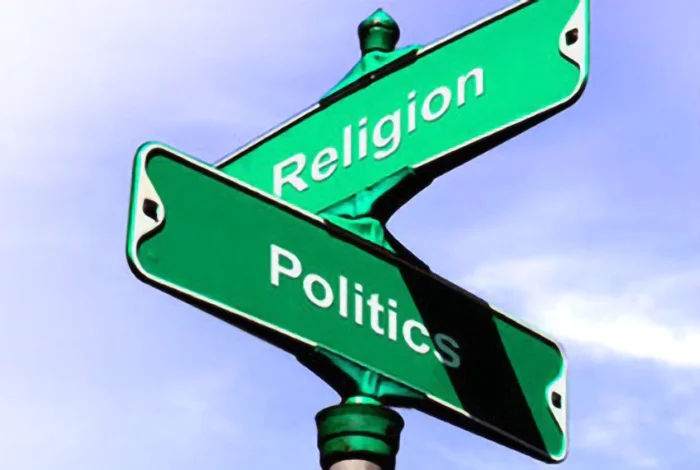
Religion has been an essential part of Sri Lankan society for more than two millennia, shaping culture, moral values, and social traditions. Buddhism in particular has played a foundational role in guiding ethical behaviour, promoting compassion, and encouraging social harmony. Yet Sri Lanka’s modern political history clearly shows that when religion becomes closely entangled with state power, both democracy and religion suffer. The politicisation of religion especially Buddhism has repeatedly contributed to ethnic division, weakened governance, and the erosion of moral authority. For these reasons, the separation of religion and the state is not only desirable but necessary for Sri Lanka’s long-term stability and democratic progress.
Sri Lanka’s post-independence political history provides early evidence of how religion became a political tool. The 1956 election, which brought S. W. R. D. Bandaranaike to power, is often remembered as a turning point where Sinhala-Buddhist nationalism was actively mobilised for political expedience. Buddhist monks played a visible role in political campaigning, framing political change as a religious and cultural revival. While this movement empowered the Sinhala-Buddhist majority, it also laid the foundation for ethnic exclusion, particularly through policies such as the “Sinhala Only Act.” Though framed as protecting national identity, these policies marginalised Tamil-speaking communities and contributed significantly to ethnic tensions that later escalated into civil conflict. This period demonstrates how religious symbolism, when fused with state power, can undermine social cohesion rather than strengthen it.
The increasing political involvement of Buddhist monks in later decades further illustrates the risks of this entanglement. In the early 2000s, the emergence of monk-led political parties such as the Jathika Hela Urumaya (JHU) marked a new phase in Sri Lankan politics. For the first time, monks entered Parliament as elected lawmakers, directly participating in legislation and governance. While their presence was justified as a moral corrective to corrupt politics, in practice it blurred the boundary between spiritual leadership and political power. Once monks became part of parliamentary debates, policy compromises, and political rivalries, they were no longer perceived as neutral moral guides. Instead, they became political actors subject to criticism, controversy, and public mistrust. This shift significantly weakened the traditional reverence associated with the Sangha.
Sri Lankan political history also shows how religion has been repeatedly used by political leaders to legitimise authority during times of crisis. Successive governments have sought the public endorsement of influential monks to strengthen their political image, particularly during elections or moments of instability. During the war, religious rhetoric was often used to frame the conflict in moral or civilisational terms, leaving little room for nuanced political solutions or reconciliation. This approach may have strengthened short-term political support, but it also deepened ethnic polarisation and made post-war reconciliation more difficult. The long-term consequences of this strategy are still visible in unresolved ethnic grievances and fragile national unity.
Another important historical example is the post-war period after 2009. Despite the conclusion of the war, Sri Lanka failed to achieve meaningful reconciliation or strong democratic reform. Instead, religious nationalism gained renewed political influence, often used to silence dissent and justify authoritarian governance. Smaller population groups such as Muslims and Christians in particular experienced growing insecurity as extremist groups operated with perceived political protection. The state’s failure to maintain religious neutrality during this period weakened public trust and damaged Sri Lanka’s international reputation. These developments show that privileging one religion in state power does not lead to stability or moral governance; rather, it creates fear, exclusion, and institutional decay.
The moral authority of religion itself has also suffered as a result of political entanglement. Traditionally, Buddhist monks were respected for their distance from worldly power, allowing them to speak truth to rulers without fear or favour. However, when monks publicly defend controversial political decisions, support corrupt leaders, or engage in aggressive nationalist rhetoric, they risk losing this moral independence. Sri Lankan political history demonstrates that once religious figures are seen as aligned with political power, public criticism of politicians easily extends to religion itself. This has contributed to growing disillusionment among younger generations, many of whom now view religious institutions as extensions of political authority rather than sources of ethical guidance.
The teachings of the Buddha offer a clear contrast to this historical trend. The Buddha advised rulers on ethical governance but never sought political authority or state power. His independence allowed him to critique injustice and moral failure without compromise. Sri Lanka’s political experience shows that abandoning this principle has harmed both religion and governance. When monks act as political agents, they lose the freedom to challenge power, and religion becomes vulnerable to political failure and public resentment.
Sri Lanka’s multi-religious social structure nurtures divisive, if not separatist, sentiments. While Buddhism holds a special historical place, the modern state governs citizens of many faiths. Political history shows that when the state appears aligned with one religion, minority communities feel excluded, regardless of constitutional guarantees. This sense of exclusion has repeatedly weakened national unity and contributed to long-term conflict. A secular state does not reject religion; rather, it protects all religions by maintaining neutrality and ensuring equal citizenship.
Sri Lankan political history clearly demonstrates that the fusion of religion and state power has not produced good governance, social harmony, or moral leadership. Instead, it has intensified ethnic divisions, weakened democratic institutions, and damaged the spiritual credibility of religion itself. Separating religion from the state is not an attack on Buddhism or Sri Lankan tradition. On the contrary, it is a necessary step to preserve the dignity of religion and strengthen democratic governance. By maintaining a clear boundary between spiritual authority and political power, Sri Lanka can move toward a more inclusive, stable, and just society one where religion remains a source of moral wisdom rather than a tool of political control.
In present-day Sri Lanka, the dangers of mixing religion with state power are more visible than ever. Despite decades of experience showing the negative consequences of politicised religion, religious authority continues to be invoked to justify political decisions, silence criticism, and legitimise those in power. During recent economic and political crises, political leaders have frequently appeared alongside prominent religious figures to project moral legitimacy, even when governance failures, corruption, and mismanagement were evident. This pattern reflects a continued reliance on religious symbolism to mask political weakness rather than a genuine commitment to ethical governance.
The 2022 economic collapse offers a powerful contemporary example. As ordinary citizens faced shortages of fuel, food, and medicine, public anger was directed toward political leadership and state institutions. However, instead of allowing religion to act as an independent moral force that could hold power accountable, sections of the religious establishment appeared closely aligned with political elites. This alignment weakened religion’s ability to speak truthfully on behalf of the suffering population. When religion stands too close to power, it loses its capacity to challenge injustice, corruption, and abuse precisely when society needs moral leadership the most.
At the same time, younger generations in Sri Lanka are increasingly questioning both political authority and religious institutions. Many young people perceive religious leaders as participants in political power structures rather than as independent ethical voices. This growing scepticism is not a rejection of spirituality, but a response to the visible politicisation of religion. If this trend continues, Sri Lanka risks long-term damage not only to democratic trust but also to religious life itself.
The present moment therefore demands a critical reassessment. A clear separation between religion and the state would allow religious institutions to reclaim moral independence and restore public confidence. It would also strengthen democracy by ensuring that policy decisions are guided by evidence, accountability, and inclusive dialogue rather than religious pressure or nationalist rhetoric. Sri Lanka’s recent history shows that political legitimacy cannot be built on religious symbolism alone. Only transparent governance, social justice, and equal citizenship can restore stability and public trust.
Ultimately, the future of Sri Lanka depends on learning from both its past and present. Protecting religion from political misuse is not a threat to national identity; it is a necessary condition for ethical leadership, democratic renewal, and social harmony in a deeply diverse society.
by Milinda Mayadunna
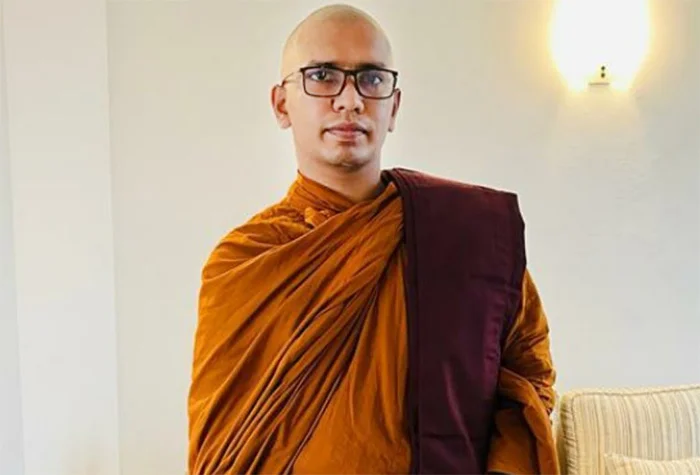
Judging by some recent events, starting with the injudicious pronouncement in Jaffna by President Anura Kumara Dissanayake and subsequent statements by some senior ministers, the government tends to appease minorities at the expense of the majority. Ill-treatment of some Buddhist monks by the police continues to arouse controversy, and it looks as if the government used the police to handle matters that are best left to the judiciary. Sangadasa Akurugoda concludes his well-reasoned opinion piece “Appeasement of separatists” (The island, 13 February) as follows:
“It is unfortunate that the President of a country considers ‘national pride and patriotism’, a trait that every citizen should have, as ‘racism’. Although the President is repeating it like a mantra that he will not tolerate ‘racism’ or ‘extremism’ we have never heard him saying that he will not tolerate ‘separatism or terrorism’.”
It is hard to disagree with Akurugoda. Perhaps, the President may be excused for his reluctance to refer to terrorism as he leads a movement that unleashed terror twice, but his reluctance to condemn separatism is puzzling. Although most political commentators consider the President’s comment that ‘Buddhist go to Jaffna to spread hate’ to be callous, the head of an NGO heaped praise on the President for saying so!
As I pointed out in a previous article, puppet-masters outside seem to be pulling the strings (A puppet show? The Island, 23 January) and the President’s reluctance to condemn separatism whilst accusing Buddhists of spreading hatred by going to Jaffna makes one wonder who these puppeteers are.
Another incident that raises serious concern was reported from a Buddhist Temple in Trincomalee. The police removed a Buddha statue and allegedly assaulted Buddhist priests. Mysteriously, the police brought back the statue the following day, giving an absurd excuse; they claimed they had removed it to ensure its safety. No inquiry into police action was instituted but several Bhikkhus and dayakayas were remanded for a long period.
Having seen a front-page banner headline “Sivuru gelawenakam pahara dunna” (“We were beaten till the robes fell”) in the January 13th edition of the Sunday Divaina, I watched on YouTube the press briefing at the headquarters of the All-Ceylon Buddhist Association. I can well imagine the agony those who were remanded went through.
Ven. Balangoda Kassapa’s description of the way he and the others, held on remand, were treated raises many issues. Whether they committed a transgression should be decided by the judiciary. Given the well-known judicial dictum, ‘innocent until proven guilty’, the harassment they faced cannot be justified under any circumstances.
Ven. Kassapa exposed the high-handed actions of the police. This has come as no surprise as it is increasingly becoming apparent as they are no longer ‘Sri Lanka Police’; they have become the ‘NPP police’. This is an issue often editorially highlighted by The Island. How can one expect the police to be impartial when two key posts are held by officers brought out of retirement as a reward for canvassing for the NPP. It was surprising to learn that the suspects could not be granted bail due to objections raised by the police.
Ven. Kassapa said the head of the remand prison where he and others were held had threatened him.
However, there was a ray of hope. Those who cry out for reconciliation fail to recognise that reconciliation is a much-misused term, as some separatists masquerading as peacemakers campaign for reconciliation! They overlook the fact that it is already there as demonstrated by the behaviour of Tamil and Muslim inmates in the remand prison, where Ven. Kassapa and others were kept.
Non-Buddhist prisoners looked after the needs of the Bhikkhus though the prison chief refused even to provide meals according to Vinaya rules! In sharp contrast, during a case against a Sri Lankan Bhikkhu accused of child molestation in the UK, the presiding judge made sure the proceedings were paused for lunch at the proper time.
I have written against Bhikkhus taking to politics, but some of the issues raised by Ven. Kassapa must not be ignored. He alleges that the real reason behind the conflict was that the government was planning to allocate the land belonging to the Vihara to an Indian businessman for the construction of a hotel. This can be easily clarified by the government, provided there is no hidden agenda.
It is no secret that this government is controlled by India. Even ‘Tilvin Ayya’, who studied the module on ‘Indian Expansionism’ under Rohana Wijeweera, has mended fences with India. He led a JVP delegation to India recently. Several MoUs or pacts signed with India are kept under wraps.
Unfortunately, the government’s mishandling of this issue is being exploited by other interested parties, and this may turn out to be a far bigger problem.
It is high time the government stopped harassing the majority in the name of reconciliation, a term exploited by separatists to achieve their goals!
By Dr Upul Wijayawardhana

Ravi demands full disclosure on Lanka’s usable reserves, flags forex leakages

Sajith exposes highly questionable coal imports from South Africa in 25 vessels; calls for independent probe

Ex-TRCSL Chairman Palpita enlarged on bail

NWSDB GM, two others granted bail in corruption case

Akuregoda daring double killings close to Tri-Forces headquarters: Police still to catch killers

CMTA calls for urgent recall of vehicle valuation and import processes

‘Dates have the highest sugar content to fight Coronavirus’

Sunday Island 27 December – Headlines

#SundayIsland 17th December – Headlines

Sunday Island – 28th March

Sunday Island Headlines – 21 March

Sunday Island – 21st February – Headlines
-
 Life style6 days ago
Marriot new GM Suranga
-

 Business5 days ago
Ministry of Brands to launch Sri Lanka’s first off-price retail destination
-
 Features6 days ago
Monks’ march, in America and Sri Lanka
-
 Features6 days ago
The Rise of Takaichi
-

 Features6 days ago
Wetlands of Sri Lanka:
-
 News6 days ago
Thailand to recruit 10,000 Lankans under new labour pact
-
 News6 days ago
Massive Sangha confab to address alleged injustices against monks
-
 Sports2 days ago
Old and new at the SSC, just like Pakistan