
Life style
‘Pride and ego’ cannot enter birth place of Jesus

Holy Land Tour (Palestine and Israel)
by Lalin Fernando
We were a group of 48 that visited the Holy Land (Palestine and Israel) in mid- September 2018. Guided by Bishop of Galle Dr. Raymond Wickremasinghe the group, now sadly 47 as one died on the tour, came back bonded by an experience of a lifetime with a spiritual predisposition. This was in the land of the three Aramaic religions with over 5,000 years of history dating back to Greek, Roman, Persian, Byzantine, Islamic; Crusader, Turkish and British mandate times. Much of it was violent, bloody but more was epochal and inspiring in an exceptional Mediterranean land.
We arrived in Amman, Jordan from Abu Dhabi on a Monday morning. The Israeli border crossing check point palaver which apparently could at times be a six hours ordeal, took us only about 45 minutes. This was most probably due to our tour manager Ms. Thusahari’s tremendous experience (over 20 tours), confidence and efficiency and of course the Bishop’s personality.
Crossing over to the Israeli side we had what was to be a trade mark warm greeting from Sonia, who some thought at first was one of our tour party. An Arab Christian born in Nazareth in Northern Israel, she was our very able guide. With a never failing sense of humour and politeness she kept us closely engaged. At the churches she made sure she was heard above other guides briefing their groups, while Bishop Raymond would translate into Sinhala and elaborate if necessary. Her briefings were delivered in precise and clear English. She asked us to note that much of the land was below sea level, a novel experience.
 Our coach driver was gentleman Jameel. On our return to Jordan, it was ebullient Hussein who we were told was not from the Royal family! Both were excellent drivers especially when negotiating the spectacular mountain roads.
This is a fascinating land divided unequally and by force between Jews and Arabs. The UN in 1994 ordered Israel (Resolution 142) to hand back Arab land taken by conquest in 1967.This has not happened. Instead the Arabs were given certain areas designated as Palestinian Authority A and B. One, like Bethlehem, is policed by Arabs and the others like Gaza by Israelis. Provisions for the status quo of the holy places in Palestine are governed by the Treaty of Berlin (1878), so fortunately Israel is bound by it too. While there are parts that look like any first world country, some others saddened us.
We crossed over the Allenby (General, later Field Marshal) Bridge. It was Allenby, called ‘Bull,’ that led the British Army into Palestine during WW1 with the help of Colonel TE Lawrence’s Arab Forces. They had defeated the Ottoman Turks who had ruled most of Arabia for 400 years (1517-1918).The Arabs however were betrayed by the Brit ‘Bloody Balfour’.
We had a tasteless lunch in a restaurant overlooking the northern end of the Dead Sea that is about 300 feet below sea level. As we proceeded inland the scenery was breathtaking. Soaring mountains, bare of trees and greenery were interspersed with deep valleys in this part of the Levant (Cyprus, Jordan, Israel, Palestine, Lebanon and Syria). Later on we were amazed to see Israeli plantations with mangoes the size of coconuts and four ft tall coconut trees despite geography and rock hard soil. However due to overuse of scarce ground water, the Sea of Galilee which is the main source for Israel’s water, is drying up rapidly.
We saw armed soldiers in many places reminding us sadly of SL pre-May 2009. It excited some who photographed them despite warning notices not to do so. These were clearly young reservists of the crack Israeli Forces. They looked scruffy and bored.
We arrived in the late evening Monday at the impressive four-star Orient Palace Hotel, Al Sahel St, Bethlehem in Palestine. It is pronounced Bethlaham from Bait (House) laham (lamb). Apparently a butcher ran a mutton shop there centuries ago. We showered and struck out for the small shops close by. Our favourite was the Hezar sweet shop run by Issa and his son. We made friends and quickly struck bargains for an assortment of exotic nuts and Arabic and Turkish sweets. US dollars were the preferred currency. Nobody wanted Palestinian dinars!
Our wake up calls were at 5 am on the first three days after arriving, 4 am on one day and 3 am on the Nazareth (longest day) visit. This was necessary in order to be at the religious sites before hundreds of other tourists swarm in. The churches are open even at 5 am. Late arrival could result in considerable delay in entering the churches. As SL is two and a half hours ahead of their time, getting up early wasn’t much of a hassle from our normal waking up times.
The weather was glorious with clear blue skies, if also hot. It was ideal for the climbing and walking that we had to do daily. We drank a lot of water having been warned of heat stroke.
We set off each morning with inspirational Catholic piety, the Bishop leading in prayers and the singing of hymns. (The group had about three Anglicans and one Buddhist too) His Lordship was stern occasionally to make sure we did not waver in focus and purpose. We ended each day with Mass at the last church visited.
The churches made up in atmosphere, character and awe what they may have lacked in Western grandeur. The mosaics, stained glass windows with limestone or marble floors and columns were there but in dark, ‘moody, broody’ churches, lit with an assortment of brightly coloured lamps. Some were in humble stone buildings but they attracted pilgrims from all corners of the world in their thousands throughout the year. The Chinese were the most numerous from Asia.
On Tuesday we visited The Basilica of the Nativity, the birth place of Jesus. One enters it through the 4-foot by 2-foot Door of Humility. It is to make sure that by ‘pride and ego’ cannot enter. It was first built in the fourth century by Queen Helena, mother of the first Christian Roman ruler, Constantine. Burned down in a fire, it was rebuilt by Byzantine Emperor Justinian in the sixh century.
A 14 point silver star marked the place where Jesus was born. This was removed, probably by the Greeks in 1847, but was later replaced in 1853 by order of the ruling Ottoman Turks. It was a bit underwhelming as it was in urgent need of repairs, said to cost US$ 17 million. The Palestinian Authority (98% Muslim) and many countries including Jordan have contributed.
When the Persians invaded in 614 AD and torched almost all the churches, they spared this church as they believed the mosaics there depicted three women in Persian dress. Co-located is the Church of St Catherine where Christmas midnight Holy Mass is celebrated with teeming crowds.
We followed the Pilgrims route that included Shepherd’s Field, Manger Square and the Milk Grotto where Mary hid the infant Jesus from the Roman soldiers before her flight to Egypt. Apparently the white rock nearby indicates drops of milk.
We visited Mount Zion the site of the Last Supper Room, below which is King David’s tomb. The one mile ridge of the Mount of Olives that used to be covered with olive trees has a breathtaking view of Jerusalem with the Dome of the Rock covered in gold leaf, dazzling. The Garden of Gethsemane where some of the olive trees are over 900 years old lies at the bottom of the ridge in the Kidron Valley
The Basilica of Agony (Church of All Nations) is by Gethsemane. It is built over the rock on which Jesus spent the night in prayer before his betrayal by Judas and crucifixion. Its interior is purposely dark and the ceiling, painted dark blue, evoking the night time of agony.
We also visited Emmaus Abu Ghosh, seven miles from Jerusalem where Jesus appeared before his two disciples after his death and resurrection and had a meal. We saw the Church of St Peter in Galllicantu where the cock crowed for the third time as Peter thrice denied Jesus. The dungeon where Jesus was humiliated, assaulted and imprisoned by the Jewish High Priest Caiphas before he was tried is under the church. We also went to the Dormition Abbey on Mt Zion where Virgin Mary’s statue lies in peaceful slumber.
In the gorgeous hillside neighbourhood on the road to Jericho was the Franciscan Basilica of Visitation in Ein Karem, commemorating the visit of Mary to her cousin Elizabeth. This is where Mary sang her hymn of praise, the Magnificat (Latin-‘My Soul’). It is inscribed on its walls in 62 languages. It was banned in three countries as being revolutionary!
We saw the Golden Gate that is permanently closed but through which it is believed by all three religions that the Messiah will enter in latter days, the Chapel of Ascension (the caretakers are two Muslims), Pater Noster the church of the Lord’s Prayer (now in 140 languages), Pool of Bethesda where Christ cured a man who was crippled (with a noisy Indian tour party disturbing everyone). What is said to be the print of the right foot of Jesus can be seen at the Chapel of Ascension.
The left foot print is in the Al Aqsa shrine, apparently not a mosque, which is where the Muslims believe Mohamed made his Night Journey to Heaven, having arrived from Mecca.
On Wednesday we visited beguiling, bewildering and wonderful Jerusalem. There was over-excitement in presence of history, beauty and belief. Yet it is a city under tension as a 400 mile long 84 foot high wall cruelly encircles the West Bank Palestinians. Jerusalem’s name came from the Hebrew ‘Yerushalayim’ meaning the City of Peace.
We entered the walled Holy city after the Church of St Anne, dedicated to the mother of Virgin Mary, via St Stephen’s gate (Lion’s Gate).This is where the first Christian martyr was stoned to death. We walked on the Via Dolorosa (The Way of Sorrows – Way of the Cross) to the Church of the Holy Sepulcher (Calvary). The Jews (who else?) believe the route was different. The tour party, three at a time, took turns to carry the Cross (brought disassembled from SL) from station to station.
Sadly, the death of 80year old Mrs. Violet Perera due to a heart attack occurred in front of the Church just before noon. She had carried the cross twice. Her sister was present. The Bishop joined the paramedics in desperate resuscitation efforts. He and tour manager Thushari completed all formalities with the Israeli police including contacting the next-of-kin of the deceased in Negombo, all within two hours. Regrettably the SL Embassy did not take the many calls from the Israeli police during those two hours. They Embassy denied receiving any calls!
A pall of grief descended. The Bishop sensing despondency immediately revived everyone by reminding them that as we mourn for the dear departed lady, we should not let grief overcome purpose in the Holy Land.
The Church is the most venerated site in Christendom. It has very many chapels of all denominations. Four, some say five Stations of the Cross are within it. There is the lavishly decorated site of the crucifixion, Calvary (Golgotha), the Stone of Anointing and the (empty) tomb where Christ was buried, the traditional site of Resurrection of Christ at the Greek chapel of Anastatis, that has an altar over the rock of Calvary (12th station), the Catholic chapel of Nailing on the Cross (11th station). Underneath the Golgotha chapel is the statue of Mary (13th station).
The Church with a capacity of 8,000 opens at 4 am. About 15,000 visit daily. The Orthodox Greek start Mass, (2 am) followed by the Armenians and then the Catholics at 6 am. There is also a Copt who has to pray alone while Ethiopians do so from their roof top monastery. Priestly brawls over territory occur several times a year.This is despite the ‘firman’ (decree) by the Ottoman rulers in 1852, confirmed by the Treaty of Paris (1856) that binds the various denominations. Roof repairs and even shadows cause problems!
Questions were asked about the Arc of the Covenant where the Word of God, the Ten Commandments, in stone inscriptions inside a box apparently lies buried somewhere in the Temple Mount according to the Jews. Rumours are many and hoaxes a few but the Bishop reminded us not to worry about it as the Covenant is in the hearts of believers. The Jews however are digging for it close to Al Aqsa shrine, posing a problem to its foundation. They believe Al Aqsa was built over King David’s burial site. They insist a discovery of the Dead Sea scrolls proves where the location is and it would finally prove that Jerusalem belongs only to the Jews. When Israeli General Moshe Dayan’s troops swept into Jerusalem after defeating the Jordanians in 1967, he prohibited attempts to raze Al Aqsa shrine.
The Church was lost to the Christians for 700 years. Saladin, a Kurd from Tikrit (Saddham Hussein’s birth place) who conquered Jerusalem from the Crusaders (1198) gave the 30 cm long keys to it to two Muslims whose direct descendants Aded al Judeh (aged 89) and Nusseibeh (69-years) are the Custodians today. They open it at 4 am daily. They hold the ‘newer’ key that is 500-years old. They have the original that is 800 years old too! There is even an unused ladder in place from 1728 on the first floor.
We also visited the Western wall that is the foundation of the Temple Mount, the holiest place in the Jewish faith where King Solomon built their sacred temple. It came under Jewish control in 1967 after about 1,000 years. The Jews do not call it the ‘Wailing Wall’, a term coined by Westerners.
Jerusalem is also Islam’s third holy city.The Al Aqsa mosque on the Temple Mount is the third holiest Islamic site. It is where at one time Muslims turned in its direction to worship. It was to Mecca later. It is out of bounds to non Muslims. The Dome of the Rock is also there.
Coming down hill from the last church for the evening, we stopped at a place where everyone quenched their thirst with juice from massive pomegranates. An Israeli who had found out we were a happy talkative crowd from Sri Lanka said he had been an Air Force officer who had been in SL to fix guns on helicopters in 1988. He said he had an SLAF corporal as driver. This Corporal apparently pointed out Tamils on the streets as he drove in and out of Colombo. He said he too could always recognize an Arab anywhere, snidely suggesting we had something in common. I told him I was 78-years old but had never been able or wanted to look for racial or other differences between the Tamils and Sinhalese.
We had a 5 am start on Fri 14th to go to Nazareth, Jesus’ home town and the Arab ‘Hi Tech capital’ of Israel. It has 70% Muslims and 30% Christians. It nestles on a craggy hillside with tall trees. Its layout reminded one of Nuwara Eliya, where in fact there is a ‘Nazareth’ hotel.
We visited the Church of Annunciation where Angel Gabriel appeared before Mary, and told her she would give birth to a child, Cana, where water was turned into wine, the Church of St Joseph where Joseph had his carpentry workshop, Mount of Beatitudes (Eight Blessings) that is the site of the Sermon on the Mount, with its arches of marble and alabaster, Church of Multiplication, Church of Primacy of St Peter and the Franciscan Wedding Church at Kfar Kanna. Here married couples were overjoyed to be able to repeat their vows. Cana wine was bought by all with the promise of Christmas looming. Unfermented, it is sweet grape juice. Both are tempting.
We then descended to the Sea of Galilee (Tiberias) where it is said Jesus walked across its waters. The shore line was luxuriant with tall trees. Inland is the wateless plain of Hattin where the Arabs in 1187 under Saladin defeated the Crusaders under King Guy de Lusignan in one of the most decisive battles of history.
We each had an enormous Galilee Talapilla fish with rice and vegetables in a restaurant overlooking this fabled fresh water lake (sea). Our Hostess said the meal was specially prepared for us and asked if she could sing for us too. She did so sweetly. When she finished we persuaded Michelle who had sung in a Jerusalem church two days previously too, to respond. She obliged with a stunning and electric rendering of ‘O Jerusalem’. The hostess like the other over 100 guests, clearly inspired, sang once more.
We then had a boat ride on the Galilee. The crew at once ran up the Sri Lanka flag and played cassettes of Sinhalese songs as we motored in the emerald green waters overlooked by the Golan Heights with Mt Hermon, dominating and often snow capped, as we looked at the hills of Lebanon, Syria and Jordan
On the way back at Jericho we also saw the Sycamore tree that Zachariah, the short pitiless tax collector for the Jewish rulers, climbed to view Jesus. Overwhelmed at being recognized by Jesus, he reformed himself.
We had a 7am start on Saturday. Most of us wallowed in the turquoise waters of the Dead Sea that is 427m below sea level, the lowest point in the world. It is 35% salt. It keeps one completely buoyant, an unforgettable experience. It also has the lowest bar in the world!
We went to Jericho (Arab territory) and by cable car to the Mount of Temptation (Qurantico) 350m above sea level to have lunch in a restaurant carved into the rock. Qurantico is where Jesus defeated the temptation of the Devil for 40 days and 40 nights. The word ‘quarantine’ so familiar to us now, is derived from it. There is a Greek monastery up there too.
Jericho is said to be the oldest city in the world at 10,000 years. One mosque Omar is 258m (846 ft) below sea level. Just one percent of just one percent of its population is Christian. There is no proof that Jericho fort’s very old walls fell to Joshua’s legendary trumpet calls.
While waiting for the cable car for the return ride, a Palestinian policeman told us how very difficult Israel makes it for Arabs to get a passport or visit another country. Evil.
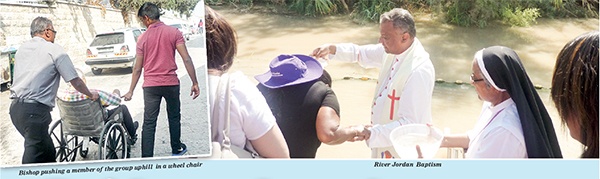
After lunch we went to Bethany near Al Maghtas where John the Baptist baptized Jesus in the Jordan River. The very pretty Arab and friendly Israeli girl soldiers caused a diversion- mainly for the ladies – who outnumbered the men in our group! The Israeli’s (who else?) say the actual baptismal place is further north under their control where hotels and guest houses reap the benefits. The river is just a muddy stream here. Its middle, marked by floats, marks the border between Jordan and Israel. The Bishop conducted the baptism ritual for those who wanted it. Jordanian soldiers like the Israelis were seen helping visitors. There is a Jewish ritual bathing too called the mikvah. The Arabs call it ‘immersion’.
As we were leaving an Israeli lady asked us where we were from. Having been told she said she was very happy to see people from SL and hoped that we enjoyed our visit there.
A final mass was in held in Bethlehem This time it was a Palestinian lady who having asked where we were from, thanked us for coming to Bethlehem. Tourism is the life blood of the Arabs in Palestine. There are over 600 hotels in Bethlehem.
All our lunches were at prearranged restaurants but the best was one we chose. At one, after lunch, its management distributed fez hats and organized a crocodile dance with rollicking Arab music. The best dancer cannot be named!
Every night at dinner in the shared Arab and Jewish tradition there were vegetables in plenty with various meats and kebabs and an abundance of fruit. Bishop Raymond unobtrusively sat at a different table every day, getting to know everyone in the group.
On the last night there was a delightful Arab pre-wedding women only party. There was music and dancing. They were all incredibly pretty with peaches and cream complexions and fashionably dressed.
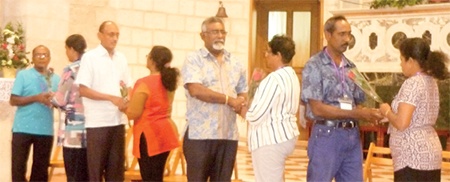
At a short farewell ceremony, Sonia and Jameel were thanked profusely by the group as were the Bishop and Thushari. Individual donations were then given to Sonia and Jameel who became a bit emotional.
We left at 9.30 am on Saturday for our return to Jordan by coach. We were taken up to the heights of Mt. Nebo in Madaba where Moses, after 40 years of wandering to get to the Promised Land, died without being able to do so. He was a prophet of the Jews, Christians and Bhais. We saw the church that is built over his resting place. We had a stunning view of Palestine, the river Jordan and the Dead Sea as we climbed into the mountains.
We returned to SL on Monday with fond memories of a never-to-be-forgotten experience in splendid company. It had been a wonderful, delightful and charming few days. Not only Jews say ‘Next year in Jerusalem’.


As the world celebrates the 100th birthday of Sir David Attenborough, tributes continue to pour in from scientists, conservationists, filmmakers, and millions of admirers whose lives were shaped by the legendary natural historian’s work.
But among the many messages shared this week, one deeply personal reflection from renowned Sri Lankan-born scientist Dr. Ruchira Somaweera has captured the true essence of the man behind the iconic voice.
“We all have people we look up to and hope to be like one day,” Dr. Somaweera wrote in a moving tribute marking Attenborough’s centenary. “For me, one of those people has always been Sir David Attenborough.”
The story dates back to 2013, when a BBC documentary crew visited to explore Dr. Somaweera’s pioneering work on freshwater crocodiles for a potential wildlife series. Although his research ultimately did not make it into the final production, the encounter led to something far more meaningful.
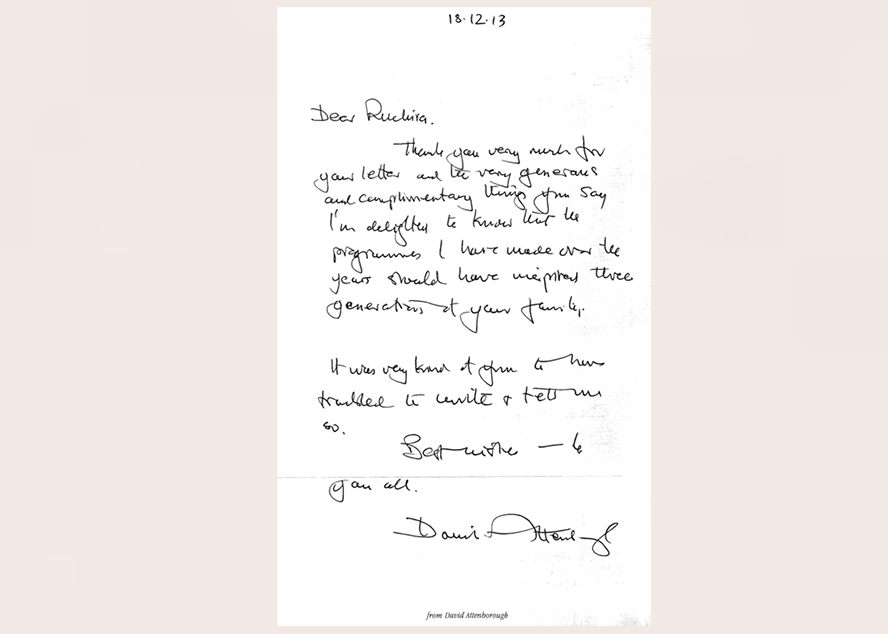
Through members of the crew, Dr. Somaweera sent Attenborough a card expressing gratitude for the profound influence he had on three generations of his family.
“What I never expected,” he recalled, “was to receive a handwritten letter from him just two weeks later, thanking me for the kind words.”
For Dr. Somaweera, the gesture revealed something extraordinary about Attenborough — not merely the global icon known to billions, but a deeply gracious and humble human being who still took time to personally respond to admirers, despite decades of worldwide fame.
“It said so much about the man behind the legend,” he reflected.
That quiet act of kindness perhaps explains why Attenborough’s influence extends far beyond television screens. Across nearly eight decades, he has become not only the world’s most recognisable natural history broadcaster, but also one of the most trusted voices in science communication and conservation advocacy.
From Life on Earth to Planet Earth, Blue Planet and countless other landmark productions, Attenborough transformed the way humanity sees the natural world.
He brought remote rainforests, coral reefs, deserts, mountains, and deep oceans into living rooms around the globe, inspiring generations to care about ecosystems they might never physically encounter.
Few communicators have bridged science and emotion with such extraordinary power.
For Sri Lankan scientists and conservationists, Attenborough’s impact has been especially profound. Many grew up watching his documentaries, developing an early fascination with wildlife through his storytelling.
Dr. Somaweera’s own career reflects that inspiration. Widely respected for his work on crocodilians, reptiles, and conservation biology, he has become an internationally recognised scientist whose research has contributed significantly to understanding freshwater ecosystems and reptile conservation.
Yet even accomplished scientists, it seems, can remain awestruck by the people who first ignited their curiosity.
The timing of Dr. Somaweera’s tribute also resonates strongly, following recent screenings of Attenborough’s powerful documentary Ocean, including an exclusive showing hosted by Spa Ceylon at SCOPE Cinema.
In the film, Attenborough reflects on humanity’s relationship with the sea with a sense of urgency sharpened by a lifetime of observation.
“After living for nearly 100 years on this planet,” he says, “I now understand the most important place on Earth is not on land, but at sea.”
The documentary explores the astonishing biodiversity of oceans while warning against destructive practices, such as industrial bottom trawling, climate change, and marine habitat destruction. But even amid alarming realities, Attenborough continues to offer hope grounded in science and collective action.
That enduring optimism may be one reason why his influence spans generations.
“Happy 100th birthday to a true giant of science communication, storytelling and conservation advocacy,” Dr. Somaweera wrote in his tribute. “The impact you have had on the world, and on countless young minds, is immeasurable.”
Indeed, for millions around the world, Attenborough’s voice became synonymous with wonder itself.
He taught humanity that the planet is not merely scenery, but a living system of intricate relationships — forests breathing for oceans, coral reefs feeding fisheries, plankton generating oxygen, predators maintaining balance, and every species playing a role in the fragile architecture of life.
At 100, Sir David Attenborough remains more than a broadcaster.
He is a witness to a changing planet. A storyteller for the natural world. And for many scientists like Dr. Ruchira Somaweera, a lifelong inspiration whose greatest legacy may lie not only in the documentaries he created, but in the curiosity, compassion, and responsibility he awakened in others.
By Ifham Nizam
The first Lanka-India swim by a couple
Bengali couple,Vrushali Prasade and Danish Abdi, created history by undertaking the first ever Sri Lanka-India Ocean Water Swim, reflecting not only athlete excellence and endurance but also the deep rooted cultural and historical connection between India and Sri Lanka.
Sharing their thoughts, before the event, Vrushali Prasade and Danish Abdi expressed enthusiasm about their challenges. “We are excited to take this unique expedition and are proud to align it with a message of health and wellness. This expedition stands as a powerful symbol of unity.
The first even Sri Lanka-India Ocean Water Swim, presented by Manipal Hospitals, is not just another event, it is a bold endurance crossing of geography, grit and shared history between Sri Lanka and India.
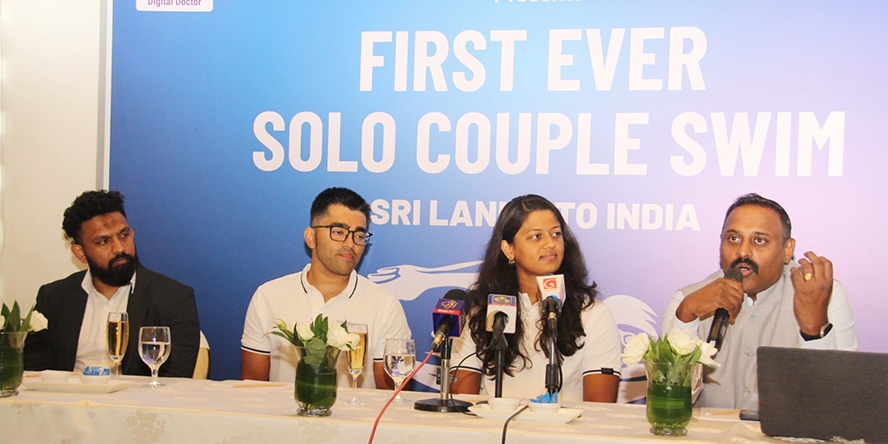
This message was unfolded at a press conference held at the Kingsbury Hotel, before the event, by the officials of the giant Manipal Hospitals. The spotlight, however, firmly rested on the two swimmers, a couple, who brought this vision to life.
Vrushali Prasade and her husband Danish Abdi, in their 30s from Bengal are working in the IT industry. They learnt swimming only about four years ago, after first taking to waters during a holiday in the Maldives. The Island met them before their historic attempt.
Poised yet quietly determined, the swimmers embodied the spirit of the challenges ahead, At the press conference they spoke on true discipline, preparations and mental strength required to take on such a historic crossing.
Manipal Hospitals, India’s largest Pan Multi Speciality Hospital, are the main sponsors , symbolically connecting the two nations, India and Sri Lanka, through sport, healthcare and shared ambition.
The couple had previously swam the Indian Ocean as part of the rally but the recent Indian Ocean swim is their first solo couple effort and the longest. They were assisted by multiple boats, alongside paramedics and coast guards.
The Chief Operating Officer, Manipal Health Enterprise Karthik Rajagopal said this historic swim reflects not only athlete excellence and endurance, but also the deep rooted cultural and historical connection between the two countries, The swimmers Vrushali and Danish Abdi said, before the event: ” Swimming is for all ages whether you are a kid or a matured person, it is never too late to start for any age group. When asked about their challenges of undertaking such a historic feat, they said. “The Palk Strait is no gentle stretch of water, its currents are unpredictable, its tides restless . Unlike the the controlled calm of a swimming pool, the sea offers no guarantee, one moment they may bring a steady rhythm, the next, a surge that breaks it entirely. But we are excited to take on this unique expedition and proud to resonate the message of health and wellness to the world’
Fatigue, inevitably becomes a companion and also long hours in open water test not just muscle strength but mental resilience. Jellyfish often drift with currents making the calm swim into a painful endurance test.
“With limited visibility, we can suddenly brush against tentacles, turning a steady rhythm into a moment of sharp pain. In the vast unpredictability of the ocean, we have to chose whatever the sea offers.”
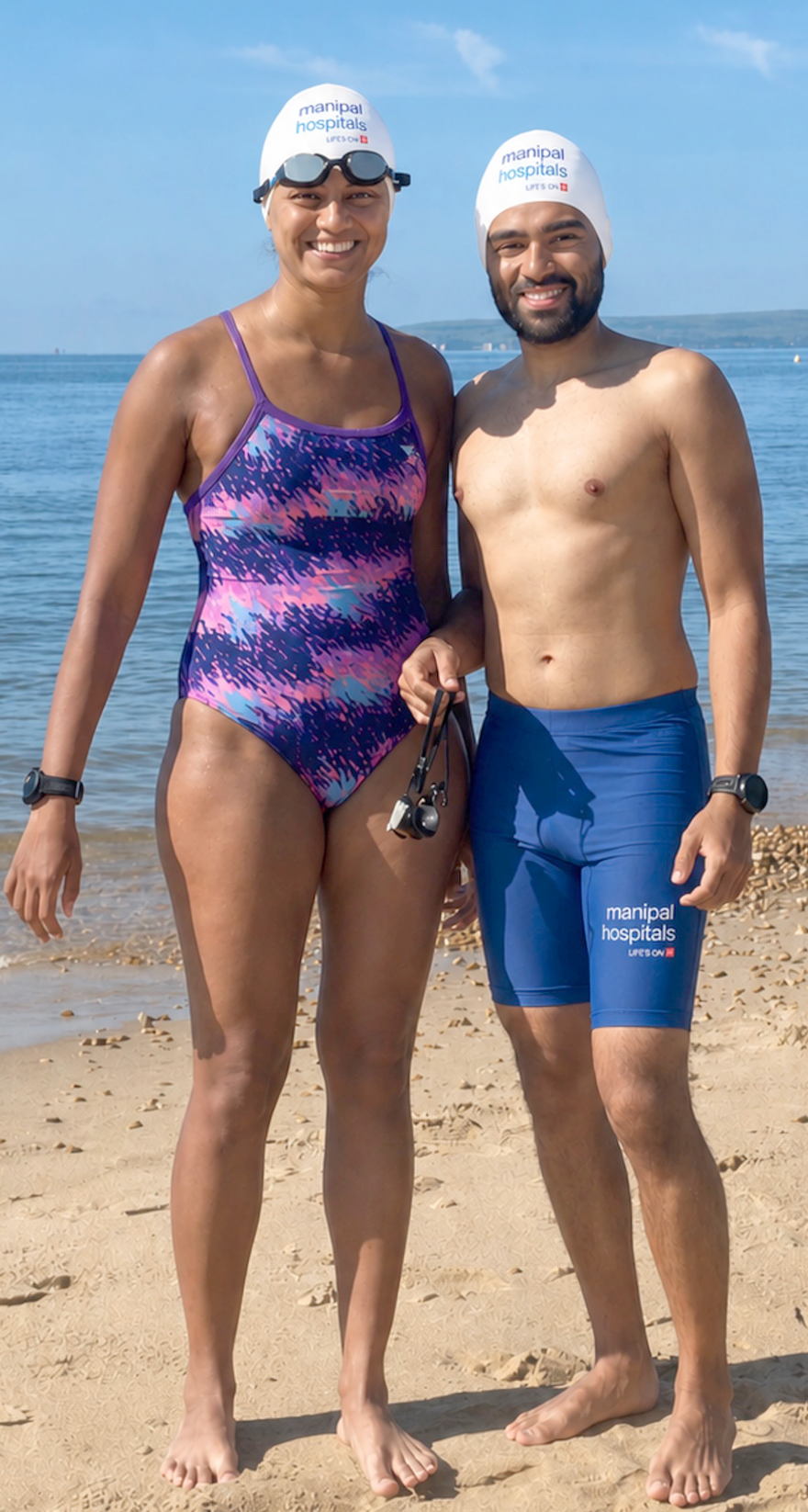
Vrushali Prasade and Danish Abdi: The young Bengali couple who conquered the ocean
They also said the route across the Palk Strait is deceptively complex. Though relatively shallow, those waters are known for shifting currents, strong tidal pulls and unpredictable winds. We cannot rely on a straight path, we move guided by pilots on escort boats who constantly adjust the direction based on the sea conditions. Then we have the unpredictability of the sea itself. Floating debris, sudden weather shifts and there is no wall to hold onto, no pause button only the rhythm of our stroke and breath. Vrushali and Danish expressed enthusiasm about these challenges . We are very excited to overcome all these challenges.’
‘Our decision, however, to take on the challenging stretch across the Palk strait is rooted in more than a personal achievement, said the couple. They spoke of the partnership aspect of the swim calling it both their biggest strength and unique challenge.
Behind the drama of the sea and the determination of the swimmers, lies a quieter crucial force,the medical backbone. As title sponsor, Manipal Hospitals was not merely lending its name to this event. They actively shaped the safety framework that make such a ambitious feat possible.
Manipal Hospitals is the largest Pan India Speciality Hospital network by bed capacity, boasting over 12,300. It is known for its expert medical expertise multi speciality care and commitment to patient centric care and also well connected to Sri Lanka’s medical and patient community especially for spine and oncology services.
Medical teams were stationed on escort boats equipped to respond instantly to issues ranging from hydration and hypothermia to jellyfish stings or muscle cramps. All in all the hospital’s participation underscores a broader message, promoting health, endurance sports and cross border collaboration.
In the end what the couple did places them in the same conversation as some of the world’s most daring open water swimmers, those who have conquered icy channels relentless tides and vast strong winds.
As the couple moved through the waters of the Palk Strait, their journey becomes a powerful metaphor for the relationship between Sri Lanka and India, two neighbours bound by history, culture and shared oceans. It is a quiet but powerful gesture of goodwill, reminding that while seas may separate lands, they can also bring them together.
By Zanita Careem
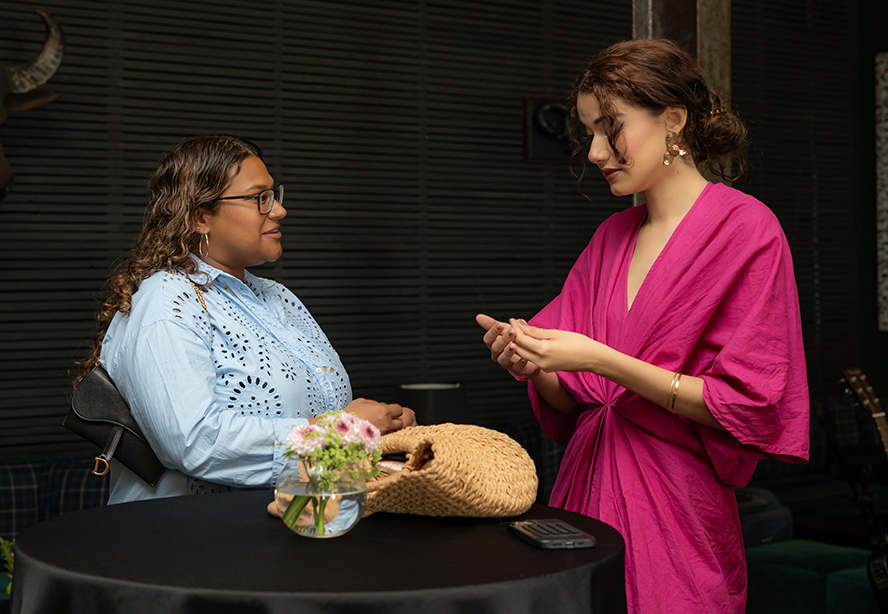
Limited-Time Saturday Brunch at 1864 Limited Edition
The spirit of leisurely weekend dining came alive recently as La Sérénité Saturday Brunch unfolded in elegant style at 1864 Limited Edition at the iconic Galle Face Hotel.Set against the timeless charm of Colombo’s most historic seaside hotel. guests were treated to an indulgent culinary afternoon where sophistication, flavour and oceanfront glamour blended seamlessly.
The heritage charm of Galle Face Hotel, with its polished floors, high ceilings and whisper of history, created a backdrop that is both grand and intimate.Within this setting the brunch emerges not just as a culinary offering but as a carefully orchestrated experience. At the heart of this orchestration was the vision of the General Manager Suresh Abbas. A veteran in the hotel industry, under his leadership, the culinary team delivered a menu for selected invitees, a menu that balanced European finess with contemporary flair .
From gourmet seafood and international delicacies to locally inspired creations and decadent desserts, the spread offered a luxurious journey for discerning brunch lovers.
The GM’s influence is most visible in the intangible details, The curated menu, personalised service and elegant ambience all echoed the hotel’s dedication to offering memorable gastronic experience.The brunch remained international in character while still grounded in place.
La Sérénité, a thoughtfully conceived brunch experience, at 1864 Limited Edition, brings together a sense of calm, continuity, and culinary storytelling within one of the city’s most enduring landmarks.
Set against the pace of a restless world, La Sérénité is designed as a quiet counterpoint, an invitation to pause, to gather, and to ease into the weekend with intention. Since 1864, Galle Face Hotel has existed within this paradox, offering a sense of stillness and reassurance even as the world around it has continually evolved. This brunch extends that legacy, creating a space where time softens, conversation flows unhurriedly, and presence takes precedence.
At its core, La Sérénité is not only about the experience of slowing down, but also about the stories we return to through food. The menu is conceived as a subtle journey through culinary history, drawing from moments across continents and generations, where dishes have been shaped by instinct, refinement, and time.
There is a quiet familiarity in this approach. Classics are not reimagined for novelty, but carefully refined, preserving their essence while elevating their form. The experience moves between contrast and balance, simplicity and indulgence, tradition and gentle reinterpretation. In doing so, it offers something both recognised and rediscovered.
In this way, La Sérénité becomes more than a brunch. It is a curated timeline of taste, an experience that brings together memory, familiarity, and thoughtful refinement within a setting that invites calm.
Presented as a limited-time experience, La Sérénité commenced on 2nd May and takes place every Saturday at 1864 Limited Edition.
-
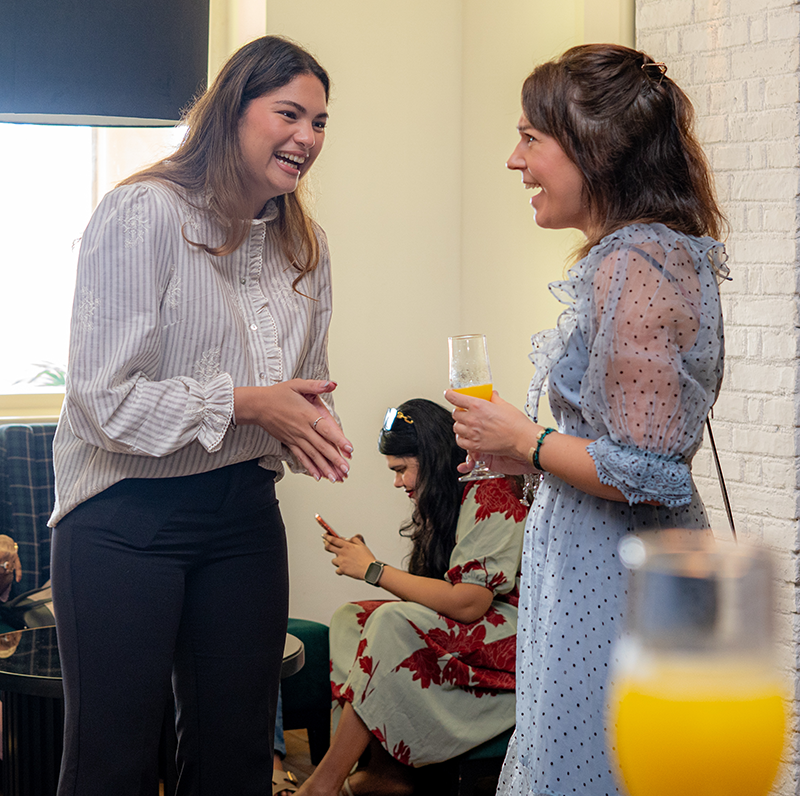
- Sheana Gardiner – where guests become part of the experience
-
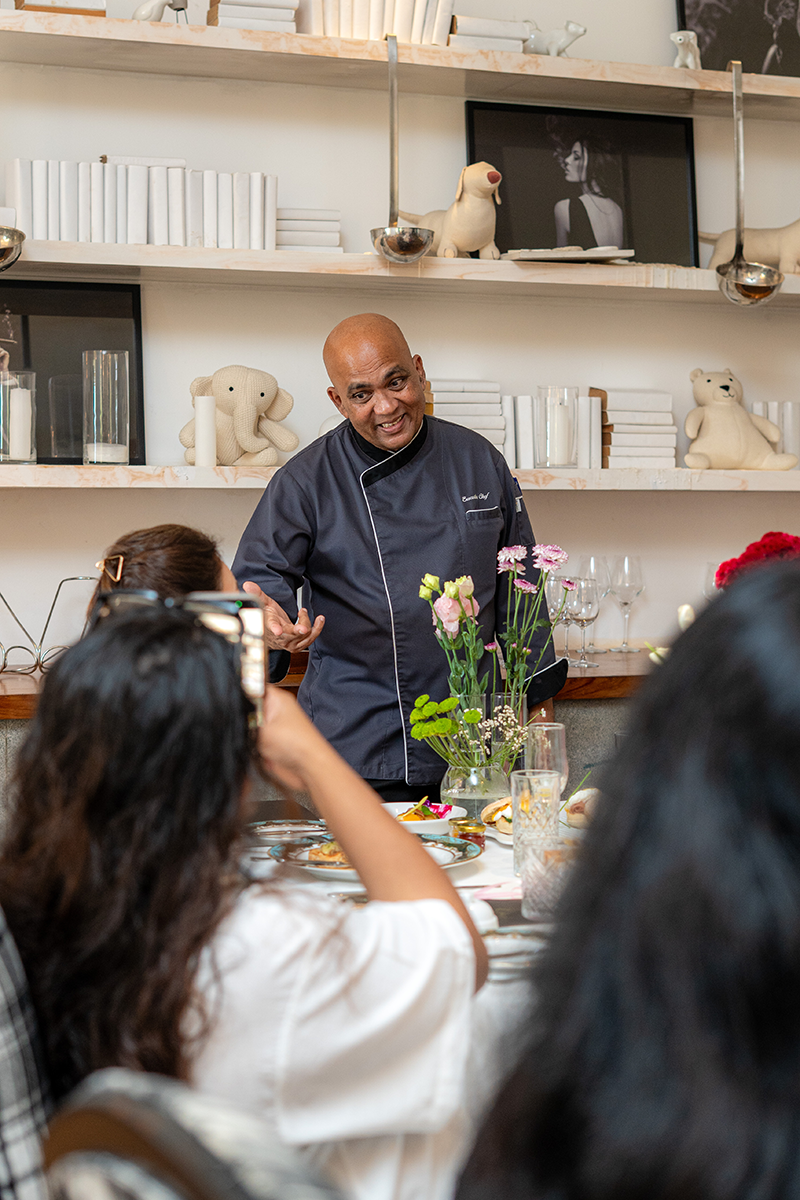
- Chef curating best menu
-
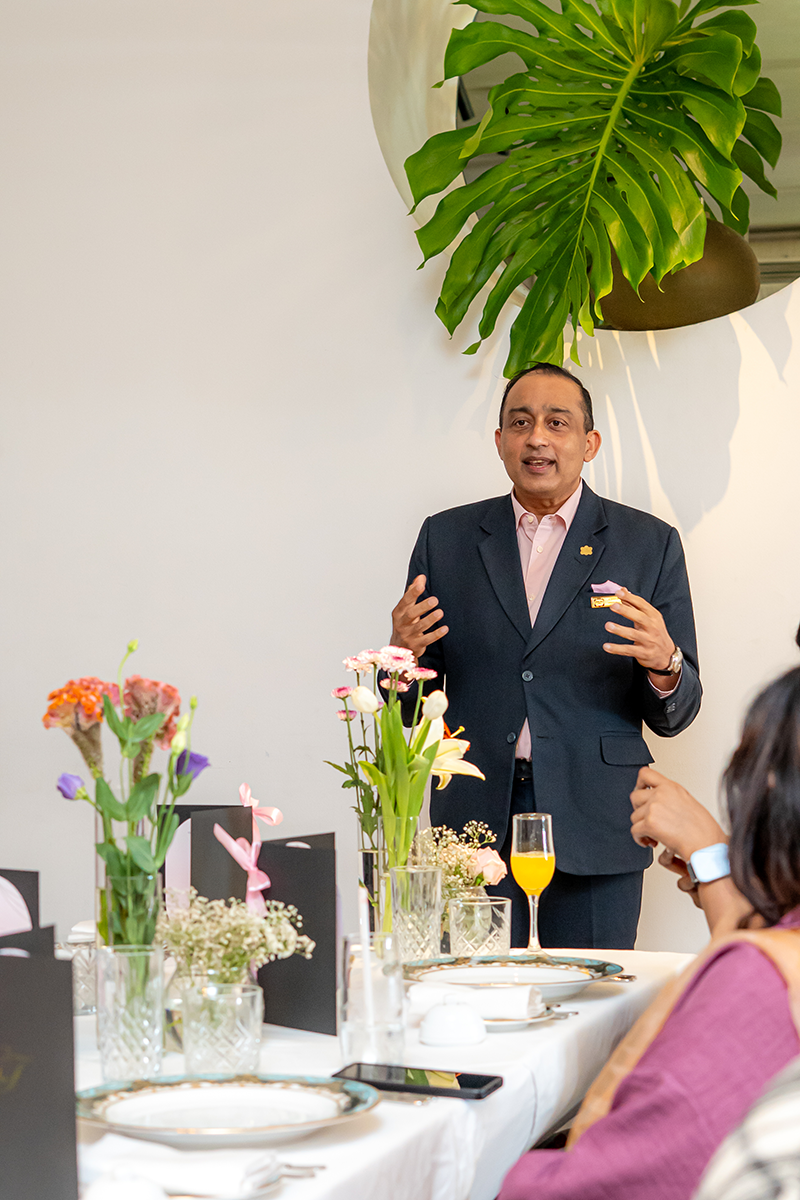
- GM’s vision in every detail
-
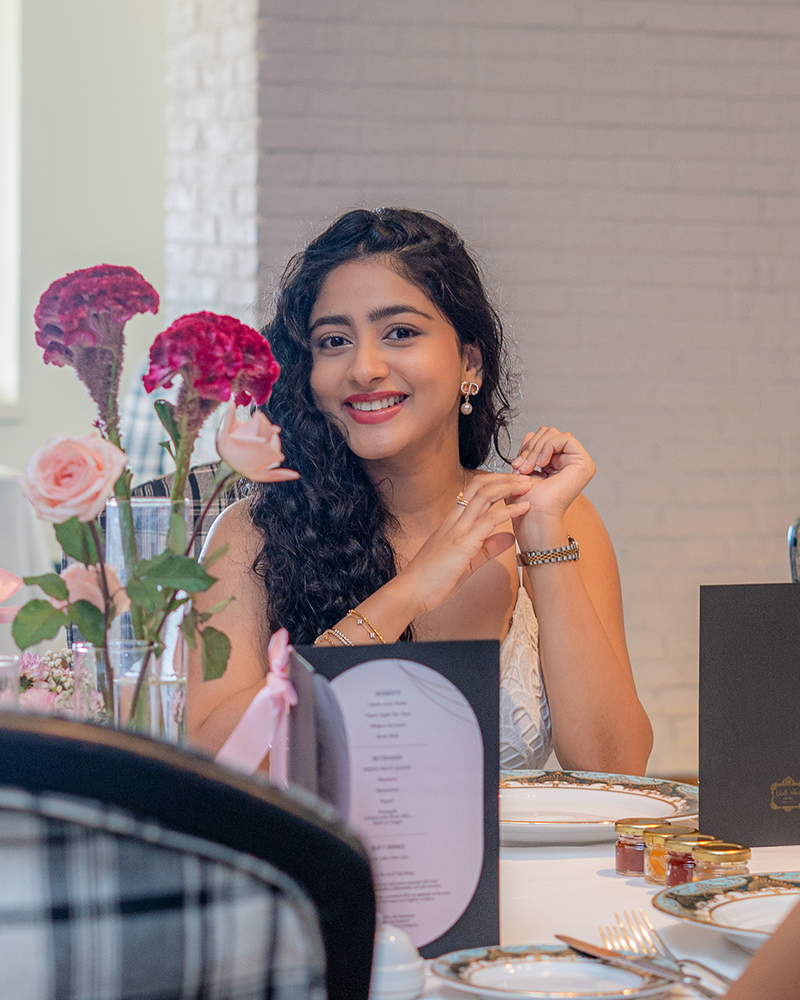
- Young invitee embracing timeless hospitality
-
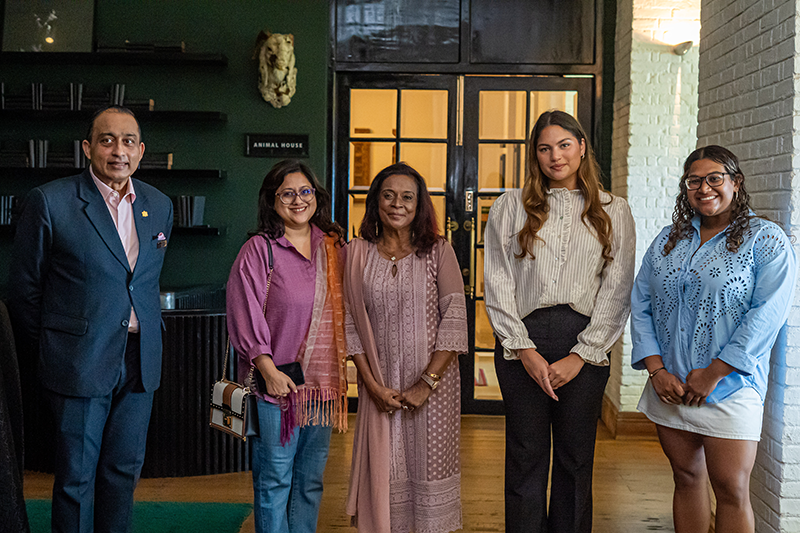
- Smiles, conversations, and exquisite plates … La Serenite brings people together

Senior Australia players hold off Cricket Australia deal amid BBL pay frustration

One dead in US after being struck by taking off Frontier Airlines plane

Gill, Sai Sudharsan, Rashid power Gujarat Titans to second spot with fourth straight win

Showers above 100 mm are likely at some places in the Western, Sabaragamuwa, Central, Southern, Uva, North-western and Northern provinces and in Anuradhapura district.

Lanka Port City officials to meet investors in Dubai

Research Vessel Dr. Fridtjof Nansen Completes Marine Scientific Survey in Sri Lankan Waters and Departs Colombo

‘Dates have the highest sugar content to fight Coronavirus’

Sunday Island 27 December – Headlines

#SundayIsland 17th December – Headlines

Sunday Island – 28th March

Sunday Island Headlines – 21 March

Sunday Island – 21st February – Headlines
-

 News3 days ago
MIT expert warns of catastrophic consequences of USD 2.5 mn Treasury heist
-
 News5 days ago
CJ urged to inquire into AKD’s remarks on May 25 court verdict
-

 News6 days ago
USD 3.7 bn H’tota refinery: China won’t launch project without bigger local market share
-

 Editorial3 days ago
Clean Sri Lanka and dirty politics
-

 Editorial6 days ago
Deliver or perish
-

 Opinion5 days ago
Security, perception, and trust: Sri Lanka’s delicate balancing act
-

 Editorial2 days ago
The Vijay factor
-

 News1 day ago
SLPP expresses concern over death of former SriLankan CEO