
News
NMRA blind to Bisphenol A danger

Keep your child safe from plastic food containers
By Ifham Nizam
Sri Lanka needs a gradual ban on plastic food containers widely used by children and instead alternative containers because testing facilities to detect harmful chemicals in them are sparse, says Centre for Environmental Justice (CEJ) Executive Director Dilena Pathragoda.
The CEJ director told The Island yesterday that the Court of Justice of the European Union had confirmed that Bisphenol A (BPA) must be listed as a `substance of very high concern’. He warned that further delay in decision-taking here in that regard increased threats to children’s health.
The CEJ revealed the presence of Bisphenol A in baby feeding bottles, juice feeders and feeding cups last February (2022).
The research team had been sharing study findings and recommendations with relevant stakeholders throughout the past few months but, the decision-makers do not seem to understand the depth of the issue, said CEJ Planning and Management officer Chalani Rubesinghe
In December 2021, the court of Justice of the European Union confirmed that BPA must be listed as a “substance of very high concern” considering its hormone-disrupting properties, while rejecting the attempt of Plastics Europe to reverse the decision of European Chemical Agency (ECHA) to identify BPA as an Endocrine Disruptive Chemical.
The European Food Safety Authority has now established a new permissibility total daily intake of 0.04 nanograms per kilogramme of body weight per day, drastically reducing its previous standard (4 micrograms per kilogramme of body weight per day) by 100,000 folds. [source: Morrison, O., EFSA poised to slash daily exposure limits for bisphenol A as EU court confirms it as ‘substance of very high concern’].
In the European Union, BPA is classified as a reproduction toxic, a substance that causes eye damage, respiratory irritation, skin allergies, and a potential hazard to the aquatic environment.
“Another important fact we identified in our study was despite having legal provisions and standards, plastic feeding bottles and cups can contain these chemicals. For example, in Malaysia use of BPAin polycarbonate baby bottles is prohibited. But our study found that one baby feeding bottle (“Minitree regular neck feeding bottle”), made in China and purchased in Malaysia, contained 2.6 µg/kg of BPA and it also had a “BPA-free” label,” Chalani said
Pathragoda said that their study had also found that two baby feeding bottles sold in Bhutan but made in India, where the use of BPA in baby feeding bottles is prohibited, had BPA levels of 0.6 and 3.2 µg/kg proving its non-compliance with Indian legislation. There was also a sample purchased from Bhutan, manufactured in Italy that contained BPA, 0.7 µg/kg. This indicates that having laws is not sufficient to stop manufacturers from using these chemicals and thereby will not ensure the chemical safety intended by the law.
“We believe that to ensure the safety of children, Sri Lanka must go for plastic-free alternative child food containers. The local market already has glass feeding bottles as an alternative and now there is a silicon cover for glass bottles that serves as a protective cover,” he added.
In the international markets, stainless-steel and silicon bottles are available as alternatives. In Sri Lanka, the feeding bottle importation license is issued by the NMRA (National Medicines Regulatory Authority). Therefore, the authority has the ability to prevent the importation of plastic feeding bottles and replace them with alternatives. But the authority doesn’t seem to be sensitive to this issue.
CEJ as an organization that cares for children’s health and the environment, proposes a complete ban on the importation and sale of feeding bottles made of polycarbonate materials, with a grace period given until a sufficient supply of glass, silicon or stainless-steel feeding bottles reaches the market, to prevent any unbearable price inflations applied to feeding bottles that may result in negative feedback leading to reverse the ban.
The CEJ director observed that in this matter, the Sri Lanka Standard Institution (SLSI) puts its best effort to bring the necessary standards. But it is questionable to what extent the standards on plastic can prevent Bisphenol A from seeping into the country through importation. It is a challenge for a country like Sri Lanka with fewer facilities to test chemicals like BPA and Phthalates.
The Sri Lanka Import/Export control heavily depends on the laboratories for testing and has no facility like an XRF scanner to facilitate immediate testing of harmful chemicals in imported items. Even then reluctance to take a brave decision like closing the entering gates for plastic feeding bottles (at least) is the misfortune of children in the country.







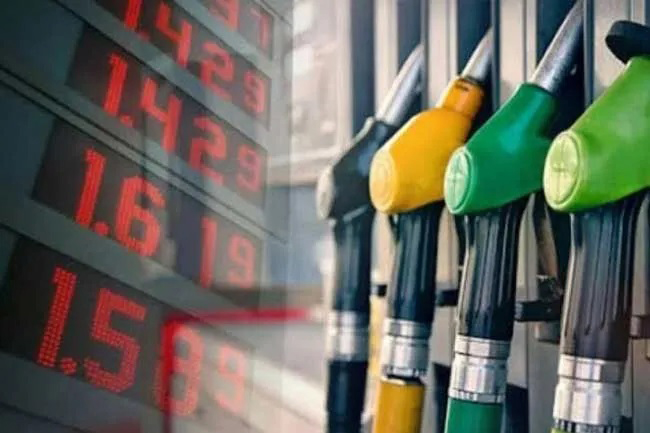
The Ceylon Petroleum Corporation (CEYPETCO) has announced a reduction in the prices of Petrol 92 and Petrol 95, effective from midnight today (30).
The price of Petrol 92 has been reduced by Rs. 15 per litre, from Rs. 414 to Rs. 399 while the price of Petrol 95 Octane has been reduced by Rs. 20 per litre, from Rs. 495 to Rs. 475
There will be no change in the prices of diesel, Super Diesel and kerosene under the latest revision.
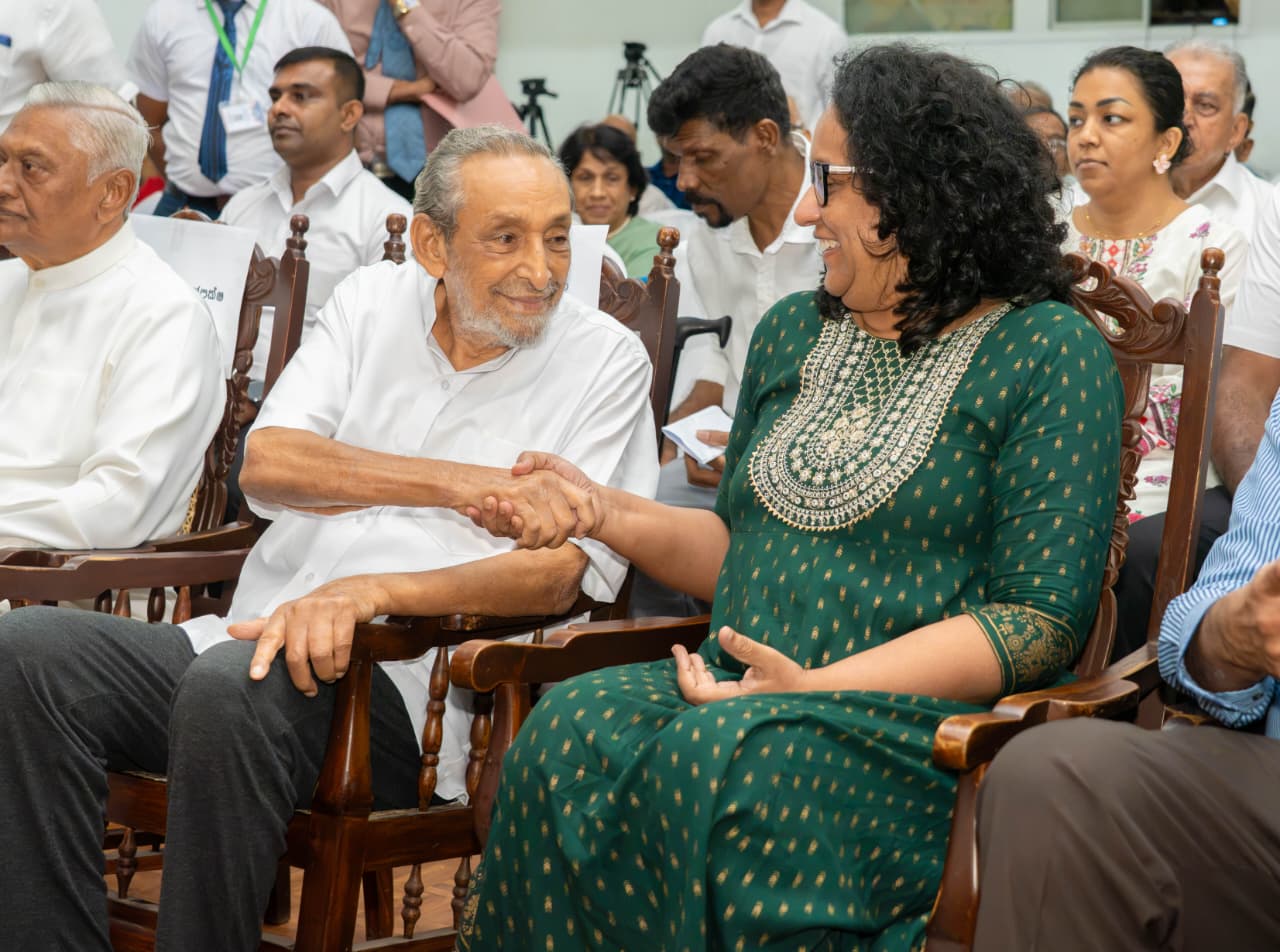
The book “Rathuwewi Mihimadala”, written based on the life story of Vasudeva Nanayakkara, Leader of the Democratic Left Front, was launched on Friday [August 28] at the Bandaranaike Memorial International Conference Hall (BMICH) in Colombo, with the participation of Prime Minister Dr. Harini Amarasuriya.
Speaking to the media afterwards about Vasudeva Nanayakkara, Prime Minister Dr. Harini Amarasuriya stated:
“Vasudeva Nanayakkara is a prominent figure in Sri Lankan politics, particularly within the left-wing political movement. There were several influential figures within the left movement, and that left-wing influence also contributed to bringing the country to where it is today. Politically, there were areas where we agreed and areas where we did not. However, I have great respect for the contribution made by Vasudeva Nanayakkara to left-wing politics. When I entered Parliament in 2020, Vasudeva Nanayakkara was also in Parliament. We sat in the same row, and we spoke about many important as well as interesting moments in his political career. I believe some of these experiences have also been included in this book.”
The event was attended by members of the Maha Sangha, Minister of Justice Harshana Nanayakkara, former President Maithripala Sirisena, former Speakers Karu Jayasuriya and Chamal Rajapaksa, as well as party members, family members and friends.
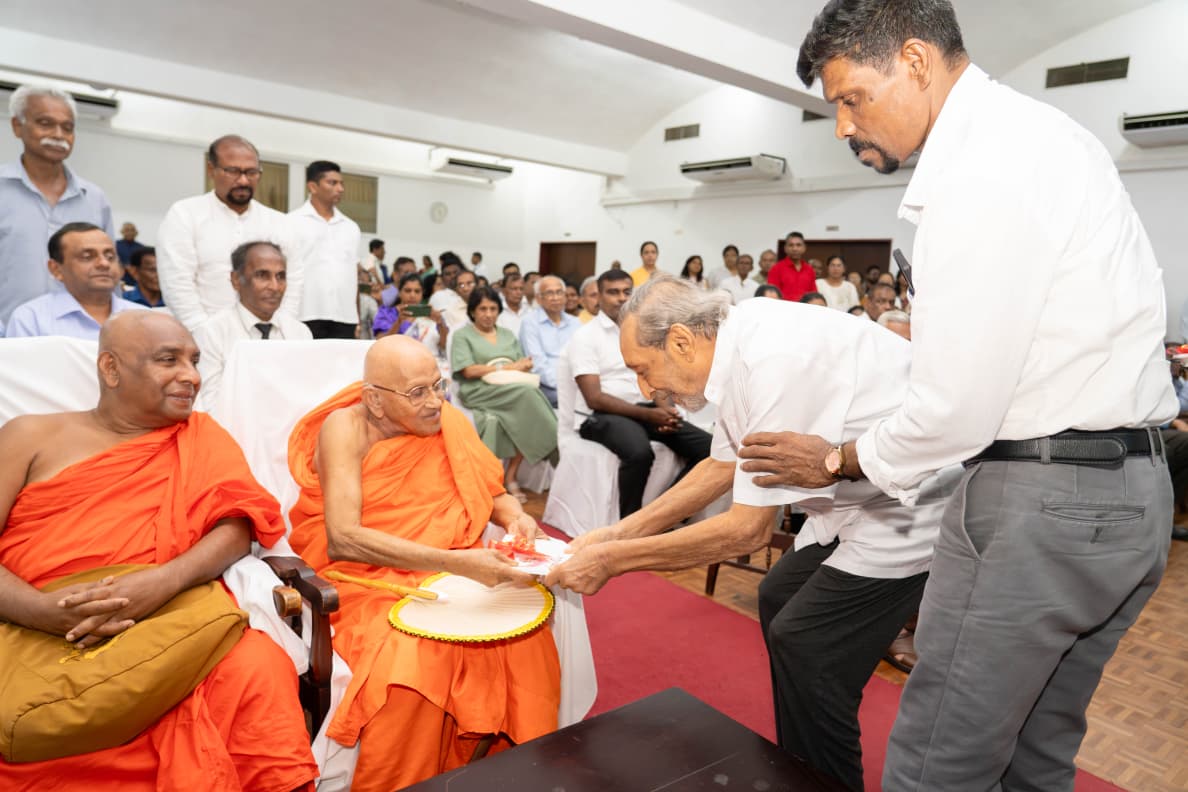
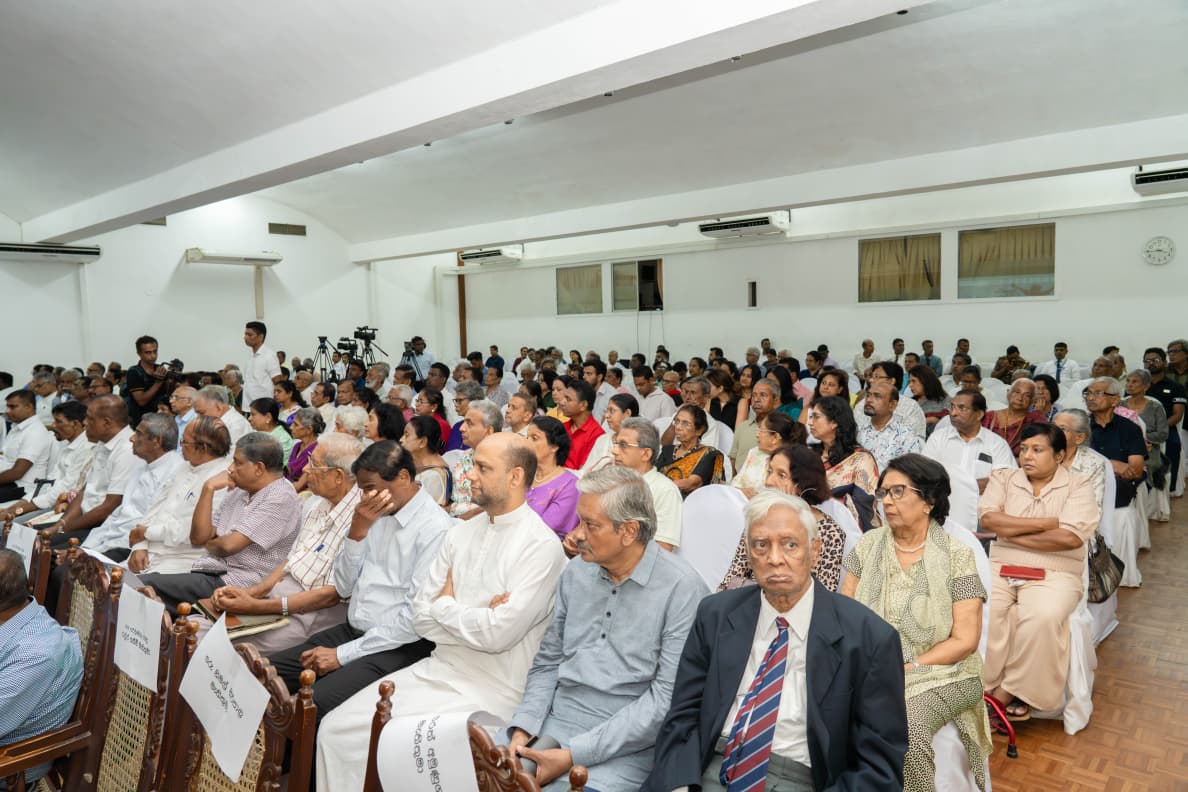
[Prime Minister’s Media Division]
Latest News
Sun directly overhead Mannar, Periyamadu, Puliyankulam, Welioya and Pulmoddai about 12.11 noon today (30)


The sun is going to be directly over the latitudes of Sri Lanka from 28th of August to 07th of September due to its apparent southward relative motion.
The nearest places of Sri Lanka over which the sun is overhead today (30) are Mannar, Periyamadu, Puliyankulam, Welioya and
Pulmoddai about 12.11 noon.

Petrol to cost less from midnight today (30)

Head teacher evacuated 900 children minutes before school washed away by Nepal floods

UPDATE: Seven killed and 23 missing after boat capsizes off northern Cyprus, says Turkish Cypriot PM

Iceland votes against restarting talks on joining EU

“Rathuwewi Mihimadala” Book Launched with the Participation of the Prime Minister

Turkiye, Somalia forces free cargo vessel hijacked by pirates

‘Dates have the highest sugar content to fight Coronavirus’

Sunday Island 27 December – Headlines

#SundayIsland 17th December – Headlines

Sunday Island – 28th March

Sunday Island Headlines – 21 March

Sunday Island – 21st February – Headlines
-

 News6 days ago
Missing doctor’s body found in Mahiyanganaya
-
 News6 days ago
Australia declines to release Finance Secy Suriyapperuma’s citizenship details
-
 News6 days ago
22A: BASL suggests CJ recuse himself from hearing petitions
-

 News3 days ago
Eight politicians in drug kingpin probe
-

 Editorial7 days ago
Govts. drag feet as undergrads age
-
 Features5 days ago
Insights from Chieftains of Uva: Genealogy of two Kandyan Families – Part II
-
 Business3 days ago
Sri Lanka opens up: A new season of direct connectivity
-
 Features3 days ago
Redefining ageing in Sri Lanka