
Life style
Fairness at a cost:Ugly truth behind whitening creams

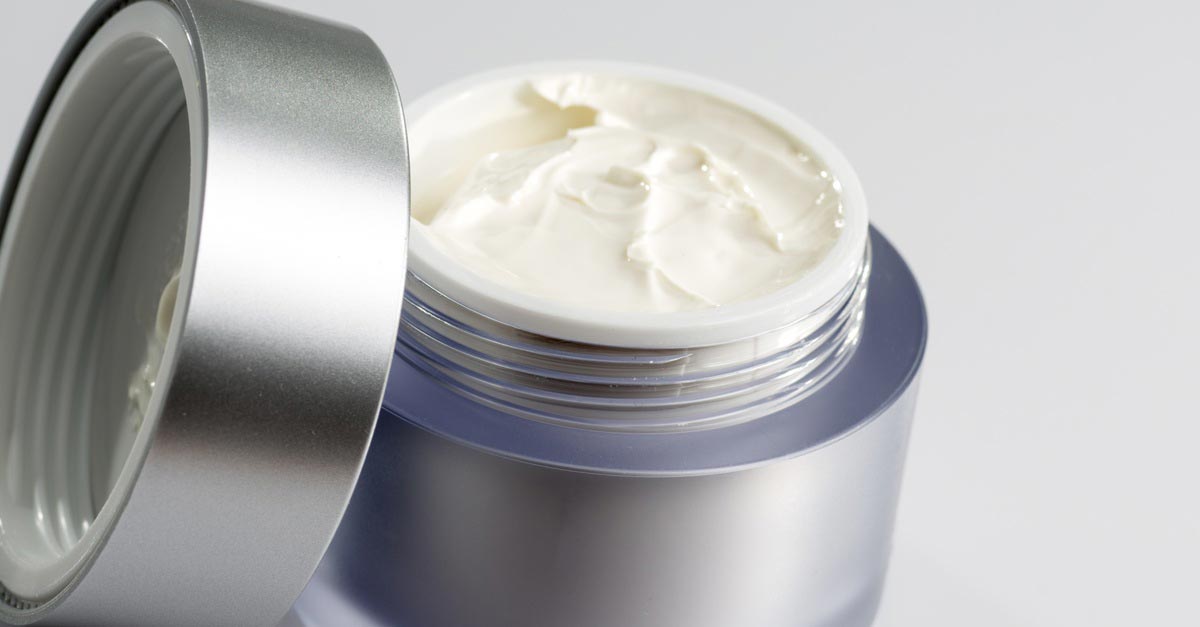
In a market saturated with promises of a brighter, fairer and flawless skin Dr. Nishantha Pathirana, Consultant in Dermatology, Army hospital is calling for caution, awareness and a serious rethink of beauty standards. With decades of experience in dermatology and aesthetic medicine, he spoke to the ‘Sunday Island’ about the risks, myths surrounding fairness creams in Sri Lanka. “We see many patients suffering from thinning skin pigmentation disorders, sensitivity and even acne, all triggered by these whitening creams. His message is simple, understand your skin, protect it from the sun, hydrate well, eat smart and consult a qualified dermatologist before trying out any treatment.
In the age of skin positivity and inclusive beauty, the fairness cream industry thrives. Walk into any beauty aisle or scroll through online skin care ads, and you’ll still find rows of creams, serums and soaps from night creams to face washes and even sunscreens promising instant fairness, shelves are filled with products that prey on security. What’s driving this persisting obsession?
Today, there is a belief that being lighter gives you a better chance-whether in love, in the job market or simply in being accepted says Dr. Nishantha Pathirana
Doctor warns people should understand that most of these creams contain harmful ingredients, like steroids, mercury or others which are harmful to the skin. Long term use can lead to permanent skin damage, or pigmentation issues.
 Q: Why do Sri Lankans prefer fair skin?
The preference for fair skin in Sri Lanka — as in many South Asian societies — is shaped by a combination of historical, cultural, social, and economic factors. Here’s a breakdown of why this bias exists:
Colonial Legacy
Sri Lanka was colonized by the Portuguese, Dutch, and British over several centuries. During colonial rule, lighter skin was associated with power, privilege, and superiority.
This established a hierarchy where Europeans (with fair skin) were at the top and locals (often darker-skinned) were seen as lower status. That legacy lingers in perceptions of beauty and status.
Cultural and Religious Influence
In ancient South Asian literature and folklore, fair skin was often idealized. For instance, many gods and heroes in Hindu and Buddhist stories are described as being radiant or light-skinned.
The idea of beauty being linked to purity or divinity often included a preference for lighter tones.

Class and Caste Associations
Historically, upper castes or higher social classes were often less exposed to the sun due to indoor lifestyles, resulting in lighter skin.
Darker skin came to be (unfairly) associated with manual labor, poverty, or lower status. These associations still persist subtly in social attitudes.
Media and Advertising
In Sri Lankan media, like much of South Asia, has long promoted lighter-skinned models and actors, reinforcing the idea that fair skin is more attractive or desirable.
Fairness creams and skin-lightening products are heavily marketed, often using slogans that link fair skin to success, confidence, and romantic desirability.
Global Beauty Standards
Western beauty standards, often emphasizing lighter skin, have been globalized. Through movies, fashion, and social media, these ideals influence local preferences.
However, this is beginning to change with more global awareness around colorism and representation.
Marriage and Social Expectations
In traditional matchmaking (including arranged marriages), families often prefer fair-skinned brides and grooms. Matrimonial ads still frequently list “fair” as a desirable quality.
This puts pressure, especially on women, to conform to lighter-skinned ideals.
Q: Do you see this reflected in your patients?
Yes, at least 25% of my patients ask for a fairer skin
What is the medical news on fairness creams and skin bleaching products?
Here’s what’s new in fairness creams and skin-bleaching products — including health risks, recent studies, and regulation updates:
Health Risks — Particularly in South Asia
Steroid Contamination and self-prescribing
In Lucknow, India, dermatologists report a surge in skin damage—as many as 80% of patients with pigmentation or fairness concerns had used over-the-counter creams promoted by social media before seeking help. These often contain steroids, leading to fungal infections, skin thinning, rashes, and lasting scars.
Mercury Toxicity and Kidney Damage
A major study in Bangladesh found that 22 out of 26 skin lightening creams exceeded the safe mercury limit
In Sri Lanka, dermatologists report a notable increase in kidney disease linked to these creams—sometimes outpacing cancer. Symptoms include stretch marks, discoloration of nails and palms—occurring even before long term effects like cancer manifest .
Indian researchers from Kerala also documented cases of nephrotic syndrome (membranous nephropathy) tied to fairness cream use: heavy metals, particularly mercury levels up to 10,000× above safe levels, were found in blood and urine samples. 68% of cases in one cohort involved skin cream use.
Other Harmful Ingredients
These products often contain other risky agents: hydroquinone, corticosteroids, and kojic acid. Long-term use can cause skin ochronosis (dark patches), glaucoma, hypertension, immune suppression, and increased skin infections.
Q: What are the short-term and long term risks using fairness creams?
Fairness creams (also known as skin-lightening or skin-brightening creams) often promise lighter, more even-toned skin. However, many of these products—especially unregulated or over-the-counter ones—can pose serious short-term and long-term health risks, depending on their ingredients and usage patterns.
Common Active Ingredients in Fairness Creams:
Hydroquinone, Mercury compounds, Corticosteroids (like betamethasone, clobetasol), Arbutin, Kojic acid
Niacinamide (generally safe, but often combined with harsher agents)
Short-Term Risks
These often appear within weeks to months of regular use:
Skin Irritation
Redness, itching, burning sensation
Especially with hydroquinone or kojic acid
Allergic Reactions
Rash, swelling, contact dermatitis, caused by fragrances or harsh chemicals
Photosensitivity
Increased risk of sunburn due to skin thinning, Common with hydroquinone or corticosteroids
Steroid Acne
Corticosteroids in creams can cause acne breakouts
Temporary Skin Lightening
Uneven results, “patchy” depigmentation
Long-Term Risks
These develop with prolonged or heavy use, especially of unregulated products:
Skin Thinning (Atrophy), Fragile, easily bruised skin—common with long-term steroid use
Ochronosis
Paradoxical darkening of the skin with prolonged hydroquinone use
Mercury Poisoning
Found in some illegal creams, Symptoms: mood changes, kidney damage, tremors, memory issues
Hormonal Imbalance
From corticosteroids absorbed through the skin, can lead to weight gain, menstrual irregularities, or cushing’s syndrome
Increased Risk of Skin Infections
Due to immune suppression from steroids
Psychological Dependence
Body image issues or addiction to skin lightening

Dr. Nishantha Pathirana
Skin cancers
Q: How often do you treat patients suffering from damage caused by these products?
This is so frequent at least I do see 5-6 cases a day after using various whitening agents.
Some fairness creams are marketed as herbal or natural. Are they safe?
Fairness creams that are marketed as herbal or natural may seem safer, but “natural” doesn’t always mean safe or effective. Here are some important considerations:
What “Herbal” or “Natural” Might Really Mean
These terms are not strictly regulated in many countries, so a product labeled “herbal” might still contain synthetic chemicals, preservatives, or steroids.
Even genuine natural ingredients can cause side effects or allergic reactions, especially on sensitive skin.
Potential Risks of Herbal Fairness Creams
Undisclosed Steroids or Mercury:
Some so-called natural creams have been found to contain harmful steroids or mercury, which can cause skin thinning, acne, or long-term pigmentation issues.
Mercury, in particular, can cause kidney damage and neurological problems with prolonged use.
Photosensitivity:
Ingredients like citrus extracts or essential oils can make your skin more sensitive to sunlight, increasing the risk of sunburn or hyperpigmentation.
Lack of Efficacy:
Many herbal creams claim to “lighten” or “brighten” skin but often offer no real results beyond temporary moisturization or superficial effects.
Irritation or Allergic Reactions:
Natural ingredients like neem, sandalwood, or turmeric may cause rashes or dermatitis in some individuals.
Q: What is your take on Ayurvedic or home-made remedies? Are they effective or dangerous?
When it comes to ayurvedic and home remedies most of the ingredients are time tested and well known. When these things are used consistently one can see the improvement in skin colour but those are too not free of side effects since those too can cause above side effects.
Q: Are fairness injections and IV drips like glutathione safe and effective or are they medically approved?
Fairness injections and IV drips like glutathione are marketed for skin lightening or “brightening,” but their safety and effectiveness are controversial and depend on multiple factors.
Q: What Are fairness Injections?
These usually involve IV administration of glutathione, sometimes combined with vitamin C or other antioxidants, marketed to lighten skin by reducing melanin production.
Q: Do They Work?
Glutathione is a powerful antioxidant found naturally in the body. It can affect melanin production in lab settings, but:
Evidence for systemic (whole-body) skin lightening through IV glutathione is limited and inconsistent.
Some people may notice temporary lightening or “brightening” of their skin tone, but this is not guaranteed, and long-term effects are unclear.
The FDA (U.S.) and WHO do not approve glutathione IV for skin whitening due to insufficient evidence and safety concerns. In Sri Lanka too it has not been approved to be used for cosmetic purposes.
Safety Concerns
Unregulated use: Many clinics offer these drips without proper oversight or medical standards.
Dosage risks: High doses or frequent use may lead to kidney or liver damage, thyroid issues, or rare skin disorders (e.g., Stevens-Johnson syndrome).
Unknown interactions: Especially risky for those with pre-existing health issues or on medication.
IV risks: Any intravenous treatment has inherent risks — infection, phlebitis, and allergic reactions.
Q: Is Glutathione Safe?
Oral glutathione supplements or those obtained from diet (e.g., in fruits and veggies) are generally safe but less potent for skin effects.
Glutathione is used medically for certain conditions like chemotherapy side effects or liver detox, under supervision.
The bottom Line is that not recommended for cosmetic use unless prescribed and administered by a licensed medical professional.
Efficacy is unproven, and risks may outweigh benefits—especially in the absence of strong scientific backing.
The pursuit of skin lightening can also raise concerns around colourism and mental well-being. It’s worth reflecting on motivations and considering safer skincare alternatives (like sunscreen, hydration, and topical agents).
Q: What is your message for people keen to improve their complexion?
First and foremost the person should understand their skin type ( Your skin type, dry or normal, sensitive or non-sensitive)
Select the products carefully which suits their skin as per the skin type.
Self-medication must be avoided an should take the opinion/ advice from a qualified personnel at the earliest when some is having any skin irritations
Maintain hydration well. (avoid using artificial drinks and carbonated water)
Balanced diet and regular workouts to maintain optimum BMI
Take plenty of antioxidants
Use the sunscreen of more than 50 SPF regularly especially when someone is getting exposed to direct or indirect sunlight. People who are working on light based devices may use a tinted sunscreen to avoid harmful effects of the screen.

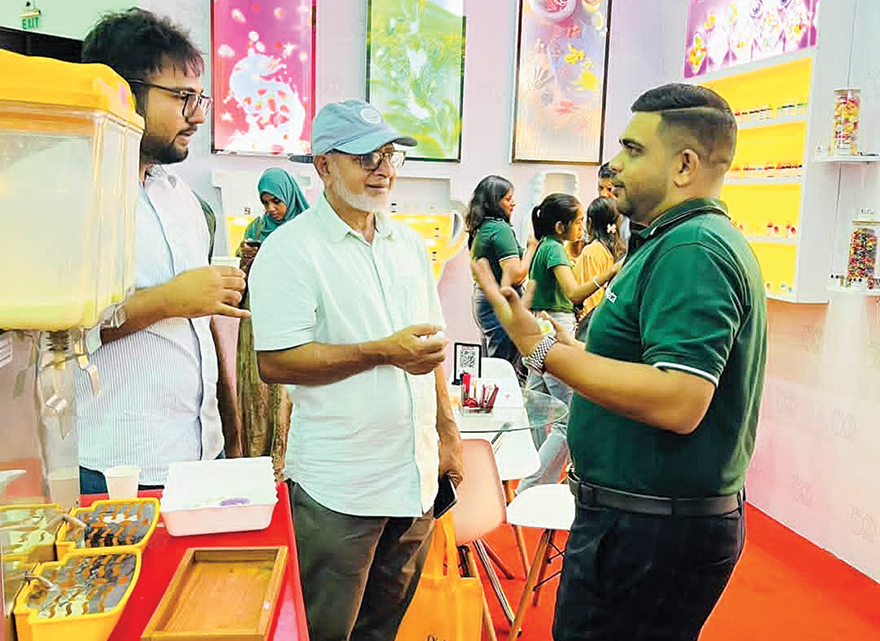
Salman Faiz has turned his family legacy into a modern sensory empire. Educated in London, he returned to Sri Lanka with a global perspective and a refined vision, transforming the family legacy into a modern sensory powerhouse blending flavours,colours and fragrances to craft immersive sensory experiences from elegant fine fragrances to natural essential oils and offering brand offerings in Sri Lanka. Growing up in a world perfumed with possibility, Aromatic Laboratories (Pvt) Limited founded by his father he has immersed himself from an early age in the delicate alchemy of fragrances, flavours and essential oils.
 Salman Faiz did not step into Aromatic Laboratories Pvt Limited, he stepped into a world already alive with fragrance, precision and quiet ambition. Long before he became the Chairman of this large enterprise, founded by his father M. A. Faiz and uncle M.R. Mansoor his inheritance was being shaped in laboratories perfumed with possibility and in conversations that stretched from Colombo to outside the shores of Sri Lanka, where his father forged early international ties, with the world of fine fragrance.
Growing up amidst raw materials sourced from the world’s most respected fragrance houses, Salman Faiz absorbed the discipline of formulation and the poetry of aroma almost by instinct. When Salman stepped into the role of Chairman, he expanded the company’s scope from a trusted supplier into a fully integrated sensory solution provider. The scope of operations included manufacturing of flavours, fragrances, food colours and ingredients, essential oils and bespoke formulations including cosmetic ingredients. They are also leading supplier of premium fragrances for the cosmetic,personal care and wellness sectors Soon the business boomed, and the company strengthened its international sourcing, introduced contemporary product lines and extended its footprint beyond Sri Lanka’s borders.

Where raw materials transform into refined fragrance

Salman Faiz -carrying forward a legacy
Today, Aromatic Laboratories stands as a rare example of a second generation. Sri Lankan enterprise that has retained its soul while embracing scale and sophistication. Under Salman Faiz’s leadership, the company continues to honour his father’s founding philosophy that every scent and flavour carries a memory, or story,and a human touch. He imbibed his father’s policy that success was measured not by profit alone but the care taken in creation, the relationships matured with suppliers and the trust earned by clients.
“We are one of the leading companies manufacturing fragrances, dealing with imports,exports in Sri Lanka. We customise fragrances to suit specific applications. We also source our raw materials from leading French company Roberte’t in Grasse
Following his father, for Salman even in moments of challenge, he insisted on grace over haste, quality over conveniences and long term vision over immediate reward under Salman Faiz’s stewardship the business has evolved from a trusted family enterprise into a modern sensory powerhouse.
Now the company exports globally to France, Germany, the UK, the UAE, the Maldives and collaborates with several international perfumes and introduces contemporary products that reflect both sophistication and tradition.
We are one of the leading companies. We are one of the leading companies manufacturing fine and industrial fragrance in Sri Lanka. We customise fragrances to suit specific applications said Faiz
‘We also source our raw materials from renowned companies, in Germany, France, Dubai,Germany and many others.Our connection with Robertet, a leading French parfume House in Grasse, France runs deep, my father has been working closely with the iconic French company for years, laying the foundation for the partnership, We continue even today says Faiz”
Today this business stands as a rare example of second generation Sri Lankan entrepreneurship that retains its souls while embracing scale and modernity. Every aroma, every colour and every flavour is imbued with the care, discipline, and vision passed down from father to son – a living legacy perfected under Salmon Faiz’s guidance.
By Zanita Careem
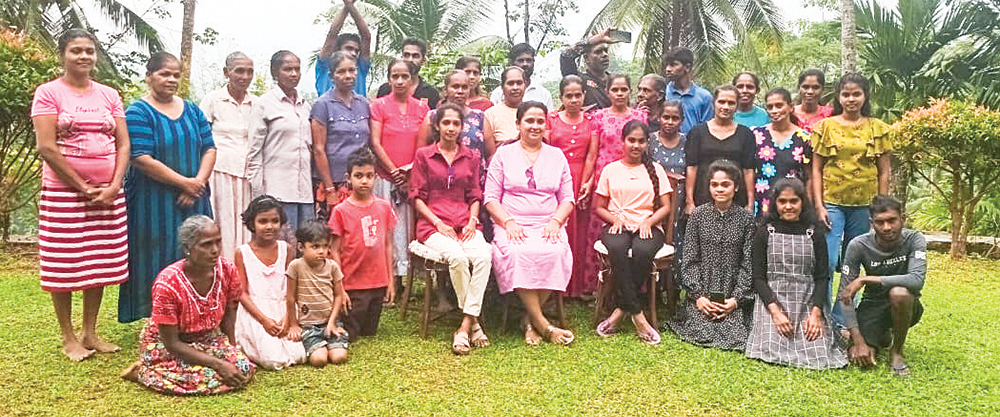
Harini and Chanaka cultivating change
When Harini and Chanaka Mallikarachchi returned to Sri Lanka after more than ten years in the United States, it wasn’t nostalgia alone that they brought home . It was purpose.Beneath the polished resumes and strong computer science backgrounds lay something far more personal- longing to reconnect with the land, and to give back to the country that shaped their memories. From that quiet but powerful decision was born Agri Vision not just an agricultural venture but a community driven movement grounded in sustainability ,empowerment and heritage. They transform agriculture through a software product developed by Avya Technologies (Pvt Limited) Combining global expertise with a deep love for their homeland, they created a pioneering platform that empowers local farmers and introduce innovative, sustainable solutions to the country’s agri sector.
After living for many years building lives and careers in theUnited States, Harini and Chanaka felt a powerful pull back to their roots. With impressive careers in the computer and IT sector, gaining global experience and expertise yet, despite their success abroad, their hearts remained tied to Sri Lanka – connection that inspired their return where they now channel their technological know-how to advance local agriculture.
For Harini and Chanaka, the visionaries behind Agri Vision are redefining sustainable agriculture in Sri Lanka. With a passion for innovation and community impact, they have built Agri Vision into a hub for advanced agri solutions, blending global expertise with local insight.
In Sri Lanka’s evolving agricultural landscape, where sustainability and authenticity are no longer optional but essential. Harini and Chanaka are shaping a vision that is both rooted and forward looking. In the heart of Lanka’s countryside, Uruwela estate Harini and Chanaka alongside the ever inspiring sister Malathi, the trio drives Agri Vision an initiative that fuses cutting edge technology with age old agricultural wisdom. At the core of their agri philosophy lies two carefully nurtured brands artisan tea and pure cinnamon, each reflecting a commitment to quality, heritage and people.
Armed with global exposure and professional backgrounds in the technology sector,they chose to channel thier experiences into agriculture, believing that true progress begins at home.
-
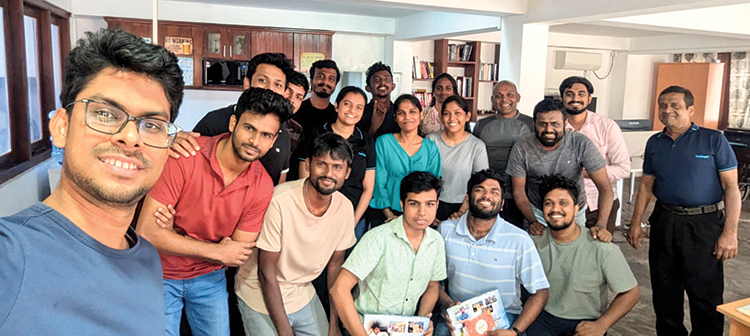
- Avya Technologies (Pvt) ltd software company that developed Agri Vision
-

- Chanaka,Harini and Shakya Mallikarachchi and Malathi Malathi dias (middle)
But the story of Agri Vision is as much about relationships as it is about technology. Harini with her sharp analytical mind, ensures the operations runs seamlessly Chanaka, the strategist looks outward, connecting Agri Vision to globally best practices and Malathi is their wind behind the wings, ensures every project maintains a personal community focussed ethos. They cultivate hope, opportunity and a blueprint for a future where agriculture serves both the land and the people who depend on it .
For the trio, agriculture is not merely about cultivation, it is about connection. It is about understanding the rhythm of the land, respecting generations of farming knowledge, and that growth is shared by the communities that sustain it. This belief forms the backbone of Agro’s vision, one that places communities not only on the periphery, but at the very heart of every endeavour.
Artisan tea is a celebration of craft and origin sourced from selected growing regions and produced with meticulous attention to detail, the tea embodier purity, traceability and refinement, each leaf is carefully handled to preserve character and flavour, reflecting Sri Lanka’s enduring legacy as a world class tea origin while appealing to a new generation of conscious consumers complementing this is pure Cinnamon, a tribute to authentic Ceylon, Cinnamon. In a market saturated with substitutes, Agri vision’s commitment to genuine sourcing and ethical processing stands firm.
By working closely with cinnamon growers and adhering to traditional harvesting methods, the brands safeguards both quality and cultural heritage.
What truly distinguishes Harini and Chanake’s Agri Vision is their community approach. By building long term partnerships with smallholders. Farmers, the company ensures fair practises, skill development and sustainable livelihoods, These relationships foster trust and resilience, creating an ecosystem where farmers are valued stakeholders in the journey, not just suppliers.
Agri vision integrates sustainable practices and global quality standards without compromising authenticity. This harmony allows Artisan Tea and Pure Cinnamon to resonate beyond borders, carrying with them stories of land, people and purpose.
As the brands continue to grow Harini and Chanaka remain anchored in their founding belief that success of agriculture is by the strength of the communities nurtured along the way. In every leaf of tea and every quill of cinnamon lies a simple yet powerful vision – Agriculture with communities at heart.
By Zanita Careem

Courtyard by Marriott Colombo has welcomed Suranga Peelikumbura as its new General Manager, ushering in a chapter defined by vision, warmth, and global sophistication.
Suranga’s story is one of both breadth and depth. Over two decades, he has carried the Marriott spirit across continents, from the shimmering luxury of The Ritz-Carlton in Doha to the refined hospitality of Ireland, and most recently to the helm of Resplendent Ceylon as Vice President of Operations. His journey reflects not only international mastery but also a devotion to Sri Lanka’s own hospitality narrative.
What distinguishes Suranga is not simply his credentials but the philosophy that guides him. “Relationships come first, whether with our associates, guests, partners, or vendors. Business may follow, but it is the strength of these connections that defines us.” It is this belief, rooted in both global perspective and local heart, that now shapes his leadership at Courtyard Colombo.
At a recent gathering of corporate leaders, travel partners, and media friends, Suranga paid tribute to outgoing General Manager Elton Hurtis, hon oring his vision and the opportunities he created for associates to flourish across the Marriott world. With deep respect for that legacy, Suranga now steps forward to elevate guest experiences, strengthen community ties, and continue the tradition of excellence that defines Courtyard Colombo.
From his beginnings at The Lanka Oberoi and Cinnamon Grand Colombo to his leadership roles at Weligama Bay Marriott and Resplendent Ceylon, Suranga’s career is a testament to both resilience and refinement. His return to Marriott is not merely a professional milestone, it is a homecoming.
-

 Life style2 days ago
Marriot new GM Suranga
-

 Business1 day ago
Ministry of Brands to launch Sri Lanka’s first off-price retail destination
-

 Features2 days ago
Monks’ march, in America and Sri Lanka
-

 Midweek Review6 days ago
A question of national pride
-

 Business6 days ago
Autodoc 360 relocates to reinforce commitment to premium auto care
-

 Opinion5 days ago
Will computers ever be intelligent?
-

 Features2 days ago
The Rise of Takaichi
-

 Features2 days ago
Wetlands of Sri Lanka: